




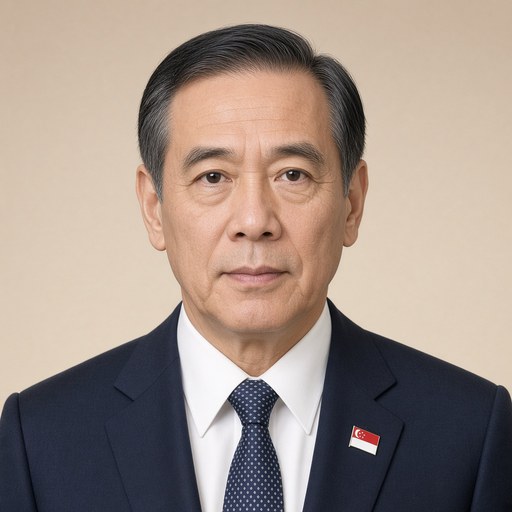
PM Lee Hsien Loong on the COVID-19 situation in Singapore on 12 March 2020
 Lee Hsien Loong · Prime Minister of Singapore
- Context
- Lee addressed Singaporeans on 12 March 2020 to update them on the COVID-19 situation following the WHO's pandemic declaration, outlining medical, economic, and psychological responses.
- Main themes
- COVID-19 pandemic response, public health measures, contact tracing and quarantine, healthcare capacity, travel restrictions, social distancing, economic impact, psychological resilience, community solidarity, religious gatherings safety, surge planning, WHO pandemic declaration
- Duration
- ~20 min
- Words
- 2,429
- Sentences
- 159
- Readability
- 48
- Grade
- 10.3
- Syntax
- 2.79
- Vocabulary
- 2.14
Translated from Multiple languages
The broad sphere of national life a sentence belongs to. Every sentence has an Arena, so it is the denominator the other indices are read against.
Other159 sentences in 42 paragraphs
My fellow Singaporeans, good evening.
Five weeks ago, I spoke to you on our COVID-19 situation.
Much has happened since then. So it is timely to update you again, and share with you what we can expect down the road. I will speak about three aspects of the issue: medical, economic and psychological.
Medical Outlook
On the medical front, we continue to see new cases in Singapore. Most either have travelled overseas, or can be traced to imported cases. Each time we have been able to isolate them, do contact tracing, and quarantine the close contacts. So our numbers have not blown up. But neither have we been able to eradicate the virus, despite our best efforts.
At the same time, around us, the number of cases is rising rapidly. China’s situation is stabilising, but new cases are emerging all over the world - in Europe, America, and the Middle East. Globally, the number of cases is doubling every 5 to 7 days. Hence today, the WHO declared COVID-19 to be a pandemic.
What does this mean? It means that WHO assesses that many countries will see full blown outbreaks, with sustained community transmission, like what has happened in South Korea and Italy. And unlike SARS, this outbreak will continue for some time – a year, and maybe longer.
The WHO named one key reason for the rapid spread: many countries had not taken the situation seriously enough – what the WHO called “alarming levels of inaction”. Here in Singapore, we have all along taken COVID-19 with the utmost seriousness. In fact, the WHO praised our efforts and held Singapore up as an example to emulate.
But we too face a serious situation. We expect more imported cases, and therefore new clusters and new waves of infection, this time coming from many countries rather than one or two. We have already imposed some travel restrictions, for example, for China, Iran, South Korea, Italy. We will have to tighten up further temporarily, though we cannot completely shut ourselves off from the world.
What else must we do? First, because COVID-19 will be with us for a long time, there are baseline things that we must get used to, like practising good personal hygiene, adopting new social norms and discouraging large gatherings, and generally, maintaining some physical distance from one another. That is why we already scaled down community activities, especially for the seniors.
And we can do more in other areas. For example, at religious gatherings. In South Korea, the cases spread through the Shincheonji church group. In Singapore, two of our big clusters happened in church groups. And several Singaporeans who attended a big international religious gathering, a tabligh gathering, in Kuala Lumpur recently have caught the virus. The issue is of course not religion itself, but that the virus can spread quickly to many people in crowded settings, like religious gatherings and services. That is why Saudi Arabia temporarily stopped umrah pilgrimages; and the Pope live-streamed his sermons to avoid crowds on Saint Peter’s Square. I hope Singaporeans understand that during this period we may need to shorten religious services, or reduce our attendance at such gatherings. Please work with your religious leaders to make these practical adjustments.
Second, we need to plan for a possible spike in COVID-19 cases. With very large numbers, if it happens, we will not be able to hospitalise and isolate every case like we do now. But we now know that the majority of patients, in fact 80% of them, only experience mild symptoms. The ones that are most at risk are the elderly, and those with pre-existing conditions like high blood pressure or lung problems. So with larger numbers, the sensible thing will be to hospitalise only the more serious cases, and encourage those with mild symptoms to see their family GP and rest at home – isolate themselves. This way, we focus resources on the seriously ill, speed up our response time, and hopefully, minimise the number of fatalities.
In the meantime, we are freeing up ICU and hospital beds and facilities, to create additional capacity to meet any surge in COVID-19 numbers. But rest assured, any Singaporean who needs urgent medical care, whether for COVID-19 or other illnesses, will be taken care of.
Besides medical plans, if there is a spike, we will also need additional social distancing measures. These will be temporary like suspending school, staggering work hours, or compulsory telecommuting. They will be extra “brakes”, to be implemented when we see a spike in cases. The extra brakes will slow down transmission of the virus, prevent our healthcare system from being overwhelmed, and help bring the numbers back down. After the situation improves, we can ease off and go back to the baseline precautions.
But let me emphasise this: the situation in Singapore remains under control. We are not going to DORSCON Red. We are not locking down our city like the Chinese or Italians have done. What we are doing now is to plan ahead for some of these more stringent measures, try them out, and prepare Singaporeans for when we actually need to implement them.
Economic Impact
As we consider these next steps, one major concern we have is the impact on our economy.
Our economy is taking a big hit. That is why we did the $4bn Support and Stabilisation Package in the Budget last month to help businesses, workers and households tide over the immediate period. This has helped. But with things still unfolding, we knew we might have to do more. The situation is especially serious for some sectors – hotels, aviation, hospitality, and freelancers in the gig economy. But nobody has been spared. Everyone feels the impact, to different degrees.
So the Government is working on a second package of measures. We will help our companies with their costs and cash-flow, to keep them afloat through the storm. We will help our workers keep their jobs, and retrain during their downtime, so that when things return to normal, our workers will be the first out of the gate, and immediately productive. And we will give those who are retrenched and unemployed, as well as their families, an extra helping hand to see through this difficult period.
Social and Psychological Resilience
I am sharing these plans with you to reassure you that we are on top of things, and thinking ahead. We anticipated the medical and economic consequences. I am confident that we can deal with them.
But what is also critical is the psychological aspect of this fight. Our frontline staff are working extremely hard to keep Singapore going - healthcare workers, immigration officers, civil servants, public transport workers, taxi drivers, cleaning staff. Singaporeans are cheering them on. The Government, for its part, has been open and transparent with our plans. When we made direct appeals to Singaporeans, for example, only wear face masks when unwell; or not to worry about our supermarkets running out of food or household items, people accepted our reassurances, and behaviour changed. I am grateful that most Singaporeans are responding calmly and responsibly. Thank you for your trust and support.
Singapore’s response has received international accolades. Underlying this is the social and psychological resilience of our people. What makes Singapore different from other countries is that we have confidence in each other, we feel that we are all in this together, and we do not leave anyone behind. This is SG United, we are SG United.
We will remain in this high risk state, nevertheless, for some time to come. But if we keep up our guard, and take practical precautions to protect ourselves and our families, we will be able to keep our economy going, and carry on with our daily lives. In such a crisis, everyone has a part to play. I hope you will work with me and colleagues to keep our families safe, keep Singapore secure, and move forward together.
Thank you.
However, we are also facing a severe situation. We expect an increase in the spread of the virus from travelers coming from abroad, the emergence of new outbreak locations, and that this time the virus will come from multiple countries instead of just one or two. We have already imposed some travel restrictions on countries such as China, Iran, South Korea, and Italy. We may need to temporarily tighten those further. However, we cannot completely sever our connections with the world.
What else should we do? First of all, since the COVID-19 virus is likely to persist for a long time, we need to adapt to some basic things. For example, adhering to good personal hygiene practices, following new social norms, avoiding large gatherings in one place, and maintaining some distance from one another. That is why we have already reduced social activities, especially those for the elderly.
We can also make further efforts in some other aspects. For instance, in religious gatherings. In South Korea, the virus spread through the Shincheonji church group. In Singapore, two major outbreak incidents occurred in churches. Moreover, some Singaporeans who participated in a large international religious gathering recently held in Kuala Lumpur contracted the virus. Here, religion is not the problem. The issue is that the virus can spread rapidly to many people in crowded environments such as religious gatherings and services. That is why Saudi Arabia has temporarily suspended Umrah pilgrimages. The Pope is delivering religious sermons online to avoid large gatherings in St. Peter's Square. Therefore, I hope Singaporeans will understand that we may need to reduce the timing of religious services or our participation in such gatherings during this period. Please work with your religious leaders to make appropriate adjustments to practices.
Secondly, we must plan for the possibility that the number of people affected by COVID-19 could suddenly increase. If the numbers rise significantly, it will not be feasible to admit and isolate everyone in hospitals as we are doing now. However, most patients, that is, 80% of patients, experience only mild symptoms. Older individuals and those with high blood pressure or lung issues face greater risks. Therefore, when the numbers increase, it is prudent to admit only those with severe symptoms to hospitals. Those with mild symptoms can be encouraged to see their family doctor, rest at home, and isolate themselves. This way, we can utilize resources for those severely affected, expedite our operational time, and reduce the number of fatalities.
In the meantime, we are increasing bed capacity in intensive care units and hospital wards to prepare for a sudden rise in the number of people affected by COVID-19. Nevertheless, we assure that appropriate care will be provided to all Singaporeans who require urgent medical attention for COVID-19 or other illnesses.
In addition to medical plans, when the numbers rise significantly, additional measures will be needed to keep people socially distanced. Temporary measures such as closing schools, adjusting work hours, or implementing mandatory telecommuting can be taken. These will serve as additional "brakes" that can be implemented when the numbers rise significantly. These additional brakes will help slow the rate of virus transmission, prevent our healthcare services from being overwhelmed, and assist in bringing the numbers back down to a manageable level. Once the situation improves, we can ease the measures and return to basic precautionary arrangements.
But I want to emphasize one thing: Singapore's situation is still under control. We have not moved to the "DORSCON" red alert level. We will not sever our connections with the world as the Chinese, South Koreans, or Italians have done. What we are doing now is planning and implementing some of these stringent measures in advance to prepare Singaporeans for the situations that will truly be necessary.
Economic Impact
As we consider the next steps, the impact on our economy is a major concern.
Our economy has been significantly affected. That is why, to assist businesses, employees, and families in coping with this period, we announced a support package worth $4 billion in last month's budget. This has helped. However, as the situation continues to deteriorate gradually, we know we will need to do more. In particular, the situation is dire in sectors such as hotels, aviation, hospitality, and the gig economy where freelance workers are employed. But no one is unaffected. Everyone is feeling the impact to varying degrees.
Therefore, the government is preparing a second support package. We will assist with the costs of our businesses and cash flow to help them weather this storm. We will help our employees stay employed and receive retraining during this downturn. This way, when the situation begins to stabilize, our employees will be the first to bounce back and be able to operate with productivity immediately. We will also provide additional support to those who have been laid off, those without jobs, and their families during this difficult period.
Social and Psychological Resilience
I share these plans with you to instill confidence that we are understanding the situation well and acting proactively. We have anticipated the medical and economic repercussions. I believe we can manage them.
However, the psychological aspect is also very important in this struggle. Our frontline workers, including healthcare workers, immigration officers, government officials, public transport workers, taxi drivers, and cleaning staff, are all working hard to protect Singapore. Singaporeans are encouraging and supporting them. The government, for its part, is transparently sharing its plans. For example, when the government directly asked people to wear masks only when unwell and not to worry about running out of food or household supplies, people accepted what we said and changed their behavior. I thank the majority of Singaporeans for being calm and responsible. Thank you for your trust and support.
Singapore's approach to managing this situation has received international praise. The social and psychological resilience of our people is the reason for this. The trust we place in one another, the feeling that we are all in this together, and the commitment to leave no one behind are what set Singapore apart from other countries. This is the united Singapore; we are the united Singapore.
We will be in this high-risk situation for some time. However, if we remain vigilant and take precautionary measures to protect ourselves and our families, we can safeguard the economy and continue our daily lives as usual. In such a crisis, everyone must play a part. I believe that you will work together with me and my colleagues to keep our families and Singapore safe, and that we will move forward together.
Thank you.
The original Multiple languages. The tags above are read on the English translation's sentences.
Chinese
Malay
Tamil
My fellow Singaporeans, good evening.
Five weeks ago, I spoke to you on our COVID-19 situation.
Much has happened since then. So it is timely to update you again, and share with you what we can expect down the road. I will speak about three aspects of the issue: medical, economic and psychological.
Medical Outlook
On the medical front, we continue to see new cases in Singapore. Most either have travelled overseas, or can be traced to imported cases. Each time we have been able to isolate them, do contact tracing, and quarantine the close contacts. So our numbers have not blown up. But neither have we been able to eradicate the virus, despite our best efforts.
At the same time, around us, the number of cases is rising rapidly. China’s situation is stabilising, but new cases are emerging all over the world - in Europe, America, and the Middle East. Globally, the number of cases is doubling every 5 to 7 days. Hence today, the WHO declared COVID-19 to be a pandemic.
What does this mean? It means that WHO assesses that many countries will see full blown outbreaks, with sustained community transmission, like what has happened in South Korea and Italy. And unlike SARS, this outbreak will continue for some time – a year, and maybe longer.
The WHO named one key reason for the rapid spread: many countries had not taken the situation seriously enough – what the WHO called “alarming levels of inaction”. Here in Singapore, we have all along taken COVID-19 with the utmost seriousness. In fact, the WHO praised our efforts and held Singapore up as an example to emulate.
But we too face a serious situation. We expect more imported cases, and therefore new clusters and new waves of infection, this time coming from many countries rather than one or two. We have already imposed some travel restrictions, for example, for China, Iran, South Korea, Italy. We will have to tighten up further temporarily, though we cannot completely shut ourselves off from the world.
What else must we do? First, because COVID-19 will be with us for a long time, there are baseline things that we must get used to, like practising good personal hygiene, adopting new social norms and discouraging large gatherings, and generally, maintaining some physical distance from one another. That is why we already scaled down community activities, especially for the seniors.
And we can do more in other areas. For example, at religious gatherings. In South Korea, the cases spread through the Shincheonji church group. In Singapore, two of our big clusters happened in church groups. And several Singaporeans who attended a big international religious gathering, a tabligh gathering, in Kuala Lumpur recently have caught the virus. The issue is of course not religion itself, but that the virus can spread quickly to many people in crowded settings, like religious gatherings and services. That is why Saudi Arabia temporarily stopped umrah pilgrimages; and the Pope live-streamed his sermons to avoid crowds on Saint Peter’s Square. I hope Singaporeans understand that during this period we may need to shorten religious services, or reduce our attendance at such gatherings. Please work with your religious leaders to make these practical adjustments.
Second, we need to plan for a possible spike in COVID-19 cases. With very large numbers, if it happens, we will not be able to hospitalise and isolate every case like we do now. But we now know that the majority of patients, in fact 80% of them, only experience mild symptoms. The ones that are most at risk are the elderly, and those with pre-existing conditions like high blood pressure or lung problems. So with larger numbers, the sensible thing will be to hospitalise only the more serious cases, and encourage those with mild symptoms to see their family GP and rest at home – isolate themselves. This way, we focus resources on the seriously ill, speed up our response time, and hopefully, minimise the number of fatalities.
In the meantime, we are freeing up ICU and hospital beds and facilities, to create additional capacity to meet any surge in COVID-19 numbers. But rest assured, any Singaporean who needs urgent medical care, whether for COVID-19 or other illnesses, will be taken care of.
Besides medical plans, if there is a spike, we will also need additional social distancing measures. These will be temporary like suspending school, staggering work hours, or compulsory telecommuting. They will be extra “brakes”, to be implemented when we see a spike in cases. The extra brakes will slow down transmission of the virus, prevent our healthcare system from being overwhelmed, and help bring the numbers back down. After the situation improves, we can ease off and go back to the baseline precautions.
But let me emphasise this: the situation in Singapore remains under control. We are not going to DORSCON Red. We are not locking down our city like the Chinese or Italians have done. What we are doing now is to plan ahead for some of these more stringent measures, try them out, and prepare Singaporeans for when we actually need to implement them.
Economic Impact
As we consider these next steps, one major concern we have is the impact on our economy.
Our economy is taking a big hit. That is why we did the $4bn Support and Stabilisation Package in the Budget last month to help businesses, workers and households tide over the immediate period. This has helped. But with things still unfolding, we knew we might have to do more. The situation is especially serious for some sectors – hotels, aviation, hospitality, and freelancers in the gig economy. But nobody has been spared. Everyone feels the impact, to different degrees.
So the Government is working on a second package of measures. We will help our companies with their costs and cash-flow, to keep them afloat through the storm. We will help our workers keep their jobs, and retrain during their downtime, so that when things return to normal, our workers will be the first out of the gate, and immediately productive. And we will give those who are retrenched and unemployed, as well as their families, an extra helping hand to see through this difficult period.
Social and Psychological Resilience
I am sharing these plans with you to reassure you that we are on top of things, and thinking ahead. We anticipated the medical and economic consequences. I am confident that we can deal with them.
But what is also critical is the psychological aspect of this fight. Our frontline staff are working extremely hard to keep Singapore going - healthcare workers, immigration officers, civil servants, public transport workers, taxi drivers, cleaning staff. Singaporeans are cheering them on. The Government, for its part, has been open and transparent with our plans. When we made direct appeals to Singaporeans, for example, only wear face masks when unwell; or not to worry about our supermarkets running out of food or household items, people accepted our reassurances, and behaviour changed. I am grateful that most Singaporeans are responding calmly and responsibly. Thank you for your trust and support.
Singapore’s response has received international accolades. Underlying this is the social and psychological resilience of our people. What makes Singapore different from other countries is that we have confidence in each other, we feel that we are all in this together, and we do not leave anyone behind. This is SG United, we are SG United.
We will remain in this high risk state, nevertheless, for some time to come. But if we keep up our guard, and take practical precautions to protect ourselves and our families, we will be able to keep our economy going, and carry on with our daily lives. In such a crisis, everyone has a part to play. I hope you will work with me and colleagues to keep our families safe, keep Singapore secure, and move forward together.
Thank you.
Remarks in Chinese by PM Lee Hsien Loong on the COVID-19 Outbreak in Singapore on 12 Mar 2020
各位同胞, 大家晚上好!
这是我第二次针对新加坡的2019冠状病毒疫情发表电视讲话。
我国是在二月初把警戒级别调高到橙色,接着也陆续实行一系列的防疫措施。同时,疫情也在其他国家爆发,各地的病例不断迅速上升,世界卫生组织也刚宣布疫情为“大流行”。
疫情变“大流行”对新加坡意味着什么?
第一,我们所推出的一些措施必须是可以持续的,例如经常洗手、保持新加坡清洁,这些不应该只是发生疫情才做的,而是要成为我们生活中的一部分。第二,减少社交接触的措施还会继续,如果需要参加活动也必须保持适当的社交距离。这或许会带来一些不便,不过这需要大家的全力配合。一直以来我们的对策是及时发现、及时治疗,把病毒传播的范围降到最小。可是病毒正在全球各地迅速蔓延,我国预计会出现更多从外国输入的病例,本地也面对大规模感染群出现的风险。这将是一个新的局面,我们必须保持警惕,做好心理准备。
在这期间,我们一定要保持镇定,所有人都要和政府合作,这样我们采取的防疫措施才能够保护大家的安全。
这些日子以来,疫情已对我国经济造成影响。政府一直与企业和工友保持密切的联系。不少人都受到了疫情的打击,特别是中小型企业以及自由业者面对更为严峻的挑战。政府会尽全力,提供有效和及时的帮助。二月宣布的预算案,我们已经推出了多项辅助措施,不过政府也明白疫情持续恶化,因此,我们已经在筹备下一阶段的经济支援配套。
这次的疫情,考验了我们社会的坚韧性和凝聚力。守在前线的人士,例如医护人员,追踪接触者的小组等,都在辛勤的工作。我很欣慰,大家也从多方面支持和关怀(他们),为他们加油,打气,这给了他们力量,坚持下去。许多国人也发挥甘榜精神,互助互爱,像为隔离者送上爱心餐,或是为医护人员提供免费饮料,这些善举无形中让我们更加团结,齐心抵抗疫情。
这次的疫情,也考验了我们的判断能力。在信息爆炸的时代,我们在获取最新消息时,要会分辨什么是真,什么是假。社交媒体和网络上有许多关于疫情的讯息,有的可以参考,有的却是无稽之谈,有的是在其他地方发生的事情,但是这些事情不一定都会在这里发生。即使是新加坡也出现类似的情况,结果也不一定是一样的,因为每一个国家的情形都不尽相同。
总的来说,这疫情还会持续一段时间。我们必须做好长期的准备,同病毒对抗,并确保我国的经济和国人的生活降到尽可能获得保障。
新加坡要顺利走出这次的困境,继续向前,就需要我们每一个人负起社会责任,共同防止病毒的传播。
但更重要的是,经过这次的考验后,我希望我们的社会更加团结,大家更懂得关心彼此、互相扶持、各尽所能,一同守护我们的美好家园。
谢谢!
Remarks in Malay by PM Lee Hsien Loong on the COVID-19 Outbreak in Singapore on 12 Mar 2020
Saudara-saudari sekalian, lima minggu sudah berlalu sejak saya bincangkan tentang COVID-19 dengan anda. Kita sama-sama berharap agar wabak ini berakhir secepat mungkin.
Banyak yang telah kita lalui. Kita kini lebih berpengalaman untuk menanganinya. Namun memandangkan perkembangan terkini di seluruh dunia, kita boleh jangkakan bahawa Singapura akan berdepan dengan cabaran ini untuk jangka masa yang lebih lama.
Dalam kita meneruskan langkah-langkah sedia ada yang berkesan, kita juga mesti bersiap sedia dari segi psikologi jika keadaan berubah menjadi lebih buruk secara mendadak. Oleh itu, untuk melindungi diri kita, kita mesti persiapkan diri dengan langkah-langkah bagi jangka masa pertengahan dan jangka masa panjang. Lihat saja di Itali – hanya tiga kes, tiga minggu lalu. Tetapi hari ini, lebih 7,000 kes!
Kita harus berwaspada sebelum menghadiri sebarang perhimpunan, termasuk perhimpunan agama. Kita sudah ada dua kes yang melibatkan peserta perhimpunan tabligh yang besar baru-baru ini, di Kuala Lumpur. Pada masa-masa genting sekarang ini, saya harap anda faham dan sokong langkah-langkah praktikal untuk mengurangkan jumlah jemaah atau memendekkan khutbah demi menjaga keselamatan para jemaah.
Dari segi ekonomi, saya tahu sektor perniagaan kita terjejas teruk. Semua pihak terjejas lebih-lebih lagi syarikat kecil dan sederhana, mereka yang bekerja sendiri dan pekerja dalam ekonomi gig. Dalam belanjawan lalu, kami sudahpun umumkan pakej-pakej bantuan bernilai berbilion dolar. Tetapi saya dan rakan-rakan Kabinet, sedang membincangkan apa lagi yang perlu dilakukan oleh Pemerintah untuk menolong rakyat Singapura.
Situasi terbaru COVID-19 ini adalah satu ujian terhadap daya tahan psikologi kita. Para pekerja barisan hadapan sedang bertungkus-lumus menjalankan tugas mereka dengan penuh dedikasi. Warga yang lain pula menyokong dan memberikan perangsang kepada mereka. Saya bangga dan terharu dengan semangat yang ditunjukkan oleh rakyat Singapura.
Setiap kita memainkan peranan penting. Akhirnya, sifat kemanusian kitalah yang akan memberi semangat kepada para pekerja kita dan menyatukan kita sebagai sebuah negara. Ayuh kita teruskan usaha membasmi COVID-19 dengan menjaga kebersihan diri, keluarga dan sekitaran kita. Bersama-sama kita boleh mengatasi wabak ini.
Terima kasih.
Tamil translation of remarks by PM Lee Hsien Loong on the COVID-19 Outbreak in Singapore on 12 Mar 2020
அன்பார்ந்த சக சிங்கப்பூரர்களுக்கு வணக்கம்.
நாம் எதிர்நோக்கும் கொவிட்-19 கிருமித்தொற்று நிலவரம் குறித்து ஐந்து வாரங்களுக்கு முன் உங்களிடம் பேசினேன்.
அதற்குப் பிறகு நிறைய நடந்துள்ளன. எனவே, மறுபடியும் உங்களுக்குத் தகவலளித்து, நாம் எதிர்பார்க்கவேண்டியவற்றைப் பகிர்ந்துகொள்ள விரும்புகிறேன். இந்நிலவரத்தின் மூன்று அம்சங்களைப் பற்றி நான் பேசப் போகிறேன்: அவை மருத்துவம், பொருளியல் மற்றும் மனோவியல்.
மருத்துவக் கண்ணோட்டம்
மருத்துவ நிலையைப் பொறுத்தவரை, சிங்கப்பூரில் நாம் தொடர்ந்து புதிய கிருமித்தொற்று பாதிப்புகளைக் காண்கிறோம். பெரும்பாலோர் வெளிநாட்டுக்குப் பயணம் சென்றவர்கள், அல்லது அவர்களுடன் தொடர்பில் இருந்தவர்கள். ஒவ்வொரு முறையும் அவர்களைத் தனிமைப்படுத்தி, அவர்களது தொடர்புகளின் தடத்தைத் தேடியறிந்து, நேரடித் தொடர்பில் இருந்தவர்களுக்குத் தடைக்காப்பு விதித்து வருகிறோம். இதன் காரணமாக, எண்ணிக்கை பெருமளவு அதிகரிக்கவில்லை. ஆனால், நாம் முடிந்தவரை முயற்சி எடுத்து வந்தாலும், கிருமியை முற்றாக ஒழிக்க முடியவில்லை.
அதே சமயத்தில், நம்மைச் சுற்றிலும் கிருமித்தொற்றால் பாதிக்கப்பட்டோரின் எண்ணிக்கை வேகமாக அதிகரித்து வருகிறது. சீனாவில் நிலைமை சீரடைந்து வந்தாலும், ஐரோப்பா, அமெரிக்கா, மத்திய கிழக்கு என உலகெங்கிலும் புதிதாகப் பலர் பாதிக்கப்பட்டு வருகின்றனர். உலகளவில், ஒவ்வொரு 5 முதல் 7 நாட்களுக்கு ஒருமுறை, கிருமித்தொற்றால் பாதிக்கப்பட்டோரின் எண்ணிக்கை இரட்டிப்பாகி வருகிறது. எனவே, இன்று, உலகச் சுகாதார நிறுவனம் கொவிட்-19 கிருமித்தொற்றை ஒரு கொள்ளை நோயாக அறிவித்துள்ளது.
இதன் அர்த்தம் என்ன? தென் கொரியாவிலும் இத்தாலியிலும் நடந்ததைப் போல, பல நாடுகளில் முழு அளவில் கிருமித்தொற்று பரவும் என்றும், சமூகத்தில் மக்களிடையில் கிருமிப்பரவல் தொடரும் என்றும் உலகச் சுகாதார நிறுவனம் கணித்திருக்கிறது என்பதே இதன் அர்த்தம். மேலும், சார்ஸ் போலல்லாமல், இந்தக் கிருமித்தொற்று ஓராண்டு அல்லது அதைவிடக் கூடுதல் காலத்திற்குத் தொடரக்கூடும்.
இந்த வேகமான பரவலுக்கு உலகச் சுகாதார நிறுவனம் ஒரு முக்கிய காரணத்தைக் குறிப்பிட்டது: பல நாடுகள் கிருமித்தொற்று நிலவரத்தைத் தீவிரத்துடன் கருதவில்லை என்பதே அக்காரணம் – “அதிர்ச்சியூட்டும் அளவுக்குச் செயல்பாடின்மை” என்று உலகச் சுகாதார நிறுவனம் அதனைக் குறிப்பிட்டது. சிங்கப்பூரில், நாம் ஆரம்பத்தில் இருந்தே கொவிட்-19 கிருமித்தொற்றை அதிக தீவிரத்துடன் கையாண்டு வருகிறோம். உலகச் சுகாதார நிறுவனமும் நமது முயற்சிகளைப் பாராட்டி, சிங்கப்பூரை ஒரு சிறந்த முன்னுதாரணமாக எடுத்துக்காட்டியது.
இருப்பினும், நாமும் கடுமையான சூழ்நிலையை எதிர்நோக்குகிறோம். வெளிநாடுகளிலிருந்து வருவோரிடமிருந்து கிருமித்தொற்று பரவல் அதிகரிக்கும் என்றும், புதிய பரவலிடங்கள் உருவாகும் என்றும், ஓரிரு நாடுகளுக்குப் பதிலாகப் பல நாடுகளிலிருந்து கிருமித்தொற்று இம்முறை வரும் என்றும் எதிர்பார்க்கிறோம். நாம் ஏற்கனவே சீனா, ஈரான், தென் கொரியா, இத்தாலி போன்ற நாடுகளுக்குச் சில பயணக் கட்டுப்பாடுகளை விதித்திருக்கிறோம். அவற்றை நாம் தற்காலிகமாக மேலும் கடுமையாக்க வேண்டியிருக்கும். ஆயினும், உலகத்துடனான தொடர்பை நாம் முழுமையாகத் துண்டித்துக்கொள்ள முடியாது.
நாம் வேறென்ன செய்யவேண்டும்? முதலாவதாக, கொவிட்-19 கிருமித்தொற்று நீண்டகாலம் தொடரவிருப்பதால், சில அடிப்படை விஷயங்களை நாம் பழக்கப்படுத்திக் கொள்ளவேண்டும். உதாரணமாக, நல்ல தனிப்பட்ட சுகாதாரப் பழக்கங்களைக் கடைப்பிடித்தல், புதிய சமூக வழக்கங்களைப் பின்பற்றுதல், ஒரே இடத்தில் அதிகமானோர் கூடுவதைத் தவிர்த்தல், ஒருவரிடமிருந்து மற்றொருவர் சிறிது இடைவெளியை நிலைநாட்டுதல் போன்றவை. அதனால்தான் ஏற்கனவே சமூக நடவடிக்கைகளைக், குறிப்பாக முதியோருக்கான நடவடிக்கைகளைக் குறைத்திருக்கிறோம்.
மற்ற சில அம்சங்களிலும் நாம் மேலும் அதிக முயற்சி எடுக்கலாம். உதாரணமாக, சமய ஒன்றுகூடல்களில். தென் கொரியாவில், ஷின்ச்சியொன்ஜி தேவாலயக் குழுவின் மூலம் கிருமித்தொற்று பரவியது. சிங்கப்பூரில், இரு பெரிய பரவல் சம்பவங்கள் தேவாலயங்களில் நிகழ்ந்தன. அதுமட்டுமன்றி, அண்மையில் கோலாலம்பூரில் நடந்த பெரிய அளவிலான அனைத்துலக சமயக் கூட்டத்தில் கலந்துகொண்ட சிங்கப்பூரர்கள் சிலருக்குக் கிருமி பரவியுள்ளது. இங்கு சமயம் ஒரு பிரச்சனையல்ல. சமயக் கூட்டங்கள், சேவைகள் போன்ற கூட்டமான சூழல்களில் கிருமி பலருக்கும் வேகமாகப் பரவக்கூடும் என்பதே பிரச்சனை. அதனால்தான், சவுதி அரேபியா உம்ரா யாத்திரைகளைத் தற்காலிகமாக நிறுத்தி வைத்துள்ளது. போப்பாண்டவர், செயின்ட் பீட்டர்ஸ் சதுக்கத்தில் மக்கள் கூட்டமாகக் கூடுவதைத் தவிர்க்க, நேரலை வழியாகச் சமயச் சொற்பொழிவுகளை ஆற்றுகிறார். எனவே, இந்தக் காலகட்டத்தில் சமயச் சேவைகளின் நேரத்தை அல்லது இதுபோன்ற கூட்டங்களில் நமது பங்கேற்பைக் குறைத்துக்கொள்ள வேண்டியிருக்கலாம் என்பதை சிங்கப்பூரர்கள் புரிந்துகொள்வார்கள் என நம்புகிறேன். தயவசெய்து உங்களது சமயத் தலைவர்களுடன் சேர்ந்து பொருத்தமான நடைமுறை மாற்றங்களைச் செய்யுங்கள்.
இரண்டாவதாக, கொவிட்-19 கிருமித்தொற்றால் பாதிக்கப்படுவோரின் எண்ணிக்கை திடீரென அதிகரிக்கக்கூடிய சாத்தியத்திற்கு நாம் திட்டமிடவேண்டும். எண்ணிக்கை வெகு அதிகமாக உயர்ந்தால், இப்போது போல ஒவ்வொருவரையும் மருத்துவமனையில் சேர்த்து தனிமைப்படுத்த இயலாது. ஆனால், பெரும்பாலான நோயாளிகளுக்கு, அதாவது 80% நோயாளிகளுக்கு, மிதமான அறிகுறிகளே ஏற்படுகின்றன. வயதானவர்களும், உயர் இரத்த அழுத்தம் அல்லது நுரையீரல் பிரச்சனைகள் உள்ளவர்களும் ஆக அதிக அபாயத்தை எதிர்நோக்குகின்றனர். எனவே, எண்ணிக்கை அதிகமாகும்போது, கடுமையான பாதிப்புள்ளவர்களை மட்டும் மருத்துவமனையில் சேர்ப்பதே விவேகமானது. மிதமான அறிகுறிகள் இருப்பவர்கள் தங்களது குடும்ப மருத்துவரைப் பார்த்துவிட்டு, வீட்டில் ஓய்வெடுத்து, தங்களைத் தனிமைப்படுத்திக்கொள்ள ஊக்குவிக்கலாம். இதன்வழி, கடுமையாகப் பாதிக்கப்பட்டவர்களுக்கு வளங்களைப் பயன்படுத்தி, நமது செயல்பாட்டு நேரத்தைத் துரிதப்படுத்தி, மரணமடைவோரின் எண்ணிக்கையைக் குறைக்க இயலும்.
இதற்கிடையே, கொவிட்-19 கிருமித்தொற்றால் பாதிக்கப்படுவோரின் எண்ணிக்கை திடீரென அதிகரிக்கக்கூடிய நிலைக்குத் தயார்ப்படுத்த, தீவிர சிகிச்சைப் பிரிவிலும் மருத்துவமனை படுக்கைப்பிரிவுகளிலும் இடவசதியைக் கூட்டி வருகிறோம். இருந்தாலும், கொவிட்-19 கிருமித்தொற்றுக்கு அல்லது வேறு நோய்க்கு, அவசர மருத்துவக் கவனிப்பு தேவைப்படும் சிங்கப்பூரர்கள் அனைவருக்கும் தகுந்த கவனிப்பு அளிக்கப்படும் என உறுதி அளிக்கிறோம்.
மருத்துவத் திட்டங்கள் தவிர, எண்ணிக்கை வெகுவாக அதிகரிக்கும்போது, சமூகத்திலிருந்து தள்ளியிருப்பதற்கும் கூடுதல் நடவடிக்கைகள் தேவைப்படும். பள்ளிகளைத் தற்காலிகமாக மூடுதல், வேலை நேரத்தை மாற்றியமைத்தல், அல்லது கட்டாயத் தொலைத்தொடர்புப் பணிமுறை அமலாக்குதல் போன்ற தற்காலிக நடவடிக்கைகள் மேற்கொள்ளப்படலாம். எண்ணிக்கை வெகுவாக அதிகரிக்கும்போது அமலாக்கப்படக்கூடிய கூடுதல் “பிரேக்குகளாக” (தடுப்புகளாக) அவை இருக்கும். இந்தக் கூடுதல் தடுப்புகள் கிருமிப் பரவல் வேகத்தைக் குறைத்து, நமது சுகாதாரப் பராமரிப்புச் சேவை திணறடிக்கப்படுவதைத் தடுத்து, எண்ணிக்கை மீண்டும்
குறைவான நிலைக்கு வர உதவும். நிலைமை மேம்பட்ட பிறகு, நடவடிக்கைகளைத் தளர்த்தி, மறுபடியும் அடிப்படை முன்னெச்சரிக்கை ஏற்பாடுகளுக்குத் திரும்பிச் செல்லலாம்.
ஆனால் நான் ஒன்றை வலியுறுத்த விரும்புகிறேன்: சிங்கப்பூரின் நிலவரம் இன்னமும் கட்டுப்பாட்டில்தான் உள்ளது. நாம் “டார்ஸ்கன்” சிவப்பு நிற எச்சரிக்கை நிலைக்குச் செல்லவில்லை. சீனர்கள், தென் கொரியர்கள் அல்லது இத்தாலியர்கள் செய்ததைப் போல, உலகத்துடனான நமது தொடர்பைத் துண்டிக்கப்போவதில்லை. இந்தக் கடுமையான நடவடிக்கைகளில் சிலவற்றுக்கு முன்கூட்டியே திட்டமிட்டு, அவற்றைச் செயல்படுத்திப் பார்த்து, அவை உண்மையிலேயே தேவைப்படும் சூழ்நிலைக்கு சிங்கப்பூரர்களைத் தயார்ப்படுத்துவதைத்தான் இப்போது நாம் செய்கிறோம்.
பொருளியல் பாதிப்பு
அடுத்தக்கட்ட நடவடிக்கைகளை நாம் பரிசீலிக்கையில், நமது பொருளியல் மீதான பாதிப்பு முக்கிய கவலையாக எழுகிறது.
நமது பொருளியல் பெருமளவு பாதிக்கப்பட்டுள்ளது. அதனால்தான், தொழில் நிறுவனங்கள், ஊழியர்கள், குடும்பங்கள் ஆகியோர் இந்தக் காலகட்டத்தைச் சமாளிப்பதற்கு உதவியாக, சென்ற மாதம் வரவுசெலவுத் திட்டத்தில் $4 பில்லியன் மதிப்புள்ள ஆதரவு, நிலைத்தன்மைத் திட்டத்தை அறிவித்தோம். இது உதவியிருக்கிறது. ஆனால், நிலைமை படிப்படியாகப் பாதிக்கப்பட்டு வருவதால், நாம் மேலும் அதிகமாகச் செய்யவேண்டியிருக்கும் என்பதை நாங்கள் அறிவோம். குறிப்பாக, ஹோட்டல், விமானத்துறை, விருந்தோம்பல் துறை, தன்னுரிமைத் தொழிலர் வேலை செய்யும் தேவைப்படியான பொருளாதாரத் துறை (gig economy) போன்றவற்றில் நிலைமை மோசமாக இருக்கிறது. ஆனால், பாதிக்கப்படாதோர் யாரும் இல்லை. ஒவ்வொருவரும், வெவ்வேறு அளவில் பாதிப்பை உணர்கின்றனர்.
எனவே, அரசாங்கம் இரண்டாவது உதவித் தொகுப்பைத் தயாரித்து வருகிறது. நமது நிறுவனங்களின் செலவுகளுக்கும் ரொக்கப் புழக்கத்திற்கும் உதவி வழங்கி, இந்தப் புயலை அவர்கள் கடப்பதற்கு நாங்கள் துணை புரிவோம். நமது ஊழியர்கள் வேலையில் இருக்கவும், இந்தப் பின்னடைவின்போது மறுபயிற்சி பெறவும் உதவி செய்வோம். இதன்வழி, நிலைமை சீரடையத் தொடங்கும்போது, முதலில் மீண்டெழுந்து, உடனடியாக உற்பத்தித்திறனுடன் செயல்படக்கூடியவர்களாக நம் ஊழியர்கள் இருப்பார்கள். ஆட்குறைப்பு செய்யப்பட்டவர்கள், வேலை இல்லாதவர்கள், அவர்களது குடும்பத்தினர் ஆகியோருக்கும் இந்தச் சிரமமான காலகட்டத்தில் கூடுதல் உதவி அளிப்போம்.
சமூக, மனோவியல் மீள்திறன்
நாங்கள் நிலைமையை நன்குணர்ந்து, முன்னோக்குடன் சிந்தித்து செயல்படுகிறோம் என்ற நம்பிக்கையை உங்களுக்கு அளிப்பதற்காகவே இத்திட்டங்களை உங்களுடன் பகிர்ந்து கொள்கிறேன். மருத்துவ, பொருளியல் பின்விளைவுகளை நாங்கள் முன்கூட்டியே எதிர்பார்த்தோம். அவற்றை நம்மால் சமாளிக்கமுடியும் என நான் நம்புகிறேன்.
ஆயினும், இந்தப் போராட்டத்தில் மனோவியல் அம்சமும் மிகவும் முக்கியம். நமது முன்னிலை ஊழியர்களான சுகாதாரப் பராமரிப்பு ஊழியர்கள், குடிநுழைவு அதிகாரிகள், அரசாங்க அதிகாரிகள், பொதுப் போக்குவரத்து ஊழியர்கள், டாக்சி ஓட்டுநர்கள், துப்புரவுப் பணியாளர்கள் அனைவரும் சிங்கப்பூரைக் கட்டிக்காக்க பாடுபட்டு உழைக்கிறார்கள். சிங்கப்பூரர்கள் அவர்களை உற்சாகப்படுத்தி ஊக்குவிக்கிறார்கள். அரசாங்கம், தன் பங்கிற்கு, தனது திட்டங்களை வெளிப்படையாகப் பகிர்ந்து கொள்கிறது. எடுத்துக்காட்டாக, உடல்நலமில்லாதபோது மட்டும் முகக் கவசங்கள் அணியுங்கள் என்றும், பேரங்காடிகளில் உணவு அல்லது வீட்டுப் பொருட்கள் தீர்ந்து போய்விடுமோ எனக் கவலைப்படாதீர்கள் என்றும் மக்களிடம் அரசாங்கம் நேரடியாகக் கேட்டுக்கொண்டபோது, மக்கள் நாங்கள் சொன்னதை ஏற்றுக்கொண்டனர், நடத்தையையும் மாற்றிக்கொண்டனர். பெரும்பாலான சிங்கப்பூரர்கள் நிதானமாகவும் பொறுப்பாகவும் இருப்பதற்கு எனது நன்றி. உங்கள் நம்பிக்கைக்கும் ஆதரவுக்கும் நன்றி.
சிங்கப்பூர் இந்நிலவரத்தைக் கையாளும் முறை அனைத்துலக பாராட்டைப் பெற்றுள்ளது. நம் மக்களின் சமூக, மனோவியல் மீள்திறனே இதற்குக் காரணம். நாம் ஒருவர்மீது மற்றவர் நம்பிக்கை வைத்திருப்பதும், நாம் அனைவரும் இதில் ஒன்றாக இருப்பதாக உணர்வதும், நாம் யாரையும் பின்விட்டுச் செல்லாமல் இருப்பதும்தான் மற்ற நாடுகளிலிருந்து சிங்கப்பூரை வேறுபடுத்திக் காட்டுகின்றன. இதுதான் ஒற்றுமையான சிங்கப்பூர், நாம்தான் ஒற்றுமையான சிங்கப்பூர்.
நாம் இந்த உயர் அபாய நிலையில் சில காலத்திற்கு இருப்போம். ஆனால், நாம் விழிப்புநிலையைக் கைவிடாமல், நம்மையும் நம் குடும்பத்தையும் பாதுகாக்க முன்னெச்சரிக்கை நடவடிக்கைகளை மேற்கொண்டோமானால், பொருளியலைக் கட்டிக்காத்து, அன்றாட வாழ்க்கையை வழக்கம்போலத் தொடர முடியும். இத்தகைய நெருக்கடி நிலையில், ஒவ்வொருவரும் பங்காற்ற வேண்டும். நம் குடும்பங்களையும், சிங்கப்பூரையும் பாதுகாப்பாக வைத்திருக்க, நீங்கள் என்னோடும் என் சகாக்களோடும் ஒன்றாகச் செயல்பட்டு, நாம் ஒன்றாக முன்னேறுவோம் என நம்புகிறேன்.
நன்றி.
Explore related topics