





- Context
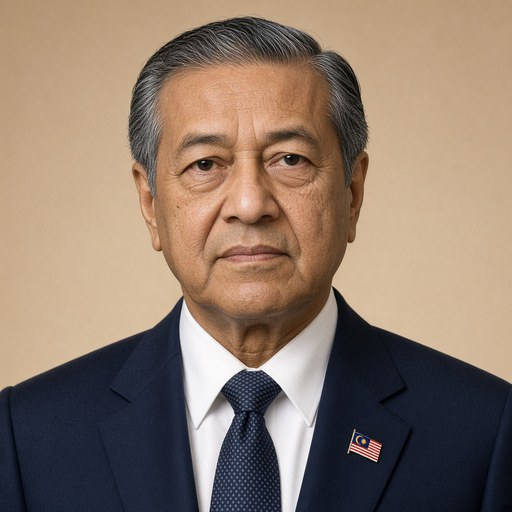
- Mahathir addressed the Ninth National Farmers' Day celebration in Tanjung Karang, Selangor, on 26 September 1981, urging modernization of Malaysian agriculture.
- Main themes
- Agricultural modernization, farmers' development, rural poverty alleviation, National Farmers' Day, cooperative farming, Fourth Malaysia Plan, Northwest Selangor Integrated Agricultural Development Project, modern agricultural technology, food security, government agricultural agencies, rice and crop production, rural development
- Duration
- ~14 min
- Words
- 1,626
- Sentences
- 85
- Readability
- 42
- Grade
- 12.1
- Syntax
- 2.64
- Vocabulary
- 2.47
Translated from Malay
The broad sphere of national life a sentence belongs to. Every sentence has an Arena, so it is the denominator the other indices are read against.
Other85 sentences in 21 paragraphs
Y.B. Minister of Agriculture Datuk Abdul Manan Othman, YAB. Chief Minister of Selangor Dato Hormat Rafie, Honorable Members, Distinguished Guests, Ladies and Gentlemen. Assalamu'alaikum warahmatullahi wabarakatuh.
I am grateful to Allah Subhanahu Wataala for His blessings that we can gather here today in Tanjung Karang to celebrate the Ninth National Farmers' Day. This celebration is not merely about participating in competitions or witnessing exhibitions, but more importantly, we must all focus our intentions and pledge to foster a spirit of cooperation, self-reliance, and renew our determination to work even harder. Gatherings like this provide an opportunity for our farmers to exchange ideas, observe the progress that has been made, and assess how far our farmers have advanced in modern agricultural practices, such as the use of high-quality seeds, agricultural machinery, and other facilities aimed at increasing production and income.
2. National Farmers' Day is held in the states on a rotating basis. The selection of Tanjung Karang for this year's Farmers' Day is very appropriate because the Tanjung Karang and Sekinchan areas are the largest rice granaries in Selangor, and the nearby Sabak Bernam area is an important area for coconut and cocoa cultivation. Both of these agricultural areas fall under the Northwest Selangor Integrated Agricultural Development Project.
3. The Northwest Selangor Project, estimated to cost Two Hundred Sixteen Point Three Million Ringgit ($216.3 million), began its implementation in 1978. This project aims to increase the production and income of farmers in this area. In the early stages of its implementation, emphasis was placed on providing agricultural infrastructure and the integrated delivery of agricultural services by various Government agencies. I take this opportunity to congratulate the Selangor State Government for their strong support in the implementation of this project and also to the farmers in this area who have provided their cooperation.
Ladies and gentlemen.
4. The agricultural sector is the main foundation of our country's development. In 1980, for example, the agricultural sector contributed 22.2% to the Gross Domestic Product and accounted for 40.6% of the national labor force. However, at the same time, this sector still has a high poverty rate of 46.1%. The Government takes this situation seriously, and in its efforts to address this issue, has initiated several Agricultural Development Projects in the explored areas. Therefore, the theme of Farmers' Day chosen this year, "Progressive Farmers as the Foundation of Agricultural Modernization," is indeed in line with the aspirations and pace of agricultural development that is being and will be implemented under the Fourth Malaysia Plan. Our country needs productive farmers who practice modern agriculture to ensure that not only the national food supply is always sufficient but also the security and prosperity that we enjoy will be sustainable.
5. In this modern era, agricultural practices must also be modernized so that the production and income of farmers increase. Agricultural modernization begins with a change in attitude towards agricultural practices themselves. The desire to improve oneself and to cooperate is the foundation of the success of modern agricultural practices. The use of modern agricultural technology such as high-quality new seeds, machinery, fertilizers, and pesticides, and other materials requires strict discipline and the involvement and cooperation of all farmers. The efforts of research experts to obtain high-yield seeds, agricultural development officers to provide advice and guidance on new technologies, and the supply of materials such as machinery, fertilizers, credit, and others aim to ensure and enhance production yields. This cannot be fully enjoyed without farmers accepting and participating in modern agriculture.
Ladies and gentlemen.
6. It is the Government's desire that modern agriculture be made the foundation of rural development. I believe this noble aspiration can be achieved with comprehensive and orderly planning on the part of the Government, close cooperation from the private sector, and full acceptance and involvement from farmers. On the part of the Government, various agencies and departments have been established to advance the agricultural sector, such as the Department of Agriculture, MARDI, the Farmers' Organization Authority, RISDA, FAMA, the Agricultural Bank, and others. The Government has established infrastructure and services, and we have made some progress. However, the level of achievement is not yet something to be proud of. For areas included in the integrated area development program, the impact of the services of various agencies has begun to be felt by farmers because these services are delivered in an integrated and cohesive manner. I would like to take this opportunity to urge Government officials involved in agricultural development tasks to always be sensitive to the needs and conditions of farmers and at the same time be steadfast in continuing to provide advice and guidance towards modern agriculture.
7. Agricultural development in the past has focused on increasing production, namely the development of the types of crops themselves. The aspect of improving the livelihoods of the farmers involved has not received the necessary emphasis. This is not sufficient. The approach used for the Fourth Malaysia Plan and beyond will represent a comprehensive development approach where the livelihoods of farmers, their environment, and the need for a comfortable living will be given priority balanced with the development of the crops being cultivated. I believe such a development approach will further enhance the spirit and determination of our farmers to become more productive.
8. The Government is aware that our farmers face the problem of small plots of land or rice fields to cultivate, and their progress is limited due to the constraints of small sizes. The approach of group farming will be encouraged and prioritized so that the previously small rice fields or gardens can be managed according to the principles of large land management, namely in an estate manner. In our country, group farming according to estate management principles has been trialed in Kampong Asam Jawa, Kedah. Farmers in that area have agreed to consolidate their small rice plots so that they can be redistributed into larger plots that are easier to manage with larger machinery and are more economical. Our farmers can no longer cling to traditional practices that have reached their maximum production levels. Our farmers must fully engage in group farming to achieve the highest yields from the use of machinery, credit, and management. In addition, land consolidation will free up vacant lands that can be used for various crops and small enterprises.
9. The management of large-scale or commercial farms will open up wide opportunities for the private sector, such as commercial banks and financial institutions, to play a more active role in agricultural development, especially for food crops such as rice, peanuts, vegetables, and so on. Specific Government agencies will always strive to ensure that there is no malpractice by the institutions involved. I would like to take this opportunity to urge this sector, especially financial institutions, to further increase their involvement in agricultural development and provide full cooperation to achieve the objective of advancing our farmers.
Ladies and gentlemen.
10. We often hear that during the rice harvest, for example, our farmers face a shortage of labor. But we also often see at other times that farmers do not have any productive work. Such a situation is detrimental to the farmers themselves because their free time is not utilized effectively. It is the Government's desire that every farmer can focus more time and work more effectively to increase their production and subsequently their income. Currently, for example, the maintenance of drainage and irrigation in the fields, such as clearing weeds, repairing collapsed embankments, and so on, is carried out through contractors appointed and supervised by the Drainage and Irrigation Department. These drains and irrigation systems are built for the convenience of farmers, and the maintenance costs are quite high. As a measure to increase income and help ensure that farmers have the opportunity to work full-time, in my opinion, it would be beneficial if the maintenance of drains and irrigation systems is carried out by the farmers themselves collectively and receive fair payment similar to what contractors usually receive. This method will not only help increase our farmers' income but also ensure good quality work because the effects of maintenance carried out will influence the standard of water supply for farming in the respective drainage or irrigation areas.
11. Where appropriate, the Government will also provide specific training to interested and skilled farmers to establish small factories to process agricultural materials to increase their income. The potential of our farmers and cultivators who are skilled in craftsmanship, handiwork, and so on will be developed with the establishment of small enterprises such as making furniture and utensils from rattan and bamboo, making bricks using sand or clay, and others. These efforts can be organized systematically to match labor needs and market demands. Such efforts represent a significant potential to increase our farmers' income.
Ladies and gentlemen.
12. The Government will also encourage and provide incentives to the private sector to establish factories in rural areas, especially factories based on agriculture and producing intermediate products for larger industries to open opportunities for farmers to increase their income. In addition, poultry, duck, cattle, and freshwater fish farming can be organized by farmers themselves in an orderly manner and cooperatively. What is needed is the willingness to work and work hard.
Ladies and gentlemen.
13. I extend my highest congratulations to those who have succeeded in becoming champions in the competitions held in conjunction with this National Farmers' Day celebration. I hope they will further develop their skills, cooperate, and continue to strive to achieve higher levels of production and income. For those who are less fortunate, learn from those who have succeeded and strive even harder.
14. With these words, I am pleased to officially launch the Ninth National Farmers' Day.
Wabillahitaufik Wasalamu'alaikum Warahmatullahi Wabarakatuh.
The original Malay. The tags above are read on the English translation's sentences.
Y.B. Menteri Pertanian Datuk Abdul Manan Othman, YAB. Menteri Besar Selangor Dato Hormat Rafie Yang Berhormat-Yang Berhormat, Dif-dif Kehormat, Tuan-tuan dan puan-puan sekelian.Assalamu' alaikum warahmatullahi wabarakatuh.
Saya bersyukur kepada Allah Subhanahu Wataala kerana dengan limpah kurniaNya kita dapat berkumpul beramai-ramai di Tanjung Karang pada hari ini untuk merayakan Hari Peladang Kebangsaan Yang ke Sembilan. Perayaan ini bukanlah hanya setakat menyertai pertandingan atau menyaksikan pamiran tetapi yang lebih penting ialah kita semua hendaklah memusatkan tikad dan berikrar untuk memupuk semangat bekerjasama, berdikari serta membaharui azam untuk berusaha dengan lebih giat lagi. Perjumpaan seperti ini memberi peluang kepada petani-petani dan peladang-peladang kita untuk bertukar-tukar fikiran, melihat kemajuan-kemajuan yang telah dicapai dan mengukur sejauh mana para petani kita sudah maju dalam amalan-amalan pertanian moden, seperti penggunaan benih bermutu tinggi, jentera-jentera pertanian, dan lain-lain kemudahan pertanian yang bertujuan meningkatkan pengeluaran dan pendapatan.
2. Hari Peladang Kebangsaan ini diadakan di negeri-negeri secara bergilir-gilir. Pemilihan Tanjung Karang untuk Hari Peladang tahun ini adalah sangat sesuai kerana kawasan Tanjung Karang dan Sekinchan merupakan kawasan jelapang padi yang terbesar di Negeri Selangor dan kawasan Sabak Bernam yang berhampiran merupakan kawasan tanaman kelapa dan koko yang penting. Kedua-dua kawasan pertanian ini terletak di bawah Projek Pembangunan Pertanian berpadu Barat Laut Selangor.
3. Projek Barat Laut Selangor yang dianggar berharga Dua Ratus Enam Belas Perpuluhan Tiga Juta Ringgit ($216.3 juta) mula dilancar perlaksanaannya dalam tahun 1978. Projek ini mempunyai matlamat untuk meningkatkan pengeluaran dan pendapatan para petani dan peladang di kawasan ini. Pada peringkat awal pelaksanaannya, tekanan diberi kepada pembekalan infrastruktur-infrastruktur pertanian dan penyaluran secara integrasi perkhidmatan-perkhidmatan pertanian oleh berbagai-bagai agensi Kerajaan. Saya mengambil kesempatan ini untuk mengucapkan tahniah kepada Kerajaan Negeri Selangor yang telah memberi sokongan kuat dalam pelaksanaan projek ini dan juga kepada para peladang di kawasan ini yang telah memberikan kerjasama mereka.
Para hadirin sekelian.
4. Sektor pertanian adalah asas utama pembangunan Negara kita. Di dalam tahun 1980, misalnya, sektor pertanian memberi sumbangan 22.2% kepada Keluaran Dalam Negara Kasar dan merupakan 40.6% sumbangan tenaga kerja negara. Tetapi dalam masa yang sama, sektor ini masih lagi mempunyai kadar kemiskinan yang tinggi iaitu 46.1%. Kerajaan memandang berat akan keadaan ini dan dalam usahanya untuk mengatasi masalah ini telah mengadakan beberapa Projek Pembangunan Pertanian di dalam kawasan yang telah diteroka. Oleh itu, tema Hari Peladang yang dipilih pada tahun ini, iaitu "Peladang Progresif asas Pemodenan Pertanian" memang tepat dengan hasrat dan tempo pembangunan pertanian yang sedang dan akan dilaksanakan di bawah Rancangan Malaysia Keempat.Negara kita memerlukan petani dan peladang yang produktif yang mengamalkan pertanian moden untuk menjamin bukan sahaja bekalan makanan negara sentiasa cukup tetapi juga keselamatan dan kemakmoran yang kita nikmati akan berkekalan.
5. Dalam zaman yang serba moden ini, amalan pertanian juga harus dimodenkan agar pengeluaran dan pendapatan para peladang dan petani meningkat. Pemodenan pertanian bermula dengan perubahan sikap terhadap amalan pertanian itu sendiri. Sikap mahu memajukan diri sendiri dan bekerjasama merupakan asas kejayaan amalan pertanian moden. Penggunaan teknoloji pertanian moden seperti benih baru bermutu, alat jentera, baja dan racun serangga dan lain-lain bahan memerlukan disiplin yang ketat dan penglibatan dan kerjasama semua peladang dan petani. Usaha-usaha pakar-pakar penyelidikan untuk mendapatkan benih-benih yang memberi hasil tinggi, pegawai -pegawai perkembangan pertanian untuk menyampaikan nasihat dan tunjukajar teknoloji-teknoloji baru, dan pembekalan bahan-bahan seperti jentera, baja, kredit dan lain-lain adalah bertujuan menjamin dan meningkatkan hasil pengeluaran. Ini tidak akan dapat dinikmati dengan sepenuhnya tanpa para petani menerima dan menyertai pertanian moden.
Para hadirin sekelian.
6. Adalah menjadi hasrat Kerajaan agar pertanian moden dijadikan sebagai asas pembangunan luar bandar. Saya percaya hasrat yang murni ini dapat dicapai dengan adanya perancangan yang lengkap dan teratur di pihak Kerajaan, kerjasama yang erat dari sektor swasta dan penerimaan serta penglibatan sepenuhnya dari pihak petani dan peladang. Di pihak Kerajaan, berbagai-bagai agensi dan Jabatan telah ditubuhkan untuk memajukan bidang pertanian seperti Jabatan Pertanian, MARDI, Lembaga Pertubuhan Peladang, RISDA, FAMA, Bank Pertanian dan lain-lain lagi. Kerajaan telah mengadakan infrastruktur dan perkhidmatan dan kita telah mencapai beberapa kemajuan. Walau bagaimanapun kadar pencapaiannya belum lagi boleh dibanggakan. Bagi kawasan-kawasan yang termasuk di dalam program Pembangunan Kawasan berpadu, kesan perkhidmatan berbagai agensi ini telah mula dirasakan oleh petani-petani kerana perkhidmatan tersebut disampaikan secara integrasi dan berpadu. Saya ingin mengambil kesempatan ini untuk menyeru pegawai-pegawai Kerajaan yang melaksanakan tugas-tugas pembangunan pertanian supaya sentiasa sensitif kepada keperluan dan keadaan para peladang dan petani serta pada masa yang sama berhati cekal untuk terus memberi nasihat dan pimpinan ke arah pertanian moden.
7. Pembangunan pertanian pada masa yang lampau telah menumpukan kepada peningkatan pengeluaran iaitu pembangunan jenis tanaman itu sendiri. Aspek pembangunan penghidupan petani yang terlibat tidak mendapat tekanan yang sewajarnya.Ini tidaklah mencukupi. Amalan pendekatan yang digunakan bagi tempoh Rancangan Malaysia Keempat dan seterusnya akan merupakan satu pendekatan pembangunan yang menyeluruh (total development) di mana penghidupan petani, alam sekitarnya dan keperluan hidup yang selesa akan diberi keutamaan yang seimbang dengan pembangunan tanaman yang diusahakan. Saya percaya pendekatan pembangunan yang demikian akan meningkatkan lagi semangat dan azam para peladang dan petani kita untuk menjadi lebih produktif lagi.
8. Kerajaan sedar bahawa para peladang dan petani kita menghadapi masalah tanah ladang atau sawah yang kecil untuk diusahakan dan kemajuan mereka adalah terhad oleh kerana sekatan saiz yang kecil itu. Pendekatan pertanian secara berkelompok akan digalak dan diutamakan supaya sawah-sawah atau kebun-kebun yang dulunya kecil boleh diusahakan mengikut lunas-lunas pengurusan tanah yang luas iaitu secara estet. Di negara kita, mengusaha sawah secara berkelompok mengikut lunas-lunas pengurusan estet telah dilakukan secara percubaan di Kampong Asam Jawa, Kedah. Petani-petani di kawasan itu telah bersetuju untuk menyatukan petak-petak sawah mereka yang kecil supaya boleh dibahagikan semula kepada petak yang besar yang lebih mudah diusahakan dengan jentera besar dan lebih ekonomik. Para petani kita tidak boleh lagi berpegang kepada amalan tradisional yang sudah sampai kepada tahap maksima pengeluaran hasilnya. Para petani kita hendaklah melibatkan diri secara menyeluruh dengan mengusahakan tanah padi secara berkelompok, supaya terdapat hasil yang tertinggi dari penggunaan jentera, kredit dan pengurusan. Selain daripada ini percantuman tanah akan melepaskan tanah-tanah kosong yang boleh digunakan untuk berbagai tanaman dan perusahaan kecil.
9. Pengurusan ladang secara besar-besaran atau komersial ini akan membuka peluang yang luas bagi sektor swasta seperti bank-bank perniagaan dan institusi-institusi kewangan memainkan peranan yang lebih aktif di dalam pembangunan pertanian terutamanya jenis-jenis tanaman makanan seperti padi, kacang tanah, sayur-sayuran dan sebagainya. Agensi-agensi Kerajaan yang tertentu akan sentiasa berusaha bagi menentukan tidak ada penyelewengan oleh institusi-institusi yang terlibat. Saya ingin mengambil kesempatan ini menggesa sektor ini terutamanya institusi-institusi kewangan agar meningkatkan lagi penglibatan mereka dengan pembangunan pertanian dan memberi kerjasama sepenuhnya untuk mencapai objektif memajukan para petani dan peladang kita.
Para hadirin sekelian.
10. Kita kerap kali mendengar bahawa semasa memungut hasil padi misalnya, para petani kita menghadapi kekurangan tenaga kerja. Tetapi kita juga kerap melihat pada masa-masa yang lain petani-petani tidak mempunyai sebarang kerja yang berhasil. Keadaan seumpama ini merugikan petani-petani itu sendiri kerana masa yang terluang tidak digunakan sebaik-baiknya. Adalah menjadi hasrat Kerajaan agar setiap petani dapat menumpukan lebih banyak masa lagi dan bekerja dengan lebih berkesan (gainfully employed) untuk meningkatkan pengeluaran dan seterusnya pendapatan mereka. Pada masa ini, sebagai contoh, penyelenggaraan parit dan taliair di dalam sawah seperti menebas rumput-rampai, membaiki ban-ban yang telah roboh dan sebagainya dilakukan melalui kontrektor-kontrektor yang dilantik dan diawasi olih Jabatan Parit dan Taliair. Parit-parit dan taliair ini dibina untuk kemudahan petani-petani bersawah dan belanja penyelenggaraannya adalah agak tinggi. Sebagai langkah untuk menambahkan pendapatan dan menolong menentukan petani-petani berpeluang bekerja sepenoh masa, pada hemat saya, ada baiknya sekiranya penyelenggaraan parit dan taliair dilaksanakan sendiri olih para petani secara mufakat dan mendapat bayaran setimpal seperti bayaran yang lazimnya diterima olih kontrektor-kontrektor yang saya sebutkan tadi.Cara ini bukan sahaja akan membantu menambah pendapatan para petani kita tetapi juga akan menjamin mutu kerja yang baik kerana kesan penyelenggaraan yang dilakukan akan mempengaruhi taraf bekalan air untuk bersawah di dalam kawasan parit atau taliair berkenaan.
11. Di mana yang sesuai, Kerajaan juga akan mengadakan latihan tertentu kepada para petani dan peladang yang berminat dan berkelibar untuk menubuhkan kilang kecilan bagi memperoses bahan-bahan pertanian untuk menambahkan pendapatan mereka. Potensi para petani dan peladang kita yang cekap dari segi pertukangan, kerja tangan dan sebagainya akan diperkembangkan dengan penubuhan perusahaan kecil seperti membuat perabut dan perkakas dari rotan dan buluh, membuat batu-bata dengan menggunakan pasir atau tanah liat dan lain-lain lagi. Usaha-usaha ini boleh diatur dengan rapi bagi menyesuaikan keperluan tenaga buruh dan pasaran. Usaha-usaha seumpama ini merupakan potensi yang besar untuk menambah pendapatan para petani kita.
Para hadirin sekelian.
12. Kerajaan juga akan memberi galakan dan insentif kepada sektor swasta untuk menubuhkan kilang-kilang di kawasan-kawasan luar bandar terutamanya kilang-kilang yang berasaskan pertanian dan membuat "intermediate products" untuk industri-industri yang lebih besar demi membuka peluang para petani menambahkan pendapatan mereka. Di samping itu perusahaan ternakan ayam, itek, lembu dan ikan air-tawar boleh diadakan oleh petani sendiri secara teratur dan berkongsi. Apa yang perlu ialah kesanggupan bekerja dan bekerja kuat.
Para hadirin sekelian.
13. Saya mengucapkan setinggi-tinggi tahniah kepada mereka yang telah berjaya menjadi johan di dalam pertandingan yang diadakan bersempena dengan perayaan Hari Peladang Kebangsaan ini. Saya berharap mereka akan mengembangkan kecekapan mereka, berkerjasama dan terus berusaha bagi mencapai tahap pengeluaran dan pendapatan yang lebih tinggi lagi. Bagi mereka yang kurang bernasib baik, belajarlah daripada mereka yang berjaya dan berusahalah dengan lebih giat lagi.
14. Dengan kata-kata ini saya dengan sukacitanya merasmikan pembukaan Hari Peladang Kebangsaan Yang ke sembilan ini.
Wabillahitaufik Wasalamu' alaikum Warahmatullahi Wabarakatuh.