




Korte toespraak minister-president Rutte tijdens de political leaders meeting op de EU-Afrika top in Wenen
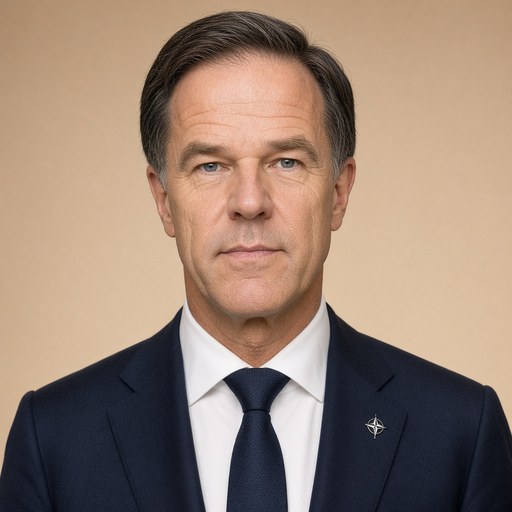
 Mark Rutte · Prime Minister of the Netherlands
- Context
- Rutte addressed EU-Africa political leaders at a summit in Vienna in December 2018, advocating for stronger Europe-Africa cooperation on investment, jobs, and shared global challenges.
- Main themes
- EU-Africa partnership, investment and job creation, entrepreneurship, climate change, migration and demographic trends, education and skills, private sector engagement, poverty reduction, sustainable development, political instability
- Duration
- ~3 min
- Words
- 392
- Sentences
- 34
- Readability
- 58
- Grade
- 8.0
- Syntax
- 2.37
- Vocabulary
- 2.19
The broad sphere of national life a sentence belongs to. Every sentence has an Arena, so it is the denominator the other indices are read against.
Other34 sentences in 14 paragraphs
Ladies and gentlemen,
Climate change, political instability, poverty and migration – these are the global challenges that are clamouring for attention and priority. In tackling these challenges, Europe and Africa need to work together, like good neighbours. Not least in anticipating demographic trends. Today 1 in 6 world citizens is African. By 2050 it will be 1 in 4. An ever-increasing population means we have to step up our efforts to create opportunities, jobs and future prospects. That’s why I welcome the strategic alliance between Africa and Europe targeting investment and jobs.
But let’s face it: governments – which we represent today – cannot pull this off on their own. We need the private sector and passionate entrepreneurs. We need them for their financial input, innovative solutions and the creation of much-needed jobs.
Let me give you an example. A company called Komaza. Conceived in California and now operating from Kenya, it aims to lift small-scale farmers in Africa out of poverty by partnering with them to plant woodlots on their unused land. That means:
farmers get a bigger income;
Komaza supplies the timber to wood markets;
the country becomes less dependent on wood imports;
and it all helps tackle climate change.
To me this shows that entrepreneurship can make a big impact on many levels – individually, nationally and globally.
And we need more examples like this. For that to happen we need to remove unnecessary legal obstacles and invest in infrastructure and education. But we can only succeed if we pursue an integrated approach.
To me, education is the cornerstone of that approach. Because it’s crucial to equip young Africans with the right entrepreneurial mindset and skills. To provide them with the knowledge they need and help them start new businesses. And let me stress: this applies to all young people, including young women and girls.
And yes, promoting investment and enterprise is a challenging task. To have a lasting impact, we must at least align and coordinate our efforts, and build on what we agreed at the AU-EU summit in Abidjan in November 2017. That should be one of our main goals for today’s Forum.
If we succeed, we can take a big step forward in unlocking Africa’s enormous economic potential. We can create sustainable growth, opportunities and jobs. For the benefit of both Africans and Europeans.
Thank you.