




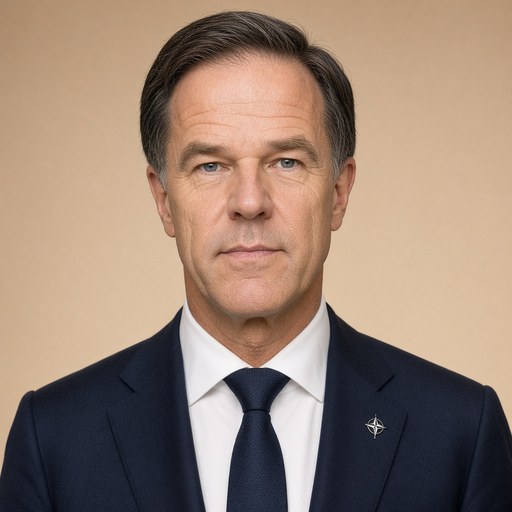
Speech by Prime Minister Rutte at the commemoration at the National Indiëmonument
 Mark Rutte · Prime Minister of the Netherlands
- Context
- Rutte addressed veterans and bereaved relatives at the National Indiëmonument on 2 September 2022, commemorating Dutch soldiers and victims of the Indonesian independence conflict.
- Main themes
- Commemoration of Dutch East Indies veterans, Dutch colonial violence in Indonesia 1945-1949, apology to veterans and bereaved families, Bersiap period, scientific research on Dutch military actions, conscripts' suffering and impossible mission, recognition of physical and mental trauma, intergenerational pain and memory, Dutch-Indonesian history
- Duration
- ~5 min
- Words
- 594
- Sentences
- 41
- Readability
- 54
- Grade
- 9.3
- Syntax
- 2.58
- Vocabulary
- 2.11
Translated from Dutch
The broad sphere of national life a sentence belongs to. Every sentence has an Arena, so it is the denominator the other indices are read against.
Other41 sentences in 21 paragraphs
Dear veterans, bereaved relatives, ladies and gentlemen,
My family history is also inextricably linked to the Dutch East Indies. All six of my siblings were born there. So Indonesia was never far away in my youth.
However, I only visited the country for the first time in 2013. And that made a great impression on me because I felt: this is where so many family memories were created. Beautiful and loving memories. And also memories of pain, loss, and great suffering.
This is true for many families in the Netherlands. And certainly for you and your family.
The past became most tangible when I visited the Menteng Pulo cemetery, the final resting place of thousands of Dutch soldiers and civilian victims. Thousands of white crosses, a serene and sacred place, an almost surreal oasis of peace and silence in the midst of the metropolis of Jakarta.
In addition to victims of the Japanese occupation, many soldiers who lost their lives after the Japanese capitulation are also buried here. Today we remember them and all their comrades, who also made the ultimate sacrifice, and who found their final resting place elsewhere.
KNIL soldiers, Dutch professional soldiers, and many conscripted young men who were sent from the Netherlands to a distant and unfamiliar land. Without significant training or adequate equipment, hardly prepared for what awaited them.
For many, it was an overwhelming and frightening experience. The situation in the Indies, where the Indonesian republic was proclaimed, was chaotic, intensely tense, and violent.
The capitulation of Japan did not lead to peace, but to an eruption of violence – known to us as the Bersiap – which claimed victims among all population groups.
Dutch soldiers and conscripts were sent into a battle that could not be won. Left to their own devices, constantly forced to make very drastic choices, insufficiently guided or corrected by the failing authorities of that time.
An impossible mission. This is confirmed in the scientific research into the actions of the Netherlands in Indonesia from 1945 to 1949 that was presented in February of this year.
I realize: that research has stirred up a lot. Unpleasant memories resurfaced, as well as feelings of pain and neglect.
The conclusions were firm. The fact is that during this period there was also widespread extreme violence on the part of the Dutch. We must face this together.
At the same time, the cabinet has made it clear that responsibility must be placed where it belongs: with the authorities of that time – the government, the parliament, the military leadership, and the judicial authorities. So certainly not with the individual conscripts. They were placed in an impossible position, of which they and their families have always borne the burden – up to this day.
The cabinet has apologized for this. And I want to repeat that today.
Apologies to all veterans who behaved as good soldiers at that time.
Apologies to all those who have since struggled with severe physical and mental consequences, something that has received far too little attention and recognition for a long time.
And also apologies to the second and subsequent generations, who have grown up with the pain and sorrow of their parents and grandparents.
We do not take that pain away. This difficult period in our history remains unfinished business for many.
That is why it is of the utmost importance that we continue to listen, keep the conversation going, and hear all the stories. And above all: that we continue to remember, as we do together here today.
Thank you.
The original Dutch. The tags above are read on the English translation's sentences.
Beste veteranen, nabestaanden, dames en heren,
Ook mijn familiegeschiedenis is onlosmakelijk verbonden met Nederlands-Indië. Mijn 6 broers en zussen zijn er allemaal geboren. Dus Indonesië was in mijn jeugd nooit ver weg.
Toch bezocht ik het land zelf pas in 2013 voor het eerst. En dat maakte grote indruk op me omdat ik voelde: dit is waar zoveel familieherinneringen zijn ontstaan. Mooie en liefdevolle herinneringen. En ook herinneringen van pijn, verlies en groot leed.
Iets wat voor veel families in Nederland geldt. En zeker voor u en uw familie.
Het meest tastbaar werd dat verleden toen ik het ereveld Menteng Pulo bezocht, de laatste rustplaats van duizenden Nederlandse militairen en burgerslachtoffers. Duizenden witte kruisen, een serene en gewijde plek, een bijna onwerkelijke oase van rust en stilte midden in de metropool Jakarta.
Behalve slachtoffers van de Japanse bezetting liggen hier ook veel militairen die na de Japanse capitulatie om het leven kwamen. Vandaag herdenken wij hen en al hun kameraden, die ook het hoogste offer brachten, en die elders hun laatste rustplaats vonden.
KNIL-militairen, Nederlandse beroepsmilitairen en veel dienstplichtige jonge mannen die vanuit Nederland naar een ver en voor hen onbekend land werden gestuurd. Zonder noemenswaardige training of adequate uitrusting, amper voorbereid op wat hen te wachten stond.
Voor velen was het een overweldigende en angstaanjagende ervaring. De situatie in Indië, waar de Indonesische republiek werd uitgeroepen, was chaotisch, intens gespannen en gewelddadig.
De capitulatie van Japan had niet geleid tot vrede, maar tot een eruptie van geweld – bij ons bekend als de Bersiap - die onder alle bevolkingsgroepen slachtoffers eiste.
Nederlandse militairen en dienstplichtigen werden een strijd ingestuurd die niet te winnen was. Op zichzelf aangewezen, continu gedwongen zeer ingrijpende keuzes te maken, onvoldoende gestuurd of bijgestuurd door de falende gezagsdragers van toen.
Een onmogelijke missie. Dat wordt bevestigd in het wetenschappelijk onderzoek naar het optreden van Nederland in Indonesië in de jaren 1945-1949 dat in februari van dit jaar is gepresenteerd.
Ik besef: dat onderzoek heeft veel losgemaakt. Nare herinneringen kwamen weer naar boven, en ook gevoelens van pijn en miskenning.
De conclusies waren stevig. Feit is dat er in deze periode ook van Nederlandse zijde sprake was van wijdverbreid extreem geweld. Dat moeten we met elkaar onder ogen zien.
Tegelijkertijd heeft het kabinet duidelijk gemaakt dat de verantwoordelijkheid moet worden gelegd waar die thuishoort: bij de gezagsdragers van toen – de regering, het parlement, de legerleiding en de gerechtelijke autoriteiten. Dus zeker niet bij de individuele dienstplichtigen. Die zijn juist in een onmogelijke positie gebracht, waarvan zij en hun familie altijd de last hebben gedragen – tot op de dag van vandaag.
Het kabinet heeft daarvoor excuses gemaakt. En die wil ik vandaag herhalen.
Excuses aan alle veteranen die zich toentertijd als goed militair hebben gedragen.
Excuses aan al diegenen die sindsdien kampen met zware lichamelijke en mentale gevolgen, iets waarvoor lang te weinig aandacht en te weinig erkenning is geweest.
En ook excuses aan de tweede en volgende generaties, die zijn opgegroeid met de pijn en het verdriet van hun ouders en grootouders.
Die pijn nemen we daar niet mee weg. Deze moeilijke periode uit onze geschiedenis blijft voor velen onvoltooid verleden tijd.
Daarom is het van het grootste belang dat we blijven luisteren, het gesprek blijven voeren en alle verhalen blijven horen. En vooral ook: dat we blijven herdenken, zoals we hier vandaag gezamenlijk doen.
Dank u wel.