




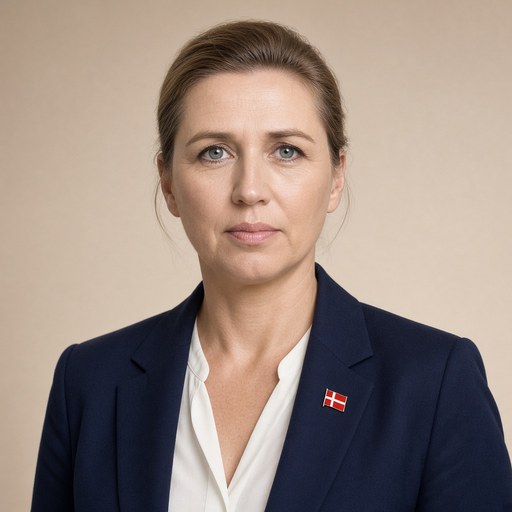
The Prime Minister's speech at the conclusion of the Folketing on May 29, 2024.
 Mette Frederiksen · Prime Minister of Denmark
- Context
- Frederiksen addressed the Danish Folketing at the close of the 2024 parliamentary session, focusing on healthcare inequality and the need for better distribution of general practitioners across Denmark.
- Main themes
- Healthcare inequality, general practitioner distribution, chronic disease management, rural health access, diabetes and mental health, medical education expansion, patient-to-doctor ratios, healthcare system reform, geographic health disparities, Danish welfare state
- Duration
- ~55 min
- Words
- 6,621
- Sentences
- 633
- Readability
- 66
- Grade
- 6.4
- Syntax
- 2.38
- Vocabulary
- 2.00
Translated from Danish
The broad sphere of national life a sentence belongs to. Every sentence has an Arena, so it is the denominator the other indices are read against.
Other633 sentences in 405 paragraphs
There is a fantastic scene in Flickering Lights.
The film about the four friends – Torkild, Peter, Arne, and Stefan – who, on the run after a robbery, end up in an abandoned and dilapidated old restaurant outside Fredericia.
One of the friends – Peter – is injured and addicted to cocaine. But because he has contacted a dealer in Copenhagen and thereby risked revealing their hiding place, Torkild and Arne lock him in a cold storage room.
“Let me out,” he shouts frantically.
But instead, they call for the local doctor, Karl. He is played by Frits Helmut. I believe you can remember him.
He examines Peter and concludes: He just needs food, water, and salt – and then a bottle of schnapps.
A bit skeptically, Stefan – you know, the one with the annoying girlfriend who likes to blow eggs – asks if Karl is sure about that treatment.
“Are you a doctor?” Karl asks, staring down Stefan, who somewhat sheepishly must reply, “No, no.”
To which Karl dryly states: “Then do as I say!”
* * *
Doctors are portrayed in many different roles in films. Some more flattering than others. But most often as heroes. For fortunately, at least Karl from Flickering Lights is not representative.
Each of us has our own doctor. Or do we?
On paper, the answer is yes. But as with so much else, reality looks different.
Take, for example, Lolland.
Many of you who live on Lolland have had some of the toughest jobs. There has been hard work. And health is not always great.
Lolland is one of the places in the country where a lot of Danes have cardiovascular diseases, and where life expectancy is about 5 years shorter than for those living in Rudersdal.
Yet many medical clinics on Lolland are closed to new patients.
Roughly speaking: where there are the most sick Danes, there are the fewest doctors.
It should be the other way around. And this is an inequality that is fundamentally completely and utterly unfair.
For Danes need their own doctor. Also on Lolland.
And therefore, doctors need to go where the Danes who are the most ill live.
It is good that we are focusing on training more doctors in general medicine.
First, the medical education came to Aalborg. As something new, it is now also happening in Esbjerg, where the new medical program received 1,389 applicants for 32 places in its first year.
And across the country, we see new forms of collaboration, where especially younger doctors team up with colleagues instead of being alone in their own practice.
In some places, it has been possible to turn the tide. Thisted, for example.
All of that is good.
But it is not enough.
Already today, about 300,000 Danes suffer from diabetes. A chronic disease with the risk of damage to blood vessels and disease in the kidneys, eyes, and feet.
And diabetes is one of the common diseases that more and more Danes will be affected by as we live longer.
At the same time, almost one in three of us will experience a mental illness at some point. And the proportion of children diagnosed with a psychiatric disorder is only going one way. Up.
Our healthcare system is not equipped to handle this.
For many years, we have invested in high, specialized treatment in hospitals.
That is good. Just look in your own families at how many more today survive cancer and other serious diseases.
We must hold on to and develop the quick and professional treatment in hospitals. But many chronic patients and older people can have a better quality of life without a hospital admission.
Here, doctors must play an even more crucial role. Quick detection and diagnosis. And better coherence between the hospital, rehabilitation, and treatment in everyday life. Perhaps even at home.
And therefore, we need to create a better distribution. So that there are more doctors where there are also more sick people.
Today, it is the norm that a medical practice has 1,600 patients per doctor. Regardless of whether it is located in Lolland or in Rudersdal municipality.
But why is that? And why do we not take greater consideration of those it concerns? The patients?
So that the doctor in Rudersdal can take on more patients who – all else being equal – do not have such complicated diseases?
And the doctor in Lolland can have fewer patients who – all else being equal – are sicker?
For if we do that, it would mean that there would be a need for fewer doctors in, for example, Rudersdal. And that more doctors instead work in the areas of the country where the need is greatest.
Differentiating how many patients a doctor can have is one proposal. Another is to look at doctors' fees.
So that we as a society pay more when treating many of the most ill patients. And less when a doctor treats patients who are not as sick.
* * *
Better medical coverage is an example that even though we have politically done something, we must do more.
That is how it is with much – if not most – in politics.
One can be pleased with progress and at the same time be impatient for the next steps.
A step forward is just that – only a step forward.
It was the Swedish Prime Minister Olof Palme who said about politics that it is about wanting
.
I would add that it is also about being able
.
And sometimes you can really see the results.
A noticeable improvement in people's lives.
The wage increase, for example.
Which, along with the agreements, gives educators, nurses, social and health assistants and helpers, and prison officers several thousand kroner more per month.
That is before tax, yes – but we will also ease the tax burden. Especially for single parents.
* * *
Of course, there is also much that I am not satisfied with.
On Sunday morning, a 30-year-old younger man was at the main train station in Copenhagen. Either he was out early. Or he was on his way home from a good party.
I do not know. And it is also irrelevant. For now, he lies at Rigshospitalet fighting for his future.
He was brutally attacked by two younger men. Stomped in the head. And left alone. Broken.
According to the first reports from the police, it seems that the attack was completely unprovoked. Life will probably never be the same for him and his family.
What kind of indifference is this towards other people's lives? And why the extreme dehumanization?
A week ago, the life of a mere 15-year-old boy came to an end. He got off the bus here in Copenhagen. Was stabbed to death. One of the presumed perpetrators was only 14 years old.
Over the last few days, there have been very violent attacks in Viborg and Esbjerg. And I could go on. I send my deepest condolences to the victims' families. It is painful. And unfortunate.
And it cannot be allowed to continue. It is our shared freedom and trust that is at stake. And the burden of violence is fundamentally unequally distributed.
For what do some parents do?
They pick up their older children from parties so they do not have to take the S-train home. They hire security for private parties.
They pay for a taxi for their young ones to minimize the risk.
But what about all the other families?
Those who do not have the opportunity to pick up in the middle of the night, hire security, or pay for a taxi. Those who are afraid that their older boy or girl is the next in the statistics.
Either as a victim or as a perpetrator.
And the damage is done. A stabbing goes into breaking news. And then life goes on.
But that is not the Denmark I want. And therefore, we must again be willing to do more to put an end to this.
We have already tightened quite a bit. Stricter penalties. For weapons, reckless driving, and now also for knives.
And to those who do not just think we should tighten, millions and millions have been spent on prevention.
But it is just not enough.
Our foremost task is to take care of the community. Of the innocent. Of the victims. And of Denmark. Therefore, let us across parties take the next steps.
I will propose that we look at whether we can do even more to send more deported individuals home.
I will propose that we punish faster and harder.
Violent offenders must be removed from the streets. And families must be held more accountable.
And the groups of boys and young men who destroy and create insecurity where the rest of us move.
Yes, the police must have better opportunities to force them away.
For yes. There is a strong overrepresentation of young men with an ethnic minority background as perpetrators.
There are many more who attack in groups. Too many who kill with knives. Too many who destroy other people's lives.
Therefore, a strict immigration policy is crucial. For all of us who, regardless of ethnicity, want a safe Denmark and should not be afraid of a phone call in the middle of the night because of the few. The few who have become too many.
The Ministry of Finance has again adjusted the fiscal space upwards. Before everyone comes with their good ideas on how the money can be used.
Should we not take better care of all the ordinary people who just want their safe Denmark back? And use some of our wealth to ensure an even better justice policy?
* * *
Another thing I am not satisfied with is that administrative costs have risen significantly.
Some of this we have done with open eyes.
We have strengthened the Tax Agency after many years of cuts.
We have hired more in the police and in the courts. We have strengthened the Defense.
But that does not explain the entire increase.
And when we ask municipalities and regions to cut down on bureaucracy, it is only fair that we also take our own medicine.
We are doing that now.
Therefore, we will reduce the state administration by 1,000 full-time equivalents in the first year. And more in the following years.
This is not a criticism of the employees who are affected. They perform the work we have asked them to do.
It is the policy that needs to change.
There are tasks that need to go. We must accept that there are some things we can no longer get answers to. Because we have decided that they no longer need to be documented and controlled.
I have given many speeches about the fight against bureaucracy.
I know well that all prime ministers since Schlüter have tried.
But now we are underway.
And it will be my assertion that in the past year in this Parliament, we have liberated welfare more than we have done in many years.
We are removing 9 out of 10 central goals in the subjects of primary school.
We are giving the elderly more self-determination.
We are removing much of the political control.
Leaving the responsibility to citizens, employees, and leaders.
And we are controlling less.
With the elderly agreement, 98 local elderly inspections will henceforth become one.
And instead of nursing homes getting visits one day from someone who is to look at medication management, the next day from the Elderly Inspection, and the third day from someone who is to look at the working environment.
Different inspections will now coordinate their efforts so that their planned visits to nursing homes take place on the same day.
All to give more time to what is most important for our elderly. And what they deserve.
More time for care and relationships. And dignity and self-determination.
* * *
The legislation that today creates bureaucracy. Yes, we have indeed passed it ourselves. Either here in the Parliament or in the EU.
Let us take children and young people's part-time jobs. An example:
A 13-year-old is allowed to shelve books at the library. But doing the same in a bookstore is prohibited.
Another example:
A 13-year-old is allowed to receive goods in a store. But in a nursing home, it is prohibited.
And a third example:
A 13-year-old is allowed to help clean up in a playground in a daycare. But it is prohibited to make rye bread sandwiches for the children.
It is no wonder that many employers find it too cumbersome to hire part-time workers. And therefore refrain from doing so.
In the mid-80s, seven out of ten young people under 18 earned their own money. Today, it is only about every other one.
The new chairman of the Danish Trade Union Confederation, Morten Skov Christiansen, has said about being a bottle boy in Valby:
“I could organize, work quickly and efficiently, train new employees. I received praise and experienced being part of a social and collegial community. For the first time in many years, I did not feel inferior. (…) I was met by satisfied bosses instead of disappointed school teachers.”
End of quote.
The government will propose a comprehensive change to the rules. So it becomes significantly easier to get a part-time job. To get the first paycheck. To grow with responsibility. To become part of a committed community.
I look forward to discussing our proposal both here in the chamber and with the labor market parties.
So we change the approach.
In the EU directive, it states directly that “the vulnerability of children requires that member states introduce a ban on them working.”
Is it not rather the opposite? That having a part-time job actually makes one less vulnerable and more resilient?
It becomes completely absurd, at least, when you think about what we conversely do not succeed in protecting our children and young people against.
Oxycodone, tramadol, and fentanyl. These are some of the substances that fall under the term 'opioids'.
They are euphoric substances that are significantly more dangerous than cocaine. That are incredibly addictive, have a sedative effect, and are pain-relieving.
And they are more widespread than we think. Also in Denmark. Also among our very young teenagers.
Therefore, the government will significantly tighten the effort.
Individuals who sell opioids. Or have them in their possession. Must face much harsher penalties.
Vehicles used for drug sales should be able to be confiscated. As we do with reckless drivers.
And if one sells opioids from a kiosk. Yes, then I actually do not think one should be allowed to run a kiosk.
But that is not enough. We also need to do something about accessibility.
For it is far too easy today.
A code on Snapchat. Then the message comes.
The sale of drugs no longer only takes place with the local dealer on the street corner. It largely also occurs on social media.
* * *
And here we come to another issue that we also do not protect our children against.
While 13-year-olds are not allowed to peel potatoes in a daycare, they are allowed to be on TikTok, Snapchat, or Instagram.
I believe that we must look at the negative effects of social media with the same seriousness as when we understood that it was harmful to drive without a seatbelt and to smoke in the classroom.
At least for their mental health.
And if we do nothing, I fear that our children, in 20 years, will look back at our generation and ask accusingly: How could you allow this?
It is thought-provoking that the DR documentary
Alone at Home on the Internet is precisely about what children are exposed to. Clips of violence, murder, fatal accidents, self-harm, torture, and suicide attempts.
Yes, that series is marked with the warning "not suitable for children." Because of the images that children have seen.
And the problem today – for all of us – is that we parents do not know what is happening online. And we have probably been taken aback by how much time children and young people today spend on their phones.
I personally find it shocking that a study shows that there are more students in 7th grade who would rather be on their phones in their free time than be with their friends or family.
Just as it is not easy to be the parents of a child in 3rd grade who are the only ones not allowing their child a mobile phone.
And it is not easy to be the young girl or boy of 14 who knows that he or she spends far too many hours in front of the screen.
But who just cannot help it.
Of course, they cannot help it.
The tech giants have developed and designed their algorithms in a way that creates addiction.
And with billions of data on behavior, they constantly optimize how to best capture users' attention.
Is there really nothing good to say about social media?
Of course there is. Communities arise online, one is in contact with friends and family, and the world has become more connected.
But while social media in some respects helps to open our eyes to injustices around the world, they unfortunately also contribute to making us one-eyed.
As they learn more and more about who we are and what we think, they begin to confirm our opinions. We see the posts that we agree with, instead of those that challenge us.
And as if there are not enough nuances already, one can now – with artificial intelligence – completely manipulate reality.
Produce sound and image that seem real, but are false from beginning to end.
Some call it satire. But is it particularly funny?
Isn't the reality that we risk undermining our trust in each other when we have no idea whether what we see is genuine?
I believe we live in a time that calls for all the opposite.
Knowledge. Facts. Cooperation. Curiosity. And respect.
* * *
Looking around at the world's hotspots, it is unfortunately distrust, division, polarization, contempt, and even hatred that dominate.
This is especially true in the Middle East.
There is an urgent need for more humanitarian aid to Gaza. An immediate humanitarian ceasefire.
Hamas must release the hostages they have held captive for more than half a year. And disband. The world has no room for terror.
Israel must allow trucks with humanitarian aid to pass.
And they must refrain from a ground offensive in Rafah. Rockets hitting densely populated areas filled with people fleeing are totally unacceptable.
The international community must press even harder for the solution that both sides unfortunately do not desire.
But which is the only answer:
Two states living side by side and recognizing each other's right to exist. So that Israeli children and Palestinian children can grow up in peace and security.
When Blinkende lygter was released in 2000, there was also unrest in the Middle East.
There were presidential elections in the USA. And Putin had just become president in Russia.
Much is the same here 24 years later. But most seems to have changed.
It is as if disagreements become irreconcilable. That distances turn into chasms.
And that what we took for granted for many years is no longer given.
We live in a time of paradoxes.
This year, elections are being held in more countries around the world than ever before.
But at the same time, the rules we have built the international community around since World War II are being challenged.
Democracies are under pressure.
Most clearly in Ukraine, where Russia continues its brutal war of aggression.
I have said it before, and I would like to say it again: It was Putin who decided that the war began. And it is Putin who – if he wanted to – could end the war tomorrow.
Withdraw his troops from Ukraine. Stop the bombings of innocent civilians.
And the threats against Europe.
But there is nothing to suggest that Putin will stop. On the contrary, we must prepare for the fact that Ukraine is only the beginning of a new era.
Russia is now a real threat to Europe's freedom. With influence campaigns directly into our democratic elections. With cyberattacks. With destabilization in countries and regions around the world.
That is why we are now strengthening our defenses. In Europe. In Denmark.
And we are enhancing cooperation in the Arctic and the North Atlantic. Thanks to Greenland and the Faroe Islands for our confidential and good cooperation in an increasingly unstable world.
With the new defense agreement, which a broad majority of parties support, we are investing more than 2 percent of our total wealth in defense and support for Ukraine. We are on the right side of the world history that is being written in these years.
We have become an ally that cannot only be counted on. We are now also an ally that no longer hides behind others.
We are building a combat-ready brigade in the Army. Up to
6,000 soldiers.
We are procuring air defense.
And we are calling up significantly more conscripts. Both men and, in the future, also women.
We are donating what Ukraine's brave soldiers need.
And we will not stop until there is peace again.
When the Danish F-16s land on Ukrainian soil.
It is not in itself enough to turn the tide on the battlefield.
But they will make a difference. And it honors us that we dare to lead the way.
* * *
It is often said about elections that there is much at stake.
When Europeans vote for the European Parliament on June 9, it is indeed true.
It is about peace and security.
It is about freedom.
The next five years for Europe could be defining for the next five decades.
And therefore, there is no time to hesitate.
In addition, there are all the other challenges that can only be solved through committed international cooperation.
Climate change. Where we can inspire the rest of Europe by showing that it is possible to carry out an ambitious green transition while also creating jobs.
Migration. Where Denmark is leading the way in implementing a strict immigration policy. But where we are also dependent on having control over Europe's external borders.
Tech giants. Who must be regulated more strictly and forced to take much greater responsibility before they steal childhood from our children.
The EU needs Danish ideas and Danish realism.
And Denmark needs a strong and action-oriented EU. Our European cooperation is the best safeguard against war and unfreedom.
A vote on June 9 is, of course, a vote for the party and the views one wants to support in European politics.
But this time it must also be a vote for democracy. For European unity. And a vote against Putin.
* * *
While large parts of the rest of the world are going to the polls this year, and we ourselves are to vote for the European Parliament.
We must wait for elections to the Folketing.
I can see that this frustrates one or two parties and perhaps a potential prime ministerial candidate.
But we are not even halfway through the election period now.
And there is much we still want to achieve.
Right now, we are negotiating with municipalities and regions about the economy for next year.
Here we have a common interest: That there is room to enhance local welfare.
For it goes without saying that when the fiscal space in the Danish economy is adjusted upwards, it must also benefit the local welfare of the Danes.
We are also in the process of negotiating a tripartite agreement that will lead to a CO2 tax in agriculture.
Better nature. Clean drinking water. And more forest.
The projections show that we will meet our climate goals in 2025. That is good. More than good.
Now the task is to give a pressured Danish nature better conditions.
Before long, we will open the first national parks. Many of us are looking forward to that. Life must return to the fjords. And we must have proper and sustainable development in our coastal waters.
And we are on our way with proposals for, among other things, better conditions for entrepreneurs.
On Monday, support for investments in our green industry. And after the summer, a comprehensive health proposal will come.
Just to mention some of what the government is working on.
* * *
It was Svend Auken who once said that "in the middle of the road, there are only white stripes and dead flies."
Today, one can add that there is also a government that, although not known for its popularity.
I underestimated the resistance to our proposal to abolish Great Prayer Day.
It was driven by a need to finance the uplift of the defense, where there is greater eagerness among the parties to spend money than to find it.
But it was also driven by a desire to increase employment.
Precisely the fact that there are historically many people in work in Denmark. More than ever before.
That is essentially the decisive reason why we can invest more in our society in the coming years than we had thought just a year ago.
It is fantastic. Higher employment than ever before. And very, very low unemployment.
The work ethic of the Danes is top-notch, and the vast majority of Danes are happy with their jobs.
Of course.
And therefore, it was probably not the right time to start a debate about working hours.
I tried to counter the narrative that I believe exists in some circles.
Where work is belittled. Using expressions like 'hamster wheel.' And giving the impression that our working lives must always be exciting and developing. For the individual.
But in reality, I made a mistake. I got caught up in Instagram and the stories of a few who completely choose to opt out of working life.
For that is not the general picture.
I feel the same way, as I believe most Danes do. That we take pride in going to work. Doing it well. That it is a joy to earn our own money.
And yes, that we know that it is our individual work effort that makes our society function and be prosperous.
There are some who need to pick up the trash.
There are some who need to operate.
There are some who need to care for our elderly.
There are some who need to cook in restaurants.
And perhaps I hit the ball wrong. Or was misunderstood. Maybe both. In any case, it was translated to mean that Danes should work more. And neither the government nor I ask for that.
I have great confidence that each individual Dane can manage how many hours he or she works.
We can all, at various points in our lives, need to be more present at home. It may be while the children are small. Or during a period of illness.
That does not change the fact that it should still be a virtue to go to work and support oneself.
And it does not change the fact that it is the high employment that makes us live in one of the world's best societies.
All that said.
There will also come a day when each party must answer whether they want to reintroduce Great Prayer Day.
Where the three billion that it costs must then be taken from.
And even more importantly; the necessary workforce. In nursing homes. In the green transition. How will that be done?
Or where the money will come from if one wishes to challenge the welfare agreement?
In general, it is time to address some of the double standards that sometimes characterize political debate.
Why join a budget agreement if you think it is unambitious, irrelevant, and directionless?
Why be part of a climate law if you do not want to translate it into action?
And can it really be true that one is so opposed to a CO2 tax in agriculture that one leaves it to others to deal with the hassle and criticism.
Only to accept it oneself after an election?
One thing is that one does not want to take responsibility for unpopular decisions.
But then one can at least take responsibility for the choices one makes.
* * *
I understand that one must get used to a situation in Denmark where political opponents come together to lead the country.
But I believe it has come to stay that the governing power is not always anchored in a red block or a blue block.
Of course, it costs on identity.
When you are part of a collective, you cannot as clearly say what each of you stands for.
But that does not mean that you do not still stand for what the parties have always done.
The Liberal Party does.
The Moderates do.
The Social Democrats do.
There should be room to talk about that. And we are practicing that – in respect for each other's starting points.
Some are more concerned about taxes. Others about welfare. That is like one of the classic conflicts in Danish politics.
But it is not a conflict that needs to be so great that one cannot find a compromise.
It is not a defeat for the Social Democrats that tax cuts are now being implemented.
It is not a defeat for the Liberal Party that there is also a top tax on the highest incomes.
And it is certainly not a defeat for the Moderates, for it was their idea.
The left has fought for years for a higher tax on the richest. That is coming now. The right has fought for years for tax cuts. That is coming now.
Is it a defeat or a victory?
If it is both, then it cannot just be one of the two.
It is all about balances.
An ambitious green transition, yes. But in a way that also benefits Danish jobs. Wage earners and competitiveness.
That it pays better to work, yes. But in a way that also provides a proper safety net for those affected by illness or social problems.
A responsible economic policy, yes. But in a way that at the same time has helped some of those who were hardest hit by inflation by, among other things, increasing the senior citizen's allowance.
* * *
And then there are some areas where it turns out that there is a greater common ground than one might have thought.
Something that transcends traditional party politics.
Organ donation. The abortion limit. The discussion about assisted dying.
All of this has been liberated from the traditional disagreements between the blocs.
Sometimes we need to take new paths. And lead in a world where especially women's rights are being rolled back.
I look forward to presenting the government's proposal for a new dignity in social policy. Which is at least an example of that.
But for now, I would like to dwell on the government's education policy.
It is too early to finalize the overall calculations. But we prioritize massive investments in our education.
This is where we will implement the most important and largest changes in our society.
The government has entered into agreements and presented proposals regarding primary schools, universities, and vocational education.
Prepared for the Future, we call it.
We could also have called it Back to Grundtvig.
He was the one who, more than 100 years ago, taught us that the sun rises with the farmer, not with the learned.
Yet we have narrowed the concept of education in Danish education policy.
We have made it theoretical, abstract, bookish, and academic.
And we have lost sight of manual work, the practical, the down-to-earth, the concrete.
But neither can function without the other.
We are working to change that.
The next step will be youth education and the programs aimed at welfare professions.
I understand that for many 15-year-olds, it can be difficult to choose what they want for the rest of their lives.
But that is how our education system is structured today, unless one chooses to go to high school.
We need to reconsider that.
So that even more young people have a little more time to figure out what they want.
And either we try to make each individual youth education a little better.
Or we create something entirely new. That benefits both the very talented. Those who today receive no education at all. And those who are the majority. Those in between.
In the government, we increasingly believe in the need for a completely new youth education that will give our young people both better time and a better academic foundation.
We are also working to put an end to educational snobbery.
For far too long, money and prestige have followed the programs that take the longest time and are the most theoretical.
Now we are going the other way. And with the reform of universities, we are ensuring funding for a massive investment in vocational education.
So that young people here can get better equipment and skilled teachers. And more can go on study trips just like their peers in high school.
Just as we are making the programs more practically oriented.
For many years, theory has taken up more and more space. So has the distance to the real world.
That is why we are removing abstract goals in primary schools. Introducing mandatory vocational internships. Creating a better connection between theory and practice.
And we are introducing junior apprenticeships in primary schools.
So the boys – or girls – who may have become tired of school can go out to a workplace a couple of days a week. And become more eager to learn the last bits of Danish and mathematics.
And we propose that practical content should take up more space in the programs aimed at welfare. Where dropout rates are high. And where relationship work must again be at the center.
Finally, we will ensure education throughout the country.
Therefore, soon one can study to become a veterinarian in Foulum. Become a marine engineer in Thisted. And a pedagogue in Holbæk.
And yes, it should also be the case that one can continue to study to become a teacher in Skive.
The next task will be to prevent small high schools and vocational programs from closing due to declining youth cohorts.
And last but not least. Clear values. Less screen time. More books.
The teacher must return as a clear authority in the school. Less disruption in the classroom. Teaching that is closer to reality.
New paths to a start. And more opportunities to return to education throughout life. Because we humans are different, and because we learn differently.
All of this is the common thread in the government's education policy.
* * *
There is nothing as hopeful as seeing young people who proudly and joyfully celebrate that they have completed their education.
We have a good tradition for that here in Denmark.
In a little over a month, the first exam runs. Young people with student caps or a diploma in hand.
The 9th graders who are now studying for exams but have just thrown candies and had a water fight.
We do not do that here in the Folketing.
But we also have our traditions.
Today we mark the end of the parliamentary year.
We raise the Dannebrog. Soon we will begin a marathon debate.
As the days grow longer. And the apple trees have blossomed.
I love our traditions.
And I love the changing of the seasons.
But I especially love spring.
As one of the first things, we see the anemones in the forest floor.
Hear the lark's trill.
The green leaves of the beech tree growing large.
The first grill evenings.
It was spring and Denmark free, we sing on May 4th. When we light candles in the window and celebrate Denmark's liberation.
And then one night, it becomes summer.
With all its bright nights.
We light bonfires and wish for peace here in the land.
And go to festivals and markets. While the sun hums over the meadow, and the clover field is in bloom.
Wind, salt, and water.
Cold buttermilk and strawberry stalls. With or without video surveillance.
And at the risk of someone claiming that I am soon a candidate for a job – at the tourist organization Visit Denmark.
So imagine, instead of traveling south this summer – packing the car and driving around the entire Danish country.
What do you see?
Besides discovering that there is always road work in large parts of Denmark, you will quickly find that the distances between us are incredibly short.
At least geographically.
If you set out to drive from Rudersdal to Lolland, it can be done in an hour and a half.
You can also stand with the sun rising over Øresund. And enjoy the twilight by the West Sea while the waves crash against the coast.
On such a trip around the country, you will drive over bridges and past fields of rapeseed as far as the eye can see. You will see wind turbines, solar panels, and miss the insects on the windshield.
But if you take a detour from the main road, you will quickly come to one of the many Danish provincial towns. Each with its own church tower and local peculiarities welcoming you.
Here we make a stop.
Walk around the town square, sit on a bench. And start a conversation.
Two random Danes, one from the area, the other from out of town.
Talking about the weather. A little about the European Championship in football. How Vingegaard is doing in the Tour de France.
For although the law of Jante is said to be Danish. It is nothing compared to the national pride we feel when one of our own does well.
Perhaps we here on the bench also confirm each other that the world is out of order. And what that means for us?
And here the conversation could actually end. Yet we linger.
Perhaps something has caught our attention.
A casual remark, a furrow in the brow, a smile in the eye.
We ask questions. We are curious.
See pictures of children and perhaps grandchildren.
We talk about how they might fare. Are they heading towards a better future?
We suddenly listen to dreams and expectations. Did life turn out as we had hoped?
Or worries. About the economy. Or for illness in the family.
And as we somewhat delayed continue on our journey, a thought arises.
About all the things we could recognize from our own lives.
A reminder that we resemble each other here in Denmark. How much we have in common.
All that has nothing to do with politics – and yet has everything to do with politics.
Imagine that we who sit here today. We are – for a moment – entrusted with the political responsibility for Denmark.
A country that is big enough to make a difference. For its own and for the rest of the world.
But also a country that is too small for large differences.
And even on the days that turn out to be worse than they were yesterday. We still get up and do what we can to make tomorrow better.
Thank you for that.
And with those words, I look forward to today's debate.
The original Danish. The tags above are read on the English translation's sentences.
Der er en fantastisk scene i Blinkende Lygter.
Filmen om de fire venner – Torkild, Peter, Arne og Stefan – der på flugt efter et røveri ender i en forladt og faldefærdig gammel restaurant udenfor Fredericia.
Den ene af vennerne – Peter – er såret og afhængig af kokain. Men fordi han har kontaktet en pusher i København og dermed risikeret at afsløre deres gemmested, så låser Torkild og Arne ham inde i et kølerum.
”Luk mig ud”, råber han febrilsk.
Men i stedet hidkalder de egnens læge Karl. Det er ham, der bliver spillet af Frits Helmut. Jeg tror, I kan huske ham.
Han tilser Peter og konstaterer: Han skal bare have mad, vand og salt – og så en flaske snaps.
Lidt skeptisk spørger Stefan – I ved, ham med den irriterende kæreste, der godt kan lide at puste æg – om Karl er sikker på den behandling.
”Er du læge?” spørger Karl og nedstirrer Stefan, der
lidt betuttet må svare ’Nej, nej’.
Hvortil Karl tørt konstaterer: ”Så gør, som jeg siger!”
* * *
Læger er portrætteret i mange forskellige roller på film. Nogle mere flatterende end andre. Men nok oftest som helte. For heldigvis er i hvert fald Karl fra Blinkende Lygter ikke repræsentativ.
Hver især har vi vores egen læge. Eller har vi nu også det?
På papiret er svaret ja. Men som med så meget andet, så ser virkeligheden anderledes ud.
Tag for eksempel Lolland.
Mange af jer, der på bor på Lolland, har haft nogle af de hårdeste job. Der er blevet knoklet igennem. Og helbredet er ikke altid lige godt.
Lolland er et af de steder i landet, hvor rigtig mange danskere har hjertekarsygdomme, og hvor middellevetiden er cirka 5 år kortere end hos dem, der bor i Rudersdal.
Alligevel er mange lægeklinikker på Lolland lukket for tilgang.
Groft sagt: der, hvor der er flest danskere, der er syge. Der er der færrest læger.
Det burde være lige omvendt. Og det her er en ulighed, som er grundlæggende helt og aldeles uretfærdig.
For danskerne har jo brug for sin egen læge. Også på Lolland.
Og derfor skal lægerne derud, hvor de danskere, der er mest syge, bor.
Det er godt, at vi har fokus på at uddanne flere læger i almen medicin.
Først kom lægeuddannelsen til Aalborg. Som noget nyt sker det nu også i Esbjerg, hvor den nye uddannelse i medicin det første år fik 1.389 ansøgere til 32 pladser.
Og i hele landet ser vi nye former for samarbejde, hvor især yngre læger går sammen med kolleger i stedet for at være alene i sin egen praksis.
Nogle steder er det lykkedes at vende udviklingen. Thisted for eksempel.
Alt det er godt.
Men det er ikke nok.
Allerede i dag er der cirka 300.000 danskere, der lider af diabetes. En kronisk sygdom med risiko for skader i blodkar og sygdom i nyrer, øjne og fødder.
Og diabetes er en af de folkesygdomme, som flere og flere danskere vil blive ramt af i takt med, at vi lever længere.
Samtidig rammes næsten hver tredje af os på et tidspunkt af en psykisk sygdom. Og andelen af børn, der får stillet en psykiatrisk diagnose, går kun én vej. Op.
Det er vores sundhedsvæsen ikke rustet til at håndtere.
I mange år har vi investeret i den høje, specialiserede behandling på sygehusene.
Det er godt. Se bare i jeres egne familier, hvor mange flere der i dag overlever kræft og andre alvorlige sygdomme.
Den hurtige og professionelle behandling på sygehusene skal vi holde fast i og udvikle. Men mange kronikere og ældre mennesker kan få mere livskvalitet uden en hospitalsindlæggelse.
Her skal lægerne spille en endnu mere afgørende rolle. Hurtig opsporing og udredning. Og bedre sammenhæng mellem sygehuset, genoptræning og rehabilitering og behandling i hverdagen. Måske endda derhjemme.
Og derfor har vi brug for at skabe en bedre fordeling. Så der bliver flest læger der, hvor der også er flest syge.
I dag er det normen, at en lægepraksis praksis har 1.600 patienter pr. læge. Uanset om den ligger på Lolland eller i Rudersdal kommune.
Men hvorfor egentlig det? Og hvorfor tager vi ikke større hensyn til dem, det handler om. Patienterne?
Så lægen i Rudersdal kan tage imod flere patienter, der – alt andet lige – ikke har så komplicerede sygdomme?
Og lægen på Lolland kan have færre patienter, der –
alt andet lige – er mere syge?
For gør vi det, så vil det betyde, at der bliver brug for færre læger i for eksempel Rudersdal. Og at flere læger i stedet arbejder i de områder af landet, hvor behovet er størst.
At differentiere, hvor mange patienter en læge kan have, er ét forslag. Et andet er at se på lægernes honorarer.
Så vi som samfund betaler mere, når man behandler mange af de mest syge patienter. Og mindre, når man som læge behandler patienter, der ikke er lige så syge.
* * *
En bedre lægedækning er et eksempel på, at selvom vi politisk har gjort
noget
. Så skal vi gøre
mere
.
Sådan er det med meget – hvis ikke det meste – i politik.
Man kan godt glæde sig over fremskridt og samtidig være utålmodig på de næste skridt.
Et fremskridt er netop kun et skridt frem.
Det var den svenske statsminister Olof Palme, der sagde om politik, at det handler om at
ville
.
Jeg vil tilføje, at det også handler om at
kunne
.
Og nogle gange kan man virkelig se resultaterne.
En mærkbar forbedring i menneskers liv.
Lønløftet for eksempel.
Som sammen med overenskomsterne giver pædagoger, sygeplejersker, social- og sundhedsassistenter og -hjælpere og fængselsbetjente flere tusinde kroner mere om måneden.
Det er før skat, ja – men skatten, den letter vi også. Særligt for de enlige forsørgere.
* * *
Der er selvfølgelig også meget, jeg ikke er tilfreds med.
Søndag morgen var en 30-årig yngre mand på hovedbanen i København. Enten var han tidligt på færde. Eller også var han på vej hjem fra en god fest.
Jeg ved det ikke. Og det er også ligegyldigt. For nu ligger han på Rigshospitalet og kæmper for sin fremtid.
Han blev brutalt overfaldet af to yngre mænd. Trampet i hovedet. Og efterladt alene. Smadret.
Ifølge de første meldinger fra politiet tyder det mest på, at overfaldet var helt umotiveret. Livet bliver nok aldrig det samme for ham og hans familie.
Hvad er det for en ligegyldighed over for andre menneskers liv? Og hvorfor den ekstreme forråelse?
For en uge siden sluttede livet for en kun 15-årig ung dreng. Han steg af bussen her i København. Blev knivdræbt. En af de formodede gerningsmænd var kun 14 år.
Over de sidste par dage har der været meget voldsomme overfald i Viborg og Esbjerg. Og jeg kunne blive ved. Jeg sender min dybeste medfølelse til ofrenes familier. Det er smertefuldt. Og ulykkeligt.
Og det kan ikke få lov til at fortsætte. Det er vores fælles frihed og tillid, der er på spil. Og byrden af volden er grundlæggende ulige fordelt.
For hvad gør nogle forældre?
De henter deres store børn fra fester, så de ikke skal tage S-toget hjem. De bestiller vagter til private fester.
De betaler for en taxa til deres unge for at minimere risikoen.
Men hvad med alle de andre familier?
Dem, der ikke har mulighed for at hente midt om natten, købe vagter eller betale for en taxa. Dem, der er bange for, at netop deres store dreng eller pige er den næste i statistikken.
Enten som offer eller som gerningsmand.
Og skaden er sket. Et knivdrab går i breaking. Og så går livet videre.
Men det er ikke det Danmark, jeg ønsker. Og derfor må vi igen være villige til gøre mere for at komme det her til livs.
Vi har allerede strammet ganske meget op. Strengere straffe. For våben, vanvidskørsel og nu også for kniv.
Og til dem, der ikke kun synes, vi skal stramme, så er der blevet brugt millioner og atter millioner på forebyggelse.
Men det er bare ikke nok.
Vores fornemmeste opgave, er at passe på fællesskabet. På de uskyldige. På ofrene. Og på Danmark. Lad os derfor på tværs af partierne tage de næste skridt.
Jeg vil foreslå, at vi ser på, om vi kan gøre endnu mere for at få flere udviste sendt hjem.
Jeg vil foreslå, at vi straffer hurtigere og hårdere.
Voldsmændene skal væk fra gaden. Og familierne må ansvarliggøres mere.
Og de grupper af drenge og unge mænd, der ødelægger og skaber utryghed der, hvor vi andre færdes.
Ja, der skal politiet have bedre muligheder for at tvinge dem væk.
For jo. Der er en kraftig overrepræsentation af unge mænd med etnisk minoritetsbaggrund som gerningsmænd.
Der er mange flere, der overfalder i flok. For mange, der dræber med kniv. For mange, der ødelægger andre menneskers liv.
Derfor er en stram udlændingepolitik afgørende. For alle os, der uanset etnicitet gerne vil have et trygt Danmark og ikke skal være bange for en opringning midt om natten på grund af de få. De få, som er blevet for mange.
Finansministeriet har igen opjusteret råderummet. Inden alle kommer med deres gode ideer til, hvordan pengene kan bruges.
Skulle vi så ikke passe bedre på alle de helt almindelige mennesker, der bare gerne vil have deres trygge Danmark tilbage? Og bruge noget af vores rigdom på at sikre en endnu bedre retspolitik?
* * *
Noget andet, jeg ikke er tilfreds med, er, at udgifterne til administration er steget markant.
Noget af det har vi gjort med åbne øjne.
Vi har styrket Skattevæsenet efter mange års besparelser.
Vi har ansat flere i politi og hos domstolene. Vi har styrket Forsvaret.
Men det forklarer ikke hele stigningen.
Og når vi beder kommuner og regioner om at skære ned på bureaukratiet. Så er det kun rimeligt, at vi også tager vores egen medicin.
Det gør vi nu.
Derfor vil vi reducere den statslige administration med 1.000 årsværk det første år. Og flere de efterfølgende år.
Det er ikke en kritik af de medarbejdere, der bliver berørt. De udfører det arbejde, vi har bedt dem om.
Det er politikken, der skal laves om.
Der er opgaver, der skal væk. Vi skal acceptere, at der er noget, vi ikke længere kan få svar på. Fordi vi har besluttet, at det ikke mere skal dokumenteres og kontrolleres.
Jeg har holdt mange taler om opgøret med bureaukratiet.
Jeg ved godt, at alle statsministre siden Schlüter har prøvet.
Men nu er vi i gang.
Og det vil være min påstand. At vi i det seneste år i det her Folketing har frisat velfærden mere, end vi har gjort i mange år.
Vi fjerner 9 ud af 10 centrale mål i folkeskolens fag.
Vi giver de ældre mere selvbestemmelse.
Vi fjerner meget af den politiske styring.
Overlader ansvaret til borgere, medarbejdere og ledere.
Og vi kontrollerer mindre.
Med ældreaftalen bliver 98 lokale ældretilsyn fremover til ét.
Og i stedet for, at plejehjemmene den ene dag får besøg af nogen, der skal kigge på medicinhåndtering. Den anden dag af Ældretilsynet. Og den tredje dag af nogen, der skal kigge på arbejdsmiljøet.
Så skal forskellige tilsyn nu koordinere deres indsats, så deres planlagte besøg på plejehjemmene foregår den samme dag.
Alt sammen for at give mere tid til det, der er vigtigst for vores ældre. Og som de har fortjent.
Mere tid til omsorg og relationer. Og værdighed og selvbestemmelse.
* * *
Den lovgivning, der i dag skaber bureaukrati. Ja, den har vi jo altså selv vedtaget. Enten her i Folketingssalen eller i EU.
Lad os tage børn og unges fritidsjob. Et eksempel:
En 13-årig må gerne sætte bøger op på biblioteket. Men at gøre det samme i en boghandel er forbudt.
Et andet eksempel:
En 13-årig må gerne tage imod varer i en butik. Men på et plejehjem er det forbudt.
Og et tredje eksempel:
En 13-årig må gerne hjælpe med at rydde op på en legeplads i vuggestuen. Men det er forbudt at smøre rugbrødsmadder til børnene.
Der er intet at sige til, at mange arbejdsgivere synes, det er for besværligt at ansætte fritidsjobbere. Og derfor lader være.
I midt-80’erne var det syv ud af ti unge under 18 år, der tjente deres egne penge. I dag er det kun omkring hver anden.
Den nye formand for Fagbevægelsens Hovedorganisation Morten Skov Christiansen har om det at være flaskedreng i Valby sagt:
”Jeg kunne organisere, arbejde hurtigt og effektivt, oplære nye medarbejdere. Jeg fik ros og oplevede at være en del af et socialt og kollegialt fællesskab. For første gang i rigtig mange år følte jeg mig ikke mindreværdig. (…) Jeg blev mødt af tilfredse chefer i stedet for skuffede skolelærere”.
Citat slut.
Regeringen vil foreslå en omfattende ændring af reglerne. Så det bliver markant nemmere at få et fritidsjob. Få den første løn. Vokse med ansvaret. Blive en del af et forpligtende fællesskab.
Jeg glæder mig til at drøfte vores forslag både her i salen og med arbejdsmarkedets parter.
Så vi ændrer tilgang.
I EU-direktivet står der direkte, at ”børns sårbarhed kræver, at medlemsstaterne indfører forbud mod, at de arbejder”.
Er det ikke nærmere lige omvendt? At det at have et fritidsjob faktisk gør én mindre sårbar og mere robust?
Helt absurd bliver det i hvert fald, når man tænker på, hvad vi omvendt
ikke
lykkes med at beskytte vores børn og unge imod.
Oxycodon, tramadol og fentanyl. Det er nogle af de stoffer, der går under betegnelsen ’opioider’.
Det er euforiserende stoffer, der er betydelig farligere end kokain. Som er helt utroligt vanedannende, virker sløvende og smertestillende.
Og så er de mere udbredte, end vi tror. Også i Danmark. Også blandt vores helt unge teenagere.
Derfor vil regeringen skærpe indsatsen markant.
Personer, der sælger opioider. Eller har dem på sig. Skal have en langt hårdere straf.
Køretøjer, der bruges til salg af narkotika, skal kunne konfiskeres. Som vi gør det med vanvidsbilister.
Og sælger man opioider fra en kiosk. Ja, så synes jeg faktisk ikke, man skal have lov til at drive kiosk.
Men det er ikke nok. Vi bliver nødt til også at gøre noget ved tilgængeligheden.
For det er alt for nemt i dag.
En kode på Snapchat. Så kommer beskeden.
Salget af stoffer sker ikke længere kun hos den lokale pusher på gadehjørnet. Den foregår i høj grad også på de sociale medier.
* * *
Og her er vi ved et andet emne, som vi heller ikke beskytter vores børn imod.
Mens 13-årige ikke har lov til at skrælle kartofler i en daginstitution, så må de gerne være på TikTok, Snapchat eller Instagram.
Jeg tror, at man skal se på de negative virkninger af de sociale medier med samme alvor, som dengang man forstod, det var skadeligt at køre uden sikkerhedssele og ryge i klasseværelset.
I hvert fald for deres mentale helbred.
Og hvis ikke vi gør noget. Så er jeg bange for, at vores børn om 20 år vil se tilbage på vores generation og anklagende spørge: Hvordan kunne I tillade det?
Det er tankevækkende, at DR-dokumentaren
Alene hjemme på nettet
, der netop handler om, hvad børnene eksponeres for. Af klip med vold, mord, dødsulykker, selvskade, tortur og selvmordsforsøg.
Ja, den serie er mærket med advarslen ”uegnet for børn”. På grund af billeder, som børnene har set.
Og problemet i dag – for os alle sammen – er, at vi forældre ikke ved, hvad der sker på nettet. Og nok er blevet overrumplet over, hvor lang tid børn og unge i dag er på deres telefon.
Jeg selv finder det chokerende, at en undersøgelse viser, at der er flere elever i 7. klasse, der hellere vil være på telefonen i deres fritid end at være sammen med deres venner eller familie.
Ligesom det er ikke nemt at være de forældre til et barn i 3. klasse, der som de eneste ikke tillader deres barn en mobiltelefon.
Og det er ikke nemt at være den unge pige eller dreng på 14 år, der godt ved, at han eller hun bruger alt for mange timer foran skærmen.
Men som bare ikke kan lade være.
For selvfølgelig kan de ikke lade være.
Tech-giganterne har udviklet og designet deres algoritmer på en måde, der skaber afhængighed.
Og med milliarder af data om adfærd optimerer de konstant, hvordan brugernes opmærksomhed bedst fastholdes.
Er der så slet ikke noget godt at sige om sociale medier?
Selvfølgelig er der det. Fællesskaber opstår online, man er i kontakt med venner og familie, og verden er blevet mere forbundet.
Men hvor de sociale medier på nogle stræk er med til at åbne vores øjne. For uretfærdigheder i hele verden.
Så er de desværre også med til at gøre os enøjede.
I takt med, at de ved mere og mere om, hvem vi er, og hvad vi synes. Så begynder de at bekræfte vores holdning. Vi ser de opslag, som vi er enige i. I stedet for at se dem, der udfordrer os.
Og som om der ikke mangler nuancer nok. Så kan man nu – med kunstig intelligens – manipulere virkeligheden helt.
Fremstille lyd og billede, der virker ægte. Men som fra ende til anden er falskt.
Nogen kalder det satire. Men er det særlig sjovt?
Er virkeligheden ikke, at vi risikerer at sætte vores tillid til hinanden over styr, når vi ikke aner, om det, vi ser, er ægte.
Jeg tror, vi lever i en tid, der kalder på alt det modsatte.
Viden. Fakta. Samarbejde. Nysgerrighed. Og respekt.
* * *
Ser vi rundt i verdens brændpunkter. Så er det desværre mistillid. Splittelse. Polarisering. Foragt. Ja, ligefrem had. Der dominerer.
Det gælder ikke mindst i Mellemøsten.
Der er et akut behov for mere nødhjælp til Gaza. En øjeblikkelig, humanitær våbenhvile.
Hamas skal frigive de gidsler, de nu har holdt fanget i mere end et halvt år. Og nedlægge sig selv. Verden har ikke plads til terror.
Israel skal give lastbilerne med nødhjælp passage.
Og de skal lade være med en landoffensiv i Rafah. Raketter der rammer ned i tæt befolkede områder. Fyldt med folk på flugt. Er totalt uacceptabelt.
Det internationale verdenssamfund må presse endnu hårdere på for den løsning, som parter på begge sider desværre ikke ønsker sig.
Men som er det eneste svar:
To stater, der lever side om side. Og anerkender hinandens ret til at eksistere. Så israelske børn og palæstinensiske børn kan vokse op i fred og sikkerhed.
Da Blinkende lygter udkom i år 2000, var der også uro i Mellemøsten.
Der var præsidentvalg i USA. Og Putin var lige blevet præsident i Rusland.
Meget er det samme her 24 år senere. Men det meste synes alligevel at være forandret.
Det er som om, at uenigheder bliver uforsonlige. At afstande bliver til afgrunde.
Og at det, vi i mange år tog for givet, ikke længere er givent.
Vi lever i paradoksernes tid.
I år afholdes der valg i flere lande i verden end nogensinde før.
Men samtidig udfordres de regler, vi siden 2. verdenskrig har bygget det internationale verdenssamfund op omkring.
Demokratierne er under pres.
Tydeligst i Ukraine, hvor Rusland fortsætter deres brutale angrebskrig.
Jeg har sagt det før, og jeg vil gerne sige det igen: Det var Putin, der bestemte, at krigen begyndte. Og det er Putin, der – hvis han ville – kunne afslutte krigen i morgen.
Trække sine tropper tilbage fra Ukraine. Stoppe bombardementerne af uskyldige civile.
Og truslerne mod Europa.
Men der er intet, der tyder på, at Putin stopper. Tværtimod skal vi indstille os på, at Ukraine kun er starten på en ny æra.
Rusland er nu en reel trussel mod Europas frihed. Med påvirkningskampagner direkte ind i vores demokratiske valg. Med cyberangreb. Med destabilisering i lande og regioner verden over.
Derfor opruster vi nu. I Europa. I Danmark.
Og vi styrker samarbejdet i Arktis og i Nordatlanten. Tak til Grønland og Færøerne for vores fortrolige og gode samarbejde i en stadig mere urolig verden.
Med den nye forsvarsaftale, som et bredt flertal af partier står bag, investerer vi mere end 2 pct. af vores samlede velstand i forsvaret og til støtten til Ukraine. Vi står på den rigtige side i den verdenshistorie, der skrives i de her år.
Vi er blevet en allieret, man ikke alene kan regne med. Vi er nu også en allieret, der ikke længere ligger i læ af andre.
Vi opbygger en kampklar brigade i Hæren. Op til
6.000 soldater.
Vi indkøber luftforsvar.
Og vi indkalder markant flere værnepligtige. Både mænd og fremover også kvinder.
Vi donerer det Ukraines modige soldater har brug for.
Og vi stopper ikke, før der igen er fred.
Når de danske F16-fly lander på ukrainsk jord.
Så er det ikke i sig selv nok til at vende udviklingen på slagmarken.
Men de kommer til at gøre en forskel. Og det tjener os til ære, at vi tør gå forrest.
* * *
Man siger tit om valg, at der er meget på spil.
Når europæerne skal stemme til Europa-Parlamentet den 9. juni. Så er det vitterligt rigtigt.
Det handler om fred og sikkerhed.
Det handler om frihed.
De næste fem år for Europa kan blive definerende for de næste fem årtier.
Og derfor er der ikke tid til at ryste på hånden.
Dertil kommer alle de andre udfordringer, der kun kan løses i et forpligtende, internationalt samarbejde.
Klimaforandringer. Hvor vi kan inspirere resten af Europa ved at vise, at man godt kan gennemføre en ambitiøs grøn omstilling og samtidig skabe arbejdspladser.
Migration. Hvor Danmark går forrest i at føre en stram udlændingepolitik. Men hvor vi også er afhængige af, at der er styr på Europas ydre grænser.
Tech-giganter. Som skal reguleres hårdere og tvinges til at tage et langt større ansvar, inden de stjæler barndommen fra vores børn.
EU har brug for de danske ideer og den danske realisme.
Og Danmark har brug for et stærkt og handlekraftigt EU. Vores europæiske samarbejde er det bedste værn mod krig og ufrihed.
En stemme den 9. juni er selvfølgelig en stemme på det parti og de holdninger, man vil støtte i europæisk politik.
Men det skal denne gang også være en stemme for demokratiet. For europæisk sammenhold. Og en stemme imod Putin.
* * *
Mens store dele af resten af verden går til valg i år, og vi selv skal stemme til Europa-Parlamentet.
Så må vi vente med valg til Folketinget.
Jeg kan godt se, at det ærgrer et parti eller to og måske en mulig statsministerkandidat.
Men vi er ikke engang halvvejs i valgperioden nu.
Og der er meget, vi stadig gerne vil nå.
Lige nu forhandler vi med kommuner og regioner om økonomien for næste år.
Her har vi en fælles interesse: At der bliver råd til at løfte den nære velfærd.
For det siger sig selv, at når råderummet i dansk økonomi opjusteres. Så skal det også komme danskernes lokale velfærd til gavn.
Vi er også i gang med at forhandle en trepartsaftale på plads, der skal føre til en CO2-afgift i landbruget.
Bedre natur. Rent drikkevand. Og mere skov.
Fremskrivningen viser, at vi når vores klimamål i 2025. Det er godt. Det er mere end godt.
Nu er opgaven at give en trængt dansk natur bedre vilkår.
Om ikke længe åbner vi de første naturnationalparker. Det er vi mange, der glæder os til. Livet skal tilbage i fjordene. Og vi skal have en ordentlig og bæredygtig udvikling i vores kystvande.
Og vi er på vej med udspil om blandt andet bedre vilkår for iværksættere.
I mandags støtte til investeringer i vores grønne industri. Og efter sommer kommer et omfattende sundhedsudspil.
For nu bare at nævne noget af det, som regeringen er i gang med.
* * *
Det var Svend Auken, der engang sagde, at der ”midt på vejen kun findes hvide striber og døde fluer”.
I dag kan man tilføje, at der også findes en regering, der ganske vist ikke er blevet kendt for sin popularitet.
Jeg undervurderede modstanden mod vores forslag om at afskaffe Store Bededag.
Det var drevet af et behov for at finansiere det løft af forsvaret, hvor der blandt partierne er større iver for at bruge penge end for at finde dem.
Men det var også drevet af et ønske om at øge beskæftigelsen.
Netop det, at der er historisk mange mennesker i arbejde i Danmark. Flere end nogensinde før.
Det er sådan set den afgørende årsag bag, at vi i de kommende år kan investere mere i vores samfund, end vi havde troet for bare et år siden.
Det er fantastisk. Højere beskæftigelse end nogensinde før. Og meget, meget lav arbejdsløshed.
Danskernes arbejdsmoral er helt i top, og langt de fleste danskere er glade for deres arbejde.
Selvfølgelig.
Og derfor var det nok heller ikke det rigtige tidspunkt at starte en debat om arbejdstid på.
Jeg forsøgte at gå op imod den italesættelse, jeg synes, der findes i nogle kredse.
Hvor man taler det at arbejde ned. Bruger udtryk som ’hamsterhjul’. Og giver indtryk af, at vores arbejdsliv altid skal være spændende og udviklende. For den enkelte.
Men i virkeligheden begik jeg en fejl. Jeg blev fanget ind i Instagram og fortællingerne om nogle få, der helt vælger arbejdslivet fra.
For det er jo ikke det generelle billede.
Jeg har det selv sådan, som jeg tror, de fleste danskere i øvrigt har det. At vi sætter en ære i at gå på arbejde. Gøre det godt. At det er en glæde at tjene sine egne penge.
Og ja, at vi ved, at det er vores individuelle arbejdsindsats der gør, at vores samfund fungerer og er rigt.
Der er nogen, der skal hente skrald.
Der er nogen, der skal operere.
Der er nogen, der skal passe vores gamle.
Der er nogen, der skal lave mad på restauranterne.
Og måske ramte jeg bolden skævt. Eller blev misforstået. Måske begge dele. I hvert fald blev det oversat til, at danskerne skal arbejde mere. Og det beder hverken regeringen eller jeg om.
Jeg har stor tillid til, at hver enkelt dansker selv kan styre, hvor mange timer han eller hun arbejder.
Vi kan alle sammen undervejs i vores liv have behov for at være mere tilstede derhjemme. Det kan være mens børnene er små. Eller i en periode med sygdom.
Det ændrer bare ikke på, at det fortsat skal være en dyd at gå på arbejde og forsørge sig selv.
Og det ændrer ikke på, at det er den høje beskæftigelse, der gør, at vi lever i et af verdens bedste samfund.
Alt dét sagt.
Så kommer der jo også en dag, hvor hvert parti må svare på, om man vil genindføre Store Bededag.
Hvor de tre milliarder, som det koster, så skal tages fra.
Og endnu vigtigere; den nødvendige arbejdskraft. På plejehjem. I den grønne omstilling. Hvordan vil man gøre det?
Eller hvor pengene skal komme fra, hvis man ønsker et opgør med velfærdsforliget?
I det hele taget er det på tide at anholde noget af det den dobbeltmoral, der sommetider kendetegner den politiske debat.
Hvorfor går man med i en finanslovsaftale, hvis man synes, den er uambitiøs, ligegyldig og uden retning?
Hvorfor er man med i en klimalov, hvis man ikke vil omsætte den til handling?
Og kan det virkelig passe. At man er så meget imod en CO2-afgift i landbruget, at man lader andre om besværet og kritikken.
For så selv at acceptere det efter et valg?
Én ting er, at man ikke vil tage ansvaret for upopulære beslutninger.
Men så kan man i det mindste tage ansvaret for de valg, man selv træffer.
* * *
Jeg forstår godt, at man skal vænne sig til en situation i Danmark, hvor politiske modstandere går sammen om at lede landet.
Men jeg tror, det er kommet for at blive, at regeringsmagten ikke altid er forankret i en rød blok eller en blå blok.
Selvfølgelig koster det på identiteten.
Når man er en del af et kollektiv, så kan man ikke lige så klart sige, hvad man hver især selv står for.
Men det betyder jo ikke, at man ikke stadig står for det, partierne altid har gjort.
Det gør Venstre.
Det gør Moderaterne.
Det gør Socialdemokratiet.
Det skal der være plads til at fortælle om. Og det øver vi os på – i respekt for hinandens udgangspunkter.
Nogen er mere optaget af skat. Andre af velfærd. Det er ligesom en af de klassiske konflikter i dansk politik.
Men det er ikke en konflikt, der behøver at være så stor, at man ikke kan finde et kompromis.
Det er ikke et nederlag for Socialdemokratiet, at der nu gennemføres skattelettelser.
Det er ikke et nederlag for Venstre, at der så også kommer en top-top-skat på de højeste indkomster.
Og det er slet ikke et nederlag for Moderaterne, for det var deres ide.
Venstrefløjen har i årevis kæmpet for en større beskatning af de rigeste. Det kommer nu. Højrefløjen har i årevis kæmpet for skattelettelser. Det kommer nu.
Er det et nederlag eller en sejr?
Hvis det er begge dele, så kan det jo i hvert fald ikke kun være en af delene.
Det hele handler om balancer.
En ambitiøs grøn omstilling, ja. Men på en måde, der samtidig gavner danske arbejdspladser. Lønmodtagere og konkurrenceevne.
At det bedre kan betale sig at arbejde, ja. Men på en måde, hvor der samtidig er et ordentligt sikkerhedsnet, for dem der rammes af sygdom eller sociale problemer.
En ansvarlig økonomisk politik, ja. Men på en måde, hvor vi samtidig har hjulpet nogle af dem, der blev hårdest ramt af inflationen ved blandt andet at forhøje ældrechecken.
* * *
Og så er der nogle områder, hvor det viser sig, at der er en større fællesmængde, end man måske troede.
Noget, der går på tværs af traditionel partipolitik.
Organdonation. Abortgrænsen. Diskussionen om aktiv dødshjælp.
Alt det er blevet frigjort fra de traditionelle uenigheder mellem blokkene.
Nogle gange skal vi gå nye veje. Og gå foran i en verden, hvor især kvinders rettigheder rulles tilbage.
Jeg glæder mig til, at vi kan præsentere regeringens udspil til en ny værdighed i socialpolitikken. Som i hvert fald er et eksempel på det.
Men for nu vil jeg gerne dvæle ved regeringens uddannelsespolitik.
Det er for tidligt at gøre det samlede regnestykke endeligt op. Men vi prioriterer massive investeringer i vores uddannelser.
Det er her, vi kommer til at gennemføre de vigtigste og største forandringer af vores samfund.
Regeringen har indgået aftaler og fremlagt udspil om folkeskolen, universiteterne og erhvervsuddannelserne.
Forberedt på Fremtiden, kalder vi det.
Vi kunne også have kaldt det Tilbage til Grundtvig.
Det var ham, der for mere end 100 år siden lærte os, at solen står med bonden op, slet ikke med de lærde.
Alligevel har vi i dansk uddannelsespolitik indsnævret dannelsesbegrebet.
Vi har gjort det teoretisk, abstrakt, bogligt og akademisk.
Og vi har mistet håndens arbejde, det praktiske, det jordnære, det konkrete af syne.
Men ingen af delene kan fungere uden den anden.
Det er vi i gang med at gøre noget ved.
Det næste bliver ungdomsuddannelserne og de uddannelser, der retter sig mod velfærdsfagene.
Jeg forstår godt, hvis det for mange 15-årige kan være svært at vælge, hvad man vil resten af livet.
Men det er sådan, vores uddannelsessystem er skruet sammen i dag, medmindre man vælger at gå på gymnasiet.
Det bliver vi nødt til at genoverveje.
Så endnu flere unge får lidt mere tid til at finde ud af, hvad de gerne vil.
Og enten forsøger vi at gøre hver enkelt ungdomsuddannelse lidt bedre.
Eller også skaber vi noget helt nyt. Som både gavner de meget dygtige. Dem, der i dag slet ingen uddannelse får. Og dem, der er flest af. Dem midtimellem.
I regeringen tror vi mere og mere på behovet for en helt ny ungdomsuddannelse, som vil give vores unge både bedre tid og en bedre faglig ballast.
Vi er også i gang med at gøre op med uddannelsessnobberiet.
I alt for lang tid er pengene og prestigen fulgt med de uddannelser, der tager længst tid og er mest teoretiske.
Nu går vi den anden vej. Og med reformen af universiteterne sikrer vi penge til en massiv investering i erhvervsuddannelserne.
Så de unge her kan få bedre udstyr og dygtige undervisere. Og flere kan komme på studietur ligesom deres kammerater på gymnasiet.
Ligesom vi gør uddannelserne mere praktisk orienterede.
I mange år har teori fyldt mere og mere. Det samme har afstanden til den virkelige verden.
Derfor fjerner vi abstrakte mål i folkeskolen. Indfører obligatorisk erhvervspraktik. Skaber en bedre sammenhæng mellem teori og praksis.
Og vi indfører juniormesterlære i folkeskolen.
Så de drenge – eller piger – der måske er kørt træt i skolen. Kan komme ud på en arbejdsplads et par dage om ugen. Og få mere lyst til at lære det sidste i dansk og matematik.
Og vi foreslår, at det praktiske indhold skal fylde mere i de uddannelser, der retter sig mod velfærden. Hvor frafaldet er stort. Og hvor relationsarbejdet igen skal i centrum.
Endelig vil vi sikre uddannelser i hele landet.
Derfor kan man snart læse til dyrlæge i Foulum. Blive maskinmester i Thisted. Og pædagog i Holbæk.
Og ja, det bør også være sådan, at man fremover kan blive ved med at læse til lærer i Skive.
Den næste opgave bliver at undgå, at små gymnasier og erhvervsuddannelser må lukke på grund af faldende ungdomsårgange.
Og sidst men ikke mindst. Klare værdier. Mindre skærm. Flere bøger.
Læreren skal tilbage som en klar autoritet i skolen. Mindre uro i klassen. En undervisning tættere på virkeligheden.
Nye veje til en start. Og flere muligheder for at vende tilbage til uddannelse igennem livet. Fordi vi mennesker er forskellige, og fordi vi lærer forskelligt.
Alt det er den røde tråd i regeringens uddannelsespolitik.
* * *
Der er intet så håbefuldt som at se unge mennesker, der stolte og glade fejrer, at de har færdiggjort deres uddannelse.
Det har vi en god tradition for her i Danmark.
Om en lille måneds tid de første eksamenskørsler. Unge med studenterhue eller et svendebrev i hånden.
9. klasses-eleverne, der nu læser til eksamen, men som lige har kastet karameller og haft vandkamp.
Det gør vi ikke her i Folketinget.
Men vi har også vores traditioner.
I dag markerer vi Folketingsårets afslutning.
Vi hejser Dannebrog. Om lidt tager vi hul på en maratondebat.
Mens dagene bliver længere. Og æbletræerne er sprunget ud.
Jeg elsker vores traditioner.
Og jeg elsker årstidernes skiften.
Men jeg elsker i særdeleshed foråret.
Som noget af det første ser vi anemonerne i skovbunden.
Hører lærkens trille.
Bøgens grønne blade, der vokser sig store.
De første grillaftener.
Det var forår og Danmark frit, synger vi 4. maj. Hvor vi sætter lys i vinduet og fejrer Danmarks befrielse.
Og så en nat bliver det sommer.
Med alle sine lyse nætter.
Vi tænder bål og ønsker fred her til lands.
Og tager på festivaler og markeder. Mens det summer af sol over engen, og kløvermarken står i blomst.
Blæst, salt og vand.
Koldskål og jordbærboder. Med eller uden videoovervågning.
Og med fare for, at nogen vil påstå, at jeg om lidt er kandidat til et job – hos turistorganisationen Visit Denmark.
Så forestil jer alligevel, at man – i stedet for at rejse sydpå til sommer – så pakker bilen og kører rundt i det ganske, danske land.
Hvad ser man så?
Udover at man vil opdage, at der altid er vejarbejde i store dele af Danmark, så vil man hurtigt finde ud af, at afstandene imellem os er utroligt korte.
I hvert fald geografisk.
Sætter man sig for at køre fra Rudersdal til Lolland, ja så kan det gøres på halvanden time.
Man kan også stå med solen op over Øresund. Og nyde skumringstimen ved Vesterhavet, mens bølgerne slår ind over kysten.
På sådan en tur rundt i landet vil man køre over broer og forbi rapsgule marker, så langt øjet rækker. Man vil se vindmøller, solceller og mangle insekterne på forruden.
Men tager man en afstikker fra alfarvej, så kommer man hurtigt til en af de mange, danske provinsbyer. Der med hver sit kirketårn og lokale særpræg byder én velkommen.
Her gør vi et stop.
Går omkring på byens torv, sætter os på en bænk. Og falder i snak.
To tilfældige danskere, den enes hjemstavn, den anden udenbys fra.
Vender vind og vejr. Lidt om EM i fodbold. Hvordan det går Vingegaard i Tour de France.
For selvom janteloven siges at være dansk. Så er det nu for intet at regne mod den nationale stolthed, vi føler, når en af vores egne klarer det godt.
Mon ikke vi her på bænken også bekræfter hinanden i, at verden er af lave. Og hvad det betyder for os?
Og her kunne samtalen sådan set slutte. Alligevel bliver vi hængende.
Måske er der noget, der har fanget vores opmærksomhed.
En henkastet bemærkning, en fuge i panden, et smil i øjet.
Vi spørger ind. Er nysgerrige.
Ser billeder af børn og måske børnebørn.
Vi taler om, hvordan det mon vil gå dem. Går de en bedre fremtid i møde?
Vi lytter pludselig til drømme og forventninger. Blev livet, som vi havde håbet?
Eller bekymringer. Om økonomien. Eller for sygdom i familien.
Og da vi noget forsinket kører videre på vores tur, melder en eftertanke sig.
Om alt det, vi kunne genkende fra vores eget liv.
En påmindelse om, at vi ligner hinanden her i Danmark. Hvor meget vi har tilfælles.
Alt det, der ikke har med politik at gøre – og som alligevel har alt med politik at gøre.
Tænk sig, at vi der sidder her i dag. Vi er – for en stund – betroet det politiske ansvar for Danmark.
Et land, der er stort nok til at gøre en forskel. For sine egne og for resten af verden.
Men også et land, der er for lille til store forskelle.
Og selv på de dage, der viste sig at blive værre, end de var i går. Så står vi alligevel op og gør, hvad vi kan, for at i morgen bliver bedre.
Tak for det.
Og med de ord vil jeg glæde mig til dagens debat.