




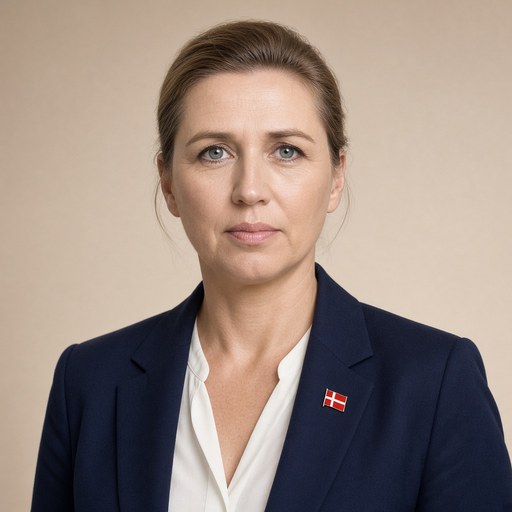
Prime Minister Mette Frederiksen's speech at the Nature Meeting 2024
 Mette Frederiksen · Prime Minister of Denmark
- Context
- Frederiksen addressed the Nature Meeting 2024 on May 28, 2024, outlining Denmark's environmental policies and calling for stronger action to protect nature and biodiversity.
- Main themes
- Biodiversity and nature conservation, climate action and Denmark's climate goals, water environment and marine nature, deforestation and new forest creation, species extinction, national parks, plastic pollution, nature and society reconnection, EU 30% protected nature goal, green legislation and policy
- Duration
- ~11 min
- Words
- 1,327
- Sentences
- 126
- Readability
- 71
- Grade
- 5.7
- Syntax
- 2.43
- Vocabulary
- 2.03
Translated from Danish
The broad sphere of national life a sentence belongs to. Every sentence has an Arena, so it is the denominator the other indices are read against.
Other126 sentences in 59 paragraphs
Dear everyone.
Some of you may remember Dan Turéll. He once wrote many years ago that when he stood in front of a tree, he searched in vain for the crack where he should drop a 25-øre coin to get the thing going.
Now, he did not look like a man who was directly on his way out into a bivouac. And perhaps there was a time in Denmark when nature faded into the background and many Danes had other priorities.
Fortunately, that is no longer the case.
In all parts of our country and in all layers of our society, awareness of our nature is rising.
Perhaps because many of us have seen the heart-wrenching images of the plastic soup in the Pacific Ocean.
Our fantastic sea creatures trapped by waste.
The absence of insects when we drive out into the Danish summer landscape.
And the modern society's absence of coexistence with wild nature and wild animals.
There is not much good to say about the coronavirus. But one thing: namely, that during that time, many of us sought out nature. Either alone or at a distance with others.
And as screens unfortunately consume more and more of children's childhoods, yes, destroy more and more of childhood life in Denmark, we will probably all become more and more grateful for the trees they can climb in. For the fire that makes their hair smell. The ladybug that fascinates.
I believe that there are many explanations. But I sense that there is an awakening happening in these years. We are beginning to understand and appreciate nature again. And thus, many more of us are ready to fight for it.
And it is necessary.
The good news first:
On the climate front, things are moving forward here in Denmark.
When I formed my first government almost 5 years ago, setting one of the world's most ambitious climate goals, many said we would not reach them. There are still many who say that.
But now projections show that we will reach our goal in 2025. And we are well on our way to also meet the Danish climate goals in 2030. And that is quite a wild story.
It is a wild story because we have done it in a way in Denmark, without inequality rising explosively. Without huge conflicts between urban and rural areas. The conflicts we see in many other countries.
Everything we have now achieved on climate – and we are not done yet – should only encourage all of us to create the same good results for our nature. And it is far too vulnerable in many places.
I was touched – and I am sure you were too – when the media brought underwater photos from Danish fjords and inland waters.
Large areas emptied of life. Only rotting plants and brown algae.
At the same time, far too much waste is still left in our nature in many places. Which, in the worst case, can harm wildlife and the environment.
And nearly 2,000 plant and animal species are at risk of extinction. The Eurasian eagle-owl. The hazel dormouse. The eel.
Why have we reached this point? Because for generations we have not taken enough care of our nature.
I hope it is clear to everyone that it cannot continue like this. We need to turn the tide. And it must be now.
* * *
It is time to give our nature more peace. Give it space. More forest. More biodiversity. More oxygen so that future generations can also benefit from it.
Much is underway. Let me just mention a few highlights.
We have just reached an agreement with some of the parties in the Folketing on an emergency package for our water environment. Already in 2024, this means concrete efforts for the Limfjord and Vejle Fjord.
And we want to ban trawling in five vulnerable reefs in the North Sea and Skagerrak.
We recently allocated 5 billion DKK towards 2030 for, among other things, better clean drinking water and more forest. And for a marine nature fund, which will contribute to restoring our marine nature.
As some may know, we have a rather ambitious goal of 250,000 hectares of new forest. That corresponds to the combined area of Lolland, Falster, and Bornholm.
We need a comprehensive law on nature and biodiversity. So Denmark can, of course, contribute to the EU's goal of 30 percent protected nature.
And why am I saying all this?
I say it because sometimes, when you listen to the debate in the green area, it sounds as if we are not doing anything at all. But we are.
We must also not fool ourselves into thinking that generations of destruction can be changed overnight.
And it is not only politically that we are engaged. It is very much all of you who are here. Just like the many others in Denmark who are involved in our upcoming national parks.
Next year, we will open the first two national parks. In Gribskov and Fussingø. And more are on the way.
* * *
In Jægerspris in Hornsherred stands the King Oak. It is probably both Denmark's oldest tree and Northern Europe's oldest oak tree.
It is estimated to be over 1,500 years old.
The tree was sown when there was the Iron Age in Denmark. And it probably knows the royal lineage better than most. For it has witnessed them all.
Sometimes we may tend to forget. That nature was here long before us.
Therefore, we – all of us gathered here today. And all others who love Danish nature. Have a really important task.
We must continue to tell how fantastic our nature is. And how important it is that we take care of it. Give it space and peace.
So that the next generations, and they are the ones it is all about, can also experience the stork. The lovely flyer that brings spring to Denmark.
Many Danes are already doing a lot. Thank you for that.
Some may leave the lawnmower in the shed. Fill the garden with wildflowers. So that bees, butterflies, and other insects can have a feast.
And in just three years, we Danes have registered more than 1 million findings of wild plants in the app "Arter." Orchids, violets, flowers, and dandelions. So that we can collectively learn more about our nature.
It is a fantastic engagement. And thank you to each and every one of you for that.
It is also wonderful to see so many thousands of people come here to celebrate the Nature Summit.
What we do makes a difference.
We must take care of our nature. It is the most beautiful thing we have. And we humans cannot live without it.
And that is why many of us are following the green tripartite with excitement. I am keeping my fingers crossed for, and I believe in, a good and green result.
Denmark is an agricultural country. Of course, we are. And if we do not produce our food ourselves, we will just have to import it from elsewhere. Perhaps from countries with an even greater environmental and climate burden.
So of course, we are an agricultural country. And just as obviously, agriculture must reduce its emissions. Agriculture must take better care of our water. Both the water we drink and the water that fish should swim in again.
We need vibrant rural areas. And we need jobs in all parts of Denmark. And our wild Danish wildlife – which is not so wild after all – should be allowed to become wilder and have more, larger, and more coherent natural areas to live in.
So when you put all that together, the tasks are many. But now we have the opportunity. And I will certainly do everything I can.
Have a really good nature meeting! Take care of nature. And thank you for allowing me to be here today.
The original Danish. The tags above are read on the English translation's sentences.
Kære alle sammen.
Nogle af jer vil kunne huske Dan Turéll. Han skrev engang for mange år siden, at når han stod foran et træ. Så ledte han forgæves efter den sprække, hvor han skulle smide 25-øren i, for at lortet gik i gang.
Nu lignede han ikke en mand, der sådan direkte var på vej ud i en bivuak. Og måske var der en tid i Danmark, hvor naturen gled i baggrunden og mange danskere havde andre prioriteter.
Sådan er det heldigvis ikke mere.
I alle dele af vores land og i alle lag i vores samfund stiger bevidstheden om vores natur.
Måske fordi mange af os har set de hjerteskærende billeder af plastiksuppen i Stillehavet.
Vores fantastiske havdyr fanget af affald.
Fraværet af insekterne, når vi kører afsted ud i det danske sommerland.
Og det moderne samfunds fravær af sameksistens med den vilde natur og de vilde dyr.
Der er ikke meget godt at sige om corona’en. Men en enkelt ting: Nemlig, at i den tid, var der rigtig mange af os, der søgte ud i naturen. Enten alene eller i afstand med andre.
Og i takt med at skærmene desværre æder mere og mere af børnenes barndom. Ja, ødelægger mere og mere af børnelivet i Danmark. Så bliver vi nok alle sammen mere og mere taknemmelige for de træer, de kan klatre i. For det bål, der får deres hår til at lugte. Mariehønen, der fascinerer.
Jeg tror, at forklaringerne er mange. Men jeg fornemmer, at der sker en opvågning i de her år. Vi begynder igen at forstå og værdsætte naturen. Og dermed er vi også mange flere, der er klar til at kæmpe for den.
Og det er nødvendigt.
De gode nyheder først:
På klimafronten går det fremad her i Danmark.
Da jeg for snart 5 år siden formede min første regering, satte et af verdens mest ambitiøse klimamål, sagde mange, at vi ikke ville nå dem. Det er der sådan set mange, der stadig siger.
Men nu viser fremskrivningen, at vi når vores mål i 2025. Og vi er godt på vej til også at nå de danske klimamål i 2030. Og det er jo sådan set en ret vild historie.
Det er en vild historie, fordi vi har jo gjort det på en måde i Danmark, uden at uligheden er steget eksplosivt. Uden kæmpe konflikter mellem land og by. De konflikter som vi ser i mange andre lande.
Alt det, vi nu har opnået på klima – og vi er slet ikke færdige endnu - skal kun animere alle os til at skabe de samme og gode resultater for vores natur. Og den er mange steder alt for sårbar.
Jeg blev berørt – det gjorde I garanteret også – da medierne bragte undervandsfoto fra danske fjorde og indre farvande.
Store områder tømt for liv. Kun rådne planter og brune alger.
Samtidig med det, bliver der for mange steder stadig efterladt alt for meget affald i vores natur. Som i værste fald kan skade dyrelivet og miljøet.
Og næsten 2.000 plante- og dyrearter er i fare for at uddø. Kirkeuglen. Hasselmusen. Ålen.
Hvorfor er vi nået dertil? Fordi vi gennem generationer ikke har passet nok på vores natur.
Jeg håber, det for alle er klart, at det ikke kan fortsætte sådan. Vi skal have vendt udviklingen. Og det skal være nu.
* * *
Det er tid til at give vores natur mere ro. Give den plads. Mere skov. Mere biodiversitet. Mere ilt i så fremtidige generationer også kan nyde godt af den.
Meget er i gang. Lad mig nævne bare nogle få nedslag.
Vi har netop indgået aftale med nogle af Folketingets partier om en akutpakke for vores vandmiljø. Allerede i 2024 betyder det konkrete indsatser for Limfjorden og Vejle Fjord.
Og vi ønsker at forbyde trawlfiskeri på fem sårbare rev i Nordsøen og Skagerak.
Vi for nyligt udmøntet 5 mia. kr. frem mod 2030 til bl.a. bedre rent drikkevand og mere skov. Og til en havnaturfond, som skal bidrage til at genskabe vores havnatur.
Som nogle måske ved, så har vi et ret ambitiøst mål om 250.000 hektar ny skov. Det svarer til Lollands, Falsters og Bornholms areal tilsammen.
Vi skal have en samlet lov om natur og biodiversitet. Så Danmark selvfølgelig bidrager til EU's mål om 30 procent beskyttet natur.
Og hvorfor siger jeg alt det her?
Jeg siger det fordi, at engang i mellem, når man lytter til debatten på det grønne område, så lyder det som om, at vi slet ikke er i gang. Men det er vi.
Vi må bare heller ikke bilde hinanden ind, at generationers ødelæggelser er noget, man kan ændre fra den ene dag til den anden.
Og det er jo ikke kun politisk, vi er i gang. Det er jo i allerhøjeste grad alle jer, der er her. Ligesom de mange andre i Danmark, der engagerer sig i vores kommende naturnationalparker.
Næste år åbner vi de to første naturnationalparker. I Gribskov og Fussingø. Og flere er på vej.
* * *
I Jægerspris i Hornsherred står Konge-egen. Det er formentlig både Danmarks ældste træ og Nordeuropas ældste egetræ.
Man regner med, det er mere end 1.500 år gammelt.
Træet blev sået, da der var jernalder i Danmark. Og det kan nok kongerækken bedre end de fleste. For det har oplevet dem alle.
Nogle gange har vi det måske med at glemme. At naturen var her længe før os.
Derfor har vi. Alle os, der er samlet her i dag. Og alle andre, der elsker den danske natur. En rigtig vigtig opgave.
Vi skal fortælle videre, hvor fantastisk vores natur er. Og hvor vigtigt det er, vi passer på den. Giver den plads og ro.
Så de næste generationer, og det er dem, det handler om, også kan opleve storken. Den dejlige flyver, der bringer foråret til Danmark.
Mange danskere gør allerede meget. Tak for det.
Nogle lader måske græsslåmaskinen stå i skuret. Fylder haven med vilde blomster. Så bier, sommerfugle og andre insekter kan have en fest.
Og på bare tre år har vi danskere registreret mere end 1 mio. fund af vilde planter i app’en ”Arter”. Orkidéer, violer, blomster og mælkebøtter. Så vi i fællesskab kan blive klogere på vores natur.
Det er et fantastisk engagement. Og tak til hver enkelt af jer for det.
Det er det også, at se så mange tusinde mennesker komme her for at fejre Naturens Topmøde.
Det, vi gør. Gør en forskel.
Vi skal passe på vores natur. Det er det smukkeste, vi har. Og vi mennesker kan ikke leve uden.
Og derfor er vi mange, der følger den grønne tre-part med spænding. Jeg krydser fingre for, og jeg tror på, et godt og grønt resultat.
Danmark er et landbrugsland. Selvfølgelig er vi det. Og producerer vi ikke vores mad selv, så skal vi bare importere den udefra. Måske fra lande med en endnu større miljø- og klimabelastning.
Så selvfølgelig er vi et landbrugsland. Og lige så selvfølgeligt er det, at landbruget skal nedbringe sine udledninger. Landbruget skal passe bedre på vores vand. Både det vi drikker, og det fiskene igen skal svømme i.
Vi har brug for livlige landdistrikter. Og vi har brug for arbejdspladser i alle dele af Danmark. Og vores vilde danske dyreliv – som ikke er så vildt endda - skal have lov til at blive mere vildt og have flere, større og mere sammenhængende naturområder at leve i.
Så når man lægger alt det sammen, så er opgaverne mange. Men det er nu, vi har muligheden. Og jeg vil i hvert fald gøre alt, hvad jeg kan.
Hav et rigtig godt naturmøde! Pas på naturen. Og tak fordi, at jeg måtte have lov til at være med i dag.