





- Context
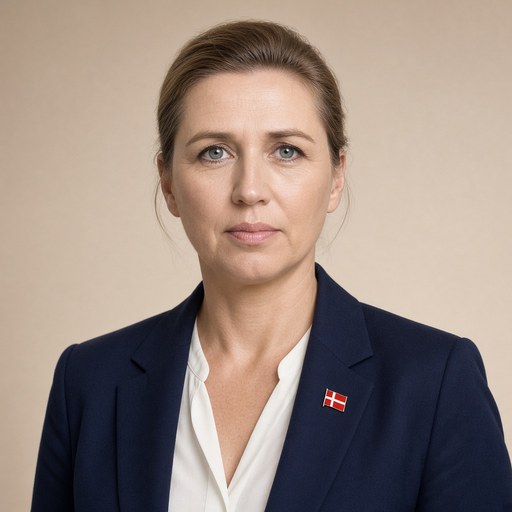
- Frederiksen addressed the Danish public in September 2025 following a series of hybrid attacks, including drone sightings over critical infrastructure, to explain government response measures.
- Main themes
- Hybrid attacks on Denmark, drone incidents at critical infrastructure, national security and defense preparedness, NATO and allied cooperation, European security threat, countering hybrid warfare, Danish defense buildup, support for Ukraine, disinformation and destabilization, political unity and calm, European drone defense wall
- Duration
- ~9 min
- Words
- 1,122
- Sentences
- 104
- Readability
- 63
- Grade
- 6.9
- Syntax
- 2.45
- Vocabulary
- 2.09
Translated from Danish
The broad sphere of national life a sentence belongs to. Every sentence has an Arena, so it is the denominator the other indices are read against.
Other104 sentences in 53 paragraphs
Dear all,
Denmark has been subjected to hybrid attacks in recent days. Drones have been spotted in several locations. At critical infrastructure. Military and civilian.
These are attacks that we must expect may occur more of.
These are attacks that have revealed vulnerabilities.
And these are attacks that aim to create insecurity and division. They are attacks meant to shake us. As individuals and as a society.
I understand well that the situation raises many questions. Why have the drones not been shot down? Why were they not detected earlier?
And there will come a time when we must look back at the events of the past few days and learn from them.
But here and now, we – the government and authorities – have one overarching task: And that is to take care of Denmark. And to enable ourselves to better respond to hybrid attacks. As quickly as possible.
Where are we now?
First of all, the authorities have raised the alert level. And they are preparing for various scenarios.
This means, among other things, that both the Armed Forces and the police will be more present with anti-drone capabilities around critical infrastructure in the near future.
At the same time, the authorities are in close contact with our allies to quickly strengthen our own Danish capabilities to detect and combat drones.
Secondly, our authorities have the mandate to take down hostile drones.
But it is, of course, the responsible authorities that must make the operational assessment in the specific situation. Including the specific security risks.
And thirdly, I have been in contact over the past few days with a number of my European colleagues. I have spoken with the German Chancellor, the British Prime Minister, the Prime Ministers of our neighboring countries Sweden and Norway, and with the Finnish President.
I have also been in close dialogue with NATO’s Secretary General. And we are now in close dialogue with NATO allies about how they can assist Denmark in the current situation so that we can protect and defend our airspace.
* * *
The hybrid attacks have not only targeted Denmark.
There have also been recent incidents in both Poland, Estonia, and Romania.
Hybrid warfare is not a war in the traditional sense.
Hybrid attacks are meant to confuse us. They are meant to make us insecure. And they come from a cowardly enemy that does not dare to reveal itself.
One time it may be drones. Another time it may be cyberattacks. It could be what we call disinformation. It could be interference in electoral processes. Conspiracy theories one reads online.
But regardless of the method we may see, the purpose is the same. They want to destabilize our society, and they want us to no longer trust our authorities. And all of this underscores that the security threat to Europe is serious – and it is real.
That is why we have been engaged in a massive buildup of our own Danish defense over the past few years.
It is also why we continue to support Ukraine. As I believe it can help us in this situation. Because if anyone knows how to combat drones, it is our friends in Ukraine. And therefore, we are of course also in dialogue with them.
I must also say that it takes time to restore Danish defense.
I do not ask for patience with that. Because I do not actually have it myself. But we are in a hurry. And I ask for understanding that even though we are, it cannot be done from one day to the next. Or from one year to the next.
And I also need to say. And this is particularly directed at some of the parties in the Folketing.
That the goal of hybrid attacks is not only to test our authorities or our preparedness. It is, as I said, also to see how we react as a society, and how we react politically.
We must be vigilant. And if there is something that does not work, it must of course be corrected. We are working on that.
But we must also remain calm. The time is not for hasty statements or political grandstanding or declarations of distrust towards the authorities or the police. Because there is no responsible politician who can guarantee the Danish population that we can completely avoid hybrid attacks.
In fact, that cannot be done in any country.
And it is probably rather the opposite.
That we will see more sabotage. More hacking attacks. Even more drones. Undersea cables being destroyed. Direct attacks into European democracies, as we currently see in the small country of Moldova.
* * *
That Denmark and Europe are under more violent and frequent hybrid attacks, I consider a new reality.
Next week, all of Europe’s heads of state and government will meet here in Copenhagen. We will discuss European defense and security. Including the establishment of a proper drone wall.
In other words: Europe must arm itself. And we must rearm.
And we must never let ourselves be threatened. For that is not how we can be Danes. And that is not how we can be Europeans.
In these hours and days, we are very much in what can be called the initial phase of immediate crisis management.
We have experienced this before in other situations. And I have also said what I am saying now before. That in any handling of a difficult crisis, there is a risk of making mistakes.
And it is not always that we can quickly provide good answers to the questions that will arise continuously.
But as a government, we will strive to tell the public what we can. The same goes for the authorities. Of course with consideration. Namely that those who wish us harm are listening to all the discussions we have with each other.
And although the authorities cannot conclude who is behind the hybrid attacks against our airports and other critical infrastructure.
We can at least state that there is primarily one country that poses a threat to Europe’s security – and that is Russia.
And therefore, finally, an important point.
There is no European country that can defend itself alone against Russia. Not even Ukraine, which has bravely fought for more than three years now.
And that is why we have our NATO alliance.
That is why we are working to expand the European defense industry.
And that is why we are engaged in a historic rearmament here in Denmark.
And the events of the past few days only underscore how important it is.
That we act. But that we do so together with others. In Europe and in NATO.
Thank you for listening.
The original Danish. The tags above are read on the English translation's sentences.
Kære alle
Danmark har i de seneste døgn været udsat for hybride angreb. Droner er set flere steder. Ved kritisk infrastruktur. Militært og civilt.
Det er angreb, som vi må forvente, der kan komme flere af.
Det er angreb, som har vist sårbarheder.
Og det er angreb, som har til formål at skabe utryghed og splittelse. Det er angreb, der skal ryste os. Som mennesker og som samfund.
Jeg forstår godt, at situationen rejser mange spørgsmål. Hvorfor er dronerne ikke blevet skudt ned? Hvorfor blev de ikke opdaget tidligere?
Og der kommer et tidspunkt, hvor vi må kigge tilbage i de seneste dages hændelser og lære af dem.
Men her og nu har vi – regering og myndigheder – én altoverskyggende opgave: Og det er at passe på Danmark. Og gøre os i stand til bedre at imødegå de hybride angreb. Så hurtigt som muligt.
Hvor er vi nu?
For det første så har myndighederne hævet beredskabet. Og de forbereder sig på forskellige scenarier.
Det betyder blandt andet, at både Forsvaret og politiet vil være mere tilstede med anti-dronekapaciteter omkring kritisk infrastruktur i den kommende tid.
Samtidig er myndighederne i tæt kontakt med vores allierede med henblik på hurtigt at styrke vores egne danske kapaciteter til at kunne opdage og til at kunne nedkæmpe droner.
For det andet så har vores myndigheder mandat til, at fjendtlige droner tages ned.
Men det er selvfølgelig de ansvarlige myndigheder, der skal foretage den operative vurdering i den konkrete situation. Herunder af de konkrete sikkerhedsrisici.
Og for det tredje så har jeg over de seneste dage været i kontakt med en række af mine europæiske kolleger. Jeg har talt med den tyske kansler, den britiske premierminister, statsministrene i vores nabolande Sverige og Norge og med den finske præsident.
Ligesom jeg har været i tæt dialog med NATO’s generalsekretær. Og vi er nu fra dansk side i tæt dialog med NATO-allierede om, hvordan de i den aktuelle situation kan bistå Danmark, så vi kan beskytte og forsvare vores luftrum.
* * *
De hybride angreb har ikke kun ramt Danmark.
Der har for nylig også været hændelser i både Polen, Estland og Rumænien.
Hybridkrig er ikke en krig i sådan traditionel forstand.
Hybride angreb skal forvirre os. De skal gøre os usikre. Og det er fra en fej fjende, som ikke tør at give sig til kende.
Den ene gang der kan det være droner. En anden gang kan det være cyberangreb. Det kan være, det vi kalder desinformation. Det kan være påvirkning af valghandlinger. Konspirationsteorier man læser på nettet.
Men uanset hvilken metode, vi kommer til at se, så er formålet det samme. Man ønsker at destabilisere vores samfund, og man ønsker, at vi ikke længere skal have tillid til vores myndigheder. Og alt sammen understreger det, at sikkerhedstruslen mod Europa er alvorlig – og den er reel.
Det er derfor, vi igennem de seneste år har været i gang med en massiv oprustning af vores eget danske forsvar.
Det er i øvrigt også derfor, vi bliver ved med at støtte Ukraine. Som jeg tror kan hjælpe os i denne situation. Fordi hvis der er nogen, der har forstand på at bekæmpe droner, så er det vores venner i Ukraine. Og derfor er vi selvfølgelig også i dialog med dem.
Jeg er også nødt til at sige, at det tager tid at genoprette dansk forsvar.
Det beder jeg ikke om tålmodighed med. Fordi den har jeg i virkeligheden ikke selv. Men vi
har
travlt. Og jeg beder om forståelse for, at selvom vi har det, så kan det trods alt ikke lade sig gøre hverken fra den ene dag til den anden. Eller fra det ene år til det andet.
Og jeg er også nødt til at sige. Og det her er særligt til nogle af partierne i Folketinget.
At målet med hybride angreb det er ikke kun at teste vores myndigheder eller vores beredskab. Det er som sagt også at se, hvordan reagerer vi som samfund, og hvordan reagerer vi politisk.
Vi skal være på vagt. Og hvis der er noget, der ikke fungerer. Så skal det selvfølgelig rettes op. Det er vi i gang med.
Men vi skal altså også bevare roen. Tiden er ikke til hurtige meldinger eller politiske overbud eller mistillidserklæringer til myndighederne eller politiet. Fordi der er ingen ansvarlig politiker, der vil kunne garantere den danske befolkning, at vi helt kan undgå hybride angreb.
Det kan man i øvrigt ikke i noget land.
Og det er nok snarere lige præcis omvendt faktisk.
At vi kommer til at se mere sabotage. Flere hackerangreb. Endnu flere droner. Søkabler der ødelægges. Direkte angreb ind i europæiske demokratier, som vi aktuelt ser det i det lille land Moldova.
* * *
At Danmark og Europa er under mere voldsomme og hyppige hybride angreb, det betragter jeg som en ny virkelighed.
I næste uge der mødes alle Europas stats- og regeringschefer her i København. Vi skal diskutere europæisk forsvar og sikkerhed. Herunder etablering af en egentlig dronemur.
Med andre ord: Europa skal ruste sig. Og vi skal opruste.
Og vi skal aldrig lade os true. For sådan kan vi ikke være danskere. Og sådan kan vi heller ikke være europæere.
I de her timer og dage der er vi meget vel i det, man kan kalde den indledende fase i den umiddelbare krisehåndtering.
Det har vi prøvet før i andre situationer. Og jeg har også sagt det, jeg siger nu, før. At i enhver håndtering af en svær krise, der er der en risiko for, at man kommer til at begå fejl.
Og det er ikke altid, at vi hurtigt kan give gode svar på de spørgsmål, der løbende vil opstå.
Men som regering der vil vi altså bestræbe os på at fortælle offentligheden det, vi kan. Det samme vil myndighederne. Selvfølgelig med en omtanke. Nemlig at dem der vil os det ondt, de lytter med på alle de diskussioner, vi har med hinanden.
Og selvom myndighederne ikke kan konkludere, hvem der står bag de hybride angreb mod vores lufthavne og anden kritisk infrastruktur.
Så kan vi i hvert fald konstatere, at der primært er ét land, der udgør en trussel for Europas sikkerhed – og det er Rusland.
Og derfor til sidst en vigtig pointe.
Der er ikke noget europæisk land, der kan forsvare sig alene mod Rusland. Det kan ikke engang Ukraine, som ellers tappert har kæmpet i mere end tre år nu.
Og det er jo derfor, vi har vores NATO-alliance.
Det er derfor, vi er i gang med at udbygge den europæiske forsvarsindustri.
Og det er derfor, vi er i gang med en historisk oprustning her i Danmark.
Og de seneste dages begivenheder understreger kun, hvor vigtigt det er.
At vi handler. Men at vi gør det sammen med andre. I Europa og i NATO.
Tak fordi du lyttede med.