




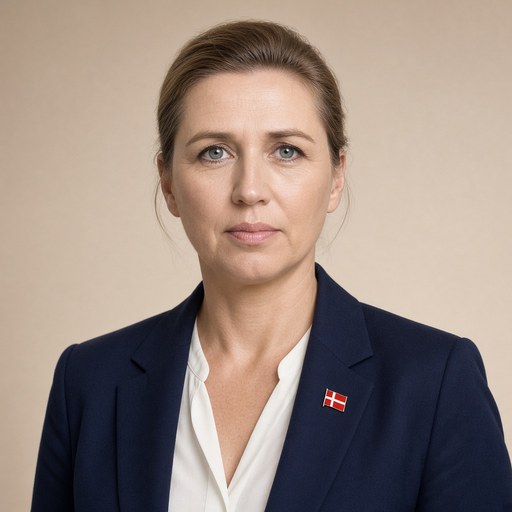
Prime Minister Mette Frederiksen's speech at FOA's congress on October 9, 2019.
 Mette Frederiksen · Prime Minister of Denmark
- Context
- Frederiksen addressed FOA's congress in Odense on October 9, 2019, marking her first address to the public sector union as Denmark's newly elected Prime Minister.
- Main themes
- Welfare society, public sector care workers, professional respect and recognition, New Public Management critique, social and health assistants, rebuilding welfare, solidarity, elderly care, drug users and social services, educational snobbery, government priorities
- Duration
- ~11 min
- Words
- 1,352
- Sentences
- 146
- Readability
- 65
- Grade
- 6.1
- Syntax
- 2.28
- Vocabulary
- 2.01
Translated from Danish
The broad sphere of national life a sentence belongs to. Every sentence has an Arena, so it is the denominator the other indices are read against.
Other146 sentences in 79 paragraphs
Dear Congress.
Thank you for the invitation.
As I understand it, this is the first time a politician has been allowed to stand here at the podium.
I am proud that it is me.
I have been looking forward to coming.
We have many common issues. And one of the absolutely most important concerns our welfare society – the most precious thing we have!
Welfare catches us when we fall. And gives us the chance to break the cycle of social inheritance. To climb higher on the social ladder than our parents.
Many of us share that story.
Welfare is at the very core of a solidarity-based Denmark, where we tackle the big tasks together.
But for as long as I can remember, the public debate has been about the opposite – a welfare society that should run more efficiently. Effectiveness. Control.
Now Denmark has a new government.
A government that puts welfare first.
And that is why I am so incredibly happy to be with you today.
For when welfare comes first, we must manage it together.
Thank you to Mona for the kind words. Thank you all for the warm applause.
I hope the words are just as beautiful. And the applause just as long – in three or four years. When the government is to be measured not only on intentions but also on results.
For the difficult part is not the vision, the ideals, the good ideas. The difficult part is to translate hope into a better reality.
For that difficult task, we need you.
You have the experience. The proximity. The professionalism. The will to help others.
* * *
I have visited several FOA workplaces and met your colleagues.
I have immense respect for your professionalism.
At one point, I visited the Church's Cross-Association health room here in Odense. It is what some might casually call a fixing room. That is, a place where drug users can take their drugs under controlled conditions.
I spoke with a man who clearly had lived a hard life.
He asked me if I was sensitive. I said I didn’t think I was. Then he pulled down his pants – and showed me his leg wound. And the truth is, I probably am sensitive – the wound did not look good. It was completely infected.
The man told me that he used to be seen by a nurse at home. But he was quite tired of her not arriving on time. This was said with a smile on his face. So now he was happy that there was a place where he could go and get treatment.
At that moment in our conversation, a competent and authoritative woman came and did what needed to be done to the man's wound.
And here I was confronted with my own prejudices.
For I took her for a nurse. But the skilled caregiver was – of course – a social and health assistant.
Where am I going with this story?
I want to say that we have prejudices. We cling to the idea that certain professional groups can do certain things. But it is not only about professions, but also about who you are. About your experience and authority. And of course, the professionalism to take care of a vulnerable person.
Let me tell you about another experience:
I have visited many social and health schools over the past few years. In Vejle. Randers. Herlev. Silkeborg. Skive. Copenhagen. And here in Odense.
And everywhere there is one question that has recurred: Why is there not greater respect for our professionalism?
I understand that question well. For there is – we cannot avoid it – an educational snobbery in our society. Have we not come to convince ourselves that some educations are finer than others?
But we cannot make our society work without you.
The respect you deserve must be given to you by the rest of us.
The government will remove the re-prioritization contribution – also for social and health education.
We have allocated funds so that municipalities and regions can hire more social and health assistants and social and health helpers as the number of elderly people increases. And more adults for more children.
We have also allocated funds for 1,000 extra nurses in hospitals. Perhaps you think it is annoying with all the talk about nurses.
But it does not contradict the fact that social and health assistants, social and health helpers, and porters play a key role in ensuring more proximity, more time, and more equality in our healthcare.
We are rebuilding welfare.
But I will say it as it is: We have only taken the first step. There is a long way to go.
We will not solve all problems right now. But giving you more colleagues is the first step.
* * *
We need to take more steps.
For even though much is good in our welfare. Even though you make a huge effort in your workplaces. There is also something that has gone completely wrong in our welfare society. Something fundamentally.
It is as if the most important thing – care – has been pushed to the background.
And something else has taken over.
New Public Management. Taken from the private sector and imposed on the public sector.
Can you do that?
No.
I just came from the Ærtebjerghaven Care Center. Here the leader said something wise: "The problem is that we do not consider it a home."
It is called a care center. Who wants to live in a center?
And when so many demands are placed on you. When so much time is spent behind a computer. Then there is no time left for the elderly.
We are in the process of draining the world's best societal model of trust that others will do their jobs. Trust that you locally can solve the problems. And correct mistakes.
That is why there is a need for what the government calls a Proximity Reform. And which I spent quite a bit of time on in my opening speech to the Parliament last week.
Will it be difficult?
Yes.
Perhaps the Elderly Association and patient organizations should hold back on demanding new rights? Perhaps municipalities should hold back on regulations? The Parliament should hold back on legislating on individual cases.
And perhaps trade unions should also hold back? Perhaps FOA as well. I have to say that. Without knowing everything about your agreements.
We all need to lower our shoulders and our defenses.
And make room for leaders and employees to be accountable and solve the problems.
I have that trust in you. I hope you will join in.
It is our societal model that is at stake.
* * *
I will also involve employees when we need to find the right model for a dignified retirement. FOA has come up with a proposal. I will take it home. Thank you for that!
I am very aware that there is also a women's perspective. Men and women often have different working lives.
Periods of maternity leave or part-time work must not stand in the way of benefiting from the scheme.
Those who have worked hard for many years deserve a dignified retirement.
There is much that surprises me in Danish politics – right now many are doing everything they can to prevent it from being implemented.
I will fight with all I can to implement a right to early retirement for those who have done their part in the labor market.
* * *
I have not forgotten about psychiatry, the disability sector, or the child sector.
But we cannot do everything at once. Now we are starting with more money for welfare. With a proximity reform. Dignified retirement.
I know that some of you will be impatient. And you should just keep pushing.
We must ensure that the entire welfare sector is heading for better times.
We must together put welfare first. Care first. Professionalism first.
Thank you for allowing me to stop by on your first day of Congress. Have a great Congress, everyone.
The original Danish. The tags above are read on the English translation's sentences.
Kære kongres.
Tak for invitationen.
Som jeg har forstået det, er det første gang en politiker får lov til at stå her på talerstolen.
Jeg er stolt over, at det blev mig.
Jeg har glædet mig til at komme.
Vi har mange fælles sager. Og en af de absolut vigtigste gælder vores velfærdssamfund – det dyrebareste, vi har!
Velfærden griber os, når vi falder. Og giver os chancen for at bryde den sociale arv. Nå længere op ad samfundsstigen end vores forældre.
Den historie deler mange af os.
Velfærden er selve kernen i et solidarisk Danmark, hvor vi løfter de store opgaver i fællesskab.
Men så længe jeg kan huske, har den offentlige debat handlet om det modsatte – et velfærdssamfund, der skulle køre længere på literen. Effektivitet. Kontrol.
Nu har Danmark fået en ny regering.
En regering, som sætter velfærden først.
Og derfor er jeg så utroligt glad for at være med hos jer i dag.
For når velfærden skal først. Så må vi klare det sammen.
Tak til Mona for de pæne ord. Tak til jer alle sammen for de pæne klapsalver.
Jeg håber, at ordene er lige så flotte. Og klapsalverne lige så lange – om tre år eller fire år. Når regeringen ikke kun skal måles på hensigten. Men også på resultatet.
For det svære er ikke visionen, idealerne, de gode idéer. Det svære er at omsætte håbet til en bedre virkelighed.
Til den svære opgave har vi brug for jer.
I har erfaringen. Nærheden. Fagligheden. Viljen til andre mennesker.
* * *
Jeg har været på flere FOA-arbejdspladser og besøgt jeres kolleger.
Jeg har kæmpe respekt for jeres faglighed.
På et tidspunkt besøgte jeg Kirkens Korshærs sundhedsrum her i Odense. Det er, hvad nogle nok i daglig tale ville kalde et fixerum. Altså et lokale, hvor misbrugere kan tage deres stoffer under ordnede forhold.
Jeg talte med en mand, der tydeligvis havde levet et hårdt liv.
Han spurgte mig, om jeg var sart. Det mente jeg ikke, jeg var. Så trak han bukserne ned – og viste mig sit bensår. Og sandheden er nok, at jeg er sart – såret så ikke godt ud. Det var helt betændt.
Manden fortalte, at han plejede at blive tilset af en sygeplejerske hjemme hos sig selv. Men han var ret træt af, at hun ikke kom til tiden. Det blev sagt med smil på læben. Så nu var han glad for, at der var et sted, hvor han selv kunne tage hen og få behandling.
På det tidspunkt i vores samtale kom der så en kompetent og myndig kvinde og gjorde det ved mandens sår, som skulle gøres.
Og her blev jeg konfronteret med mine egne fordomme.
For jeg tog hende jo for sygeplejerske. Men den dygtige behandler var – selvfølgelig – social- og sundhedsassistent.
Hvor vil jeg hen med den historie?
Jeg vil sige, at vi har fordomme. Hænger fast i, at særlige faggrupper kan lave særlige ting. Men det handler ikke kun om fag, men også om hvem du er. Om din erfaring og autoritet. Og selvfølgelig faglighed til at tage dig af et udsat menneske.
Lad mig fortælle om en anden oplevelse:
Jeg har besøgt mange SOSU-skoler gennem de seneste år. I Vejle. Randers. Herlev. Silkeborg. Skive. København. Og her i Odense.
Og alle steder er der ét spørgsmål, der er gået igen: Hvorfor er der ikke større respekt for vores faglighed?
Det spørgsmål forstår jeg godt. For der er jo – det kommer vi ikke uden om – et uddannelsessnobberi i vores samfund. Er vi ikke kommet til at bilde hinanden ind, at nogle uddannelser er finere end andre?
Men vi kan ikke få vores samfund til at hænge sammen uden jer.
Den respekt, I fortjener, skal vi andre give jer.
Regeringen vil fjerne omprioriteringsbidraget – også på sosu-uddannelserne.
Vi har sat penge af til, at kommunerne og regionerne kan ansætte flere sosu-assistenter og sosu-hjælpere, når der bliver flere ældre. Og flere voksne til flere børn.
Vi har også sat penge af til 1.000 ekstra sygeplejersker på sygehusene. Måske synes I, at det er træls med al den snak om sygeplejersker.
Men det står jo ikke i modsætning til, at sosu-assistenter, sosu-hjælpere og portører spiller en nøglerolle for at sikre mere nærhed, mere tid og mere lighed i vores sundhed.
Vi bygger velfærden op igen.
Men jeg vil sige det, som det er: Vi har kun taget det første skridt. Der er lang vej.
Vi kommer ikke til at løse alle problemer lige nu. Men at give jer flere kolleger er det første skridt.
* * *
Vi skal tage flere skridt.
For selvom meget er godt i vores velfærd. Selvom I yder en kæmpe indsats på jeres arbejdspladser. Så er der også noget, der er gået helt skævt i vores velfærdssamfund. Noget helt grundlæggende.
Det er, som om det allervigtigste – omsorgen – er trængt i baggrunden.
Og noget andet har fået overtaget.
New Public Management. Taget fra den private sektor og lagt ned over den offentlige sektor.
Kan man det?
Nej.
Jeg kommer lige fra Plejecenter Ærtebjerghaven. Her sagde lederen noget klogt: ”Problemet er, at vi ikke betragter det som et hjem.”
Det hedder er plejecenter. Hvem har lyst til at bo på et center?
Og når man lægger så mange krav ned over jer. Når der går så meget tid bag en computer. Så er den tid der ikke til den ældre.
Vi er i gang med at dræne verdens bedste samfundsmodel for tilliden til, at andre passer deres arbejde. Tilliden til, at I lokalt kan løse problemerne. Og rette op på fejl.
Derfor er der brug for det, regeringen kalder en Nærhedsreform. Og som jeg brugte en del tid på i min åbningstale til Folketinget i sidste uge.
Bliver det svært?
Ja.
Måske skal Ældresagen og patientforeningerne holde igen med at kræve nye rettigheder? Måske skal kommunerne holde igen med regler? Folketinget skal holde sig tilbage med at lovgive om enkeltsager.
Og måske skal fagforeningerne også holde igen? Måske også FOA. Det er jeg nødt til at sige. Uden at kende alt til jeres overenskomster.
Vi må alle sammen sænke skuldrene og paraderne.
Og give plads til, at leder og medarbejdere står til ansvar og løser problemerne.
Jeg har den tiltro til jer. Jeg håber, I vil være med.
Det er vores samfundsmodel, der er på spil.
* * *
Jeg vil også inddrage lønmodtagerne, når vi skal finde den rigtige model for en værdig tilbagetrækning. FOA er kommet med et udspil. Jeg tager det med hjem. Tak for det!
Jeg er meget opmærksom på, at der også er en kvindevinkel. Mænd og kvinder har ofte forskellige arbejdsliv.
Perioder med barsel eller deltid må ikke stå i vejen for, at man får gavn af ordningen.
De, der har slidt gennem mange år, fortjener en værdig tilbagetrækning.
Der er meget, der overrasker mig i dansk politik – lige nu gør mange alt, hvad de kan, for at det ikke skal blive gennemført.
Jeg vil kæmpe alt, hvad jeg kan for at gennemføre en ret til tidlig tilbagetrækning for dem, som har ydet deres tørn på arbejdsmarkedet.
* * *
Jeg har ikke glemt psykiatrien, handicapområdet, børneområdet.
Men vi kan ikke gøre det hele på en gang. Nu tager vi fat med flere penge til velfærden. Med en nærhedsreform. Værdig tilbagetrækning.
Jeg ved, at nogle af jer vil være utålmodige. Og I skal bare presse på.
Vi skal sikre, at hele velfærdsområdet går en bedre tid i møde.
Vi skal sammen sætte velfærden først. Omsorgen først. Fagligheden først.
Tak, fordi jeg måtte komme forbi på jeres første kongresdag. Rigtig god kongres til jer alle sammen.