




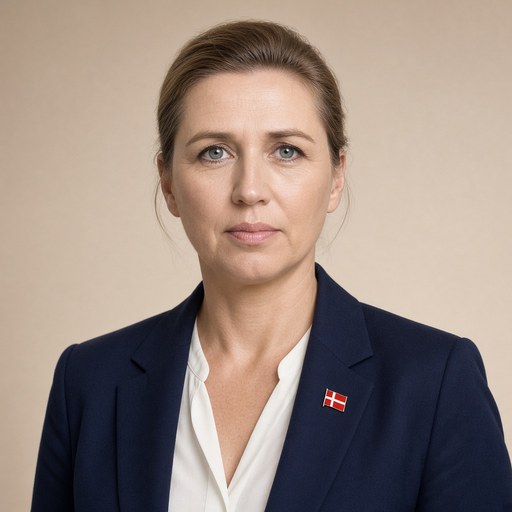
Prime Minister Mette Frederiksen's speech at the Municipal Political Summit on March 16, 2023.
 Mette Frederiksen · Prime Minister of Denmark
- Context
- Frederiksen addressed mayors and municipal officials at Denmark's Municipal Political Summit on March 16, 2023, calling for collaboration on welfare, security, and climate reform.
- Main themes
- Welfare state renewal, municipal government, Danish security and defense, green transition and climate adaptation, public services (daycare, schools, elderly care), fiscal policy and economic reform, NATO and defense spending, Ukrainian refugee integration, local democracy, societal challenges
- Duration
- ~34 min
- Words
- 4,089
- Sentences
- 461
- Readability
- 60
- Grade
- 6.7
- Syntax
- 2.19
- Vocabulary
- 2.02
Translated from Danish
The broad sphere of national life a sentence belongs to. Every sentence has an Arena, so it is the denominator the other indices are read against.
Other461 sentences in 305 paragraphs
Thank you for the invitation. I have been looking forward to being here today.
Politics is filled with one-liners.
“Never give in,” said Winston Churchill.
“It’s morning again in America,” was the phrase from Ronald Reagan.
Barack Obama said: “Yes we can.”
And then there is Angela Merkel’s “Wir schaffen das.”
Agree or disagree. When political slogans are at their best, they capture the essence of what it’s all about.
On Friday, I heard a mayor who captured my view of Danish municipalities in three words.
He said: “We fix it.”
That is exactly what you do – all of you who are present today.
Mayors. Municipal council members. Civil servants. And many other local enthusiasts.
You fix the welfare state in everyday life.
You are the ones who are closest to the Danes.
Your employees, who every morning are ready to welcome the next generation in daycare and kindergarten.
Your employees, who prepare schoolchildren to become competent young people with skills and courage for life.
And your employees, who take care of our elderly, who after a long and arduous life need care, compassion. And a chat about what matters.
The welfare state – it is lived life.
And you – and your employees – are at the core of it. Every single day.
Even when a pandemic sweeps across the country and demands extraordinary efforts.
And when tens of thousands of Ukrainian children and adults fleeing the war need a place to live. A job. A school day. A functioning everyday life.
Dear everyone gathered here. On behalf of Denmark.
Thank you for the effort you put in. And thank you to your employees.
* * *
There are periods in a society's history when changes press for attention. When the very foundation is challenged. And when decisive choices and priorities must be made. To secure the future.
This is exactly the kind of period the Danish welfare state is in.
The backdrop is serious.
First of all, there is Denmark and Europe’s security.
The war in Ukraine has been a wake-up call.
It is completely clear that we must take greater responsibility for our own security.
Denmark’s security rests on NATO cooperation. Therefore, we must contribute 2 percent of GDP by 2030.
As far as my eye can see, we will need to spend significantly more money on defense and security. More than we have done in decades.
In terms of security policy, we are in a time that will present difficult decisions and major changes.
The same applies to the green transition.
Here too, there is a need for major decisions.
That involve the whole society.
Not least you.
Rarely have so many Danes eagerly awaited a letter from the municipality. Will district heating be rolled out here on my property?
A surprising consequence of Russia's aggression was that municipal heating planning became a topic of conversation at the dinner table in many Danish homes.
We need to get the Danes onto green heating sources.
The transition is important. And as many of you know, climate adaptation is too.
The green transition and climate adaptation will demand significant resources in the coming years.
Finally, there is our crown jewel. The welfare state. With free and equal access.
Which is indeed the best in the world. But which is also under pressure. And in need of renewal.
In all three areas. Security. Climate. And welfare. Our society faces major decisions. Where we must show courage and the will to take new paths.
We cannot choose one of them and say: This can wait.
There is an urgent need for action in all three areas. And significant investments.
Danish fiscal policy is sustainable in a long-term perspective, yes. That is absolutely crucial.
But if we are satisfied with that fact alone, then we are essentially saying that we do not want more. That the ambitions are not greater.
For surpluses far into the future do not change the challenges we face in the shorter term. And all that we collectively want to achieve by 2030.
If we do not just settle for being satisfied. But actually want a society as strong as it can possibly be.
Then we must invest more. And the economic room for maneuver is not large enough.
Therefore,
there is
a need for reforms.
* * *
Today, my focus will be on the tasks that lie ahead of us as we take the next steps in the development of the welfare state.
We are one of the safest, richest, and most skilled countries in the world.
But honestly. Do we today have the daycare centers. The public school. And the elderly care. That we dreamed of when we entered politics?
I guess that most of you can identify areas that you would like to improve. Invest in. Organize differently.
Citizens whom you would like to help better than today.
Those ambitions – your ambitions – we must not compromise on.
The welfare state has been created in a partnership between Christiansborg and municipal Denmark over 100 years.
Today, I would like to invite, on behalf of the government, to a collaboration on how we take the next big steps.
The prerequisite for that collaboration is that we have a common understanding of the challenges we face.
Therefore, I will today share my – and our – analysis of the most central challenges for our welfare in the coming years.
There are especially five.
* * *
The first major challenge is demographics.
By 2030, there will be over 40,000 more children. And almost 110,000 more elderly.
In fact, it is a sign of something fantastic.
We are facing a time with lots of new little Danes in snowsuits.
And with even more lively grandparents and great-grandparents who have the energy and health to be with their children, grandchildren, and great-grandchildren. And with friends. Travel. Pursue hobbies. Live a good life.
Never before have we lived so healthily. So well. And for so long. As we do now.
That was exactly what we wanted with the welfare state.
But the development will also challenge us. As you know.
With the need for more places in daycare and kindergartens.
And although many elderly are healthy, there will also be more who live with chronic illness and dementia.
This means more elderly who need care.
More with a need for home nursing, home help, and cleaning.
And no, we are not talking about an elderly burden here.
We are talking about people who have built our society.
They certainly deserve a safe and dignified old age.
The government will ensure that the money follows the demographics.
The demographic trend.
It pains me that we – in something so human and crucial – have to use such a dull and technocratic term.
I guess many of you – like me – once had a stack of Donald Duck comics in the cupboard.
Perhaps you remember the character called ‘Sorte Slyngel’?
He was characterized by two things: One: He had a black sheet over his head and two: He was a rascal.
It was easy to identify what he was.
It is harder with demographics. It is an invisible opponent and ally.
In 2030, it will cost over 21 billion kroner just to keep up with it.
A large number. But it only covers that we can roughly maintain the status quo.
And yet not.
I know that the specialized social area is significant for you.
Citizens with mental illnesses and disabilities are people with very different living conditions and needs.
Young people struggling in life. Adults needing support in everyday life. People with disabilities.
What they all have in common is that they deserve good lives just like everyone else.
And I also know that your employees work every day to meet those needs.
It is primarily a humanitarian challenge.
But also an economic one. The specialized social area is today the largest single municipal expenditure area.
And expenses are rising.
The development in the population composition – and in the specialized social area – will challenge us all.
And thus the welfare state. In a wide range of areas.
And much more than many might imagine.
Here we must work closely together. Here we will need to find fundamentally new solutions. We must prevent much more. We must find new collaborations. New ways to organize ourselves.
* * *
The next major challenge is a good example of this.
The lack of employees in welfare.
If I asked you in the assembly:
How many of you have experienced that one of your institutions has advertised a position as a social and health worker or educator – without success?
How many have experienced that? Many.
And many have probably also experienced that your institutions have had to give up on making the duty roster work.
That you could not provide the welfare at night that you actually wanted.
The truth is that it is difficult to get enough employees in citizen-facing welfare.
And looking ahead, the recruitment challenge will only grow.
By 2030, we could be short up to 17,000 more social and health workers.
Can we be satisfied with that?
No. Of course not.
Too few are applying for a welfare education. And too many drop out along the way.
We need to turn that development around.
At the same time, we must be able to retain those who go to work every day. And make a huge effort.
We must offer decent pay and working conditions.
Create frameworks that reduce absenteeism.
Encourage more to work full-time.
And get more to want to stay in their profession. In a time of great work pressure.
But it is not easy. It is actually very difficult.
* * *
At the same time, there is also a need to look at how the employees who are working use their time.
Here, the ever-growing bureaucracy is a problem.
In almost ten years, administrative costs in municipalities have increased by 2.5 billion kroner.
Here, some of you might want to interject and say: Well, it’s not just in the municipalities that more people have been hired to administer. It also applies to the state.
And that is completely correct.
Will the government also look into that?
Yes, we will. Of course.
For it is actually paradoxical.
Which of us here in the room has ever wished for the level of bureaucracy we have today?
Probably none.
And which of us has campaigned for more money for administration, documentation, and bureaucracy?
I have yet to meet that politician.
Yet bureaucracy has grown. And it has gotten worse year after year.
The administrations and municipal councils add – just like Christiansborg – extra layers to the bureaucracy.
A strategy that leads to an action plan. Which again leads to a working group. A form. A new guideline.
Communication efforts. Reporting. Supervision and follow-up. And funds. And funds. And so it continues.
And it is not only at the town hall and in the administrations that bureaucracy exists. It has affected our way of working all the way out to the citizens.
Let me give you an example.
In one municipality, it used to be the case that if a citizen needed a bath, and the hearing aid needed cleaning, the employee had to write it both in a journal and in a separate form.
That example is not isolated.
Think about how many working hours that adds up to. Time we could use differently.
Here we must acknowledge and say: You saw the problems before we did in Christiansborg.
It reminds me of the 1980s and 1990s.
Back then, it was also you, mayors, who opened Christiansborg's eyes to the problems with the inadequate integration of refugees and immigrants.
Had we listened to you back then, Denmark would probably have pursued a different immigration and refugee policy.
And now, when it comes to the problems with the growing bureaucracy in welfare, it is again you who are opening our eyes.
I am ready – on behalf of myself and Christiansborg – to take on my – our – share of the responsibility.
We have centrally created far too many rules and far, far too much detailed management.
And unfortunately, we continue to do so.
Because for many years we have believed that we could regulate and micromanage our way to the best welfare.
Simplistically put, we have believed that the road to a good welfare society was paved with regulation.
That was a misunderstanding. And it is a misunderstanding
That has been reinforced by an impatient political logic that has not always been conducive to good solutions.
Another bill. Another new right. Another fund.
Another new coalition that has agreed on a new political agreement filled with new detailed requirements.
None mentioned. None forgotten. I have stood there myself. In front of the minister's office and been genuinely pleased with such agreements.
I promise you that they have been made with the best intentions.
But when layer upon layer of legislation and rules, made with the best intentions, are piled on top of each other. It becomes heavy.
It hits all the way out to the employee. And the citizen.
A vicious circle. And a huge paradox.
But it happens again and again.
When it comes to the growing bureaucracy, the finger points to us at Christiansborg.
But it must also point back at you.
For many of the rules and documentation requirements that institutions and employees are subject to have been devised by local administrations. Also, of course, with the best intentions.
You have indeed been subject to the same political logic. The demand for quick solutions to difficult problems.
Yes, even at the individual institutions, they have, on top of the regulation they have received, imposed a lot of regulation on themselves. Again, with the best intentions.
Here in Aalborg Municipality, they have reviewed the rules that have been initiated locally in the elderly sector.
It turns out that 17 out of 20 municipal rules have been introduced by local care units. Only three out of 20 have been introduced by the administration.
That underscores, in my view, that the fight against bureaucracy is a fight against a misguided idea of how we create the best welfare society.
Because it is about an overly systemic and overly cold approach to people.
In that way, it is a real battle of values. That we must fight together.
Against an idea that exists at all levels. With us at Christiansborg. With you locally. And all the way out in the institutions.
* * *
The next major challenge for welfare concerns our cohesion as a country.
A few weeks ago, I visited Tingbjerg School. A school full of happy children and young people. Most of them with a different ethnic background.
Here, the young school leader has come a long way in creating a completely ordinary Danish public school.
Integration is progressing in many places across the country.
All of you who have created these successes deserve huge praise for that. You can stand tall. Well done.
But at the same time as we celebrate the successes, the problems are still far too many.
Even after 30 years of integration efforts, the picture is clear: Immigrants and descendants from countries in the Middle East and North Africa are doing, on average, worse than immigrants from many other countries.
Fewer of the women are entering the workforce.
More of the young men are being convicted of crimes.
And around our country, there are areas where groups of people live isolated from the rest of us.
People who cannot manage in our language, even though they have lived here for years. Who do not go to work. Who do not share ordinary Danish and Western values. Or participate in the communities we have with each other.
This affects a society.
The welfare state is fundamentally a community. Built on mutual trust that we all contribute.
That we know each other. Talk to each other. And are part of the same public conversation.
All of this is seriously challenged by parallel societies.
And if we do not do even more to lift the integration task. And make it very clear that those who have come to Denmark must always take responsibility for our country. Then we undermine the welfare state.
* * *
The last challenge is our expectations of welfare.
Nine out of ten of you mayors experience that the expectations of Danes regarding welfare have become significantly greater.
This is not surprising.
As we become richer and richer and can buy more and more, we expect more from public welfare. Schools. Daycare institutions. Elderly care.
When a child has a fast computer at home, it is expected that the school's computer is not slow and old.
This is the case all around.
Back in the 1950s, the Swedish politician Olof Palme was aware of the connection.
He called it "the dissatisfaction of growing expectations."
Improved conditions quickly become everyday life. And are followed by new expectations.
But the welfare state is not primarily a service institution.
It is much more. Much larger. And much more important.
Our welfare state is about warmth. Presence. Care.
And not least about citizenship.
That we engage in the community. In life in kindergartens. Schools. Local communities. Helping those who are struggling.
The roots go far back.
Farmers who organized themselves in the cooperative movement and folk high schools.
Workers who founded trade unions, housing associations, sports clubs, and much more.
All of this led to the welfare state we know today.
Let us not lose that historical heritage.
If we reduce welfare to merely being a 'service'. Then we will not only become spiritually poorer. Dissatisfaction with welfare will also increase.
This will result in declining support for the universal welfare state.
So we must ask ourselves: Are we talking too much about a welfare state that should deliver a service?
Instead of a welfare community that is built on engaged citizens?
Welfare cannot be a transaction.
It is a personal responsibility.
Let us talk more about that. And about caring for each other. About engaging in the community.
That citizenship. I believe there is a need to strengthen it.
* * *
The five challenges that I have outlined here.
Demography.
Recruitment problems.
The growing bureaucracy.
The cohesion that is threatened.
And growing expectations of welfare.
This is my analysis of the reality we face. The government's analysis.
We would like to discuss it with you.
And I look forward to hearing yours.
In my view, we are faced with the choice: Will we just limp along? Patch things up here and there. Hope that it will last us through our time?
Or will we take a more fundamental approach?
With new ways to organize welfare? And reforms that can create changes that extend beyond our lifetime?
I probably won't send shockwaves through this room by saying that we in the government prefer the latter.
And we do not want to. In fact, we do not want to do it alone.
On the contrary. We want to collaborate with you. With the parties. And not least with the Danes.
* * *
Before I conclude, let us address some of the elements in the government platform that I know have sparked debate and criticism in the municipalities.
Let me start with administrative expenses.
For yes, we will stand firm that the expenses for administration in municipalities and regions must be reduced by 3 billion kroner by 2030.
Because we believe it is better to spend the money on wages and working conditions for employees in welfare.
I know very well that it is a hundred times easier said than done to curb the growth of administrative expenses. And even harder to reduce them.
Nevertheless, that is the task.
And the government will work to ensure that citizen-centered welfare is protected. It is administration that should take up less space.
We will propose a multi-year cooperation program between the government, municipalities, and regions. With the aim of reducing administrative expenses and protecting citizen-centered welfare.
Because we would like to discuss with you what we can do to contribute.
Through fewer objectives. Simpler management and oversight. Fewer documentation requirements.
You should have the opportunity to challenge us on all the regulations we can remove for the task to succeed. Follow or explain.
* * *
And then there are the job centers.
That we will abolish them. We know that this is a very tough measure. And an unusually clear statement.
Let me emphasize: This is not because the employees in the job centers are not doing their jobs well enough.
They have done exactly what they have been instructed to do from Christiansborg.
No. This is a reckoning with a system that is entangled in rules, process requirements, and bureaucracy.
For example, employees at Jobcenter Aarhus experience that they spend three hours on rules and bureaucracy for every hour they spend on an unemployed citizen.
That is too skewed.
This is not about Aarhus.
It is about us finding a new way to do it together.
* * *
The government and the politicians at Christiansborg have been criticized for raising expectations for the welfare you are to deliver higher than is good.
But we know that there is not money for everything.
That you experience that budgeting has become increasingly difficult.
You face tough priorities every single day.
Therefore, we want to give you more freedom to do things the way you find best.
This also means that there should be more room for diversity in welfare across municipalities. More than there is today.
Already today, there are local differences in welfare in Denmark.
But the government's ambition is that you should be able to organize welfare even more according to what you think is best locally.
Because it is you who know your local areas and citizens best.
And because increased local freedom can pave the way for higher quality in welfare.
I think it has been a misunderstood notion that uniformity is a marker of quality.
That if welfare is the same from Ballerup to Hobro. From Hedensted to Odense. Then it is an expression of high quality.
That is nonsense.
Quality in welfare is about professionalism, presence, and care.
And we can only strengthen that if we create space for much greater local differences, preferences, and priorities.
I am convinced that if we unleash local creativity, it will lead to new paths.
If in Hedensted they want to run the nursing home and daycare differently than they do somewhere in Funen, then they should be able to do that.
Diversity can indeed be an expression of quality. Of the local. Of citizenship.
There are, of course, exceptions – health is probably the most obvious example – where there should be national quality requirements and standards. The same quality across the country.
But I hope you have taken my signal down.
* * *
All the challenges we face are deeply complex. And they intersect with each other.
To solve them, it is not enough to turn a screw in one place. Or implement a quick legislative package.
We need to take a more fundamental approach. Develop solutions together. And involve all relevant actors.
This also includes civil society. Private companies, volunteers, organizations, and others.
The new broad government is built on the ambition to change the political culture.
To break with block politics. To insist on dialogue and inclusion across the board.
That way of thinking is not foreign to you.
If anyone knows about cooperation across the aisle. About making tough decisions. About everything from new school districts to merging nursing homes.
It is you.
I began my speech today by saying that there are times in a society's history when the very foundation is challenged. When decisive choices and priorities must be made. To secure the future.
Dear summit!
This is exactly where Denmark stands right now.
It is us. The first broad government across the aisle in many years.
And you.
Who are currently faced with the task.
With the responsibility.
With a historic opportunity.
If we use it correctly, we can not only fix it together.
We can also make the choices and decisions that will be crucial for the future of the welfare state.
We hope to do that together with you.
Thank you for your attention.
The original Danish. The tags above are read on the English translation's sentences.
Tak for invitationen. Jeg har set frem til at være med i dag.
Politik er fyldt med oneliners.
“Never give in,” sagde Winston Churchill.
“It’s morning again in America,” lød det fra Ronald Reagan.
Barack Obama sagde: “Yes we can.”
Og så er der Angela Merkels “Wir schaffen das”.
Enig eller uenig. Når politiske slogans er bedst, indfanger de kernen af, hvad det hele handler om.
I fredags hørte jeg en borgmester, der med tre ord fangede mit syn på danske kommuner.
Han sagde: ”Vi fikser det.”
Det er præcis det, I gør – alle jer, der er til stede i dag.
Borgmestre. Kommunalbestyrelsesmedlemmer. Embedsmænd. Og mange andre lokale ildsjæle.
I fikser velfærdssamfundet i dagligdagen.
Det er jer, der er tættest på danskerne.
Jeres medarbejdere, der hver morgen står klar til at modtage den næste generation i vuggestuen og børnehaven.
Jeres medarbejdere, der klæder skolebørnene på til at blive kompetente unge mennesker med færdigheder og mod på livet.
Og jeres medarbejdere, der passer på vores ældre, som efter et langt og slidsomt liv har brug for pleje, omsorg. Og en snak om det, der fylder.
Velfærdssamfundet – det er levet liv.
Og I – og jeres medarbejdere – er i kernen af det. Hver eneste dag.
Også når en pandemi skyller ind over landet og kræver ekstraordinære indsatser.
Og når titusindvis af ukrainske børn og voksne på flugt fra krigen skal have et sted at bo. Et arbejde. En skoledag. En hverdag, der fungerer.
Kære alle, der er samlet her. På Danmarks vegne.
Tak for den indsats, I yder. Og tak til jeres medarbejdere.
* * *
Der er perioder i et samfunds historie, hvor forandringer presser sig på. Hvor selve fundamentet er udfordret. Og hvor der skal foretages afgørende valg og prioriteringer. For at sikre fremtiden.
Det er præcis sådan en periode, det danske velfærdssamfund befinder sig i.
Bagtæppet er alvorligt.
For det første er der Danmark og Europas sikkerhed.
Krigen i Ukraine har været et wakeup-call.
Det står fuldstændig klart, at vi skal tage større ansvar for vores egen sikkerhed.
Danmarks sikkerhed hviler på NATO-samarbejdet. Derfor skal vi bidrage med de 2 procent af BNP i 2030.
Så langt mit øje rækker. Kommer vi til at skulle bruge
markant
flere penge på forsvar og sikkerhed. Flere end vi har gjort i årtier.
Sikkerhedspolitisk befinder vi os i en tid, der vil byde på svære beslutninger og store forandringer.
Det samme gælder i den grønne omstilling.
Også her er der brug for store beslutninger.
Som involverer hele samfundet.
Ikke mindst jer.
Sjældent har så mange danskere med spænding ventet på et brev fra kommunen. Bliver der mon rullet fjernvarme ud her på min matrikel?
En overraskende konsekvens af Ruslands aggression blev, at kommunal varmeplanlægning blev et samtaleemne ved middagsbordet i mange danske hjem.
Vi skal have danskerne over på grønne varmekilder.
Omstillingen er vigtig. Og som rigtig mange af jer ved, så er klimatilpasningen det også.
Den grønne omstilling og klimatilpasningen kommer til at trække store veksler de kommende år.
Endelig er der vores kronjuvel. Velfærdssamfundet. Med fri og lige adgang.
Som godt nok er verdens bedste. Men som også er under pres. Og trænger til fornyelse.
På alle tre områder. Sikkerhed. Klima. Og velfærd. Står vores samfund over for store beslutninger. Hvor vi skal vise mod og vilje til at gå nye veje.
Vi kan ikke vælge én af dem fra og sige: Det her venter lige.
Der er presserende behov for handling på alle tre områder. Og store investeringer.
Dansk finanspolitik er holdbar i et langsigtet perspektiv, ja. Det er helt afgørende.
Men hvis vi stiller os tilfredse alene med det faktum. Så er det jo det samme som at sige, at vi ikke vil mere. At ambitionerne ikke er større.
For overskud langt ude i fremtiden ændrer ikke på de udfordringer, vi står over for i et kortere perspektiv. Og alt det, vi i fællesskab gerne vil frem mod 2030.
Hvis vi ikke bare stiller os tilfredse. Men faktisk vil have så stærkt et samfund, som det overhovedet kan lade sig gøre.
Så skal vi investere mere. Og så er det økonomiske råderum ikke stort nok.
Derfor
er
der brug for reformer.
* * *
I dag vil mit fokus være på de opgaver, der ligger foran os, når vi tager de næste skridt i udviklingen af velfærdssamfundet.
Vi er et af de tryggeste, rigeste og dygtigste lande i verden.
Men hånden på hjertet. Har vi i dag de daginstitutioner. Den folkeskole. Og den ældrepleje. Som vi drømte om, da vi gik ind i politik?
Jeg gætter på, at langt de fleste af jer kan få øje på områder, som I gerne vil forbedre. Investere i. Indrette på en anden måde.
Borgere, som I gerne vil hjælpe bedre end i dag.
De ambitioner – jeres ambitioner – må vi ikke give køb på.
Velfærdssamfundet er skabt i et parløb mellem Christiansborg og det kommunale Danmark igennem 100 år.
I dag vil jeg på vegne af regeringen invitere til et samarbejde om, hvordan vi tager de næste store skridt.
Forudsætningen for det samarbejde er, at vi har en fælles forståelse for de udfordringer, vi står over for.
Derfor vil jeg i dag dele min – og vores – analyse af de mest centrale udfordringer for vores velfærd de kommende år.
Der er især fem.
* * *
Den første store udfordring er demografien.
Frem mod 2030 kommer der over 40.000 flere børn. Og næsten 110.000 flere ældre.
Egentlig er det udtryk for noget fantastisk.
Vi står foran en tid med masser af nye små danskere i flyverdragter.
Og med endnu flere friske bedsteforældre og oldeforældre, der har overskud og helbred til at være sammen med deres børn, børnebørn og oldebørn. Og med venner. Rejse. Dyrke fritidsinteresser. Leve et godt liv.
Aldrig før har vi levet så sundt. Så godt. Og så længe. Som vi gør nu.
Det var præcis det, vi ønskede med velfærdssamfundet.
Men udviklingen vil også udfordre os. Som I ved.
Med behov for flere pladser i vuggestuer og børnehaver.
Og selvom mange ældre er friske, kommer der også flere, der lever med kronisk sygdom og demens.
Det betyder flere ældre, som har brug for pleje.
Flere med behov for hjemmesygepleje, hjemmehjælp og rengøring.
Og nej, her taler vi ikke om en ældrebyrde.
Vi taler om mennesker, har skabt vores samfund.
De skal selvfølgelig have en tryg og værdig alderdom.
Regeringen vil sørge for, at pengene følger med demografien.
Det demografiske træk.
Det piner mig, at vi – i noget så menneskeligt og afgørende – er nødt til at bruge så kedeligt og teknokratisk et begreb.
Jeg gætter på, at mange af jer – som jeg – engang har haft en stak Anders And-blade i skabet.
Måske kan I huske den karakter, der hed ’Sorte Slyngel’?
Han var kendetegnet ved to ting: Et: Han havde et sort lagen over hovedet og to: Han var en slyngel.
Det var let at identificere, hvad han var for en.
Det er sværere med demografien. Det er en usynlig mod- og medspiller.
I 2030 koster det over 21 milliarder kroner bare at følge med den.
Et stort tal. Men det dækker netop kun, at vi nogenlunde kan bevare status quo.
Og så alligevel ikke.
Jeg ved, at det specialiserede socialområde fylder meget hos jer.
Borgere med psykiske lidelser og med handicap er mennesker med vidt forskellige livsbetingelser og behov.
Unge med ondt i livet. Voksne med behov for støtte i hverdagen. Mennesker med en funktionsnedsættelse.
Fælles for dem alle er, at de fortjener gode liv ligesom alle andre.
Og jeg ved også, at jeres medarbejdere hver dag arbejder for at opfylde behovene.
Det er først og fremmest en medmenneskelig udfordring.
Men også en økonomisk. Det specialiserede socialområde er i dag det største enkeltstående kommunale udgiftsområde.
Og udgifterne stiger.
Udviklingen i befolkningssammensætningen – og på det specialiserede socialområde – vil udfordre os alle.
Og dermed velfærdssamfundet. På en lang række områder.
Og det meget mere, end mange lige forestiller sig.
Her skal vi arbejde tæt sammen. Her får vi brug for at finde grundlæggende nye løsninger. Vi skal forebygge meget mere. Vi skal finde nye samarbejder. Nye måder at indrette os på.
* * *
Det er den næste store udfordring et godt eksempel på.
Manglen på medarbejdere i velfærden.
Hvis jeg spurgte jer i forsamlingen:
Hvor mange af jer har oplevet, at en af jeres institutioner har slået en stilling som social- og sundhedsmedarbejder eller pædagog op – uden held?
Hvor mange har så oplevet det? Mange.
Og mange har formentlig også oplevet, at jeres institutioner har måttet opgive at få vagtplanen til at gå op.
At I ikke kunne levere den velfærd om natten, som I egentlig ville.
Sandheden er, at det er svært at få medarbejdere nok i den borgernære velfærd.
Og ser vi frem i tid. Så vil rekrutteringsudfordringen kun blive større.
I 2030 kan vi komme til at mangle op mod 17.000 flere social- og sundhedsmedarbejdere.
Kan vi stille os tilfredse med det?
Nej. Selvfølgelig ikke.
For få søger ind på en velfærdsuddannelse. Og for mange falder fra undervejs.
Den udvikling skal vi have vendt.
Samtidig skal vi kunne fastholde dem, som hver dag går på arbejde. Og gør en kæmpe indsats.
Vi skal tilbyde ordentlige løn- og arbejdsvilkår.
Skabe rammer, der mindsker sygefraværet.
Anspore flere til at gå op i tid.
Og få flere til at have lyst til at blive i deres fag. I en tid med et stort arbejdspres.
Men det er ikke nemt. Det er faktisk rigtig svært.
* * *
Samtidig er der også behov for at se på, hvordan de medarbejdere, der arbejder, bruger tiden.
Her er det evigt voksende bureaukrati et problem.
På næsten ti år er udgifterne til administration i kommunerne vokset med 2½ mia. kr.
Her er der nok nogen af jer, der har lyst til at bryde ind og sige: Jamen, det er jo ikke kun i kommunerne, der er ansat flere til at administrere. Det gælder også i staten.
Og det er fuldstændig rigtigt.
Kommer regeringen så også til at kigge på det?
Ja, det gør vi. Selvfølgelig.
For det er egentlig paradoksalt.
Hvem af os her i rummet har nogensinde ønsket os det omfang af bureaukrati, vi har i dag?
Formentlig ingen.
Og hvem af os er gået til valg på flere penge til administration, dokumentation og bureaukrati?
Den politiker har jeg endnu ikke mødt.
Alligevel er bureaukratiet vokset. Og det er blevet værre år for år.
Forvaltningerne og kommunalbestyrelserne lægger – ligesom Christiansborg – ekstra lag på bureaukratiet.
En strategi, der fører til en handlingsplan. Som igen fører til en arbejdsgruppe. Et skema. En ny vejledning.
Kommunikationsindsatser. Indrapporteringer. Tilsyn og opfølgning. Og puljer. Og puljer. Og sådan fortsætter det.
Og det er ikke kun på rådhuset og i forvaltningerne, at bureaukratiet findes. Det har påvirket vores måde at arbejde på helt ude ved borgerne.
Lad mig give et eksempel.
I en kommune var det længe sådan, at hvis en borger skulle i bad, og høreapparatet skulle renses, så skulle medarbejderen både skrive det i en journal og i et separat skema.
Det eksempel er ikke enkeltstående.
Tænk over, hvor mange arbejdstimer det bliver til. Tid vi kunne bruge anderledes.
Her må vi kvittere og sige: I så problemerne, før vi på Christiansborg gjorde.
Det minder om 1980’erne og 1990’erne.
Her var det også jer, borgmestre, der åbnede Christiansborgs øjne for problemerne med den mangelfulde integration af flygtninge og indvandrere.
Havde vi lyttet til jer dengang, ville Danmark formentlig have ført en anden udlændinge- og flygtningepolitik.
Og nu, hvor det gælder problemerne med det voksende bureaukrati i velfærden, er det igen jer, der åbner vores øjne.
Jeg er parat til – på vegne af mig selv og Christiansborg at påtage mig min – vores – del af ansvaret.
Vi har centralt lavet alt for mange regler og alt, alt for meget detailstyring.
Og vi bliver desværre ved med det.
Fordi vi i mange år har troet på, at vi kunne regulere og detailstyre os til den bedste velfærd.
Lidt forenklet sagt har vi troet, at vejen til det gode velfærdssamfund var brolagt med regulering.
Det var en misforståelse. Og det er en misforståelse
Som er blevet forstærket af en utålmodig politisk logik, der ikke altid har været befordrende for de gode løsninger.
Endnu et lovforslag. Endnu en ny rettighed. Endnu en pulje.
Endnu en ny forligskreds, der er blevet enige om en ny politisk aftale fyldt med nye detailkrav.
Ingen nævnt. Ingen glemt. Jeg har selv stået der. Foran ministerkontoret og været oprigtig glad for den slags aftaler.
Jeg lover jer, at de er indgået i den bedste mening.
Men når lag på lag på lag af lovgivning og regler, der er lavet i bedste mening, bliver lagt oven på hinanden. Så bliver det tungt.
Det rammer helt ude hos medarbejderen. Og borgeren.
En ond cirkel. Og et kæmpe paradoks.
Men det sker igen og igen.
Når det handler om det voksende bureaukrati, peger pilen altså på os på Christiansborg.
Men den må også pege tilbage på jer.
For mange af de regler og dokumentationskrav, som institutioner og medarbejdere er underlagt, er udtænkt af lokale forvaltninger. Også i bedste mening naturligvis.
I har nemlig været underlagt den samme politiske logik. Kravet om hurtige løsninger på svære problemer.
Ja, selv på de enkelte institutioner har man oven på den regulering, man har fået, påført sig selv rigtig meget regulering. Igen i bedste mening.
Her i Aalborg Kommune har man på ældreområdet gennemgået de regler, der er taget initiativ til lokalt.
Det viser sig, at 17 ud af 20 kommunale regler er indført af lokale plejeenheder. Kun tre ud af 20 er indført af forvaltningen.
Det sætter for mig at se to tykke streger under, at kampen mod bureaukrati er en kamp mod en fejlslagen idé om, hvordan vi skaber det bedste velfærdssamfund.
Fordi det handler om en alt for systemisk og alt for kølig tilgang til mennesker.
På den måde er det en reel værdikamp. Som vi skal kæmpe sammen.
Imod en idé, som findes på alle niveauer. Hos os på Christiansborg. Hos jer lokalt. Og helt ude i institutionerne.
* * *
Den næste store udfordring for velfærden handler om vores sammenhængskraft som land.
For nogle uger siden besøgte jeg Tingbjerg Skole. En skole fuld af glade børn og unge. De fleste med anden etnisk baggrund.
Her er den unge skoleleder kommet langt med at skabe en helt almindelig dansk folkeskole.
Det går fremad med integrationen mange steder i landet.
Det skal alle I, der har skabt de succeser, have kæmpe ros for. I kan ranke ryggen. Godt gået.
Men samtidig med, at vi fejrer succeserne. Så er problemerne stadig alt for mange.
Selv efter 30 års integrationsindsats er billedet klart: Indvandrere og efterkommere fra lande i Mellemøsten og Nordafrika klarer sig i gennemsnit dårligere end indvandrere fra mange andre lande.
Færre af kvinderne kommer i arbejde.
Flere af de unge mænd bliver dømt for kriminalitet.
Og rundt om i vores land er der områder, hvor grupper af mennesker lever afsondret fra os andre.
Mennesker, som ikke kan begå sig på vores sprog, selvom de har boet her i årevis. Som ikke går på arbejde. Som ikke deler almindelige danske og vestlige værdier. Eller tager del i de fællesskaber, vi har med hinanden.
Det gør noget ved et samfund.
Velfærdssamfundet er jo grundlæggende et fællesskab. Som bygger på en indbyrdes tillid til, at vi alle bidrager.
At vi kender hinanden. Taler sammen. Og er en del af den samme offentlige samtale.
Alt det bliver alvorligt udfordret af parallelsamfund.
Og hvis ikke vi får gjort endnu mere for at løfte integrationsopgaven. Og får sagt meget klart, at de, der er kommet til Danmark, altid skal løfte deres ansvar for vores land. Så underminerer vi velfærdssamfundet.
* * *
Den sidste udfordring er vores forventninger til velfærden.
Ni ud af ti af jer borgmestre oplever, at danskernes forventninger til velfærden er blevet markant større.
Det er ikke underligt.
Når vi bliver rigere og rigere og kan købe os til mere og mere. Så forventer vi mere af den offentlige velfærd. Skoler. Daginstitutioner. Ældrepleje.
Når et barn har en hurtig computer hjemme. Så forventes det, at skolens computer ikke er langsom og gammel
Sådan er det hele vejen rundt.
Helt tilbage i 1950’erne var den svenske politiker Olof Palme opmærksom på sammenhængen.
Han kaldte det for ”voksende forventningers utilfredshed.”
Forbedrede forhold bliver hurtigt hverdag. Og følges af nye forventninger.
Men velfærdssamfundet er ikke først og fremmest en serviceinstitution.
Det er meget mere. Meget større. Og meget vigtigere
Vores velfærdssamfund handler om varme. Nærvær. Omsorg.
Og ikke mindst om medborgerskab.
At vi engagerer os i fællesskabet. I livet i børnehaven. Skolerne. Lokalsamfundet. Hjælper dem, der har det svært.
Rødderne går langt tilbage.
Bønder, der organiserede sig i andelsbevægelsen og højskoler.
Arbejdere, der grundlagde fagforeninger, boligselskaber, idrætsklubber, og meget andet.
Dét førte alt sammen til det velfærdssamfund, vi kender i dag.
Lad os ikke tabe den historiske arv på gulvet.
Hvis vi reducerer velfærd til blot at være en ’serviceydelse’. Så bliver vi ikke alene åndeligt fattigere. Utilfredsheden med velfærden vil også stige.
Det vil sætte sig i en faldende opbakning til det universelle velfærdssamfund.
Så vi må spørge os selv: Taler vi i for høj grad om en velfærdsstat, der skal levere en service?
Fremfor om et velfærdssamfund, der bygger på engagerede medborgere?
Velfærd kan ikke være en transaktion.
Det er et personligt ansvar.
Lad os tale mere om det. Og om at drage omsorg for hinanden. Om at engagere os i fællesskabet.
Det medborgerskab. Det mener jeg, at der er behov for at styrke.
* * *
De fem udfordringer, som jeg her har ridset op.
Demografien.
Rekrutteringsproblemerne.
Det voksende bureaukrati.
Sammenhængskraften, der er truet.
Og voksende forventninger til velfærden.
Det er min analyse af den virkelighed, vi står over for. Regeringens analyse.
Den vil vi gerne diskutere med jer.
Og jeg glæder mig til at høre jeres.
I mine øjne står vi over for valget: Vil vi humpe videre? Lappe lidt her og der. Håbe, at det holder vores tid ud?
Eller vil vi tage mere grundlæggende fat?
Med nye måder at indrette velfærden på? Og reformer, der kan skabe forandringer, som rækker ud over vores levetid?
Jeg sender nok ikke chokbølger gennem rummet her ved at sige, at vi i regeringen foretrækker det sidste.
Og vi ønsker ikke. Faktisk slet ikke. At gøre det selv.
Tværtimod. Vi ønsker at samarbejde med jer. Med partierne. Og ikke mindst med danskerne.
* * *
Inden jeg runder af. Så lad os komme omkring nogle af de elementer i regeringsgrundlaget, som jeg ved, har skabt debat og kritik i kommunerne.
Lad mig starte med administrationsudgifterne.
For ja, vi kommer til at stå fast på, at udgifterne til administration i kommuner og regioner skal nedbringes med 3 milliarder kroner i 2030.
Fordi vi mener, det er bedre at bruge pengene på løn- og arbejdsvilkår til ansatte i velfærden.
Jeg ved godt, at det er hundrede gange lettere sagt end gjort at bremse væksten i administrationsudgifterne. Og endnu sværere at nedbringe dem.
Ikke desto mindre er det dét, der er opgaven.
Og regeringen vil arbejde for, at den borgernære velfærd bliver friholdt. Det er administration, der skal fylde mindre.
Vi vil lægge op til et flerårigt samarbejdsprogram mellem regeringen, kommuner og regioner. Med det formål at nedbringe udgifterne til administration og friholde den borgernære velfærd.
For vi vil gerne drøfte med jer, hvad vi kan gøre for at bidrage.
Gennem færre målsætninger. Mere enkel styring og tilsyn. Færre dokumentationskrav.
I skal have muligheden for at udfordre os på al den regulering, vi kan fjerne, for at opgaven kan lykkes. Følg eller forklar.
* * *
Og så er der jobcentrene.
At vi vil nedlægge dem. Det ved vi godt, er et meget hårdt greb. Og helt usædvanlig klar tale.
Lad mig understrege: Det skyldes ikke, at medarbejderne i jobcentrene ikke gør arbejdet godt nok.
De har gjort præcis, hvad de har fået besked på fra Christiansborg.
Nej. Det her er et opgør med et system, der er viklet ind i regler, proceskrav og bureaukrati.
Eksempelvis oplever medarbejderne i Jobcenter Aarhus, at de bruger
tre
timer på regler og bureaukrati, hver gang de bruger én time på en ledig borger
Det er for skævt.
Det her handler jo ikke om Aarhus.
Det handler om, at vi sammen skal finde en ny måde at gøre det på.
* * *
Regeringen og politikerne på Christiansborg er blevet kritiseret for at tale forventningerne til den velfærd, I skal levere, længere op end godt er.
Men vi ved godt, at der ikke er penge til det hele.
At I oplever, at budgetlægningen er blevet stadig sværere.
I står over for svære prioriteringer hver eneste dag
Derfor vil vi give jer mere frihed til at gøre tingene på den måde, I finder bedst.
Den betyder også, at der skal være mere plads til forskellighed i velfærden på tværs af kommuner. Mere end der er i dag.
Allerede i dag er der lokale forskelle i velfærden i Danmark.
Men regeringens ambition er, at I i endnu højere grad skal kunne tilrettelægge velfærden, som I synes bedst lokalt.
Fordi det er jer, der kender jeres lokalområder og borgere allerbedst.
Og fordi øget lokal frihed vil kunne bane vejen for højere kvalitet i velfærden.
Jeg synes, det har været en misforstået forestilling. At ensartethed er en markør for kvalitet.
At hvis velfærden er ens fra Ballerup til Hobro. Fra Hedensted til Odense. Så er det udtryk for høj kvalitet.
Det er noget sludder.
Kvalitet i velfærden handler om faglighed, nærvær og omsorg.
Og det kan vi kun styrke, hvis vi skaber plads til langt større lokale forskelle, præferencer og prioriteringer.
Jeg er overbevist om, at hvis man slipper den lokale kreativitet fri, vil det føre til nye veje.
Hvis man i Hedensted ønsker at drive plejehjemmet og daginstitutionen på en anden måde, end man gør et sted på Fyn, så skal man da kunne det.
Forskellighed kan netop være et udtryk for kvalitet. For det lokale. For medborgerskab.
Der er selvfølgelig undtagelser – sundhed er nok det mest oplagte eksempel – hvor der bør være nationale kvalitetskrav og standarder. Samme kvalitet i hele landet.
Men jeg håber, I har taget mit signal ned.
* * *
Alle de udfordringer, vi står over for, er dybt komplekse. Og de griber ind i hinanden.
For at løse dem. Så er det ikke tilstrækkeligt at dreje på en skrue ét sted. Eller gennemføre en hurtig lovpakke.
Der er brug for, at vi tager mere grundlæggende fat. Udvikler løsninger sammen. Og inddrager alle relevante aktører.
Det gælder også civilsamfundet. Private virksomheder, frivillige, organisationer og andre.
Den nye brede regering er bygget på ambitionen om at ændre den politiske kultur.
Gøre op med blokpolitik. Insistere på dialog og inddragelse på tværs.
Den måde at tænke på ligger jer ikke fjernt.
Hvis der er nogen, der kender til samarbejde hen over midten. Til at træffe svære beslutninger. Om alt fra nye skoledistrikter til sammenlægning af plejehjem
Så er det jer.
Jeg begyndte min tale i dag med at sige, at der er tidspunkter i et samfunds historie, hvor selve fundamentet er udfordret. Hvor der skal foretages afgørende valg og prioriteringer. For at sikre fremtiden.
Kære topmøde!
Det er præcis her, Danmark står lige nu.
Det er os. Den første brede regering hen over midten i mange år.
Og jer.
Der lige nu står med opgaven.
Med ansvaret.
Med en historisk mulighed.
Hvis vi bruger den rigtigt, så kan vi ikke alene fikse det sammen.
Så kan vi også træffe de valg og beslutninger, som bliver afgørende for velfærdssamfundets fremtid.
Det håber vi at gøre sammen med jer.
Tak for ordet.