




Mauritania — Statement to the General Debate of the 81st Session of the United Nations General Assembly (2026)
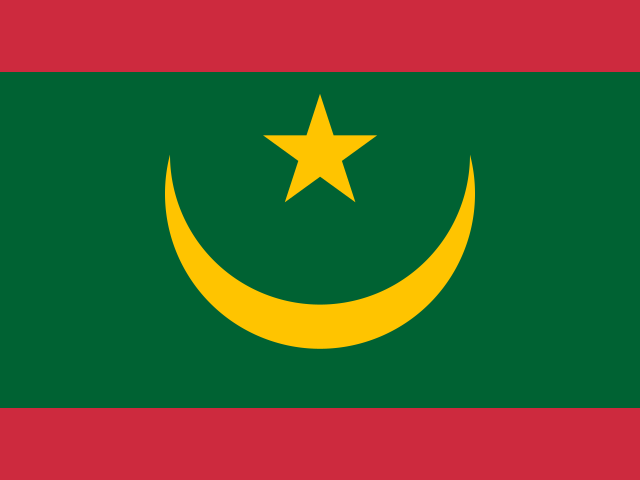 Mohamed Salem Ould Merzoug · Minister for Foreign Affairs, African Cooperation and Mauritanians Abroad
- Context
- Ould Merzoug addressed the General Debate of the 81st UN General Assembly in New York on September 25, 2026, on behalf of President Ghazouani, calling for UN reform, a Palestinian state and de-escalation in the Middle East.
- Main themes
- Reform of the United Nations and Security Council, permanent African seats, selective application of international law, multilateralism, Palestinian statehood and Security Council resolution 2803, Palestinian delegation's participation at the UN, migration and shared responsibility, Mauritania's national strategy and Taazour programme, Sudan, Libya, Yemen and Lebanon, Western Sahara, escalation in the Middle East and the Strait of Hormuz, technological transformation and the UN agenda
- Duration
- ~17 min
- Words
- 2,063
- Sentences
- 66
- Readability
- 15
- Grade
- 18.1
- Syntax
- 3.19
- Vocabulary
- 2.39
UN General Assembly Translated from Arabic Source: gadebate.un.org ↗
The broad sphere of national life a sentence belongs to. Every sentence has an Arena, so it is the denominator the other indices are read against.
Other66 sentences in 48 paragraphs
In the name of God, the Most Gracious, the Most Merciful
And may God bless His noble Prophet
Mr. President,
Your Majesties, Excellencies and Highnesses,
His Excellency the Secretary-General of the United Nations, ladies and gentlemen,
I would like, at the outset of this address, to extend my warmest congratulations to His Excellency Dr. Khalilur Rahman on assuming the presidency of the eighty-first session of the General Assembly of the United Nations, confident that the rich experience he possesses and the high competence that distinguishes him will contribute to his leading this session in the best possible manner. I would also like to extend my sincere thanks to Her Excellency Mrs. ع[ع 182610 11121612 for the great competence with which she led the work of the eightieth session. Thanks are also due to His Excellency the Secretary-General of the United Nations, Mr. António Guterres, for his tireless efforts to develop the United Nations Organization and strengthen its role.
Mr. President
I am pleased to convey to your esteemed assembly the greetings of His Excellency the President of the Islamic Republic of Mauritania, Mr. Mohamed Ould Cheikh El Ghazouani, and his wishes for success and sound guidance to this eighty-first session of the General Assembly of the United Nations; His Excellency has honoured me with delivering, on his behalf, the statement of the Islamic Republic of Mauritania. The theme of this session, "Restoring Trust, Managing Transformation, a United Nations that Serves All," reflects the essence of our responsibility towards our common home, which the peoples built after the tragedies of the twentieth century, and in which they chose to resort to the force of law rather than the logic of force, and to dialogue rather than confrontation.
Today our responsibility to preserve this edifice grows ever greater, as it is cracking under the effect of selectivity in the application of international law, the systematic disavowal of collective commitments, and certain states exempting themselves from rules that they demand others respect.
With the resulting weakening of the mechanisms of cooperation and collective security, the capacity to prevent and settle conflicts declines, and the danger goes beyond institutions to threaten the security of all humanity.
Multilateral action is neither a constraint on the interests and sovereignty of states nor an expression of weakness, but rather a necessity for protecting peace and human dignity and confronting cross-border challenges.
Defending the United Nations is defending the right of all peoples to determine their future and to participate in making the decisions that affect their destiny.
We want a United Nations that is fairer in representing the peoples of the world and more capable of responding to the challenges of our time. More than eight decades after its founding, reform of the Security Council has become a necessity to guarantee equitable representation for Africa, including permanent seats, alongside reform of the international financial system and a review of debt conditions, so as to establish an equal partnership and broaden the horizons of development. Reform of the international system cannot be complete without strengthening its capacity to deliver on the promises of development. As the 2030 horizon approaches, we call for accelerating the implementation of the Sustainable Development Goals, and we commend the "UN80" initiative and the "Pact for the Future." Mr. President,
Ladies and gentlemen,
The Islamic Republic of Mauritania renews its commitment to the purposes of the Charter, the principles of international law and the resolutions of international legitimacy.
Our foreign policy is based on good neighbourliness, respect for sovereignty, the peaceful settlement of disputes, and support for just causes.
Proceeding from these constants, our country, under the leadership of His Excellency the President of the Republic, Mr. Mohamed Ould Cheikh El Ghazouani, continues to build and is open to the world.
At the national level, we have adopted a strategy that is integrated in its political, economic, social and security dimensions, and we have made excludes no one and leaves out no issue, in order to build consensus around the development of rights and freedoms.
In the social field, we are working to strengthen national unity and address the legacies of slavery. The General Delegation for National Solidarity and the Fight against Exclusion, "Taazour," plays a leading role in implementing poverty reduction programmes and bringing services closer to the most needy groups.
for the benefit of those not covered by existing schemes, and the introduction of free provision of certain basic medical services for the groups most deserving of care, in particular mothers, the elderly and persons with disabilities.
In education, the reform of the republican school forms the foundation of our efforts to provide a modern, quality education that enshrines equality, fairness and equal opportunity.
In the field of good governance, we focus on transparency and the independence of and im proving the in 2 ment climate.
through thought and dialogue, strengthening military and security preparedness, and addressing poverty and fragility.
The integration of these dimensions has contributed to preserving the security and stability of our country. Mr. President
Mauritania engages actively and with balance in the various circles to which it belongs, regional, African, Arab, Islamic and international, guided by the constants of its foreign policy based on cooperation, solidarity, respect for sovereignty and good neighbourliness.
From this standpoint, it believes that confronting common challenges 9 requires strengthening multilateral action and the concerted efforts of the international community.
As a practical expression of this engagement, our country contributes, through its presence in these frameworks and its participation in peacekeeping missions, to supporting peaceful settlement efforts and strengthening cooperation and coordination at the regional and international levels.
This contribution stems from our belief in the need to build an equal international partnership, since no state, however vast its capabilities, can face alone the challenges of an increasingly interconnected world. The coronavirus pandemic, and the disruptions that followed in food and energy supply chains as a result of wars and crises, revealed the extent to which the interests of states are intertwined and their security and stability interlinked.
Migration lies at the heart of these common challenges; the movement of human beings in search of safety, knowledge, work and a better future. their families, is as old as societies themselves, yet the growing scale and complexity of migrant flows require a realistic approach that steers clear of both downplaying and the political exploitation that feeds fear, populism and closure, which threatens the cohesion and stability of societies.
An effective response to this challenge requires cooperation among countries of origin, transit and destination, equitable burden-sharing, addressing the causes of irregular migration, and combating smuggling and trafficking migrants and their rights. The solution lies in shared responsibility and practical solidarity.
Mr. President,
Ladies and gentlemen,
The widening of conflicts and the worsening of their humanitarian cost demand more resolute action to protect civilians and to find peaceful settlements that safeguard the rights of peoples.
The atrocities and systematic destruction witnessed in the Palestinian territories, and the casualties and displacement they have left behind, redouble the responsibility of the international community, and of the United Nations in particular, to protect the Palestinian people and end their suffering.
In this context, we renew our support for a just and lasting solution to the Palestinian question, on the basis of the Arab Peace Initiative and the resolutions of international legitimacy, leading to the establishment of an independent, viable Palestinian state on the borders of 4 June 1967, with East Jerusalem as its capital.
We appreciate the mediation efforts made by the United States of America, Egypt, Qatar and Turkey, stressing the need for the effective implementation of Security Council resolution 2803 adopted on 17 November 2025 and reconstruction.
While we recall with appreciation the historic step taken by several European countries last year in recognizing the State of Palestine, we also welcome and commend the recent measures taken by European countries imposing sanctions on Israeli settlers. However, these initiatives, important as they are, should not remain resolve and effectiveness, putting an end to the settlement policy and opening real prospects for realizing the two-state solution on the ground.
It is a regrettable paradox that the representatives of the Palestinian people should be deprived of direct participation in this international forum at a time when the Palestinian question tops the agenda of the international community, a measure that runs counter to the spirit of multilateralism and dialogue on which was founded. We recall in this regard that the State of Palestine enjoys the recognition of an overwhelming majority of the member states of the United Nations, which reflects the broad international support for the right of the Palestinian people to self-determination and to the establishment of their independent state.
Accordingly, we call for guaranteeing the participation of the Palestinian delegation in the work of the United Nations without hindrance, and respect for its right to express the aspirations of its people and to defend its just cause before the international community.
We renew our support for the brotherly Lebanese people in the face of Israeli violations, and our support for the negotiations aimed at ending their suffering and safeguarding Lebanon's sovereignty and security.
We also affirm our solidarity with Sudan and our attachment to its unity, sovereignty and territorial integrity, and we call for an immediate end to the war, for dialogue to prevail, and for the protection of civilians and an end to their suffering.
In Libya, we support the efforts of the United Nations and the African Union to reach a sustainable settlement that preserves the unity and sovereignty of the country and achieves security and stability for its people.
We renew our support for legitimacy in brotherly Yemen, and for reaching a peaceful solution based on the Arab initiatives and the relevant international resolutions, and we condemn the attacks targeting the security and stability of the Kingdom of Saudi Arabia, its territorial integrity and its civilian facilities. We renew our steadfast position on the conflict in Western Sahara, supporting the efforts of the United Nations and the relevant Security Council resolutions, for a just, lasting solution acceptable to all parties. We express our deep concern over the military escalation in the Middle East, and the threat it poses to the security and stability of the region, and the extension of its repercussions to the Strait of Hormuz, affecting the security of the region and international navigation and trade; we also express our solidarity with the Kingdom of Saudi Arabia, the United Arab Emirates, the State of Qatar, the Kingdom of Bahrain, the State of Kuwait and the Hashemite Kingdom of Jordan in the face of the attacks and threats they have suffered, which have affected their security and stability. its source, we call on all parties to halt the escalation, and its peoples further crises and suffering.
Mr. President,
Ladies and gentlemen,
Our world today is passing through a decisive moment of transformation, whose manifestations go beyond the geopolitical scene to extend to and encompass the environmental and human dimensions. My country, the Islamic Republic of Mauritania, aware of the gravity and sensitivity of this moment, wishes to recall, with all humility, from this common home that brings us together, the United Nations, our collective responsibility before history to leave to our future generations a better world than the one we inherited.
We are capable of this, if we regain the path of peace, through a renewed approach to joint UN action, and a United Nations that regains its vitality and effectiveness in the service of lasting peace and collective security. We are capable of this, if we deal wisely with the two profound transformations that are reshaping the features of the global landscape day after day: the requirements of the UN agenda on the one hand, and, on the other, the demands that cannot be postponed imposed by the unprecedented expansion of the horizons of knowledge driven by technological acceleration.
We are capable of this, through a wise return to the values that guided the founding fathers in establishing the shared ideals that have brought us together under this roof for more than eight decades. And we all hope that sound reason, equitable governance and the good use of technological progress will remain our provision and a compass that protects us from the pitfalls of the road and spares all humanity the danger of drowning in its current challenges.
The original Arabic. The tags above are read on the English translation's sentences.
بسم الله الرحمن الرحيم
وصلى الله على نبيه الكريم
السيد الرئيس،
أصحاب الجلالة والفخامة والسمو،
صاحب المعالي الأمين العام للأمم المتحدة، السيدات والسادة،
أود، في مستهل هذه الكلمة، أن أتقدم بأحر التهانئ لمعالي الدكتور خليل الرحمن على توليه رئاسة الدورة الحادية والثمانين للجمعية العامة للأمم المتحدة؛، موقنا بأن ما يتمتع به من تجربة غنية، وما يمتاز به من كفاءة عالية، سيسهم في قيادته لهذه الدورة على أكمل وجه كما أود أن أتقدم، بجزيل الشكر إلى معالي السيدة ع[ع 182610 11121612 على الكفاءة العالية التي قادت بها أعمال الدورة الثمانين. والشكر موصول لمعالي لأمين العام للأمم المتحدة السيد أونطنيوغوتيرس على جهوده الحثيثة لتطوير منظمة الأمم المتحدة وتعزيز دورها.
السيد الرئيس
يسعدني أن أنقل إلى جمعكم الموقر تحيات فخامة رئيس الجمهورية الإسلامية الموريتانية السيد محمد ولد الشيخ الغزواني وتمنياته لهذه الدورة الحادية والثمانين للجمعية العامة للأمم المتحدة بالتوفيق والسداد؛ وقد شرفني فخامته، بأن ألقي، باسمه كلمة الجمهورية الإسلامية الموريتانية. يعكس شعار هذه الدورة.، استعادة الثقة، إادارة التحول، أمم متحدة تخدم الجميع، جوهر مسؤوليتنا تجاه بيتنا المشترك، الذي شيدته الشعوب بعد مآسي القرن العشرين، واختارت فيه الاحتكام إلى قوة القانون بدل منطق القوة، وإلى الحوار بدل المواجهة.
وتتعاظم اليوم مسؤوليتنا في صون هذا البناء، فيما يتصدع بفعل الانتقائية في تطبيق القانون الدولي، والتنصل الممنهج من التعهدات الجماعية، وإعفاء بعض الدول نفسها من قواعد تطالب غيرها باحترامها.
ومع ما يترتب على ذلك من إضعاف لآليات التعاون والأمن الجماعي، تتراجع القدرة على منع النزاعات وتسويتها، ويتجاوز الخطر المؤسسات ليهدد أمن البشرية بأسرها.
إن العمل متعدد الأطراف ليس قيدا على مصالح الدول وسيادتها، ولا تعبيرا عن الضعف، بل ضرورة لحماية السلام والكرامة الإنسانية ومواجهة التحديات العابرة للحدود.
والدفيع عن الأمم المتحدة دفاع عن حق جميع الشعوب فا تقرير مستقبلها والمشاركة في صنع القرارات التي تؤثر في مصيرها.
إننا نريد أمما متحدة أكثر عدلا في تمثيل شعوب العالم، وأقدر على الاستجابة لتحديات عصرنا. وبعد أكثر من ثمانية عقود على تأسيسها، بات إصلاح مجلس الأمن ضرورة لضمان تمثيل منصف لإفريقيا، يشمل مقاعد دائمة، إلى جانب إصلاح النظام المالي الدولي ومراجعة شروط المديونية، بما يرسي شراكة متكافئة ويوسع آفاق التنمية. ولا يكتمل إصلاح المنظومة الدولية من دون تعزيز قدرتها على الوفاء بوعود التنمية. ومع اقتراب أفق، 2030 ندعو إلى تسريع تنفيذ أهداف التنمية المستدامة، ونثمن مبادرة، الأمم المتحدة 80 و، ميثاق المستقبل، السيد الرئيس،
السيدات والسادة،
تجدد الجمهورية الإسلامية الموريتانية التزامها بمقاصد الميثاق ومبادئ القانون الدولي وقرارات الشرعية الدولية.
وتقوم سياستنا الخارجية على حسن الجوار، واحترام سيادة والتسوية السلمية للنزاعات، ومناصرة القضايا العادلة.
وانطلاقا من هذه الثوابت، تواصل بلادنا، بقيادة فخامة رئيس الجمهورية السيد محمد ولد الشيخ الغزواني، بناء ومنفتحة على العالم.
فعلى الصعيد الوطني، اعتمدنا استراتيجية متكاملة في أبعادها السياسية والاقتصادية والاجتماعية والأمنية، وجعلنا يقصي أحدا ولا يستبعد أية قضية، لبناء توافق حول تطوير الحقوق والحريات.
وفي المجال الاجتماعي، نعمل على تعزيز الوحدة الوطنية ومعالجة مخلفات الرق. وتضطلع المندوبية العامة للتضامن الوطني ومكافحة الإقصاء، تآزر، بدور رئيس في تنفيذ برامج الحد من الفقر وتقريب الخدمات من الفئات الأكثر احتياجا.
لفائدة غير المشمولين بالأنظمة القائمة، وإقرار مجانية بعض الخدمات الطبية الأساسية للفئات الأولى بالرعاية، ولا سيما الأمهات والمسنين والأشخاص ذوي الإعاقة.
وفي التعليم، يشكل إصلاح المدرسة الجمهورية أساس جهودنا لتوفير تعليم عصري جيد، يكرس المساواة والإنصاف وتكافؤ الفرص.
وفي مجال الحكامة الرشيدة، نركز على الشفافية واستقلال وت حسين مناخ الا 2 آر.
بالفكر والحوار، وتعزيز الجاهزية العسكرية والأمنية، ومعالجة الفقر والهشاشة.
وقد أسهم تكامل هذه الأبعاد في صون أمن بلادنا واستقرارها السيد الرئيس
تنخرط موريتانيا بفاعلية واتزان في مختلف دوائر انتمائها الإقليمية الإفريقية والعربية والإسلامية والدولية، مسترشدة بثوابت سياستها الخارجية القائمة على التعاون والتضامن واحترام السيادة وحسن الجوار.
ومن هذا المنطلق، تؤمن بأن مواجهة التحديات المشتركة 9 تقتضي تعزيز العمل متعدد الأطراف وتضافر جهود المجتمع الدولي.
وفي ترجمة عملية لهذا الانخراط، تسهم بلادنا، من خلال حضورها في هذه الأطر ومشاركتها في بعثات حفظ السلام، في دعم جهود التسوية السلمية، وتعزيز التعاون والتنسيق على المستويين الإقليمي والدولي.
وينطلق هذا الإسهام من إيماننا بضرورة بناء شراكة دولية متكافئة، إذ لا تستطيع أي دولة، مهما اتسعت إمكاناتها، أن تواجه منفردة تحديات عالم متزايد الترابط. وقد كشفت جائحة كورونا، وما أعقبها من اضطرابات في سلاسل توريد الغذاء والطاقة بفعل الحروب والأزمات، مدى تشابك مصالح الدول وترابط أمنها واستقرارها.
وتأتي الهجرة في صميم هذه التحديات المشتركة؛ فتنقل البشر طلبا للأمان والعلم والعمل ومستقبل أفضل. أسرهم، قديم قدم المجتمعات، غير أن اتساع تدفقات المهاجرين وتعقدها يفرضان معالجة واقعية، تبتعد عن التهوين والتوظيف السياسي المغذي للخوف والشعبوية والانغلاق، بما يهدد تماسك المجتمعات واستقرارها.
وتقتضي الاستجابة الفاعلة لهذا التحدي تعاونا بين بلدان المنشأ والعبور والمقصد، وتقاسما منصفا للأعباء، ومعالجة أسباب الهجرة غير النظامية، ومكافحة التهريب والاتجار المهاجرين وحقوقهم. فالحل يكمن في المسؤولية المشتركة والتضامن العملي.
السيد الرئيس،
السيدات والسادة،
يفرض اتساع الصراعات وتفاقم كلفتها الإنسانية عملا أكثر حزما لحماية المدنيين وإيجاد تسويات سلمية تصون حقوق الشعوب.
إن الفظائع والتدمير الممنهج اللذين شهدتهما الأراضي الفلسطينية، وما خلفاه من ضحايا ونزوح، يضاعفان مسؤولية المجتمع الدولي، والأمم المتحدة خصوصا، في حماية الشعب الفلسطيني وإنهاء معاناته.
وفي هذا الإطار، نجدد دعمنا لحل عادل ودائم للقضية الفلسطينية، على أساس المبادرة العربية للسلام وقرارات الشرعية الدولية، يفضي إلى قيام دولة فلسطينية مستقلة قابلة للحياة، على حذدود الرابع من يونيو،1967 وعاصمتها القدس الشرقية.
ونقدر جهود الوساطة التي بذلتها الولايات المتحدة الأمريكية ومصر وقطر وتركيا، مؤكدين ضرورة التنفيذ الفعلي لقرار مجلس الأمن رقم، 2803 الصادر في 17 نوفمبر،2025 وإعادة الإعمار.
وإذ نستحضر بالتقدير الخطوة التاريخية التي بادرت بها عدة دول أوروبية خلال العام الماضي، باعترافها بدولة فلسطين، فإننا نرحب ونثمن كذلك الإجراءات الأخيرة التي اتخذتها دول أوروبية بفرض عقوبات على المستوطنين الإسرائيليين غير أن هذه المبادرات، على أهميتها، ينبغي ألا تبقى حزما وفاعلية، يضع حدا لسياسة الاستيطان، ويفتح آفاقا حقيقية لتجسيد حل الدولتين على أرض الواقع.
ومن المفارقات المؤسفة أن يحرم ممثلو الشعب الفلسطيني من المشاركة المباشرة في هذا المحفل الدولي، في وقت تتصدر فيه القضية الفلسطينية جدول أعمال المجتمع الدولي، وهو إجراء يتعارض مع روح التعددية والحوار التي قامت ونذكر في هذا الصدد بأن دولة فلسطين تحظى باعتراف أغلبية ساحقة من الدول الأعضاء في الأمم المتحدة، وهو ما يعكس التأييد الدولي الواسع لحق الشعب الفلسطيني في تقرير مصيره وإقامة دولته المستقلة.
وعليه، ندعو إلى ضمان مشاركة الوفد الفلسطيني في أعمال الأمم المتحدة دون عوائق، واحترام حقه في التعبير عن تطلعات شعبه والدفاع عن قضيته العادلة أمام المجتمع الدولي.
ونجدد مساندتنا للشعب اللبناني الشقيق إزاء الانتهاكات الإسرائيلية، ودعمنا للمفاوضات الرامية إلى إنهاء معاناته وصون سيادة لبنان وأمنه.
كما نؤكد تضامننا مع السودان، وتمسكنا بوحدته وسيادته وسلامة أراضيه، وندعو إلى وقف فوري للحرب وتغليب الحوار، وحماية المدنيين وإنهاء معاناتهم.
وفي ليبيا، ندعم جهود الأمم المتحدة والاتحاد الإفريقي للتوصل إلى تسوية مستدامة تحفظ وحدة البلاد وسيادتها وتحقق الأمن والاستقرار لشعبها.
ونجدد دعمنا للشرعية في اليمن الشقيق، وللتوصل إلى حل سلمي يستند إلى المبادرات العربية والقرارات الدولية ذات الصلة، كما ندين الهجمات التي تستهدف أمن المملكة العربية السعودية واستقرارها وسلامة أراضيها ومنشآتها المدنية. ونجدد موقفنا الثابت من النزاع في الصحراء الغربية الداعم لجهود الأمم المتحدة وقرارات مجلس الأمن ذات الصلة، من أجل حل عادل مستدام ومقبول لدى جميع الأطراف. ونعرب عن بالغ قلقنا إزاء التصعيد العسكري في الشرق الأوسط، وما ينطوي عليه من تهديد لأمن المنطقة واستقرارها، وامتداد تداعياته إلى مضيق هرمز، بما يؤثر على أمن المنطقة وحركة الملاحة والتجارة الدوليتين؛ كما نعرب عن تضامننا مع المملكة العربية السعودية، ودولة الإمارات العربية المتحدة، ودولة قطر، ومملكة البحرين، ودولة الكويت، والمملكة الأردنية الهاشمية، إ زاء ما تعرضت له من هجمات وتهديدات مست أمنها واستقرارها. مصدره، فإننا ندعو جميع الأطراف إلى وقف التصعيد، وشعوبها مزيدا من الأزمات والمعاناة.
السيد الرئيس،
السيدات والسادة،
يمر عالمنا اليوم بلحظة تحول حاسمة، تتجاوز تجلياتها المشهد الجيوسياسي، لتمتد وتشمل الأبعاد البيئية والإنسانية وإن بلادي، الجمهورية الإسلامية الموريتانية، إذ تدرك جسامة هذه اللحظة وحساسيتها، تود أن تذكر، بكل تواضع، من هذا البيت المشترك الذي يجمعنا، الأمم المتحدة، بمسؤوليتنا الجماعية أمام التاريخ عن أن نترك لأجيالنا القادمة عالما أفضل مما ورثناه.
وإننا قادرون على ذلك، إذا ما استعدنا طريق السلام، عبر نهج متجدد للعمل الأممي المشترك، وأمم متحدة تستعيد حيويتها وفاعليتها في خدمة السلام الدائم والأمن الجماعي. قادرون على ذلك، إذا ما أحسنا التعامل مع التحولين العميقين اللذين يعيدان تشكيل ملامح المشهد العالمي يوما بعد يوم: متطلبات الأجندة الأممية من جهة، وما يفرضه التوسع غير المسبوق في آفاق المعرفة، بفعل التسارع التكنولوجي، من استحقاقات لا تحتمل التأجيل، من جهة أخرى.
قادرون على ذلك، بالعودة الحكيمة إلى القيم التي استرشد بها الآباء المؤسسون في إرساء المثل العليا المشتركة التي تجمعنا تحت هذا السقف منذ أكثر من ثمانية عقود. وكلنا أمل في أن يظل العقل الرشيد، والحوكمة المنصفة، وحسن توظيف التقدم التكنولوجي، زادا لنا وبوصلة تقينا مزالق الطريق، وتجنب الإنسانية جمعاء خطر الغرق في تحدياتها الراهنة.