




Egypt — Statement to the General Debate of the 81st Session of the United Nations General Assembly (2026)
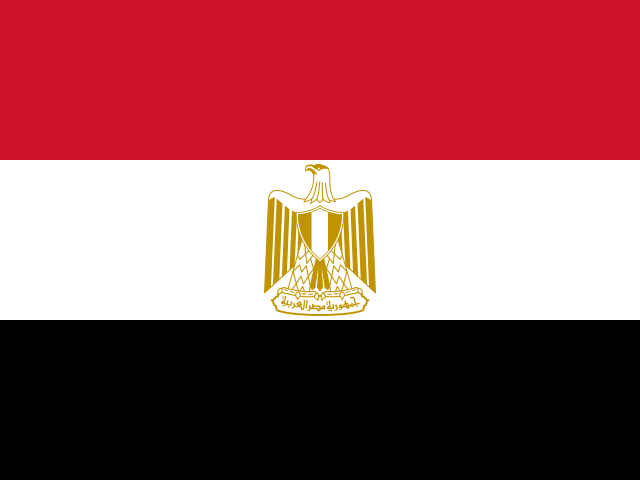 Moustafa Madbouly · Prime Minister
- Context
- Madbouly addressed the General Debate of the 81st UN General Assembly session at UN Headquarters in New York on September 25, 2026, calling for restored trust in multilateralism and affirming Egypt's position on Gaza and the Nile.
- Main themes
- Restoring trust in multilateralism, justice in international law, Palestinian statehood and Gaza ceasefire, rejection of displacement of Palestinians, regional security and state sovereignty, Egypt's Nile water security, crisis in Sudan, Security Council reform and Ezulwini Consensus, international financial architecture and debt, artificial intelligence governance, just green transition, Middle East weapons of mass destruction free zone
- Duration
- ~22 min
- Words
- 2,625
- Sentences
- 87
- Readability
- 16
- Grade
- 18.4
- Syntax
- 3.29
- Vocabulary
- 2.35
UN General Assembly Translated from Arabic Source: gadebate.un.org ↗
The broad sphere of national life a sentence belongs to. Every sentence has an Arena, so it is the denominator the other indices are read against.
Other87 sentences in 42 paragraphs
His Excellency Mr. Khalilur Rahman, President of the Eighty-First Session of the United Nations General Assembly,
His Excellency Mr. António Guterres, Secretary-General of the United Nations,
Your Majesties, Excellencies and Highnesses,
Heads of State and Government,
Ladies and Gentlemen,
At the outset, I am pleased to extend my sincere congratulations to His Excellency Minister Khalilur Rahman on his assumption of the presidency of the current session of the United Nations General Assembly, and to express to him our full support and our confidence in his ability to steer the work of this session to success.
The General Assembly convenes this year under a meaningful theme that precisely reflects the challenge facing the international order: "Restoring Trust and Managing Transformation." Our world is changing today at a pace far faster than the capacity of international governance institutions to respond. Our crisis lies not so much in an absence of charters and principles as in the widening gap between what we proclaim and what we practise, and between those who make decisions and those who are affected by them.
Our world does not need a formal multilateralism that merely gathers states in open discussion, but an effective multilateralism in which every state has a voice that is heard, and every people a fair share of decisions, opportunities and resources. It is no exaggeration to say that trust in the value of collective action and the multilateral system has declined. There is an urgent need to restore recourse to international law and to avoid the politics of power, polarization and double standards.
It is no coincidence that the countries of the Global South, home to the overwhelming majority of the world's population, are among those most harmed by the decline in the rule of international law and the role of international organizations, and by the weakness of global governance frameworks and international cooperation. From this standpoint, Egypt, a founding member of the United Nations, believes that restoring trust requires three interconnected pillars: justice in representation and decision-making, justice in the application of the law, and justice in the distribution of opportunities for development and transformation.
This is not a call to rebuild the international order from scratch, but a call to fulfil its original promises and purposes: the sovereign equality of states, respect for the law, the peaceful settlement of disputes, the achievement of international cooperation for the benefit of peoples, and enabling them to benefit from the fruits of rapid scientific progress.
The multilateral international order remains an indispensable choice, but its continuation depends on entrenching justice and ensuring the effectiveness and sustainability of the work of its institutions, not on merely recalling the principles for which it was established without lifting a finger.
Mr. President,
If justice in the application of rules is the true test of the credibility of the international order, then the Palestinian question remains the most prominent witness to the existing imbalance. What the Palestinian people have endured, and continue to be subjected to, in suffering, repression and violations, must not become a familiar reality, or a protracted crisis that revolves from one round to the next.
Consolidating the ceasefire in the Gaza Strip in accordance with President "Trump's" peace plan and the Sharm El-Sheikh Summit, ensuring full compliance with it and an end to daily Israeli violations, completing the withdrawal, securing the safe and sustained delivery of humanitarian aid, enabling the National Committee for the Administration of Gaza to begin its work, and then moving immediately to early recovery and reconstruction, are not merely humanitarian steps. They are also the necessary gateway to a serious political process that addresses the roots of the conflict and ends it. In this context, Egypt affirms its categorical rejection of any attempt to displace the Palestinian people from their land, whether from the Gaza Strip or from the West Bank, including East Jerusalem.
The entire international community bears a clear responsibility to halt Israel's systematic violations of international law. Peace cannot be built on uprooting a people from its land, and any notion that stability can be achieved in the region while ignoring the suffering of the Palestinian people, and while continuing a policy of managing the occupation rather than ending it, is pure illusion and fantasy.
The goal will remain clear and unambiguous: the realization of an independent, sovereign and geographically contiguous Palestinian state on the lines of the fourth of June, nineteen sixty-seven, with East Jerusalem as its capital, within the framework of the two-state solution and in accordance with the resolutions of international legitimacy. This requires preserving the unity of the Palestinian land and political system, enabling the Palestinian people to manage their affairs and build their state, and the international community shouldering its responsibility to protect civilians, reject collective punishment and ensure respect for international humanitarian law. It also requires treating Palestinian rights as inalienable, not as bargaining chips to be granted or withdrawn according to balances of power, political one-upmanship and electoral calculations.
Egypt has shouldered its responsibility, in cooperation with partners, to consolidate the ceasefire, and it was also the largest source of the humanitarian aid that reached the Gaza Strip. Egypt will continue to work for reconstruction and for opening a viable political horizon. However, the success of these efforts remains contingent on an international will that transforms legitimacy into decisive international action, moving from managing the tragedy to ending its causes.
Mr. President,
The experience of our region confirms that managing crises instead of resolving them does not create stability; rather, it postpones the explosion and multiplies its cost. Hence, Egypt holds firmly to a clear vision of regional security, founded on the sovereignty and territorial integrity of states, respect for their national institutions, rejection of the dismantling of states or the creation of entities parallel to them, and placing political solutions and inclusive national settlements above the logic of force and the imposition of faits accomplis.
In every crisis witnessed across the breadth of the Middle East, from the Ocean to the Gulf, the circumstances and details differ, but the capable national state that embraces all its citizens, together with legitimate institutions, remain the true and only foundation of stability.
Security is indivisible. The security of one state cannot rest on the insecurity of its neighbours, or on threatening navigation, trade and energy routes, or on violating the sovereignty of states and bombing them in breach of international law. Moreover, any regional party that believes its political and economic interests can be achieved by undermining the institutions of the national state, supporting militias, or sponsoring separatist tendencies and civil strife, becomes, quite frankly, part of the problem, and confronting it and its practices becomes the responsibility of the entire international community.
For this reason, each of the region's crises cannot be treated as an isolated case; rather, they must be viewed within an interconnected security and regional environment, based on supporting the institutions of the national state, its unity and its sovereignty, encouraging political settlements and peacebuilding in accordance with the principle of national and regional ownership of solutions, halting external interference, and preventing crises from turning into arenas of regional and international competition over the resources and capabilities of the region's peoples. Protecting states and their sovereignty is inseparable from protecting the resources on which the lives of peoples depend.
In this context, I wish to affirm with a clarity that admits no ambiguity that Egypt's water security is an existential issue that brooks no bargaining. The Nile is not merely an economic resource, but a lifeline to which the existence and development of Egyptian society have been bound throughout history. Egypt believes that transboundary water resources should be a domain of cooperation and integration, not conflict. It also believes that water security and development are not conflicting goals, but complementary ones, if political will exists, intentions are good, and international law is respected.
We do not stand against the right of any people to development; rather, we defend a clear and just principle: that the development of one party must not be built on inflicting harm on others. Shared resources are not managed through unilateral measures or a policy of imposing faits accomplis, but through cooperation, good neighbourliness and the conclusion of binding agreements, in accordance with international law, that safeguard the rights and legitimate interests of all. In this regard, Egypt reserves its legitimate right, guaranteed by the Charter of the United Nations and international law, to protect its water security and preserve the existential resources of its people.
With the multiplicity of threats besetting our region, we stand before the crisis in brotherly Sudan, whose effects extend beyond the boundaries of military confrontation to strike at the security and safety of civilians, and which carries the risk of dismantling state institutions. In the face of these threats and dangers, brotherly Sudan finds in Egypt strong support for its people and for their right to unity, to institutions capable of safeguarding their resources, and to a justice that upholds their dignity.
Mr. President,
The justice of rules is incomplete if the institutions that shape decisions remain far from fair representation of the reality of the world they govern. More than eight decades have passed since the founding of the United Nations, while the structure of the institutions of the international order, foremost among them the Security Council, still reflects historical balances that reality has surpassed. Institutions established for a different world cannot retain their full legitimacy and effectiveness if they do not reflect the world they are supposed to serve today and express the concerns and interests of the majority of its population. Egypt therefore holds firmly to a genuine and comprehensive reform of the Security Council in accordance with the Ezulwini Consensus and the Sirte Declaration, one that specifically redresses the historical injustice inflicted on Africa.
The imbalance in the distribution of political voice finds its counterpart in the global economy. Developing countries are required to accelerate development, create jobs, finance the green transition and adapt to crises, while at the same time facing mounting debt burdens, higher financing costs and narrower fiscal space. Reform of the international financial architecture has therefore become a necessity, not a luxury. We need financial institutions that are more representative and responsive, the expansion of concessional finance, an increase in the capacity of multilateral development banks to mobilize and lend, and the acceleration of debt treatment in a fair and effective manner.
We need to develop innovative financing instruments and a fairer system for assessing countries' needs and the risks of investing in them, so as to help mobilize private capital without shifting risks onto the weakest states. Countries must not be forced to choose between servicing debt and financing education, health, food and infrastructure. Development is not a gift, but a right and a shared interest. Investing in it is an investment in global stability and in the ability of states to prevent crises before they turn into transboundary humanitarian and security crises.
Mr. President,
As we work to repair imbalances inherited from the last century, we must not allow them to be reproduced in the future. Artificial intelligence opens vast horizons for growth, knowledge, innovation and improved services, but it may create a new and enormous power gap, linked to the possession of computing capacity, data, models, skills and finance.
Consequently, managing this transformation requires formulating governance frameworks for artificial intelligence and emerging technologies, on the basis that technology is a global good and not an exclusive privilege of a limited number of states or companies. Egypt supports the role of the United Nations and global dialogue in establishing principles that combine innovation with responsibility, protect privacy, and ensure transparency, accountability, non-discrimination, human oversight and respect for international law, as well as the transfer of knowledge and technology, the financing of digital infrastructure, and the development of skills, enabling developing countries to be producers and developers of technology, not merely markets for it.
Artificial intelligence must also reflect the world's linguistic and cultural diversity, and Arab and African languages and societies must enjoy fair representation in data and models. Egypt has launched the second edition of its National Artificial Intelligence Strategy, two thousand twenty-five to two thousand thirty, proceeding from a firm conviction that the safe and responsible use of technology and the building of national capacities are inseparable conditions.
The same principle governs the green transition: there is no just transition if ambition is divorced from justice in the means of implementation. Climate action must go hand in hand with development, the fight against poverty and job creation, and adaptation and water and food security must be given the priority they deserve, particularly in Africa and in the countries most exposed to the impacts of climate change.
Drawing on Egypt's experience in hosting the climate conference in Sharm El-Sheikh and the decisions it produced, we can affirm that the gap no longer lies in diagnosing the problem, but in implementation, that is, in reaching the countries and communities most in need.
In a world of accelerating geopolitical and technological shifts, this must not lead us into more dangerous arms races. For this reason, Egypt renews its commitment to a balanced system of disarmament and non-proliferation, without double standards.
And to the goal of establishing a zone free of nuclear weapons and all other weapons of mass destruction in the Middle East. Collective security is not achieved through the accumulation of instruments of destruction, but through equal rules and obligations applied to all, and through a political will that makes the prevention of escalation a priority, not a belated response after it occurs. Mr. President,
In putting forward this vision, Egypt does not merely call for the reform of the international order, but places its experience and capabilities at the service of solutions. From its position and its Arab, African and Mediterranean heritage, and in keeping with its historical role in founding the multilateral international order and its principled commitment to its continuity and sustainability, Egypt will remain a bridge for cooperation and a partner to all who seek a more just and effective international order. We will continue to invest in partnerships with various parties, to remain open to cooperation and the exchange of expertise, and to work with everyone, in the North and the South, on solutions that do not impose a single model but respect national priorities and are based on shared ownership.
Legitimacy acquires its meaning when it is translated into results, and institutions regain trust when they do justice to those they serve. Trust is not requested; it is built through justice. And transformation is not imposed; it is managed through participation.
Egypt will remain supportive of every effort that restores trust and effectiveness to our multilateral international order and contributes to managing the rapid transformations of our world in a fair and participatory manner, in service of the interests of our peoples and the future of coming generations.
Before concluding my remarks, I would like to take the opportunity of standing at this podium to extend my sincere thanks and appreciation to His Excellency Mr. "António Guterres," Secretary-General of the United Nations, who led the Organization through one of the most difficult and delicate phases of its history with courage, honour and a sincere endeavour to fulfil his mandate to protect international law, safeguard the standing and role of the United Nations, and preserve its credibility and moral authority, in defence of the principles on which the Organization was founded. These efforts will remain appreciated and remembered. In expressing to him our sincere gratitude for the efforts he has made, I wish him every success and good fortune in what lies ahead.
Thank you for your kind attention.
The original Arabic. The tags above are read on the English translation's sentences.
معالي السيد خليل الرحمن: رئيس الدورة الحادية والثمانين للجمعية العامة للأمم المتحدة،
معالي السيد أنطونيو جوتيربش، سكرتير عام الأمم المتحدة.
السادة أصحاب الجلالة والفخامة والسمو.
رؤساء الدول والحكومات،
السيداث والسادة؛
يسعدني في البداية أن أتقدم بخالص التهنئة إلى معالي الوزير خليل الرحمن بمناسبة توليه رئاسة الدورة الحالية للجمعية العامة للأمم المتحدة، وأن أعرب له عن كامل دعمنا وثقتنا | في قدر: ته على إدارة أعمال هذه الدورة بنجاح.
تجتمع الجمعية العامة هذا العا تحت عنوان دال يعكس بدقة التحدي الذي يواجه النظام الدولي: ،استعادة الثقة. وإدارة التحول،؛ فعالمنا يتغير اليو بوتيرة أسرع كثيرا من قدرة مؤسسات الحوكمة الدولية على الاستجابة، وأزمثنا ليست في غياب المواثيق والمباديء بقدر ما هي في اتساع الفجوة بين ما تعلنه وما نطبقه، وبين من يتخد القراز ومن يتأثز به.
إن عالمنا لا يحتاج إلى تعددية شكلية تكتفي بجمع الدول في نقاش مفتوح، بل إلى تعددية فعالة، يكون فيها لكل دولة صوت مسموع. ولكل شعب نصيب عادل من القرارات والفرص والموارد. وليس من قبيل المبالغة القول بأن الثقة في جدوى العمل الجماعي والنظام متعدد الأطراف تراجعت. وهناك حاجة ملحة لاستعادة الاحتكام إلى القانون الدولي | وتجنب سياسات القوة والاستقطاب والمعايير المزدوجة.
وليس من قبيل المصادفة أن تكون دول الجنوب العالمي، التي تضم الغالبية الساحقة من سكان العالم، من أكثر الأطراف تضررا من تراجع سيادة القانون الدولي ودور المنظمات الدولية، وضعف أطر الحوكمة العالمية والتعاون الدولي. ومن هذا المنطلق؛ ترى مصر، العضق المؤسس للأمم المتحدة. أن استعادة الثقة تتطلب ثلاث ركائر مترابطة: العدالة في التمثيل وصنع القرار، . والعدالة في تطبيق القانون. | والعدالة في توزيع فرص التنمية والتحول.
وهذه ليست دعوة إلى إعادة بناء النظام الدولي من الصفر، بل دعوة إلى الوفاء بوعوده ومقاصده الأصلية: مساواة الدول في السيادة، واحترام القانون. وتسوية النزاعات سلميا؛ وتحقيق التعاون الدولي لصالح الشعوب2. وتمكينها من الاستفادة من ثمار التقدم العلمي المتسارع.
إن النظام الدولي متعدد الأطراف يظل خيارآ لا غنى عنه، لكن استمراره مرهون بترسيخ العدالة وضمان فعالية واستدامة عمل مؤسساته. لا بالاكتفاء بالتذكير بالمبادئ التي أنشئ من أجلها دون تحريك ساكن.
السيد الرئيس.
إذا كانت العدالة في تطبيق القواعد هي الاختباز الحقيقي لمصداقية النظام الدولي. فإن القضية الفلسطينية تظل الشاهد الأبرز على الخلل القائم. فما شهده الشعب الفلسطينيء ولا يزال يتعرض له من معاناة وقمع انتهاكات، لا يجوز أن يتحول إلى واقع مألوفب. أو إلى أزمة ممتدة دار من جولة إلى أخرى.
إن تثبيت وقف إطلاق النار في قطاع غزة وفقا لخطة السلام للرئيس "ترامب" وقمة شرم الشيخ، وضمان الالتزام الكامل به ووقف الانتهاكات الإسرائيلية اليومية، واستكمال الانسحاب. وتأمين وصول المساعدات الإنسانية بصورة آمنة ومستدامة؛ وتمكين اللجنة الوطنية لإدارة غزة من مباشرة أعمالهاء ) ومن ثم الانتقال الفوري إلى التعافي المبكر وإعادة الإعمار، ليست خطوات إنسانية فحسب. بل إنها أيضا المدخل الضروري إلى مسار سياسي جاد يعالج جذور الصراع وينهيها. وفي هذا السياق، تؤكد مصر على رفضها القاطع لأي محاولة لتهجير الشعب الفلسطيني من أرضه؛ سواء من قطاع غزة أو من الضفة الغربية بما فيها القدس الشرقية.
وعلى المجتمع الدولي كله مسؤولية واضحة لوقف الانتهاكات الإسرائيلية الممنهجة للقانون الدولي؛ فالسلام لا يمكن أن يبنى على اقتلاع شعب من أرضه، وكل تصور أنه بالإمكان تحقيق استقرار في المنطقة | في ظل تجاهل معاناة الشعب الفلسطيني. واستمرار سياسة إدارة الاحتلال بدلا من إنهائه، هو محض وهم وخيال.
وسيظل الهدف واضحا لا لبس فيه: تجسيد الدولة الفلسطينية المستقلة ذات السيادة والمتصلة جغرافيا ) على خطوط الرابع من يونيو ألف وتسعمائة وسبعة وستين2، وعاصمثها القدس الشرقية2، في إطار حل الدولتين ووفقا لقرارات الشرعية الدولية. وبقتضي ذلك الحفاظ على وحدة الأرض والنظام السياسي الفلسطينيء وتمكين الشعب الفلسطيني من إدارة شؤونه وبناء دولته، وتحمل المجتمع الدولي لمسؤوليته في حماية المدنيين ) ورفض العقاب الجماعي وضمان احترام القانون الدولي الإنساني. كما يقتضي التعامل مع الحقوق الفلسطينية باعتبارها غير قابلة للتصرب. 2 لا أوراقا تفاوضية تمنح أو سحب وفقا لموازين القوة أو المزايدات السياسية والحسابات الانتخابية.
لقد تحملت مصر مسؤوليتهاء بالتعاون مع الشركاء، ) من أجل تثبيت وقف إطلاق النار، كما كانت أكبر مصد للمساعدات الإنسانية التي وصلت إلى قطاع غزة. وستواصل مصر العمل من أجل إعادة الإعمار وفتح أفق سياسي قابل للحياة. غير أن نجاح هذه الجهود يظل مرهونا بإرادة دولية ثحول الشرعية إلى فعل دولي حاسم. ينتقل من إدارة المأساة إلى إنهاء أسبابها.
السيد الرئيس.
تؤكد تجربة منطقتنا | أن إدارة الأزمات بدلا من حلها لا تصنغ استقرارا وإنما تؤجل الانفجاز ) وتضاعف كلفته. ومن هناء تتمسك مصر برؤية واضحة للأمن الإقليمي2. تقوم على سيادة الدول ووحدة أراضيهاء و،احترام مؤسساتها الوطنية، ورفض نفكيك الدول أو إنشاء كيانات موازية لهاء وإعلاء الحلول السياسية والتسويات الوطنية الجامعة فوق منطق القوة وفرض الأمر الواقع.
ففي كل أزمة تشهدها منطقة الشرق الأوسط على اتساعها من المحيط إلى الخليج؛ تختلف الظروف والتفاصيل لكن تظل الدولة الوطنية القادرة والجامعة لكل مواطنيهاء والمؤسسات الشرعية: هما الأساس الحقيقي والوحيد للاستقرار.
إن الأمن كل لا يتجزأ، ولا يمكن أن يقوم أمن دولة على انعدام أمن جيرانهاء أو على تهديد طرق الملاحة والتجارة والطاقة، أو على انتهاك سيادة الدول وقصفها بالمخالفة للقانون الدولي. كما أن أي طرف إقليمي يعتقد أن مصالحة السياسية والاقتصادية يمكن أن تتحقق عبر تقوبض مؤسسات الدولة الوطنية، ودعم الميليشيات2 أو رعاية التوجهات الانفصالية والاقتتال الأهلي. يصبح. بمنتهى الصراحة، جزءا من المشكلة، وبصبح التصدي له ولممارساته مسئولية المجتمع الدولي بأسره.
ولهداء لا يمكن التعامل مع كل أزمة من أزمات المنطقة باعتبارها حالة منفردة، بل ينبغي النظر إليها ضمن بيئة أمنية وإقليمية مترابطة، تقوم على دعم مؤسسات الدولة الوطنية ووحدتها وسيادتهاء ) وتشجيع التسوبات السياسية وبناء السلام وفق مبدأ الملكية الوطنية والإقليمية للحلول؛ ووقف التدخلات الخارجية، ومنع تحول الأزمات إلى ساحات للتنافس الإقليمي والدولي على موارد شعوب المنطقة ومقدراتها. فحماية الدول وسيادتها لا تنفصل عن حماية الموارد التي تقوم عليها حياة الشعوب.
وفي هذا السياق، يهمني أن أؤكد بوضوح لا يحتمل اللبس أن الأمن المائي لمصر قضية وجودية لا تحتمل المساومة. فالنيل ليس مجرد مورد اقتصادي. بل شربان حياة ارتبط به وجود المجتمع المصري وتنميتة عبر التاريخ. وتؤمن مصر بأن موارد المياه العابرة للحدود ) يجب أن تكون مجالا للتعاون والتكامل، لا الصراع. كما تؤمن بأن الأمن المائي والتنمية ليسا هدفين متعارضين، بل متكاملين إذا تواجدت الإرادة السياسية وحسنت النوايا وتم احترام القانون الدولي.
إننا لا نقفف ضد حق أي شعب في التنمية، بل ندافع عن مبدأ واضح وعادل: ألا ثبنى تنمية طرف_ . على إلحاق الضرر بالآخرين. فالموارد المشتركة لا تدار بإجراءات أحادية | أو بسياسة فرض الأمر الواقع، وإنما بالتعاون وحسن الجوار والتوصل إلى اتفاقات ملزمة - وفقا للقانون الدولي - | تحفظ الحقوق والمصالح المشروعة للجميع. وفي هذا الصدد، تحتفظ مصر بحقها المشروع والمكفول من ميثاق الأمم المتحدة والقانون الدولي بحماية أمنها المائي والحفاظ على المقدرات الوجودية لشعبها.
ومع تعدد مصادر التهديدات التي تحيق بمنطقتناء نقف أمام أزمة السودان الشقيق2 التي تتجاور في آثارها حدود المواجهات العسكربة لتطال أمن وسلامة المدنيينت، وتحمل مخاطر تفكيك مؤسسات الدولة. وفي مواجهة تلك التهديدات والمخاطر، يجد السودان الشقيق في مصر سندا قوبا لشعبه ولحقه في الوحدة. وفي مؤسسات قادرة على صون مقدراته، وفي عدالة تنتصر لكرامته.
السيد الرئيس.
إن عدالة القواعد لا تكتمل إذا ظلت المؤسسات التي تصوع القرارات بعيدة عن التمثيل العادل لواقع العالم الذي تديرة. لقد مضى أكثر من ثمانية عقود على إنشاء الأمم المتحدة، بينما لا تزال بنية مؤسسات النظام الدولي، وعلى رأسها مجلس الأمنء تعكس توازنات تاريخية تجاوزها الواقغ. ولا يمكن لمؤسسات أنشئت لعالم مختلف أن تحتفظ بكامل شرعيتها وفاعليتها إذا لم تعكس العالم الذي يفترض أن تخدمة اليومء وتعبر عن هموم ومصالح غالبية سكانه. ولذلك تتمسك مصر بإصلاح حقيقي وشامل لمجلس الأمن2 وفقا لتوافق "أوزولوبني" وإعلان سرت. يعالج بصورة خاصة الظلم التاريخي الواقع على أفريقيا.
إن الاختلال في توزيع الصوت السياسي يجد نظيرا له في الاقتصاد العالمي؛ فالدول النامية مطالبة بتسريع التنمية، وتوفير الوظائفب. وتموبل التحول الأخضرء والتكيف مع الأزمات، بينما ثواجه في الوقت نفسه أعباء ديون متزايدة | وكلفة تموبل أعلى، وحيزا ماليا أضيق. لذلك. أصبح إصلاح بنية التمويل الدولي ضرورة لا ترف فنحن بحاجة إلى مؤسسات مالية أكثر تمثيلا واستجابة. وإلى توسيع التمول الميسر وزبادة قدرة بنوك التنمية متعددة الأطراف على الحشد والإقراض. وتسريع معالجة الديون بصورة عادلة وفعالة.
إننا نحتاج إلى تطوير أدوات تمويل مبتكرة، وإلى نظام أكثرز إنصافا في تقييم احتياجات الدول ومخاطر الاستثمار فيهاء بما يساعد في تعبئة رأس المال الخاص من دون نقل المخاطر إلى الدول الأضعف. ولا يجوز أن توضع الدول أمام خيار بين خدمة الدين وتموبل التعليم والصحة والغذاء والبنية الأساسية؛ فالتنمية ليست _منحة2، ) بل حق ومصلحة مشتركة. والاستثمار فيها ) هو استثمار في الاستقرار العالمي. وفي قدرة الدول على منع الأزمات قبل أن تتحول إلى أزمات إنسانية وأمنية عابرة للحدود.
السيد الرئيس.
في الوقت الذي نعمل فيه على إصلاح اختلالات موروثة من القرن الماضي فإن علينا ألا نسم بإعادة إنتاجها في المستقبل فالذكاء الاصطناعئ يفتح آفاقا هائلة للنمو والمعرفة والابتكار وتحسين الخدمات، لكنه قد يخلق فجوة جديدة وهائلة في القوق، ترتبط بامتلاك القدرة الحاسوبية والبيانات والنماذج والمهارات والتمويل.
ومن ثم. فإن إدارة هذا التحول تقتضي صياغة أطر لحوكمة الذكاء الاصطناعي والتكنولوجيات البازغة، على أساس أن التكنولوجيا منفعة عالمية وليست امتيازا مغلقا لعدد محدود من الدول أو الشركات. وتدعم مصر دور الأمم المتحدة والحوار العالمي في وضع مبادى تجمع بين الابتكار والمسؤولية. وتحمي الخصوصية. وتضمن الشفافية والمساءلة وعدم التمييز والإشراف البشري واحترام القانون الدوليء ونقل المعرفة والتكنولوجياء وتمويل البنية التحتية الرقمية، وتطوبر المهارات بما يمكن الدول النامية من أن تكون منتجة ومطورة للتكنولوجيا. لا مجرد أسواق لها.
ويجب كذلك أن يعكس الذكاء الاصطناعي التنوع اللغوي والثقافي للعالم، وأن تحظى اللغات والمجتمعات العربية والأفربقية بتمثيل عادل في البيانات والنماذج. وقد أطلقت مصر الإصدار الثاني من استراتيجيتها الوطنية للذكاء الاصطناعي | ألفين وخمسة وعشرين - ألفين وثلاثين، انطلاقا من اقتناع راسخ بأن الاستخدام الآمن والمسؤول للتكنولوجيا وبناءة القدرات الوطنية شرطان متلازمان.
والمبدأ ذات يحكم التحول الأخضر؛ فلا انتقال عادلا إذا انفصل الطموح عن العدالة في وسائل التنفيذ. ) ويجب أن يسير العمل المناخي جنبا إلى جنب مع التنمية ومكافحة الفقر وخلق فرص العمل، وأن يمنح التكيف والأمئان المائي والغذائي | ما يستحقانه من أولوبة، خاصة في أفربقيا والدول الأكثر تعرضا لتداعيات تغير المناخ.
ومن واقع خبرة مصر في استضافة مؤتمر المناخ في شرم الشيخ: وما أسفر عنة من قرارات، يمكننا التأكيد أن الفجوة لم تعد في تشخيص المشكلة، بل في التنفيذ؛ أي | تصل إلى الدول والمجتمعات الأكثر احتياجا.
وفي عالم تتسارع فيه التحولات الجيوسياسية والتكنولوجية؛ لا يجوز أن يقودنا ذلك إلى سباقات تسلح أكثر خطورة. ولهذا | تجدد مصر تمسكها بمنظومة متوازنة لنزع السلاح وعدم الانتشار. من دون معايير مزدوجة.
وبالهدف المتمثل في إنشاء منطقة خالية من الأسلحة النووية وسائر أسلحة الدمار الشامل في الشرق الأوسط؛ فالأمن الجماعي لا يتحقق بتراكم أدوات الدمار، بل بقواعد متساوية | والتزامات تطبق على الجميع؛ وبإرادة سياسية تجعل الوقاية من التصعيد أولوية، لا استجابة متأخرة بعد وقوعه. السيد الرئيس.
إن مصرء إذ تطرح هذه الرؤية، لا تكتفي بالمطالبة بإصلاح النظام الدولي، بل تضع خبرتها وقدراتها في خدمة الحلول. ومن موفعها وإرثها العربي والأفريقي والمتوسطي. ومن منطلق دورها التاريخي في تأسيس النظام الدولي متعدد الأطراف والتزامها المبدئي باستمراره واستدامته. ستظل مصر جسرا للتعاون وشريكا لكل _من_يسعى إلى_نظام_دولي أكثر عدلا وفاعلية. وسنواصل الاستثمار في الشراكات مع مختلف الأطرافب والانفتاح على التعاون وتبادل الخبرات والعمل مع الجميع في الشمال والجنوب على حلول لا تفرض نموذجا واحدا بل تحترم الأولويات الوطنية وتقوم على الملكية المشتركة .
فالشرعية تكتسب معناها حين تتحول إلى نتائج، والمؤسسات تستعيد الثقة حين تنصف من تحدمهم. والثقة لا تطلب. بل ثبنى بالعدل. والتحول لا يفرض، بل يدار بالمشاركة.
وستبقى مصر داعمة لكل جهد يستعيد الثقة والفاعلية لنظامنا الدولي متعدد الأطراف، وبسهم في إدارة تحولات عالمنا المتسارعة بصورة عادلة وتشاركية، خدمة لمصالح شعوبنا ومستقبل الأجيال القادمة.
وقبل أن أختتم كلمتي. أود أن أغتنم فرصة وجودي على هذه المنصة لأتوجة بخالص الشكر والتقدير إلى معالي السيد "أنطونيو جوتيربيش"”، السكرتير العام للأمم المتحدة، الذي قاد المنظمة خلال واحدة من أصعب وأدق مراحل تاريخها بشجاعة وشرف وسعي صادق للاضطلاع بولايته لحماية القانون الدولي وصون مكانة الأمم المتحدة ودورهاء والحفاظ على مصداقيتها وسلطتها الأخلاقية، دفاعا عن المبادئ التي قامت عليها المنظمة. وستظل هذه الجهود محل تقدير وتذكر. وإنني إذ أعرب له عن خالص امتناننا لما بذله من جهود. أتمنى له كل التوفيق والسداد فيما هو قادح.
شكرا لحسن الاستماع.