




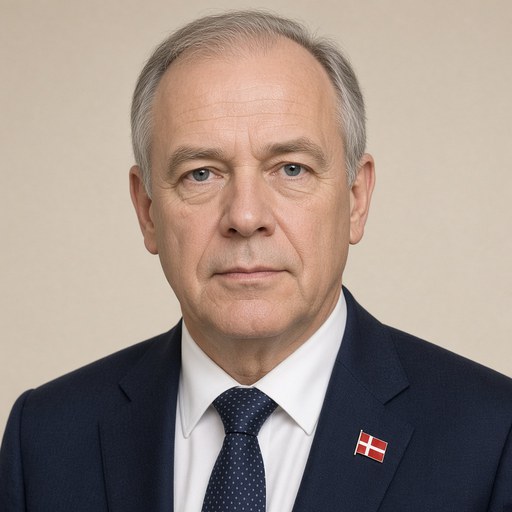
Opening statement in the Folketing on Tuesday, October 6, 1998, at 12:00 PM.
 Poul Nyrup Rasmussen · Prime Minister of Denmark
- Context
- Rasmussen addressed the Danish Folketing on October 6, 1998, delivering the government's opening statement for the new parliamentary year, outlining economic and social priorities.
- Main themes
- Economic policy and employment, welfare state renewal, social inclusion and marginalization, international financial crisis, Danish parliamentary agenda, labor market reform, broad societal cooperation, European economic cooperation, fiscal responsibility, international development and security
- Duration
- ~58 min
- Words
- 6,982
- Sentences
- 486
- Readability
- 49
- Grade
- 9.7
- Syntax
- 2.56
- Vocabulary
- 2.07
Translated from Danish
The broad sphere of national life a sentence belongs to. Every sentence has an Arena, so it is the denominator the other indices are read against.
Other486 sentences in 212 paragraphs
A New Era
We must go many years back to find a situation in Denmark that offers opportunities like those that exist today.
We have arrived at this point through a responsible, consistent economic policy and a modernization agenda for our society.
We have shown that the fight against unemployment and order in the economy are not incompatible but rather prerequisites for each other. We promised in 1993 to set Denmark on the right course towards progress and high employment.
We kept our promise.
Five years ago, it was an overwhelming problem that not everyone was needed. Today, everyone is needed, and our main task has now become to equip people for the many new jobs.
After five years of progress, we have reached a point where we can tackle tasks that we could not even approach before.
This includes care and a new active life for the most marginalized - for the weak unemployed. Those who are not 100% effective. Those who have not felt the better times. Those who for many years have felt that society turned its back on them.
* * *
In the 1980s, we did not succeed in creating the opportunities that exist today.
Nor did we succeed in the 1970s.
We were close at the end of the 1960s - but then came the first global oil crisis in 1973.
The world was not ready to meet the crisis through sensible cooperation. Europe was not ready. Denmark was, in fact, not ready either.
The price we paid was high. Mass unemployment was the worst. The most vulnerable and marginalized were, as always, hit first and hardest. This had serious social consequences.
That was 25 years ago.
* * *
Right now, the crisis in Asia, Latin America, and Russia is affecting the world economy. There is unrest in the financial markets. The clouds are once again gathering on the horizon.
But we are not in a situation like during the oil crises of the 1970s. The world has changed. Denmark has changed.
We have learned in Europe. We have built a European economic cooperation that can endure - if we politically decide to do so.
We have also learned in Denmark. Through the economic policies of recent years, we have built a strength in the economy, in employment, in public finances. A strength that the government will unhesitatingly maintain.
* * *
The government's goals are simple:
We want to create the foundation for all those in need to receive a helping hand to get started.
We will continue the work of modernizing Danish society so that it can thrive in the international world.
One of the main tasks will therefore be to ensure Denmark and the Danish economy's continued progress. It was so in the past parliamentary year - and it will be so in the new parliamentary year.
We will secure our welfare society - and ensure that we can continue to develop and renew it. Despite the fierce international competition, the government will do everything politically possible to prevent a societal development where more and more fall by the wayside. We will not repeat the mistakes of the 1970s and 1980s. We will not again passively watch as people are excluded from the labor market, as the number of people on assistance and early retirement grows and grows. We will maintain a socially responsible employment and renewal policy.
The prerequisite for this to succeed is that the government and the Parliament show decisiveness. But even that is not enough - alone.
It is important to say to all of Denmark at the beginning of this parliamentary year: That time has also come when it is no longer sufficient for the interest groups in society - whether we are talking about the municipal world, the world of organizations, or the world of businesses - to simply refer to the fact that it must be 'those inside Christiansborg' who take care of it.
For our project to succeed, it requires that everyone in society acknowledges their part of the common responsibility.
The government has clearly emphasized this in our government platform: The next major step requires broad cooperation throughout society. It requires that we all contribute to lifting a responsibility - in the labor market, in businesses, in local communities, everywhere.
The Political Project
For the government, our political project is based on three fundamental attitudes:
First: The strict economic course we have set must be maintained, and employment must be secured.
Second: A new major effort must be made to ensure that both working life and the labor market in Denmark change and renew themselves.
Third: Denmark's international position and co-responsibility for peaceful development must be maintained.
In my statement today, I will focus on these three main areas and on some of the central issues that affect the everyday lives of Danes. I will also refer to the detailed written statement.
The Economic Main Track
Denmark has so far weathered the storms blowing in the world economy and financial markets.
But there is a need for improved international cooperation if we are to avert the downturn rather than exacerbate it.
Europe is better equipped to contain it - better than before. With the consolidation that has taken place in the economies of a number of countries in preparation for the Economic and Monetary Union, EU countries are better prepared for such cooperation than most other parts of the world.
Now it is crucial that Europe does not repeat the mistakes made during the two oil crises in the 1970s. Back then, we simply lacked decisiveness in our cooperation. The consequence was severe increases in unemployment, high inflation, and high interest rates. Now we must show that we are capable of cooperating across borders in a way that ensures stable development.
I have a clear sense that the political will is present among a large majority of the governments of European countries. A will to safeguard employment interests and stability. I will take the initiative for discussions on this at the informal EU summit in Austria this month.
* * *
We can do a lot in European cooperation - but most ultimately depends on ourselves.
The government will not accept attacks on the welfare state. We will implement the reforms we have promised in our government platform.
But there is also a need for sharp vigilance in Danish economic policy.
The government will unconditionally maintain a policy that ensures a stable currency, low inflation and interest rates, and solid public finances.
The government will, now as before, not hesitate to intervene if warning signs appear in the economy. It is also a matter of trust.
The strict economic policy, which has been planned with the Pentecost Package, municipal agreements, and the presented budget proposal, has collectively contributed to the world around us maintaining confidence that Denmark will hold on to stability - despite unfavorable winds from other parts of the world.
It is this trust that is also the background for the agreement reached last weekend in Vienna with the 11 Euro countries on a solid anchoring of the Danish krone to the new common European currency. That agreement did not come about by itself. It came because the other countries believe in our decisiveness and willingness to maintain a healthy Danish economy.
I dare not even think about the uncertainty that could prevail if we had not acted responsibly and shown decisiveness in economic policy - even before the summer holidays. Even before the international unrest began to show itself in earnest.
* * *
The Pentecost Package was, as we know, a cumbersome - and also controversial political intervention. We all know that. But it was a timely adjustment of the economy and at the same time a socially balanced intervention.
The Pentecost Package ensured a dampening of an overly strong tendency for continued increases in property prices and private consumption.
The Pentecost Package will contribute to reversing the negative development in the balance of payments.
It is necessary that we maintain this overall course. It is the prerequisite for the reforms we will undertake in this parliamentary year.
Therefore, improvements must be combined with a strong political will to also modernize, adjust - to prioritize - the welfare benefits we have.
We might as well say it as it is to the Danish population: We cannot achieve everything at the same time or from one half-year to the next.
The improvements we desire can only be achieved under the economic conditions that exist. Otherwise, it will go wrong. And right now, the trend is that the economic conditions are being complicated by the international crisis.
In the same way, the municipal agreements are an expression of the fact that we need to dampen the growth in public expenditures and personnel consumption. This places very high demands on us for prioritization, demands for rethinking, when the population's expectations for the level of service must be met. In short, we do not have significantly more resources to realize the service enhancements that everyone desires. We must therefore design a policy that ensures us greater quality for the same money.
At the same time, we must ensure even better employment and avoid irresponsibly large wage increases.
The government will appeal to all responsible parties to ensure the implementation of the budget proposal for 1999. This applies to both the necessary tightening in the budget and the renewal of labor market policy.
Labor Market Reform 3
We must constantly maintain what labor market policy in Denmark is really about: It is unemployment that truly turns the heavy end downwards - it is that which hits the weakest. It is better employment that truly gives the weakest new opportunities. That has been the guiding principle for the government since 1993. That remains the guiding principle.
After five years of political work, we now have good opportunities to take a new major step in the labor market that ensures we can include the last and the most marginalized. It has been 30 years since that opportunity has been present.
The unemployed have also seen the pendulum swing. It is gratifying to note that optimism has returned among the unemployed.
The government has always emphasized that the parties in the labor market understand their responsibility - and fulfill it.
The new understanding between the government, LO, and DA shows that the Danish model works. That the parties are fulfilling their responsibility.
The government is now presenting a bill for the third labor market reform since 1993. We can summarize Labor Market Reform 3 in 10 main points: 1. The unemployed will get started faster. All long-term unemployed must receive a decent offer of a job or education within 12 months of unemployment - and all young people must receive an offer within 6 months. 2. Better initiation. There will be earlier offers, better offers, and more frequent contact with the unemployed than before. The goal is clear: to get into regular employment as well and as quickly as possible. 3. Stronger consideration will now be given to what the individual can do and what job opportunities exist in the local community. 4. The quality of the entire effort will be better than before. The educational effort will be more targeted than before. 5. The effort for the weaker unemployed will be strengthened and more job-oriented than before. 6. Unemployment benefit rules and rights and obligations for those aged 50-54 will be equalized with other unemployed. I am talking about those who turn 50 after January 1, 1999. As before, it naturally applies that people who have acquired a right are still guaranteed this. For the upcoming cohorts of 50-54 year-olds, there will, in other words, be a stronger educational effort and greater job opportunities in the labor market. Companies have begun to demand this group more than before. Society cannot afford to lose anyone. 7. A 4-year benefit period will be introduced - a 1-year unemployment benefit period - and an active period of 3 years. This will reduce the total period from today’s 5 years to 4 years in the future. At the same time, the quality in the active period will be raised, and the offers must be given quickly and targeted. 8. All groups in the local community must be more actively involved in the overall labor market effort. This also applies to unemployment insurance funds, which today have the resources to participate more in lifting this task. 9. Companies will have greater co-responsibility and an obligation to employ the unemployed in job training, participate in cooperation with the employment agency, and hire adult apprentices. In short, to be part of the local community's effort to further reduce unemployment. 10. Last but not least, the process that has led to the legislation means that the labor market parties, together with public authorities, now have a very clear shared responsibility to implement Labor Market Reform 3 in such a way that it works as intended in daily operations.
I know that some will perceive the shortening of the total unemployment benefit period as being against the unemployed. That is not how we see it in the government. That is simply not true.
The overall changes in the new labor market reform have been designed to give the unemployed much better opportunities to enter the labor market. Five years ago, there was mass unemployment without rights and obligations - today there are rights and obligations and opportunities like never before.
Everyone is needed now - every single person. We are in a new situation where the individual’s choices no longer only matter for the individual but for the entire societal development.
To ensure the welfare society of the future, it is necessary that everyone who can also gets started in the labor market. Therefore, the purpose of Labor Market Reform 3 is also to prevent people from losing their footing in the labor market - but rather to ensure lasting employment.
I have noted that there is a clear majority in the Parliament for the government's proposal for labor market reform. I would like to acknowledge that on this occasion.
The government will take the initiative to strengthen the dialogue with the business community and its organizations. A well-functioning business sector is and will remain a prerequisite for maintaining our economic course. We see it in connection with the government's offensive research policy.
Adult and Continuing Education
The adult and continuing education system today does not present sufficient clarity and coherence for the individual student and businesses. There also needs to be simplification in that area.
The government will, based on ongoing committee work, present proposals for a reform of the adult and continuing education system in the spring.
The Inclusive Labor Market
The situation in the labor market must also be used to create space for those who have difficulty maintaining their connection. There must also be room for those who do not quite fit into our 'square' systems.
Fortunately, we are experiencing an increasing social awareness. An awareness that we all have a responsibility to help those who are most vulnerable. More companies are taking on social responsibility.
The main effort must necessarily be linked to effective rehabilitation and prevention. An effort aimed at retaining or helping people back into normal jobs in the regular labor market. The goal is for as many as possible to retain their work capacity and avoid early retirement.
Our effort is based on a new and more effective rehabilitation initiative. Normal jobs are the goal.
There are many municipalities that still pursue a too passive policy. The result is that there are people who become early retirees - who could actually have better opportunities in the labor market. This is not socially responsible. Therefore, municipalities should be incentivized to take a more active approach rather than merely passively referring to early retirement.
The effort for the weakest must be organized based on local conditions, i.e., based on local resources and needs. Here, we must be ready to explore new paths, where more are involved in the communication. This can, among other things, happen by municipalities involving private organizations, associations, local enthusiasts, and others in the management of communication of offers and the development of the business-oriented effort. Not least, companies play a completely central role here. For companies also have a significant collective responsibility here - in their own and society's interest.
The government will present proposals that reduce barriers to the establishment of flexible jobs. Among other things, by introducing less rigid rules and better rights for people in flexible jobs.
The government will take the initiative to establish flexible jobs in the state and encourage companies, municipalities, and counties to follow suit.
Working Environment and Living Conditions
The government considers it one of its greatest tasks to create a more inclusive labor market. A labor market where there is room for everyone who is able to work. We should not, in a modern society, accept that there are professions that particularly contribute to the exclusion of employees who are worn down by their work. This often concerns traditionally low-paid jobs. Not only in the private sector but also in the public sector.
When I think about how far we have come with the external environment, it is disheartening to note that the working environment is still lagging behind. Short life expectancy and poor working conditions are more of a reality for the bus driver than for the director. The disease picture is turning the heavy end downward.
It requires a broad effort to change these conditions. It requires research into today's and tomorrow's workplaces. And it requires cooperation between the parties in the labor market at the company level. Everyone who has influence here must contribute to improving conditions. The government will establish enhanced monitoring of the working environment. The goal is a decent working environment for all - i.e., a working environment without wear and tear or health damage but with variation and development in the work.
The Minister of Labor will present a new action plan for improving the working environment in the upcoming parliamentary session.
* * *
We simply have not been good enough at converting increased prosperity into welfare. This is reflected in the low life expectancy of Danes and the growing health gap between the better-off and the worst-off. The unskilled and skilled workers are hit harder than business leaders.
Previously, Danes had a life expectancy that was among the highest in the world. It is alarming that we in Denmark are now surpassed by all the countries we usually compare ourselves with. We are now close to last place in the EU.
The Minister of Health will present a report on a cross-cutting prevention program to improve public health in the upcoming parliamentary session.
Early Retirement
We are seeing that even resourceful older individuals are increasingly opting for early retirement. This development means that with the current upswing, we risk a shortage of labor.
Early retirement is here to stay. The Minister of Labor will issue a guarantee certificate so that anyone who turns 60 can be assured that a few more years in the labor market will not lead to a reduced opportunity for early retirement, regardless of illness or unemployment.
But the government will also make it more attractive to stay in the labor market. There is a need for political calm and security regarding the early retirement scheme. This will in itself contribute positively to many staying longer in the labor market.
But the parties in the labor market and companies can also contribute to this. More people need to be employed so that the total amount of work increases. And those who are currently fully employed should have better opportunities to distribute their work efforts over their life course. It is that simple. I will encourage the parties in the labor market to discuss this issue.
Unemployment Benefits in Today's and Tomorrow's Labor Market
The insurance principle and compensation for unemployment are the foundation for good employment and high mobility in the Danish labor market.
The alternative is poorer social conditions, worse opportunities for changing jobs, and very rigid dismissal rules, as we know from other countries.
But the way we calculate unemployment benefits is out of step with today's Danish labor market. Within well-ordered collective agreements in Denmark, we can see that more and more people have varying working hours in practice. More and more people change jobs many more times during their working lives - often to better-qualified jobs and higher pay. We also know that over half of the employed today are on a fixed monthly salary.
Against this reality stands a calculation system for unemployment benefits that is based on the assumption that the vast majority are hourly wage earners working a uniform number of hours per week. Over the years, efforts have been made to adjust the system with more and more special rules, layer upon layer. Therefore, we now have an extremely complicated unemployment benefit system that is difficult for individuals to understand and expensive to administer.
Now there is a need to adapt the way we calculate unemployment benefits to the modern labor market. Therefore, the government now proposes that we embark on a process that involves transitioning to the so-called annual income calculation. The idea is that unemployment benefits are calculated based on actual earned income, instead of - as today - hourly wage information and the number of working hours within the last 12 weeks.
This is a major reform. It must be fair and organized carefully. The intention is for the reform to take effect in 2001.
The desired modernization and simplification will only occur after thorough involvement of the labor market parties and unemployment funds.
We also need to accept that a modern and simple system in practice may mean that a few will receive a little more and a few a little less than today. The purpose of the annual income model is not to lower the compensation level for the unemployed. Therefore, the government will also work with the parties to illuminate the distributional effects.
Now the Social Inheritance Must Be Broken
The strong and healthy economy and our increasing collective sense of responsibility in society also give us entirely new opportunities to tackle the vicious circles of social inheritance. It must be possible to break the almost law-like connection: that children of losers become losers.
Today, we face a smaller group of vulnerable children who are subjected to completely unreasonable conditions in their upbringing. These are children who - almost before they are born - are predetermined to end up on the sidelines of society. They are so because their parents are outside. They are so because the parents lack networks, education, and connection to the labor market.
I do not believe these children will fare better just because society becomes richer. We need to act now, purposefully and more strongly. We must break the vicious circle and prevent social problems from developing. And we can do it better now than ever before.
We must be much better at intervening quickly when we see problems. As soon as we see a family in difficulty. This requires close cooperation between the agencies and authorities that encounter children in their daily lives - particularly health visitors, daycare institutions, and schools on one side and social authorities on the other. The interdisciplinary cooperation in each municipality must be strengthened.
The goal is simple: the support provided must best ensure the child a upbringing with security and stability - an upbringing with opportunities on par with other children.
We must constantly keep in mind that economic growth and new jobs are not a guarantee of including everyone and thus breaking the vicious circle. But it is a prerequisite.
We can do a lot as a government. We can agree on much with the municipalities. But we cannot solve the problems in the social system alone. The last small remnant of young people can be sent on as many good courses and large trips abroad as we like. But if there is no employer willing to hire them - if there are no colleagues willing to make room - then it will not succeed!
The government will present legislation in this session for a strengthened effort towards children who need help.
People with Mental Illness
It is a high priority for the government that the most vulnerable in society are not overlooked or forgotten. Therefore, the government has taken a number of initiatives over the past five years to improve conditions for people with mental illness. But there are still problems that need to be solved. This is evidenced, among other things, by the debate about mentally ill children being admitted to adult wards. And the debate about the lack of specialists in psychiatry. And the continued need for housing and activity centers.
The Minister of Health has just allocated a fund of 20 million to improve conditions in child and adolescent psychiatric departments. The money will, among other things, go towards establishing more places.
The government will evaluate the efforts in the psychiatric field at the beginning of 1999.
The Immigration Area
Shortly before the summer break, the government had the new integration law and a number of extensive amendments to the immigration law passed.
The integration law entails, among other things, that the responsibility for the integration of refugees and immigrants is delegated to the municipalities.
This is a significant responsibility we are placing on the municipalities. We have received the first positive feedback that the municipalities both want and can take on this task.
The government will now, as part of the labor market reform, propose that efforts be made to a greater extent to integrate ethnic minorities into the labor market through targeted and qualified offers.
Danes Support the Welfare State
Last week, the Ministry of Finance published a report on Danes' attitudes towards the public sector.
It is thought-provoking reading. The report shows that Danes are happy with the public sector. Danes support the welfare state. I am pleased about that.
Hospitals
Recently, a conference was held where the Danish hospital system was assessed by a number of international experts. The international panel generally had a positive view of the Danish healthcare system but also pointed out a number of weaknesses.
The experts highlighted the high satisfaction among users as a strength. The government agrees. We have a good hospital system. We have dedicated doctors, nurses, and other staff.
But not everything works equally well. Therefore, hospitals are one of the areas that the government will prioritize most in the upcoming parliamentary session.
In the agreement with the counties for the development of the hospital system in the coming years, a clear and offensive line for a more well-functioning hospital system has already been laid out. The government will insist that the goals for the development of the hospital system, which we have agreed upon with the counties, are adhered to. To the letter.
Here and now, the government will also take action on three fronts:
First, we will not accept that people with life-threatening illnesses have to wait so long that it diminishes their chances of survival. Everyone must have assurance that they can be treated within the deadlines set by the Health Authority.
Second, the government will propose to expand access to free choice of hospitals.
The government will ensure that patients' rights to know the treatment quality of individual hospitals are honored. From the turn of the year, we will, in cooperation with the counties, initiate nationwide, comparable surveys of patients' satisfaction with their hospital treatment. And from the year 2000, the goal is to publish a set of nationwide, comparable quality indicators. So that anyone can see where individual treatments are carried out best.
Free choice, transparency about patient satisfaction and treatment results, as well as access to electronic booking will provide the real choice that the population desires.
Third, the government will encourage the counties to a greater extent to use performance-based funding in the hospital system. So that each hospital and each department has an incentive to make an extra effort in areas with waiting time problems.
Several counties are already engaged in successful trials in that direction.
Hospital Mergers in the Capital Region
As the first step in a capital reform, the government will propose a merger of H:S and the Copenhagen County Hospital System. This should ensure a more rational organization of work, merging of specialties, etc. There are currently a number of examples of overlap and double preparedness within the relatively limited geographical area of the capital region.
The goal of the changes is to free up resources. For the benefit of patient treatment and reduction of waiting times.
More and Better Education
It is important that the Danish education system is of high quality.
The government believes that we must constantly strive to improve the quality of our education. New teaching methods, better organization of resources in the education system.
Many schools and educational institutions are today seriously working on quality development. But today it is only in relation to higher education that systematic evaluation is being carried out. The government will propose that this systematic evaluation of quality be extended to the entire education system. The government proposes the establishment of a national evaluation institution for the entire education sector.
* * *
Reform of youth education.
In Denmark, we have no young people who are 'perhaps suitable'. In Denmark, all young people are suitable. It is simply a matter of finding out what they are suited for.
Career guidance must be improved. The government will establish guidance centers and new joint guidance training programs.
The government will initiate a reform of vocational education that will make these more attractive. More simplicity and clarity are prerequisites for young people to know what they are getting into. More coherence, better opportunities to move across educational programs, so dead ends and double education are avoided.
Our current challenges in the labor market are not least due to a shortage of skilled labor.
Faster access to higher education.
Danish young people start higher education late. If we look at countries we normally compare ourselves with, Danish young people also finish their education late.
More young people should be able to take the direct path. Therefore, the so-called quota 1 access will be expanded, so young people do not have to spend time accumulating points to be admitted to higher education.
Food
The new food law was passed in the spring. It must now be implemented. The control efforts must be strengthened. There is a need for a simple structure with strong decentralized units to enhance the control efforts. Work on this has already begun. The Minister of Food will consolidate the current 32 control units into 11 regions to ensure the necessary strength and expertise.
There must be transparency regarding the control of our food. This applies at all levels - both for those who produce the goods and those who sell the goods. Consumers must know when the healthy product has not been delivered in the store where they shop. This is crucial for trust. The publication must also apply to restaurants that do not meet the requirements, and supervision will be tightened.
Agricultural organizations have indicated that agriculture will completely stop using antibiotic growth promoters by the end of 1999. The government will hold agriculture to this. At the same time, the government will ensure that the use of medicine in livestock herds is centrally registered. This will create a better tool for veterinarians and authorities in disease control.
The connection between food production and environmental impact continues to receive the government's full attention. The government will propose that the payment of EU agricultural support be made conditional on the farmer meeting environmental requirements.
The production structure in the agricultural sector has, in many ways, a significant impact on the environment. The government will amend the agricultural law to slow the recent trend towards large-scale farming. Consolidation of production into excessively large units is not sustainable in the long term.
Reforms in the environmental and energy sector
The government is preparing an energy reform in both the electricity and gas sectors.
The energy sector has for many years been characterized by monopolies. But in recent years, several countries around us have opened up for competition in the energy sector. We have also begun.
The reform of the electricity sector will help ensure that Denmark also benefits from the market opening that is underway in Europe. We need an efficient and skilled electricity sector. But at the same time, we must ensure that consumers are not squeezed in the competition. And we must ensure consideration for the environment. So we can meet our ambitious national and international goals in the environmental area.
We must maintain the goal of 1 percent more renewable energy every single year. The target is that renewable energy should cover 35% of total energy consumption by 2030.
In the gas sector, the task is to establish a structure that is robust against the changes that are occurring. We must ensure that Denmark gets the greatest possible benefit from the resources that have so far been invested in the gas project. Natural gas is here to stay as an energy resource in Denmark.
We have set ambitious goals when it comes to reducing CO2. Through targeted efforts, we have succeeded in reducing emissions in recent years. However, new initiatives are required to reach the goal in 2005.
There is a need for great attention to the use of chemicals. They can have negative consequences both for us and for future generations. Therefore, the government will present a strategy this fall to strengthen efforts against environmentally harmful chemicals.
The government has just presented its proposal for a new plan - Waste 21 - for waste management. It will provide a noticeable improvement in waste management in Denmark.
Efforts in the housing sector
As part of the work to future-proof the welfare state, the government aims to implement changes in the housing sector.
We must ensure that there is better coherence between income and housing support levels so that with increasing income, there will be less housing support. At the same time, larger assets will be included as part of the basis on which housing support is calculated.
The government will also focus on the positive development opportunities in the cities. The government will prioritize urban social efforts, neighborhood uplift, and so on, thereby reversing the trend in urban development. In this effort, we emphasize the provision of special resources and increased attention to particularly vulnerable areas. So that it can attract rather than repel.
The Realm
The Folketing had a significant and positive debate on the Realm on June 24. The debate revolved around the major lines in the community and the human, historical, and cultural bonds that bind us together across the Atlantic.
With the agreement of June 10, we have resolved the last outstanding issues between the Faroese government and the government in connection with the economic crisis in the Faroe Islands - including the Faroese bank case. The agreement also meant that we can now begin to look forward again between the Faroe Islands and Denmark. Space has been created for other important topics on the agenda.
The Faroese government has indicated to the government that it will discuss a new basis for the bilateral relations between Denmark and the Faroe Islands. The government is prepared for such discussions to begin when the government is ready for it.
It is the government's view that the initiative for these discussions must come from the government. And that the debate on the Faroe Islands' future relationship with Denmark must initially take place in the Faroe Islands: In the government, in the Lagting, and among the Faroese. The government shares this view.
During my visit to the Faroe Islands last month, I emphasized the government's position on these points. I also stressed that the question of the economic relations between Denmark and the Faroe Islands must of course be seen in connection with how far the Faroese side is willing to go in the desire for independence. That is how it must be.
* * *
When I was in Greenland in the summer, I had the opportunity to see how far Greenlandic society has come in a relatively short time. A development that has occurred under difficult climatic conditions, and where the uncertainty in the income base remains significant.
The Greenlandic government has raised the issue of renovating housing, schools, and supply facilities with the government.
The government and the government have agreed that an investigation must be carried out. A work that, with support from Danish expertise, will create the basis for planning and prioritizing renovation tasks in Greenland. This work has now begun, and the results of the investigation are to be presented in March 1999.
The holding of meetings between the Greenlandic government chairman, the Faroese Lagmand, and myself has now been established as a permanent strengthening of our contacts within the realm. The latest meeting took place in Tórshavn. I look forward to having similar informal discussions on topics of common interest at the upcoming meeting in Greenland.
Denmark must maintain its good international standing
Denmark's opportunities to assert itself internationally are largely tied to the EU.
For the government, the expansion of the EU is the biggest challenge for the EU in the coming years. We want to create a whole and undivided Europe. Europe must be a leading region for democracy, for a well-functioning economy with full employment, and where the environment and working conditions are protected against the erosion of ruthless competition.
We have taken the first steps in the right direction. But the crisis in Russia underscores that we must not rest on our laurels. We have now initiated a comprehensive dynamic expansion process for all Central and Eastern European countries. We must hold on to this and support it. The pace must be maintained. The new democracies in the Baltics are characterized by their rapid transition to EU standards. Not everyone can keep up. The Danish government has intervened with help for particularly vulnerable groups: Street children, drug addicts, abused women, and the homeless.
* * *
The government has five main headings in its action plan to bring the EU closer to the citizens.
Point 1. The government sees no need for new major EU treaties in the near future.
Point 2. We must utilize the Amsterdam Treaty. It emphasizes issues that are important for people's daily lives: Employment, environment, consumer protection.
Point 3. The principle of proximity. The goal is clear: The EU should only solve the tasks that we can best solve together. We will fight for the principle of proximity and to ensure that it is not misused to dilute the environmental results that the EU has achieved.
Point 4. Openness. We must create maximum openness in the EU system. The population has the right to the best possible access to insight into the decisions that significantly shape their lives.
Denmark is probably the country in Europe where the parliament is most involved in EU decisions. We are a leading country - and we should be proud of that. The Folketing is currently considering the possibilities for creating greater openness than now regarding EU work. The government is ready to actively engage in the discussions.
The European Parliament election on June 10, 1999, is the government's fifth main heading. Let me put it bluntly: In the last parliamentary election, only a little over half of Danes voted. That is far too little.
NATO and Kosovo
All talk of a new world order based on respect for fundamental human rights must fall silent if we do not intervene in the tragic conflict in Kosovo. This year, when the UN's Universal Declaration of Human Rights turns 50, over 300,000 have been driven from their homes due to the Serbian offensive in Kosovo. 50,000 have sought refuge in the mountains, where they risk dying of hunger if they do not receive help before winter sets in.
Denmark has always had a high profile in the area of human rights. We have seen that active efforts make a difference. In international contexts, we receive great recognition for the scope and quality of Danish contributions to conflict resolution. We also have a shared responsibility to prevent a humanitarian catastrophe in Kosovo.
The international community has for some time tried to pressure Yugoslav President Milosevic to stop the abuses against the civilian population. But we have had to realize that diplomacy and economic sanctions are not sufficient.
Therefore, the government will present a proposal tomorrow regarding Denmark's participation in a joint NATO action in Kosovo aimed at stopping the violence and creating conditions for a humanitarian effort. Now we must show responsibility and decisiveness.
Conclusion
In five and a half years, we have succeeded in getting Denmark back on track. We have created significant and visible results.
Now we must move forward. The next big step must ensure that we include everyone, without jeopardizing the good economic development. We must take responsibility for supporting the most vulnerable. It is more about providing jobs for those who have nothing than about providing material progress for the rest of us.
This requires reforms. That all parties in the Folketing are aware of their responsibility. I would like to invite all responsible parties to participate in the work. For the benefit of Denmark and the broader population.
May I suggest that we begin the Folketing's work with a toast to Denmark.
LONG LIVE DENMARK!
The original Danish. The tags above are read on the English translation's sentences.
En ny tid
Vi skal mange år tilbage for at finde en situation, hvor der i Danmark fandtes muligheder, som dem, der findes i dag.
Vi er kommet dertil gennem en ansvarlig, konsekvent økonomisk politik og en moderniseringslinie for vort samfund.
Vi har vist, at kampen mod arbejdsløsheden og orden i økonomien ikke er uforenelige størrelser men tværtimod hinandens forudsætninger. Vi lovede i 1993 at få Danmark på ret kurs mod fremgang og høj beskæftigelse.
Vi holdt, hvad vi lovede.
For fem år siden var det et altoverskyggende problem, at der ikke var brug for alle. I dag er der brug for alle og vores hovedopgave er nu blevet at dygtiggøre mennesker til de mange nye jobs.
Efter 5 års fremgang er vi nået dertil, at vi kan tage fat på opgaver, vi end ikke har kunnet nærme os tidligere.
Det gælder omsorgen og en ny aktiv tilværelse for de yderste - for de svage ledige. Dem, der ikke er 100% effektive. Dem, der ikke har mærket de bedre tider. Dem, der igennem mange år har følt, at samfundet vendte ryggen til.
* * *
I 80’erne lykkedes det ikke at skabe de muligheder, der findes i dag.
Heller ikke i 70’erne, lykkedes det.
Vi var tæt på i slutningen af 60’erne - men så kom den første verdensomspændende oliekrise i 1973.
Verden var ikke klar til at imødegå krisen gennem et fornuftigt samarbejde. Europa var ikke klar. Danmark var i virkeligheden heller ikke klar.
Prisen vi betalte blev høj. Massearbejdsløsheden var det værste. De bageste og mest udsatte blev, som altid, ramt først og hårdt. Det fik alvorlige sociale konsekvenser.
Det er 25 år siden.
* * *
Lige nu sætter krisen i Asien, Latinamerika og Rusland sit præg på verdensøkonomien. Der er uro på finansmarkederne. Skyerne trækker atter op i horisonten.
Men vi er ikke i en situation, som under oliekriserne i 70’erne. Verden har forandret sig. Danmark har forandret sig.
Vi har lært i Europa. Vi har opbygget et europæisk økonomisk samarbejde, som kan stå distancen - hvis vi politisk beslutter os dertil.
Vi har også lært i Danmark. Gennem de senere års økonomiske politik, har vi opbygget en styrke i samfundsøkonomien, i beskæftigelsen, i de offentlige finanser. En styrke, som regeringen uden tøven vil fastholde.
* * *
Regeringens mål er enkle:
Vi vil skabe grundlag for, at alle de mennesker, som har behov, får en hjælpende hånd til at komme igang.
Vi vil fortsætte arbejdet med at modernisere det danske samfund, så det kan klare sig godt i den internationale verden.
En af hovedopgaverne bliver derfor at sikre Danmark og dansk økonomis fortsatte fremgang. Det var det i det forgangne folketingsår - det vil det også være i det nye folketingsår.
Vi vil sikre vort velfærdssamfund - og sørge for, at vi fortsat kan udvikle og forny det. Til trods for den voldsomme internationale konkurrence vil regeringen gøre alt, hvad der er politisk muligt, for at forhindre en samfundsudvikling, hvor flere og flere falder af i svinget. Vi vil ikke gentage 70’ernes og 80’ernes fejltagelser. Vi vil ikke igen passivt se til, at folk udstødes af arbejdsmarkedet, at antallet af mennesker på bistand og førtidspension vokser og vokser. Vi vil fastholde den socialt ansvarlige beskæftigelses- og fornyelsespolitik.
Forudsætningen for, at dette lykkes er, at regeringen og Folketinget viser handlekraft. Men selv dét rækker ikke - alene.
Det er vigtigt at få sagt til hele Danmark i begyndelsen af dette folketingsår: Den tid er også kommet, hvor det ikke længere kan nytte, at samfundets interessegrupper - uanset vi taler om den kommunale verden, organisationernes verden eller virksomhedernes verden - blot henviser til, at det må 'dem inde på Christiansborg' klare.
Skal vores projekt lykkes, forudsætter det, at alle i samfundet vedkender sig deres del af det fælles ansvar.
Regeringen har klart understreget dette i vores regeringsgrundlag: Det næste store træk forudsætter et bredt samarbejde i hele samfundet. Det forudsætter, at vi alle er med til at løfte et ansvar - på arbejdsmarkedet, i virksomhederne, i lokalsamfundet, overalt.
Det politiske projekt
For regeringen bygger vort politiske projekt på tre grundholdninger:
For det første: Den stramme økonomiske kurs vi har lagt skal fastholdes og beskæftigelsen sikres.
For det andet: Der skal gøres en ny stor indsats for at både arbejdslivet og arbejdsmarkedet i Danmark forandrer og fornyer sig.
For det tredje: Danmarks internationale placering og medansvar for en fredelig udvikling skal fastholdes.
Jeg vil i min redegørelse i dag sætte fokus på disse tre hovedområder og på nogle af de centrale emner, der berører danskernes hverdag. Jeg skal i øvrigt henvise til den udførlige skriftlige redegørelse.
Det økonomiske hovedspor
Danmark er indtil nu sluppet nådigt gennem de storme, der blæser i verdensøkonomien og på finansmarkederne.
Men der er brug for et forbedret internationalt samarbejde, hvis vi skal afværge tilbageslaget i stedet for at forstærke det.
Europa er rustet til at dæmme op - bedre end før. Med den konsolidering, der er sket af økonomien i en lang række lande under forberedelserne til ØMU’en, står EU-landene bedre rustet til et sådant samarbejde end de fleste andre dele af verden.
Nu gælder det om, at Europa ikke gentager de fejl, som blev begået under de to oliekriser i 70’erne. Dengang manglede vi simpelthen handlekraft i vores samarbejde. Konsekvensen blev voldsomme stigninger i arbejdsløsheden, høj inflation og høje renter. Nu må vi vise, at vi er i stand til at samarbejde på tværs af grænserne på en måde, der sikrer en stabil udvikling.
Jeg har en klar fornemmelse af, at den politiske vilje er til stede hos et stort flertal af de europæiske landes regeringer. Vilje til at varetage beskæftigelses-interesserne og stabiliteten. Jeg vil på det uformelle EU-topmøde i Østrig i denne måned tage initiativ til en drøftelser heraf.
* * *
Vi kan gøre meget i det europæiske samarbejde - men det meste afhænger til syvende og sidst af os selv.
Regeringen vil ikke acceptere anslag mod velfærdssamfundet. Vi vil gennemføre de reformer, vi har stillet i udsigt i vort regeringsgrundlag.
Men der er samtidig brug for skarp årvågenhed i dansk økonomisk politik.
Regeringen vil ubetinget fastholde en politik, der sikrer den stabile valuta, lav inflation og rente og solide offentlige finanser.
Regeringen vil nu som før ikke tøve med at gribe ind, såfremt der viser sig faresignaler i økonomien. Det er også et spørgsmål om tillid.
Den stramme økonomiske politik, som er tilrettelagt med Pinsepakken, kommuneaftaler og det fremlagte finanslovsforslag, har samlet medvirket til, at verden omkring os har fastholdt tilliden til, at Danmark holder fast ved stabiliteten - trods ugunstige vinde fra andre dele af verden.
Det er denne tillid, der også er baggrunden for, at der i forrige weekend i Wien med de 11 EURO-lande kunne indgåes en aftale om en solid forankring af den danske krone til den ny fælles europæiske valuta. Den aftale kom ikke af sig selv. Den kom, fordi de andre lande tror på vores handlekraft og vilje til at fastholde en sund dansk økonomi.
Jeg tør slet ikke tænke på den usikkerhed, der kunne herske, hvis vi ikke havde optrådt ansvarligt og vist handlekraft i den økonomiske politik - allerede før sommerferien. Allerede før den internationale uro for alvor begyndte at vise sig.
* * *
Pinsepakken var som bekendt et besværligt - og også omstridt politisk indgreb. Det ved vi alle. Men det var en rettidig justering af økonomien og samtidig et socialt afbalanceret indgreb.
Pinsepakken sikrede en dæmper på en alt for stærk tendens til fortsat stigning i ejendomspriser og privatforbrug.
Pinsepakken vil bidrage til at vende den negative udvikling på betalingsbalancen.
Det er nødvendigt, at vi holder denne overordnede kurs. Den er forudsætningen for de reformer, vi tager fat på i dette folketingsår.
Derfor må forbedringerne kombineres med en stærk politisk vilje til også at modernisere, at justere - at prioritere - de velfærdsgoder vi har.
Vi kan lige så godt sige det, som det er til den danske befolkning: Vi kan ikke nå alting på samme tid eller fra det ene halvår til det andet.
De forbedringer vi ønsker, kan kun nås, under de økonomiske vilkår, som nu engang er. Ellers går det galt. Og lige nu er tendensen, at de økonomiske vilkår bliver vanskeliggjort af den internationale krise.
På samme måde er kommuneaftalerne udtryk for, at vi er nødt til at dæmpe væksten i de offentlige udgifter og personaleforbruget. Det stiller meget store krav til os om prioritering, krav om nytænkning, når befolkningens forventninger til serviceniveauet skal indfries. Vi har kort sagt ikke markant flere midler til at realisere de serviceløft, som alle ønsker. Vi skal derfor tilrettelægge en politik, der sikrer os større kvalitet for de samme penge.
Vi skal samtidig på en gang sikre en endnu bedre beskæftigelse og undgå uforsvarligt store lønstigninger.
Regeringen vil appellere til alle ansvarlige partier om at sikre gennemførelsen af finanslovsforslaget for 1999. Det gælder både de nødvendige stramninger i finansloven og fornyelse af arbejdsmarkedspolitikken.
Arbejdsmarkedsreform 3
Vi må hele tiden fastholde, hvad arbejdsmarkedspolitikken i Danmark egentlig drejer sig om: Det er arbejdsløsheden, der for alvor vender den tunge ende nedad - det er den som rammer de svageste. Det er bedre beskæftigelse, der for alvor giver de svageste nye muligheder. Det er det, der har været ledetråden for regeringen siden 1993. Det er det, der fortsat er ledetråden.
Efter 5 års politisk arbejde har vi nu gode muligheder for at tage et nyt stort træk på arbejdsmarkedet, som sikrer, at vi kan få de sidste og de yderste med. Det er 30 år siden, at den mulighed har været tilstede.
Også de ledige har set pendulet svinge. Det er glædeligt at konstatere, at optimismen er vendt tilbage blandt de ledige.
Regeringen har hele tiden lagt vægt på, at parterne på arbejdsmarkedet forstår deres ansvar - og løfter det.
Den nye forståelse mellem regeringen, LO og DA viser, at den danske model virker. At parterne løfter deres ansvar.
Regeringen fremlægger nu lovforslag for den tredje arbejdsmarkedsreform siden 1993. Vi kan samle arbejdsmarkedets reform 3 i 10 hovedpunkter: 1. De ledige kommer hurtigere igang. Alle langtidsledige skal have et ordentligt tilbud om job eller uddannelse inden 12 måneder i ledighed - og alle unge skal have et tilbud inden 6 måneder. 2. Bedre igang. Der skal gives tidligere tilbud, bedre tilbud og hyppigere kontakt til de ledige end før. Målet er klart, at komme i ordinær beskæftigelse så godt og så hurtigt som muligt. 3. Der tages nu stærkere hensyn til, hvad den enkelte kan, og hvad der er af jobmuligheder i lokalsamfundet. 4. Kvaliteten i hele indsatsen bliver bedre end før. Uddannelsesindsatsen mere målrettet end før. 5. Indsatsen for de svagere ledige bliver styrket og mere målrettet til jobbet end før. 6. Dagpengeregler og rettigheder og pligter for de 50-54 årige ligestilles med andre ledige. Jeg taler her om de mennesker, der fylder 50 efter 1. januar 1999. Nu som før gælder naturligvis, at mennesker, der har opnået en rettighed, fortsat er sikret denne. Der bliver for de kommende årgange 50-54 årige med andre ord tale om en stærkere uddannelsesindsats og større jobmuligheder på arbejdsmarkedet. Virksomhederne er begyndt at efterspørge denne gruppe mere end før. Samfundet kan ikke undvære nogen. 7. Der indføres en 4-årig ydelsesperiode - dagpengeperiode på 1 år - og aktivperiode på 3 år. Derved vil den samlede periode blive nedsat fra i dag 5 år til fremover 4 år. Samtidig løftes kvaliteten i aktivperioden og tilbuddene skal gives hurtigt og målrettede. 8. Alle grupper i lokalsamfundet skal inddrages mere aktivt i den samlede arbejdsmarkedsindsats. Det gælder også A-kasserne, som i dag har ressourcer til i højere grad at være med til at løfte denne opgave. 9. Virksomhederne får et større medansvar og en forpligtelse til at ansætte ledige i jobtræning, deltage i samarbejdet med arbejdsformidlingen, ansætte voksenlærlinge. Kort sagt være med i lokalsamfundets indsats for at nedbringe arbejdsløsheden yderligere. 10. Sidst men ikke mindst betyder den proces, der har ført frem til lovgivningen, at arbejdsmarkedets parter sammen med offentlige myndigheder nu har et meget klart fælles ansvar for at løfte arbejdsmarkedsreform 3 på en sådan måde, at den virker efter hensigten i det daglige arbejde.
Jeg ved godt, at nogle vil opfattelse forkortelsen af den samlede dagpengeperiode som vendt mod de arbejdsløse. Sådan ser vi ikke på det i regeringen. Det er simpelthen ikke rigtigt.
De samlede ændringer i den nye arbejdsmarkedsreform er udarbejdet for at give de arbejdsløse meget bedre muligheder for at komme ud på arbejdsmarkedet. For 5 år siden var der massearbejdsløshed uden ret og pligt - i dag er der ret og pligt og muligheder som ingensinde før.
Der er brug for alle nu - hver eneste. Vi er i den nye situation, at den enkeltes valg ikke længere alene har betydning for den enkelte selv men for hele samfundsudviklingen.
For at kunne sikre fremtidens velfærdssamfund er det nødvendigt, at alle, der kan, også kommer i gang på arbejdsmarkedet. Derfor er formålet med arbejdsmarkedsreformen 3 også, at undgå, at mennesker mister fodfæstet på arbejdsmarkedet - men tværtimod sikres varig beskæftigelse.
Jeg har noteret mig, at der er et klart flertal i Folketinget for regeringens forslag til reform af arbejdsmarkedet. Det vil jeg gerne kvittere for ved denne lejlighed.
Regeringen vil tage initiativ til at forstærke dialogen med erhvervslivet og dets organisationer. Et velfungerende erhvervsliv er og bliver en forudsætning for, at vores økonomiske kurs kan holdes. Vi ser det i sammenhæng med regeringens offensive forskningspolitik.
Voksen- og efteruddannelse
Voksen- og efteruddannelsessystemet fremstår i dag ikke med tilstrækkelig klarhed og sammenhæng for den enkelte kursist og virksomhederne. Der skal også på det område en forenkling til.
Regeringen vil på basis af et igangværende udvalgsarbejde til foråret stille forslag til en reform af voksen- og efteruddannelsessystemet.
Det rummelige arbejdsmarked
Situationen på arbejdsmarkedet skal samtidig bruges til at skabe plads til de, som har svært ved at fastholde tilknytningen. Der skal også være plads til dem, som ikke helt passer ind i vore 'firkantede' systemer.
Vi oplever heldigvis en stigende social bevidsthed. En bevidsthed om, at vi alle har et ansvar for at hjælpe dem, der er mest sårbare. Flere virksomheder påtager sig et socialt ansvar.
Hovedindsatsen må nødvendigvis knytte sig til en effektiv revalidering og forebyggelse. En indsats som har til formål at fastholde eller hjælpe tilbage i normale job på det almindelige arbejdsmarked. Målet er, at så mange som muligt beholder deres arbejdsevne og undgår førtidspension.
Vor indsats tager udgangspunkt i en ny og mere effektiv revalideringsindsats. Normale job er målet.
Der er mange kommuner, der stadig fører en for passiv politik. Resultatet bliver, at der er mennesker, der bliver førtidspensionister - som i virkeligheden kunne få bedre muligheder på arbejdsmarkedet. Det er ikke socialt ansvarligt. Derfor skal kommunerne have en tilskyndelse til en mere aktiv indsats fremfor blot passiv henvisning til førtidspension.
Indsatsen for de svageste skal tilrettelægges ud fra lokale forhold, dvs. ud fra lokale ressourcer og behov. Her må vi være parate til at gå nye veje, hvor flere inddrages i formidlingen. Det kan bl.a. ske, ved at kommunerne inddrager private organisationer, foreninger, lokale ildsjæle og andre i varetagelsen af formidling af tilbud og udvikling af den virksomhedsrettede indsats. Ikke mindst virksomhederne spiller en helt central rolle her. For virksomhederne har også et betydeligt samlet ansvar her - i egen og samfundets interesse.
Regeringen vil fremlægge forslag, der mindsker barrierer for oprettelse af fleksjob. Blandt andet ved mindre stive regler og bedre rettigheder for personer i fleksjob.
Regeringen vil tage initiativ til oprettelsen af fleksjobs i staten og tilskynde til, at virksomheder, kommuner og amter følger trop.
Arbejdsmiljø- og levevilkår
Regeringen anser det for en af sine største opgaver at skabe et mere rummeligt arbejdsmarked. Et arbejdsmarked, hvor der er plads til alle, der evner at arbejde. Vi bør ikke i et moderne samfund acceptere, at der er erhverv, som i særlig grad bidrager til udstødningen af ansatte, som nedslides på grund af arbejdet. Det drejer sig ofte om traditionelt lavt betalte jobs. Ikke kun i den private sektor, men også i den offentlige sektor.
Når jeg tænker på, hvor langt vi er kommet med det ydre miljø, er det forstemmende at konstatere, at arbejdsmiljøet stadig halter bagefter. Kort
levetid og dårligt arbejdsmiljø er i højere grad et vilkår for buschaufføren end for direktøren. Sygdomsbilledet vender den tunge ende nedad.
Det kræver en bred indsats at få ændret på disse forhold. Det kræver forskning i nutidens og fremtidens arbejdspladser. Og det kræver et samvirke mellem arbejdsmarkedets parter på virksomheden. Alle der har indflydelse herpå må medvirke til at forbedre forholdene. Regeringen vil etablere en skærpet arbejdsmiljøovervågning. Målet er et ordentligt arbejdsmiljø for alle - dvs. et arbejdsmiljø uden nedslidning eller helbredsskader men med variation og udvikling i arbejdet.
Arbejdsministeren vil i den kommende folketingssamling fremlægge en ny handlingsplan for en forbedring af arbejdsmiljøet.
* * *
Vi har ganske enkelt ikke været gode nok til at omsætte den øgede velstand til velfærd. Det kommer til udtryk i danskernes lave middellevetid og den voksende sundhedskløft mellem de bedre stillede og dårligst stillede. De ufaglærte og faglærte rammes hårdere end virksomhedslederne.
Tidligere havde danskerne en middellevetid, der var blandt de højeste i verden. Det er alarmerende, at vi i Danmark nu er overhalet af alle de lande, vi plejer at sammenligne os med. Vi er nu tæt på sidstepladsen i EU.
Sundhedsministeren vil i den kommende folketingssamling fremlægge en redegørelse om et tværgående forebyggelsesprogram til forbedring af folkesundheden
Efterløn
Vi oplever, at også ressourcestærke ældre i stigende omfang går på efterløn. Denne udvikling indebærer, at vi med det nuværende opsving risikerer at mangle arbejdskraft.
Efterlønnen er kommet for at blive. Arbejdsministeren vil udstede et garantibevis, så enhver der fylder 60 år kan være sikker på, at nogle år mere på arbejdsmarkedet ikke fører til ringere mulighed for at gå på efterløn, uanset sygdom eller ledighed.
Men regeringen vil også gøre det mere attraktivt at blive på arbejdsmarkedet. Der er brug for, at der nu kommer politisk ro og sikkerhed om efterlønsordningen. Det vil i sig selv bidrage positivt til, at mange bliver længere på arbejdsmarkedet.
Men parterne på arbejdsmarkedet og virksomhederne kan også bidrage hertil. Flere skal i beskæftigelse, så den samlede mængde arbejde stiger. Og de, der i dag er i fuld beskæftigelse skal have bedre mulighed for at fordele arbejdsindsatsen over livsforløbet. Så enkelt er det. Jeg vil opfordre arbejdsmarkedets parter til at drøfte denne problemstilling.
Dagpenge på nutidens og fremtidens arbejdsmarked
Forsikringsprincippet og kompensationen for arbejdsløshed er fundamentet for den gode beskæftigelse og høje mobilitet på det danske arbejdsmarked.
Alternativet er dårligere sociale forhold, ringere muligheder for at skifte job og meget stive opsigelsesregler, som vi kender det fra andre lande.
Men den måde, vi beregner dagpengene på, er ude af trit med nutidens danske arbejdsmarked. Indenfor velordnede overenskomstaftaler i Danmark kan vi se, at flere og flere får varierende arbejdstider i praksis. Flere og flere mennesker skifter job mange flere gange i løbet af arbejdslivet - oftest til bedre kvalificerede job og højere løn. Vi ved også, at over halvdelen af de beskæftigede i dag er ansat på fast månedsløn.
Overfor den virkelighed står et beregningssystem af dagpenge, som bygger på en forudsætning om, at langt de fleste er timelønsansatte i et ens antal timer pr. uge. Gennem årene har man søgt at justere systemet med flere og flere særregler, lag på lag. Derfor står vi i dag med et ekstremt kompliceret dagpengesystem, som er svært at forstå for den enkelte og dyrt at administrere.
Nu er der brug for at tilpasse den måde, vi beregner dagpengene på, til det moderne arbejdsmarked. Derfor foreslår regeringen nu, at vi tager fat på et arbejde, der indebærer, at vi går over til den såkaldte årsindkomstberegning. Tanken er, at dagpengene beregnes ud fra den faktiske arbejdsindkomst, i stedet for - som i dag - timelønsoplysninger og antal arbejdstimer indenfor de seneste 12 uger.
Det er en stor reform. Den skal være retfærdig og tilrettelægges omhyggeligt. Det er tanken, at reformen skal træde i kraft år 2001.
Den ønskede modernisering og forenkling vil først ske efter grundig inddragelse af arbejdsmarkedets parter og A-kasserne.
Vi er også nødt til at acceptere, at et moderne og enkelt system i praksis kan betyde, at nogle få vil få lidt mere og nogle få lidt mindre end i dag. Formålet med årsindkomstmodellen er ikke et ringere kompensationsniveau for de ledige. Derfor vil regeringen også i samarbejde med parterne belyse de fordelingsmæssige virkninger.
Nu skal den sociale arv brydes
Den stærke og sunde økonomi og vores stigende fælles ansvarsfølelse i samfundet giver os også helt nye muligheder for at angribe den sociale arvs onde cirkler. Det må være muligt at bryde den - næsten lovmæssige -sammenhæng: At børn af tabere bliver tabere.
Vi står i dag med en mindre gruppe udsatte børn, der er underlagt helt urimelige vilkår i deres opvækst. Det er børn som - næsten inden de er født - er forudbestemt til at køre ud på samfundets sidespor. Det er de, fordi deres forældre er udenfor. Det er de, fordi forældrene mangler netværk, uddannelse og tilknytning til arbejdsmarkedet.
Jeg tror ikke, disse børn får det bedre, blot fordi samfundet bliver rigere. Vi er nødt til at sætte ind nu målbevidst og stærkere. Vi må bryde den onde cirkel og undgå, at de sociale problemer udvikler sig. Og vi kan gøre det bedre nu end nogensinde før.
Vi skal være langt bedre til at sætte hurtigt ind, når vi ser problemerne. Såsnart vi ser en familie med vanskeligheder. Det kræver tæt samarbejde mellem de instanser og myndigheder, der møder børnene i hverdagen - særligt sundhedsplejersker, daginstitutioner og skoler på den ene side og de sociale myndigheder på den anden. Det tværfaglige samarbejde i den enkelte kommune skal styrkes.
Målet er enkelt: den støtte der ydes skal bedst muligt sikre barnet en opvækst med tryghed og stabilitet - en opvækst med muligheder på linie med andre børn.
Vi skal bestandigt holde os for øje, at økonomisk vækst og nye job ikke er nogen garanti for at få alle med og dermed få brudt den onde cirkel. Men det er en forudsætning.
Vi kan gøre meget som regering. Vi kan aftale meget med kommunerne. Men vi kan ikke løse problemerne i det sociale system alene. Den sidste lille rest af unge kan vi sende på nok så mange gode kurser og store udlandsture. Men hvis der ikke er en arbejdsgiver, der vil ansætte dem - hvis der ikke er arbejdskolleger, der vil give plads - så lykkes det ikke!
Regeringen fremlægger i denne samling lovforslag om en forstærket indsats overfor børn, der har behov for hjælp.
Sindslidende
Det har høj prioritet for regeringen, at samfundets svageste ikke bliver overset eller glemt. Derfor har regeringen i de sidste 5 år taget en lang række initiativer til forbedringer af forholdene for de sindslidende. Men der er stadig problemer, der skal løses. Det viser blandt andet debatten om psykisk syge børn, der indlægges på voksenafdelinger. Og debatten om manglen på speciallæger i psykiatri. Og det fortsatte behov for bo- og væresteder.
Sundhedsministeren har netop udmøntet en pulje på 20 millioner til forbedring af forholdene på de børne- og ungdomspsykiatriske afdelinger. Pengene skal blandt andet gå til etablering af flere pladser.
Regeringen vil i begyndelsen af 1999 evaluere indsatsen på psykiatriområdet.
Udlændingeområdet
Regeringen fik kort før sommerferien vedtaget den nye integrationslov og en række omfattende ændringer af udlændingeloven.
Integrationsloven indebærer blandt andet, at ansvaret for integrationen af flygtninge og indvandrere lægges ud til kommunerne.
Det er et stort ansvar vi lægger på kommunerne. Vi har fået de første positive tilbagemeldinger på, at kommunerne både vil og kan løfte denne opgave.
Regeringen vil nu som led i arbejdsmarkedsreformen foreslå, at der gøres en indsats for i højere grad at integrere de etniske minoriteter på arbejdsmarkedet gennem målrettede og kvalificerede tilbud.
Danskerne er tilhængere af velfærdssamfundet
I sidste uge udgav Finansministeriet en rapport om danskernes holdning til den offentlige sektor.
Det er tankevækkende læsning. Rapporten viser, at danskerne er glade for den offentlige sektor. Danskerne er tilhængere af velfærdssamfundet. Det glæder jeg mig over.
Sygehuse
For nylig blev der afholdt en konference, hvor det danske sygehusvæsen blev bedømt af en række internationale eksperter. Det internationale panel havde generelt et positivt syn på det danske sundhedsvæsen, men pegede også på en række svagheder.
Eksperterne fremhævede den høje tilfredshed hos brugerne som en styrke. Regeringen er enig. Vi har et godt sygehusvæsen. Vi har engagerede læger, sygeplejersker og andet personale.
Men alt fungerer ikke lige godt. Derfor er sygehusene et af de områder, som regeringen vil prioritere højest i den kommende folketingssamling.
I aftalen med amterne for sygehusvæsenets udvikling de kommende år, er der allerede lagt en klar og offensiv linie for et mere velfungerende sygehusvæsen. Regeringen vil insistere på, at de mål for sygehusvæsenets udvikling, som vi har aftalt med amterne, bliver overholdt. Til punkt og prikke.
Her og nu vil regeringen desuden sætte ind på tre fronter:
For det første, vil vi ikke acceptere, at mennesker med livstruende sygdomme skal vente så længe, at det forringer deres overlevelseschancer. Alle skal have sikkerhed for, at de kan blive behandlet inden for tidsfrister, der er fastsat af Sundhedsstyrelsen.
For det andet vil regeringen fremsætte forslag om at udvide adgangen til frit sygehusvalg.
Regeringen vil sikre, at patienternes krav på at kende de enkelte sygehuses behandlingskvalitet honoreres. Vi vil fra årsskiftet i samarbejde med amterne iværksætte landsdækkende, sammenlignelige undersøgelser af patienternes tilfredshed med deres sygehusbehandling. Og fra år 2000 er det målet at offentliggøre et sæt landsdækkende, sammenlignelige kvalitetsindikatorer. Så enhver kan se, hvor de enkelte behandlinger gennemføres bedst.
Frit valg, offentlighed om patienttilfredshed og behandlingsresultater samt adgang til elektronisk booking vil give den reelle valgfrihed, som befolkningen ønsker.
For det tredje vil regeringen opfordre amterne til i højere grad at anvende præstationsbestemte bevillinger i sygehusvæsenet. Så det enkelte sygehus og den enkelte afdeling får en tilskyndelse til at yde en ekstra indsats på områder med ventetidsproblemer.
Flere amter er i gang med vellykkede forsøg i den retning.
Sygehussammenlægning i Hovedstaden
Som første skridt i en hovedstadsreform vil regeringen foreslå en sammenlægning af H:S og Københavns Amts Sygehusvæsen. Det skal sikre en mere rationel arbejdstilrettelæggelse, sammenlægning af specialer mv. Der er i dag en række eksempler på overdækning og dobbeltberedskab indenfor hovedstadsområdets relativt begrænsede geografiske område.
Målet med ændringerne er at frigøre ressourcer. Til gavn for patientbehandling og ventetidsnedbringelse.
Mere og bedre uddannelse
Det er vigtigt, at det danske uddannelsessystem er af høj kvalitet.
Regeringen mener, at vi hele tiden skal søge at højne kvaliteten af vore uddannelser. Nye undervisningsmetoder, bedre organisering af ressourcerne i undervisningssystemet.
Mange skoler og uddannelsesinstitutioner arbejder i dag seriøst med kvalitetsudvikling. Men i dag er det alene i forhold til de videregående uddannelser, hvor der foretages systematisk evaluering. Regeringen vil foreslå, at denne systematiske evaluering af kvaliteten udbredes til hele uddannelsessystemet. Regeringen foreslår oprettelsen af en national evalueringsinstitution for hele uddannelsesområdet.
* * *
Reform af ungdomsuddannelserne.
I Danmark har vi ingen unge som er 'måske egnede'. I Danmark er alle unge egnede. Det gælder blot om at finde ud af, hvad det er, man er egnet til.
Uddannelsesvejledningen skal forbedres. Regeringen vil etablere vejledningscentre og nye fælles vejlederuddannelser.
Regeringen vil tage initiativ til en reform af erhvervsuddannelserne, som skal gøre disse mere attraktive. Mere enkelhed og overskuelighed er en forudsætning for, at de unge ved, hvad de går ind til. Mere sammenhæng, bedre mulighed for at bevæge sig på tværs af uddannelserne, så blindgyder og dobbeltuddannelse undgås.
Vores aktuelle udfordringer på arbejdsmarkedet skyldes ikke mindst, at der er mangel på god faglært arbejdskraft.
Hurtigere i gang med en videregående uddannelse.
Danske unge starter sent på en videregående uddannelse. Ser vi på lande, vi normalt sammenligner os med, afslutter de danske unge også deres uddannelse sent.
Flere unge skal kunne gå den direkte vej. Derfor vil den såkaldte kvote 1 adgang blive udvidet, så unge ikke skal bruge tid på at samle point sammen for at blive optaget på en videregående uddannelse.
Fødevarer
Den nye fødevarelov blev vedtaget i foråret. Den skal nu føres ud i livet. Kontrolindsatsen skal forstærkes. Der er brug for en enkel struktur med stærke decentrale enheder for at styrke kontrolindsatsen. Arbejdet hermed er allerede igangsat. Fødevareministeren vil samle de nuværende 32 kontrolenheder i 11 regioner for at sikre den nødvendige styrke og ekspertise.
Der skal være offentlighed om kontrollen med vore fødevarer. Det gælder i alle led - både for den, der producerer varerne, og den der sælger varerne. Forbrugerne skal vide, når der ikke er leveret den sunde vare i den butik, de handler i. Det er helt afgørende for tilliden. Offentliggørelsen skal også gælde for restauranter, der ikke lever op til kravene, og tilsynet vil blive skærpet.
Landbrugets organisationer har tilkendegivet, at landbruget ved udgangen af 1999 helt stopper brugen af antibiotiske vækstfremmere. Det vil regeringen holde landbruget fast på. Samtidig vil regeringen sikre, at medicinforbruget i husdyrbesætninger bliver centralt registreret. Derved skabes et bedre værktøj for dyrlæger og myndigheder i sygdomsbekæmpelsen.
Sammenhængen mellem fødevareproduktion og miljøpåvirkning har fortsat regeringens fulde opmærksomhed. Regeringen vil fremsætte forslag om, at udbetaling af EU’s landbrugsstøtte bliver gjort betinget af, at landmanden opfylder miljøkravene.
Produktionsstrukturen i landbrugserhvervet har på mange måder stor betydning for omgivelserne. Regeringen vil ændre landbrugsloven, så de senere års tendens til gårdslagtninger bremses. Samling af produktion i alt for store enheder er ikke bæredygtigt på længere sigt.
Reformer på miljø- og energiområdet
Regeringen forbereder en energireform på både el- og gasområdet.
Energiområdet har i mange år været præget af monopoler. Men i de senere år har flere lande rundt omkring os åbnet op for konkurrence i energisektoren. Vi er også selv begyndt.
Reformen af elsektoren skal medvirke til, at også Danmark får gavn af den markedsåbning, som er i gang i Europa. Vi skal have en effektiv og dygtig elsektor. Men samtidig skal vi sikre, at forbrugerne ikke bliver klemt i konkurrencen. Og vi skal sikre hensynet til miljøet. Så vi kan leve op til vore ambitiøse nationale og internationale målsætninger på miljøområdet.
Vi skal fastholde målet om 1 pct. mere vedvarende energi i hvert eneste år. Målsætningen er, at den vedvarende energi skal dække 35% af den samlede energiforbrug i 2030.
På gasområdet er opgaven at få etableret en struktur, som er robust overfor de forandringer, der sker. Vi skal sikre, at Danmark får størst mulig glæde af de ressourcer, der indtil nu er investeret i gasprojektet. Naturgassen er kommet for at blive som energiressource i Danmark.
Vi har sat os ambitiøse mål, når det gælder reduktion af CO2. Gennem en målrettet indsats er det lykkedes at nedbringe udledningen i de seneste år. Det kræver imidlertid nye initiativer at nå målet i 2005.
Der er brug for stor opmærksomhed omkring brugen af kemikalier. De kan have negative konsekvenser både for os og for kommende generationer. Derfor vil regeringen i dette efterår fremlægge en strategi for at styrke indsatsen mod miljøfarlige kemikalier.
Regeringen har netop fremlagt sit forslag til en ny plan - Affald 21 - for håndtering af affald. Den vil give en mærkbar forbedring af affaldshåndteringen i Danmark.
Indsatsen på boligområdet
Som led i arbejdet for at fremtidssikre velfærdssamfundet lægger regeringen op til at gennemføre ændringer på boligområdet.
Vi skal sikre, at der bliver bedre sammenhæng mellem indkomst og boligstøtteniveau således, at der ved stigende indkomst bliver tale om mindre boligstøtte. Samtidig vil større formuer indgå som en del af det grundlag, hvorpå boligstøtten beregnes.
Regeringen vil også sætte fokus på de positive udviklingsmuligheder i byerne. Regeringen vil opprioritere den bysociale indsats, kvarterløft med videre og dermed vende strømmen i byudviklingen. I indsatsen lægger vi vægt på tilførsel af særlige ressourcer og øget bevågenhed til de særlige udsatte områder. Så den kan tiltrække fremfor at frastøde.
Rigsfællesskabet
Folketinget havde den 24. juni en betydningsfuld og positiv debat om Rigsfællesskabet. Debatten drejede sig om de store linier i fællesskabet og om de menneskelige, historiske og kulturelle båd, som binder os sammen hen over Atlanten.
Med aftalen af 10. juni har vi fået løst de sidste udeståender mellem Færøernes landsstyre og regeringen i forbindelse med den økonomiske krise på Færøerne - herunder den færøske banksag. Aftalen betød også, at vi mellem Færøerne og Danmark nu igen kan begynde at se fremad. Der er skabt plads til andre vigtige emner på dagsordenen.
Færøernes landsstyre har overfor regeringen tilkendegivet, at det vil drøfte et nyt grundlag for de bilaterale relationer mellem Danmark og Færøerne. Regeringen er indstillet på, at der kan indledes sådanne drøftelser, når landsstyret er parat hertil.
Det er regeringens holdning, at udspillet til disse drøftelser må komme fra landsstyret. Og at debatten om Færøernes fremtidige relation til Danmark i første omgang må finde sted på Færøerne: I landsstyret, i Lagtinget og mellem færinger. Landsstyret deler den opfattelse.
Under mit besøg på Færøerne i sidste måned understregede jeg regeringens holdning på disse punkter. Jeg understregede også, at spørgsmålet om de økonomiske relationer mellem Danmark og Færøerne selvfølgelig må ses i sammenhæng med, hvor langt man fra færøsk side vil gå i ønsket om selvstændighed. Sådan må det nu engang være.
* * *
Da jeg var i Grønland i sommer, fik jeg igen lejlighed til at se, hvor langt det grønlandske samfund er nået på relativt kort tid. En udvikling, som er sket under vanskelige klimatiske betingelser, og hvor usikkerheden i indkomstgrundlaget fortsat er betydelig.
Grønlands landsstyre har overfor regeringen rejst spørgsmålet om renovering af boliger, skoler og forsyningsanlæg.
Regeringen og landsstyret har aftalt, at der skal foretages et udredningsarbejde. Et arbejde som med støtte fra dansk ekspertise skal skabe grundlag for en planlægning og prioritering af renoveringsopgaverne i Grønland. Dette arbejde er nu sat i gang, og resultaterne af udredningen skal foreligge i marts 1999.
Afholdelsen af rigsmøder mellem Grønlands landsstyreformand, Færøernes lagmand og jeg selv er nu blevet etableret som en fast styrkelse af vores kontakter inden for rigsfællesskabet. Det seneste møde fandt sted i Tórshavn. Jeg ser frem til, at vi under det kommende møde i Grønland kan have tilsvarende, uformelle drøftelser af emner af fælles interesse.
Danmark skal holde sin gode internationale placering
Danmarks muligheder for at gøre sig gældende internationalt er i høj grad knyttet til EU.
For regeringen er udvidelsen af EU de kommende års største udfordring for EU. Vi vil skabe et helt og udelt Europa. Europa skal være foregangsregion for demokrati, for en velfungerende økonomi med fuld beskæftigelse og hvor miljø og arbejdsmiljø er sikret mod udhuling af ublu konkurrence.
Vi har taget de første skridt i den rigtige retning. Men krisen i Rusland understreger, at vi ikke må hvile på laurbærrene. Vi har nu iværksat en samlet dynamisk udvidelsesproces for alle central- og østeuropæiske lande. Den må vi holde fast i og støtte. Tempoet må holdes oppe. De nye demokratier i Baltikum kendetegnes ved den hurtige omstilling til EU-normer. Ikke alle kan følge med. Den danske regering har sat ind med hjælp til særligt udsatte grupper: Gadebørn, stofmisbrugere, voldsramte kvinder og hjemløse.
* * *
Regeringen har 5 hovedoverskrifter på sin handlingsplan for at bringe EU nærmere borgerne.
Pkt 1. Regeringen ser ingen behov for nye store EU-traktater i den nærmeste fremtid.
Pkt. 2. Vi skal bruge Amsterdam-traktaten. Den lægger vægt på emner, der har betydning for folks dagligdag: Beskæftigelse, miljø, forbrugerbeskyttelse.
Pkt. 3. Nærhedsprincippet. Målet er klart: EU skal kun løse de opgaver, vi bedst løser i fællesskab. Vi vil kæmpe for nærhedsprincippet, og for at det ikke misbruges til at udvande de miljøresultater, EU har opnået.
Pkt. 4. Åbenhed. Vi må skabe maksimal åbenhed i EU-systemet. Befolkningen har krav på den bedst mulige adgang til indsigt i de beslutninger, som i så høj grad præger deres liv.
Danmark er nok det land i Europa, hvor parlamentet bliver inddraget mest i EU-beslutningerne. Vi er et foregangsland - og det skal vi være stolte af. Folketinget overvejer i øjeblikket mulighederne for at skabe større åbenhed end nu om EU-arbejdet. Regeringen er parat til at gå aktivt ind i drøftelserne.
Europaparlamentsvalget 10. juni 1999 er regeringens femte hovedoverskrift. Lad mig sige det lige på og hårdt: Ved sidste parlamentsvalg stemte kun lidt over halvdelen af danskerne. Det er alt for lidt.
NATO og Kosovo
Al tale om en ny verdensorden baseret på respekt for de grundlæggende menneskerettigheder må forstumme, hvis ikke vi griber ind i den tragiske konflikt i Kosovo. I år, hvor FN’s verdenserklæring for menneskerettigheder fylder 50 år, er over 300.000 drevet på flugt fra deres hjem på grund af serbernes offensiv i Kosovo. 50.000 har søgt tilflugt i bjergene, hvor de risikerer at dø af sult, hvis ikke de får hjælp, inden vinteren sætter ind.
Danmark har altid haft en høj profil på menneskerettighedsområdet. Vi har set, at en aktiv indsats nytter. I international sammenhæng høster vi stor anerkendelse for omfanget og kvaliteten af de danske bidrag til løsning af konflikter. Vi har også et medansvar for at forhindre en humanitær katastrofe i Kosovo.
Det internationale samfund har gennem længere tid forsøgt at lægge pres på Jugoslaviens præsident Milosevic for at stoppe overgrebene på civilbefolkningen. Men vi har måtte sande, at diplomati og økonomiske sanktioner ikke slår til.
Regeringen fremsætter derfor i morgen et beslutningsforslag om Danmarks deltagelse i en fælles NATO-aktion i Kosovo med henblik på at standse voldshandlingerne og skabe forudsætninger for en humanitær indsats. Nu må vi vise ansvarlighed og handlekraft.
Afslutning
På fem et halvt år er det lykkedes at få Danmark på rette spor. Vi har skabt markante og synlige resultater.
Nu skal vi videre. Det næste store træk skal sikre, at vi får alle med, uden at den gode økonomiske udvikling sættes over styr. Vi må påtage os ansvaret for at holde hånden under de mest sårbare. Det handler mere om at skaffe job til dem, der intet har, end at skaffe materiel fremgang til os andre.
Det forudsætter reformer. At alle partier i Folketinget er sig deres ansvar bevidst. Jeg vil gerne invitere alle ansvarlige partier til at deltage i arbejdet. Til gavn for Danmark og den brede befolkning.
Må jeg foreslå, at vi indleder Folketingets arbejde med at udbringe et leve for Danmark.
DANMARK LEVE!