




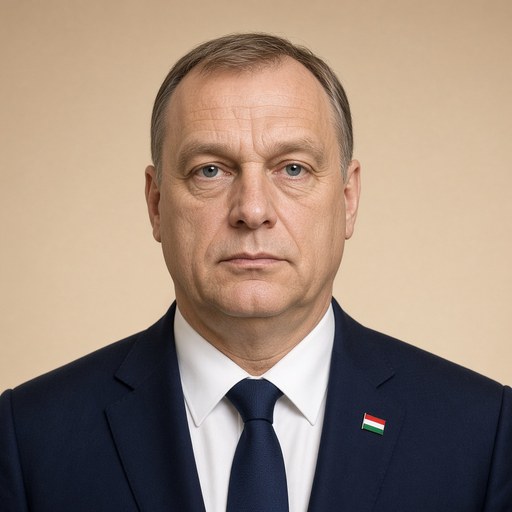
Viktor Orbán's speech at the Forum of Hungarian Representatives in the Carpathian Basin.
 Viktor Orbán · Prime Minister of Hungary
- Context
- Orbán addressed the Forum of Hungarian Representatives in the Carpathian Basin on June 5, 2025, presenting an assessment of Hungarian political and geopolitical challenges.
- Main themes
- Hungarian national identity, Carpathian Basin unity, war policy criticism, Brussels EU policy, Hungarian diaspora representation, geopolitical pressures on Hungary, European prosperity decline, language and cultural survival, ethnic politics, family and nation, migration
- Duration
- ~28 min
- Words
- 3,333
- Sentences
- 212
- Readability
- 44
- Grade
- 10.9
- Syntax
- 2.79
- Vocabulary
- 2.25
Translated from Hungarian
The broad sphere of national life a sentence belongs to. Every sentence has an Arena, so it is the denominator the other indices are read against.
Other212 sentences in 34 paragraphs
Thank you. Then I need to present an assessment that shows an optimistic perspective and encourages action. I will attempt to do so. First of all, I respectfully greet the Speaker of the House! Thank you for inviting me here.
Honorable Representatives!
If this forum is indeed named after the Carpathian Basin, then of course, Tamási Áron: "we are in the world to have a home somewhere." Being here in the Carpathian Basin, to be somewhere, is not a great feat; for others, it may be enough, but we need more than that, and the Carpathian Basin is more to us than just a place of residence. With sweat and blood, we have fought for centuries to earn the right to make the Carpathian Basin the framework and purpose of our entire existence.
The Forum of Carpathian Basin Hungarian Representatives – let us give significance to all four words. The Carpathian Basin is not merely a geographical concept for Hungarians. It is our historical, spiritual, and intellectual home, where the rivers, mountains, and plains guard our past and shape our future, just as our built heritage does. Therefore, you, the Hungarian representatives of the Carpathian Basin, are parts of a historical, spiritual, and intellectual unity. Your work can ultimately only be understood in the fullness of this unity. No matter where you live, you all represent the entirety of the Carpathian Basin and the Hungarian nation. We, the leaders of the motherland, share in your responsibility, and it is our duty to lead the way.
Secondly: the forum of representatives of Hungarians in the Carpathian Basin, therefore, we are also Hungarians. I say this to dispel any misconceptions: it is not a question of whether Bartók or Enescu is greater – that is a question for the liberals. Our question is, which one is Hungarian? The one that is Hungarian is ours. This also shows that love of the homeland is not a matter of reason, but a matter of the heart. We often talk about the consequences of this state of existence, the fate and mission that arise from it. Here, I will briefly list the most important points. Being Hungarian means that our language is our soul; if we lose it, we lose ourselves. The survival of Hungarians is not a gift; we must fight for it every day. Those who protect families protect the nation. Borders may separate us, but the nation is united. A Hungarian child is the best investment in the future of the nation. If you are Hungarian, you live in a geopolitical squeeze: to the west, the Germans; to the east, the Russians; to the south, the Muslims. Being Hungarian – this also shows – is a difficult mission.
Thirdly: Hungarian representatives of the Carpathian Basin. Honorable Mr. President, the essence of politics is that one must be brave and take responsibility. Politics – as you all know – is about action. To act, one must gain a mandate. Therefore, it is particularly important that there is a unified Hungarian body whose members are democratically elected representatives. They are tested, battle-hardened, and capable of fighting. We are pleased that the Hungarian organizations in Transylvania and Vojvodina have achieved electoral successes, thus proving the necessity and effectiveness of ethnic politics.
The Forum of Carpathian Basin Hungarian Representatives, or rather, a forum. A forum is a place where things can be discussed. Not like in a parliament, where the debate is more like a battle. Rather, it is a public space for common thinking, inspiration, intuitions, and explorations. I will speak to you today about the Hungarian and European situation in this way. Today, I will likely have to speak almost exclusively about the greatest challenge facing Hungarians in the Carpathian Basin. This challenge is war, more precisely, the Brussels war policy that fuels the war.
Honorable Ladies and Gentlemen!
This policy, the war policy, holds nothing but bad for us and endangers our future. Because of it, energy is more expensive, and with it, almost everything we need for our daily lives, and this is why the European economy is suffering today. The war policy places enormous burdens on all of Europe, including the countries of the Carpathian Basin. The war policy siphons resources away from developments and investments that could invigorate the economic life and cooperation of all Hungarians. This is not the European Union we joined. The successes of the European Union have legitimized it until now. These successes have also given it an identity. This identity was built on the idea that the union could create peace and prosperity on the continent after the bloody first half of the 20th century. However, today, prosperity is gone. It is strange to see this as a Central European, as these are richer countries than we are. Yet, the legendary quality of life in the West is gone. Life quality cannot be good where there are mass migrants, and you have lost the feeling of being at home. Life quality cannot be good where you have to pay two to four times more for energy than even two or three years ago. In other words, Ladies and Gentlemen, successes no longer legitimize the union. Something else is needed. According to Brussels, Europe’s new goal is to confront Russia in the east.
An essential element of this new European war identity is the strengthening of a war psychosis in the European public consciousness. According to war propaganda, Russia can attack EU and even NATO countries. The Russian threat is kept on the agenda for all of Europe. According to Brussels propaganda, only a preemptive strike can stop Russia, and in their minds, the Ukrainian war itself is the preemptive strike. In their minds, the Ukrainian army is already preventing the Russians from occupying Europe today. However, I believe this is not true; Europe can be defended without continuing the Ukrainian war. Brussels also hopes that increasing military spending and ramping up armaments will boost the economy. The idea is that if we spend on war, both defense and competitiveness will increase, as if armament would bring prosperity. In reality, this is a new economic cycle; we are financing war, just not on our own territory. The European Union supplies weapons to Ukraine, Ukraine purchases them with EU loans, and the EU buys Ukrainian goods. They think, or at least say, that this way the war will remain on the Russian-Ukrainian border, not at the Baltic, Polish, Slovak, Hungarian, or Romanian borders.
Relying on the war situation, Honorable Ladies and Gentlemen, they have found the reference point for further centralization of the union and the elimination of the sovereignist element. This is a derailment of the previous logic of European integration; in reality, it is a coup. The Russian-Ukrainian war has become the catalyst for which Brussels is trying to appropriate more and more powers. The EU elite is urging new European responses, but as I listen to them, these are no longer about cooperation; the new responses are about transferring powers. According to EU leaders, the consensus-based system of the 27-member EU is too slow to handle crises. I would just like to say in parentheses that there is a peculiar irony in the fact that while two-thirds decisions are criticized in Hungary, unanimity is seen as a threat in Brussels.
Honorable Ladies and Gentlemen!
The intellectual foundation of war-torn Europe is underway. This is what I see. I observe, listen, and follow the conferences, and I see that the liberal think tank world has begun its work. Analyses and expert statements are being produced one after another, discussing the necessity of centralization. There is a prestigious institute called ECFR, which outlines the idea of a European "Emergency Preparedness Law." Such a law would allow the EU to centrally mobilize industrial capacities in case of a crisis and protect critical infrastructure. It would also ensure supply chains and access to strategic raw materials. Other think tanks write about what institutional reforms should accompany the EU's enlargement. In other words – this is the conclusion of every writing – the scope of questions requiring unanimity must be narrowed, even banishing foreign policy from it. Ultimately, every liberal solution reaches the same conclusion: the logic of war demands centralization. The end result of the Brussels plan would essentially be the elimination of national sovereignty.
But it is not only sovereignty that is being eliminated; freedom and democracy are also being dismantled. In fact, in integration, nation-states have always been the true and ultimate custodians of the democratic element. The founding fathers were guided by the idea that the supranational level – which is necessarily bureaucratic – can only be controlled by the national level. In other words, bureaucracy must remain under the control of democratically elected leaders and representatives. This was the essence of the founding thought. Therefore, the program of federalization necessarily means the elimination of popular sovereignty from EU operations. Moreover, the Brussels tools are not democratic even now. We can all experience it firsthand: they interfere in elections, monitor sovereignist parties, shut down right-wing, conservative events, and fund federalist and pro-war pseudo-civil organizations and media throughout Europe. In other words, the United States of Europe, because that is the ultimate goal – at least in their minds – would create an undemocratic and unaccountable political structure.
A new development, Honorable Ladies and Gentlemen, is that Brussels now wants to build a massive financial structure on the basis of war logic. Indeed, billions of euros are needed to send money for the continuation of the war in Ukraine. Therefore, Brussels' goal now is to federalize the money of European taxpayers. They want to create an order in which Brussels itself controls the resources without the influence of member states. Today, almost every forint or euro that comes into the union comes through national budgets. They want to change this. At the same time, they are restructuring the institutional framework, namely the institutional structure of the union, so that the resources due to member states can be channeled to Ukraine.
Thirdly, they are reallocating the resources of the Common Agricultural Policy and the cohesion funds according to war objectives. If someone has seen the first proposals for the union's next seven-year budget, they can see that what I am talking about has already taken written form. Since the outbreak of the war, both the European Commission and the European Parliament have continuously sought to increase their own budgetary resources – which are currently quite minimal. Own resources mean that Brussels bureaucrats levy and collect taxes directly. This, of course, also leads to a decrease in national tax bases. Overall, the plans aim to siphon off at least 37 billion euros annually from the member states in this indirect way. They do not hide this at all. Most recently, the president of the commission said that the European Union's budget must be used for other purposes. I now quote: "because we need to respond to geopolitical challenges."
Such a financial instrument, another financial instrument, is also joint borrowing. We once agreed to joint borrowing when the union decided to create a recovery fund to address the consequences of the pandemic. The promise was that this money would be used to revive the economies of the member states. Today, I see that they have managed to give half of the resources gathered in this way to the member states. Half! Four years after the pandemic!
Ladies and Gentlemen!
If we take on more loans, we strengthen federalization. If we yield to Brussels' pressure, we will reach Europe's Hamilton moment. Just as in the history of the United States, in Europe, joint debt will make federalization irreversible. History has shown this. At the Brussels Bruegel Institute, for example, they think that since Europe needs to arm itself, "in the short term, there is no alternative to joint debt financing."
Ladies and Gentlemen!
Perhaps the greatest achievement of the Hungarian presidency was the acceptance of the competitiveness pact. However, Brussels now wants us to push all available resources into the defense industry, which can then be distributed according to quotas. This is a quota economy for the defense industry, the products of which can be sold to Ukraine, of course, with European money. Green quotas, migrant quotas, gender quotas, and now we have the war quota. In Brussels, experts and veterans openly ponder the war economy. Most recently, in a cheerful conversation, Mr. Van Rompuy's famous, well-known, and respected advisor said that switching Europe to a war economy is just a matter of determination.
Honorable Representatives!
The operational territory of the Brussels war plan is Ukraine. It is an operational territory in the sense that the war is taking place here. But it is also an operational territory in the sense that they are forcefully pushing Ukraine into the European Union as a member. The European Commission states in its latest written defense policy plans that Ukraine is an operational territory for Brussels. I quote: "Supporting Ukraine is the most direct and urgent task of European defense. Ukraine is currently at the forefront of European defense." Accordingly, propaganda has begun, claiming that Ukraine's integration into the European Union can be carried out with minimal cost. The Brussels-based, also prestigious Centre for European Policy Studies summarizes, I quote again: "Ukraine's young and educated workforce is also a valuable resource, and new opportunities are opening up in terms of the flow of services and capital. The integration of the Ukrainian IT sector into European markets, along with Ukraine's significant agricultural and raw material production capacity, can contribute to the EU's supply security." Moreover, the Bruegel Institute claims that due to Ukraine's accession, extending cohesion and agricultural support would cost only 0.13 percent of the EU's GDP annually.
We have recalculated. It is clear to us that the Hungarian economy would collapse under Ukraine's accession. The full integration of Ukraine would cost approximately 2.5 trillion euros spread over several years, which is twelve times the European Union's budget for this year. The costs of rebuilding Ukraine are enormous. Conservative estimates suggest it could amount to 500 billion dollars, while Ukrainian sources indicate – hence the discrepancy – it could reach 1 trillion euros. Additionally, operating Ukraine as a country already costs 100 billion dollars a year. This would mean a financial burden of 20 trillion forints for Hungary overall. Moreover, Hungary would become a net contributor, and altogether this is too much for us.
In summary, a centralized, Brussels-controlled European superstate does not serve the interests of Hungarians and other peoples living in the Carpathian Basin either. Many empires have already sat on our necks; we know what that is like, and although these old empires have all fallen, we are still here, and if possible, we would not want to repeat the experience. We have remained, they have fallen, but the imperial wounds inflicted on the Hungarian nation have not yet healed to this day. The depopulation during the Ottoman period, the world wars, the loss of territory in Trianon. All of these are the works, and indeed the sins, of the current empires. If possible, let us not ask for a repeat in Brussels' garb either. Therefore, I believe the task is to ensure that this current, under-construction Brussels empire does not sit on our necks.
But how do we avoid this? That is the question! I believe we need a true hussar trick. In short, I can say that while the emperor is at war, we must occupy Brussels, à la András Hadik at Berlin. While Brussels is preparing for war, we must strengthen European anti-war initiatives. The war, after all, costs not only us Hungarians a lot. Every European person feels its weight. This is our chance. According to our assessment, the public opinion of 11 European countries does not support Ukraine's accelerated accession, independent of the state of the war, and only the public opinion of ten countries clearly supports the accession. Similarly, we know that half of European citizens oppose sending European weapons to Ukraine. Sixty-seven percent of Europeans oppose sending European soldiers to Ukraine. There is therefore ample political room to maneuver.
With good maneuvering, the Brussels plans can be derailed. In recent years, we have built the organizational foundations of such a plan. We have established the Patriotic party family, which is now the third largest faction in the European Parliament. The European Conservatives, the Europe of Sovereign Nations, and we together form an anti-federalist party family. If we add them up, we could establish the largest faction alliance in Europe. At some point. At some point, patience is the most important virtue, and that point is now. We must proceed step by step if we want to hack the Brussels plans.
Allow me to finally say a few words about Central European cooperation. With the United Kingdom's exit, the power dynamics of the European Union have changed. The German-French axis, if it works, can achieve anything in the union today. The sovereignist-leaning Central European countries, let’s say the Visegrad countries, have lost their only major state ally, England. This is why liberal governments abandoned the Visegrad cooperation, and both the Czech Republic and Poland acted accordingly. They responded to this new situation, and I think this was a wrong response, because on the contrary: we should not join the German-French axis, but we should strengthen the V4, which we should have done and should still do today. The reshaping Central European cooperation could be the key to ensuring that the Hungarian nation does not fall under imperial provisionality again. From this perspective, the outcome of the Polish presidential election is particularly encouraging.
Ladies and Gentlemen!
In this, representatives of Hungarians beyond the borders can also play an important role. Establishing good relations with neighboring countries is good for local Hungarians and good for Central European cooperation. It would be important to teach one million people in the Carpathian Basin to speak Hungarian within the next ten years. This requires training and fostering an appreciation for the values of the Hungarian world. Such an initiative would facilitate dialogue – both in a figurative and literal sense. I note: it would not hurt the Hungarians in the motherland to learn at least one or two of the languages of the neighboring countries. Good neighborliness is the best chance for Hungarians beyond the borders to thrive. But we must not make the mistake that the liberal governments made, namely sacrificing national interest for the sake of good relations. The foundation of good neighborliness can only be strength and respect. Clear speech and comprehensible national policy are needed.
In the thinking of the Hungarian government, clear and comprehensible national policy consists of four points. You are familiar with these, but I will briefly cite them. The first point is that for us, Hungarians beyond the borders come first. There is no good neighborly relationship if the rights of Hungarians are violated. The second point is that we strive for good relations with the leadership of neighboring countries – starting from the premise that our European geopolitical interests coincide, meaning that it is a mistake to unite. This approach has already brought success in two cases: Serbia and Slovakia are our good allies, and the situation of local Hungarians is better than it was before. The third point is that if someone behaves hostilely towards Hungarians, they cannot receive the support of Hungarians in European politics. And the fourth point: Central Europe can only be strong with Hungary; our survival is in the interest of every other nation living here.
Honorable Ladies and Gentlemen!
If we do our job well, we will stop the federalist and pro-war Brussels politics here in Central Europe. Central Europe is not Brussels' backyard, but the main street of the continent. The task is to open up traffic on it.
I wish you good work in this!
The original Hungarian. The tags above are read on the English translation's sentences.
Köszönöm. Akkor nekem most egy optimista távlatot mutató és cselekvésösztönző helyzetértékelést kellene előadnom. Teszek erre kísérletet. Először is tisztelettel köszöntöm a házelnök urat! Köszönöm, hogy meghívott ide.
Tisztelt Képviselő Asszonyok és Urak!
Ha Kárpát-medence, és ennek a fórumnak mégiscsak ez a neve, akkor természetesen Tamási Áron: „azért vagyunk a világon, hogy valahol otthon legyünk benne.” Azért itt lenni a Kárpát-medencében, hogy legyünk valahol, az nem nagy mutatvány, másoknak talán elegendő is, nekünk azonban ennél több kell, és a Kárpát-medence számunkra több is, mint tartózkodási hely. Verejtékkel, vérrel évszázadok alatt szorítottuk ki a jogot, és tettük magunkat méltóvá arra, hogy a Kárpát-medence egész létezésünk kerete és célja legyen.
Kárpát-medencei Magyar Képviselők Fóruma – adjuk meg mind a négy szónak a jelentőségét. A Kárpát-medence nem csupán földrajzi fogalom a magyarok számára. Ez a mi történelmi, lelki és szellemi otthonunk, ahol a folyók, a hegyek, síkságok ugyanúgy őrzik a múltunkat, és formálják a jövőnket, mint az épített örökségünk. Tehát Önök, Kárpát-medencei magyar képviselők egy történelmi, lelki és szellemi egység részeit alkotják. Az Önök munkája végső soron csakis ennek az egységnek a teljességében értelmezhető. Éljenek Önök bármely szegletében, mindannyian a Kárpát-medence és a magyarság egészét is képviselik. Felelősségükben mi, anyaországi vezetők is osztozunk, sőt az a kötelességünk, hogy elöl járjunk.
Másodszor: a Kárpát-medencei magyarok képviselőinek fóruma, tehát magyarok is vagyunk. Itt a tévedések eloszlatása érdekében mondom, hogy nem az a kérdés, hogy Bartók vagy Enescu-e a nagyobb – ez a liberálisok kérdése. A mi kérdésünk az, hogy melyik a magyar? Amelyik a magyar, az a mienk. Ebből is látszik, hogy a hazaszeretet nem ész kérdése, hanem szív kérdése. Ennek a létállapotnak a következményeiről, az ebből fakadó sorsról és küldetésről sokszor és sok helyen beszélünk. Itt csak röviden fölsorolom a legfontosabb tételeket. Magyarnak lenni azt jelenti, hogy a nyelvünk a lelkünk; ha elveszítjük, önmagunkat veszítjük el. A magyar megmaradást nem ajándékba kapjuk, minden nap meg kell harcolni érte. Aki a családokat védi, az a nemzetet védi. A határok elválaszthatnak, de a nemzet összetartozik. A magyar gyermek a legjobb befektetés a nemzet jövőjébe. Ha magyar vagy, egy geopolitikai szorításban élsz: nyugatra a németek, keletre az oroszok, délre a muszlimok. Magyarnak lenni – ebből is látszik – nehéz küldetés.
Harmadszor: Kárpát-medencei magyar képviselők. Tisztelt Elnök úr, a politika lényege, hogy bátornak kell lenni, és vállalni kell a felelősséget. A politika – ezt Önök mind tudják – a cselekvésről szól. A cselekvéshez felhatalmazást kell szerezni. Ezért különösen fontos, hogy van egy összmagyar testület, amelynek tagjai demokratikusan megválasztott képviselők. Kipróbáltak, harcedzettek és alkalmasak a küzdelemre. Örülünk, hogy az erdélyi és a délvidéki magyar szervezetek választási sikereket értek el, és ezzel bizonyítják az etnikai politizálás szükségességét és eredményességét.
Kárpát-medencei Magyar Képviselők Fóruma, vagyis fórum. A fórum az a hely, ahol a dolgok megvitathatók. Nem úgy, mint egy parlamentben, ahol a vita inkább csata. Inkább úgy, mint közös gondolkodás, inspiráció, sejtések és megérzések, az útkeresések nyilvános helyszíne. Én is így fogok ma Önökhöz beszélni a magyar és európai helyzetről. Ma itt valószínűleg arról a legnagyobb kihívásról kell szinte kizárólag beszélnem, amivel a Kárpát-medencei magyarság szembenéz. Ez a kihívás a háború, pontosabban a háborút tápláló brüsszeli háborús politika.
Tisztelt Képviselő Hölgyek és Urak!
Ez a politika, a háborús politika csak rosszat tartogat a számunkra, és veszélybe sodorja a jövőnket. Miatta drágább az energia, és ezzel szinte minden, amire szükségünk van a mindennapi életben, és ezért szenved ma az európai gazdaság. A háborús politika óriási terheket ró egész Európára, így a Kárpát-medence országaira is. A háborús politika elszívja a forrásokat a fejlesztések és a beruházások elől, amelyekkel az összmagyarság gazdasági életét és együttműködését lehetne élénkíteni. Ez nem az az Európai Unió, amihez csatlakoztunk. Az Európai Uniót eddig a sikerei legitimálták. Ezek a sikerek identitást is adtak neki. Ez az identitás arra épült, hogy az unió a XX. század véres első fele után békét és jólétet tud teremteni a kontinensen. Csakhogy mára odalett a jólét. Furcsa ezt közép-európaiként látni, hiszen ezek gazdagabb országok, mint mi vagyunk. Mégis oda a Nyugat legendás életminősége. Nem lehet jó az élet minősége ott, ahol tömegesen vannak migránsok, és elvesztetted az otthonosság érzését. Nem lehet jó az élet minősége ott, ahol kétszer-négyszer többet kell fizetni az energiáért, mint akár két-három évvel korábban. Vagyis, Hölgyeim és Uraim, a sikerek már nem legitimálják az uniót. Kell valami más. Brüsszel szerint Európa új célja, hogy keleten megütközzünk Oroszországgal.
Az új európai háborús identitás ehhez kapcsolódó, nélkülözhetetlen eleme a háborús pszichózis erősítése az európai köztudatban. A háborús propaganda szerint Oroszország uniós, sőt NATO-országokat is megtámadhat. Folyamatosan napirenden tartják az orosz fenyegetést egész Európával szemben. A brüsszeli propaganda szerint csak egy megelőző csapás állíthatja meg Oroszországot, és az ő fejükben az ukrán háború maga a megelőző csapás. Az ő fejükben az ukrán hadsereg akadályozza meg már ma is, hogy az oroszok elfoglalják Európát. Mindez azonban szerintem nem igaz, az ukrán háború folytatása nélkül is meg lehet védeni Európát. Brüsszel abban is bízik, hogy a hadikiadások növelése és a fegyverkezés felpörgeti majd a gazdaságot. Az elgondolás szerint, ha háborúra költünk, egyszerre nő a védelem és a versenyképesség, mintha a fegyverkezés jólétet hozna. Valójában ez egy új gazdasági körforgás, háborút finanszírozunk, csak nem a saját területünkön. Az Európai Unió fegyvereket szállít Ukrajnának, Ukrajna ezeket uniós hitelből vásárolja meg, az EU pedig megveszi az ukrán árukat. Azt gondolják, de legalábbis azt mondják, hogy így a háború az orosz–ukrán határvidéken marad, nem a balti, lengyel, szlovák, magyar vagy román határnál.
A háborús helyzetre támaszkodva, tisztelt Képviselő Hölgyek és Urak, megkeresték a hivatkozási alapot az unió további centralizációjára és a szuverenista elem kiiktatására. Ez az európai integráció eddigi logikájának kisiklatása, valójában ez egy puccs. Az orosz–ukrán háború lett az a katalizátor, amelyre hivatkozva Brüsszel egyre több jogkört igyekszik kisajátítani. Az uniós elit új európai válaszokat sürget, de ahogy hallgatom őket, ezek már nem az együttműködésről, az új válaszok már a hatáskörök átruházásáról szólnak. Az uniós vezetők álláspontja szerint a 27 tagú EU konszenzuson alapuló rendszere túl lassú a válságok kezeléséhez. Zárójelben csak annyit mondanék, hogy van egy sajátos iróniája annak, hogy miközben Magyarországon a kétharmados döntéseket bírálják, Brüsszelben fenyegetésként tekintenek az egyhangúságra.
Tisztelt Hölgyeim és Uraim!
Zajlik a háborús Európa intellektuális megalapozása. Ezt látom. Figyelem, hallgatom, követem a konferenciákat, és azt látom, hogy a liberális think tank világ megkezdte a maga munkáját. Sorra születnek azok az elemzések és szakértői nyilatkozatok, amelyek a centralizáció szükségességéről szólnak. Van egy ECFR nevű tekintélyes intézet, amely például egy uniós „Veszélyhelyzeti Felkészülési Törvény” ötletét vázolja fel. Egy ilyen törvény lehetővé tenné, hogy válság esetén az EU központilag mozgósítsa az ipari kapacitásokat, és védje a kritikus infrastruktúrát. Emellett biztosítaná az ellátási láncokat és a stratégiai nyersanyagokhoz való hozzáférést. Más agytrösztök arról írnak, hogy az EU bővítése milyen intézményi reformokkal járjon együtt. Magyarán – minden írásnak ez a konklúziója – az egyhangúságot igénylő kérdések körét szűkíteni kell, a külpolitikából például száműzni is. Végső soron minden liberális megfejtés ugyanarra a következtetésre jut: a háborús logika központosítást kíván. A brüsszeli terv végeredménye lényegében a nemzeti szuverenitás felszámolása lenne.
De nemcsak a szuverenitás, hanem a szabadság és a demokrácia felszámolása is. Ugyanis az integrációban mindig is a nemzetállamok voltak a demokratikus elem valódi és végső letéteményesei. Már az alapító atyákat is az a gondolat vezérelte, hogy a nemzetek feletti szintet – ami szükségszerűen bürokratikus – csak a nemzeti szint tudja ellenőrizni. Magyarán, hogy a bürokrácia a demokratikusan megválasztott vezetők és képviselők kontrollja alatt kell maradjon. Ez volt az alapító gondolat lényege. A föderalizáció programja ezért szükségszerűen a népuralom kiiktatását jelenti az uniós működésből. Ráadásul a brüsszeli eszközök már most sem demokratikusak. Mindannyian tapasztalhatjuk a saját bőrünkön: választásokba avatkoznak be, szuverenista pártokat figyelnek meg, jobboldali, konzervatív eseményeket zárnak be, és pénzelik egész Európában a föderalista és háborúpárti álcivileket és médiát. Vagyis az Európai Egyesült Államok, mert a cél végül is ez – mármint az ő fejükben –, egy antidemokratikus és nem elszámoltatható politikai struktúrát hozna létre.
Új fejlemény, tisztelt Hölgyeim és Uraim, hogy Brüsszel most a háborús logika alapjára egy masszív pénzügyi felépítményt is fel akar húzni. Ugyanis eurómilliárdok kellenek ahhoz, hogy pénzt tudjon küldeni az ukrajnai háború folytatásához. Ezért Brüsszel célja most az, hogy föderalizálja az európai adófizetők pénzét. Ki akar alakítani egy olyan rendet, amelyben Brüsszel maga rendelkezik a források felett a tagállamok befolyása nélkül. Ma majdnem minden forint vagy euró az unióba a nemzeti költségvetéseken keresztül érkezik. Ezt akarják megváltoztatni. Egyúttal úgy alakítják át az intézményi struktúrát, mármint az unió intézményi struktúráját, hogy a tagállamoknak járó forrásokat át lehessen csatornázni Ukrajnába.
Harmadrészt pedig a háborús céloknak megfelelően átcsoportosítják a Közös Agrárpolitika és a kohéziós alapok forrásait. Ha valaki látta az első előterjesztéseket az unió következő hétéves költségvetéséről, akkor láthatja, hogy amiről beszélek, az már írásos formát is nyert. A háború kitörése óta mind az Európai Bizottság, mind az Európai Parlament folyamatosan a saját költségvetési források – amelyek most elég minimálisak – megemelését akarja elérni. A saját forrás azt jelenti, hogy a brüsszeli bürokraták közvetlenül vetnek ki, és közvetlenül szednek be adókat. Ezzel persze a nemzeti adóalapok csökkenését is megvalósítják. Összességében a tervek szerint évente legalább 37 milliárd eurót akarnak így, áttételesen elvonni a tagállamoktól. Ezt nem is rejtik véka alá. Legutóbb a bizottság elnök asszonya azt mondta, hogy az Európai Unió költségvetését más célokra kell felhasználni. Most idézem: „mert választ kell adni a geopolitikai kihívásokra.”
Ilyen pénzügyi eszköz, másik pénzügyi eszköz a közös hitelfelvétel is. A közös hitelfelvételre egyszer rábólintottunk, amikor az unió úgy döntött, hogy a világjárvány következményeinek fölszámolása érdekében egy helyreállítási alapot hoz létre. Az volt az ígéret, hogy ebből a pénzből a tagországok gazdaságait fogják talpra állítani. Ma azt látom, hogy az így összehozott források felét tudták odaadni a tagállamoknak. A felét! Négy évvel a járvány után!
Hölgyeim és Uraim!
Ha újabb hiteleket veszünk fel, azzal a föderalizációt erősítjük. Ha engedünk a brüsszeli nyomásnak, akkor elérkezünk Európa Hamilton-pillanatához. Akárcsak az Egyesült Államok történetében, Európában is a közös hitel teszi visszafordíthatatlanná a föderalizációt. Ezt mutatta a történelem. A brüsszeli Bruegel Intézetben például úgy gondolkodnak, miután Európának fegyverkeznie kell, „rövid távon nincs alternatívája a közös adósságfinanszírozásnak.”
Hölgyeim és Uraim!
A magyar elnökség talán legnagyobb vívmánya a versenyképességi paktum elfogadása volt. Brüsszelben most már viszont azt akarják, hogy a hadiiparba toljunk át minden rendelkezésre álló forrást, amit aztán kvóták szerint szét lehet osztani. Ez egy hadiipari kvótagazdaság, amelynek termékeit Ukrajnának lehet majd értékesíteni, természetesen európai pénzből. Zöldkvóta, migránskvóta, genderkvóta, ezek után most itt van a háborús kvóta is. Brüsszelben a szakértők és a veteránok nyíltan a hadigazdaságról elmélkednek. Legutóbb egy kedélyes beszélgetésben Van Rompuy korábbi tanácsi elnök úr híres, jól ismert, tekintélyes tanácsadója azt mondta, hogy Európát átállítani a hadigazdaságra csak elhatározás kérdése.
Tisztelt Képviselő Hölgyek és Urak!
A brüsszeli háborús terv műveleti területe Ukrajna. Műveleti terület abban az értelemben először is, hogy itt folyik a háború. De műveleti terület abban a tekintetben is, hogy erőből benyomják az Európai Unióba tagként Ukrajnát. Az Európai Bizottság a legfrissebb írott védelempolitikai terveiben kijelenti, hogy Ukrajna műveleti terület Brüsszel számára. Idézem: „Ukrajna támogatása az európai védelem közvetlen és legsürgetőbb feladata. Ukrajna jelenleg az európai védelem frontvonalában áll.” Ennek megfelelően elindult a propaganda, miszerint minimális költséggel is végrehajtható Ukrajna európai uniós integrációja. A brüsszeli, szintén tekintélyes Centre for European Policy Studies úgy összegez, megint idézek: „Ukrajna fiatal és képzett munkaereje is értékes erőforrás, a szolgáltatások és tőke áramlása terén is inkább új lehetőségek nyílnak meg. Az ukrán IT-szektor bekapcsolódása az európai piacokba, Ukrajna jelentős agrár- és nyersanyag-termelő kapacitása révén hozzájárulhat az EU ellátásbiztonságához.” Sőt, a Bruegel Intézet azt is állítja, hogy Ukrajna csatlakozása miatt mindössze az uniós GDP 0,13 százalékába kerülne évente a kohéziós és agrártámogatások kiterjesztése.
Mi is utánaszámoltunk. Nekünk egyértelmű, hogy a magyar gazdaság beleroppanna Ukrajna csatlakozásába. Az ország, mármint Ukrajna teljes integrációja több évre elosztva mintegy 2.500 milliárd euróba kerülne, ami az Európai Unió idei költségvetésének 12-szerese. Ukrajna újjáépítésének költségei hatalmasak. Konzervatív becslések szerint 500 milliárd dollárra, ukrán források szerint – az eltérés így érthető – 1.000 milliárd euróra rúghatnak. Emellett már most is Ukrajna, mint ország működtetése évi 100 milliárd dollárba kerül. Ez Magyarország számára 20 ezer milliárd forintos pénzügyi terhet jelentene így összességében. Ráadásul Magyarország nettó befizetővé válna, és ez így együtt nekünk túlságosan sok.
Summa summárum, egy központosított, brüsszeli irányítású európai szuperállam nem áll a Kárpát-medencében élő magyarok és más népek érdekében sem. Sok birodalom ült már a nyakunkon, tudjuk, milyen az, s bár ezek a régi birodalmak mind elbuktak, mi pedig itt vagyunk, azért, ha lehet, nem ismételnénk meg a dolgot. Mi maradtunk, ők elbuktak, de a magyarságon ejtett birodalmi sebek a mai napig nem gyógyultak be. Törökkori elnéptelenedés, világháború, trianoni országvesztés. Ezek mind az éppen aktuális birodalmak művei, sőt bűnei. Ha egy mód van rá, ne kérjünk repetát brüsszeli hacukában sem. Ezért a feladat szerintem az, hogy ezt a mostani, épülőfélben lévő brüsszeli birodalmat ne hagyjuk a nyakunkba ülni.
De hogyan kerüljük ezt el? Ez itt a kérdés! Azt hiszem, hogy egy igazi huszárcselre van szükségünk. Röviden úgy fogalmazhatok, hogy amíg a császár háborúzik, addig el kell foglalnunk Brüsszelt, à la Hadik András Berlinnél. Amíg Brüsszel háborúra készül, nekünk fel kell erősítenünk az európai háborúellenes kezdeményezéseket. A háború ugyanis nemcsak nekünk, magyaroknak kerül sokba. Annak súlyát minden európai ember érzi. Ez a mi esélyünk. A mi fölmérésünk szerint 11 európai ország közvéleménye nem támogatja Ukrajna gyorsított, a háború állásától független csatlakozását, és csak tíz ország közvéleménye támogatja egyértelműen a csatlakozást. Ugyanígy tudjuk, hogy az európai polgárok fele ellenzi az európai fegyverek küldését Ukrajnába. Az európai emberek 67 százaléka ellenzi az európai katonák küldését Ukrajnába. Bőven van tehát politikai mozgástér.
A brüsszeli terveket jó manőverezéssel ki lehet siklatni. Az elmúlt években kiépítettük egy ilyen terv szervezeti alapjait. Megalapítottuk a Patrióta pártcsaládot, amely most a harmadik legnagyobb frakció az Európai Parlamentben. Az Európai Konzervatívok, a Szuverén Nemzetek Európája és mi együtt mind antiföderalista pártcsaládok vagyunk. Ha összeadjuk, Európa legnagyobb frakciószövetségét is képesek lennénk megalapítani. Majd valamikor. Valamikor a türelem a legfontosabb erény, és a valamikor most van. Lépésről lépésre kell haladni, ha a brüsszeli terveket meg akarjuk hackelni.
Engedjék meg, hogy végül a közép-európai együttműködésről is szóljak. Az Egyesült Királyság kilépésével az Európai Unió hatalmi dinamikája megváltozott. A német–francia tengely, ha működik, akkor ma bármit el tud érni az unióban. A szuverenista hajlamú közép-európai országok, mondjuk úgy, hogy a visegrádiak elvesztették az egyetlen nagyállami szövetségesüket, Angliát. Ezért volt az, hogy a liberális kormányok faképnél hagyták a visegrádi együttműködést, Csehország és Lengyelország is így cselekedett. Erre az új helyzetre így válaszoltak, és szerintem ez rossz válasz volt, ugyanis éppen ellenkezőleg: nem a német–francia tengelyhez kell csatlakozni, hanem a V4-et kell megerősíteni, kellett volna, és kellene ma is. Az újraformálódó közép-európai együttműködés lehet a kulcsa annak, hogy ne kerüljön a magyar nemzet ismét birodalmi provizórium alá. Innen nézve a lengyel elnökválasztás eredménye kifejezetten bíztató.
Hölgyeim és Uraim!
Ebben a határon túli magyar képviselőknek is juthat fontos szerep. Jó viszonyt kialakítani a szomszédos országokkal, ez jó a helyi magyaroknak, és jó a közép-európai együttműködésnek. Fontos lenne, hogy a következő tíz éven belül egymillió embert tanítsunk meg a Kárpát-medencében magyarul beszélni. Ehhez képzések kellenek, és a magyar világ értékeinek megszerettetése. Egy ilyen kezdeményezés megkönnyítené a párbeszédet – átvitt és szó szerinti értelemben is. Megjegyzem: az anyaországi magyaroknak sem ártana megtanulni a szomszédos országok nyelvéből legalább egyet-kettőt. A jószomszédság a határon túli magyarok legjobb esélye a boldogulásra. De nem szabad elkövetnünk azt a hibát, amit a balliberális kormányok elkövettek, vagyishogy a jó viszonyért feláldozták a nemzeti érdeket. A jószomszédság alapja csak az erő és a megbecsülés lehet. Világos beszéd és közérthető nemzetpolitika kell.
A magyar kormány gondolkodásában a világos, közérthető nemzetpolitika négy tételből áll. Ezeket Önök ismerik, de röviden ideidézem Az első tétel, hogy nekünk a határon túli magyarok az elsők. Nincs jószomszédi viszony, ha a magyarok jogai sérülnek. A második tétel, hogy jó viszonyra törekszünk a szomszédos országok vezetésével – abból indulva ki, hogy egybeesnek az európai geopolitikai érdekeink, vagyis nem összefogni hiba. Ez a megközelítés két esetben már hozott sikert: Szerbia és Szlovákia jó szövetségesünk, a helyi magyarok helyzete is jobb, mint korábban volt. A harmadik tétel, ha valaki ellenségesen viseltetik a magyarokkal szemben, az nem kaphatja meg a magyarok támogatását az európai politikában. És a negyedik tétel: Közép-Európa csak Magyarországgal lehet erős, a mi megmaradásunk minden itt élő, más népnek is érdeke.
Tisztelt Hölgyeim és Uraim!
Ha jól csináljuk a dolgunkat, akkor itt, Közép-Európában fogjuk megállítani a föderalista és háborúpárti brüsszeli politikát. Közép-Európa nem Brüsszel hátsó udvara, hanem a kontinens főutcája. A feladat, hogy nyissuk meg rajta a forgalmat.
Jó munkát kívánok ehhez!