




- Context
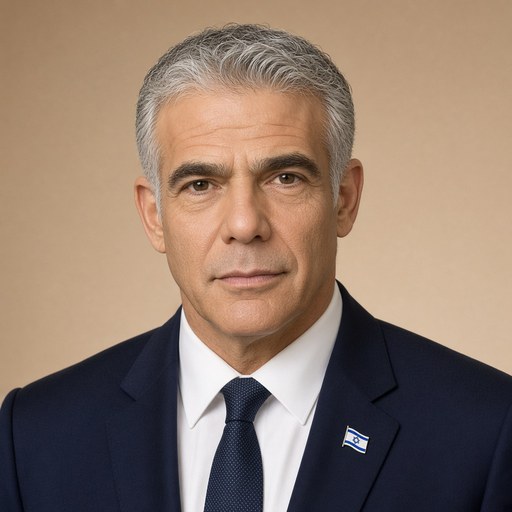
- Lapid addressed foreign media on August 28, 2022, outlining Israel's diplomatic campaign against the proposed renewal of the Iran nuclear deal.
- Main themes
- Iran nuclear deal, Israeli diplomatic opposition, IRGC sanctions, military threat credibility, Iran ballistic missiles and terrorism, IAEA oversight, US-Israel strategic relations, sunset clauses, longer and stronger agreement framework
- Duration
- ~3 min
- Words
- 372
- Sentences
- 20
- Readability
- 54
- Grade
- 10.4
- Syntax
- 2.95
- Vocabulary
- 2.13
The broad sphere of national life a sentence belongs to. Every sentence has an Arena, so it is the denominator the other indices are read against.
Other20 sentences in 11 paragraphs
For over a year, the State of Israel has put up a broad diplomatic fight to prevent the re-signing of the nuclear deal with Iran. The head of the National Security Council returned this weekend from Washington, and our defense minister is there right now. We are making a concerted effort to ensure the Americans and Europeans understand the dangers involved in this agreement.
This deal is not a good deal. It was not a good deal when it was signed back in 2015. Today, the dangers it entails are even greater. It is closer to its sunset date and Iran is more advanced technologically.
The State of Israel is not opposed to an agreement. It is both possible and necessary to make Iran sign a much better agreement, one that the Americans themselves dubbed Longer & Stronger.
Longer - because it would be an agreement without an expiration date, as French President Emmanuel Macron suggested.
Stronger - because supervision would be tighter, and it would address Iran's ballistic missile program and its involvement in terrorism throughout the Middle East.
We can reach such an agreement if a credible military threat is put on the table, if the Iranians realize that their defiance and deceit will exact a heavy price.
That is what led the Iranians to sign the deal last time. President Obama revealed the capabilities of the bunker busters—munitions that can penetrate bunkers—and the Iranians got the message and signed the deal.
Our diplomatic directive, from day one, was to fight this agreement with full force, but without damaging our strategic ties with the United States and without losing their attentiveness to our arguments.
We cannot return to where we were in 2015. In the past few months, we have delivered quite a few successes with the Americans and our other partners. President Biden, following our strategic dialogue, decided not to remove sanctions on the IRGC.
By talking with the Americans, we successfully prevented last week, once more, an attempt to ease sanctions on the IRGC, blocked political pressure on the IAEA to close the open files, and prevented granting further concessions to Iran.
After the latest proposal that the European Union put on the table, we told the Americans: