




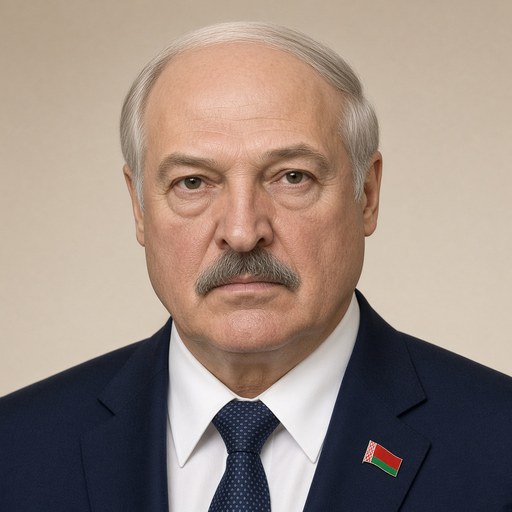
Speech by the President of the Republic of Belarus A.G. Lukashenko at the final plenary session of the permanent seminar for leaders of republican and local government bodies.
 Alexander Lukashenko · President of Belarus
- Context
- Lukashenko addressed the final plenary session of a seminar for Belarusian republican and local government leaders on March 22, 2002, outlining the Belarusian development model.
- Main themes
- Belarusian model of development, state economic policy, role of science and academia, government management training, rejection of IMF prescriptions, social and economic strategy, theoretical underdevelopment of national ideology, competitiveness of Belarusian goods, Academy of Sciences reform
- Duration
- ~53 min
- Words
- 6,346
- Sentences
- 428
- Readability
- 52
- Grade
- 9.7
- Syntax
- 2.71
- Vocabulary
- 2.05
Translated from Russian
The broad sphere of national life a sentence belongs to. Every sentence has an Arena, so it is the denominator the other indices are read against.
Other428 sentences in 107 paragraphs
Dear comrades!
I would like to begin my concluding speech by responding to a question raised in the sessions of several study groups. I want to draw attention to this question because, by chance, it coincided with my reflections today.
"At the lectures and seminars, we did not get a complete understanding of the fundamental features of the 'Belarusian model of development.' If such a model exists, why are there no substantial theoretical developments regarding its principles and prospects?" (Vasily Borisovich Dolgolev and others have raised this issue).
And today I thought about the fact that we talk a lot: "the Belarusian model of economic development," "our own path," "the Belarusian way," and so on, but in reality, we have not clearly crystallized this model, although, in principle, my concluding speech, which was prepared earlier, is originally focused on characterizing this model.
But I will tell you something I have never said to anyone on this issue. Even before the presidential elections, before the beginning of 2001, my assistants, the Head of the Administration - at that time, Mikhail Vladimirovich Myasnikovich - and many in the Government often inserted this phrase: "the Belarusian model of development" into my reports. And I always crossed it out; I was afraid that I would be criticized for inventing some special "Belarusian model," some "special path" that is unlike anything else.
Now we have decided to openly (especially after the elections) talk about the "Belarusian model of development," after our foreign partners and our opponents (not only partners) have started to talk about it themselves. Evaluating our path of development, many are already saying that Belarus has acted correctly (even the World Bank and even the IMF), not going for a break along the Russian principle, saying, let's see how it will be in the future. They positively assessed and effectively recognized this not-so-special path of development, but the path of development of Belarus - the "Belarusian model" with some of its features. And only after that did I agree that I would talk about the "Belarusian model of development." But this idea has been around for a long time. I just tried to avoid talking about it to avoid coming under fire from not only the opposition but also the "conscious" part of our society, including you. Today, we can talk about it.
Yes, the "Belarusian model of development" or "the Belarusian path of development" objectively exists. Everything we have today in the economy, in social and other spheres, is the result of the fact that we have been following our own path all these years; we have been living by our own mind. We did not listen to the "doctors" from the International Monetary Fund, prescribing remedies that are more dangerous than the disease itself.
I will elaborate on the characteristics of the "Belarusian model" a bit later. Right now, I would like to say something else. The question raised by the seminar participants is absolutely correct: our humanitarian science has not made a significant contribution to the development of the "Belarusian path of development." Unfortunately, it is not contributing now either. There are simply no deep and thorough theoretical studies of the "Belarusian model of development." Our scientific institutions and scholars are lagging far behind events and are not keeping up with not only predicting the future but even adequately describing what is already taking shape. The Academy of Sciences of the country, universities, the Institute of Social and Political Studies under the Administration of the President, the Academy of Management - all together have not created a single worthwhile work over these years, let alone one that predicts, but at least one that comments on or explains the "Belarusian path of development."
As a result, in practical politics, we have to go into the "virgin lands," making strategic decisions, as they say, based on life. And thank God that so far this approach, this knowledge of life allows us to avoid serious mistakes. Of course, we will continue to conduct our policy based on the needs of the country. But the role of science in preparing management decisions must change radically. Scientists must provide the country's leadership with well-considered recommendations for further improving the "Belarusian model of development," for solving the most serious economic and social problems facing the state.
And the seminar should help us with this. In the next sessions, our scholars should not just retell textbooks in their own words but propose scientifically grounded solutions to practical problems, for example, how to ensure the competitiveness of Belarusian goods, how to "unravel" payment arrears, and others. I expect from the Academy of Sciences and its new leader Mikhail Vladimirovich Myasnikovich (a knowledgeable, competent, experienced person, a former head of the State Planning Committee) the development of a theory of the Belarusian economy of a new type. We discussed this problem when he was appointed. We have already developed a lot, found many things. We need to systematize everything and form a holistic theoretical approach to this issue. Perhaps through this work, we will also come to a "national idea." Perhaps. For now, we are not ready for that.
I say this and ask myself the question: why, in principle, should I - the Head of State - formulate research tasks? After all, there are so many academicians, corresponding members, and professors today! In my understanding, the ability to identify and isolate a problem is an essential quality of a researcher. I very much hope that the new leadership of the Academy will be able to eradicate scholasticism and superficiality in academic institutions, primarily in the humanities, and engage them in solving real tasks.
And now about the results of our sessions.
We have familiarized ourselves with the practice of economic transformations and the establishment of a market economy in China and Russia. The experience of China and the experience of Belarus are very close to each other; they are promising and are being successfully implemented in practice. I have been convinced of this during my repeated visits to the People's Republic of China. Both in their case and in ours, such features of the transitional period have manifested themselves, such as the regulatory role of the state, the principle of evolutionary transformations, the creation of a strong and effectively functioning vertical of state power, a clear system of legislation ensuring the common interests of the state and each of its citizens individually, and the careful preservation of what was created earlier, rather than its thoughtless destruction.
But at the same time, I want to ask you not to idealize the experience of either Russia or China. We are simply talking about our main partners with whom we have good relations. These superpowers are members of the Security Council and always support us everywhere. We have very good trade and economic relations with them. Therefore, we have taken these two states as examples.
This does not mean that the experience of the United States of America, which has such enormous potential, is completely unacceptable. No, but this is a completely different approach. This does not mean that there is nothing useful in Western Europe, which is located nearby. Or in Poland. There is something useful everywhere. But in this case, we are studying the experience of these two states, looking for commonalities, and trying to draw lessons for ourselves, not to repeat their mistakes in our practice.
The careful preservation of what was created earlier, rather than its thoughtless destruction, is characteristic of the People's Republic of China and its experience. At the same time, we need to carefully study China's experience in attracting foreign investments.
We need to draw serious lessons from the practice of socio-economic transformations in Russia. First, to avoid repeating the mistakes of the initial stage of reforming the Russian economy. And second, to find real ways to bring our countries closer together in the new political and economic conditions of the 21st century.
The need for a large-scale scientific perspective on the paths of further development of the country is also determined by the trends that are emerging in the world community.
I want to note two characteristic events of recent times.
First. The collapse of Argentina's economy, the model of liberalization of which was still recently presented by many politicians and economists as a universal example for us, post-Soviet, post-socialist states. I remember that the developers of this model were invited to Russia to implement the "Argentine miracle" and lift the country. But, as recent events have shown, the Argentine experience of liberalization is a direct path not to long-term and stable growth but to a systemic and deep crisis. To which it ultimately led. You know this.
Second. The awarding of the Nobel Prize for 2001 in the field of economic sciences to three American scholars, Joseph Stiglitz, George Akerlof, and Michael Spence. In their works, they prove the greatest effectiveness of not a purely liberal model of development (market-oriented, as we say) but the necessity of the most active regulation of market processes by the state. Think about what has happened. Today, the Nobel Prize is awarded for what we started doing seven years ago. Is this not a recognition of our correctness?
There is a fundamental change occurring in the dominant liberal theories of Western economic science. In particular, it involves a rejection of the principle of unlimited competition and recognition of the important role of the social factor.
Why do I draw your attention to these points?
The fact is that a number of our economists, parliamentarians, and public figures are insisting on abandoning our proven model of development in favor of foreign analogs of the "Argentine miracle." Are they not following global trends? Do they live by the principle that "the worse for the country, the better for them"? Or, rejecting everything domestic, thoughtlessly support everything foreign? I do not know. But this is exactly the impression that is created when you hear their calls: "faster to Europe" and "let's have reforms." We are not against foreign experience and well-thought-out economic reforms. But we must apply them creatively, taking into account the peculiarities of our country.
Having rejected the "shock therapy" that was imposed on us from the outside, we created our own model of development. Moreover, we created it not from scratch. A lot had already been done before us. We just brought everything together and added something of our own. Our model takes into account the patterns of social development and the experience of other states. First of all, such European countries with a developed socially-oriented economy as Belgium, Sweden, Germany, and France. As well as the instructive example of the evolutionary transition to market economy methods demonstrated by China.
By the way, the German and Swedish models of social market economy are classic examples. I told you about this five or six years ago. And we oriented ourselves towards this. Their main difference is the active participation of the state in regulating socio-economic processes. In the Swedish (Scandinavian) model, the state plays the role of the main socio-economic force. Therefore, the results there in the socio-economic sphere are the most remarkable of all the states on the planet.
Time has confirmed the correctness of the priorities laid down in the Belarusian model of development, its vitality, and effectiveness. Our country was the first in the post-Soviet space to overcome the crisis tendencies in the economy and restore the level of production of 1990.
For reference: In 2001, the gross domestic product increased by more than 4 percent. Industrial production increased by 5.5 percent and amounted to 106 percent of the level of 1990. That is, we have already surpassed the level of 1990. For comparison, in Russia, in 2001, GDP amounted to 68.8 percent of the 1990 level, and in Ukraine - only 43 percent. Their industrial production is 57 and 65 percent, respectively.
Despite the extremely limited resource capabilities of Belarus, we are successfully implementing the main task - the gradual increase of the people's standard of living. Only in 2001, real monetary incomes of the population grew by 25 percent, and real wages by more than 30 percent.
Often, a banal question arises in society: they say that incomes have really increased, but there is not enough money. This does not contradict what I said at all. If there is real growth, even by a quarter of wages, it does not mean that everyone is already rich and living well. Indeed, this is not enough. The question arises: when will it be enough? It will only be enough when we sell everything produced at good prices. For now, we have a lot lying in warehouses unsold, and that is money, a huge amount of money! Secondly, even if we sell, we sell at low prices. We have learned to produce - we do not know how to sell. Barter still hinders us, those who are eager to profit from mediation, and many other negative phenomena of our economic life. Everything is within us. If we want to solve it, we will solve it.
But even now, experts from the United Nations rank Belarus first among the CIS countries in the Human Development Index. At one time, from 1991 to 1995, we "fell" from 40th place to almost 70th in this indicator. In 2001, UN experts noted that Belarus is now not in 68th place but in 53rd place according to this index. And if there is this growth - this is not our invention - we are probably on the right path. I would like it to be faster. But in the economy, things rarely happen quickly. You can collapse quickly. It is very difficult to rise. You know this.
About the peculiarities of our model of development. Now some are pondering: is there a need for our own "Belarusian model of development"? I will answer directly: it is very much needed!
Our course is the creation of a socially oriented market economy with an adequate infrastructure, effective mechanisms of state and market regulation, ensuring receptiveness to scientific and technological progress.
Why did we embark on creating our own model?
The fact is that from the experience of economic transformations in other countries, we saw that there is no universal model of development. It is impossible to mechanically transfer the practice of one country to another due to the specificity of conditions, peculiarities of economic life, and national traditions of each country.
Our approach most closely corresponds to the traditions of the Belarusian people and the interests of citizens. It assumes that the solution to even the most complex socio-economic problems of society should occur with the least social costs.
What are the characteristic features of this model?
The first of these is a strong and effective state power.
The role of the state is to ensure the safety of citizens, social justice, and public order, to prevent crime and corruption from taking hold. And only a strong power has allowed the economy of Belarus to be pulled out of the abyss of economic crisis.
Our closest neighbors have finally realized that the liberalization of the economy in transitional conditions without a strong vertical of power leads to social instability and lawlessness. To public debauchery!
From the very beginning, we clearly understood that premature expansion of market relations would not radically solve any of the existing acute problems. Instead, it would create new ones, arising from the specifics of the market. Public consensus would be disrupted, leading to conflicts and instability. After all, political stability is one of the main conditions for gradual integration into the world economy. I would call this one of the characteristic features or consequences (call it what you will) of the model of development of the Belarusian economy.
At the same time, we proceed from the understanding that the mentality, traditions, and way of life of the people cannot be changed overnight. And is it even necessary to change? It is impossible to throw unprepared people into the depths of the market. It will take decades to develop a new worldview.
Let’s not hide the truth; during the years of Soviet power, our sense of individual responsibility dulled, and personal initiative and conscious risk receded into the background. We worked together, thought together, made decisions together, and bore responsibility together. Which, frankly speaking, was not so bad.
In the mass consciousness of the citizens of Belarus, the values and socio-political orientations of the Soviet era dominate. Sociological studies by scholars from the National Academy of Sciences of Belarus showed that in 1996, 41 percent of the population expressed a preference for socialism as the most desirable form of social organization, in 1998 - 42 percent, and in 2000 - 43 percent. This is despite the fact that we often mock socialism, and those who speak of socialism; half of the population openly stated that they support socialism. Only about 20 percent - one-fifth of those surveyed - expressed support for capitalism. This is the real picture of the balance of power in society and the nature of people's mindsets, without taking into account which it is impossible to build an effective and understandable socio-economic policy.
The second characteristic feature of our model is that the private sector can and should develop alongside the state sector. However, not at the expense of national interests. I emphasize: if you are a private entrepreneur, it does not mean that you act on the principle of "I do what I want." National interests and the state must be the main priority and the main goal for which every citizen, enterprise, or entrepreneur who has established their production on a private form of ownership works.
Unlike our neighbors, we did not force an artificial growth of the non-state sector. Yes, indeed, barriers were put in place. But only for those who create firms for capital export to offshore zones, who take loans without intending to repay them, who create paid universities without planning to educate students, who persistently evade tax payments.
However, any civilized state that stands guard over legality and the protection of its citizens' interests acts in exactly the same way.
It is precisely because of criminal business that the public often forms a negative opinion about private entrepreneurship as a whole. In terms of trust, business associations rank among the lowest among the population. This is something even the so-called "independent" sociological research centers have to admit.
The state is interested in the development of private business and in increasing trust in it. But only in honest business that benefits both the entrepreneur and the state. And most importantly - the population. We discussed this at a meeting with the business community of the republic in October last year. And we reached a common understanding.
In the future, the dialogue between the authorities and business will be aimed at reducing the scope of state intervention while simultaneously increasing the responsibility of business entities for compliance with legislation.
In general, regarding the role of the state and intervention or non-intervention, I will say the following. At least, these are the principles I follow in my policy. The state should and can intervene only in those areas where it can effectively act and achieve results. For example, if you cannot divide nails today - do not divide them. Because there are enough nails. On the other hand, is it even necessary to intervene in the process of dividing nails? I give this as a figurative example. Of course, it is necessary. Perhaps at least to lower the price of them. To create additional enterprises, set tasks for them, and enhance competition.
There is the problem of employment. We have low unemployment. It does not even allow those who work to feel that someone is breathing down their neck. But nevertheless, should the state deal with this process? It must. It is a crucial issue!
Or the process of housing construction? We intervene in this process. We compel the construction of housing. We finance it. We urge the population to build housing. Is this necessary? Yes, it is. Could we have not done this? Of course, we could. But since we have a socially oriented economy, we have determined that this issue should be under the control of the state. Because it concerns each of us, each family as a cell of society. Any society.
Therefore, where you feel that your intervention - as subjects of the state, leaders of a particular system - will bring benefits, intervene. But where you see that it will be worse, do not. That is the whole question.
In Belarus, more than 60,000 enterprises of non-state ownership are registered, and about 200,000 individual entrepreneurs. Non-state enterprises produce more than 40 percent of industrial output. In retail trade, their share exceeded 77 percent by the end of 2001.
I believe that not all issues of support and development of entrepreneurship require resolution at the level of the President and even the Government. Significant powers, according to our legislation, are also held by local authorities. The power in the regions should not stand aside in supporting and developing normal and honest business, especially in the production sector.
The third component of the Belarusian model - privatization - is not an end in itself, but a means to find an interested investor and create an effective owner.
We are betting on investors capable of responsible and interested actions. On those who will ensure the attraction of investments into the real sector of the economy, who are interested in the long-term development of Belarusian enterprises, who are ready to take on obligations to improve the social conditions of workers. The result - strengthening the power of our state. And all kinds of schemers are reliably blocked.
We are now starting the privatization of large state enterprises. Can we take risks here? Of course not. Among the various options for privatizing large enterprises, we choose those that optimally correspond to the interests of the state, the working person, the enterprise, and the industry as a whole. At the first stage, the controlling stake of shares is usually retained by the state to ensure that the investor has come seriously and for the long term. In the privatization of some non-strategic enterprises, it is possible to go for the sale of the controlling stake of shares. But a mandatory condition is that this process must be open and honest, on a competitive basis.
The peculiarity of the privatization process is that it is a very complex and serious process. We do not have "wild" privatization, as it was in Russia. Our privatization is individual, if I may say so, personal in nature.
We are not talking about wild privatization. Remember this. We are selling state property, created by the entire people! Not only by us, but also by our ancestors. And we have no right to treat this process lightly, to put it mildly. We must approach meticulously what we are selling and for how much we are selling.
We have developed 12-15 conditions for those who today want to buy part of an enterprise or the entire enterprise in the Republic of Belarus. The goal is one: to obtain greater dividends for the state from this. And I strive to sell it for a higher price, closer to the cost of a new enterprise. And we set additional conditions: so that it does not get worse, so that there is effective production and it is better for society. This is the goal of shareholding and privatization; this is the method, the path I follow.
On the reform of the agricultural sector.
The government has proposed 10-12 options: to unite, to separate, to join, to divide, to distribute land in some remote village; there are various options. And they gave you the right to implement these options locally. But I asked you yesterday: there are options, but why is the matter not progressing? The only way out is to roll up your sleeves and start working. And the reform, the division - the time will come - they will knock on your door themselves. Today they are not knocking. Why? There are no people today who are eager to take land and tomorrow give the highest result from this land and from the property on this land.
Therefore, let’s not destroy what exists. Especially since this cannot be done today. And it could not have been done yesterday, because the last three years for agriculture, let’s be frank, have been devastating. Against this backdrop, of course, the financial situation has worsened, and the mood of the peasants has deteriorated, and so on. This leaves a certain imprint, pushing the population and specialists to seek a way out. And many think: now we will launch a reform in the countryside, and milk will flow from who knows where... It will not!
Reforming is twice as difficult as working under current conditions. If you are ready, go for it. If you are not ready, do not spoil your mood and that of others.
Therefore, let’s work with large-scale production. Suppose the head of the Grodno region sees on the spot that a poultry farm can produce more, but it needs its own feed. Join the farm if it is profitable. And act in this direction. You have the regulatory framework for this. Act! The main thing is to achieve a greater effect. It is not for us in Belarus today to whine and moan that we have it hard in agriculture. We have a wonderful country in this regard! We have good, normal lands to feed ourselves and sell half.
There is also another common opinion. Large enterprises that exist today, of course, bear the main burden; they feed the people. They are half of it. And a quarter of our agricultural enterprises barely survive. For various objective and subjective reasons. They say: let’s give the money that exists to those who are producing results today, to those large enterprises; they will feed the country, and let 25-30 percent of the farms live as they want, that is, let’s abandon them.
You see, if we look only from the perspective of milk and meat, then perhaps this is correct. But now look at the social factor. If we abandon a quarter of our village to survive on their own, they will not survive without us. What will happen? There will be an outflow of the rural population to overcrowded cities, where there are already not enough jobs. What sphere will they fill? The sphere of crime! And, tell me, how much will the fight against this additional crime cost? What will we gain from this?
There is a whole complex of subjective reasons that does not allow a quarter of the farms to function normally. And we should seem to support them. Today, yes. But we need to gradually detach one, two, ten, thirty, a hundred farms from them. And in three to five years, raise them to a certain level. Both economically and administratively. Have we used all these methods? No. You know better because you should use these methods yourself, but you do not.
I say this so that you do not approach these methods of privatization simplistically and do not shout: oh, look there, in Germany. There, people work from morning till night. As soon as we start working from morning till night, we will have nowhere to put the meat and milk!
The fourth feature of the Belarusian model is the integration processes with the CIS countries, primarily with Russia. They are aimed at achieving a high economic effect. That is, we did not go, let my colleague Leonid Danilovich Kuchma forgive me, down the path of Ukraine, for example: entering the market and forgetting about the cooperation that existed within the framework of the Soviet Union and the socialist camp. On the contrary, we began to develop this integration, primarily in the economic sphere. We proceeded from the understanding that the market is divided. No one is waiting for us in other markets. Therefore, in our foreign economic strategy, we restored ties with our traditional partners. And now this integration has covered all spheres of public life.
The fifth characteristic feature of our model is a strong social policy of the state, the cornerstone of our policy. We understand well that an effective economy is a socially oriented economy. And such orientation is not only in helping those in need. It is also investments in human health, in their professional, cultural, and personal development. That is - in their future and the future of the country.
An important task of the state at the moment is to form a new type of person: enterprising and initiative, active and creative, creating material values, willing to work and earn.
At the same time, it is necessary to make every effort to prevent social polarization and deterioration of living conditions for socially vulnerable people.
It is necessary to ensure rational employment of the population. Restore the role of wages as the most important incentive for production development and increasing labor productivity. Wages must be earned through work, not simply accrued for a person's presence at the workplace.
All conditions have been created here: from the appointment of personnel to their accountability. Everything in the legislation is designed to subordinate collectives to one's will, to lead them, and to weed out those who today fall out of this cohort for subjective reasons.
We need to create a flexible and effectively functioning pension system. First, it must be financially sustainable. Second, it should be fairer, not giving rise to egalitarianism and dependency. Social protection must become genuinely targeted, aimed at specific, the most vulnerable groups of the population.
On improving management efficiency.
Currently, the country has entered a new stage of its development. Qualitative production indicators have acquired special, paramount importance. This raises the demands on management. Therefore, the most important direction for improving the Belarusian model of socio-economic development is the comprehensive enhancement of management efficiency. The effectiveness of the economy and the well-being of people depend on the thoughtfulness and justification of managerial decisions, as well as the coordination of actions between central and local government authorities. Overall, we have managed to achieve stability in state management and develop an appropriate personnel strategy. However, the state of affairs in this area does not yet fully meet the demands of the time.
Therefore, the authorities at all levels and branches have been tasked with optimizing the structure of the management apparatus. It is necessary to reduce unnecessary links and improve the quality of managers. At the end of last year, there were well-known changes in this area. But it would be a mistake to think that this is where we can stop, although some have indeed thought so. This is evidenced by my meetings with some leaders. Others are still hesitating. They have not yet determined how to act going forward.
Therefore, I want to emphasize: improving the structure of the state apparatus and reducing its personnel is only the first step. To be frank, it is not the most difficult one. We must fundamentally increase the efficiency of management in the interests of the country's development, our society, and the strengthening of the state. This is the first task. And the second, related task is to adapt the managerial personnel to the demands of the day and modern conditions.
Guided by such approaches, I would like to express a number of principled considerations on these issues.
I have already noted that this year is a year of concrete actions. I will add: and concrete results. Therefore, the main focus of your work should be a constant orientation towards efficiency, towards achieving positive shifts in all areas of the country's life, and towards solving pressing problems.
It is necessary to identify worthy and prepared individuals for responsible positions. At the same time, based on the national model of public development, it is essential to form the corresponding state mindset among all our personnel. Every leader, regardless of the position they hold, must be a convinced statesman in the best sense of the word. This is the first point. And, secondly, by using the best from global experience, we must develop and improve our own national science and practice of management.
When selecting personnel, it is important to take into account their political qualities more fully, keeping in mind not the party affiliation of the person. This is regulated by law. It is about their understanding of the essence of the political processes occurring in the country, and their ability to use political forms and methods of work. Much of the reason some leaders avoid contact with people is due to the lack of such qualities. Especially when problems of a production or social nature arise. In such cases, one should act in precisely the opposite manner.
For all managerial staff, the most important requirement in modern conditions is strict compliance with current legislation. Therefore, every leader must have a sufficiently high level of legal knowledge. This will protect society from making unlawful managerial decisions. It is necessary to more clearly regulate, I would even say, standardize the work of managers. The general principle is to minimize the dependence of citizens and legal entities on the arbitrariness of officials.
But what cannot be tolerated at all is bribery and corruption. Never! I told you this before the elections. I am telling you this now.
It is very important to provide all possible assistance and support to the leaders of enterprises and farms. Especially in solving problems at the level of republican executive authorities. Maximum attention must be given to considering their proposals and requests. No delays should be allowed in this regard. If a business leader comes to the Government, it means they trust you. It is necessary to designate days for ministers, in the Council of Ministers, so that the leader can make an appeal. Even if you cannot help them, you should at least communicate with them, provide guidance, and so on. The same applies to the Administration of the President. If the issues are of utmost importance, they should be brought to the President. For example, there is a law for the Head of the Administration: if a collective appeal is made to the President, it must be reported to the President within a day. There are many other situations I could mention where the President takes an active part, responding to requests, appeals, and demands, especially from the vertical of power. We cannot allow business leaders to feel despondent or overwhelmed. There is no leader today whom you cannot dismiss or appoint. Rather, it is we who can. Therefore, we must be very sensitive to people in such a system of power.
The state apparatus must act with high professionalism and responsibility. Strong state institutions are needed to ensure the normal functioning of market mechanisms. A high culture of managerial labor is necessary.
We must gradually increase the role of public organizations in the system of state management. However, a prerequisite for this is a high degree of maturity of the organizations themselves. They must become true representatives of societal interests, not of individual militant politicians or political opportunists. Only in this case will their activities help to activate the fight against red tape, bureaucratism, and corruption, and contribute to the effective functioning of the management mechanism.
On executive discipline.
This is not a new issue, but it is constantly relevant. This was discussed at the current seminar. I cannot say that everything is bad in this area. The decisions made are being implemented. There is a trend of sustainable economic growth, albeit with significant effort. All of this is, among other things, a result of improved executive discipline.
However, there are also serious problems. The financial condition of enterprises remains difficult. A third of them are unprofitable. And not always for objective reasons. As I have already mentioned, the share of finished goods in stock remains high. Investments in fixed capital have decreased.
The tasks for this year are challenging.
We need to increase the total volume of industrial production by 5-6 percent;
increase profitability in the industrial sector to 15.5 percent;
ensure a 3-4 percent growth in gross agricultural output;
investments in fixed capital must be increased by 6-7 percent;
the average wage by the end of the year across the national economy should increase by a quarter compared to last year;
an accelerated growth of monetary income is planned compared to the growth of consumer prices. Real monetary income of the population should increase by 5-6 percent.
To achieve the set parameters, it is necessary to solve a number of complex problems. The most important of these is reducing production costs. This is the main factor in increasing production efficiency.
If we do not fully master economic management methods, while not forgetting administrative ones, we will never solve the pressing problems.
It must be said that there is a huge reserve that we need to put to use as soon as possible. This reserve is the fight against mismanagement. Thus, with a significant shortage of material and financial resources, a considerable amount is wasted. Frugality and economy must become truly a nationwide endeavor. Those present here should set an example in this regard. And if necessary, hold accountable those responsible for violations of financial, technological, and labor discipline.
Dear seminar participants!
We must perform our work competently and effectively, well and conscientiously. Each in their own area, in their own management link.
This should be facilitated by the sessions in this seminar. The new aspect is the transition from a passive to an active form of learning, combining lectures and practical classes. Judging by the first session, a rather effective form of training and improving the qualifications of senior management personnel has been found.
The original Russian. The tags above are read on the English translation's sentences.
Уважаемые товарищи!
Свое заключительное выступление я хотел бы начать с ответа на вопрос, поднятый на занятиях ряда учебных групп. Хочу обратить внимание на этот вопрос потому, что по воле случая он совпал с моими сегодняшними размышлениями.
"На лекциях и семинаре мы не получили полного представления о принципиальных особенностях "белорусской модели развития". Если такая модель существует, почему нет толковых теоретических разработок о ее принципах и перспективах?" (Василий Борисович Долголев и другие поднимали эту проблему).
И сегодня я подумал о том, что мы очень много говорим: "белорусская модель экономического развития", "свой путь", "белорусский путь" и так далее, но в действительности мы четко не выкристаллизовали эту модель, хотя, в принципе, мое заключительное выступление, которое было ранее подготовлено, в своем изначальном плане сконцентрировано на характеристике вот этой модели.
Но я вам скажу то, чего не говорил никогда никому по этому вопросу. Еще до президентских выборов, до начала 2001 года, мне в доклад мои помощники, Глава Администрации - в то время Михаил Владимирович Мясникович - и многие в Правительстве часто вставляли вот это словосочетание: "белорусская модель развития". И я его всегда вычеркивал, я опасался, что меня начнут критиковать за то, что я изобрел какую-то особую "белорусскую модель", какой-то "особый путь", не похожий ни на что.
Теперь мы решили открыто (особенно после выборов) заговорить о "белорусской модели развития", после того, как зарубежные партнеры и наши противники (не только партнеры) об этом заговорили сами. Оценивая наш путь развития, многие уже говорят, что Беларусь поступила правильно (даже Международный банк и даже МВФ), не пойдя на ломку по российскому принципу, мол, как дальше будет - посмотрим. Они положительно оценили и фактически признали этот пусть не особый путь развития, но путь развития Беларуси - "белорусскую модель" с некоторыми ее особенностями. И только после этого я согласился с тем, что буду говорить о "белорусской модели развития". Но идея эта была уже давно. Я просто старался избегать говорить о ней, чтобы не попасть под огонь критики не только оппозиции, но и "свядомай" части нашего общества, в том числе и вас. Сегодня об этом говорить можно.
Да, "белорусская модель развития" или "белорусский путь развития" объективно существует. Все, что сегодня мы имеем в экономике, в социальной и других сферах, результат того, что мы все эти годы шли своим путем, мы жили своим умом. Мы не слушали "докторов" из Международного валютного фонда, прописывающих лекарства, которые опаснее самой болезни.
На характеристике "белорусской модели" я остановлюсь подробнее чуть дальше. Сейчас я хотел бы сказать о другом. Вопрос участниками семинара ставится совершенно правильно: наша гуманитарная наука в разработку "белорусского пути развития" заметного вклада не внесла. К сожалению, не вносит и теперь. Глубоких и обстоятельных теоретических исследований "белорусской модели развития" просто нет. Наши научные учреждения и ученые плетутся далеко в хвосте событий и не успевают не то ,что прогнозировать будущее, но даже толково описать, что уже складывается. Академия наук страны, вузы, Институт социально-политических исследований при Администрации Президента, Академия управления - все вместе за эти годы не создали ни одной стоящей работы, не то что предсказывающей, но хотя бы комментирующей, разъясняющей "белорусский путь развития".
В результате в практической политике приходится идти по "целине", принимая стратегические решения ,как говорится, от жизни. И слава Богу, что пока этот подход, знание самой жизни позволяют избежать серьезных ошибок. Разумеется, мы и дальше будем проводить свою политику, исходя из потребностей страны. Но роль науки в подготовке управленческих решений должна кардинальным образом измениться. Ученые должны обеспечивать руководство страны выверенными рекомендациями о дальнейшем совершенствовании "белорусской модели развития", о решении наиболее серьезных экономических и социальных проблем, стоящих перед государством.
И семинар должен нам в этом помочь. На следующих занятиях наши ученые должны не пересказывать своими словами учебники, а предлагать научно обоснованные решения практических проблем, скажем, как обеспечить конкурентоспособность белорусских товаров, как "расшивать" неплатежи и другие. Я ожидаю от Академии наук и ее нового руководителя Михаила Владимировича Мясниковича (грамотного, толкового, опытного человека, бывшего руководителя Госплана) разработки теории белорусской экономики нового уклада. Мы обсуждали эту проблему при его назначении. Мы уже многое наработали, многое нащупали. Надо свести все в систему и сформировать целостный теоретический подход к этому вопросу. Может быть через эту работу мы придем и к "национальной идее". Может быть. Пока мы не готовы к этому.
Говорю это и задаю себе вопрос: почему в принципе я - Глава государства - должен формулировать исследовательские задачи? Ведь сегодня столько академиков, членов-корреспондентов, профессоров! В моем понимании способность выделить, вычленить проблему - непременное качество ученого-исследователя. Я очень надеюсь, что новое руководство Академии сможет искоренить схоластику и начетничество в академических институтах, прежде всего гуманитарных, и подключить их к решению реальных задач.
А теперь об итогах наших занятий.
Мы ознакомились с практикой экономических преобразований и становления рыночной экономики в Китае и России. Опыт Китая и опыт Беларуси весьма близки друг другу, они перспективны и успешно реализуются на практике. В этом я убедился при неоднократном посещении Китайской Народной Республики. И у них, и у нас проявились такие особенности переходного периода, как регулирующая роль государства, принцип эволюционности преобразований, создание сильной и эффективно действующей вертикали государственной власти, четкая система законодательства, обеспечивающая общность интересов государства и каждого его гражданина в отдельности, бережное сохранение того хорошего, что было создано ранее, а не бездумное его разрушение.
Но при этом хочу попросить, чтобы вы не идеализировали опыт ни России ,ни Китая. Мы просто говорим о своих основных партнерах, с которыми мы имеем добрые отношения. Эти супердержавы являются членами Совета Безопасности, всегда и везде нас поддерживают. У нас с ними очень хорошие торгово-экономические отношения. Поэтому мы эти два государства взяли как пример.
Это не значит, что опыт Соединенных Штатов Америки, имеющих такой огромный потенциал, вообще не приемлем. Нет, но это совсем другой подход. Это не значит, что в Западной Европе, которая расположена рядом, нет полезного. Или в той же Польше. Везде есть полезное. Но в данном случае мы изучаем опыт этих двух государств, ищем общее и пытаемся извлечь для себя уроки, не повторить их ошибок в своей практике.
Бережное сохранение того хорошего, что было создано ранее, а не бездумное его разрушение - это характерно для Китайской Народной Республики и ее опыта. В то же время нам тщательно нужно изучить опыт Китая по привлечению зарубежных инвестиций.
Серьезные уроки нам необходимо извлечь из практики социально-экономических преобразований в России. Во-первых, чтобы не повторять ошибок начального этапа реформирования российской экономики. А во-вторых, чтобы находить реальные пути сближения наших стран в новых политических и экономических условиях XXI века.
Необходимость масштабного научного взгляда на пути дальнейшего развития страны определяют и те тенденции, которые складываются в мировом сообществе.
Хочу отметить два характерных события последнего времени.
Первое. Обвал экономики Аргентины, модель либерализации которой еще не так давно выдавалась многими политиками и экономистами за универсальный образец для нас, постсоветских, постсоциалистических государств. Помнится, разработчиков этой модели приглашали в Россию, чтобы внедрить "аргентинское чудо" и поднять страну. Но, как показали последние события, аргентинский опыт либерализации - это прямой путь не к долгосрочному и стабильному подъему, а к системному и глубокому кризису. К чему он и привел в итоге. Вы это знаете.
Второе. Присуждение Нобелевской премии за 2001 год в области экономических наук трем американским ученым Джозефу Стиглицу, Джорджу Акерлофу и Майклу Спенсу. Они в своих работах доказывают наибольшую эффективность не чисто либеральной модели развития (рыночной ,как мы говорим), а необходимость самого активного регулирования государством рыночных процессов. Вдумайтесь, что произошло. Сегодня Нобелевскую премию присуждают за то, что мы с вами начали делать семь лет тому назад. Не это ли признание нашей правоты?
Сейчас происходит принципиальная смена господствовавших в западной экономической науке либеральных теорий. В частности, речь идет об отказе от принципа неограниченной конкуренции и признании важной роли социального фактора.
Для чего я обращаю ваше внимание на эти моменты?
Дело в том, что ряд наших экономистов, парламентариев и общественных деятелей настоятельно предлагают отказаться от оправдавшей себя нашей модели развития в пользу зарубежных аналогов "аргентинского чуда". То ли не следят они за мировыми тенденциями? То ли живут по принципу "чем хуже для страны, тем лучше для них"? То ли, отвергая все отечественное, бездумно поддерживают все зарубежное? Не знаю. Но именно такое впечатление складывается, когда слышишь от них призывы: "быстрее в Европу" и "даешь реформы". Мы не против зарубежного опыта и продуманных экономических реформ. Но мы их применять должны творчески, с учетом особенностей нашей страны.
Отказавшись от "шоковой терапии", которую нам навязывали извне, мы создали свою модель развития. Притом создали не на пустом месте. До нас очень многое было сделано. Мы только собрали всё воедино и что-то добавили свое. Наша модель учитывает закономерности общественного развития и опыт других государств. В первую очередь, таких европейских стран с развитой социально ориентированной экономикой, как Бельгия, Швеция, Германия, Франция. А также поучительный пример эволюционного перехода к методам рыночной экономики, который продемонстрировал Китай.
Кстати, хрестоматийными примерами моделей социального рыночного хозяйства являются германская и шведская. Я вам говорил об этом и пять, и шесть лет тому назад. И ориентировались мы на это. Их главное отличие - активное участие государства в регулировании социально-экономических процессов. В шведской (скандинавской) модели государству отводится роль главной социально-экономической силы. Поэтому и результаты там в социально-экономической сфере самые поразительные из всех государств планеты.
Время подтвердило правильность приоритетов, заложенных в белорусской модели развития, её жизненную силу и эффективность. Наша страна первая на постсоветском пространстве преодолела кризисные тенденции в экономике и восстановила уровень производства 1990 года.
Для справки: За 2001 год объем валового внутреннего продукта у нас увеличился более чем на 4 процента. Производство продукции промышленности возросло на 5,5 процента и составило 106 процентов к уровню 1990 года. То есть, мы уже превзошли уровень 1990 года. Для сравнения, в России в 2001 году ВВП составил 68,8 процента к 1990 году, на Украине - всего 43 процента. Производство продукции промышленности у них 57 и 65 процентов соответственно.
Несмотря на крайне ограниченные ресурсные возможности Беларуси, у нас успешно реализуется основная задача - поэтапное повышение жизненного уровня народа. Только за 2001 год реальные денежные доходы населения выросли на 25 процентов, а реальная заработная плата - более чем на 30 процентов.
Нередко в обществе возникает такой банальный вопрос: вот говорят, что реально выросли доходы, а денег не хватает. Это совсем не противоречит тому, что я сказал. Если есть реальный рост, даже на четверть заработной платы, то это не значит, что уже все богатые и все хорошо живут. Действительно, этого недостаточно. Встает вопрос: а когда будет достаточно? Достаточно будет только тогда, когда мы будем все произведенное продавать по хорошим ценам. Пока у нас очень много лежит на складах нереализованного, а это деньги, огромные деньги! Во-вторых, даже если продаем, то продаем по низким ценам. Производить научились - продавать не умеем. Еще мешает бартер, мешают те, кто жаждет заработать на посредничестве, многие другие негативные явления нашей экономической жизни. Всё в нас. Захотим решить - решим.
Но уже сейчас эксперты Организации Объединенных Наций ставят Беларусь по индексу развития человеческого потенциала на первое место среди стран СНГ. В свое время с 1991 года по 1995 год по этому показателю мы "упали" с 40-го места чуть ли не на 70-е. В 2001 году эксперты ООН констатируют уже не 68-е место, а 53-е место Беларуси по данному индексу. И если есть этот рост - это же не наша выдумка - наверное, мы идем правильным путем. Хотелось бы быстрее. Но быстро в экономике вряд ли что бывает. Обвалиться можно быстро. Подняться очень сложно. Это вы знаете.
Об особенностях нашей модели развития. Сейчас кое-кто рассуждает: а нужна ли своя собственная "белорусская модель развития"? Отвечу прямо: очень нужна!
Наш курс - создание социально ориентированной рыночной экономики с адекватной инфраструктурой, действенными механизмами государственного и рыночного регулирования, обеспечивающими восприимчивость к научно-техническому прогрессу.
Почему мы пошли на создание своей собственной модели?
Дело в том, что из опыта экономических преобразований в других странах мы увидели, что универсальной модели развития нет. Практику одной страны механически переносить в другую невозможно в силу специфичности условий, особенностей хозяйственной жизни и национальных традиций каждой страны.
Именно наш подход в наибольшей степени отвечает традициям белорусского народа, интересам граждан. Он предполагает, что решение даже самых сложных социально-экономических проблем общества должно проходить с наименьшими социальными издержками.
Каковы характерные особенности этой модели?
Первая из них - сильная и эффективная государственная власть.
Роль государства в том и заключается, чтобы обеспечить безопасность граждан, социальную справедливость и общественный порядок, не дать развернуться криминалу и коррупции. И только сильная власть позволила вытянуть экономику Беларуси из бездны экономического кризиса.
Ближайшие наши соседи, наконец, осознали, что либерализация экономики в переходных условиях без сильной властной вертикали ведет к социальной нестабильности и правовому беспределу. К общественной разнузданности!
Мы же с самого начала ясно представляли, что преждевременное расширение рыночных отношений не позволит радикально решить ни одну из существующих острейших проблем. Зато создаст новые, вытекающие из специфики рынка. Нарушится общественное согласие, что приведет к конфликтам и нестабильности. А ведь политическая стабильность - одно из главных условий постепенной интеграции в мировую экономику. Я бы это назвал одной из характерных особенностей или следствием (как хотите назовите) модели развития белорусской экономики.
При этом мы исходим из того, что менталитет, традиции и жизненный уклад народа невозможно изменить в одночасье. И нужно ли вообще менять? Невозможно бросить в пучину рынка неподготовленных людей. Потребуются десятилетия на выработку нового мировоззрения.
Чего греха таить, за годы Советской власти у нас притупилось чувство индивидуальной ответственности, а личная инициатива и осознанный риск отошли на задний план. Мы вместе работали, думали, принимали решения и несли ответственность. Что, откровенно говоря, было не так уж плохо.
В массовом сознании граждан Беларуси доминирующее положение занимают ценности и социально-политические ориентации советских времен. Социологические исследования ученых Национальной академии наук Беларуси показали, что за социализм как наиболее предпочтительную форму общественного устройства в 1996 году высказался 41 процент населения, в 1998-м - 42, в 2000-м - 43 процента. Это при том, что у нас зачастую издеваются над социализмом, над теми людьми, которые говорят о социализме, половина населения открыто сказала, что она за социализм. За капитализм при этом высказалось всего лишь около 20 процентов - пятая часть опрошенных. Это реальная картина расстановки сил в обществе и характера умонастроений людей, без учета которых нельзя строить эффективную и понятную социально-экономическую политику.
Вторая характерная особенность нашей модели состоит в том, что частный сектор может и должен развиваться наряду с государственным. Однако не в ущерб национальным интересам. Подчеркиваю: если ты частник, это не значит, что ты действуешь по принципу "что хочу ,то и ворочу". Национальные интересы, государство должны быть главным приоритетом и главной целью, во имя которой работает каждый гражданин, предприятие или предприниматель, основавший свое производство на частной форме собственности.
В отличие от наших соседей, мы не форсировали искусственный рост негосударственного сектора. Да, действительно были поставлены барьеры. Но только для тех, кто создает фирмы по вывозу капитала в оффшорные зоны, кто берет кредиты, не намереваясь их возвращать, кто создает платные вузы, не собираясь обучать студентов, кто упорно уклоняется от уплаты налогов.
Однако точно так же действует любое цивилизованное государство, стоящее на страже законности и защиты интересов своих граждан.
Именно из-за криминального бизнеса у общественности зачастую складывается негативное мнение о частном предпринимательстве в целом. По уровню доверия у населения объединения предпринимателей занимают одно из последних мест. И это вынуждены признать даже так называемые "независимые" социологические исследовательские центры.
Государство заинтересовано в развитии частного бизнеса, в повышении доверия к нему. Но только бизнеса честного, приносящего пользу и предпринимателю, и государству. И самое главное - населению. Об этом мы говорили на встрече с деловыми кругами республики в октябре прошлого года. И пришли к общему согласию.
В дальнейшем диалог власти и бизнеса будет направлен на то, чтобы сокращать сферу вмешательства государства при одновременном повышении ответственности субъектов предпринимательства за выполнение законодательства.
Вообще о роли государства и вмешательстве-невмешательстве скажу следующее. По крайней мере, этим принципам я следую в своей политике. Государство должно и может вмешиваться только в те сферы, где оно сможет, вмешавшись, эффективно действовать и добиваться и давать результаты. К примеру, если ты сегодня не можешь делить гвозди - не дели. Потому что гвоздей хватает. С другой стороны а надо ли вообще когда-нибудь вмешиваться в этот процесс дележки гвоздей? Я образно привожу пример. Конечно, надо. Может быть, хотя бы для того, чтобы понизить цену на них. Создать дополнительные предприятия, поставить перед ними задачи, усилить конкуренцию.
Есть проблема занятости населения. У нас небольшая безработица. Она даже не дает возможности почувствовать тому, кто работает, что ему дышит кто-то в затылок. Но тем не менее этим процессом государство должно заниматься? Обязательно должно. Наиважнейший вопрос!
Или процесс строительства жилья? Мы вмешиваемся в этот процесс. Заставляем строить жилье. Финансируем. Понуждаем население к строительству жилья. Надо это делать? Надо. Можно было этого не делать? Конечно можно. Но поскольку у нас социально ориентированная экономика, мы определились, что этот вопрос должен быть под контролем государства. Потому что он касается каждого из нас, каждой семьи как ячейки общества. Любого общества.
Поэтому там, где вы чувствуете, что ваше вмешательство - как субъектов государства руководителей той или иной системы - принесет пользу, вмешивайтесь. Но там, где вы увидите, что будет хуже, не надо. Вот и весь вопрос.
В Беларуси зарегистрировано более 60 тысяч предприятий негосударственной формы собственности и около 200 тысяч индивидуальных предпринимателей. Предприятия негосударственной формы собственности производят более 40 процентов промышленной продукции. В розничном товарообороте их доля по итогам 2001 года превысила 77 процентов.
Считаю, что не все вопросы поддержки и развития предпринимательства требуют решения на уровне Президента и даже Правительства. Значительные полномочия в соответствии с нашим законодательством имеются и у местных органов власти. Власть в регионах не должна быть в стороне в деле поддержки и развития нормального и честного бизнеса, особенно в производственной сфере.
Третья составляющая белорусской модели - приватизация - не самоцель, а средство найти заинтересованного инвестора, создать эффективного собственника.
Мы делаем ставку на инвесторов, способных к ответственным и заинтересованным действиям. На тех, кто обеспечит привлечение инвестиций в реальный сектор экономики, кто заинтересован в долгосрочном развитии белорусских предприятий, кто готов взять на себя обязательства по улучшению социальных условий работающих. Результат - усиление мощи нашего государства. И всякого рода махинаторам поставлен надежный заслон.
Сейчас мы приступаем к приватизации крупных государственных предприятий. Можем ли мы здесь рисковать? Конечно, нет. Среди различных вариантов приватизации крупных предприятий выбираем те, которые оптимальным образом соответствуют интересам государства, рабочего человека, предприятия и отрасли в целом. На первом этапе контрольный пакет акций сохраняется, как правило, за государством чтобы убедиться, что инвестор пришел всерьез и надолго. При приватизации каких-то предприятий нестратегического значения можно пойти и на продажу контрольного пакета акций. Но обязательное условие - процесс этот должен проходить открыто и честно, на конкурсной основе.
Особенность процесса приватизации состоит в том, что это очень сложный и серьезный процесс. У нас нет приватизации "огулом", как это было в России. У нас приватизация носит индивидуальный, если можно сказать, персональный характер.
Не об огульной приватизации идет речь. Запомните это. Мы продаем государственную собственность, созданную всем народом! Не только нами, но и нашими предками. И мы не имеем права относиться несерьезно, мягко говоря, к этому процессу. Надо скрупулезно подходить к тому, что мы продаем и за сколько продаем.
Мы выработали 12-15 условий для тех, кто сегодня хочет купить часть предприятия или же всё предприятие в Республике Беларусь. Стремление одно: получить от этого большие дивиденды для государства. И я стремлюсь к тому, чтобы продать его подороже, ближе к стоимости нового предприятия. И ставим дополнительные условия: чтобы не стало хуже, чтобы было эффективное производство и для общества было лучше. Вот в чем цель акционирования и приватизации, таков метод ,путь, которым я следую.
О реформировании АПК.
Правительство предложило 10-12 вариантов: объединять, разъединять, присоединять, делить, в какой-то отдаленной деревне раздать землю, разные варианты есть. И дали вам право на местах реализовывать эти варианты. Но я вчера у вас спросил: есть варианты, а дело почему не идет? Выход один: засучить рукава и начинать работать. А реформа, дележка - придет время - сами постучатся к вам в дверь. Сегодня они не стучат. Почему? Нет тех людей, которые сегодня горят желанием взять землю и завтра дать наивысший результат от этой земли и от той собственности, которая на этой земле.
Поэтому давайте не будем разрушать то, что есть. Тем более, что этого нельзя делать сегодня. И нельзя было делать вчера, потому что три последних года для сельского хозяйства, будем откровенны, были убийственными. На этом фоне, конечно, и финансовое положение ухудшилось и настроение крестьян похуже и так далее. Это накладывает определенный отпечаток, толкает население и специалистов к поиску выхода. И многие думают: вот сейчас развернем реформу на селе, и молоко неизвестно откуда потечет... Не будет!
Реформирование - это в два раза сложнее, чем работа в нынешних условиях. Если вы готовы, идите на это. Не готовы, не портите себе настроение и людям.
Поэтому давайте работать с крупнотоварным производством. Допустим, руководитель Гродненского района видит на месте, что птицефабрика может произвести больше, но нужны свои корма. Присоедините хозяйство, если это выгодно. И действуйте в этом направлении. У вас есть нормативная база для этого. Действуйте! Главное, чтобы был больший эффект. Не нам в Беларуси сегодня ныть и стонать, что у нас тяжело в сельском хозяйстве. У нас прекрасная в этом отношении страна! У нас хорошие, нормальные земли для того, чтобы прокормить себя и еще половину продать.
Есть и еще одно расхожее мнение. Крупные предприятия, которые сегодня есть, конечно же, основное бремя несут, кормят народ. Их половина. А четверть наших сельхозпредприятий еле выживает. В силу разных причин, объективных и субъективных. Говорят так: давайте деньги, которые есть, отдадим тем, кто сегодня дает результат, тем самым крупным предприятиям, они накормят страну, а 25-30 процентов хозяйств пусть как хотят, так и живут, то есть бросим их.
Понимаете, если смотреть только с точки зрения молока-мяса, то, наверное, это правильно. А теперь посмотрите на социальный фактор. Если мы бросаем четверть нашей деревни на самовыживание, они не выживут без нас. Что произойдет? Произойдет отток сельского населения в переполненные города, где и так не хватает рабочих мест. Какую сферу оно пополнит? Сферу криминала! И, скажите, сколько будет стоить борьба с этим дополнительным криминалом? Что мы от этого получим?
Есть целый комплекс субъективных причин, который не позволяет четверти хозяйств нормально функционировать. И мы должны их вроде бы содержать. Сегодня да. Но надо потихоньку от них отрывать одно, два, десять, тридцать, сто хозяйств. И через три-пять лет поднять их до определенного уровня. И экономическими, и административными мерами. Использовали мы все эти методы? Нет. Вы лучше знаете, потому что вы сами должны использовать эти методы, но не используете.
Я это к тому, чтобы вы упрощенно не подходили к этим методам приватизации и не кричали: ах вот там, вот в Германии. Там люди с утра до ночи работают. Как только мы начнем с утра до ночи работать, нам некуда будет девать мясо и молоко!
Четвертая особенность белорусской модели -- интеграционные процессы со странами СНГ, в первую очередь с Россией. Они направлены на получение высокого экономического эффекта. То есть, мы не пошли, пусть меня простит мой коллега Леонид Данилович Кучма, по пути, допустим, Украины: вступили в рынок и забыли о кооперации, которая существовала в рамках Советского Союза и социалистического лагеря. Мы, наоборот, начали развивать эту интеграцию, прежде всего в экономической сфере. Исходили из того, что рынок поделен. Нас на других рынках никто не ждет. Поэтому мы в своей внешнеэкономической стратегии восстанавливали связи с нашими традиционными партнерами. И сейчас эта интеграция охватила все сферы общественной жизни.
Пятая характерная черта нашей модели -- сильная социальная политика государства, краеугольный камень нашей политики. Мы хорошо понимаем, что эффективная экономика - экономика социально ориентированная. И такая её ориентация - не только в помощи нуждающимся. Это и инвестиции в здоровье человека, в его профессиональное, культурное личностное развитие. Значит - в его будущее и будущее страны.
Важной задачей государства в настоящий момент является формирование человека нового типа: предприимчивого и инициативного, деятельного и творческого, создающего материальные ценности. желающего работать и зарабатывать.
В то же время необходимо предпринять все усилия, чтобы не допустить социальной поляризации, ухудшения условий жизни социально слабозащищенных людей.
Предстоит обеспечить рациональную занятость населения. Восстановить роль заработной платы как важнейшего стимула развития производства, повышения производительности труда. Заработная плата должна быть заработана трудом, а не просто начислена за присутствие человека на рабочем месте.
И здесь созданы все условия: от назначения кадров до их ответственности. Все в законодательстве есть для того, чтобы подчинить своей воле коллективы, повести их за собой и отсеять тех, кто сегодня выбивается из этой когорты по субъективным причинам.
Нам необходимо создать гибкую и эффективно работающую пенсионную систему. Во-первых, устойчивую в финансовом отношении. И, во-вторых, более справедливую, не порождающую уравнительности и иждивенчества. Социальная защита должна стать на деле адресной, направленной на конкретные, самые слабозащищенные группы населения.
О повышении эффективности управления.
В настоящее время страна вступила в новый этап своего развития. Качественные показатели производства приобретают особое, первостепенное значение. Это повышает требования к управлению. Поэтому важнейшее направление совершенствования белорусской модели социально-экономического развития - это всемерное повышение эффективности управления. От продуманности и обоснованности управленческих решений, согласованности действий центральных и местных органов государственной власти зависит и эффективность экономики, и благополучие людей. В целом нам удалось добиться стабильности государственного управления, выработать соответствующую кадровую стратегию. Однако состояние дел в этой сфере еще не в полной мере соответствует требованию времени.
Поэтому перед органами власти всех уровней и ветвей поставлена задача оптимизировать структуру управленческого аппарата. Сократить ненужные звенья, улучшить качественный состав управленцев. В конце прошлого года в этой сфере произошли известные вам изменения. Но было бы ошибкой полагать, что на этом можно остановиться, хотя кое-кто так и посчитал. Об этом свидетельствуют мои встречи с некоторыми руководителями. Другие все еще раскачиваются. Они так и не определились, как надо действовать дальше.
Поэтому хочу подчеркнуть: совершенствование структуры государственного аппарата, сокращение его работников - это только первый шаг. Прямо скажем, не самый сложный. Нам с вами предстоит кардинально повысить эффективность управления в интересах развития страны, нашего общества и укрепления государства. Это - первая задача. И связанная с ней вторая - адаптация кадрового корпуса управленцев к требованиям дня, современным условиям.
Руководствуясь именно такими подходами, хотел бы высказать ряд принципиальных соображений по этим вопросам.
Мне уже приходилось отмечать, что нынешний год - это год конкретных действий. Добавлю: и конкретных результатов. Поэтому главное в вашей работе - постоянная нацеленность на эффективность, на достижение положительных подвижек во всех сферах жизнедеятельности страны, на решение насущных проблем.
Предстоит определить на ответственные участки работы достойных и подготовленных людей. При этом на основе национальной модели общественного развития необходимо сформировать и соответствующее государственное мышление всех наших кадров. Каждый руководитель, какой бы пост он ни занимал, должен быть убежденным государственником в самом лучшем смысле этого слова. Это - во-первых. И, во-вторых, используя все лучшее из мирового опыта, вырабатывать и совершенствовать свою собственную, национальную науку и практику управления.
При подборе кадров следует полнее учитывать их политические качества имея в виду не партийную принадлежность человека. Это у нас отрегулировано законом. Речь идет о понимании им сути происходящих в стране политических процессов, об умении использовать политические формы и методы работы. Во многом из-за отсутствия таких качеств некоторые руководители избегают контактов с людьми. Особенно при возникновении проблем производственного или социального характера. А ведь в подобных случаях надо поступать с точностью до наоборот.
Для всех руководящих работников в современных условиях важнейшим требованием является строгое соблюдение действующего законодательства. Поэтому каждый руководитель должен иметь достаточно высокий уровень правовых знаний. Это оградит общество от принятия неправомерных управленческих решений. Надо четче регламентировать, я бы даже сказал, стандартизировать работу управленцев. Общий принцип - как можно меньше зависимости граждан и юридических лиц от своеволия чиновников.
Но что прощаться вообще не может - это взяточничество и коррупция. Никогда! Это я вам говорил до выборов. Это я вам говорю и сейчас.
Очень важно оказать всемерную помощь и поддержать руководителей предприятий, хозяйств. Особенно в решении проблем на уровне республиканских органов исполнительной власти. Надо обеспечить максимум внимания к рассмотрению их предложений и просьб. Не допускать при этом никаких проволочек. Если руководитель предприятия приходит в Правительство, значит он вам верит. Надо определить дни у министров, в Совмине, чтобы руководитель смог обратиться. Если даже Вы не поможете ему, то должны с ним пообщаться, подсказать и так далее. То же самое - в Администрации Президента. Если вопросы наиважнейшие, надо на Президента выводить. Например, для Главы Администрации существует закон: если поступило обращение трудового коллектива на имя Президента, оно в течение суток докладывается Президенту. Много других ситуаций я мог бы назвать ,когда Президент принимает активное участие, реагирует на запросы ,просьбы, требования, особенно вертикали власти. Нельзя допустить, чтобы у хозяйственных руководителей опускались руки, возобладало чувство растерянности. Нет того руководителя сегодня, которого вы не можете освободить или назначить. Вернее мы с вами. Поэтому и надо очень чутко относиться при такой системе власти к людям.
Государственный аппарат должен высокопрофессионально и ответственно действовать. Нужны крепкие государственные институты, способные обеспечить нормальную работу рыночных механизмов. Необходима высокая культура управленческого труда.
Надо постепенно повышать роль общественных организаций в системе государственного управления. Однако непременным условием этого является высокая степень зрелости самих организаций. Они должны стать на деле выразителями интересов общества, а не отдельных воинствующих политиков или политиканов. Только в таком случае их деятельность позволит активизировать борьбу с волокитой, бюрократизмом и коррупцией, будет способствовать эффективной работе управленческого механизма.
Об исполнительской дисциплине.
Вопрос не новый, но постоянно актуальный. Об этом говорилось и на нынешнем семинаре. Не скажу, что на этом участке все плохо. Выполняются принятые решения. Обеспечивается тенденция устойчивого экономического роста, хотя и с большим напряжением. Все это в том числе -- результат улучшения исполнительской дисциплины.
Однако есть и серьезные проблемы. Остается трудным финансовое состояние предприятий. Треть из них являются убыточными. И не всегда по объективным причинам. По-прежнему, как я уже говорил, высока доля складских запасов готовой продукции. Снижены инвестиции в основной капитал.
Задачи на этот год поставлены сложные.
Надо общий объем промышленного производства увеличить на 5-6 процентов;
повысить рентабельность в промышленной отрасли до 15,5 процента;
на 3-4 процента обеспечить прирост валовой продукции сельского хозяйства;
инвестиции в основной капитал необходимо увеличить на 6-7 процентов;
заработная плата к концу года в целом по народному хозяйству должна увеличиться на четверть к уровню прошлого года;
предусматривается опережающий рост денежных доходов в сравнении с ростом потребительских цен. Реальные денежные доходы населения должны возрасти на 5-6 процентов.
Чтобы достичь намеченных параметров необходимо решить ряд непростых проблем. И главнейшая из них - снижение издержек производства. Это главный фактор повышения эффективности производства.
Если мы не овладеем в полной мере экономическими методами управления, не забывая и административные, то стоящих проблем мы никогда не решим.
Нельзя не сказать об огромном резерве, который нам необходимо пустить в дело как можно быстрее. Резерв этот - борьба с бесхозяйственностью. Так, при значительной нехватке материальных и финансовых средств довольно много их тратится впустую. Бережливость и экономия должны стать поистине всенародным делом. Пример в этом должны показать присутствующие здесь. И при необходимости строго спросить с виновных за нарушения финансовой, технологической и трудовой дисциплины.
Уважаемые участники семинара!
Мы обязаны грамотно и эффективно, хорошо и на совесть выполнять свою работу. Каждый на своем участке, в своем звене управления.
Этому должны способствовать занятия и в настоящем семинаре. Новое в нём - переход от пассивной к активной форме учёбы, соединение лекционных и практических занятий. Если судить по первому занятию, найдена довольно эффективная форма обучения и повышения квалификации управленческих кадров высшего звена.