




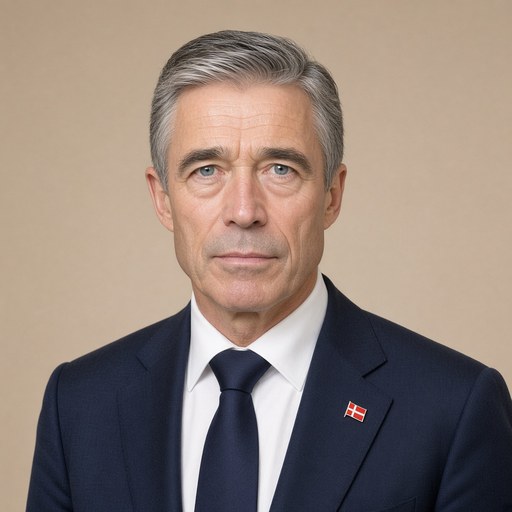
Prime Minister Anders Fogh Rasmussen's statement in the Folketing on February 24, 2005.
 Anders Fogh Rasmussen · Prime Minister of Denmark
- Context
- Rasmussen addressed the Danish Folketing on February 24, 2005, outlining a long-term national strategy for Denmark's competitiveness, welfare, and knowledge economy.
- Main themes
- Welfare society renewal, knowledge society, economic competitiveness, workforce participation, social cohesion, entrepreneurship, education and skills, tax policy, globalization challenges, public finances, elderly care and healthcare, Denmark's future strategy
- Duration
- ~37 min
- Words
- 4,425
- Sentences
- 341
- Readability
- 53
- Grade
- 8.8
- Syntax
- 2.56
- Vocabulary
- 1.98
Translated from Danish
The broad sphere of national life a sentence belongs to. Every sentence has an Arena, so it is the denominator the other indices are read against.
Other341 sentences in 119 paragraphs
It is time to set new goals.
For the world around us is changing. It challenges us. It demands from us.
If we want to continue to be one of the best and richest countries in the world to live in – and we do – we must renew and develop our welfare society.
We want a society with openness and community. Where individuals have greater freedom to shape their own lives and choose the solutions that are right for them. Where we take better care of the weakest. And where we ensure that more people enter the workforce.
A society with care and consideration. Where there is better care for our elderly and better quality in hospitals. Where families with children have the best possible conditions. And where the environment is strengthened.
A society with insight and vision. Where knowledge and ideas are at the center. And where Denmark's role in international cooperation is strengthened.
And a society where there is room for everyone. And a need for everyone.
* * *
The Danish society is strong. Precisely for that reason, we have good opportunities to future-proof Denmark in the coming years. So that in 10-20-30 years, we still have a Denmark where Danes experience continued progress. And where all groups share in the prosperity and welfare.
The Danish economy is fundamentally sound. We have large surpluses in the public budgets. The balance of payments surplus is high. Interest rates are at a record low. Unemployment has fallen by about 14,000 people over the past year. And employment is rising. The government's Spring Package with tax cuts and accelerated investments is working.
The government will keep the economy on track. The goal is that by 2010, we will have 60,000 more people in work. That we continue to have solid surpluses in the public budgets. And that the debt is further reduced. While public spending increases by 0.5 percent per year.
We have had a tax freeze since 2001. And the tax freeze will be maintained in the coming years. It provides security. Security that taxes and duties will not suddenly be raised. Security for citizens. Security for businesses.
And provided that the economic room is created, the government will further lower taxes on earned income. So the foundation is good. And the direction is right.
* * *
But no one – least of all the government – can lean back self-satisfied and let things be. For we are in the midst of a global development where competition is becoming tougher. And where knowledge, education, and adaptability are becoming increasingly crucial for whether we can compete.
We cannot and must not compete on wages. That is not the way forward. Instead, we must compete on knowledge. On ideas. And on the ability to adapt and come up with new solutions. That is what we are good at in Denmark.
And we must become even better at it. So that in the coming years, we also have good, well-paid jobs here in Denmark instead of the jobs that disappear to low-wage countries.
However, we must face the fact that not everyone is equally well-equipped to meet the challenges of the increasingly strong competition. We must therefore be very attentive to ensure that our society does not split into two groups, with an elite that can manage everything, and a residual group that is constantly at high risk of unemployment and social problems.
Therefore, we face a double task.
We must strengthen Denmark as a knowledge society so that we continue to rank among the most prosperous societies in the world. And we must simultaneously ensure that all groups in Danish society are included.
It is important to have more good researchers and engineers. But that is only part of the challenge. The other part is that everyone – both those with long and short education – becomes more skilled, so that all groups keep up with the development of prosperity.
It is a very large task. But I am convinced that we can solve this double task. So we ensure a Danish society with strong competitiveness and strong cohesion. A society where there is not too much social and economic inequality.
I will propose that we all come together around an ambitious strategy that can make Denmark a leading knowledge society. And the world's most competitive society.
The vision is that we will make Denmark a country that brims with ideas, inventions, and development.
We must translate ideas and inventions into new jobs.
We must develop an entrepreneurial culture so that more people have the courage to start their own businesses.
We must make it attractive to work in Denmark, to place businesses and investments in Denmark.
We must ensure that more young people receive a youth education, and that more young people obtain a higher education. And we must ensure a comprehensive offer of further education for everyone in the labor market.
There are four elements in the long-term strategy. First, we must be a leading knowledge society. Second, we must be a leading entrepreneurial society. Third, we must have world-class education. Fourth, we must be the world's most competitive economy.
We must be a leading knowledge society. A country that bubbles with new ideas and inventions. New ideas are the foundation for growth and employment. New ideas are the way forward. Specifically, it is the government's goal that by 2010, we will reach a level of spending more than 3 percent of the value of our total production on research and development.
A blossoming of new thoughts and new solutions requires better education, better universities, and better research centers. We must be ambitious and dare to say that we want world-class universities. This requires that we focus our efforts and increase specialization and professionalism.
We must have strong international research environments where researchers inspire each other to create even better results. We need more researchers. And we must attract the most talented researchers.
We must be a leading entrepreneurial society. There is no point in having good ideas if they do not come to fruition. Therefore, we have the goal that by 2015, Denmark is among the countries in the world where the most growth companies are started.
In all education, we must promote creativity and a desire to create, so that our children and young people are challenged. And so they learn what it means to be entrepreneurs.
We must strengthen the interaction between the public and private sectors. And researchers and universities must be encouraged to seek patents for their good ideas, so that they do not just disappear among the flasks in the laboratory.
It must be easier to start a business, and entrepreneurs must have better access to venture capital.
We must have world-class education. The goal is that students in primary school become among the best in the world in reading, mathematics, and science. That at least 95 percent of young people obtain a youth education by 2015. And that at least 50 percent of a youth cohort obtain a higher education by 2015.
The kindergarten class must be mandatory. And we will use it to give all children a good start in school.
The academic level in schools must be raised. The government will therefore require schools to implement tests in reading, mathematics, English, and science. There have been many claims that this would be control for control's sake. Or that it harms the weakest. Nothing could be further from the truth.
In general, there is reason to dispel the myth that high academic demands harm the weakest.
The opposite is true. High academic demands are most beneficial for the weakest.
Those who find it easy in school – those who have strong support at home from their families – will manage just fine.
Those who find it more difficult academically, those who lack support at home from their families, are precisely the ones who need a helping hand. They need to learn something concrete in school. They need the school to provide instruction at a solid academic level.
Tests are not about sorting students. Tests are about helping students. Tests are a tool to discover in time whether a student needs extra help. If that is the case, parents and the school can work together to solve the problem, so that the student learns what he or she needs to. That’s it. Neither more nor less.
And the government will strengthen teacher education, so that future teachers are ensured a greater professional foundation.
We have the world's most expensive public school system. Now the government sets the goal that we will have the world's best public school system.
The government maintains a guarantee that young people who wish to pursue vocational education can obtain a vocational education. But it must, of course, be an education that leads to a job.
Therefore, there is a need for more real apprenticeships. For they provide the best prospects for stable employment after completing education for the young. Here, employers in particular have a great responsibility to ensure that there are the necessary number of apprenticeships.
And there is a need for new thinking. There must also be an offer for those who are not as strong in academics but have more interest in practical work. Therefore, the government will open the possibility for actual apprenticeship – as a supplement to other vocational education.
And then the government will prevent young people from being able to sit passively and be supported by the public – instead of pursuing an education. Passive support is doing young people a disservice. Therefore, the government proposes that 18-19-year-olds should not be able to receive cash assistance if there are obvious educational opportunities for them.
We must be the world's most competitive society. The goal is for Denmark to be the world's most competitive society by 2015. It is a very ambitious goal. But with our sound economy, flexible labor market, and well-functioning society, we have the foundation in place.
We must become even better at the interplay between education, research, technology, and entrepreneurship. And we must become better at cultivating new partnerships between businesses, research centers, education, the public sector, and the capital market. It is here – in this intersection – that new knowledge arises. New solutions. New products. New jobs.
Overall, these are four very ambitious objectives. But the foundation is solid. The government has the will. And we are taking targeted action. The government will allocate 10 billion kroner by 2010 to future-proof Danish society.
To advise the government – and to achieve a common understanding of the challenge – we will appoint a broadly composed "Globalization Council." The council will include representatives from trade unions, business organizations, and the education and research sectors.
* * *
The government will maintain a firm and fair immigration policy. Our policy over the past three years has worked. This means that we now have the foundation to ensure proper integration.
The goal is to get 25,000 more new Danes into work. It is a big task. No doubt about it. But it is a task that must be solved. And a task that can be solved.
It is about ensuring that new Danes learn the Danish language as quickly as possible. That they receive an education. And a job.
The Danish language skills of immigrants must be improved. This will be done, among other things, through intensified Danish language instruction. And by implementing the government's proposals to improve primary schools and youth education.
More young people with immigrant backgrounds must obtain vocational education. Therefore, vocational education must be made more flexible. And among other things, the government will introduce apprenticeship. With increased emphasis on practical skills. And less emphasis on theory. And we must become better at recognizing and incorporating the qualifications and skills that immigrants bring with them.
With a qualified education, our new Danes will have a much better starting point for obtaining a job.
For successful integration goes through a firm foothold in the labor market.
At the same time, we must face the fact that many new Danes who have been unemployed for a long time cannot obtain a job under normal conditions. This means that we must be willing to think in new and unconventional ways.
If we take integration seriously – and we do – we need to look at different forms of introductory wages, integration wages, wage subsidies, and flexible working conditions. So that immigrants get a chance to gain a foothold in the labor market.
But such arrangements must of course not push out employees who work under normal conditions. And therefore, it is important that this effort is made in understanding with trade unions and employers. The government will discuss this with the parties in the labor market.
As an example, I can mention the new agreement in the state. It allows for the employment of immigrants in a special one-year integration position. A position where one only works 80 percent of the time at the regular starting salary, while the rest of the working time is used for upskilling without pay.
And we should not be afraid to set demands on immigrants. They must learn Danish! They must have an education! They must have a job! For too long, we have, in misguided kindness, left them to fend for themselves – and thereby to a life on the fringes of Danish society. That benefits no one. On the contrary.
But it also means that we in Danish society must be prepared to look critically at ourselves. We must combat prejudices. Break down barriers. And in general give new Danes a chance to show that they have a lot to contribute. This will – in every way – give us all a richer society.
The task can only be solved if everyone works together: The government, the parliament, public and private employers, trade unions, educational institutions.
Unfortunately, there are relatively many young people with immigrant backgrounds among young criminals. The government will maintain a consistent legal policy. This applies especially to young people who commit crimes. And it applies to all young people, regardless of whether they have an immigrant background or a Danish background.
If young people commit crimes, it must have clear and immediate consequences that clearly signal society's disapproval of crime and help prevent recidivism. First-time offenders under 18 must be sentenced for their crimes and begin serving their sentences faster than is currently the case. So that young people understand that their actions have consequences.
And the government will strengthen the rule of law. One of the most fundamental principles in a legal society is freedom of expression. In recent years, we have seen several examples of individuals being subjected to threats and violent attacks simply because they participated in public debate. This is unacceptable. And it is completely wrong. Therefore, the government proposes that crimes committed based on the victim's lawful expressions in public debate should be punishable by harsher penalties.
* * *
The government initiated a continuous reform of the way we think about welfare in Denmark in 2001. Previously, there was too much focus on systems and standard solutions. Now we have instead placed the individual at the center. The individual before the system.
And we will continue to do so. The public sector must provide each citizen with more choices. Not standard solutions. The public sector must deliver services when citizens need them. Not when it suits the system.
The government campaigned on expanding the improvements that have been implemented in the central welfare areas since 2001. Better conditions for the sick. For the elderly. For families with children.
In our hospitals, we must have treatment at the highest international level. And waiting times must be as short as possible. The government will present a new cancer action plan this spring. And over the next few years, we will allocate additional funds to hospitals. For better quality, more treatments, and shorter waiting times. The free choice must be expanded, so that patients from 2007 have the right to choose treatment at a private or foreign hospital if the public hospital cannot provide treatment within one month.
In the area of elderly care, we will continue to challenge rigid rules and ensure the elderly better and more flexible care. Care that focuses on the individual elderly person's wishes and needs. Not on what is good for "the system."
The government will therefore allocate 500 million DKK annually for better and more flexible elderly care. We will introduce a nursing home guarantee, so that all who are assessed for a nursing home will wait no more than two months for a place. And we will expand the choices available to the elderly, so that the free choice of nursing homes includes not only municipal and self-governing homes but also private options.
Since 2001, the government has improved the conditions for families with children by, among other things, providing one year of flexible parental leave, free choice of daycare across municipal borders, and most recently, with the adoption of a nationwide childcare guarantee from the time the child is six months old.
During this electoral term, the government will ease the expenses for families with children regarding childcare. We will increase the family allowance for parents with children under three years old. And we will improve the quality of childcare by allocating increased funds to strengthen efforts for socially disadvantaged children.
The government will continue to prioritize better conditions for the vulnerable groups in our society - the disadvantaged children and youth, the mentally ill, the homeless, the sex workers, and the addicts.
And we must make a concerted offensive effort to break the cycle of negative social inheritance, so that all children - including those growing up under difficult conditions - have a fair opportunity for a good life. The government will develop a new comprehensive program for this important effort.
We will pursue an active and ambitious environmental policy, so that future generations can have at least the same living conditions and experiences of nature as we do today. We must develop Denmark in an environmentally sustainable way.
And finally, we will renew the public sector so that it keeps pace with the times and provides citizens with the most service for their tax money. The government has proposed a municipal reform that will improve the quality and service for the individual citizen. And we will present proposals for a police and judicial reform in the fall.
* * *
Continued growth and welfare in Denmark also depend on a positive development in the world around us. Therefore, we must continue to pursue a very active foreign policy.
This is especially true in European cooperation.
With the expansion of the EU, we are faced with a new united Europe. Only an open, effective, and decisive EU can deliver the results we need. At the same time, the EU must be understandable. Therefore, it is necessary and right to have a new treaty that consolidates and modernizes the foundation for EU cooperation.
The EU cooperation risks simply becoming paralyzed if we do not adjust the rules of the game. We face significant and important challenges that we can only tackle together: A massive investment in research and development as a dynamo for future growth and employment. A more environmentally sustainable development. Healthier and safer food.
And overall, we need a united Europe that can assert itself more strongly in competition and interaction with, among others, the USA and China.
Therefore, the government will recommend a 'Yes' to the new EU treaty in the upcoming referendum. Overall, it is better and more democratic than the treaty we have today. Therefore, it is also satisfying that a very broad majority in the Folketing agrees to recommend a 'Yes' to the treaty based on the broad political agreement on 'Denmark in the expanded EU.' The referendum on the treaty will be the biggest European political challenge in the coming years. The result will be of great significance for Denmark's future. It is a crucial decision, and we need time for a proper and factual debate.
In general, the international situation gives reason for optimism. The Foreign Minister and I have just returned from two very successful summits in Brussels. At both the NATO summit and the EU/USA meeting, President Bush extended a hand for renewed and strengthened cooperation with Europe. And a united Europe agreed that the time has come to put the disagreements over Iraq behind us and look forward. Therefore, the government expects an overall more positive and cooperative international climate.
The first concrete results have already emerged regarding the efforts in Iraq. All 26 member countries are now contributing to NATO's training mission. And the EU has just decided to engage directly and actively in the reconstruction - initially with training of police and building an independent judiciary. At the same time, the successful election to the constitutional assembly has marked the beginning of a new era for the war-torn country.
All of this will, of course, also have implications for the Danish effort. We can begin to consider a shift with greater emphasis on training Iraqi forces and civil reconstruction. However, we must face the fact that the Iraqi authorities are still unable to handle the challenge from terrorists and violent groups on their own. Therefore, we are prepared to maintain a Danish military contribution as long as the Iraqis request it, as long as it is supported by the UN, and as long as we can contribute meaningfully.
The government will present a comprehensive analysis of the situation in Iraq this spring as a basis for a thorough debate in the Folketing about the future Danish effort.
Denmark's membership in the UN Security Council will, in the coming two years, give us a strengthened international role, but also a greater responsibility. We must do everything we can to support the budding hope for lasting peace between Israelis and Palestinians. And as chair of the Security Council's terrorism committee, we will make a special effort to enhance the international community's fight against international terrorism.
In the UN, we will also strengthen our efforts for human rights as part of a new comprehensive initiative to promote freedom, democracy, and human rights globally. The initiative will also include new resources for efforts in countries that continue to struggle with the legacy of decades of oppression in the former Soviet Union. Not least the Ukrainian people, who bravely stood up against electoral fraud and old habits in the power apparatus, deserve an extra hand.
* * *
The government will further develop the good cooperation with the Faroe Islands and Greenland that we have had in recent years. The goal is to ensure the Faroe Islands and Greenland more influence. More responsibility.
The government is thus open to, in cooperation with our Greenlandic and Faroese partners, replacing the existing home rule arrangements with extended self-government in the Faroe Islands and Greenland.
For the Faroe Islands, the government is prepared for the Faroese authorities to take over responsibility for all areas of jurisdiction. For Greenland, we have established a joint self-government commission. Here, we can clarify, in cooperation between Greenland and Denmark, how Greenland can take over additional areas of jurisdiction.
For both the Faroe Islands and Greenland, the takeover of new areas of responsibility must, of course, occur within the framework of the constitution and the realm. And the takeover of new areas of responsibility must go hand in hand with financial responsibility.
* * *
The election on February 8 was a historic election.
The political system shift from November 2001 was confirmed. The voters definitively rejected outdated thinking. The outdated thinking about right and left. The outdated thinking that Danes are divided into classes that fight against each other. The outdated thinking that there are "them" and "us."
That is no longer the case. Voters know that Danish society is no longer an outdated industrial society, but a modern knowledge society. Voters know that we have entered a new millennium. Voters know that the solutions of the past do not hold the answers for the future.
Modern people do not want to be put into boxes and classes and vote based on that. No, the modern voter makes their own independent decision and votes based on their own opinions. And what binds people together in a party and to a party is not profession or education or residence, but rather the community around certain specific opinions.
In November 2001, the VK government began a transformation and renewal of Danish society. A transformation that occurs gradually and hand in hand with security.
This gradual development and renewal will continue in the coming years. Improvement of the healthcare system. Better care for our elderly citizens.
Now we set new goals. The government will lead the way in making Denmark a leading knowledge society. So we have a Denmark where our schools and education become among the very best in the world.
A Denmark with order in the economy and control over the environment. A Denmark with full speed on employment. And a Denmark filled with ideas and a desire to act.
And where we strengthen efforts to get immigrants educated and into work. And a Denmark with a strong international profile.
The population entrusted us with responsibility for another term. It is a responsibility that we take seriously and will do our utmost to live up to.
The VK government continues with the support of the Danish People's Party. Since the election in 2001, we have had a good and stable cooperation with the Danish People's Party. We expect that this good cooperation will continue.
But at the same time, we have had broad cooperation in the Folketing. In fact, about 80 percent of legislation in the last three years has been passed with broad majorities.
There are areas where the opposition would not participate: Immigration policy, tax freeze and tax cuts, and municipal reform. In return, these are reforms where the government and the Danish People's Party have broad support in the population.
Now the voters have spoken. We face new, significant challenges, where it is best that we stand together in Denmark to solve them.
The government will therefore invite all parties in the Folketing to take an active part in the work. So we can solve the tasks that we have been entrusted to solve.
The original Danish. The tags above are read on the English translation's sentences.
Det er tid til at sætte nye mål.
For verden omkring os er i forandring. Det udfordrer os. Det stiller krav til os.
Hvis vi fortsat vil være ét af de bedste og rigeste lande i verden at leve i – og det vil vi - skal vi forny og udvikle vores velfærdssamfund.
Vi vil have et samfund med frisind og fællesskab. Hvor den enkelte har større frihed til at forme sit eget liv og vælge de løsninger, der er rigtige for ham eller hende. Hvor vi tager os bedre af de svageste. Og hvor vi sikrer, at flere kommer i arbejde.
Et samfund med omsorg og omtanke. Hvor der er bedre omsorg for vore ældre og bedre kvalitet på sygehusene. Hvor børnefamilierne har de bedst mulige forhold. Og hvor miljøet styrkes.
Et samfund med indsigt og udsyn. Hvor viden og idéer er omdrejningspunktet. Og hvor Danmarks rolle i det internationale samarbejde forstærkes.
Og et samfund hvor der er plads til alle. Og brug for alle.
* * *
Det danske samfund er stærkt. Netop derfor har vi gode muligheder for i de nærmeste år at fremtidssikre Danmark. Så vi også om 10-20-30 år har et Danmark, hvor danskerne oplever fortsatte fremskridt. Og hvor alle grupper har del i velstanden og velfærden.
Dansk økonomi er kernesund. Vi har store overskud på de offentlige budgetter. Betalingsbalanceoverskuddet er højt. Renten rekordlav. Ledigheden er faldet med ca. 14.000 personer i løbet af det seneste år. Og beskæftigelsen er stigende. Regeringens Forårspakke med skattelettelser og fremrykning af investeringer virker.
Regeringen vil holde økonomien på sporet. Målet er, at vi frem mod 2010 får 60.000 flere i arbejde. At vi fortsætter med at have solide overskud på de offentlige budgetter. Og at gælden bliver nedbragt yderligere. Samtidig med at det offentlige forbrug stiger med 1⁄2 pct. om året.
Vi har haft skattestop siden 2001. Og skattestoppet bliver fastholdt i de kommende år. Det giver tryghed. Tryghed for, at skatter og afgifter ikke lige pludselig bliver skruet i vejret. Tryghed for borgerne. Tryghed for virksomhederne.
Og forudsat at det økonomiske råderum er tilvejebragt, vil regeringen sænke skatten på arbejdsindkomst yderligere. Så grundlaget er godt. Og retningen rigtig.
* * *
Men ingen – og mindst af alle regeringen – kan læne sig selvtilfreds tilbage og lade stå til. For vi står midt i en global udvikling, hvor konkurrencen bliver hårdere. Og hvor viden, uddannelse og omstillingsevne bliver stadig mere afgørende for, om vi kan klare os i konkurrencen.
Vi kan og skal ikke konkurrere på lønnen. Det er ikke vejen frem. I stedet skal vi konkurrere på viden. På idéer. Og på evnen til at omstille os og finde på nye løsninger. Det er vi gode til i Danmark.
Og vi skal blive endnu bedre til det. Så vi også i de kommende år får gode, vellønnede job her i Danmark i stedet for de job, der forsvinder til lavlønslande.
Vi må imidlertid se i øjnene, at ikke alle er lige godt rustet til at møde udfordringerne fra den stadig stærkere konkurrence. Vi skal derfor være meget opmærksomme på, at vort samfund ikke bliver splittet op i to grupper med en elite, der kan klare det hele, og en restgruppe, der hele tiden er udsat for stor ledighedsrisiko og sociale problemer.
Derfor står vi over for en dobbelt opgave.
Vi skal styrke Danmark som et vidensamfund, så vi fortsat kan høre til blandt de mest velstående samfund i verden. Og vi skal samtidig sikre, at alle grupper i det danske samfund kommer med.
Det er vigtigt med flere gode forskere og ingeniører. Men det er kun en del af udfordringen. Den anden del er, at alle – langt som kortuddannede – bliver dygtigere, så alle grupper følger med i velstandsudviklingen.
Det er en meget stor opgave. Men jeg er overbevist om, at vi kan løse denne dobbelte opgave. Så vi sikrer et dansk samfund med en stærk konkurrenceevne og med en stærk sammenhængskraft. Et samfund, hvor der ikke er for stor social og økonomisk ulighed.
Jeg vil lægge op til, at vi alle samles om en ambitiøs strategi, der kan gøre Danmark til et førende vidensamfund. Og til verdens mest konkurrencedygtige samfund.
Visionen er, at vi skal gøre Danmark til et land, der sprudler med idéer, opfindelser og udvikling.
Vi skal omsætte idéer og opfindelser til nye arbejdspladser.
Vi skal udvikle en iværksætterkultur, så flere får mod på at starte egen virksomhed.
Vi skal gøre det attraktivt at arbejde i Danmark, at placere virksomheder og investeringer i Danmark.
Vi skal sikre, at flere unge får en ungdomsuddannelse, og at flere unge får en videregående uddannelse. Og vi skal sikre et omfattende tilbud af efteruddannelse til alle på arbejdsmarkedet.
Der er fire elementer i den langsigtede strategi. For det første skal vi være et førende vidensamfund. For det andet skal vi være et førende iværksættersamfund. For det tredje skal vi have uddannelser i verdensklasse. For det fjerde skal vi være verdens mest konkurrencedygtige økonomi.
Vi skal være et førende vidensamfund. Et land, der bobler af nye idéer og opfindelser. Nye idéer er grundlaget for vækst og beskæftigelse. Nye idéer er vejen frem. Helt konkret er det regeringens mål, at vi i 2010 når op på at bruge mere end 3 pct. af værdien af vores samlede produktion på forskning og udvikling.
En opblomstring af nye tanker og nye løsninger fordrer bedre uddannelser, bedre universiteter og bedre forskningscentre. Vi skal være ambitiøse og turde sige, at vi vil have universiteter i verdensklasse. Det kræver, at vi fokuserer indsatsen og øger specialiseringen og fagligheden.
Vi skal have stærke internationale forskningsmiljøer, hvor forskerne inspirerer hinanden til at skabe endnu bedre resultater. Vi skal have flere forskere. Og vi skal tiltrække de dygtigste forskere.
Vi skal være et førende iværksættersamfund. Der er ikke noget ved at få gode idéer, hvis de ikke bliver til noget. Vi har derfor det mål, at Danmark i 2015 er blandt de samfund i verden, hvor der bliver nystartet flest vækstvirksomheder.
I alle uddannelser skal vi fremme kreativitet og virkelyst, så vore børn og unge bliver udfordret. Og så de lærer, hvad det vil sige at være iværksættere.
Vi skal styrke samspillet mellem det offentlige og den private sektor. Og forskere og universiteter skal opmuntres til at søge patenter på deres gode idéer, så de ikke blot forsvinder blandt kolberne i laboratoriet.
Det skal være nemmere at starte virksomhed, og iværksætterne skal have bedre adgang til risikovillig kapital.
Vi skal have uddannelser i verdensklasse. Målet er, at eleverne i folkeskolen bliver blandt verdens bedste til læsning, matematik og naturfag. At mindst 95 pct. af de unge får en ungdomsuddannelse i 2015. Og at mindst 50 pct. af en ungdomsårgang får en videregående uddannelse i 2015.
Børnehaveklassen skal være obligatorisk. Og det skal vi bruge til at give alle børn en god start i skolen.
Det faglige niveau i skolen skal hæves. Regeringen vil derfor give skolerne pligt til at indføre test i læsning, matematik, engelsk og naturfag. Der har været mange påstande fremme om, at det skulle være kontrol for kontrollens egen skyld. Eller at det går ud over de svageste. Intet kunne være mere forkert.
I det hele taget er der grund til at gøre op med myten om, at høje faglige krav går ud over de svageste.
Det forholder sig helt omvendt. Høje faglige krav er til størst fordel for de svageste.
De, der har nemt ved det i skolen - de, der har en stærk opbakning hjemme fra familien, de skal nok klare sig.
De, der har sværere ved det faglige, de der savner opbakningen hjemme fra familien, de har netop brug for den hjælpende hånd. De har brug for at lære noget kontant i skolen. De har brug for, at skolen giver undervisning på et solidt fagligt niveau.
Test går ikke ud på at sortere elever. Test går ud på at hjælpe elever. Test er et værktøj til at opdage i tide, om en elev har brug for ekstra hjælp. Hvis det er tilfældet, kan forældre og skole i samarbejde få løst problemet, så eleven får lært det, som han eller hun skal. Sådan. Hverken mere eller mindre er der i det.
Og regeringen vil styrke læreruddannelsen, så fremtidens lærere sikres en større faglig ballast.
Vi har verdens dyreste folkeskole. Nu sætter regeringen det mål, at vi får verdens bedste folkeskole.
Regeringen fastholder en garanti for, at de unge, som ønsker en erhvervsuddannelse, kan få en erhvervsuddannelse. Men det skal vel at mærke være en uddannelse, der fører til job.
Derfor er der behov for flere rigtige praktikpladser. For det er dem, der giver den bedste udsigt til fast arbejde efter endt uddannelse for den unge. Her har ikke mindst arbejdsgiverne et stort ansvar for at sørge for, at der er det nødvendige antal praktikpladser.
Og der er behov for nytænkning. Der skal også være et tilbud til dem, der ikke er så stærke til det boglige, men har mere lyst til det praktiske arbejde. Derfor vil regeringen åbne mulighed for egentlig mesterlære – som et supplement til de øvrige erhvervsuddannelser.
Og så vil regeringen forhindre, at unge mennesker kan sætte sig passivt ned og blive forsørget af det offentlige – i stedet for at tage en uddannelse. Passiv forsørgelse er at gøre de unge en bjørnetjeneste. Regeringen foreslår derfor, at de 18-19-årige ikke skal kunne få kontanthjælp, hvis der er oplagte uddannelsesmuligheder for dem.
Vi skal være verdens mest konkurrencedygtige samfund. Målet er, at Danmark er verdens mest konkurrencedygtige samfund i 2015. Det er et meget ambitiøst mål. Men med vores sunde økonomi, fleksible arbejdsmarked og velfungerende samfund har vi fundamentet på plads.
Vi skal blive endnu bedre til samspillet mellem uddannelse, forskning, teknologi og iværksætteri. Og vi skal blive bedre til at opdyrke nye partnerskaber mellem virksomheder, forskningscentre, uddannelser, det offentlige og kapitalmarkedet. Det er her – i dette krydsfelt - der opstår ny viden. Nye løsninger. Nye produkter. Nye arbejdspladser.
Alt i alt er det fire meget ambitiøse målsætninger. Men grundlaget er i orden. Regeringen har viljen. Og vi sætter målrettet ind. Regeringen vil frem til 2010 afsætte 10 mia. kr. til at fremtidssikre det danske samfund.
Til at rådgive regeringen – og for at opnå en fælles forståelse af udfordringen – vil vi udpege et bredt sammensat ”Globaliseringsråd”. Rådet vil blandt andet bestå af repræsentanter fra fagforeninger, erhvervslivets organisationer og fra uddannelses- og forskningsverdenen.
* * *
Regeringen vil fastholde en fast og fair udlændingepolitik. Vores politik gennem de seneste godt tre år har virket. Det gør, at vi nu har grundlaget for at sikre en ordentlig integration.
Målet er at få 25.000 flere nye danskere i arbejde. Det er en stor opgave. Ingen tvivl om det. Men det er en opgave, der skal løses. Og en opgave, der kan løses.
Det gælder om, at de nye danskere hurtigst muligt lærer det danske sprog. At de får en uddannelse. Og et arbejde.
Indvandrernes danskkundskaber skal forbedres. Det skal blandt andet ske ved en intensiveret danskundervisning. Og ved at gennemføre regeringens forslag til at forbedre folkeskolen og ungdomsuddannelserne.
Flere unge med indvandrerbaggrund skal have en erhvervsuddannelse. Derfor skal erhvervsuddannelserne gøres mere fleksible. Og blandt andet derfor vil regeringen indføre mesterlære. Med øget vægt på praktisk kunnen. Og mindre vægt på teori. Og vi skal blive bedre til at anerkende og inddrage de kvalifikationer og færdigheder, som indvandrerne kommer med.
Med en kvalificeret uddannelse vil vore nye danskere have et langt bedre udgangspunkt for at få et arbejde.
For vellykket integration går via et fast fodfæste på arbejdsmarkedet.
Samtidig må vi se i øjnene, at mange nye danskere, der har været uden arbejde i længere tid, ikke kan få et arbejde på normale vilkår. Det indebærer, at vi skal være villige til at tænke nyt og utraditionelt.
Hvis vi mener integration alvorligt – og det gør vi – er vi nødt til at se på forskellige former for introduktionsløn, indslusningsløn, løntilskud og fleksible arbejdsvilkår. Så indvandrerne får en chance for at få fodfæste på arbejdsmarkedet.
Men sådanne ordninger må naturligvis ikke skubbe medarbejdere ud, der arbejder på normale vilkår. Og derfor er det vigtigt, at denne indsats sker i forståelse med fagforeningerne og arbejdsgiverne. Det vil regeringen drøfte med arbejdsmarkedets parter.
Som et eksempel kan jeg nævne den nye overenskomst i staten. Den giver mulighed for at ansætte indvandrere i en særlig 1-årig integrationsstilling. En stilling, hvor man kun arbejder 80 pct. af tiden til almindelig startløn, mens resten af arbejdstiden bliver brugt til opkvalificering uden løn.
Og så skal vi ikke være bange for at stille krav til indvandrere. De skal lære dansk! De skal have en uddannelse! De skal have et arbejde! Alt for længe har vi i misforstået godhed overladt dem til sig selv – og derved til et liv i udkanten af det danske samfund. Det gavner ingen. Tværtimod.
Men det betyder også, at vi i det danske samfund skal være indstillet på at se kritisk på os selv. Vi skal bekæmpe fordomme. Bryde barrierer ned. Og i det hele taget give nye danskere en chance for at vise, at de har en masse at bidrage med. Det vil – på alle måder – give os alle et rigere samfund.
Opgaven kan kun løses, hvis alle arbejder sammen: Regeringen, folketinget, de offentlige og private arbejdsgivere, fagforeningerne, uddannelsesinstitutionerne.
Desværre er der forholdsvis mange unge med indvandrerbaggrund blandt de unge kriminelle. Regeringen vil fastholde den konsekvente retspolitik. Det gælder ikke mindst over for unge, der begår kriminalitet. Og det gælder naturligvis alle unge, uanset om de har indvandrerbaggrund eller en dansk baggrund.
Hvis unge begår kriminalitet, skal det have klare og umiddelbare følger, der klart signalerer samfundets afstandtagen fra kriminalitet, og som medvirker til at hindre gentagelser. Førstegangskriminelle under 18 år skal have dom for deres kriminalitet og begynde afsoning hurtigere, end det sker i dag. Så de unge forstår, at deres handlinger får konsekvenser.
Og så vil regeringen styrke retssikkerheden. Et af de mest grundlæggende principper i et retssamfund er ytringsfriheden. Vi har i de senere år set flere eksempler på, at personer er blevet udsat for trusler og voldelige overgreb bare fordi, de har deltaget i den offentlige debat. Det er uacceptabelt. Og det er helt galt. Derfor foreslår regeringen, at forbrydelser begået med baggrund i offerets lovlige ytringer i den offentlige debat skal kunne straffes hårdere.
* * *
Regeringen indledte i 2001 en løbende reform af den måde, som vi tænker velfærd på i Danmark. Tidligere blev der i for høj grad tænkt i systemer og standardløsninger. Nu har vi i stedet sat mennesket i centrum. Mennesket før systemet.
Og det vil vi blive ved med. Det offentlige skal give den enkelte borger flere valgmuligheder. Ikke standardløsninger. Det offentlige skal yde servicen, når borgerne har brug for den. Ikke når det passer systemet.
Regeringen gik til valg på at udbygge de forbedringer, som siden 2001 er gennemført på de centrale velfærdsområder. Bedre forhold for de syge. For de ældre. For børnefamilierne.
På vore sygehuse skal vi have behandling på højeste internationale niveau. Og ventetiderne skal være de kortest mulige. Regeringen vil i løbet af dette forår fremlægge en ny kræfthandlingsplan. Og vi vil i løbet af de næste år tilføre yderligere midler til sygehusene. Til bedre kvalitet, flere behandlinger og kortere ventetid. Det frie valg skal udbygges, så patienter fra 2007 får ret til at vælge en behandling på et privat eller et udenlandsk sygehus, hvis det offentlige sygehus ikke kan klare behandlingen inden for 1 måned.
På ældreområdet vil vi fortsætte opgøret med stive regler og sikre de ældre en bedre og mere fleksibel ældreomsorg. En ældreomsorg med fokus på den enkelte ældres ønsker og behov. Ikke på, hvad der er godt for ”systemet”.
Regeringen vil derfor afsætte 500 mio. kr. årligt til en bedre og mere fleksibel ældreomsorg. Vi vil indføre en plejehjemsgaranti, så alle, der er visiteret til plejehjem, højest skal vente to måneder på at få en plads. Og vi vil udbygge de ældres valgmuligheder, så det frie valg af plejehjem ikke kun omfatter kommunale og selvejende hjem, men også private tilbud.
Regeringen har siden 2001 forbedret børnefamiliernes vilkår ved blandt andet ét års fleksibel barselsorlov, frit valg af daginstitution på tværs af kommunegrænser og senest med vedtagelsen af en landsdækkende pasningsgaranti fra barnet er et halvt år.
I løbet af denne valgperiode vil regeringen lette børnefamiliernes udgifter til børnepasning. Vi vil hæve børnefamilieydelsen for forældre med børn under 3 år. Og vi vil forbedre kvaliteten i børnepasningen ved at tilføre øgede midler til blandt andet at styrke indsatsen over for socialt udsatte børn.
Regeringen vil fortsat prioritere bedre vilkår for de svage grupper i vort samfund - de udsatte børn og unge, sindslidende, hjemløse, prostituerede og misbrugere.
Og vi skal gøre en samlet offensiv indsats for at få knækket den negative sociale arv, så alle børn – også børn, som vokser op under vanskelige vilkår – får en fair mulighed for et godt liv. Regeringen vil udarbejde et nyt samlet program for denne vigtige indsats.
Vi vil føre en aktiv og ambitiøs miljøpolitik, så de kommende generationer kan få mindst samme livsgrundlag og naturoplevelser, som vi har i dag. Vi skal udvikle Danmark på en miljømæssig bæredygtig måde.
Og endelig vil vi forny den offentlige sektor, så den følger med tiden og giver borgerne mest mulig service for skattekronerne. Regeringen har fremsat forslag til en kommunalreform, som vil forbedre kvaliteten og servicen for den enkelte borger. Og vi vil til efteråret fremsætte forslag til en politi- og en retskredsreform.
* * *
Fortsat vækst og velfærd i Danmark afhænger også af en positiv udvikling i verden omkring os. Derfor skal vi fortsætte med at føre en meget aktiv udenrigspolitik.
Det gælder ikke mindst i det europæisk samarbejde.
Med udvidelsen af EU står vi med et nyt samlet Europa. Kun et åbent, effektivt og beslutningsdygtigt EU kan levere de resultater, vi har brug for. Samtidig skal EU være til at forstå. Derfor er det nødvendigt og rigtigt med en ny traktat, som samler og moderniserer grundlaget for EU-samarbejdet.
EU-samarbejdet risikerer ganske enkelt at blive handlingslammet, hvis ikke vi justerer spillereglerne. Vi står over for store og vigtige udfordringer, som vi kun kan klare i fællesskab: En kæmpe satsning på forskning og udvikling, som dynamo for fremtidens vækst og beskæftigelse. En mere miljømæssigt bæredygtig udvikling. Sundere og sikrere fødevarer.
Og helt overordnet har vi brug for et samlet Europa, der kan gøre sig stærkere gældende i konkurrencen og samspillet med bl.a. USA og Kina.
Derfor vil regeringen anbefale et 'Ja' til den nye EU-traktat ved den kommende folkeafstemning. Samlet set er den bedre og mere demokratisk end den traktat, vi har i dag. Derfor er det også tilfredsstillende, at et meget bredt flertal i Folketinget er enige om at anbefale et 'Ja' til traktaten på grundlag af den brede politiske aftale om 'Danmark i det udvidede EU'. Folkeafstemningen om traktaten bliver den største europapolitiske udfordring i de kommende år. Resultatet vil være af stor betydning for Danmarks fremtid. Det er en afgørende beslutning, hvor vi skal have tid til en ordentlig og saglig debat.
Generelt giver den internationale situation grund til optimisme. Udenrigsministeren og jeg er netop vendt tilbage fra to meget vellykkede topmøder i Bruxelles. Både på NATO-topmødet og EU/USA-mødet rakte præsident Bush hånden ud til et fornyet og forstærket samarbejde med Europa. Og et enigt Europa tilsluttede sig, at tiden er kommet til at lægge uenighederne om Irak bag os og se fremad. Regeringen forventer derfor helt overordnet et mere positivt og samarbejdsorienteret internationalt klima.
De første konkrete resultater har allerede vist sig i forhold til indsatsen i Irak. Her bidrager samtlige 26 medlemslande nu til NATO’s træningsmission. Og EU har netop besluttet at engagere sig direkte og aktivt i genopbygningen - i første omgang med træning af politi og opbygning af et uafhængigt retsvæsen. Samtidig har det vellykkede valg til den forfatningsgivende forsamling markeret starten på en ny epoke for det hårdt plagede land.
Alt dette vil selvfølgelig også få betydning for den danske indsats. Vi kan begynde at overveje en ændring med større vægt på træning af irakiske styrker og civil genopbygning. Vi må dog se i øjnene, at de irakiske myndigheder endnu ikke kan klare udfordringen fra terrorister og voldelige grupper alene. Derfor er vi indstillet på at fastholde et dansk militært bidrag, så længe irakerne beder om det, så længe det bliver bakket op af FN, og så længe vi kan bidrage meningsfyldt.
Regeringen vil i løbet af foråret fremlægge en samlet analyse af situationen i Irak som grundlag for en grundig debat i Folketinget om den fremtidige dansk indsats.
Danmarks medlemskab af FN’s Sikkerhedsråd vil i de kommende to år give os en styrket international rolle, men også et større ansvar. Vi skal gøre alt, hvad vi kan for at støtte det gryende håb om en varig fred mellem israelere og palæstinensere. Og som formand for Sikkerhedsrådets terrorkomité vil vi gøre en særlig indsats for at effektivisere verdenssamfundets kamp mod den internationale terrorisme.
I FN vil vi også opruste vores indsats for menneskerettighederne som led i et nyt samlet initiativ, der skal fremme frihed, demokrati og menneskerettigheder på globalt plan. Initiativet vil bl.a. også omfatte nye midler til indsatsen i de lande, som fortsat kæmper med arven fra årtiers undertrykkelse i den gamle Sovjetunion. Ikke mindst den ukrainske befolkning, som modigt gjorde op med valgsvindel og gamle uvaner i magtapparatet, fortjener en ekstra hånd.
* * *
Regeringen vil videreudvikle det gode samarbejde med Færøerne og Grønland, som vi har haft de seneste år. Målet er at sikre Færøerne og Grønland mere indflydelse. Mere ansvar.
Regeringen er således åben over for i samarbejde med vore grønlandske og færøske partnere at erstatte de eksisterende hjemmestyreordninger med udvidet selvstyre på Færøerne og i Grønland.
For Færøerne er regeringen indstillet på, at de færøske myndigheder kan overtage ansvaret for samtlige sagsområder. For Grønland har vi nedsat den fælles selvstyrekommission. Her kan vi i samarbejde mellem Grønland og Danmark få afklaret, hvorledes Grønland kan overtage yderligere sagsområder.
For både Færøerne og Grønland gælder, at overtagelse af nye ansvarsområder naturligvis skal ske inden for grundlovens og rigsfællesskabets rammer. Og at overtagelse af nye ansvarsområder skal gå hånd i hånd med det økonomiske ansvar.
* * *
Valget den 8. februar blev et historisk valg.
Det politiske systemskifte fra november 2001 blev bekræftet. Vælgerne gjorde endegyldigt op med den gammeldags tænkning. Den gammeldags tænkning om højre og venstre. Den gammeldags tænkning om, at danskerne er inddelt i klasser, der kæmper mod hinanden. Den gammeldags tænkning om, at der er ”dem” og ”os”.
Sådan er det ikke længere. Vælgerne ved, at det danske samfund ikke længere er et gammeldags industrisamfund, men et moderne vidensamfund. Vælgerne ved, at vi er gået ind i et nyt årtusinde. Vælgerne ved, at fortidens løsninger ikke rummer fremtidens svar.
Moderne mennesker ønsker ikke at blive puttet i kasser og klasser og afgive stemme ud fra det. Nej, den moderne vælger træffer sin egen selvstændige beslutning og stemmer ud fra sine egne holdninger. Og det, der binder mennesker sammen i et parti og til et parti er ikke erhverv eller uddannelse eller bopæl, men derimod fællesskabet om nogle bestemte holdninger.
I november 2001 tog VK-regeringen fat på en forandring og fornyelse af det danske samfund. En forandring, der sker gradvis og hånd i hånd med tryghed.
Denne gradvise udvikling og fornyelse vil vi fortsætte i de kommende år. Forbedring af sundhedsvæsenet. Bedre omsorg for vore ældre medborgere.
Nu sætter vi nye mål. Regeringen vil sætte sig i spidsen for at gøre Danmark til et førende vidensamfund. Så vi får et Danmark, hvor vores skoler og uddannelser bliver blandt de allerbedste i verden.
Et Danmark med orden i økonomien og styr på miljøet. Et Danmark med fuld fart på beskæftigelsen. Og et Danmark fyldt af idéer og virkelyst.
Og hvor vi styrker arbejdet med at få indvandrere uddannet og i arbejde. Og et Danmark med en stærk international profil.
Befolkningen betroede os ansvaret i endnu en periode. Det er et ansvar, som vi tager alvorligt og vil gøre vort yderste for at leve op til.
VK-regeringen fortsætter i kraft af støtte fra Dansk Folkeparti. Siden valget i 2001 har vi haft et godt og stabilt samarbejde med Dansk Folkeparti. Vi forventer, at det gode samarbejde fortsætter.
Men samtidig har vi haft et bredt samarbejde i Folketinget. Faktisk er omkring 80 pct. af lovgivningen i de sidste tre år gennemført med brede flertal.
Der er områder, hvor oppositionen ikke ville deltage: Udlændingepolitikken, skattestop og skattelettelser og kommunalreformen. Til gengæld er det reformer, hvor regeringen og Dansk Folkeparti har bred opbakning i befolkningen.
Nu har vælgerne talt. Vi står over for nye, store udfordringer, hvor det er bedst, at vi står sammen i Danmark for at løse dem.
Regeringen vil derfor indbyde alle Folketingets partier til at tage aktivt del i arbejdet. Så vi får løst de opgaver, som vi er blevet betroet at løse.