




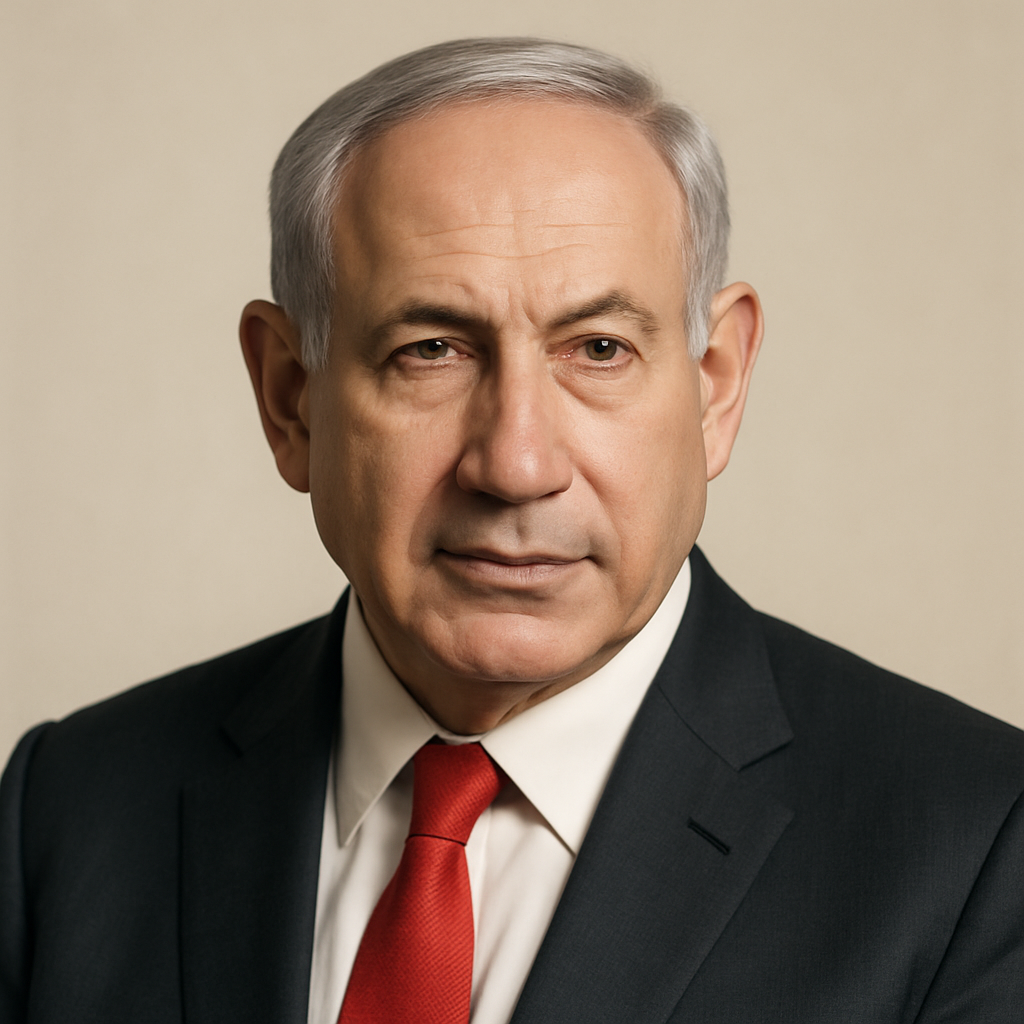
Prime Minister Netanyahu's speech at the official opening ceremony for the commemoration of the Holocaust and heroism held at Yad Vashem Museum in Jerusalem.
 Benjamin Netanyahu · Prime Minister of Israel
- Context
- Netanyahu addressed the official Holocaust Remembrance Day opening ceremony at Yad Vashem in Jerusalem on May 1, 2019.
- Main themes
- Holocaust remembrance, antisemitism, Iranian nuclear threat, Israel's rise as a global power, Jewish survival and revival, Zionism, self-defense and deterrence, far-right and far-left hatred, radical Islam, Warsaw Ghetto, Holocaust memorials, State of Israel's achievements
- Duration
- ~7 min
- Words
- 832
- Sentences
- 35
- Readability
- 48
- Grade
- 12.4
- Syntax
- 3.00
- Vocabulary
- 2.35
Translated from Arabic
The broad sphere of national life a sentence belongs to. Every sentence has an Arena, so it is the denominator the other indices are read against.
Other35 sentences in 8 paragraphs
The horrific events on the banks of the river stand as a silent witness to the atrocities, and in the city of Thessaloniki, where almost all of its Jewish population perished, we unveiled the plaque indicating the establishment of the Holocaust Museum.
In Ponar, near Vilnius, we honored the memory of the thousands of Lithuanian Jews who were killed by fire and thrown into mass graves. In Paris, we were present with some survivors at a poignant ceremony held at the train station from which Jews were deported to extermination camps 75 years ago. In Warsaw, two months ago, we laid a wreath at the memorial commemorating the fighters of the Warsaw Ghetto and the victims of the Nazi Holocaust. The blood of our brothers and sisters cries out from the ground in all those places; I stood there with my head bowed but my stature raised, feeling deep pain from that terrible tragedy that befell us, yet at the same time feeling immense pride in representing our people who rose from the dust in our independent state.
Israel enjoys unprecedented appreciation these days, and let me add without exaggeration that it also enjoys unprecedented admiration in those very countries that soaked their lands with the blood of our brothers and sisters, where we were, in a sense of exile, mere human dust, having left our miserable weakness to our fate. Yet on our homeland, the greatness we have created makes us an emerging global power. Countless countries seek kinship with us. Thus, I am amazed anew every time by the miracle of revival whenever I stand here beside the chasm of the destroyed communities.
However, the story does not end with revival. While we take pride in the achievements we have made, we do not ignore the dangers that lurk around us. The two matters do not contradict each other. Even the greatest superpowers are aware of the threats they face and prepare to confront them. The issue here is not artificial intimidation; awareness of danger is a condition of life.
We live the paradox these days, where admiration for the State of the Jews around the world is accompanied by a rise in hatred towards Jews among certain circles, namely the far-right, the far-left, and radical Islam, which share only one thing: hatred towards Jews. This hatred manifests itself in the horrific attacks on worshippers in synagogues, like what happened just a few days ago in San Diego and before that in Pittsburgh, as well as through the desecration of Jewish cemeteries and the dissemination of cartoons and articles filled with hatred towards Jews and Israel, even in newspapers considered to be impartial. There is no discussion of legitimate criticism of Israel; I would not have addressed this point if things were like that, but rather about systematic, venomous, and false hatred that relentlessly seeks to undermine the legitimacy of the only Jewish nation-state. It is an unbearable hypocrisy that must not be tolerated.
Alongside the danger of anti-Semitism in the West, a greater danger comes from the East. Iran issues threats to destroy us day and night. We do not ignore those threats, but they do not deter us. Despite those years when we stood alone before the whole world against the extremely dangerous nuclear agreement with Iran, our determination has borne fruit. We highly appreciate the firm stance taken by President Trump in withdrawing from the nuclear agreement and imposing stringent sanctions on Iran, and then declaring just a few days ago that the Revolutionary Guard is a terrorist organization. Our policy towards Iran is clear: on the military front, we firmly thwart Iranian attempts to establish a military presence near our borders. On the diplomatic front, we apply pressure, then pressure, then pressure. In the face of threats to destroy us, Israel will not offer its neck for slaughter. Unlike during the Holocaust, today we are capable and determined to defend ourselves with our own strength. The Israel Defense Forces are strong and considered one of the strongest armies in the world, capable of defeating our enemies.
Also, unlike during the Holocaust, we are forging alliances against the tyrannical regime that threatens us, threatens many countries in our region, and threatens international shipping lanes and the safety of the entire world. And I say to those who wish to kill us: we have returned to the stage of history and to its forefront. We have triumphed over our enemies before, and with God's permission, we will triumph over you as well.
Dear attendees, today more than ever, the words of my father, Professor Benzion Netanyahu, may he rest in peace, resonate within me, words he uttered nine years ago here in Jerusalem on the occasion of his 100th birthday. My father witnessed both world wars and dedicated much to Zionism. He took on the profession of historian and was well aware of the thousands of years of our existence. He said, based on his long life experience:
The original Arabic. The tags above are read on the English translation's sentences.
المروع على ضفاف النهر والذي يشكل شاهدًا صامتًا على الفظائع وفي مدينة سلانيك التي هلك جميع سكانها اليهود تقريبًا حيث أزحنا الستار عن اللافتة التي أفادت بإقامة متحف الهولوكوست.
وفي بونار المجاورة لمدينة فيلنيوس أكرمنا ذكرى الآلاف من يهود ليتوانيا الذين تم قتلهم بالنيران تم إلقاؤهم في حفر الموت. وفي باريس كنا نتواجد مع بعض الناجين في مراسم مؤثرة أقيمت في محطة القطار التي ألقي اليهود منها وأرسِلوا إلى معسكرات الإبادة قبل ذلك بـ 75 عامًا. وفي وارسو وضعنا قبل شهرين إكليلاً في النصب التذكاري لإحياء ذكرى مقاتلي غيتو وارسو والهالكين إبان المحرقة النازية. إن دماء إخوتنا وأخواتنا تزعق من الأرض في كل تلك الأماكن فقد وقفت هناك برأس مطأطئ ولكن مرفوع القامة إذ كنت أشعر بألم شديد بسبب تلك المأساة الفظيعة التي انتابتنا ولكن في الآن ذاته كنت أشعر بفخر عظيم لكوني أمثل شعبنا الذي نهض من الغبار في دولتنا المستقلة.
إن إسرائيل تحظى هذه الأيام بتقدير غير مسبوق، ودعوني أضيف على ذلك دون مبالغة أنها تحظى كذلك بإعجاب غير مسبوق في تلك الدول بالذات التي شبعت أراضيها بدماء إخوتنا وأخواتنا، والتي كنا فيها بمعنى المنفى عبارة عن غبار بشري، إذ تركنا ضعفنا المزري لمصيرنا. أما على أرض الوطن فتجعلنا العظمة التي أنشأناها قوة عالمية صاعدة. إن عددًا لا يحصى من الدول تلتمس القرابة منها. لذا تدهشني كل مرة من جديد معجزة النهضة كلما أقف هنا بجانب غور المجتمعات الهالكة.
ومع ذلك، إن الأمر لا ينتهي أبدًا عند النهضة. فمع أننا نفتخر بالإنجازات التي حققناها إلا أننا لا نتجاهل تلك المخاطر التي تتربص بنا. والأمران لا يتناقضان مع بعضهما البعض. فحتى أكبر الدول العظمى تعي المخاطر التي تهددها فتستعد للتصدي لها. إن المسألة هنا ليست التخويف المصطنع فالوعي بالخطر يشكل شرطًا من شروط الحياة.
إننا نعيش المفارقة هذه الأيام، بحيث يكون الإعجاب بدولة اليهود حول العالم مصحوبًا بتزايد الكراهية تجاه اليهود لدى بعض الأوساط وهي اليمين المتطرف واليسار المتطرف والإسلام المتطرف التي لا تجمع إلى على شيء وحيد ألا هو الكراهية تجاه اليهود. وتتمثل تلك الكراهية بالهجمات البشعة على المصلين في الكنس على غرار ما حدث قبل أيام معدودة في سان دييغو وقبل ذلك في بيتسبرغ ومن خلال انتهاك حرمة المقابر اليهودية ونشر الكاريكاتيرات والمقالات المشحونة بالكراهية تجاه اليهود وإسرائيل حتى في الصحف التي تُعتبر نزيهة. ولا يتم الحديث عن الانتقاد المشروع لإسرائيل فلم أكن لأتطرق إلى هذه النقطة لو كانت الأمور على هذا الشكل، وإنما عن بغض ممنهج ولادغ وكاذب يسعى دون هوادة للطعن في شرعية دولة القوم اليهودي الوحيدة والخاصة به فقط. إنه بمثابة النفاق الذي لا يطاق والذي لا يجوز التسامح معه.
وينضم إلى الخطر المتمثل بكراهية اليهود في الغرب خطر أكبر يأتي من الشرق. إيران تطلق ليلاً ونهارًا تهديدات بتدميرنا. لا نتجاهل تلك التهديدات ولكنها لا تردعنا. وعلى رغم تلك السنوات حيث كنا نتصدى لوحدنا وأمام العالم كله للاتفاقية النووية بالغة الخطورة مع إيران، إلا أن إصرارنا قد أتى بثماره. إننا نقدر عاليًا الموقف الحازم الذي اتخذه الرئيس ترامب بانسحابه من الاتفاقية النووية وفرض العقوبات المشددة على إيران ثم إعلانه قبل أيام عدة عن الحرس الثوري منظمة إرهابية. إن سياستنا واضحة حيال إيران: على الصعيد العسكري، نصد بحزم المحاولات الإيرانية للتموضع عسكريًا قرب حدودنا. وعلى الصعيد الدبلوماسي، نمارس الضغط ثم الضغط ثم الضغط. وإزاء التهديدات بتدميرها، إسرائيل لن تقدم رقبتها للذبح. فخلافًا لما كان الأمر عليه إبان المحرقة، اليوم نحن قادرون ومصممون على الدفاع عن أنفسنا بقوانا الذاتية. جيش الدفاع قوي ويُعتبر من أقوى الجيوش في العالم وهو قادر على قهر أعدائنا.
وأيضًا، خلافًا لما كان الأمر عليه إبان المحرقة، نبلور تحالفات ضد النظام الطغياني الذي يهددنا نحن ويهدد دولاً كثيرة في منطقتنا ويهدد ممرات الملاحة الدولية وسلامة العالم بأسره. وأقول لأولئك الذين يريدون أن يقتلونا: عدنا إلى مسرح التاريخ وإلى مقدمته. إنتصرنا على أعدائنا سابقًا وبإذن الله سننتصر عليكم أيضًا.
أيها الحاضرين الكرام، اليوم أكثر من أي وقت مضى تدوي فيّ كلمات والدي البروفيسور بنتسيون نتنياهو رحمه الله التي رددها قبل تسع سنوات هنا في أورشليم بمناسبة عيد ميلاده الـ 100. إن والدي قد شهد الحربين العالميتين وقد بذل الكثير في سبيل الصهيونية. وانتحل حرفة المؤرخ فكان على دراية جيدة بآلاف سنوات وجودنا. إذ قال بناءً على تجربة حياته الطويلة: