




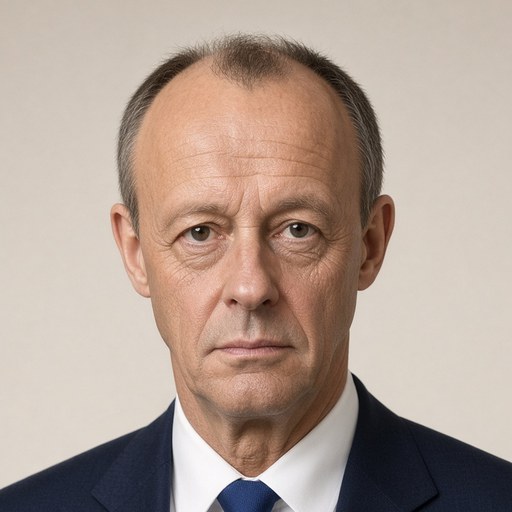
Government statement by Chancellor Friedrich Merz on the foreign policy situation before the German Bundestag on January 29, 2026, in Berlin:
 Friedrich Merz · Chancellor of Germany
- Context
- Merz addressed the German Bundestag on January 29, 2026, delivering a government statement outlining Germany's foreign policy priorities amid rapid global geopolitical change.
- Main themes
- European power and strategic autonomy, new world order and geopolitical shifts, European defense and security, support for Ukraine, European economic competitiveness, rule of law in international relations, technological sovereignty, reducing strategic dependencies, European self-confidence and values, transatlantic and great-power dynamics
- Duration
- ~23 min
- Words
- 2,809
- Sentences
- 162
- Readability
- 53
- Grade
- 10.1
- Syntax
- 2.69
- Vocabulary
- 1.97
Translated from German
The broad sphere of national life a sentence belongs to. Every sentence has an Arena, so it is the denominator the other indices are read against.
Other162 sentences in 48 paragraphs
Madam President!
Dear colleagues!
We are all witnesses to a rapid political change in our present during these weeks and months. We all feel how a new world order is taking shape around us at high speed. We all experience certain uncertainties that accompany the daily news. We all see the increasing number of conflicts. We observe rising violence between many states and at the same time within many societies. Many people – not only in our country, but also among us – fear the loss of security and order. And many are asking themselves: Where is our place? How is our security? What can I actually still rely on?
As Chancellor, ladies and gentlemen, dear colleagues, I have the responsibility to explain this situation to you here in the German Bundestag and to the citizens of our country, and to outline what decisions we as the federal government are making in these days and weeks and what considerations guide us in these decisions. I want to assure you right from the start that we are always guided by calm reason and not by the excitement of the moment, nor by any excitement that may be triggered here in this esteemed house.
For several weeks now, we have been seeing more clearly that a world of great powers is beginning to take shape. In this world, a rough wind is blowing. And we will feel that for the foreseeable future.
We are also increasingly recognizing where new opportunities arise alongside these changes: new opportunities for our country, but also and above all new opportunities for us in Europe. Because everywhere in this newly ordering world, there are emerging democracies with open and growing markets that explicitly seek what we have to offer them, namely partnerships based on mutual respect, trust, and reliability.
We ourselves have shown in Europe, in what we call the European Union (EU), how far one can go with international trust in the realm of cooperation and freedom over the past years and decades. As a union of sovereign European states, we have created the largest free trade zone in the world, a space that historically has no equal for us in Europe, on this continent, especially in terms of the quality of life it offers its citizens, and above all in terms of stability, security, and freedom.
Externally, Europe has been the political force over the past decades that has insisted on the rule of law as the foundation of relations between states and peoples. I want to make it very clear from this point: this is what the government I lead is committed to, without ifs and buts – we want to preserve all of this and protect it in the future.
We should not underestimate how attractive this European model can be for new partners and new alliances. We are also a normative alternative to imperialism and autocracy in the world. We have something to offer our partners in the world, both economically and ideologically. We are something unique, something valuable as Europe and as parliamentary democracies.
In the past weeks and months – at least as I have perceived it – we may have seen for the first time with our own eyes that we can be a power, especially based on the values we do not want to give up. I will go a step further, also based on the encounters of the last days and weeks: We have been able to feel something of the joy of self-respect in these weeks. Let us make something of this newly awakening self-confidence of Europeans, dear colleagues!
However, we will only be able to utilize this attractiveness and this self-confidence for ourselves, and we will only be able to assert our ideas in the world, at least in part, if we also learn to speak the language of power politics, if we ourselves become a European power. This requires three things from us Europeans.
First:
We must take our security into our own hands. This requires measures to reduce dependencies – dependencies that we have entered into far too recklessly in recent years and decades – measures for greater sovereignty, especially technological sovereignty. It requires that we invest massively in our own European defense capabilities. It requires that we continue to support Ukraine in its struggle for freedom in Europe and stand by it. That is exactly what we are doing.
Ladies and gentlemen, dear colleagues, together with the majority of this house, we decided last year to increase our national defense spending to up to five percent of gross domestic product. This had a significant signaling effect for many European neighbors. We have taken the lead, and others in Europe have followed us.
Second:
We must make our economy competitive again. The growth gap of the European Union compared to the USA and China has been widening to our disadvantage for well over a decade. We must now reverse this dynamic. Because if we are serious about our ability to shape global politics, then that ability also depends, above all, on economic strength. We have blocked this economic strength ourselves. So we can and must now remove the blockages ourselves. And we are already doing that; I will come back to this shortly.
Finally,
third:
We must stand united on these tasks in Europe, because we can only solve them successfully together in Europe. We may have used the word in the past too often without sufficiently fulfilling it. The word is unity. Today we must act. Mere declarations are no longer enough. And therein lies the great opportunity for us in Europe, for we have seen clearly in recent weeks how much we can achieve with unity. Unity is a factor of power in the world.
Before Christmas, we succeeded here in Berlin with European unity in keeping the Americans involved in the solution of the Ukraine issue with the willingness to provide security guarantees, which had not been discussed until then. At the beginning of the year, we met in Paris with the so-called coalition of the willing, which includes most European states. 27 out of 35 states in this coalition of the willing were personally represented in Paris by their heads of state and government. That was European unity.
And last week, we demonstrated that we in the European Union can also act very quickly when necessary. We agreed that we would not allow ourselves to be intimidated by customs threats once again. The European Council convened for a special meeting in Brussels at short notice. We showed unity and determination. And with that, we were able to avert the tariffs threatened again by the American president.
Anyone in the world who thinks – I want to make this very clear – that they must use tariffs against Europe for political purposes must know – and they know it now – that we are ready and able to defend ourselves against it if necessary.
It is equally clear to us and to me that we should not recklessly jeopardize established alliances. I said it at the World Economic Forum in Davos and would like to repeat it here: The transatlantic alliance, the transatlantic trust is still a value in itself today, especially for us in Germany.
We lived this transatlantic alliance when we went to Afghanistan alongside our American partners as part of the NATO mission Enduring Freedom after September 11, 2001, providing the country with more stability and security for many years. 59 Bundeswehr soldiers lost their lives during the nearly 20-year mission in Afghanistan. Well over 100 were injured, some severely, in combat operations and attacks.
We will not allow this mission, which we also carried out in the interest of our alliance partner, the United States of America, to be disparaged and belittled today. I want to tell our soldiers in the field and at their bases once again today: Your service was and is valuable. This service stands for our freedom and for peace in the world. The Federal Government of the Federal Republic of Germany stands behind our soldiers.
Despite some irritations, we do not want to lose sight of the true value of this alliance. The NATO alliance and the trust that has developed in NATO over more than seven decades remain the best guarantee for freedom, peace, and security for all parties on both sides of the Atlantic. That is why we want to preserve NATO as Europeans and strengthen it from and in Europe.
Therefore, we will always extend our hand of cooperation to the United States of America. The basis of this guiding principle remains the statement I also made in Davos a week ago: As democracies, we are partners and allies, not subordinates.
It follows from this stated principle that we are also open to new partnerships. We, the Federal Republic of Germany, want to be part of a dynamic, agile network of sovereign states that want to continue to adhere to a rules-based order. We want free trade. And we want no or only minimal tariffs, because we know from experience that only open markets and free trade are the right path for the prosperity and security of nations.
That is why it was right and necessary to finally conclude and implement the Mercosur agreement. Dear colleagues from the Greens, it was more than irritating that European Green MPs from Germany, together with left-wing MPs from Germany and AfD MPs from Germany, tried to prevent this agreement until the end. It was more than irritating what happened in Brussels and Strasbourg.
We support the EU Commission and the President of the European Council in their joint efforts to conclude a free trade agreement with India – with 1.4 billion inhabitants, the largest democracy in the world, together with Europe over 2 million inhabitants, consumers. With this, we would create the largest contiguous internal market in the world after Mercosur, with about a quarter of the current world population. This agreement must come about, and as quickly as possible, so that we can show that we are ready to conclude new major trade agreements based on partnerships.
This is the direction we are now heading – also with many other states in the world. And we are taking this path quickly and with endurance.
We also see here: Rules-based action, rules-based trade are not dead; on the contrary. More and more states in the world recognize: In the current reordering of the world, there is also an opportunity for all actors who prefer the rules of lawlessness and who see more advantages in free and fair trade than in the unilateral pursuit of their own advantage.
By the way, on this occasion – probably not known to many, not even to me until a few weeks ago –: Almost three-quarters of global trade is still conducted according to WTO rules. The World Trade Organization is still a successful organization that strives to enable open and fair trade in the world. We support this organization in its efforts to enable free and fair trade in the world.
It is also true that we still have a number of things to sort out within the European Union. We know where the construction sites are, and we are putting reform ideas on the table. What matters now is the will to implement. And that will is finally there – also because I and we in the federal government have repeatedly insisted on the necessity of reforms in the European Union over the past year.
In exactly two weeks from today, on February 12, the heads of state and government of the European Union will come together for a special summit in Belgium at my initiative, where we will exclusively deal with how to make the European economy competitive again.
There is no shortage of proposals. Former Italian Prime Minister Enrico Letta has called for the completion of the European internal market in a noteworthy report. Former Italian Prime Minister and former President of the European Central Bank, Mario Draghi, has outlined in a noteworthy report how European competitiveness can now be established. Both are guests at our extraordinary meeting on February 12. The reports and proposals from both must not end up in the filing cabinets of the European Commission.
For this very reason, I reached an agreement last week with Giorgia Meloni during the German-Italian government talks in Rome on points that have the highest priority and that we want to see on the agenda on February 12. We are pushing for a systematic review of all EU regulations, for potential simplifications, for the repeal of obsolete regulations, and for proposals aimed at a new culture of legislative restraint. We will also propose very concrete measures for further integration of the European internal market. We want and need to utilize this potential more quickly.
These adjustments in Europe are necessary, but we also need them in Germany. The adjustments from last year are showing initial effects, and we will build on that in 2026. We want to renew the substance of our country in such a way that it lasts for many years and decades. We want our country, our economy, to become competitive again, to become innovative again, to be a safe country again, to remain just, and to be faster again. I say this deliberately in this order. That our economy grows again is the prerequisite for everything else. That is why we started last year to gradually clear away the obstacles to growth that have accumulated.
It is growing, ladies and gentlemen. The economy is growing slowly. I say: too slowly. But we have seen increasing investment activity in the first weeks and months of the year. For the first time in years, private sector investments in Germany are greater than capital outflows from Germany. These are initial signs that our economy is beginning to recover.
But we need reforms, including reforms of the social security systems. May I say this at this point? The day before yesterday, we received a report on the reform of our social state. This was a report that was not aimed at reforming the social state as a whole, but rather at first taking a look at the structures.
This report is the exact right foundation for all further reforms that we want to embark on together in the coming years. The reform of the Social Code II, where the citizen's income becomes the new basic security, is currently under parliamentary discussion in this Parliament. The active pension came into effect on January 1, 2026. We have agreed to pass a fundamental reform of our pension insurance system this year. I am confident that we will achieve similar results in health and care.
I take this as a sign that there is still a considerable willingness to change in our country. We must make use of this willingness to change. We are seeing the first effects. We are seeing incoming orders. We are seeing that new business formations are taking place again.
All of this can encourage us. It certainly encourages me. And it should also motivate us to continue moving forward on this path. Because we see very clearly: Germany and Europe are far from reaching the end of their possibilities. In this European Union, and thus also in our country, there is such great potential that we can really turn this difficult situation in the world into something good.
Europe has always grown when it was under pressure, when there were crises. Europe has not developed linearly, just a little bit. There have always been eruptions, there have always been events, there have always been external shocks that have led to Europe developing further.
In this world we live in, a very rough wind is blowing now – as I said at the beginning. We will feel this in the foreseeable future with demands that no national government can fully compensate for. But precisely for this reason, we must set priorities, and not everything can be a priority at the same time.
We are under pressure from several sides. But under pressure, much good can also emerge. And perhaps this pressure is even necessary. Therefore, now is the hour of shaping politics. This applies to Europe, and it applies to Germany.
We have something to defend. We live in a country of freedom, in a country of democracy. We have a strong economic foundation on which we can build. We can be proud of our country. It is with this awareness that we turn, I turn now to the tasks that are presented to us in the coming weeks and months in this world. I have the confidence that we will succeed in meeting this challenge.
Thank you very much.
The original German. The tags above are read on the English translation's sentences.
Frau Präsidentin!
Liebe Kolleginnen und Kollegen!
Wir alle sind in diesen Wochen und Monaten Zeitzeugen einer rasanten politischen Veränderung unserer Gegenwart. Wir alle spüren, wie um uns herum eine neue Weltordnung in hoher Geschwindigkeit Gestalt annimmt. Wir alle empfinden zugleich manche Verunsicherungen, die mit den täglich neuen Nachrichten einhergehen. Wir alle sehen die steigende Zahl der Konflikte. Wir beobachten ansteigende Gewalt zwischen vielen Staaten und zugleich in vielen Gesellschaften. Viele Menschen – nicht nur in unserem Land, aber auch bei uns – befürchten den Verlust von Sicherheit und Ordnung. Und viele fragen sich: Wo ist unser Platz? Wie ist es um unsere Sicherheit bestellt? Worauf kann ich mich eigentlich noch verlassen?
Ich als Bundeskanzler, meine Damen und Herren, liebe Kolleginnen und Kollegen, habe die Verantwortung, Ihnen hier im Deutschen Bundestag und den Bürgerinnen und Bürgern unseres Landes diese Situation zu erläutern und darzulegen, welche Entscheidungen wir als Bundesregierung in diesen Tagen und Wochen treffen und welche Abwägungen uns bei diesen Entscheidungen als Bundesregierung leiten. Ich möchte Ihnen zunächst und gleich zu Beginn versichern, dass wir uns dabei jederzeit von ruhiger Vernunft leiten lassen und nicht von der Erregung des Augenblicks, auch nicht von einer Erregung, die hier im Hohen Haus ausgelöst wird.
Wir sehen seit einigen Wochen immer deutlicher, dass sich eine Welt der Großmächte herauszubilden beginnt. In dieser Welt weht ein rauer Wind. Und den werden wir auf absehbare Zeit zu spüren bekommen.
Wir sehen auch immer klarer, wo sich mit diesen Veränderungen zugleich neue Chancen ergeben: neue Chancen für unser Land, aber auch und vor allem neue Chancen für uns in Europa. Denn überall in dieser sich neu ordnenden Welt gibt es aufstrebende Demokratien mit offenen und wachsenden Märkten, die ausdrücklich das suchen, was wir ihnen anzubieten haben, nämlich Partnerschaften auf der Grundlage von gegenseitigem Respekt, von Vertrauen und von Verlässlichkeit.
Wir selbst haben in Europa in dem, was wir Europäische Union (EU) nennen, in den vergangenen Jahren und Jahrzehnten gezeigt, wie weit man mit internationalem Vertrauen im Raum von Kooperation und Freiheit kommen kann. Wir haben als Verbund souveräner europäischer Staaten die größte Freihandelszone der Welt geschaffen, einen Raum, der historisch für uns in Europa, auf diesem Kontinent, seinesgleichen sucht, auch im Hinblick auf die Lebensqualität, die er seinen Bürgerinnen und Bürgern bietet, und vor allem auch im Hinblick auf Stabilität, Sicherheit und Freiheit.
Nach außen war Europa in den vergangenen Jahrzehnten die politische Kraft, die auf der Geltung des Rechts als der Grundlage der Beziehungen zwischen Staaten und Völkern bestanden hat. Ich will von dieser Stelle aus sehr deutlich sagen – das ist das, was die von mir geführte Bundesregierung leitet, ohne Wenn und Aber –: All das wollen wir bewahren und auch in Zukunft schützen.
Wir sollten dabei nicht unterschätzen, wie attraktiv dieses europäische Modell für neue Partner und neue Allianzen sein kann. Wir sind nämlich auf der Welt auch eine normative Alternative zu Imperialismus und Autokratie. Wir haben wirtschaftlich und wir haben vor allem ideell unseren Partnern auf der Welt etwas zu bieten. Wir sind dabei etwas Eigenes, etwas Schätzenswertes als Europa und als parlamentarisch geprägte Demokratien.
Wir haben in den vergangenen Wochen und Monaten – so habe ich es jedenfalls empfunden – vielleicht zum ersten Mal mit eigenen Augen sehen können, dass wir eine Macht sein können, gerade auch auf der Grundlage der Werte, die wir nicht aufgeben wollen. Ich gehe noch einen Schritt weiter, auch aufgrund der Begegnungen der letzten Tage und Wochen: Wir haben in diesen Wochen etwas spüren können vom Glück der Selbstachtung. Machen wir etwas aus diesem sich neu regenden Selbstbewusstsein der Europäer, liebe Kolleginnen und Kollegen!
Wir werden aber diese Attraktivität und dieses Selbstbewusstsein nur dann für uns nutzen können und wir werden unsere Vorstellungen nur dann auf der Welt, jedenfalls zum Teil, durchsetzen können, wenn wir auch selbst die Sprache der Machtpolitik sprechen lernen, wenn wir selbst eine europäische Macht werden. Das verlangt uns Europäern
dreierlei
ab.
Erstens:
Wir müssen unsere Sicherheit selbst in die Hand nehmen. Das erfordert Maßnahmen zur Reduzierung von Abhängigkeiten – Abhängigkeiten, die wir in den letzten Jahren und Jahrzehnten allzu leichtsinnig eingegangen sind –, Maßnahmen für mehr Souveränität, gerade auch technologische Souveränität. Es erfordert, dass wir massiv in unsere eigene europäische Verteidigungsfähigkeit investieren. Es erfordert, dass wir exemplarisch auch in Zukunft die Ukraine in ihrem Freiheitskampf in Europa weiter unterstützen und ihr beistehen. Genau das tun wir.
Meine Damen und Herren, liebe Kolleginnen und Kollegen, wir haben gemeinsam mit der Mehrheit dieses Hauses im vergangenen Jahr entschieden, dass wir unsere nationalen Verteidigungsausgaben auf bis zu fünf Prozent des Bruttoinlandsprodukts erhöhen. Das hatte eine nicht zu unterschätzende Signalwirkung für viele europäische Nachbarn. Wir sind vorangegangen, und andere in Europa sind uns gefolgt.
Zweitens:
Wir müssen unsere Wirtschaft wieder wettbewerbsfähig machen. Die Wachstumslücke der Europäischen Union gegenüber den USA und gegenüber China vergrößert sich zu unseren Ungunsten seit weit über einem Jahrzehnt. Diese Dynamik müssen wir jetzt umkehren. Denn wenn wir es ernst meinen mit weltpolitischer Gestaltungsfähigkeit, dann hängt weltpolitische Gestaltungsfähigkeit eben auch und vor allem an Wirtschaftskraft. Diese Wirtschaftskraft haben wir selbst blockiert. Also können und müssen wir die Blockaden jetzt auch selbst lösen. Und wir tun das bereits; ich werde darauf gleich noch einmal zurückkommen.
Schließlich
drittens:
Wir müssen bei diesen Aufgaben in Europa geschlossen stehen, weil wir sie nur gemeinsam in Europa mit Erfolg lösen können. Wir haben das Wort in der Vergangenheit vielleicht zu oft benutzt, ohne dass wir es ausreichend eingelöst haben. Das Wort heißt Geschlossenheit. Heute müssen wir handeln. Reine Bekenntnisse allein reichen nicht mehr aus. Und genau darin liegt die große Chance für uns in Europa, denn wir haben in den vergangenen Wochen deutlich gesehen, wie viel wir mit Geschlossenheit bewegen können. Geschlossenheit ist ein Machtfaktor auf der Welt.
Vor Weihnachten haben wir es hier in Berlin mit europäischer Geschlossenheit geschafft, die Amerikaner in der Lösung der Ukraine-Frage noch einmal bei uns zu halten mit der Bereitschaft zu Sicherheitsgarantien, von denen bis dahin so nicht die Rede war. Wir haben uns zu Beginn des Jahres mit der sogenannten Koalition der Willigen, darunter die meisten europäischen Staaten, in Paris getroffen. 27 von 35 Staaten dieser Koalition der Willigen waren durch ihre Staats- und Regierungschefs in Paris persönlich vertreten. Das war europäische Geschlossenheit.
Und in der vergangenen Woche haben wir gezeigt, dass wir in der Europäischen Union im Zweifel auch sehr schnell handeln können. Wir waren uns einig, dass wir uns nicht ein weiteres Mal von Zolldrohungen einschüchtern lassen werden. Der Europäische Rat ist kurzfristig zu einem Sondertreffen in Brüssel zusammengekommen. Wir haben Geschlossenheit und Entschlossenheit gezeigt. Und wir haben damit die vom amerikanischen Präsidenten erneut angedrohten Zölle abwenden können.
Wer in der Welt der Meinung ist – dies will ich an dieser Stelle sehr klar und sehr deutlich sagen –, mit Zöllen gegen Europa Politik machen zu müssen, der muss wissen – und er weiß es jetzt –, dass wir bereit und in der Lage sind, uns dagegen, wenn es nötig ist, zur Wehr zu setzen.
Ebenso klar ist für uns und auch für mich, dass wir gewachsene Bündnisse nicht leichtfertig aufs Spiel setzen sollten. Ich habe es auf dem Weltwirtschaftsforum in Davos gesagt und würde es hier gern noch einmal wiederholen: Das Transatlantische Bündnis, das transatlantische Vertrauen ist auch heute noch ein Wert an sich, für uns in Deutschland übrigens in ganz besonderer Weise.
Wir haben diese Transatlantische Allianz gelebt, als wir etwa nach dem 11. September 2001 an der Seite unserer amerikanischen Partner im Rahmen der Nato-Mission Enduring Freedom nach Afghanistan gegangen sind und dem Land für viele Jahre mehr Stabilität und mehr Sicherheit verschafft haben. 59 Bundeswehrsoldaten haben im Verlaufe des fast 20-jährigen Einsatzes in Afghanistan ihr Leben verloren. Weit über 100 sind bei Kampfhandlungen und Anschlägen zum Teil schwer verletzt worden.
Wir lassen es nicht zu, dass dieser Einsatz, den wir auch im Interesse unseres Bündnispartners Vereinigte Staaten von Amerika geleistet haben, heute verächtlich gemacht und herabgewürdigt wird. Ich möchte unseren Soldatinnen und Soldaten im Einsatz und an ihren Standorten heute noch einmal sagen: Ihr Dienst war und ist wertvoll. Dieser Dienst steht für unsere Freiheit und für den Frieden auf der Welt. Die Bundesregierung der Bundesrepublik Deutschland steht hinter unseren Soldatinnen und Soldaten.
Wir wollen trotz mancher Irritationen den eigentlichen Wert dieser Allianz daher nicht aus den Augen verlieren. Das Nato-Bündnis und das in der Nato über mehr als sieben Jahrzehnte gewachsene Vertrauen sind für alle Beteiligten auf beiden Seiten des Atlantiks nach wie vor die beste Gewähr für Freiheit, für Frieden und für Sicherheit. Darum wollen wir als Europäer die Nato erhalten und sie aus Europa heraus und in Europa stärken.
Wir werden deshalb den Vereinigten Staaten von Amerika immer die Hand der Zusammenarbeit reichen. Grundlage dieses Leitprinzips bleibt zugleich der Satz, den ich auch in Davos vor einer Woche gesagt habe: Als Demokratien sind wir Partner und Verbündete und nicht Untergebene.
Genau aus diesem genannten Grundsatz folgt, dass wir zugleich offen sind für neue Partnerschaften. Wir, die Bundesrepublik Deutschland, wollen Teil eines dynamischen, agilen Netzwerks von souveränen Staaten sein, die weiter an einer regelbasierten Ordnung festhalten wollen. Wir wollen freien Handel. Und wir wollen keine oder allenfalls nur geringe Zölle, weil wir aus der Erfahrung wissen, dass nur offene Märkte und freier Handel der richtige Weg sind für den Wohlstand und die Sicherheit der Nationen.
Deshalb war es richtig und notwendig, nun endlich das Mercosur-Abkommen abzuschließen und in Kraft zu setzen. Liebe Kolleginnen und Kollegen von den Grünen, es war mehr als irritierend, dass europäische grüne Abgeordnete aus Deutschland zusammen mit linken Abgeordneten aus Deutschland und AfD-Abgeordneten aus Deutschland bis zum Schluss versucht haben, dieses Abkommen zu verhindern. Es war mehr als irritierend, was da in Brüssel und in Straßburg geschehen ist.
Wir unterstützen die EU-Kommission und den europäischen Ratsvorsitzenden in ihrer beider Bemühen, jetzt ein Freihandelsabkommen mit Indien abzuschließen – mit 1,4 Milliarden Einwohnern die größte Demokratie der Welt, zusammen mit Europa über 2 Millionen Einwohnerinnen und Einwohner, Konsumenten. Wir würden damit den nach Mercosur größten zusammenhängenden Binnenmarkt auf der Welt bilden mit rund einem Viertel der heutigen Weltbevölkerung. Dieses Abkommen muss zustande kommen, und zwar so schnell wie möglich, damit wir zeigen können, dass wir bereit sind, auf der Basis von Partnerschaften neue große Handelsabkommen miteinander abzuschließen.
Das ist die Richtung, in die wir – auch mit vielen anderen Staaten auf der Welt – jetzt gehen. Und wir gehen diesen Weg schnell und zugleich mit langem Atem.
Wir sehen auch hier: Regelbasiertes Handeln, regelbasierter Handel sind nicht tot, im Gegenteil. Immer mehr Staaten auf der Welt erkennen: In der gegenwärtigen Weltneuordnung liegt auch eine Chance für alle Akteure, die Regeln der Willkür vorziehen und die im freien und fairen Handel mehr Vorteile sehen als im einseitigen Weg nur des eigenen Vorteils.
Übrigens, bei dieser Gelegenheit – von vielen vermutlich nicht gewusst, auch von mir bis vor einigen Wochen nicht –: Immer noch werden fast drei Viertel des globalen Handels nach WTO-Regeln betrieben. Immer noch ist die Welthandelsorganisation eine erfolgreiche Organisation, die sich darum bemüht, offenen und fairen Handel auf der Welt zu ermöglichen. Wir unterstützen diese Organisation in ihrem Bemühen, freien und fairen Handel auf der Welt zu ermöglichen.
Auch das ist wahr: Wir haben in der Europäischen Union selbst noch eine ganze Reihe von Dingen in Ordnung zu bringen. Wir wissen, wo die Baustellen sind, und wir legen die Reformideen auf den Tisch. Worauf es jetzt ankommt, ist Umsetzungswille. Und dieser Wille ist endlich da – auch weil ich und auch weil wir in der Bundesregierung im vergangenen Jahr immer wieder in der Europäischen Union auf die Notwendigkeit von Reformen gedrungen haben.
Genau in zwei Wochen vom heutigen Tag an, am 12. Februar, werden die Staats- und Regierungschefs der Europäischen Union auch auf meine Initiative hin zu einem Sondergipfel in Belgien zusammenkommen, wo wir uns ausschließlich damit beschäftigen werden, wie die europäische Wirtschaft wieder wettbewerbsfähig werden kann.
An Vorschlägen dazu fehlt es nicht. Der frühere italienische Ministerpräsident Enrico Letta hat in einem beachtenswerten Bericht die Vollendung des europäischen Binnenmarktes angemahnt. Der frühere italienische Ministerpräsident und frühere Präsident der Europäischen Zentralbank, Mario Draghi, hat in einem beachtenswerten Bericht aufgezeigt, wie europäische Wettbewerbsfähigkeit jetzt hergestellt werden kann. Beide sind Gäste unseres außerordentlichen Treffens am 12. Februar. Die Berichte und die Vorschläge von beiden dürfen nicht in den Aktenschränken der Europäischen Kommission verschwinden.
Genau aus diesem Grunde habe ich mich in der letzten Woche bei den deutsch-italienischen Regierungsgesprächen in Rom mit Giorgia Meloni auf Punkte verständigt, die oberste Priorität haben und die wir am 12. Februar eben auch auf die Agenda gesetzt sehen wollen. Wir dringen auf eine systematische Überprüfung aller EU-Vorschriften, auf Vereinfachungspotenziale, auf die Rücknahme obsoleter Vorschriften und auf Vorschläge, die auf eine neue Kultur der legislativen Zurückhaltung ausgerichtet sind. Wir werden auch ganz konkrete Maßnahmen für eine weitere Integration des europäischen Binnenmarktes vorschlagen. Dieses Potenzial wollen und müssen wir schneller nutzen.
Diese Weichenstellungen in Europa sind notwendig, aber wir brauchen sie auch in Deutschland. Weichenstellungen aus dem letzten Jahr zeigen erste Wirkung, und wir legen 2026 nach. Wir wollen die Substanz unseres Landes erneuern, und zwar so, dass sie für viele Jahre und Jahrzehnte trägt. Wir wollen, dass unser Land, unsere Volkswirtschaft wieder wettbewerbsfähig wird, wieder innovativ wird, dass wir wieder ein sicheres Land werden, dass wir gerecht bleiben und dass wir wieder schneller sind. Ich sage das bewusst in dieser Reihenfolge. Dass unsere Wirtschaft wieder wächst, ist die Voraussetzung für alles Weitere. Wir haben darum im letzten Jahr begonnen, Stück für Stück das aus dem Weg zu räumen, was sich an Wachstumshindernissen aufgetürmt hat.
Es wächst, meine Damen und Herren. Die Volkswirtschaft wächst langsam. Ich sage: zu langsam. Aber wir haben in den ersten Wochen und Monaten des Jahres eine zunehmende Investitionstätigkeit gesehen. Die Investitionen des privaten Sektors in Deutschland sind erstmalig seit Jahren wieder größer als die Kapitalabflüsse aus Deutschland. Das sind erste Hinweise darauf, dass sich unsere Volkswirtschaft beginnt zu erholen.
Aber wir brauchen Reformen, auch Reformen der sozialen Sicherungssysteme. Darf ich das an dieser Stelle auch einmal sagen? Wir haben vorgestern einen Bericht zur Reform unseres Sozialstaates vorgelegt bekommen. Das war ein Bericht, der nicht darauf ausgerichtet war, den Sozialstaat insgesamt zu reformieren, sondern darauf, zunächst einmal die Strukturen in den Blick zu nehmen.
Dieser Bericht ist die genau richtige Grundlage für alle weiteren Reformen, die wir in den nächsten Jahren miteinander auf den Weg bringen wollen. Die Reform des Sozialgesetzbuches II, wo aus dem Bürgergeld die neue Grundsicherung wird, ist hier im Parlament in der parlamentarischen Beratung. Die Aktivrente ist am 1. Januar 2026 in Kraft getreten. Wir haben verabredet, eine grundlegende Reform unseres Rentenversicherungssystems in diesem Jahr zu verabschieden. Ich bin zuversichtlich, dass uns Ähnliches auch bei Gesundheit und Pflege gelingt.
Ich nehme das als Zeichen dafür, dass es in unserem Land unverändert eine ziemlich große Veränderungsbereitschaft gibt. Wir müssen diese Veränderungsbereitschaft nutzen. Wir sehen die ersten Effekte. Wir sehen Auftragseingänge. Wir sehen, dass auch wieder Unternehmensgründungen stattfinden.
Das alles kann uns ermutigen. Es ermutigt mich jedenfalls. Und das sollte uns auch motivieren, auf diesem Weg weiter voranzuschreiten. Denn das sehen wir sehr klar: Deutschland und Europa sind noch lange nicht am Ende ihrer Möglichkeiten. In dieser Europäischen Union und damit auch in unserem Land steckt ein so großes Potenzial, dass wir jetzt wirklich aus dieser schwierigen Lage auf der Welt etwas Gutes machen können.
Europa ist immer dann gewachsen, wenn es unter Druck stand, wenn es Krisen gab. Europa hat sich nicht linear einfach so ein bisschen fortentwickelt. Es sind immer Eruptionen gewesen, es sind immer wieder Ereignisse gewesen, es sind immer wieder externe Schocks gewesen, die dazu geführt haben, dass sich Europa weiterentwickelt hat.
In dieser Welt, in der wir leben, weht nun – ich habe es zu Beginn gesagt – ein sehr rauer Wind. Wir werden das auf absehbare Zeit mit Zumutungen zu spüren bekommen, die keine nationale Regierung vollständig ausgleichen kann. Aber gerade deshalb müssen wir Prioritäten setzen, und nicht alles kann zugleich Priorität sein.
Wir stehen von mehreren Seiten unter Druck. Aber unter Druck kann eben auch viel Gutes entstehen. Und möglicherweise braucht es diesen Druck sogar. Deshalb ist nun die Stunde der gestaltenden Politik. Das gilt für Europa, und das gilt für Deutschland.
Wir haben etwas zu verteidigen. Wir leben in einem Land der Freiheit, in einem Land der Demokratie. Wir haben ein starkes wirtschaftliches Fundament, auf dem wir aufbauen können. Wir können stolz sein auf unser Land. Genau in diesem Bewusstsein wenden wir uns, wende ich mich jetzt den Aufgaben zu, die uns in den nächsten Wochen und Monaten auf dieser Welt gestellt sind. Ich habe die Zuversicht, dass es uns gelingt, diesem Anspruch gerecht zu werden.
Ich danke Ihnen sehr herzlich.