




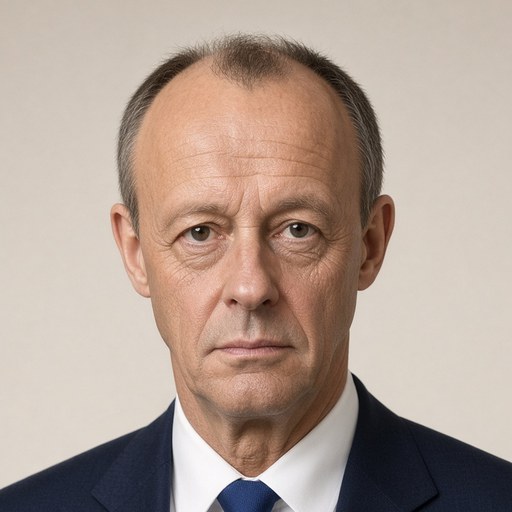
Government statement by Chancellor Friedrich Merz to the European Council on December 18 and 19, 2025, before the German Bundestag on December 17, 2025, in Berlin:
 Friedrich Merz · Chancellor of Germany
- Context
- Merz addressed the German Bundestag on December 17, 2025, delivering a government statement ahead of the European Council summit in Brussels on December 18–19, 2025.
- Main themes
- European Council meeting, German foreign policy, international order and world disorder, Russia-Ukraine war, European security and defense, German economic reforms, EU cohesion, free trade, Bundeswehr modernization, bureaucracy reduction, Germany's global role, structural economic reform
- Duration
- ~28 min
- Words
- 3,349
- Sentences
- 166
- Readability
- 48
- Grade
- 11.4
- Syntax
- 2.94
- Vocabulary
- 2.08
Translated from German
The broad sphere of national life a sentence belongs to. Every sentence has an Arena, so it is the denominator the other indices are read against.
Other166 sentences in 52 paragraphs
Ladies and gentlemen!
Dear colleagues!
We come together this week, the last session week of the German Bundestag in the year 2025. This end of the year is an opportunity to reflect on what we have experienced this year, what we have achieved, and at the same time to provide a glimpse of what we want and must achieve in the coming year.
I want to summarize both today in a government statement regarding the European Council of heads of state and government, which will convene in Brussels starting this evening, where we will jointly determine: There has been and there is much to do for Germany and for Europe. But we have also already achieved a lot together in Germany and in Europe this year 2025.
We are experiencing a deep upheaval of the international order with an ongoing unlawful war by Russia against Ukraine, which is being waged with unrelenting severity. We are witnessing a new protectionism that is directed against the principles of free trade and open markets; those principles that have made our country, as an export-oriented economy, so strong and prosperous. We are experiencing a stagnating economy, also due to postponed structural reforms. We are witnessing how close allies are retreating into themselves, and we Europeans must now take care of the protection of our own freedom and security.
All of this, these events, condense into an overall finding. We are moving into a time where the former world order is increasingly becoming a world disorder. I have referred to this, which I find very disturbing, global development on many different occasions from this podium as a "turning point." But perhaps there is simply no indisputably established term for what we are currently experiencing.
This year's Peace Prize winner of the German Book Trade, Karl Schlögel, described this at the award ceremony in the Paulskirche in Frankfurt. He says: It is not only "a lack of terms [...], but the collapse of a horizon of experience in which one has grown up and where everything that one has gathered throughout life seems to be called into question, devalued, yes, lies in ruins." End of quote from Karl Schlögel.
Now, even if we lack the term for what we want to express: This process of change is very real; we feel it, we see it. Therefore, I want to say for the federal government: We, the federal government, and I personally, are firmly determined that Germany must not become a victim, not an object of these processes. We must not stand by and watch the world being reordered. We are not a pawn of great powers. We want and we must remain an active player that stands up for its interests and values with determination and assertiveness.
I am firmly convinced: We can do this. If we strive, if the Federal Republic of Germany and if the European Union (EU) take on all these challenges, then this EU can do it, and we with it, then we can overcome these challenges on our own. It is up to us whether we emerge from this turning point with new strength, whether we are free, whether we are secure, and whether we are prosperous in the long term.
In doing so, we are not only taking on a role as the German federal government, but we are also taking on our role as co-creators of a new European order. We owe this to ourselves and to Europe: as the largest, most populous, and economically strongest country in this EU.
We, the federal government, have set three priorities since the beginning of our term to ensure that our country regains new strength on its own.
First:
Germany is back on the international stage. The improvement of our defense capabilities has truly contributed significantly to this. We have significantly increased the defense budget, and we have also amended the Basic Law for this purpose – I mentioned this earlier in the question hour. We have initiated important legislation, and we have enabled accelerated procurement and recruitment for the Bundeswehr. We follow the following logic: We must be strong enough that no one attacks us. Or, in other words: We must be able to credibly deter. This succeeds – it must be said simply – when democracies are better equipped, better armed than autocracies. And that is exactly the confrontation at hand.
Second:
We have begun to systematically eliminate the structural problems of our economy. We have implemented and initiated reforms in many areas in this year coming to an end to make the German economy competitive again. I also pointed this out earlier: We have introduced an investment booster, and we are lowering corporate taxes. We are expanding the energy supply. We are introducing an industrial electricity price. We are lowering network fees. We are abolishing the gas storage levy. This will be noticeably felt on the cost side for companies and citizens in the coming year.
And we are systematically reducing excessive bureaucracy – nationally and at the European level – and with some success. I want to say: This is shown by the bureaucratic relief for companies, for example, with the EU Supply Chain Directive and the EU regulations on sustainability reporting. Here we have achieved initial successes at the European level together.
Perhaps you will allow me to also refer to the meeting of the Federal Cabinet this morning. This morning, we passed the Infrastructure Future Act in the Cabinet and put it on the parliamentary path in the hope and expectation that it will be classified as urgent and not subject to approval in the Bundesrat here in the German Bundestag in the second and third readings as early as the first quarter of next year. The same applies to the new basic security, for the replacement of the previously called Citizen's Money Act.
We have thus set important course, but it is correct – and I would like to say this here –: We will also have to make further structural reforms next year to make our economy competitive again; for we are still far from where we should actually be.
Third:
From day one – in the literal sense – we have made a course correction in refugee policy. We have introduced comprehensive border controls at the German borders, among other things. We have seen the number of asylum applications, which has drastically decreased by over 50 percent compared to the previous year. No other country in the EU has achieved this. – Colleague, I know that you do not like this because you are gradually losing a topic with which you can incite the German public.
No other country has been able to reduce the number of asylum seekers as significantly as Germany. On average, it is 30 percent in Europe; in Germany, it is over 50 percent. And this has something to do with national policy, even if you do not want to acknowledge it and even if it may not be conducive to your propaganda next year.
We have also initiated other measures that will take effect. But they will, of course, take effect with a time lag. Of course, we are not yet at the end of our work. We need these fundamental reforms, especially in the social security systems, if we want to make our country future-proof in an era that is now beginning, that has begun. We will continue to work on this: CDU, CSU, and SPD together.
I want to repeat it once more: We have it in our hands to solve the problems of our country with our own strength and resources. And this federal government has the shared will to pursue exactly this path for Germany.
Now we all know: Germany can only be as strong as Europe is strong. We must work on this strength of Europe in many dimensions. For a strong Europe, we need a secure Europe, a competitive Europe, and a capable Europe. Whether we succeed in all this will also be determined significantly at the European Council starting this evening and tomorrow in Brussels.
The security of Europe is, as is particularly evident these days, inextricably linked to the fate and security of Ukraine. Inextricably! Because Russia is waging its brutal war of aggression not only against Ukraine. We Europeans are united – at least since this weekend – with Ukraine and the USA: We want a ceasefire and peace in Ukraine as soon as possible. And we also agree that only a balanced peace plan can bring lasting peace for Ukraine and thus for all of Europe.
We are witnessing a great diplomatic dynamic these days on the way to a peace process. Allow me to make the following remark from this podium, as there have been so many calls for diplomacy instead of arming Ukraine: More diplomacy than in the last days and hours from Berlin cannot be done. More cannot be done.
But to those who now think that this war can only be ended with diplomacy, let us remember what President Putin said in response to my publicly expressed request to at least let the guns fall silent over Christmas. The response to this request is beyond cynicism and brutality.
We are therefore coordinating closely with our European partners, but also with our American partners, on the path we want to take together. That is why the Ukrainian president and other close allies – Americans and Europeans – were guests here in Berlin on Monday.
Our messages emanating from the Berlin conference are clear: On the one hand, a lasting peace cannot and must not be achieved at the expense of Ukraine or the security of Europe.
This also includes that Ukraine must not be forced into one-sided and unacceptable territorial concessions. On the other hand, Ukraine must also be able to effectively defend itself against future Russian attacks in the future. For this, it needs strong armed forces and reliable security guarantees from its partners. And on this point – I want to say – we made significant progress at the Berlin conference last Sunday and Monday.
We all know the price of war. Now we are talking about the price of peace. And this price of peace also includes that Germany contributes to security guarantees for the future Ukraine after a ceasefire in the circle of allies. The very concrete contribution will be discussed in due course when the now initiated diplomatic process can hopefully not only be continued in the coming weeks but perhaps also brought to a conclusion.
Finally – it is obvious –: The outcome of the war will significantly determine the future of the entire European peace order; because Russia – this should have become clear at the latest in these days – seeks to expand its sphere of influence far beyond its own territory into the states of Europe. Even now, Russia bombards us every day with hybrid attacks: with drone flights, with assassination attempts, with sabotage, with espionage, with cyberattacks, and with targeted disinformation, not least through helpers in this parliament.
Many millions of Ukrainians are fighting not only for their own freedom. They are also fighting for our freedom in Europe. For this, I would like to sincerely thank them from this podium, especially in these days before Christmas. – A glance at this parliament and the applause after these words provide insight into who stands by Ukraine in these days and weeks and who does not.
In this situation, as I have just described, the EU and the European Council face decisions of significant importance. The crucial question will be: Will we, will the EU, be able to make the already frozen Russian state assets usable for the defense of Ukraine? This question is about nothing less than European security and sovereignty.
The European Commission has been working intensively in recent weeks to present concrete proposals on how Ukraine can be supported in the coming years. Financial resources of up to 90 billion euros are at stake.
It is about two things. On the one hand, of course, it is about aid for Ukraine. But it is also about a clear signal to Russia that we will make the assets that are here usable to help end this war as quickly as possible.
It is about making it clear to Russia: The continuation of this war of aggression is pointless. The utilization of these resources would, in our estimation, finance the Ukrainian army for at least another two years. We want to take this step – this should be made very clear here – not to prolong the war. We want to take it to end the war as quickly as possible.
I am aware of the concerns of many governments in the EU. I am particularly aware of the concerns of the Belgian government, in whose country a large part of the frozen assets is located. And I take these concerns seriously. That is why we are consulting, that is why I am consulting with our partners to address these concerns. In my assessment, the proposal of the European Commission is in complete accordance with international law and also in accordance with our international obligations.
I want to put it perhaps a bit more clearly: It is not enough for us to dry up the revenue sources of the Russian war machine with further sanctions. It is not enough for us to continue the financial support for Ukraine in Europe as we have so far. It is not enough for us to throw all our political weight into the balance of peace negotiations. We are undoubtedly doing all of this. But it is obvious that the pressure on Putin must increase even further to move him to serious negotiations. That is exactly why we need the decision of the European heads of state and government, and I will personally advocate for such a decision starting this evening in Brussels.
We will also need to pool our forces for European defense even more strongly. We will develop, produce, and procure military systems together in the future: with clear standards, with simpler structures, and above all with much larger quantities.
All of this strengthens the EU, it strengthens the European pillar of NATO. This is necessary; because what applies to Germany applies to the EU and NATO as a whole. I repeat this sentence on every occasion: We want to be able to defend ourselves so that we do not have to defend ourselves. This applies to Germany, it applies to Europe, and it applies to all of NATO.
Now, in these days that weigh heavily on us, there is still good news: Two years after the terrorist attack by Hamas on October 7, 2023, we have, thanks to the mediation of President Trump, a ceasefire in Gaza. There are setbacks from time to time; but the war is obviously over. A lasting peace now seems truly possible. The return of the last surviving hostages, among them German nationals, has touched and delighted us and also personally prompted me to meet with them in Jerusalem the Sunday before last.
We must now succeed in realizing the second phase of the peace plan, and I also discussed this with Prime Minister Netanyahu during my visit to Israel. We need a permanent ceasefire; Hamas must be disarmed, and a governance and security mechanism in Gaza must be established without the involvement of Hamas. Germany is helping here diplomatically, we are helping humanitarianly, and we are also helping with reconstruction.
Now, Europe's place in this new world will also depend significantly on our economic strength. The competitiveness of European companies is the second dimension in which we need a new European strength. Until recently, the export-oriented economic model of our country was a success model for many countries in the EU, especially for us. It was based on rule-based access to markets and raw materials, to technologies and capital. However, this model is facing increasing challenges and restrictions, foremost due to US tariffs and Chinese export restrictions, particularly for critical raw materials and semiconductors.
We must also confront and engage with this new reality, and that is exactly what we are doing. For this purpose, we are working together with our European partners and the European Commission on an economic security strategy. Our goal is to secure access to critical raw materials and to strengthen global supply chains. The National Security Council, which I just mentioned, has tasked the Federal Ministry of Economics with promptly presenting an action plan for the systematic reduction of strategic dependencies in the area of critical raw materials. This is important for many industries in Germany: for the automotive industry, for the electrical industry, for mechanical engineering, for the chemical industry.
I am also committed to further expanding the trade relations of the European Union and finding partners worldwide who, like us, believe in the benefits of open markets and free trade. Thus, I am advocating with our European partners – and I will do this particularly intensively this evening and tomorrow morning – for the President of the European Commission and the President of the European Council to sign the Mercosur agreement next Saturday. The EU's ability to act is also measured by whether we can finally bring this trade agreement to a conclusion after 26 years of negotiations and thereby also quickly advance the negotiated trade agreements with Mexico and Indonesia.
If we, in a situation like the one we are in today, in a time like the one we are living in today, still nitpick about large trade agreements that we as Europeans want to conclude with major economic areas in the world, then those who do so have still not understood the priorities that we must set now. With this agreement, we strengthen the European internal market, and this must be deepened again. We have two documents before us: the report by Enrico Letta, the former Italian Prime Minister, on the completion of the European internal market, and the report by Mario Draghi, the former President of the ECB, on strengthening the competitiveness of the European Union. These two documents are a double wake-up call for Europe regarding the state of European competitiveness. They contain strategies and very concrete proposals on how we can proceed now.
That is why I wrote a letter, which has now been signed by 21 heads of state and government of the EU, to the President of the European Council. We have called for a separate meeting on the topic of "Competitiveness, Internal Market, and Reducing Bureaucracy," and this meeting will now take place on February 12 of next year in Brussels.
We want and we must move forward quickly. We want and we need necessary structural reforms in Europe now. If we act successfully now, we can trigger a new growth dynamic across Europe and also use this transformative period, which I have spoken about, as an opportunity for our continent.
In conclusion, the third dimension: a capable Europe. Our responses to the geopolitical and geo-economic upheavals must also be reflected in the next multiannual financial framework of the EU; I spoke briefly about this. The European Union must now allocate its limited financial resources to the right places.
I want to say it again: We cannot continue as we have been. This EU faces two major strategic challenges: We must establish Europe's defense capability, and we must restore the competitiveness of our economy. These two priorities are the strategic responses to the challenges we face in the world. I want us to provide them together in the coalition, but also together in the EU; because this is now the opportunity to make the EU what we have always wanted it to be, namely an open, free space, an internal market in which people can live freely, liberally, openly, and in democracy and freedom. Now it is time to set priorities and ensure that Europe becomes competitive and defensible again.
Thank you very much.
The original German. The tags above are read on the English translation's sentences.
Meine Damen und Herren!
Liebe Kolleginnen und Kollegen!
Wir kommen in dieser Woche, der letzten Sitzungswoche des Deutschen Bundestages im Jahr 2025 zusammen. Dieser Jahresausklang ist Gelegenheit, auf das zurückzublicken, was wir in diesem Jahr erlebt haben, was wir erreicht haben, und zugleich einen Ausblick auf das zu geben, was wir im nächsten Jahr erreichen wollen und auch erreichen müssen.
Ich will beides heute zusammenfassen in einer Regierungserklärung zum Europäischen Rat der Staats- und Regierungschefs, der ab heute Abend in Brüssel tagt und auf dem wir gemeinsam feststellen werden: Es gab und es gibt viel zu tun für Deutschland und für Europa. Aber wir haben in diesem Jahr 2025 auch gemeinsam in Deutschland und in Europa schon viel erreicht.
Wir erleben eine tiefe Erschütterung der internationalen Ordnung mit einem anhaltenden völkerrechtswidrigen Krieg Russlands gegen die Ukraine, der mit unverminderter Härte fortgeführt wird. Wir erleben einen neuen Protektionismus, der sich gegen die Grundsätze von Freihandel und offenen Märkten richtet; jene Grundsätze, die gerade unser Land als eine exportorientierte Volkswirtschaft so stark und auch so wohlhabend gemacht haben. Wir erleben bei uns eine stagnierende Wirtschaft auch aufgrund, ja, aufgeschobener Strukturreformen. Wir erleben, wie enge Verbündete sich auf sich selbst zurückziehen und wir Europäer nun selbst für den Schutz unserer eigenen Freiheit und unserer Sicherheit sorgen müssen.
Das alles, diese Ereignisse verdichten sich zu einem Gesamtbefund. Wir bewegen uns in einer Zeit, in der aus der vormaligen Weltordnung zunehmend eine Weltunordnung wird. Ich habe diese, wie ich finde, sehr beunruhigende globale Entwicklung schon bei vielen verschiedenen Gelegenheiten auch hier von dieser Stelle aus als „Epochenbruch“ bezeichnet. Aber vielleicht gibt es einen unbestreitbar feststehenden Begriff für das, was wir gegenwärtig erleben, einfach nicht.
Der diesjährige Friedenspreisträger des Deutschen Buchhandels, Karl Schlögel, hat dies bei der Preisverleihung in der Frankfurter Paulskirche so beschrieben. Er sagt: Es ist nicht nur „ein Mangel an Begriffen […], sondern das Wegbrechen eines Erfahrungshorizonts, in dem man groß geworden ist und wo alles, was man im Laufe des Lebens zusammengetragen hat, in Frage gestellt, entwertet scheint, ja in Trümmern liegt.“ Ende des Zitats von Karl Schlögel.
Wenn uns nun auch der Begriff für das fehlt, was wir da zum Ausdruck bringen wollen: Dieser Veränderungsprozess ist sehr real; wir spüren ihn, wir sehen ihn. Ich will deswegen für die Bundesregierung sagen: Wir, die Bundesregierung, und auch ich persönlich, wir sind fest entschlossen, dass Deutschland nicht zum Opfer, nicht zum Objekt dieser Prozesse werden darf. Wir dürfen nicht dabei zusehen, wie die Welt neu geordnet wird. Wir sind kein Spielball von Großmächten. Wir wollen und wir müssen selbst ein handelnder Akteur bleiben, der für seine Interessen und seine Werte mit Entschiedenheit und Durchsetzungskraft einsteht.
Ich bin der festen Überzeugung: Das können wir auch. Wenn wir uns bemühen, wenn die Bundesrepublik Deutschland und wenn die Europäische Union (EU) alle diese Herausforderungen annehmen, dann kann diese EU das und wir mit ihr, dann können wir diese Herausforderungen aus eigener Kraft bewältigen. Es liegt an uns selbst, ob wir aus diesem Epochenbruch mit neuer Stärke hervorgehen, ob wir frei, ob wir sicher und ob wir auf Dauer wohlhabend sind.
Wir übernehmen dabei nicht nur eine Rolle als deutsche Bundesregierung, sondern wir nehmen auch unsere Rolle ein als Mitgestalter einer neuen europäischen Ordnung. Das sind wir uns selbst und auch Europa schuldig: als das größte, das einwohnerstärkste und das wirtschaftlich stärkste Land dieser EU.
Wir, die Bundesregierung, haben seit Beginn unserer Amtszeit dabei
drei
Schwerpunkte gesetzt, damit unser Land aus eigener Kraft heraus wieder zu neuer Stärke findet.
Erstens:
Deutschland ist zurück auf der internationalen Bühne. Dazu hat die Verbesserung unserer Verteidigungsfähigkeit wirklich maßgeblich beigetragen. Wir haben den Verteidigungshaushalt deutlich erhöht, und wir haben dafür – ich habe es eben in der Fragestunde schon einmal gesagt – auch das Grundgesetz geändert. Wir haben wichtige Gesetze auf den Weg gebracht, und wir haben eine beschleunigte Beschaffung und auch beschleunigte Rekrutierung für die Bundeswehr ermöglicht. Wir folgen dabei der folgenden Logik: Wir müssen selbst so stark sein, dass uns niemand angreift. Oder anders ausgedrückt: Wir müssen glaubhaft abschrecken können. Das gelingt – so einfach muss man es sagen –, wenn Demokratien besser ausgerüstet, besser bewaffnet sind als Autokratien. Und genau um diese Auseinandersetzung geht es.
Zweitens:
Wir haben damit begonnen, die strukturellen Probleme unserer Wirtschaft konsequent zu beseitigen. Wir haben in vielen Bereichen in diesem zu Ende gehenden Jahr Reformen umgesetzt und angestoßen, um die deutsche Wirtschaft wieder wettbewerbsfähig zu machen. Auch darauf habe ich vorhin hingewiesen: Wir haben einen Investitionsbooster eingeführt, und wir senken die Unternehmenssteuern. Wir weiten das Energieangebot aus. Wir führen einen Industriestrompreis ein. Wir senken die Netzentgelte. Wir beseitigen die Gasspeicherumlage. Dies wird auf der Kostenseite für Unternehmen und Bürgerinnen und Bürger im nächsten Jahr deutlich spürbar.
Und wir bauen die überbordende Bürokratie systematisch zurück – national und europäisch – und zwar mit einigem Erfolg. Ich will sagen: Das zeigen die Bürokratieentlastungen von Unternehmen, etwa bei der EU-Lieferkettenrichtlinie und bei den EU-Vorschriften zur Nachhaltigkeitsberichterstattung. Hier haben wir erste Erfolge auf der europäischen Ebene gemeinsam erzielt.
Vielleicht erlauben Sie mir, auch einen Bezug zu nehmen auf die Sitzung des Bundeskabinetts am heutigen Vormittag. Wir haben heute Vormittag das Infrastruktur-Zukunftsgesetz im Kabinett verabschiedet und auf den parlamentarischen Weg gebracht in der Hoffnung und Erwartung, dass es bereits im ersten Quartal des nächsten Jahres als eilbedürftig eingestuft und nicht zustimmungspflichtig im Bundesrat hier im Deutschen Bundestag in zweiter, dritter Lesung verabschiedet wird. Das Gleiche gilt für die neue Grundsicherung, für die Ablösung des bisher sogenannten Bürgergeldgesetzes.
Wir haben damit wichtige Weichen gestellt, aber es ist richtig – und auch dies will ich hier gerne sagen –: Wir werden auch im nächsten Jahr weitere Strukturreformen machen müssen, damit unsere Volkswirtschaft wieder wettbewerbsfähig wird; denn wir sind noch längst nicht da, wo wir eigentlich sein müssten.
Drittens:
Wir haben vom ersten Tag – im Wortsinne – eine Kurskorrektur in der Flüchtlingspolitik vollzogen. Wir haben unter anderem umfassende Grenzkontrollen an den deutschen Grenzen eingeführt. Wir haben die Zahl der Asylanträge gesehen, die im Jahresvergleich – ich habe die Zahl eben schon mal gesagt – um über 50 Prozent drastisch zurückgegangen ist. Das hat kein anderes Land in der EU erreicht. – Kollege, ich weiß, dass Ihnen das nicht gefällt, weil Ihnen damit Schritt für Schritt ein Thema verloren geht, mit dem Sie in der deutschen Öffentlichkeit hetzen können.
Kein anderes Land hat die Zahl der Asylbewerber so stark senken können wie Deutschland. Im Durchschnitt sind es in Europa 30 Prozent; in Deutschland sind es über 50 Prozent. Und das hat etwas mit nationaler Politik zu tun, auch wenn Sie das nicht wahrhaben wollen und wenn das für Ihre Propaganda im nächsten Jahr vielleicht nicht mehr sachdienlich ist.
Wir haben auch andere Maßnahmen auf den Weg gebracht, die ihre Wirkung entfalten. Aber sie werden ihre Wirkung natürlich mit Zeitversatz entfalten. Natürlich sind wir mit unserer Arbeit damit noch nicht am Ende. Wir brauchen ebendiese grundlegenden Reformen auch und gerade in den sozialen Sicherungssystemen, wenn wir unser Land zukunftsfähig machen wollen in einer Epoche, die nun anbricht, die angebrochen ist. Daran werden wir weiterarbeiten: CDU, CSU und SPD gemeinsam.
Ich will es noch mal wiederholen: Wir haben es in der Hand, die Probleme unseres Landes aus eigener Kraft und aus eigener Stärke heraus zu lösen. Und diese Bundesregierung hat den gemeinsamen Willen, eben genau diesen Weg auch für Deutschland zu gehen.
Nun wissen wir alle: Deutschland wird nur so stark sein können, wie auch Europa stark ist. Wir müssen in vielen Dimensionen genau an dieser Stärke Europas arbeiten. Für ein starkes Europa brauchen wir ein sicheres Europa, ein wettbewerbsfähiges Europa und ein handlungsfähiges Europa. Ob uns all dies gelingt, wird sich auch ganz maßgeblich beim Europäischen Rat ab heute Abend und morgen in Brüssel entscheiden.
Die Sicherheit Europas ist dabei – das wird in diesen Tagen besonders deutlich – untrennbar mit dem Schicksal und mit der Sicherheit der Ukraine verbunden. Untrennbar! Denn Russland führt seinen brutalen Angriffskrieg nicht nur gegen die Ukraine. Wir Europäer sind uns – spätestens seit diesem Wochenende – mit der Ukraine und den USA einig: Wir wollen so schnell wie möglich einen Waffenstillstand und einen Frieden in der Ukraine. Und wir sind uns auch einig, dass nur ein ausgewogener Friedensplan einen langfristigen Frieden für die Ukraine und damit für ganz Europa bringen kann.
Wir erleben in diesen Tagen eine große diplomatische Dynamik auf dem Weg zu einem Friedensprozess. Erlauben Sie mir folgende Bemerkung von dieser Stelle aus, weil so oft nach Diplomatie gerufen worden ist statt nach Bewaffnung der Ukraine: Mehr Diplomatie als in den letzten Tagen und Stunden hier von Berlin aus geht nicht mehr. Mehr geht nicht mehr.
Aber denjenigen, die nun meinen, man könne diesen Krieg nur mit Diplomatie beenden, sei in Erinnerung gerufen, was Präsident Putin auf meine öffentlich vorgetragene Bitte, doch wenigstens über Weihnachten die Waffen schweigen zu lassen, gesagt hat. Die Antwort auf diese Bitte ist an Zynismus und Brutalität nicht mehr zu überbieten.
Wir stimmen uns deswegen auf dem Weg, den wir jetzt gemeinsam gehen wollen, eng mit den europäischen Partnern, aber auch mit den amerikanischen Partnern ab. Deshalb waren am Montag der ukrainische Präsident und weitere enge Verbündete – Amerikaner wie Europäer – hier in Berlin zu Gast.
Unsere Botschaften, die von der Berliner Konferenz ausgehen, sind dabei klar: Zum einen kann und darf ein dauerhafter Frieden nicht auf Kosten der Ukraine oder der Sicherheit Europas erreicht werden.
Dazu gehört auch, dass die Ukraine nicht zu einseitigen und inakzeptablen Gebietsabtretungen gezwungen wird. Zum anderen muss sich die Ukraine auch in Zukunft gegen künftige russische Angriffe wirksam zur Wehr setzen können. Dafür braucht sie starke eigene Streitkräfte und belastbare Sicherheitsgarantien ihrer Partner. Und in diesem Punkt – so will ich es sagen – sind wir bei der Berliner Konferenz am vergangenen Sonntag und Montag ein erhebliches Stück vorangekommen.
Wir alle wissen um den Preis des Krieges. Jetzt sprechen wir über den Preis des Friedens. Und zu diesem Preis des Friedens gehört auch, dass Deutschland im Kreis der Verbündeten zu Sicherheitsgarantien für die zukünftige Ukraine nach einem Waffenstillstand beiträgt. Über den sehr konkreten Beitrag wird zu gegebener Zeit zu reden sein, wenn der nun begonnene diplomatische Prozess hoffentlich in den nächsten Wochen nicht nur weitergeführt, sondern vielleicht auch zu einem Abschluss gebracht werden kann.
Schließlich – das liegt auf der Hand –: Der Ausgang des Krieges entscheidet maßgeblich über die Zukunft der gesamten europäischen Friedensordnung; denn Russland – das dürfte nun spätestens in diesen Tagen klar geworden sein – strebt danach, seine Einflusszone weit über das eigene Staatsgebiet hinaus in die Staaten Europas auszuweiten. Schon jetzt überzieht Russland uns jeden Tag mit hybriden Angriffen: mit Drohnenüberflügen, mit Mordanschlägen, mit Sabotage, mit Spionage, mit Cyberangriffen und mit gezielter Desinformation, nicht zuletzt durch Helfer in diesem Parlament.
Viele Millionen Ukrainerinnen und Ukrainer kämpfen nicht nur für ihre eigene Freiheit. Sie kämpfen auch für unsere Freiheit in Europa. Dafür möchte ich ihnen von dieser Stelle aus gerade in diesen Tagen vor Weihnachten von Herzen danken. – Ein Blick in dieses Parlament und der Beifall nach diesen Worten geben Aufschluss darüber, wer in diesen Tagen und Wochen an der Seite der Ukraine steht und wer nicht an der Seite der Ukraine steht.
In dieser Lage, so wie ich sie gerade beschrieben habe, stehen die EU und der Europäische Rat vor Entscheidungen von erheblicher Tragweite. Die entscheidende Frage wird sein: Werden wir, wird die EU, das bereits eingefrorene russische Staatsvermögen für die Verteidigung der Ukraine nutzbar machen können? Es geht bei dieser Frage um nicht mehr und nicht weniger als um die europäische Sicherheit und Souveränität.
Die Europäische Kommission hat in den letzten Wochen intensiv daran gearbeitet, konkrete Vorschläge vorzulegen, wie die Ukraine in den kommenden Jahren unterstützt werden kann. In Rede stehen Finanzmittel von bis zu 90 Milliarden Euro.
Es geht dabei um zweierlei. Es geht zum einen natürlich um die Hilfen für die Ukraine. Aber es geht auch um ein klares Signal an Russland, dass wir die Vermögenswerte, die hier liegen, auch dafür nutzbar machen, um dazu beizutragen, diesen Krieg so schnell wie möglich zu beenden.
Es geht darum, Russland deutlich zu machen: Die Fortsetzung dieses Angriffskriegs ist sinnlos. Die Nutzbarmachung dieser Mittel würde die ukrainische Armee nach unserer Einschätzung für mindestens zwei weitere Jahre finanzieren. Wir wollen diesen Schritt – auch das sei hier sehr klar gesagt – nicht gehen, um den Krieg zu verlängern. Wir wollen ihn gehen, um den Krieg so schnell wie möglich zu beenden.
Ich weiß um die Bedenken vieler Regierungen in der EU. Ich weiß um die Bedenken insbesondere der belgischen Regierung, in deren Land sich ein Großteil der eingefrorenen Vermögenswerte befindet. Und ich nehme diese Bedenken ernst. Deshalb beraten wir uns, deshalb berate ich mich mit unseren Partnern, um diese Bedenken auszuräumen. Der Vorschlag der Europäischen Kommission steht nach meiner Einschätzung, in völliger Übereinstimmung mit dem Völkerrecht und auch in Übereinstimmung mit unseren internationalen Verpflichtungen.
Ich will es vielleicht noch etwas deutlicher sagen: Es reicht nicht, dass wir mit weiteren Sanktionen die Einnahmequellen der russischen Kriegsmaschinerie austrocknen. Es reicht nicht, dass wir in Europa die finanzielle Unterstützung der Ukraine wie bisher fortsetzen. Es reicht nicht, dass wir unser ganzes politisches Gewicht in die Waagschale der Friedensverhandlungen werfen. Das alles tun wir zweifelsohne. Aber offenkundig muss der Druck auf Putin noch weiter steigen, um ihn zu ernsthaften Verhandlungen zu bewegen. Genau dafür brauchen wir die Entscheidung der europäischen Staats- und Regierungschefs, und ich werde mich für eine solche Entscheidung ab heute Abend in Brüssel persönlich einsetzen.
Wir werden unsere Kräfte auch für die europäische Verteidigung noch stärker bündeln müssen. Wir werden militärische Systeme künftig gemeinsam entwickeln, produzieren und beschaffen: mit klaren Standards, mit einfacheren Strukturen und vor allem mit sehr viel größeren Stückzahlen.
Das alles stärkt die EU, das stärkt den europäischen Pfeiler der Nato. Das ist notwendig; denn das, was für Deutschland gilt, gilt für die EU und für die Nato insgesamt. Ich wiederhole diesen Satz bei jeder Gelegenheit: Wir wollen uns verteidigen können, damit wir uns nicht verteidigen müssen. Das gilt für Deutschland, das gilt für Europa, und das gilt für die ganze Nato.
Nun gibt es in diesen Tagen, die uns so beschweren, aber doch noch gute Nachrichten: Zwei Jahre nach dem Terrorangriff der Hamas am 7. Oktober 2023 haben wir dank der Vermittlung von Präsident Trump einen Waffenstillstand im Gaza. Es gibt immer wieder Rückschläge; aber der Krieg ist offensichtlich zu Ende. Ein dauerhafter Friede scheint jetzt wirklich möglich zu sein. Die Heimkehr der letzten überlebenden Geiseln, unter ihnen deutsche Staatsangehörige, hat uns berührt und beglückt und auch mich persönlich dazu bewogen, mich mit ihnen in der vorletzten Woche am Sonntag in Jerusalem zu treffen.
Es muss uns jetzt gelingen, die zweite Phase des Friedensplans zu verwirklichen, und auch darüber habe ich bei meinem Besuch in Israel mit Premierminister Netanjahu gesprochen. Wir brauchen einen dauerhaften Waffenstillstand; die Hamas muss entwaffnet und ein Regierungs- und Sicherheitsmechanismus in Gaza ohne Beteiligung der Hamas eingerichtet werden. Deutschland hilft hier diplomatisch, wir helfen humanitär, und wir helfen auch beim Wiederaufbau.
Nun, Europas Platz in dieser neuen Welt wird ganz wesentlich auch von unserer Wirtschaftskraft abhängen. Die Wettbewerbsfähigkeit der europäischen Unternehmen ist die zweite Dimension, in der wir eine neue europäische Stärke brauchen. Noch bis vor Kurzem war das exportorientierte Wirtschaftsmodell unseres Landes ein Erfolgsmodell für viele Länder in der EU, vor allem für uns. Es baute auf dem regelbasierten Zugang zu Märkten und Rohstoffen, zu Technologien und Kapital auf. Dieses Modell sieht sich aber immer größeren Herausforderungen und Restriktionen ausgesetzt, allen voran durch US-Zölle und chinesische Exportbeschränkungen, Exportbeschränkungen vor allem für kritische Rohstoffe und für Halbleiter.
Auch da müssen wir uns dieser neuen Realität stellen und uns mit ihr auseinandersetzen, und genau das tun wir. Dafür arbeiten wir mit unseren europäischen Partnern und der Europäischen Kommission gemeinsam an einer Wirtschaftssicherheitsstrategie. Unser Ziel ist die Sicherung des Zugangs zu kritischen Rohstoffen und eine Stärkung globaler Lieferketten. Der Nationale Sicherheitsrat, von dem ich eben bereits gesprochen habe, hat das Bundeswirtschaftsministerium beauftragt, zeitnah einen Aktionsplan zur systematischen Reduzierung strategischer Abhängigkeiten im Bereich kritischer Rohstoffe vorzulegen. Das ist wichtig für viele Industriezweige in Deutschland: für die Automobilindustrie, für die Elektroindustrie, für den Maschinenbau, für die chemische Industrie.
Ich setze mich auch dafür ein, die Handelsbeziehungen der Europäischen Union weiter auszubauen und weltweit Partner zu finden, die ebenso wie wir an die Vorteile offener Märkte und des freien Handels glauben. So werbe ich bei unseren europäischen Partnern – und ich werde dies ganz besonders intensiv heute Abend und morgen früh tun – weiter intensiv dafür, dass die Präsidentin der Europäischen Kommission und der Präsident des Europäischen Rates am kommenden Samstag das Mercosur-Abkommen unterzeichnen. Die Handlungsfähigkeit der EU bemisst sich auch daran, ob wir nach 26 Jahren Verhandlungen endlich in der Lage sind, dieses Handelsabkommen zu einem Abschluss zu bringen und damit auch die ausverhandelten Handelsabkommen mit Mexiko und Indonesien zügig auf den Weg zu bringen.
Wenn wir in einer solchen Lage, in der wir heute sind, in einer solchen Zeit, in der wir heute leben, immer noch kleinteilig herummäkeln an großen Handelsabkommen, die wir als Europäer mit großen Wirtschaftsräumen auf der Welt abschließen wollen, dann haben diejenigen, die das tun, die Prioritäten, die wir jetzt setzen müssen, immer noch nicht richtig verstanden. Wir stärken mit diesem Abkommen den Europäischen Binnenmarkt, und dieser muss erneut vertieft werden. Uns liegen zwei Dokumente vor: der Bericht von Enrico Letta, dem ehemaligen italienischen Ministerpräsidenten, zur Vollendung des Europäischen Binnenmarktes und der Bericht von Mario Draghi, dem ehemaligen EZB-Präsidenten, zur Verstärkung der Wettbewerbsfähigkeit der Europäischen Union. Diese beiden Dokumente sind ein doppelter Weckruf für Europa betreffend den Zustand der europäischen Wettbewerbsfähigkeit. Sie enthalten Strategien und sehr konkrete Vorschläge, wie wir jetzt vorgehen können.
Genau darum habe ich einen Brief, den mittlerweile 21 Staats- und Regierungschefs der EU unterschrieben haben, an den Präsidenten des Europäischen Rates geschrieben. Wir haben ein gesondertes Treffen zu dem Thema „Wettbewerbsfähigkeit, Binnenmarkt und Bürokratieabbau“ gefordert, und genau dieses Treffen wird jetzt am 12. Februar des nächsten Jahres in Brüssel stattfinden.
Wir wollen und wir müssen schnell vorankommen. Wir wollen und wir brauchen jetzt auch in Europa notwendige Strukturreformen. Wenn wir jetzt erfolgreich handeln, dann können wir eine neue Wachstumsdynamik in ganz Europa auslösen und diese Umbruchzeit, von der ich gesprochen habe, auch als Chance für unseren Kontinent nutzen.
Abschließend die dritte Dimension: ein handlungsfähiges Europa. Unsere Antworten auf die geopolitischen und geoökonomischen Umbrüche müssen wir auch im nächsten mehrjährigen Finanzrahmen der EU abbilden; ich habe darüber kurz gesprochen. Die Europäische Union muss ihre begrenzten finanziellen Mittel jetzt an den richtigen Stellen einsetzen.
Ich will es noch einmal sagen: Wir können nicht so weitermachen wie bisher. Diese EU steht vor zwei großen strategischen Herausforderungen: Wir müssen die Verteidigungsfähigkeit Europas herstellen, und wir müssen die Wettbewerbsfähigkeit unserer Wirtschaft wieder ermöglichen. Diese beiden Prioritäten sind die strategischen Antworten auf die Herausforderungen, vor denen wir in der Welt stehen. Ich möchte, dass wir sie gemeinsam in der Koalition, aber auch gemeinsam in der EU geben; denn das ist jetzt die Chance, aus der EU das zu machen, was wir immer wollten, nämlich einen offenen, freien Raum, einen Binnenmarkt, in dem Menschen frei, liberal, offen sowie in Demokratie und Freiheit leben können. Jetzt gilt es, Prioritäten zu setzen und dafür zu sorgen, dass Europa wieder wettbewerbsfähig und verteidigungsfähig wird.
Herzlichen Dank.