




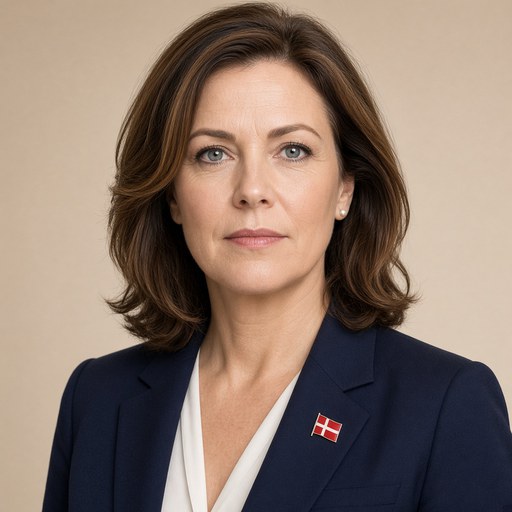
Prime Minister Helle Thorning-Schmidt's speech at the presentation of the Cavling Prize on January 9, 2015.
 Helle Thorning-Schmidt · Prime Minister of Denmark
- Context
- Thorning-Schmidt addressed the Cavling Prize ceremony on January 9, 2015, days after the Charlie Hebdo terrorist attack in Paris, honoring press freedom.
- Main themes
- Freedom of expression, press freedom, Charlie Hebdo attack, democracy, open society, terrorism, solidarity, independent journalism, free debate, collective defense of rights
- Duration
- ~5 min
- Words
- 630
- Sentences
- 68
- Readability
- 73
- Grade
- 5.3
- Syntax
- 2.27
- Vocabulary
- 2.04
Translated from Danish
The broad sphere of national life a sentence belongs to. Every sentence has an Arena, so it is the denominator the other indices are read against.
Other68 sentences in 21 paragraphs
Wednesday, January 7, 2015, was a dark day in Europe's recent history. Twelve defenseless and innocent people were cynically robbed of their lives by hooded terrorists. Since then, more have followed.
We have all sent thoughts to the victims. Those who survived. And to the families and loved ones.
But the goal of the violent men was more than just people.
For an editorial office is more than just a room with tables and chairs. It is a workshop for debate and discussion. A place where ideas are formed and challenged. With words. With images. And yes, also with drawings.
They attacked democracy. Free thought. They attacked the open society.
And they knew what they were doing. It was not random. That is why today's commemoration of an independent and critical press is more important than ever. Because press freedom and freedom of expression go hand in hand. One is not worth much without the other.
Freedom of expression is an individual right. And it is a precious right that we must never take for granted. But we must not forget that it is also a common good. It is the free word that fuels our democracy.
For how can we divide ourselves by opinions if we believe there is only one way to see the world? And how can we push our society forward if there is no room to insist that it can be done better and differently?
A defense of freedom of expression is never just a defense of the individual's right.
It is a defense of the idea that we humans can collectively shape a strong and free society - if not always in harmony - then in peace.
And it is that idea that thousands and thousands of people around the world have mourned and celebrated in defiance in recent days.
A light in front of an embassy. A human chain in a square. A minute of silence. A pen in the air. It is moving. And it is a dignified and solidary response to what struck Paris. It is important.
When such despicable acts occur, it affects everyone. It impacts us. Only the most callous can claim to be free from it.
It makes us think. Can one be horrified, even afraid? Yes. Can reflection turn into doubt? Yes. And that is precisely what distinguishes us from what the terrorists strive for.
Our insistence on using the power of words and not the power of violence. Our willingness to ask questions we do not know the answers to. And our common goal of a free and democratic society where people with different worldviews can live side by side.
That is why freedom of expression is important. As a bulwark against the totalitarian.
There are forces - also in our part of the world - that wish to destroy democracy and therefore target the lifeblood: The free debate. We cannot and must not deny that. But we must not let ourselves be threatened. We must not look away. On the contrary.
By using the free word, we show what democracy can do. By collectively standing guard over freedom of expression - even when it is difficult - we demonstrate the strength of the open society.
I have the deepest respect for the choices that newspapers and other media have made in recent days. It deeply touches me that there have been people sitting in thousands of editorial offices around the world discussing how tomorrow's newspaper should look. It is your choice. That is how it must and should be.
An editorial office is never just a room. And no one should ever stand alone in their defense of freedom of expression. This applies today. Tomorrow. And it applies to you.
Thank you for your attention.
The original Danish. The tags above are read on the English translation's sentences.
Onsdag den 7. januar 2015 var en mørk dag i Europas nyere historie. 12 forsvarsløse og uskyldige mennesker blev kynisk frarøvet deres liv af hætteklædte terrorister. Siden er flere kommet til.
Vi har alle sendt tanker til ofrene. Dem, der overlevede. Og til familierne og de pårørende.
Men voldsmændenes mål var mere end mennesker.
For et redaktionslokale er mere end et lokale med borde og stole. Det er et værksted for debat og diskussion. Et sted, hvor ideer formes og udfordres. Med ord. Med billeder. Og ja, også med tegninger.
De angreb demokratiet. Den frie tanke. De angreb det åbne samfund.
Og de vidste hvad de gjorde. Det var ikke tilfældigt. Derfor er markeringen i dag af en uafhængig og kritisk presse så vigtig som nogensinde. For pressefriheden og ytringsfriheden går hånd i hånd. Den ene er ikke meget værd uden den anden.
Ytringsfriheden er en individuel ret. Og den er en dyrebar ret, som vi aldrig må tage for givet. Men vi må ikke glemme, at den også er et fælles gode. Det er det frie ord, som ilter vores demokrati.
For hvordan kan vi dele os efter anskuelser, hvis vi tror, der kun findes en måde at se verden på? Og hvordan kan vi skubbe vores samfund fremad, hvis der ikke er plads til at insistere på, at det kan gøres bedre og anderledes?
Et forsvar for ytringsfriheden er aldrig kun et forsvar for den enkeltes ret.
Det er et forsvar for ideen om, at vi mennesker i fællesskab kan indrette et stærkt og frit samfund - om ikke altid i fordragelighed – så i fred.
Og det er den ide tusindvis og atter tusindvis af mennesker verden over i dyb sorg og med stor trods har hyldet de seneste dage.
Et lys foran en ambassade. En menneskekæde på en plads. Et minuts stilhed. En kuglepen i vejret. Det er bevægende. Og det er et værdigt og solidarisk svar på det, der ramte Paris. Det er vigtigt.
Når sådanne afskyelige handlinger sker, så rammer det alle. Det påvirker os. Kun den mest afstumpede kan sige sig fri.
Det får os til at tænke. Kan man blive forfærdet, ligefrem bange? Ja. Kan eftertænksomhed blive til tvivl? Ja. Og det er præcis det, som adskiller os fra det, terroristerne stræber efter.
Vores insisteren på at bruge ordets kraft og ikke voldens magt. Vores vilje til at stille spørgsmål, vi ikke kender svaret på. Og vores fælles mål om et frit og demokratisk samfund, hvor folk med forskellige livsanskuelser kan leve side om side.
Derfor er ytringsfriheden vigtig. Som et bolværk mod det totalitære.
Der er kræfter - også i vores del af verden - som ønsker at ødelægge demokratiet og derfor går målrettet mod at lamme livsnerven: Den frie debat. Det kan og skal vi ikke benægte. Men vi skal ikke lade os true. Vi skal ikke kigge væk. Tværtimod.
Ved at bruge det frie ord, viser vi, hvad demokratiet kan. Ved i fællesskab at stå vagt om ytringsfriheden – også når det er svært - viser vi styrken ved det åbne samfund.
Jeg har den dybeste respekt for de valg, aviser og andre medier har truffet de seneste dage. Det berører mig dybt, at der på tusindvis af redaktioner i hele verden har siddet mennesker og diskuteret, hvordan morgendagens avis skulle se ud. Det er jeres valg. Sådan må og skal det være.
Et redaktionslokale er aldrig bare et lokale. Og ingen mennesker må nogensinde stå alene i deres forsvar for ytringsfriheden. Det gælder i dag. I morgen. Og det gælder for jer.
Tak for ordet.