




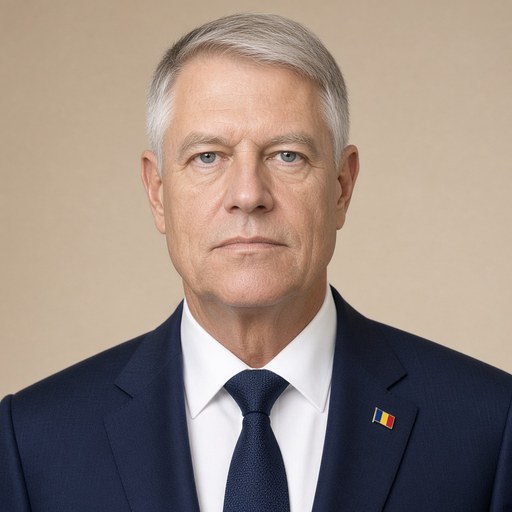
The speech of the President of Romania, Mr. Klaus Iohannis, delivered at the seminar "Human Resources in Health - Dialogue on Health Policies."
 Klaus Iohannis · President of Romania
- Context
- Iohannis addressed a seminar on human resources in health policy at Cotroceni Palace on October 5, 2015, organized by WHO, IOM, and the Center for Health Policies and Services.
- Main themes
- Medical staff emigration, healthcare system reform, corruption in healthcare, human resources in health policy, salary and performance incentives, trust between patients and doctors, public funding efficiency, young doctors and residency challenges, long-term healthcare planning, Romania's healthcare vulnerabilities
- Duration
- ~7 min
- Words
- 844
- Sentences
- 37
- Readability
- 44
- Grade
- 12.8
- Syntax
- 3.43
- Vocabulary
- 2.16
Translated from Romanian
The broad sphere of national life a sentence belongs to. Every sentence has an Arena, so it is the denominator the other indices are read against.
Other37 sentences in 9 paragraphs
"Mr. Minister, Esteemed parliamentarians, Distinguished guests, Ladies and gentlemen, It has been several good years since we have been hearing, more and more frequently and alarmingly, that 'our doctors and medical staff are leaving.' Thousands of medical professionals, doctors, nurses, recent graduates or those already experienced at the bedside of patients are seeking a better future abroad. The numbers confirm it, and everyone knows it - the authorities, the patients, an entire society.
And in recognizing this reality, concern and helplessness are often intertwined. The responsible authorities, and I regret to say this, are almost resignedly witnessing this phenomenon. Year after year, salary increases are promised to keep doctors at home. And year after year, more and more money is spent, but inefficiently. We are caught in a vicious circle where the unfortunate combination of lack of funds, lack of prospects, and, I would add, lack of courage to assume responsibilities is evident. The departure of medical staff reveals the vulnerabilities of the healthcare system, which are not only related to how public money, already so scarce, is spent, but also to the frequent changes in legislation, organization, and management, or to partial and conjunctural solutions to chronic problems. The healthcare system actually shows us a reality with multiple facets and different truths.
In this context, I would like to commend the initiative of this debate and thank the organizers - the WHO Office for Romania, the International Organization for Migration, and the Center for Health Policies and Services. We host this event at the Cotroceni Palace not only as a symbolic gesture but also with the confidence that such initiatives, continued in a broader endeavor, can lead to solutions.
Ladies and gentlemen, As President, I am concerned about the overall state of the healthcare system and the pillars on which it is based. If these are not strong enough, any solution or measure, no matter how well-intentioned, will inevitably show its limits.
First of all, I believe we need a healthcare system free of corruption - big or small, at any level and of any kind. Simply free of corruption. A system with clear rules that neither justifies nor encourages corruption. Secondly, we need a system that rewards value, including or especially materially, and stimulates performance, whether we are talking about renowned doctors who have saved hundreds and hundreds of lives or young students or residents who dedicate themselves to this noble profession. These are two facets of the same problem. If we want a good healthcare system, we need well-trained and well-paid medical staff, from whom patients have the right, in turn, to demand fairness, integrity, and quality services. Finally, the above will lead to the rebuilding of trust and respect: from patients to doctors, from doctors to patients, from authorities in relation to both.
Ladies and gentlemen, Let us look more clearly at how things actually stand. The Romanian state invests in the education and training of medical students, but then does not offer them attractive prospects to continue their careers in the country. Young people, freshly out of residency programs, face the risk of unemployment, even though Romania lacks medical staff compared to needs, especially in certain specialties. These are the paradoxes of a fractured system that self-perpetuates in the absence of coordinated and coherent action.
It is your mission, those of you here, experts, doctors, representatives of authorities with direct responsibilities in the field, to think about the concrete policies regarding human resources in health, to find a way out of helplessness and to overcome these paradoxes. I know you have a set of proposals, and I hope they will be a first step in solving these problems. It takes, as I have said before, courage to transform the healthcare system and to stop the exodus of medical staff. Here, at the Cotroceni Palace, you will always find a platform for dialogue and mediation. And from my side, you will find involvement, because we cannot build the prosperous and strong society we desire without a high-performing healthcare system. And you will also find firmness from me in calling things by their name.
Higher salaries in healthcare can be promised by some and others starting tomorrow, but without other premises, they will not necessarily stop doctors from leaving. Without healthcare infrastructure, without correct and efficient management of public funds, without respect for those with experience, and without opportunities for young doctors and nurses, 20% or 50% more will not solve the problem. It may temper it for the moment, but it certainly will not resolve it in the long term. I believe we will need to think about a complex of factors and measures, across all the components mentioned above, in a rigorous step-by-step planning, but starting from a long-term objective.
And if, as a result of such an endeavor, some of the doctors who left return to Romania, bringing with them knowledge, experience, and capital, it would be a great gain for the entire society. Thank you for the initiative, for your participation, and I wish you much success!"
The original Romanian. The tags above are read on the English translation's sentences.
„Domnule Ministru, Stimaţi parlamentari, Stimaţi invitaţi, Doamnelor şi domnilor, Sunt deja câțiva ani buni de când auzim, din ce în ce mai des și mai alarmant, că «ne pleacă medicii și personalul medical». Mii de cadre medicale, doctori, asistenți, proaspăt absolvenți sau deja cu experiență la patul bolnavilor își caută un viitor mai bun în străinătate. O confirmă cifrele și o știe toată lumea - autoritățile, pacienții, o societate întreagă. Iar în recunoașterea acestei realități se amestecă, la fel de des, îngrijorarea și neputința. Autoritățile responsabile, și îmi pare rău că trebuie s-o spun, asistă aproape resemnate la acest fenomen. De la an la an se promit măriri de salarii, care să țină medicii acasă. Și tot de la an la an se cheltuiesc din ce în ce mai mulți bani, dar în mod ineficient. Ne învârtim într-un cerc vicios în care se îmbină nefericit lipsa fondurilor, a perspectivelor și, aș adăuga, a curajului de a asuma responsabilități. Plecarea personalului medical dezvăluie vulnerabilitățile sistemului sanitar, care nu țin doar de modul în care sunt cheltuiți banii publici, și așa puțini, ci și de schimbările frecvente de legislație, de organizare și management sau de soluții parțiale și conjuncturale la probleme cronice. Sistemul sanitar ne arată, de fapt, o realitate cu multiple fațete și cu adevăruri diferite. În acest context doresc să salut inițiativa acestei dezbateri și să le mulțumesc organizatorilor - Biroul pentru România al Organizaţiei Mondiale a Sănătăţii, Organizaţia Internaţională pentru Migraţie şi Centrul pentru Politici şi Servicii de Sănătate. Găzduim acest eveniment la Palatul Cotroceni nu numai ca un gest simbolic, ci şi cu încrederea că asemenea inițiative, continuate într-un demers mai amplu, pot să conducă și la soluții. Doamnelor și domnilor, Ca Președinte sunt preocupat de cum arată sistemul sanitar în ansamblul său și de pilonii pe care se fundamentează. Dacă aceștia nu sunt suficient de puternici, orice soluție sau măsură, oricât de bine intenționată, își va arăta inevitabil limitele. În primul rând, cred că avem nevoie de un sistem sanitar fără corupție - mare sau mică, la orice nivel și de orice fel. Pur și simplu fără corupție. Un sistem cu reguli clare, care nici nu justifică, dar nici nu încurajează corupția. În al doilea rând, avem nevoie de un sistem care răsplătește valoarea, inclusiv sau mai ales material și stimulează performanța, fie că vorbim de medicii de renume care au salvat sute și sute de vieți, fie de tinerii studenți sau rezidenți care se dedică acestei meserii nobile. Acestea sunt două fațete ale aceleiași probleme. Dacă vrem un sistem sanitar bun, avem nevoie de personal medical bine pregătit și bine plătit, de la care pacienții au dreptul, la rândul lor, să ceară corectitudine, integritate și servicii de calitate. În fine, cele de mai sus vor putea conduce la reclădirea încrederii și respectului: de la pacienți la medici, de la medici la pacienți, de la autorități în raport și cu unii și cu alţii. Doamnelor și domnilor, Să ne uităm mai limpede cum stau de fapt lucrurile. Statul român investește în educația și pregătirea studenților la medicină, dar apoi nu le oferă perspective atractive pentru a-și continua cariera în țară. Tinerii, proaspăt ieșiți din programele de rezidențiat, sunt confruntați cu riscul șomajului, deși România duce lipsă de personal medical în comparație cu nevoile, mai ales pe anumite specialități. Sunt paradoxurile unui sistem fracturat, care se autoalimentează în absența unei acțiuni coordonate și coerente. Dumneavoastră, celor de aici, experți, medici, reprezentanți ai autorităților cu atribuții directe în domeniu, vă revine misiunea să gândiți politicile concrete care privesc resursa umană în sănătate, ieșirea din neputință și depășirea acestor paradoxuri. Ştiu că aveţi un set de propuneri și îmi doresc ca ele să fie un prim pas în rezolvarea acestor probleme. Este nevoie, așa cum am mai spus, de curaj pentru a transforma sistemul sanitar și pentru a opri exodul personalului medical. Aici, la Palatul Cotroceni, veți găsi mereu o platformă de dialog și mediere. Iar din partea mea veți găsi implicare, pentru că nu putem construi societatea prosperă și puternică pe care ne-o dorim fără un sistem sanitar performant. Și veți mai găsi din partea mea fermitate în a spune lucrurilor pe nume. Se pot promite, de către unii și alții, salarii mai mari în sănătate de mâine, dar fără alte premise ele nu îi vor opri neapărat pe medici să plece. Fără infrastructură sanitară, fără management corect și eficient al banilor publici, fără respect pentru cei cu experiență și fără oportunități pentru tinerii medici și asistenți, 20% sau 50% în plus nu vor rezolva problema. Poate o vor tempera pe moment, dar cu siguranță nu o vor rezolva pe termen lung. Cred că va trebui gândit un complex de factori și măsuri, pe toate componentele de mai sus, într-o planificare riguroasă pe etape, dar pornind de la un obiectiv pe termen lung. Iar dacă în urma unui asemenea demers o parte dintre medicii plecați se vor întoarce în România, aducând cu ei cunoștințe, experiență, capital, ar fi un mare câștig pentru întreaga societate. Vă mulțumesc pentru inițiativă, pentru participare și vă doresc mult succes!”