




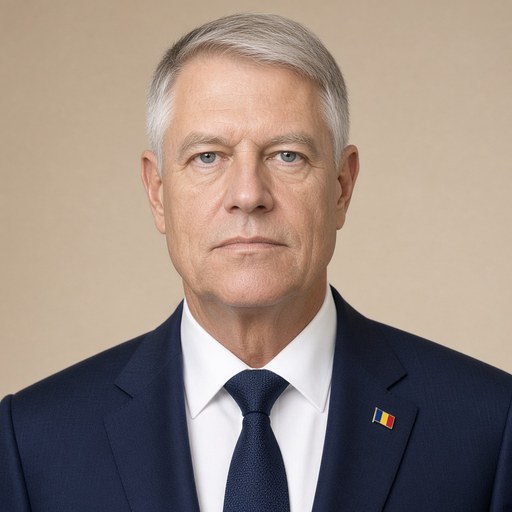
The national intervention of the President of Romania, Mr. Klaus Iohannis, supported during the UN Summit for the adoption of the Sustainable Development Agenda.
 Klaus Iohannis · President of Romania
- Context
- Iohannis addressed the UN Sustainable Development Summit in New York on September 27, 2015, upon adoption of the 2030 Agenda for Sustainable Development.
- Main themes
- 2030 Agenda for Sustainable Development, sustainable development goals, poverty eradication, international peace and security, migration and humanitarian crisis, social inclusion and exclusion, rule of law and human rights, gender equality and women's empowerment, global partnership, Romania's national implementation, economic growth and decent employment, environmental and social balance
- Duration
- ~6 min
- Words
- 670
- Sentences
- 30
- Readability
- 25
- Grade
- 15.3
- Syntax
- 3.08
- Vocabulary
- 2.19
Translated from Romanian
The broad sphere of national life a sentence belongs to. Every sentence has an Arena, so it is the denominator the other indices are read against.
Other30 sentences in 9 paragraphs
"Mr. President, Mr. Secretary-General, Excellencies, Ladies and Gentlemen, It is a great pleasure for me to participate in the United Nations Summit that has just adopted the programmatic document 'Transforming Our World: The 2030 Agenda for Sustainable Development,' in this year when the international community celebrates 70 years since the establishment of the United Nations.
The objective of the new Agenda is to eradicate poverty in all its forms and to ensure sustainable development in its three dimensions, in a balanced and integrated manner. The 17 Sustainable Development Goals and 169 targets confirm the complexity of our Agenda. The effort we will make over the next 15 years will demonstrate that we, all UN member states, are firmly committed to fulfilling the ambitious and noble aspiration of freeing people from the scourge of poverty. It is our common duty to identify the appropriate solutions for this, in an era when science and technology are fully developed goods, with remarkable potential to support economic growth.
We must be aware that measures aimed at eradicating poverty are not only a moral commitment but also means of promoting peace and international security. International peace and security – major objectives of the United Nations – cannot be promoted without directing our attention, in particular, to development. We must address the root causes of conflicts, which include poverty, hopelessness, despair, and social exclusion. Poverty can lead to despair and frustration, which could turn into the seed of extremism and violence. At the same time, peace and security – whether at the international level or as a national issue – are major prerequisites for sustainable development.
As we have seen in recent months, hundreds of thousands of people have fled from war, in search of a better life, entering Europe, often through risky means. This increasing flow of migrants from the Middle East and Africa has prompted European countries to make massive efforts to cope with a humanitarian disaster of massive proportions. We are facing a complex crisis. It involves humanitarian aspects, a border protection crisis, an integration crisis, and a financial crisis. If we do not find the most appropriate means to address each of them, each wave of migration will surpass the previous one. Every nation has the obligation to save people, to support them, and to protect them.
Ladies and gentlemen, The New Agenda goes far beyond the Millennium Development Goals, maintaining themes such as poverty eradication, education, and health, and addressing new themes such as peaceful and inclusive societies. It has a universal character, maintains a balance between economic, social, and environmental objectives, addresses important means of implementation, and supports global partnership in its implementation. All countries must ensure that appropriate policies are prepared for the implementation of the Agenda. Countries must promote effective and inclusive institutions and create policies based on the rule of law, human rights, women's rights, gender equality, and women's empowerment. National property rights and accountability are essential for the implementation of this Agenda, including through commitments, as well as through instruments such as sustainable development strategies.
Each country has the primary responsibility for its own development. We fully support the idea that the new Agenda must be implemented by local institutions, responding directly to the needs of citizens. Their needs, interests, and concerns must be addressed when defining local and national development strategies.
In the case of Romania, we will review the National Sustainable Development Strategy to integrate the new Development Goals. Social exclusion is identified as a major challenge to the implementation of the Sustainable Development Goals. In the revised Romanian strategy, emphasis will be placed on supporting the inclusion of persons with disabilities, youth, and women in development policies. Eradicating poverty requires decent employment opportunities, and preventing and avoiding social exclusion requires social cohesion policies.
We are ready to participate in the review and monitoring process of the implementation of the new Agenda, to share our experience with other Member States and to learn from the lessons and positive outcomes of this process.
Thank you!"
The original Romanian. The tags above are read on the English translation's sentences.
„Domnule Președinte, Domnule Secretar General, Excelențe, Doamnelor și domnilor, Îmi face o deosebită plăcere să particip la Summitul Națiunilor Unite care tocmai a adoptat documentul programatic „Transformarea lumii noastre: Agenda 2030 pentru dezvoltare durabilă”, în acest an în care comunitatea internațională aniversează 70 de ani de la crearea Națiunilor Unite. Obiectivul noii Agende este să eradicheze sărăcia în toate formele sale și să asigure o dezvoltare durabilă în cele trei dimensiuni proprii, de manieră echilibrată și integrată. Cele 17 Obiective de Dezvoltare Durabilă și 169 de scopuri confirmă complexitatea Agendei noastre. Efortul pe care îl vom face în următorii 15 ani va demonstra că noi, toate statele membre ONU, ne-am angajat ferm să împlinim ambițioasa și nobila aspirație de a elibera oamenii de flagelul sărăciei. Este datorită noastră comună să identificăm soluțiile adecvate pentru aceasta, într-o epocă în care știința și tehnologia sunt bunuri deplin dezvoltate, cu un potențial remarcabil de susținere a creșterii economice. Trebuie să fim conștienți că măsurile care vizează eradicarea sărăciei nu reprezintă doar un angajament moral, ci și mijloace de promovare a păcii și a securității internaționale. Pacea internațională și securitatea – obiective majore ale Națiunilor Unite – nu pot fi promovate fără a ne îndrepta atenția, în mod deosebit, asupra dezvoltării. Trebuie să abordăm rădăcinile conflictelor, care includ sărăcia, lipsa de speranță, disperarea și excluziunea socială. Sărăcia ar putea duce la disperare și frustrare, ceea ce s-ar putea transforma în sămânța extremismului și a violenței. În același timp, pacea si securitatea – fie că se situează la nivel internațional, fie că reprezintă o chestiune națională – constituie premise majore pentru dezvoltarea durabilă. După cum am putut observa în ultimele luni, sute de mii de oameni au fugit din calea războiului, în căutarea unei vieți mai bune, intrând în Europa, deseori prin mijloace riscante. Acest flux din ce în ce mai mare de migranți din Orientul Mijlociu și Africa a determinat țările europene să depună eforturi masive pentru a face față unui dezastru umanitar de proporții masive. Ne confruntăm cu o criză complexă. Este vorba de aspecte umanitare, de o criză a protejării granițelor, de o criză a integrării și de o criză financiară. Dacă nu găsim cele mai adecvate mijloace de a le soluționa pe fiecare dintre ele, fiecare val de migrație îl va depăși pe cel anterior. Orice națiune are obligația de a salva oameni, de a-i susține și de a-i proteja. Doamnelor și domnilor, Noua Agendă depășește cu mult Obiectivele de Dezvoltare ale Mileniului, menținând teme precum eradicarea sărăciei, educația și sănătatea și abordând noi teme precum societățile pașnice și incluzive. Ea are un caracter universal, menține echilibrul între obiectivele economice, sociale și de mediu, abordează mijloacele importante de implementare și susține parteneriatul global în implementarea sa. Toate țările trebuie să se asigure că politicile adecvate sunt pregătite pentru implementarea Agendei. Țările trebuie să promoveze instituții efective și incluzive și să creeze politici bazate pe statul de drept, drepturile omului, drepturile femeii, egalitatea de gen și capacitarea femeilor. Dreptul național de proprietate și responsabilitatea sunt esențiale pentru implementarea acestei Agende inclusiv prin angajamente, precum și prin instrumente cum ar fi strategiile de dezvoltare durabilă. Fiecare țară are responsabilitatea principală în privința propriei dezvoltări. Susținem pe deplin ideea că noua Agendă trebuie să fie implementată de către instituțiile locale, răspunzând direct nevoilor cetățenilor. Nevoile, interesele și grijile acestora trebuie să fie soluționate atunci când vor fi definite strategiile de dezvoltare locală și națională. În cazul României, vom revizui Strategia Națională de Dezvoltare Durabilă, pentru a integra noile Obiective de Dezvoltare. Excluziunea socială este identificată ca o provocare majoră la adresa implementării Obiectivelor de Dezvoltare Durabilă. În Strategia românească revizuită, se va pune accentul pe susținerea incluziunii persoanelor cu dizabilități, a tinerilor și a femeilor, în politicile de dezvoltare. Eradicarea sărăciei reclamă oportunități decente de angajare, iar prevenirea și evitarea excluziunii sociale necesită politici de coeziune socială. Suntem pregătiți să luăm parte la procesul de revizuire și de monitorizare ale implementării noi Agende, pentru a împărtăși din experiența noastră cu alte State Membre și a învăța din lecțiile și rezultatele pozitive ale acestui proces. Vă mulțumesc!”