




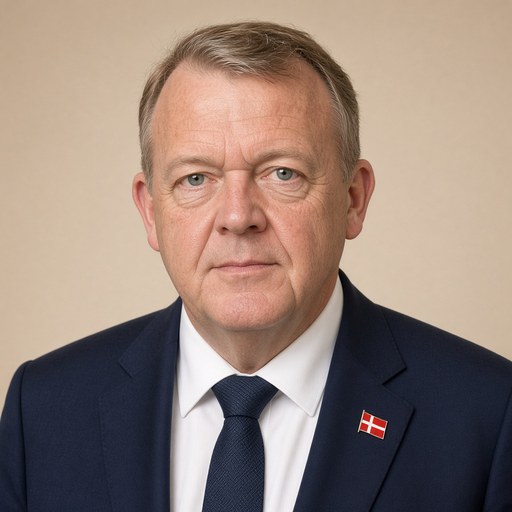
The Prime Minister's speech at the opening of the User-Driven Innovation Center in Odense on September 3, 2010.
 Lars Løkke Rasmussen · Prime Minister of Denmark
- Context
- Rasmussen addressed the opening of the Center for User-Driven Innovation in Odense on September 3, 2010, focusing on healthcare reform and economic growth.
- Main themes
- User-driven innovation, healthcare reform, economic growth and competitiveness, hospital modernization, patient choice and quality, aging population, welfare society sustainability, Danish health goals, emergency preparedness, public investment in health
- Duration
- ~14 min
- Words
- 1,738
- Sentences
- 128
- Readability
- 55
- Grade
- 8.5
- Syntax
- 2.55
- Vocabulary
- 2.00
Translated from Danish
The broad sphere of national life a sentence belongs to. Every sentence has an Arena, so it is the denominator the other indices are read against.
Other128 sentences in 48 paragraphs
Thank you for allowing me to be here today for the opening of the Center for User-Driven Innovation. It is a pleasure to be able to come right into the hangar where the screws for the future of healthcare are being developed and assembled.
I am hardly dropping a bombshell by revealing that the healthcare sector has my great interest and has had it throughout my political life. Particularly intensely during my time as county mayor and as Minister of Health. The topic is also high on my agenda now that I have the privilege of being Prime Minister.
* * *
I will start with the broad agenda that sets the framework for all politics in the coming period: The need to kickstart growth, dynamism, and earnings after the global financial crisis.
The fundamental conditions for Danish politics have changed. We are challenged. We are in a new era.
It may sound like a cliché. But it is nonetheless a fact that Denmark has lost exports and jobs. It is a fact that competition from Asia has intensified. It is a fact that after decades of tailwinds and North Sea billions in our pockets, we now have to fight – and fight hard – for progress and for our welfare society.
My political agenda is therefore clear: We must recreate growth. For without new growth, there is no lasting welfare.
This is the broad brush that paints the backdrop for all politics in the coming years – including in the healthcare sector.
* * *
The government has set the goal for the health of the Danish people that by 2020, Denmark should be among the 10 countries in the world where people live the longest. Many good years of life are both a prerequisite for a good life for the individual and for the prosperity of the entire society. There is no reason why we Danes should not live as long as Swedes and Norwegians. But we do not today.
Since 2001, the government has worked to make a good healthcare system even better and has taken a real grip on the problems.
We have given citizens increased freedom of choice and more rights. There is something fundamentally reasonable in that we ourselves have an influence on which knife we submit to. But the choice can be difficult to navigate. Therefore, free choice must be accompanied by the greatest possible transparency about the quality of each hospital.
Free choice and a focus on quality, along with significant investments and faster treatment processes, have set off a positive spiral and led to a strong increase in productivity throughout the healthcare system.
So we have been able to reduce waiting lists.
So more cancer patients and heart patients survive their illnesses.
So nine out of ten patients are satisfied with their hospitalization.
The next step, which we are well underway with, is the largest modernization of the Danish hospital structure ever. It is a plan with two equal legs:
One leg is specialized and highly professional treatment. If you become seriously ill, it is crucial that you receive the very best treatment regardless of time and place. Therefore, we are investing 40 billion kroner specifically in state-of-the-art hospitals where we consolidate specialties.
The other leg is the local care that creates security. If you have diabetes, you should not have to drive two hours to get a check-up. If you fall from a ladder, you should be able to quickly see a doctor to determine if your leg is broken.
An agreement has just been reached on the future emergency preparedness. The agreement ensures that all Danes, regardless of whether they live by the West Coast or in Vesterbro, can receive help within 15 minutes under normal circumstances. The new emergency preparedness includes new helicopters, new medical ambulances, and the establishment of health and emergency houses in remote areas with particularly long distances to a hospital.
It is a core task in our welfare society that we all have access to the best treatment if we become ill.
Therefore, the healthcare sector will continue to have a high priority and receive new funding, even though public spending overall must be kept in check. Therefore, we are allocating an additional 5 billion kroner to health in 2011 – 2013.
* * *
We have come a long way through a joint effort. We have achieved good results. Results that we can be proud of.
But despite the many billions, despite the good results, there are still challenges. Challenges that place great demands on the entire healthcare system. You know all about that. But also challenges that are fundamentally positive developments:
Firstly, we are faced with the positive development that more Danes are living longer. This brings us closer to fulfilling the government's goal of being one of the 10 countries in the world where people live the longest. That is wonderful. But it is also a challenge when there are fewer young people to take care of the elderly.
Secondly, we are faced with the positive development that modern people want and can do things themselves. The era of one-size-fits-all is over. Modern patients demand individualized services. This places new demands. But it also creates new opportunities.
We must harness the willingness and ability of patients to both provide better service and improve the economy. The answer is home monitoring, such as blood sugar measurement for diabetics – for which you are famous here in Funen. And we must expand telemedicine – as when Odense University Hospital provides doctors and patients with interpreter assistance via video.
Thirdly, we are faced with the positive development that new treatment methods, better vaccines, and more effective medicines are emerging. New research saves lives. That is encouraging. But it is also expensive.
The new vaccination program for cervical cancer costs approximately 90 million kroner a year. It is worth the money and more. That is why we have implemented it. But the funds must still be there.
If healthcare spending is not to spiral out of control and results lag behind needs, there is a need for rethinking and innovation in the way we do things. There are many good examples. I have already mentioned several. This center must ensure that there are even more good examples that can be planted in the healthcare system in the future.
We need better health through common sense and healthy ideas.
* * *
We need economic growth to finance the healthcare of the future. But the arrow also points the other way. The healthcare sector contributes to creating growth. Health is a business area with great potential.
Therefore, the healthcare system must become even better at collaborating with the private sector on research, development, and innovation. A more proactive public-private partnership may be seen by some as a fiercely ideological issue, but it is not – it is a matter of common sense. That is what we need.
As when Odense University Hospital, a few years ago, took the initiative to improve the lighting in operating rooms. An important area. I would not want to lie on an operating table where the light is insufficient. The hospital contacted companies that worked with lighting for public institutions. Together, they developed a prototype that provides different lighting during operations based on the needs of staff and patients. For example, the anesthesiologist needs a special light so she can easily see if the patient's facial color changes.
The project not only provided better conditions for patients and staff. It also spawned a new company – a startup that further developed and marketed the product.
This is just one example among many possible healthy sprouts for growth. Sprouts emerging from public-private collaboration. Here we have a huge Danish potential.
We have long traditions of collaboration between the pharmaceutical industry and the healthcare system. Novo and Lundbeck have become as large as they are because they have had a good collaboration with Danish hospitals from the start regarding testing. Denmark is a fantastic country for testing medicines because Danes are willing to participate, and because we have good registries. A quarter of a million Danes participate in clinical research every year.
We must also expand the palette and create growth and development in collaboration with other industries. The multinational IT company CSC has placed its health IT test center in Denmark because they see Denmark as a pioneer in health technology, and because they have experienced that Danish hospitals are skilled partners.
The Danish health industry is already today one of our absolute leading export sectors. With an annual export of 40 billion kroner. With growing health sectors around the world, there are great opportunities for even greater exports in the future.
This is a development that is interesting and that we must support. The government is pushing forward with the 3 billion kroner we have allocated for investments in labor-saving technology. The idea is that new technology can relieve staff so they have time for care and service to citizens.
The fund supports, for example, a collaboration between the public sector and a private company, where patients with a chronic lung disease are spared exhausting trips to and from the doctor. The trick is a patch that measures critical data directly on the patient around the clock. In this way, the doctor can monitor the patient from the hospital – without the patient needing to show up. An advantage for both patient and doctor. And chronic lung disease is not just an ailment we have in Denmark. Therefore, there are also export opportunities in the idea.
We have talked a lot about "green growth" in Denmark in recent years. We must also talk about "healthy growth." About growth based on health and welfare technology. Here we must leverage our unique Danish experiences and competencies.
* * *
The new innovation center here in Odense, which we are opening today, is a good concrete response to the challenges in the healthcare sector. I expect that you will become a laboratory for new ideas that will benefit both patients and can send healthy offshoots to the private sector.
We are in new times with new challenges. Let it also be the time for new ideas. The time for smart solutions. The time for fruitful collaboration. So that we can have both healthy Danes and healthy growth.
Thank you for your attention.
The original Danish. The tags above are read on the English translation's sentences.
Tak, fordi jeg må være med i dag til åbningen af Center for Brugerdreven Innovation. Det er en fornøjelse at få lov at komme helt ind i hangaren, hvor skruerne til fremtidens sundhedsvæsen udvikles og skrues i.
Jeg springer næppe nogen bombe ved at afsløre, at sundhedsområdet har min store interesse og har haft det hele mit politiske liv. Særligt intenst i min tid som amtsborgmester og som sundhedsminister. Emnet er også højt på min dagsorden nu, hvor jeg har det privilegium at være statsminister.
* * *
Jeg vil starte med den brede dagsorden, som sætter rammen for al politik i den kommende tid: Behovet for at få gang i vækst, dynamik og indtjening efter den globale finanskrise.
Grundvilkårene for dansk politik er ændret. Vi er udfordrede. Vi står i en ny tid.
Det kan lyde som en frase. Men det er ikke desto mindre et faktum, at Danmark har mistet eksport og arbejdspladser. Det er et faktum, at konkurrencen fra Asien er skærpet. Det er et faktum, at vi fra årtiers vind i ryggen og Nordsø-milliarder på lommen, nu igen skal kæmpe – og kæmpe hårdt – for fremgangen og for vores velfærdssamfund.
Min politiske dagsorden er derfor klar: Vi skal genskabe væksten. For uden ny vækst ingen varig velfærd.
Det er den brede pensel, som maler baggrundstæppet for al politik i de kommende år – også for sundhedsområdet.
* * *
Regeringen har sat det mål for danskernes sundhed, at Danmark i 2020 skal være blandt de 10 lande i verden, hvor man lever længst. Mange gode leveår er både en forudsætning for et godt liv for den enkelte og for hele samfundets velstand. Der er ingen grund til, at vi danskere ikke skal leve lige så længe som svenskere og nordmænd. Men det gør vi ikke i dag.
Regeringen har siden 2001 arbejdet på at gøre et godt sundhedsvæsen endnu bedre og taget et reelt livtag med problemerne.
Vi har givet borgerne øget valgfrihed og flere rettigheder. Der er noget grundlæggende rimeligt i, at vi selv har indflydelse på, hvis kniv vi lægger krop til. Men valget kan være svært at gennemskue. Derfor skal frit valg følges med størst mulig åbenhed om kvaliteten på det enkelte sygehus.
Frit valg og fokus på kvalitet har sammen med markante investeringer og hurtigere behandlingsforløb sat en positiv spiral i gang og givet en stærk produktivitetsstigning i hele sundhedsvæsenet.
Så vi har kunnet nedbringe ventelisterne.
Så flere kræftpatienter og hjertepatienter overlever deres sygdom.
Så ni ud af ti patienter er tilfredse med deres indlæggelse.
Næste skridt, som vi er godt i gang med, er den største modernisering af den danske sygehusstruktur nogensinde. Det er en plan med to ligeværdige ben:
Det ene ben er den specialiserede og højt faglige behandling. Hvis man bliver alvorligt syg, så er det helt afgørende, at man får den allerbedste behandling uanset tid og sted. Derfor investerer vi 40 milliarder kroner målrettet i topmoderne sygehuse, hvor vi samler specialerne.
Det andet ben er det nære, der skaber tryghed. Hvis man har diabetes, så skal man ikke køre to timer for at komme til kontrol. Hvis man falder ned fra en stige, så skal man hurtigt kunne komme til lægen og få konstateret, om benet er brækket.
Der er netop indgået en aftale om fremtidens akutberedskab. Aftalen sikrer, at alle danskere, uanset om de bor ved Vesterhavet eller på Vesterbro, under normale omstændigheder kan få hjælp inden for 15 minutter. Det nye akutberedskab omfatter nye helikoptere, nye lægeambulancer og etablering af sundheds- og akuthuse i yderområder med særligt langt til et hospital.
Det er en kerneopgave i vores velfærdssamfund, at vi alle sammen skal have adgang til den bedste behandling, hvis vi bliver syge.
Derfor vil sundhedsområdet fortsat have høj prioritet og få nye penge, selvom de offentlige udgifter under ét skal holdes i ro. Derfor afsætter vi 5 mia. kr. ekstra til sundhed i 2011 – 2013.
* * *
Vi er nået langt ved en fælles indsats. Vi har opnået gode resultater. Resultater, som vi kan være stolte af.
Men trods de mange milliarder, trods de gode resultater, så er der fortsat udfordringer. Udfordringer, som stiller store krav til hele sundhedsvæsenet. Det ved I alt om. Men også udfordringer, som i bund og grund er glædelige udviklinger:
For det første står vi med den glædelige udvikling, at flere danskere bliver gamle. Det bringer os nærmere at opfylde regeringens mål om, at vi skal være et af de 10 lande i verden, hvor mennesker lever længst. Det er dejligt. Men det er også en udfordring, når der samtidig bliver færre unge til at tage sig af de gamle.
For det andet står vi med den glædelige udvikling, at moderne mennesker vil og kan selv. Metervarernes tid er forbi. Moderne patienter efterspørger individuelle ydelser. Det stiller nye krav. Men det giver også nye muligheder.
Vi skal bruge patienternes vilje og kunnen til både at give bedre service og forbedre økonomien. Svaret er hjemmemonitorering som blodsukkermåling for diabetikere – det er I berømte for her på Fyn. Og vi skal udbrede telemedicin – som når Odense Universitetshospital giver læger og patienter tolkebistand via video.
For det tredje står vi med den glædelige udvikling, at der kommer nye behandlingsmetoder, bedre vacciner og mere effektiv medicin. Ny forskning redder liv. Det er glædeligt. Men det er også dyrt.
Det nye vaccineprogram for livmoderhalskræft koster umiddelbart i omegnen af 90 mio. kr. om året. Det er pengene værd og mere til. Det er derfor, vi har indført det. Men pengene skal stadig være der.
Hvis ikke sundhedsudgifterne skal løbe løbsk og resultaterne halte efter behovene, så er der brug for nytænkning og innovation i den måde, vi gør tingene på. Der er mange gode eksempler. Jeg har allerede nævnt flere. Centret her skal sørge for, at der bliver endnu flere gode eksempler, som kan plantes ud i sygehusvæsenet, fremover.
Vi skal have bedre sundhed gennem sund fornuft og sunde idéer.
* * *
Vi har brug for økonomisk vækst for at finansiere fremtidens sundhed. Men pilen peger også den anden vej. Sundhedsområdet er med til at skabe vækst. Sundhed er et erhvervsområde med et stort potentiale.
Derfor skal sundhedsvæsenet være endnu bedre til at samarbejde med den private sektor om forskning, udvikling og innovation. Et mere offensivt offentligt-privat samarbejde vil nogen måske gøre til et voldsomt ideologisk spørgsmål, men det er det ikke – det er et spørgsmål om sund fornuft. Det er det, vi har brug for.
Som da Odense Universitetshospital for nogle år siden tog initiativ til at forbedre belysningen på operationsstuerne. Et vigtigt område. Jeg ville nødigt ligge på et operationsbord, hvor lyset er utilstrækkeligt. Hospitalet tog kontakt til virksomheder, som arbejdede med belysning til offentlige institutioner. Sammen udviklede man en prototype, der afgiver forskelligt lys under operationer alt efter medarbejdernes og patienternes behov. Fx skal
anæstesilægen have et specielt lys, så hun let kan se, om patientens ansigtsfarve ændrer sig.
Projektet gav ikke bare bedre forhold for patienter og medarbejdere. Det kastede også en ny virksomhed af sig – en iværksættervirksomhed, der videreudviklede og markedsførte produktet.
Det er bare ét eksempel blandt mange mulige på en sund spire til vækst. Spiret frem af offentligt-privat samarbejde. Her har vi et kæmpe dansk potentiale.
Vi har lange traditioner for samarbejde mellem lægemiddelindustrien og sundhedsvæsenet. Novo og Lundbeck er blevet så store, som de er, fordi de fra start har haft et godt samarbejde med danske hospitaler om afprøvning. Danmark er et fantastisk land at afprøve lægemidler i, fordi danskerne vil være med, og fordi vi har gode registre. En kvart million danskere deltager i klinisk forskning hvert år.
Vi skal også udvide paletten og skabe vækst og udvikling i samarbejde med andre brancher. Den multinationale it-virksomhed CSC har placeret sit testcenter for sundheds-it i Danmark, fordi de ser Danmark som et foregangsland for sundhedsteknologi, og fordi de har oplevet, at de danske hospitaler er dygtige samarbejdspartnere.
Den danske sundhedsindustri er allerede i dag et af vores absolut førende eksporterhverv. Med en årlig eksport på 40 mia. kr. Med voksende sundhedssektorer i hele verden er der store muligheder for en endnu større eksport i fremtiden.
Det er en udvikling, som er interessant, og som vi skal understøtte. Regeringen skubber på med de 3 milliarder kroner, vi har afsat til investeringer i arbejdskraftbesparende teknologi. Idéen er, at ny teknologi kan aflaste medarbejderne, så de får tid til omsorg og service til borgerne.
Fonden støtter fx et samarbejde mellem det offentlige og en privat virksomhed, hvor patienter med en kronisk lungesygdom slipper for slidsomme ture til og fra lægen. Fidusen er et plaster, der måler kritiske data direkte på patienten døgnet rundt. På den måde kan lægen overvåge patienten fra sygehuset – uden at patienten behøver at møde op. En fordel for både patient og læge. Og kronisk lungesygdom er jo ikke kun en lidelse, vi har i Danmark. Derfor er der også eksportmuligheder i idéen
Vi har talt meget om ”grøn vækst” i Danmark i de senere år. Vi skal også tale om ”sund vækst”. Om vækst med udgangspunkt i sundheds- og velfærdsteknologi. Her skal vi udnytte vores særlige danske erfaringer og kompetencer.
* * *
Det nye innovationscenter her i Odense, som vi åbner i dag, er et godt konkret bud på svaret på sundhedsområdets udfordringer. Jeg forventer, at I bliver et laboratorium for nye idéer, som både vil gavne patienterne og kan sende sunde udløbere til det private erhvervsliv.
Vi står i nye tider med nye udfordringer. Lad det også være de nye idéers tid. De kloge løsningers tid. Det frugtbare samarbejdes tid. Så vi kan få både sunde danskere og sund vækst.
Tak for ordet.