




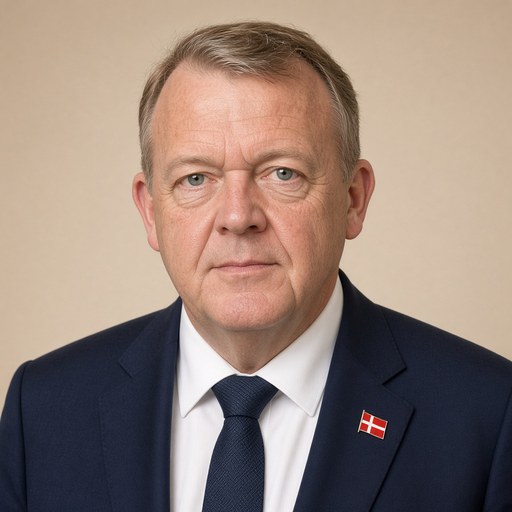
The Prime Minister's speech at Henning Christophersen's funeral on January 12, 2017.
 Lars Løkke Rasmussen · Prime Minister of Denmark
- Context
- Rasmussen delivered a funeral eulogy for former Danish Finance Minister and EU Commissioner Henning Christophersen on January 12, 2017.
- Main themes
- Tribute to Henning Christophersen, political legacy, Venstre party leadership, Danish economic reform, fixed exchange rate policy, European Single Market, European integration, public sector principles, personal remembrance, visionary leadership
- Duration
- ~5 min
- Words
- 613
- Sentences
- 55
- Readability
- 70
- Grade
- 6.2
- Syntax
- 2.41
- Vocabulary
- 2.15
Translated from Danish
The broad sphere of national life a sentence belongs to. Every sentence has an Arena, so it is the denominator the other indices are read against.
Other55 sentences in 23 paragraphs
Today we say goodbye. To a beloved father, a good friend, and a great politician.
To a man who was a singular figure his entire life. But never alone. For he never had enough in himself. On the contrary. Henning had a big heart that beat for those he held dear. And that beat for what he believed in.
His commitment, knowledge, and warmth radiated from him until the very end.
I experienced this myself when we met at Marienborg for a cup of coffee and a conversation about the European challenges a couple of months ago. For the last time.
Although he had ideas for the next 100 years.
As always, Henning was alert, engaged, and visionary.
As we sat there in the quiet, old rooms – where great personalities throughout history have gathered – it struck me how significant Henning has been for me, for Venstre, for Denmark, and for Europe.
He was the chairman of Venstre when I was young. And he became the reason that politics became my destiny. For Henning wanted something with his political work. He was both captain and chief engineer at the same time. A visionary, gifted leader and a skilled craftsman.
He helped transform Venstre from a party that perhaps mostly looked down at the ground. To a party with altitude, insight, and an international perspective.
As one of the first – if not the first – Henning formulated some of the principles that the public sector is based on today. Free choice and effective governance.
When he took over as Minister of Finance in the 1980s, Denmark was teetering on the brink of the abyss. Henning's insight, solutions, and courage gave us solid ground under our feet once again.
He was the godfather of the fixed exchange rate policy that we have followed ever since. He restored the trust in the Danish economy, which is the very foundation of our growth and welfare.
So when he left for Brussels in 1984 as the Danish Commissioner, many of us missed him back home. In return, he became the most influential political figure Denmark has ever had in European cooperation.
I clearly remember when Henning left. In that connection, a farewell event was held in North Zealand, where Henning was elected to the Folketing.
On that occasion, the chairman of the VU in Frederiksborg County was to give a speech. I witnessed it.
I remember he was shaking with nerves. It was clear that it was the chairman's first major speech. And then for a great political role model and an icon.
But I managed to stammer my way through the speech – and I think I also warmly welcomed Henning's young successor in the Folketing, Thor Pedersen. And then Henning set off.
Henning did not waste time. Not even in Brussels. On the contrary.
He used his influence to create visionary and significant solutions for Europe: First and foremost the Single Market. The largest trading community in world history and the greatest peace project.
It was not exactly popular everywhere. But it was the right thing to do. And that was Henning. He thought more about the next generation than the next election.
And perhaps that is why he was never perceived as truly popular. But it is also more important to be a man of the people than to be popularly liked. And he was. For he put the cause before himself. He found more solutions where others got stuck.
Denmark and Europe have lost one of the greatest political talents of our time. And we, who are gathered here, have lost a person we cared deeply about.
May Henning's memory be honored.
The original Danish. The tags above are read on the English translation's sentences.
I dag siger vi farvel. Til en elsket far, en god ven og en stor politiker.
Til en mand, som var en éner hele sit liv. Men aldrig ene. For han havde aldrig nok i sig selv. Tværtimod. Henning havde et stort hjerte, som bankede for dem, han havde kær. Og som bankede for det, han troede på.
Hans engagement, viden og varme strålede fra ham til det sidste.
Det oplevede jeg selv, da vi mødtes på Marienborg til en kop kaffe og en samtale om de europæiske udfordringer for et par måneder siden. For sidste gang.
Selvom han havde ideer til de næste 100 år.
Som altid var Henning opvakt, engageret og visionær.
Da vi sad der, i de stille, gamle stuer – hvor store personligheder gennem tiderne har haft deres gang – så slog det mig, hvor stor betydning Henning har haft for mig, for Venstre, for Danmark og for Europa.
Han var formand for Venstre, da jeg var ung. Og han blev årsagen til, at politik blev min skæbne. For Henning ville noget med sit politiske arbejde. Han var både kaptajn og maskinmester på samme tid. En visionær, begavet leder og en dygtig håndværker.
Han var med til at omdanne Venstre fra et parti, som måske mest kiggede ned i jorden. Til et parti med flyvehøjde, indblik og internationalt udsyn.
Som en af de første – hvis ikke dén første – formulerede Henning nogle af de principper, som den offentlige sektor er baseret på i dag. Frit valg og effektiv styring.
Da han i 1980’erne overtog posten som finansminister, balancerede Danmark på afgrundens rand. Hennings indsigt, løsninger og mod gav os igen sikker grund under fødderne.
Han stod fadder til den fastkurspolitik, som vi har fulgt lige siden. Genskabte den tillid til dansk økonomi, som er selve fundamentet for vores vækst og velfærd.
Så da han i 1984 drog til Bruxelles som dansk kommissær, var vi mange, som savnede ham herhjemme. Til gengæld, blev han den mest indflydelsesrige politiske skikkelse, Danmark til dato har haft i det europæiske samarbejde.
Jeg husker tydeligt, da Henning drog af sted. I den forbindelse blev der holdt et farvel-arrangement i Nordsjælland, hvor Henning var valgt til Folketinget.
Ved den lejlighed skulle formanden for VU i Frederiksborg Amt holde en tale. Det overværede jeg.
Jeg husker, at han var rystende nervøs. Det var tydeligt, at det var formandens første større tale. Og så for et stort politisk forbillede og et ikon.
Men jeg fik stammet mig igennem talen – og vist også sagt pænt velkommen til Hennings unge afløser i Folketinget, Thor Pedersen. Og så drog Henning af sted.
Henning spildte ikke tiden. Heller ikke i Bruxelles. Tværtimod.
Han brugte sin indflydelse til at skabe visionære og betydningsfulde løsninger for Europa: Først og fremmest det Indre Marked. Verdenshistoriens største handelsfællesskab og største fredsprojekt.
Det var ikke lige populært alle steder. Men det var det rigtige at gøre. Og sådan var Henning. Han tænkte mere på næste generation end næste valg.
Og måske derfor blev han aldrig opfattet som rigtig folkelig. Men det er også vigtigere at være folkets mand end populær folkelig. Og det var han. For han satte sagen før sig selv. Han fandt flere løsninger, hvor andre gik i stå.
Danmark og Europa har mistet en af vor tids største politiske begavelser. Og vi, der er samlet her, har mistet et menneske, vi holdt utrolig meget af.
Æret være Hennings minde.