




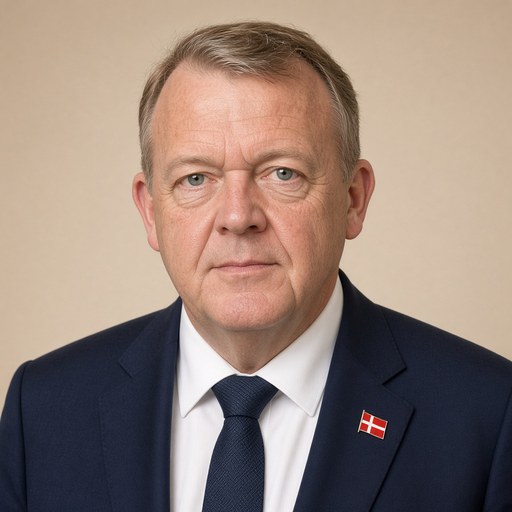
Prime Minister Lars Løkke Rasmussen's statement in the Folketing on December 1, 2016.
 Lars Løkke Rasmussen · Prime Minister of Denmark
- Context
- Rasmussen addressed the Folketing on December 1, 2016, presenting the agenda and priorities of Denmark's newly formed three-party coalition government.
- Main themes
- New three-party government agenda, globalization and future labor market, Danish welfare state, freedom and security balance, economic growth and prosperity, social cohesion, healthcare and elderly care, optimism about Denmark's future, trust across society
- Duration
- ~40 min
- Words
- 4,768
- Sentences
- 496
- Readability
- 60
- Grade
- 6.8
- Syntax
- 2.31
- Vocabulary
- 2.04
Translated from Danish
The broad sphere of national life a sentence belongs to. Every sentence has an Arena, so it is the denominator the other indices are read against.
Other496 sentences in 223 paragraphs
Last week, I was in Nyborg. For a conference that dealt with the future labor market. About what globalization, technology, and robots mean for our jobs. Organized by the trade union movement. By LO.
It was Monday, November 21. The negotiations for a new government had just begun. I came directly from meetings at Marienborg with the Minister of Foreign Affairs and the Minister of Justice – the current ones, not the former ones.
And it struck me that the issues that occupied the 300 people from all over the country who gathered that afternoon in Nyborg. And what occupied us at Marienborg, were largely the same.
Fortunately, one might say.
For me, it confirmed something important about Denmark. That we, across society, have a trust, respect, and willingness to discuss problems, find common interests – common solutions.
It may sound trivial. But it is something special.
LO's chairperson Lizette Risgaard gave me an inspiration to take back to Marienborg:
"Uncertain people hesitate. Secure people dare."
Uncertain people hesitate. Secure people dare.
I could chew on that in the car over the Great Belt Bridge and home across Zealand on a dark November evening. And I did.
The following days were spent on government negotiations. And I actually believe that the trade union movement and the new three-party government – across what divides us – can agree on quite a lot.
* * *
A freer, richer, and more secure Denmark.
That is the direction that Denmark's new three-party government has set.
We need to kickstart growth. Create security for citizens. Put freedom and opportunities at the forefront. Promote cohesion. Cultivate optimism.
We will develop Denmark for the future.
For there is a need to look ahead. We have an obligation to take care of our country. This becomes only clearer when you look at the world around us.
Where what binds us together is crumbling. And what divides us is growing large.
But we should not be afraid of the future. And we should not wish to return to the past.
The good old days were not that good after all. People were trapped by narrow norms. Prosperity was less. Opportunities fewer.
Generation by generation, life and everyday life have improved.
The future may be unknown. But it is primarily hopeful.
And if we prepare for it. As we have done before in Danish history. Then it will also be bright and optimistic.
In Denmark, we have created a safe society where prosperity is not only beneficial for the few but creates opportunities for the many.
We can be proud of that.
It is our legacy from the past. And our most important asset for the future.
In Denmark, we have succeeded in building the bridge that the modern person demands. A bridge between personal freedom to dream and think big – and a warm and secure community. For when more are secure, more dare.
A unique balance between freedom and cohesion. It is our best card in globalization.
Many countries look to Denmark with recognition – and perhaps also a bit of envy.
It is our goal in the three-party government that even in five, ten, fifteen, twenty years, people will look to Denmark for inspiration. That they will say: They managed to become winners in globalization. They managed to include everyone.
* * *
We will safeguard the Danish welfare state. Not by letting things be. But by doing things better.
The cornerstones of our welfare are a good healthcare system and dignified elderly care.
Just under two weeks ago, a historically large amount was allocated to the fight against cancer. With the goal that more people should survive the terrible disease.
And as a common thread throughout: One patient-responsible doctor. Who must create security for the patient. Security for the relatives.
We will continue that effort. For we will put people first.
In the area of elderly care, our starting point is also that people should thrive. Not with technocratic checklists. But with good experiences.
The Minister for the Elderly has made it clear:
"We are born as originals. We should not die as copies."
We must stand firm on the freedom to decide for ourselves throughout life.
We need fewer rules that restrict.
This applies to the entire welfare state. Both for citizens and for employees. Because the two things are interconnected.
When the citizen decides, the good is chosen, and the bad is rejected. This puts healthy pressure on the public sector to deliver quality.
Thus, the need for forms, rules, and control decreases.
I have great respect for the employees in kindergartens, schools, nursing homes, and institutions. And I am not alone in that. When Danes are asked, the vast majority are quite satisfied.
And therefore, I also want to say here today to the thousands of employees in core welfare:
You will be remembered warmly by the people you have guided along the way.
I believe we each carry the memory of the teacher who gave the extra push needed to break the code and learn to read. Of the midwife who delivered our child. Of the nurse who lovingly and professionally cared for our parents as they lay dying.
These are certainly memories I carry with me.
We have skilled public employees. And precisely for that reason, we must give them the freedom to use their expertise. Release their engagement. Focus on the core task. And deliver even better welfare to the citizens.
That requires many things.
It requires, among other things, skilled leaders. Beacons who take responsibility. Set a clear direction. Motivate employees. Make clear priorities in a time when the budget is tight, and we must use the money wisely.
Such leaders can be found in many places today. Good management practices and good experiences should be shared. And leaders should also move between the public and private sectors.
We must raise the quality even more. Move piles of paperwork out and enthusiasm in.
All of this we will push forward with a new management commission.
We need solid welfare and service. That requires renewal. Therefore, we have appointed a new Minister for Public Innovation to lead the work.
* * *
No welfare without prosperity.
If we do not increase productivity. If we do not achieve greater progress. Then we have less money for better schools, better education, better elderly care, and better hospitals.
The money must be earned before it can be spent.
Right now, we see that employment is rising. Unemployment is low. Many people are moving away from passive support and into the workforce. House prices are rising across the country. Things are moving in the right direction.
But we cannot wait for growth to crawl upward all by itself. We must build on optimism. Give progress altitude.
We need more new businesses. And more new businesses that grow large. Therefore, we must promote a strong entrepreneurial culture.
We need companies that are at the forefront of digitalization and automation. Therefore, we will encourage investments and risk-taking. We need more business investments.
We need employees who can use technology. That requires high qualifications. It requires new competencies.
We need companies that are competitive in the international arena. That requires good business conditions.
That is why the government will lower taxes. That is why we will simplify regulations. And that is why we will make decisions that enable us to invest more in digitalization, railways, and roads. All to the benefit of Danish businesses.
In short: It should be both cheaper and better to run a business.
That is why we will present a new growth proposal.
And there should be an annual check of Danish business conditions. Are they on par with the best in the world? To monitor this, we will establish a council of business people, organizations, and experts.
Danish business conditions must be competitive.
And that also includes that we must maintain our green leadership position.
The government has set a new and very ambitious goal: By 2030, at least 50 percent of energy needs must be covered by renewable energy. Today, the share is 29 percent.
Denmark must be a pioneer in green transition and the environment.
For the sake of nature and climate. For the sake of future jobs. And most importantly, for the sake of future generations.
* * *
Look, things are moving in the right direction. Companies are hiring again. In all regions of the country. That is positive. We must give that progress a boost.
Therefore, we will build on the historical relocation of state jobs from the Capital Region to the other regions.
A relocation or an influx, depending on where you stand. A movement based on the trust that there are, of course, skilled people all over Denmark. And on the goal that our small country must not break apart in development and decline.
It has already been decided to move nearly 4,000 jobs. The vast majority of relocations will be completed during the next year.
After that – in 2018 – the government will propose to move even more state jobs.
And when we expand state institutions or establish new ones in the future, they should also be located outside the Capital Region unless there are very good reasons against it.
A new institution in a town where there was none before. It is a piece in the optimism created by many pieces: A freer planning law. Fast internet. Cheaper ferries. Better infrastructure. More private jobs.
And competitive conditions for the entire food sector. Which not only provides export revenues. Thousands of jobs. But also creates activity precisely where it is most needed. Outside the big cities.
* * *
We must take care of Denmark. Develop Denmark.
Therefore, we must hold on to the fact that trade creates prosperity. Interaction provides insight. And cooperation with the world opens doors to more opportunities.
We must seize those opportunities just as well, just as quickly as other countries.
In a time when some are looking inward, we must look outward – be forward-looking in our foreign policy.
The world is restless. With terrorism. Wars. People on the run. It creates uncertainty. It worries many. It worries, in fact, all of us.
But precisely for that reason, we must strengthen our international engagement. Seek to influence developments in a more stable direction. Pursue Danish interests. We must use our development aid wisely. And we must be prepared against terrorism, fragile states, and a Russia that threatens European security.
We must take care of ourselves and our freedom.
Therefore, we will allocate more resources to the Defense. We will do this in the upcoming agreement for the defense area, which covers the period after 2017.
And in the new year, we will present a comprehensive foreign and security policy strategy. The government looks forward to discussing it here in the Folketing.
* * *
Historically, politically, and economically, Denmark is closely connected to Europe. Two-thirds of Danish exports go to our European neighbors. That is where our prosperity comes from.
In a world of change. Where the only constant is change. With instability around us – we need a stable EU.
The government will work for a strong, lean, and effective European cooperation. That focuses on the tasks that member states can best solve together.
We must ensure that Europe can continue to compete with the rest of the world. Create growth, jobs, and security for our children and our grandchildren.
We must strengthen control over the EU's external borders.
And we must work closely together to combat crime and terrorism across borders.
That requires strong European police cooperation.
Therefore, the government is working to secure a special agreement where Danish police can maintain a close connection to Europol when Denmark must leave the cooperation next May.
This is a matter that the Minister of Justice will discuss here in the chamber later today. And that I will also discuss with the party leaders. I have invited all party leaders to a meeting at the Prime Minister's Office on December 8 – that is, today in a week.
* * *
The EU is also important for the Kingdom. The government wants a close dialogue with the Faroe Islands and Greenland regarding Britain's exit from the EU. We emphasize that the interests of the entire Kingdom must be taken into account in the upcoming negotiations.
We prioritize close cooperation on the Arctic and our international work in, among other things, the Arctic Council.
We want, in general, a constructive collaboration within the Kingdom. In larger reconciliation negotiations, we will hold separate discussions with the North Atlantic members of the Folketing. As was also the case during the budget negotiations. Thank you for a good collaboration there.
Both in the Faroe Islands and in Greenland, there is a desire for their own constitutions. I understand the wish. I respect it. And the government is, of course, available for discussions during the work that the Faroe Islands – and now also Greenland – have on a constitution.
Right now, the economic conditions are good for the Faroe Islands. And in Greenland. The two countries are different. But there are significant challenges in the longer term. The government is willing to share experiences on economic reforms if there is a desire for it.
For I believe that it applies in Greenland, as in the Faroe Islands, as in Denmark, that the welfare in our countries rests most securely on a sound economy.
* * *
At home, we must not only create a healthy economy. We must also create economic security for the Danes. There must be peace regarding families' finances. No one should experience being taxed out of their home.
In the Folketing, we have reached a broad agreement on a new assessment system. I am pleased about that. Thank you to all the parties involved.
The next step will be an agreement on security regarding property taxation. The government will present our proposal at the beginning of the new year. Here, I hope we can also reach a broad agreement that can create security for the country's homeowners.
Until the new rules come into effect, the government will maintain the freeze on property value tax and continue to freeze the land tax for homeowners.
I would also like to thank the broad majority that has agreed on a common understanding of a secure and well-functioning tax system. Towards 2020, we will invest massively in, among other things, more employees and new IT in the tax authority.
It is my goal – it is our collective goal – to achieve a modern and efficient tax system. That security must exist in a welfare society. And it is both positive and necessary that we tackle this task together here in the Folketing.
* * *
Last week, while I was sitting in my office up at Marienborg, a woman was shot just a few kilometers away, in an otherwise peaceful shopping street in Lyngby near Copenhagen. This happened in front of a small child. The woman was caught in a gang conflict. Fortunately, she survived.
But for something like this to happen in Denmark is both tragic and in every way unacceptable. It must not happen. An ordinary family should be able to go shopping without fearing for their lives.
Denmark must be a safe and secure country.
We will tighten our approach towards criminals. We must strengthen our police. We will increase penalties for violent crime. And we will enhance efforts against gangs and organized crime.
In general, we need to review our penal code. It is from 1933. It is necessary to give it a thorough examination.
* * *
The government will continue a balanced and realistic immigration policy.
The Danes are an open people. We are happy to help those in need. We can be proud of that.
But we must also be realistic. We cannot solve all the world's problems by bringing people to Denmark.
It is important – also to maintain the Danish mindset and our tolerance – to keep the refugee situation under control. It got out of control when Europe’s borders were breached last autumn.
Since then, the numbers have slowed down. We have to go back five years to find a period where the number of asylum seekers is as low as it is today. That is good. But now we must hold the line.
In the budget agreement for 2017, significant steps have been taken.
An emergency brake, so we can reject asylum seekers at the border if a crisis situation arises that puts pressure on Danish borders. More police to ensure peace and order in and around asylum centers. Stricter rules for permanent residency.
More money to help in the neighboring areas.
Because that is where the problems have arisen, and that is where they can best be solved.
Therefore, the government will work for a new asylum system. We must eliminate the basis for human trafficking. We must ease the pressure on Europe.
We will continue a strict, firm refugee policy.
Because that issue takes up a lot of space. But it must not make us forget the other side of the coin.
That we will also need foreigners. To put it bluntly: The right foreigners.
Businesses need highly qualified employees. Therefore, it is also part of the government’s platform that there should be good opportunities to recruit skilled workers from abroad.
* * *
Globalization and new technology open the world and make us richer, and often the young are the best at seizing the new.
They get an education. They look optimistically towards the future. They seize opportunities. They stand tall. They want to move forward into the future. That is how most young people are.
But there are also some young people who experience the train with their friends speeding away towards bright horizons. While they themselves are left behind on a dark and desolate platform.
Surely we all know them? The boy who is still struggling to read in seventh grade. The girl who cannot concentrate on her studies. The young person who experiences failure after failure throughout their school years.
Those whom no one expects anything from. And who also – and here it gets truly sad – who do not expect anything from themselves.
I have had the great pleasure of working with young people on the edge for several years. And it is a great joy. Because it can succeed. When there are adults who give a push. Have the trust that is needed. And the methods that work. Then the young person experiences that hard work is rewarded. Then there is a way out and forward.
It is possible. More must have the chance.
It is a key issue for the government. And for me, it is a matter close to my heart.
We will intervene earlier and with a significantly strengthened effort.
In primary school, everyone must have the basic academic skills. Reading, writing, arithmetic. Having that in place is the first, biggest prerequisite for being socially mobile, for moving forward. It is crucial for succeeding in life.
We will encourage schools with many academically weak students to do something that works to raise the level for those students.
Therefore, we are allocating 500 million kroner in a targeted fund for around 100 schools across the country. Schools that have many students struggling with Danish and mathematics. The schools will only receive money from the fund if they can document that the academically weak students have learned more.
It is the same method that was used back in the 2000s to eliminate waiting lists at hospitals. It worked then. I am convinced it will work again.
Also more broadly in primary schools. There is a need to spread knowledge about what works. Because we cannot accept that young people leave the Danish public school after nine or ten years without the skills that are the foundation for a rich life.
And after primary school, we must find better pathways for more young people to get the youth education that suits them. More must take vocational training.
We must give the young people on the edge a solid grip on school. So they can pull themselves up over the edge and take hold of life.
* * *
All children and young people must be included. Their parents must be too.
We must solve the problem that many get little out of working.
That keeps families in passivity. Children grow up with parents who are dependent on public assistance.
That burdens the society's finances. The money goes to social benefits instead of to hospitals, education, or research.
It is a vicious circle. A waste of resources. Economically. Humanly. If we can break the circle, it would be a huge social political achievement.
The greatest social political achievement is not to give people more in public benefits. It is to give them a job.
Therefore, it must pay to work.
And that is why the government will present a job reform II.
We will lower taxes for the lowest incomes, so the benefit of low-wage work becomes greater.
We will lower taxes on the last earned kroner. The top tax must play a much smaller role than today. Significantly fewer should pay top tax. Also to give our businesses a helping hand in recruiting the skilled, specialized workforce that is in fierce international competition.
We will provide a job bonus to long-term unemployed individuals who get a job. We will present a concrete proposal on this before Christmas.
Times are better. Businesses are opening their doors for new hires. Now is the time to act to get everyone through the door. No one must be left outside.
* * *
But even in a wealthy welfare society like Denmark, there are people who lose their footing. It is a heartbreaking dilemma.
Children grow up in families where there is no surplus to give the love that children need. Men and women break down for one reason or another – divorce, unemployment, illness, addiction, it can happen to any of us – and fall down and out. And cannot find their way back home.
One day last year, when I passed the Main Train Station in Copenhagen, I was approached by a man with the words:
“I am 63 years old. Is it meant for me to live on the street?”
Is it meant to be? No, it is not meant for any person in a welfare society.
That is not good enough.
That encounter was the beginning of an acquaintance between Jørgen and me.
We have talked several times since. I have visited Jørgen in the apartment he has now received in Hvidovre Municipality.
Oh yes, I have also promised to come to the housewarming. And promised to bring a half piglet. And one must keep one’s promises. There is no date set yet. But that is not the important part.
The important part is that getting a home has given Jørgen the chance to gain more control over his day. To find more peace.
Maybe handle a work task. Sell Hus Forbi. Or help out a bit in a store.
We will introduce a social work permit for the homeless and other vulnerable groups. Targeted at just that kind of small jobs. They should not be taxed. One should not have their public assistance deducted.
We will present an action plan to combat homelessness. A plan where we build on the good experiences that exist in some municipalities. So that more like Jørgen can get a home and a daily life.
* * *
We have built our society together. The more who shape and drive progress, the better our country will be.
Now we must focus all our efforts on ensuring that people are not left behind.
Globalization, digitalization, the fourth industrial revolution, automation, disruption, artificial intelligence, robots... no matter what words we use to describe all the new things, they are changing our labor market.
Some are excited. Others are worried. We must keep both eyes open, so we do not just see it in black and white, but all the nuances. And take both opportunities and risks seriously.
Danish craftsmen face competition from foreign colleagues. Fair enough, if it happens on fair terms.
New businesses are emerging from the sharing economy. To the benefit of many. But others are being pressured in their livelihoods.
Robots can handle the strenuous work in industry and elder care. Good for the working environment. But there are also people who are being squeezed.
And that brings me back to where I started my speech today. LO’s conference in Nyborg.
In fact, I have attended two major conferences in November about the challenges of the future, organized by the labor movement. The other was with Denmark's largest union, 3F.
At both places, there was the positive and constructive approach that the new development is something we must handle. Something we can handle. Yes, we can even come out stronger than we went in. That is the approach in the Danish labor movement. And I am glad for that.
A year ago, we entered the tripartite cooperation from an absolute zero point, where it was deemed out. Dead. Buried.
Since then, we have made two good agreements.
One on better integration, so foreigners can get into a workplace, contribute, and earn money.
And one, where we strengthen vocational education, retrain unskilled unemployed individuals, and ensure more skilled workers in the future.
It has been possible to revive the cooperation thanks to a constructive labor movement and forward-thinking employers. And it was not a moment too soon. Responsible cooperation on major societal challenges is necessary now as before. Now as never before.
Therefore, continued tripartite cooperation is also an important part of the government’s platform for the new three-party government.
The next step will be better adult and continuing education for those who are in work. Courses and education must keep pace with new needs in the workplace. Needs that change at lightning speed.
I hope and believe that we can again reach a solid agreement for the benefit of employees. For growth. For Denmark.
But we must also do more than that.
I will follow the call I have received from both LO chair Lizette Risgaard and 3F’s union chair Per Christensen. A call for cooperation on the future labor market.
In parallel with the tripartite discussions, I will therefore invite the labor movement, employers, businesses, and experts into a completely new partnership or council, where we will discuss and analyze the future labor market. With the clear aim: That we must have everyone on board!
I will personally lead the work. It is very important to me.
I will convene the first meeting already this month.
* * *
I experience a strong willingness in many places to look beyond one’s own interests and into the future.
I also hope to meet that willingness here in the Folketing. Also from the opposition.
I understand that there was a period when there was an expectation that there might soon be a parliamentary election. And that there was therefore – a certain reluctance to present major plans. A hesitance to make responsible decisions.
But now Denmark has a new three-party government. That should provide calm about the parliamentary situation. A calm that allows everyone to think long-term. And take shared responsibility.
We must move forward into the future.
That obligation has rested on all generations. It is also ours.
In a world where stagnation equals regression.
Where progress requires that we reach beyond differences. And find the common ground.
The new government’s parliamentary foundation is the Danish People’s Party. Thank you to Mr. Kristian Thulesen Dahl for the support. I look forward to a – continued – good and fruitful collaboration.
Just as I look forward to collaborating with all parties in the Folketing.
And I look forward to a good debate here in the Folketing on Monday. A debate where the starting point can be a common answer to the great questions of our time: How we can equip all Danes to become winners in globalization.
We cannot shelter from the winds of change. We must let them fill our sails. And we have a particular responsibility to get everyone on board for the journey.
The three-party government is a government for all Danes.
The course is set for a richer, freer, and safer Denmark.
Thank you for your attention.
The original Danish. The tags above are read on the English translation's sentences.
I sidste uge var jeg i Nyborg. Til en konference, der handlede om fremtidens arbejdsmarked. Om hvad globalisering, teknologi og robotter betyder for vores job. Arrangeret af fagbevægelsen. Af LO.
Det var mandag den 21. november. Forhandlingerne om en ny regering var lige gået i gang. Jeg kom direkte fra møder på Marienborg med udenrigsministeren og justitsministeren – de nuværende, ikke de daværende.
Og det slog mig, at de ting, der optog de 300 mennesker fra hele landet, der var samlet den eftermiddag i Nyborg. Og det, der optog os på Marienborg, langt hen ad vejen var det samme.
Heldigvis kan man sige.
For mig bekræftede det noget vigtigt ved Danmark. At vi på tværs af samfundet har en tillid, respekt og vilje til at diskutere problemer, finde fælles interesser – fælles løsninger.
Det kan lyde banalt. Men det er noget særligt.
LO’s formand Lizette Risgaard gav mig en inspiration med tilbage til Marienborg:
”Utrygge mennesker tøver. Trygge mennesker tør.”
Utrygge mennesker tøver. Trygge mennesker tør.
Den kunne jeg tygge på i bilen hen over Storebæltsbroen og hjem over Sjælland en mørk novemberaften. Og det gjorde jeg.
De følgende dage gik med regeringsforhandlinger. Og jeg tror faktisk, at fagbevægelsen og den nye trekløverregering – på tværs af det, der skiller os – kan blive enige om en hel del.
* * *
Et friere, rigere og mere trygt Danmark.
Det er den retning, Danmarks nye trekløverregering har sat.
Vi skal have gang i væksten. Skabe tryghed for borgerne. Sætte frihed og muligheder i højsædet. Fremme samhørigheden. Gøde optimismen.
Vi vil udvikle Danmark til fremtiden.
For der er brug for at se frem. Vi har en forpligtelse til at passe på vores land. Det bliver kun tydeligere, når man ser på verden omkring os.
Hvor det, der binder sammen, smuldrer. Og det, der skiller, vokser sig stort.
Men vi skal ikke være bange for fremtiden. Og vi skal ikke ønske os tilbage til fortiden.
De gode gamle dage, var ikke så gode endda. Mennesker var fanget af snævre normer. Velstanden var mindre. Mulighederne færre.
Generation for generation er livet og hverdagen blevet bedre.
Fremtiden er nok ukendt. Men den er først og fremmest håbefuld.
Og hvis vi ruster os til den. Som vi har gjort det før i Danmarkshistorien. Så bliver den også lys og optimistisk.
I Danmark har vi skabt et trygt samfund, hvor velstand ikke kun er til gavn for de få, men skaber muligheder for de mange.
Det kan vi være stolte af.
Det er vores arv fra fortiden. Og vores vigtigste aktiv i fremtiden.
I Danmark er det lykkedes at bygge den bro, som det moderne menneske efterspørger. En bro mellem personlig frihed til at drømme og tænke stort – og et varmt og trygt fællesskab. For når flere er trygge, er der flere, der tør.
En unik balance mellem frihed og samhørighed. Den er vores bedste kort i globaliseringen.
Mange lande ser på Danmark med anerkendelse – og nok også en smule misundelse.
Det er vores mål i trekløverregeringen, at man også om fem, ti, femten, tyve år vil se til Danmark for at hente inspiration. At man vil sige: De magtede at blive vindere i globaliseringen. De magtede at få alle med.
* * *
Vi vil værne om det danske velfærdsamfund. Ikke ved at lade stå til. Men ved at gøre tingene bedre.
Grundstenene i vores velfærd er et godt sundhedsvæsen og en værdig ældrepleje.
For under to uger siden blev der afsat et historisk stort beløb til kampen mod kræft. Med det mål, at flere skal overleve den frygtelige sygdom.
Og som en rød tråd gennem det hele: Én patientansvarlig læge. Som skal skabe tryghed for patienten. Tryghed for de pårørende.
Den indsats vil vi fortsætte. For vi vil sætte mennesket først.
På ældreområdet er vores udgangspunkt også, at mennesker skal trives. Ikke med teknokratiske tjeklister. Men med gode oplevelser.
Ældreministeren har sagt det klart:
”Vi fødes som originaler. Vi skal ikke dø som kopier.”
Vi må stå fast på friheden til at bestemme selv gennem hele livet.
Vi skal have færre regler, der begrænser.
Det gælder hele velfærdssamfundet. Både for borgerne og for medarbejderne. For de to ting hænger sammen.
Når borgeren bestemmer, bliver det gode valgt til og det dårlige valgt fra. Det lægger et sundt pres på den offentlige sektor for at levere kvalitet.
Så falder behovet for skemaer, regler og kontrol.
Jeg har stor respekt for medarbejderne i børnehaver, på skoler, på plejehjem, i institutioner. Og det er jeg ikke alene om. Når danskerne bliver spurgt, så er langt de fleste godt tilfredse.
Og derfor vil jeg også her i dag sige til de tusindvis af medarbejdere i kernevelfærden:
I bliver husket med varme af de mennesker, I har fulgt på vej.
Jeg tror, vi hver især bærer erindringen med os om den lærer, der gav det ekstra skub, der skulle til for at bryde koden og lære at læse. Om den jordemor, der forløste vores barn. Om den sygeplejerske, der tog sig kærligt og professionelt af vores forældre, da de lå for døden.
Det er i hvert fald erindringer, jeg selv går rundt med.
Vi har dygtige offentligt ansatte. Og netop derfor skal vi give frihed til, at de kan bruge deres faglighed. Frisætte deres engagement. Sætte fokus på kerneopgaven. Og levere endnu bedre velfærd til borgerne.
Det kræver mange ting.
Det kræver blandt andet dygtige ledere. Fyrtårne, der tager ansvaret på sig. Sætter en tydelig retning. Motiverer medarbejderne. Foretager en klar prioritering i en tid, hvor budgettet er stramt, og vi skal bruge pengene med omhu.
De ledere findes flere steder i dag. God ledelsespraksis og gode erfaringer skal vandre. Og lederne skal også selv bevæge sig mellem det offentlige og private virksomheder.
Vi skal hæve kvaliteten endnu mere. Flytte papirbunker ud og begejstringen ind.
Alt det vil vi skubbe på med en ny ledelseskommission.
Vi skal have solid velfærd og service. Det kræver fornyelse. Derfor har vi sat en ny minister for offentlig innovation i spidsen for arbejdet.
* * *
Ingen velfærd, uden velstand.
Hvis vi ikke får produktiviteten op. Hvis vi ikke får større fremgang. Så har vi færre penge til bedre skoler, bedre uddannelser, bedre ældrepleje og bedre sygehuse.
Pengene skal tjenes, før de kan bruges.
Lige nu ser vi, at beskæftigelsen stiger. Ledigheden er lav. Mennesker i stort tal flytter sig væk fra passiv forsørgelse og ind i arbejdsfællesskabet. Huspriserne stiger over hele landet. Det går den rigtige vej.
Men vi kan ikke vente på, at væksten kryber opad helt af sig selv. Vi skal bygge videre på optimismen. Give fremgangen flyvehøjde.
Vi skal have flere nye virksomheder. Og flere nye virksomheder, der vokser sig store. Derfor skal vi fremme en stærk iværksætterkultur.
Vi skal have virksomheder, der er i front med digitalisering og automatisering. Derfor vil vi skubbe på investeringer og risikovillighed. Vi skal have flere erhvervsinvesteringer.
Vi skal have medarbejdere, der kan bruge teknologien. Det kræver høje kvalifikationer. Det kræver nye kompetencer.
Vi skal have virksomheder, der ligger helt fremme i den internationale konkurrence. Det kræver gode erhvervsvilkår.
Det er derfor, regeringen vil sænke skatterne. Det er derfor, vi vil forenkle reglerne. Og det er derfor, vi vil træffe beslutninger, der muliggør, at vi kan investere mere i digitalisering, jernbaner og veje. Alt sammen til gavn for dansk erhvervsliv.
Kort sagt: Det skal være både billigere og bedre at drive virksomhed.
Det er derfor, vi vil fremlægge et nyt vækstudspil.
Og så skal der være et årligt tjek af danske erhvervsvilkår. Er de på niveau med de bedste i verden? Til at holde øje med det nedsætter vi et råd af erhvervsfolk, organisationer og eksperter.
Danske erhvervsvilkår
skal
være konkurrencedygtige.
Og til det hører også, at vi skal fastholde vores grønne førerposition.
Regeringen har sat et nyt og meget ambitiøst mål: I 2030 skal mindst 50 pct. af energibehovet være dækket af vedvarende energi. I dag er andelen 29 pct.
Danmark skal være et foregangsland indenfor grøn omstilling og miljø.
Af hensyn til natur og klima. Af hensyn til fremtidens arbejdspladser. Og vigtigst af alt af hensyn til de kommende generationer.
* * *
Se, det går den rigtige vej. Virksomheder ansætter igen. I alle landets regioner. Det er positivt. Den fremgang skal vi give et rygstød.
Derfor vil vi bygge videre og oven på den historiske flytning af statslige arbejdspladser fra Hovedstaden til de andre regioner.
En udflytning eller en indflytning, alt efter hvor man står. En bevægelse, der bygger på tilliden til, at der selvfølgelig er dygtige mennesker i hele Danmark. Og på det mål, at vores lille land ikke må knække over i udvikling og afvikling.
Det er allerede besluttet at flytte tæt på 4.000 arbejdspladser. Langt de fleste flytninger vil være gennemført i løbet af næste år.
Herefter – i 2018 – vil regeringen foreslå at flytte endnu flere statslige arbejdspladser.
Og når vi fremover udvider statslige institutioner eller opretter nye, så skal de også ligge uden for Hovedstadsområdet med mindre rigtig gode grunde taler imod.
En ny institution i en by, hvor der ikke var nogen før. Det er en brik i den optimisme, som skabes af mange brikker: En friere planlov. Hurtigt internet. Billigere færger. Bedre infrastruktur. Flere private arbejdspladser.
Og konkurrencedygtige vilkår til hele fødevaresektoren. Som ikke alene giver eksportindtægter. Tusindvis af job. Men også skaber aktiviteten netop dér, hvor der er mest brug for den. Uden for de store byer.
* * *
Vi skal passe på Danmark. Udvikle Danmark.
Derfor må vi holde fast i, at samhandel skaber velstand. Samspil giver udsyn. Og samarbejde med verden åbner døre til flere muligheder.
Dem skal vi gribe lige så godt, lige så hurtigt som andre lande.
I en tid, hvor nogle vender blikket indad, skal vi se ud – være fremsynede i vores udenrigspolitik.
Verden er urolig. Med terror. Krige. Mennesker på flugt. Det giver usikkerhed. Det bekymrer mange. Det bekymrer vel i virkeligheden os alle.
Men netop derfor skal vi styrke vores engagement internationalt. Søge at påvirke udviklingen i en mere stabil retning. Forfølge danske interesser. Vi skal bruge vores udviklingsbistand klogt. Og vi skal være beredte mod terrorisme, skrøbelige stater og et Rusland, der truer den europæiske sikkerhed.
Vi skal passe på os selv og vores frihed.
Derfor vil vi tilføre Forsvaret flere midler. Det vil vi gøre i den kommende aftale for forsvarsområdet, som dækker perioden efter 2017.
Og i det nye år vil vi fremlægge en samlet udenrigs- og sikkerhedspolitisk strategi. Regeringen ser frem til at drøfte den her i Folketinget.
* * *
Historisk, politisk og økonomisk er Danmark tæt forbundet med Europa. To tredjedele af dansk eksport går til vores europæiske naboer. Det er dér vores velstand kommer fra.
I en verden med forandring. Hvor det eneste konstante netop er forandring. Med ustabilitet omkring os – har vi brug for et stabilt EU.
Regeringen vil arbejde for et stærkt, slankt og effektivt europæisk samarbejde. Der koncentrerer sig om de opgaver, som medlemslandene bedst kan løse sammen.
Vi skal sikre, at Europa også fremover kan klare sig i konkurrencen med resten af verden. Skabe vækst, arbejdspladser og tryghed for vores børn og vores børnebørn.
Vi skal styrke kontrollen med EU's ydre grænser.
Og vi skal arbejde tæt sammen om at bekæmpe kriminalitet og terrorisme på tværs af grænserne.
Det kræver et stærkt europæisk politisamarbejde.
Derfor arbejder regeringen på at få en særaftale, hvor dansk politi kan fastholde en tæt tilknytning til Europol, når Danmark må forlade samarbejdet til maj næste år.
Det er et spørgsmål, som justitsministeren skal drøfte her i salen senere i dag. Og som jeg selv vil drøfte med partilederne. Jeg har inviteret alle partiledere til et møde i Statsministeriet den 8. december – dvs. i dag om en uge.
* * *
EU er også vigtig for rigsfællesskabet. Regeringen ønsker en tæt dialog med Færøerne og Grønland om Storbritanniens udtræden af EU. Vi lægger vægt på, at hele rigsfællesskabets interesser tilgodeses i de kommende forhandlinger.
Vi prioriterer et tæt samarbejde om Arktis og om vores internationale arbejde i blandt andet Arktisk Råd.
Vi ønsker i det hele taget et konstruktivt samarbejde i rigsfællesskabet. Ved større forligsforhandlinger vil vi tage særskilte drøftelser med de nordatlantiske medlemmer af Folketinget. Som det også skete under finanslovsforhandlingerne. Tak for et godt samarbejde dér.
Både på Færøerne og i Grønland er der et ønske om egne forfatninger. Jeg forstår godt ønsket. Jeg respekterer det. Og regeringen er naturligvis til rådighed for drøftelser under det arbejde, som Færøerne – og nu også Grønland – har om en forfatning.
Lige nu er konjunkturerne gode for Færøerne. Og i Grønland. De to lande er forskellige. Men der er store udfordringer på lidt længere sigt. Regeringen vil gerne dele erfaringer om økonomiske reformer, hvis der er ønske om det.
For jeg tror, at det gælder i Grønland, som på Færøerne, som i Danmark, at velfærden i vores lande hviler mest trygt på en sund økonomi.
* * *
Herhjemme skal vi ikke bare skabe en sund økonomi. Vi skal også skabe økonomisk tryghed for danskerne. Der skal være ro om familiernes økonomi. Ingen må opleve at blive beskattet ud af sin bolig.
I Folketinget har vi indgået en bred aftale om et nyt vurderingssystem. Det er jeg glad for. Tak for det til alle partier, der er med.
Næste skridt bliver en aftale om tryghed om boligbeskatningen. Regeringen vil fremlægge vores forslag i starten af det nye år. Her håber jeg også, at vi kan nå frem til en bred aftale, der kan skabe tryghed for landets boligejere.
Indtil de nye regler træder i kraft, vil regeringen opretholde fastfrysningen af ejendomsværdiskatten og fortsætte med at fastfryse grundskylden for boligejerne.
Jeg vil også sige tak til det brede flertal, der har aftalt en fælles forståelse om et trygt og velfungerende skattesystem. Frem mod 2020 vil vi investere massivt i blandt andet flere medarbejdere og ny it i SKAT.
Det er mit mål – det er vores alles mål – at vi får et moderne og effektivt skattevæsen. Den tryghed skal der være i et velfærdssamfund. Og det er både positivt og nødvendigt, at vi løfter opgaven sammen her i Folketinget.
* * *
I sidste uge, da jeg sad på mit kontor oppe på Marienborg, blev en kvinde ramt af skud få kilomenter derfra, på en ellers fredelig indkøbsgade i Lyngby nær København. Det skete for øjnene af et lille barn. Kvinden blev fanget i et bandeopgør. Lykkeligvis overlevede hun.
Men at noget sådant kan ske i Danmark, er både tragisk og på alle måder grænseoverskridende. Det
må
ikke ske. En almindelig familie skal kunne gå på indkøb uden at frygte for livet.
Danmark skal være et trygt og sikkert land.
Vi vil stramme kursen over for kriminelle. Vi skal styrke vores politi. Vi skal skærpe straffene for personfarlig kriminalitet. Og vi skal styrke indsatsen mod rockere og bander.
Vi skal i det hele taget se på vores straffelov. Den er fra 1933. Der er brug for at give den et eftersyn.
* * *
Regeringen vil fortsætte en balanceret og realistisk udlændingepolitik.
Danskerne er et åbent folkefærd. Vi hjælper gerne dem, der har behov. Det kan vi være stolte af.
Men vi skal også være realistiske. Vi kan ikke løse alle verdens problemer ved at tage folk til Danmark.
Det er vigtigt – også for at fastholde det danske sind og vores tolerance – at holde flygtningesituationen under kontrol. Den kom ud af kontrol, da der sidste efterår gik hul på Europas grænser.
Siden er der bremset op. Vi skal fem år tilbage for at finde en periode, hvor asyltallet er lige så lavt som i dag. Det er godt. Men nu skal vi holde fast.
I finanslovsaftalen for 2017 er der taget væsentlige skridt.
En nødbremse, så vi kan afvise asylansøgere ved grænsen, hvis der opstår en krisesituation, der sætter de danske grænser under pres. Mere politi, der skal sørge for ro og orden i og omkring asylcentrene. Strammere regler for permanent ophold.
Flere penge til at hjælpe i nærområderne.
Fordi det jo er dér, problemerne er opstået, og dér de bedst kan blive løst.
Derfor vil regeringen arbejde for et nyt asylsystem. Vi skal fjerne grundlaget for menneskesmuglere. Vi skal lette presset på Europa.
Vi skal fortsætte en stram, fast flygtningepolitik.
Fordi den problemstilling fylder meget. Men det må ikke få os til at glemme den anden side af mønten.
At vi også får brug for udlændinge. For nu at sige det ligeud: De rigtige udlændinge.
Virksomhederne har brug for højtkvalificerede ansatte. Derfor er det også en del af regeringsgrundlaget, at der skal være gode muligheder for at rekruttere dygtige medarbejdere fra udlandet.
* * *
Globaliseringen og ny teknologi åbner verden og gør os rigere, og ofte er de unge bedst til at gribe det nye.
De får en uddannelse. De ser optimistisk på fremtiden. De fanger mulighederne. De ranker ryggen. De vil forlæns ind i fremtiden. Sådan er de unge flest.
Men der er også nogle unge, der oplever, at toget med kammeraterne kører afsted med lynende fart mod lyse horisonter. Mens de selv står tilbage på en mørk og øde perron.
Mon ikke vi alle sammen kender dem? Drengen, der stadig kæmper med at læse i syvende klasse. Pigen, der ikke kan koncentrere sig om det faglige. Den unge, der oplever nederlag på nederlag gennem skoleårene.
Dem, som ingen forventer noget af. Og som heller ikke – og her bliver det for alvor trist – som heller ikke forventer noget af sig selv.
Jeg har haft den store glæde at arbejde med unge på kanten gennem flere år. Og det er en stor glæde. For det kan lykkes. Når der er voksne, der giver et skub. Har den tillid, der skal til. Og de metoder, der virker. Så oplever den unge, at slid belønnes. Så er der en vej ud og frem.
Det kan lade sig gøre. Flere skal have chancen.
Det er en mærkesag for regeringen. Og for mig er det en hjertesag.
Vi vil sætte tidligere ind og med en markant styrket indsats.
I folkeskolen skal alle have de basale faglige færdigheder. Læse, skrive, regne. For at have det på plads er den første, største forudsætning for at være socialt mobil, for at flytte sig. Det er afgørende for at klare sig gennem livet.
Vi vil tilskynde skoler, der har mange fagligt svage elever, til at gøre noget, der virker for at løfte niveauet for de elever.
Derfor afsætter vi 500 millioner kroner i en målrettet pulje til omkring 100 skoler rundt om i landet. Skoler, som har mange elever, der har problemer med dansk og matematik. Skolerne får kun penge fra puljen, hvis de kan dokumentere, at de fagligt svage elever har lært mere.
Det er den samme metode, som blev brugt tilbage i 00’erne til at fjerne ventelister til sygehusene. Det virkede dengang. Jeg er overbevist om, at det vil virke igen.
Også bredere ud i folkeskolen. Der er brug for at sprede viden om, hvad der virker. For vi kan ikke acceptere, at unge forlader den danske folkeskole efter ni, ti år uden de færdigheder, som er fundamentet for et rigt liv, er på plads.
Og efter folkeskolen skal vi finde bedre veje til, at flere unge får den ungdomsuddannelse, der passer til dem. Flere skal tage en erhvervsuddannelse.
Vi skal give de unge på kanten et solidt greb om skolen. Så de kan hive sig op over kanten og få greb om livet.
* * *
Alle børn og unge skal med. Det skal deres forældre også.
Vi skal løse det problem, at mange kun får lidt ud af at arbejde.
Det fastholder familier i passivitet. Børn vokser op med forældre, der er afhængige af offentlig hjælp.
Det belaster samfundets kasse. Pengene går til kontanthjælp i stedet for til sygehuse, uddannelse eller forskning.
Det er en ond cirkel. Et spild af ressourcer. Økonomisk. Menneskeligt. Hvis vi kan bryde cirklen, vil det være en kæmpe socialpolitisk landvinding.
Den største socialpolitiske bedrift er ikke at give mennesker mere i offentlige ydelser. Det er at give dem et arbejde.
Derfor skal det betale sig at arbejde.
Og derfor vil regeringen fremlægge en jobreform II.
Vi vil sænke skatten for de laveste arbejdsindkomster, så gevinsten ved lavtlønnet arbejde bliver større.
Vi vil sænke skatten på den sidst tjente krone. Topskatten skal spille en langt mindre rolle end i dag. Markant færre skal betale topskat. Også for at give vores virksomheder en hjælpende hånd til at rekruttere den dygtige, specialiserede arbejdskraft, som der er hård international konkurrence om.
Vi vil give en jobpræmie til langtidsledige, der kommer i arbejde. Det vil vi komme med et konkret forslag om inden jul.
Tiderne er bedre. Virksomhederne åbner dørene for nye ansættelser. Det er nu, vi skal sætte ind for at få alle med inden for døren. Ingen må stå udenfor.
* * *
Men selv i et rigt velfærdssamfund som det danske, er der mennesker, som mister fodfæstet. Det er et hjerteskærende dilemma.
Børn vokser op i familier, hvor der ikke er overskud til at give den kærlighed, børnene behøver. Mænd og kvinder får et knæk af den ene eller den anden grund – skilsmisse, arbejdsløshed, sygdom, misbrug, det kan ske for os alle – og ryger ned og ud. Og kan ikke finde hjem igen.
En dag sidste år, hvor jeg kom forbi Hovedbanegården i København, blev jeg passet op af en mand med ordene:
”Jeg er 63 år. Er det meningen, jeg skal bo på gaden?”
Er det meningen? Nej, det er ikke meningen for noget menneske i et velfærdssamfund.
Det er ikke godt nok.
Det møde blev indledningen på et bekendtskab mellem Jørgen og mig.
Vi har talt sammen en del gange siden. Jeg har besøgt Jørgen i den lejlighed, han nu har fået i Hvidovre Kommune.
Nå ja, jeg har også lovet at komme til housewarming. Og lovet at medbringe en halv pattegris. Og man skal jo holde sine løfter. Der er ikke dato på endnu. Men det er nu ikke det vigtige.
Det vigtige er, at det at få et hjem har givet Jørgen chancen for at få mere styr på sin dag. Få mere ro.
Måske klare en arbejdsopgave. Sælge Hus Forbi. Eller hjælpe lidt til i en forretning.
Vi vil indføre et socialt frikort for hjemløse og andre udsatte. Rettet mod netop den slags småjobs. Dem skal man ikke betale skat af. Man skal ikke trækkes i sin hjælp fra det offentlige.
Vi vil fremlægge en handlingsplan for bekæmpelse af hjemløshed. En plan, hvor vi bygger videre på de gode erfaringer, der er i nogle kommuner. Så flere ligesom Jørgen kan få et hjem og en hverdag.
* * *
Vi har bygget vores samfund i fællesskab. Jo flere, der former og driver fremskridtet, jo bedre bliver vores land.
Nu må vi sætte alt ind på, at mennesker ikke bliver skrællet af.
Globaliseringen, digitaliseringen, den fjerde industrielle revolution, automatisering, disruption, kunstig intelligens, robotter... uanset hvilke ord vi bruger om alt det nye, så ændrer det vores arbejdsmarked.
Nogle er begejstrede. Andre bekymrede. Vi skal have begge øjne åbne, så vi ikke bare ser det sort-hvidt, men alle nuancerne. Og tager både muligheder og risici alvorligt.
Danske håndværkere får konkurrence fra udenlandske kolleger. Fair nok, hvis det sker på fair vilkår.
Nye virksomheder vokser frem af deleøkonomien. Til glæde for mange. Men andre bliver presset på levebrødet.
Robotter kan klare det nedslidende arbejde i industrien og i ældreplejen. Godt for arbejdsmiljøet. Men der er også mennesker, der bliver trængt.
Og det bringer mig tilbage til dér, hvor jeg startede min tale i dag. LO’s konference i Nyborg.
Faktisk har jeg i november måned været til to store konferencer om fremtidens udfordringer, arrangeret af fagbevægelsen. Den anden var hos Danmarks største forbund 3F.
Begge steder var der den positive og konstruktive indgang, at den nye udvikling er noget, vi skal klare. Noget vi
kan
klare. Ja, vi kan endda komme stærkere ud, end vi gik ind. Det er tilgangen i den danske fagbevægelse. Og det er jeg glad for.
For et år siden gik vi ind i trepartssamarbejdet fra det absolutte nulpunkt, at det var dømt ude. Dødt. Begravet.
Siden har vi lavet to gode aftaler.
Én om bedre integration, så udlændinge kommer ud på en arbejdsplads, yder en indsats og tjener penge.
Og én, hvor vi styrker erhvervsuddannelserne, omskoler ufaglærte ledige og sikrer flere faglærte i fremtiden.
Det er lykkedes at genoplive samarbejdet takket være en konstruktiv fagbevægelse og fremsynede arbejdsgivere. Og det var ikke et sekund for tidligt. Et ansvarligt samarbejde om store samfundsudfordringer er nødvendigt nu som før. Nu som
aldrig
før.
Derfor er et fortsat trepartssamarbejde også en vigtig del af regeringsgrundlaget for den nye trekløverregering.
Næste skridt bliver bedre voksen- og efteruddannelse til dem, der er i arbejde. Kurser og uddannelser skal følge med nye behov på arbejdspladsen. Behov, som ændrer sig med lynets fart.
Jeg håber og tror på, at vi igen kan få en solid aftale til gavn for medarbejderne. For væksten. For Danmark.
Men vi skal også gøre mere end det.
Jeg vil følge den opfordring, jeg har fået både af LO-formand Lizette Risgaard og af 3F’s forbundsformand Per Christensen. En opfordring til et samarbejde om fremtidens arbejdsmarked.
Parallelt med trepartsdrøftelserne vil jeg derfor invitere fagbevægelse, arbejdsgivere, virksomheder og eksperter med i et helt nyt partnerskab eller råd, hvor vi skal drøfte og analysere fremtidens arbejdsmarked. Med det klare sigte: At vi skal have alle med!
Jeg vil selv stå i spidsen for arbejdet. Det ligger mig meget på sinde.
Jeg vil indkalde til det første møde allerede i denne måned.
* * *
Jeg oplever mange steder en stærk vilje til at se ud over egne interesser og ind i fremtiden.
Jeg håber også at møde den vilje her i Folketinget. Også fra oppositionen.
Jeg har forståelse for, at der i en periode var en forventning om, at der måske snart blev folketingsvalg. Og at der derfor var – en vis træghed med selv at lægge store planer frem. En tilbageholdenhed med at træffe ansvarlige beslutninger.
Men nu har Danmark en ny trekløverregering. Det bør give en ro om den parlamentariske situation. En ro til, at alle kan tænke langsigtet. Og tage et medansvar.
Vi skal gå forlæns ind i fremtiden.
Den forpligtelse har påhvilet alle generationer. Den er også vores.
I en verden, hvor stilstand er lig tilbagegang.
Hvor fremgang kræver, at vi rækker ud over forskelle. Og finder det fælles.
Den nye regerings parlamentariske grundlag er Dansk Folkeparti. Tak til hr. Kristian Thulesen Dahl for opbakningen. Jeg glæder mig til et – fortsat – godt og frugtbart samarbejde.
Ligesom jeg ser frem til at samarbejde med alle partier i Folketinget.
Og glæder mig til en god debat her i Folketinget på mandag. En debat, hvor udgangspunktet kan være et fælles svar på tidens store spørgsmål: Hvordan vi kan ruste alle danskere til at blive vindere i globaliseringen.
Vi kan ikke ligge i læ for forandringens vinde. Vi må lade dem fylde vores sejl. Og vi har ikke mindst et ansvar for, at få alle med ombord på turen.
Trekløverregeringen er en regering for alle danskere.
Kursen er sat mod et rigere, friere og mere trygt Danmark
Tak for ordet.