




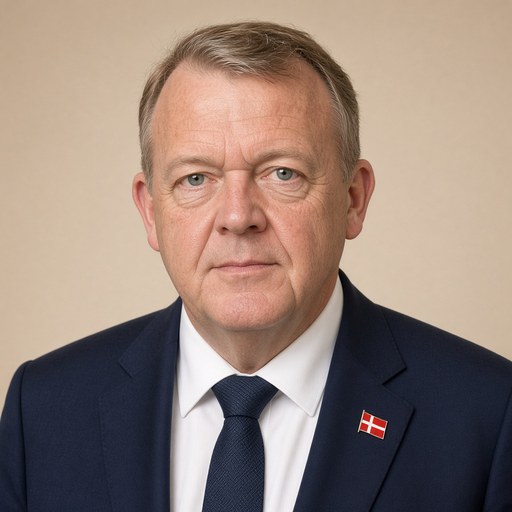
Prime Minister Lars Løkke Rasmussen's speech at the Danish Regions General Assembly on April 6, 2017.
 Lars Løkke Rasmussen · Prime Minister of Denmark
- Context
- Rasmussen addressed the Danish Regions General Assembly on April 6, 2017, reviewing a decade of regional healthcare progress and upcoming challenges.
- Main themes
- Danish healthcare system, regional hospital investments, super hospital construction, national health goals, patient outcomes, cancer treatment improvements, structural reform, healthcare funding efficiency, regional inequality in services, administrative staffing concerns, welfare society
- Duration
- ~25 min
- Words
- 2,952
- Sentences
- 267
- Readability
- 63
- Grade
- 6.8
- Syntax
- 2.42
- Vocabulary
- 2.02
Translated from Danish
The broad sphere of national life a sentence belongs to. Every sentence has an Arena, so it is the denominator the other indices are read against.
Other267 sentences in 136 paragraphs
Thank you for the opportunity to be here again this year.
I am happy to be here. But I am also wistful.
The chairman has announced that he will not run for the regional council elections this autumn.
And that is indeed wistful, Bent. You are the embodiment of Danish Regions. Before that, you were the embodiment of the counties. You are the embodiment of Danish health policy. With an experience in the field that goes back 35 years.
You have a strength, insight – and independence – that will be hard to live up to.
Now I understand that you handle it in Danish Regions in such a way that even though one is no longer elected, one still remains until the next general assembly. I think that is a fine system ...
And I have also understood that all the other regional chairpersons – those who are running again – have stepped up. There is a broad willingness to take responsibility. That is positive.
On behalf of the government, and on my own behalf, I would like to thank you for the collaboration.
We have experienced a lot together. I think we can allow ourselves to say that we have created results together.
But the highlight of recognition came last month, when we achieved something I never personally thought possible. Positive mention on the front page of Politiken! It even happened for both of us at the same time.
Joking aside. The background was serious. The significant improvements that have been achieved for people with cancer.
Just as there have been significant improvements overall over the past 10 years. The structural reform has borne fruit. The Danish healthcare system has improved year by year.
And if I have to point to one thing that defines a welfare society, it is that you receive safe treatment if you become ill.
Therefore, it will always be up for discussion how you handle that task in the regions.
There will always be pressure on you. There should be.
The health sector is constantly receiving more money. At a time when others must save. When the desire to spend money is generally high. While the willingness to raise it is low.
Therefore, the government will always be attentive to whether investments in health are sharply focused on the outcome for the patient.
* * *
10 years with the regions have created better results.
One of the major and very tangible results has sprung up right here in the neighborhood: Denmark's largest hospital.
It is almost ten years since we launched the idea of super hospitals. About consolidating specialties. About modern facilities for patients. About a quality fund that could increase investments.
In February, we were able to inaugurate The New University Hospital here in Aarhus. There, Bent and I stood side by side and cut the red ribbon.
It was a good day. But back when we set it all in motion, there could well be a bad day in between. Like the day when Bent Hansen's campaign posters were torn down from the lampposts by dissatisfied citizens.
And the rest of us have experienced something similar. Because there was a debate. Local hospitals were to be closed. And that caused understandable concern in some places about losing the local, the safe.
But together we have taken that debate. That if you are seriously ill, for example with a heart condition, then safety is being treated by precisely those doctors who have expertise and experience in that specific field. Then it is less important whether the hospital is 20 km. or 100 km. away.
Therefore, it is fantastic now to see the dream become a reality and the buildings rise from the drawing board. We are investing more than 48 billion DKK in Denmark's largest hospital improvement in history.
That is a lot of money. And there are no more where that came from.
I expect you regions to live up to your responsibility as builders and to keep the investment frameworks.
* * *
When the health sector receives a lot of money, a great responsibility follows in general.
For every krone, we must ask: Does it benefit the patient?
That is why we agreed last year on the eight national goals that must commit you to deliver high quality to the citizens.
I am glad that you have embraced the goals. We will soon discuss how it is going with achieving them. I hope the results point in the right direction.
Because sometimes you can get the thought: Where do all the many health funds go?
I become concerned when the regions hire relatively more office staff than healthcare personnel.
It is not the patient before the system. We need to turn that development around.
And I become concerned when there are large differences between the regions. A significant inequality in the service and treatment that the citizen receives.
Because it means that the money is not being used in the best possible way everywhere. But gets stuck in the system in some places.
When Region South Denmark can meet the deadlines in the cancer packages in 9 out of 10 cases, then other regions must be able to do the same.
When Region Midtjylland and Region Sjælland are at the top in meeting patient rights for diagnosis, then it must be possible for everyone.
And when Region Nordjylland can prevent many hospitalizations of the elderly, it shows good cooperation with municipalities and general practitioners. Other regions must be able to do just as well.
There must be competition to follow the good example.
The many billions of kroner we invest in health must go to safety and better coherence for the patients.
* * *
We must constantly do better. Build on the results that have been created.
This year marks 10 years since we established that cancer should be regarded as an acute disease. That was a milestone.
It is sad to look back to that time. When the conditions were not dignified. When trust in the healthcare system was so low that cancer-stricken Danes ventured onto the German motorways in a desperate search for their own money for, in some cases, dubious treatments.
We turned that development around.
In the autumn, I received a letter from a man in Southern Jutland. He wrote to me, "Thank you for introducing the cancer packages." I would like to pass that thanks on today to all of you who have been involved in making the cancer packages work in practice.
The man from Southern Jutland also wrote to me, "I am happy to be alive."
And that is what is at stake. The patient's survival. People's lives.
The fact is that waiting times have been reduced. That survival rates have increased.
That is good. But is it good enough?
No, we must move forward with Cancer Plan IV. For which we have allocated 2.2 billion DKK.
Survival after cancer must be on par with the best of our Nordic neighbors. That is what Danes can reasonably expect.
Therefore, we must constantly improve our treatment of patients.
And as something new, the focus of treatment must be the patient-responsible doctor.
* * *
The more specialized the treatment becomes – and it must be specialized – the greater the risk that the entire chain of highly specialized links does not form a coherent chain for the patient. But instead falls apart.
That is the greatest challenge of the modern healthcare system. And it must be solved.
That is why the first patients have already received a patient-responsible doctor. We start with cancer patients. But soon the scheme will be expanded to all patients where it makes sense.
There must be a fixed support person who knows the course of the illness. Who can be approached with questions and concerns. Also as relatives. Who keeps the chain together like pearls on a string. So the patient has peace to recover.
It may sound simple. It is not a moon landing. But in a daily life with duty rosters, working hours, and authority boundaries, it is difficult.
We must avoid that the responsibility is everyone's – and thus no one's.
We must avoid that it just becomes a name on a piece of paper – to the benefit of no one. Useless for all.
We must put everything into ensuring that the patient concretely experiences that one doctor – a real person – has and takes responsibility.
In other words, we must learn from the mistakes of the contact person scheme. Here, good intentions failed.
Now we must do better. The patient-responsible doctor should not be introduced by law. There must be room to organize in the way that is deemed best locally. But it is important that the role and function remain the same, regardless of whether the patient is hospitalized in Odense, Aalborg, Aarhus, or Copenhagen.
It is your – the regions' – responsibility to ensure the necessary change. A clear medical responsibility for the patient. Across systems.
It probably requires a bit of a cultural revolution.
In the white paper you have just published, you describe a concrete model for how this can happen. That is positive.
* * *
In my speech here at the general assembly last year, I urged the regions to take responsibility for a coherent healthcare system.
Not just the responsibility for hospitals, but for the entire healthcare system to function for the citizen. I am glad to hear from the chairman here today that this is precisely what you intend to do with the proposal you have published today.
Of course, one could say: Better late than never. That it was the responsibility you were given back in 2007. But there is no reason for that.
For who does it affect when the coherence fails?
It affects the weakest: Those who do not have the strength to wrestle with the system. Who do not have a family that can push. Or friends who can run after the doctors.
The free and equal access to healthcare must be real. And equal for all.
There are especially many elderly and chronically ill people who get caught between hospitals, municipalities, and their general practitioners.
That is why we have gathered the area in a Ministry of Health and Elderly Affairs, so that efforts can be better coordinated. That is why we have appointed an elderly minister to focus more strongly here.
That is why we have allocated 1.2 billion DKK for elderly medical patients. That is why we have launched an ambitious dementia action plan.
And that is why the role of general practitioners as the patient's entry point to the healthcare system must work for everyone.
The shortage of doctors in certain parts of the country creates insecurity for the citizen. And a geographical inequality in access to healthcare.
In January, we received the recommendations from the doctor coverage committee. In February, we reached an agreement in the Folketing on better doctor coverage throughout the country. Now the regions must follow up.
Let me say it as it is: You need to collaborate, and collaborate better, on the recruitment of doctors.
It does not help that the attractive hospitals or the dynamic regions with attractive geographical locations attract all the doctors.
You must be solidary on behalf of the patients.
That is easier said than done. It is not just a slogan.
It may mean that hospitals in larger cities must hold back a bit on posting positions so that there are also enough doctors for the rest of the country.
You must look beyond the institution, the region, the system. And put the patient first.
* * *
New technology, better organization – that is also a way to strengthen coherence for the citizen.
Home dialysis for kidney patients. Telemedicine for citizens with COPD. Patients who get home faster. Monitoring via iPad instead of at the outpatient clinic. It all makes life easier for the patient.
The development is in full swing. And I have no doubt that it will continue.
Some might think that the low-hanging fruits have been picked. But that is not the case. The tree is blooming and bearing new fruit. New technology, new medicine, new treatment methods.
And no: It is not about the nurse taking 102 steps where she previously took 100 steps.
I also do not buy the argument that it is the Ministry of Finance that says employees must run faster.
It is up to you where and how you implement the requirement for continuous improvements. And you also keep the money that comes out of it.
When you are a high-priority area, it obliges you to ensure that the many funds are used correctly.
That does not mean that you should cut all areas with one stroke.
On the contrary, it means that you should seize every opportunity to improve and streamline – and those opportunities are not the same everywhere. It means that you should use resources and capacity in the best possible way. And that administration must not just grow.
* * *
My focus is very clear. I want a governance and financing of the health sector that ensures we get the most health for the money for the benefit of the patients.
That is why the government will take a closer look at what works and what does not work in the current governance. We will gather proposals for how it can be improved.
The government announced this work two days ago as part of the coherence reform.
Danish Regions will be invited to participate in the work. Of course. Because solid solutions are joint solutions.
* * *
The work on governance of the health sector is thus part of the coherence reform that the government has just launched with the Minister of Innovation at the helm.
Denmark has one of the best welfare societies in the world. We can be proud of that.
That is good. But is it good enough?
No. And it will never be. Because the goal shifts when the opportunities increase. We must be even more ambitious.
And we must dare to acknowledge where the system has taken over, and the citizen has been caught in the middle.
We must address the paradox that those citizens who have the hardest time finding their way are met with the densest jungle of rules, offers, and authorities.
This applies to the health sector. It applies to our entire welfare society.
Even though we took an important step with the structural reform 10 years ago, we have not yet taken the consistent reckoning against authority boundaries and bureaucracy. And for the citizen.
We must take that reckoning now. The government will do so in four areas in the coherence reform.
First, we have established a leadership commission. Good leadership equals better welfare.
In your area, we have already taken concrete steps together. With the National Leadership Program in the health sector.
Second, the public sector must use new technology for better service for citizens. And a better workday for employees.
Third, we need less silo thinking. And better coherence for the citizen.
Fourth, we must address meaningless rules, forms, and rigid control.
That movement is also underway in the regions. The eight national goals are precisely an attempt to move away from process and registration requirements and towards results for the patient, the citizen, the human being.
I am not in the slightest doubt that the best way to put the citizen first is to set the employee free. As long as one does not become free of responsibility. But it is freedom under responsibility.
In order to free professionalism. To free job satisfaction. To give freedom under responsibility to do what each individual employee is passionate about: Care for the elderly. Security for the citizen. Care for the patient.
And the pleasing thing is that Denmark is populated by responsible and free people. Driven by the ambition to do their best.
Trust is good. And it is not control that is better. It is responsibility.
We all know the good examples. The school where children both learn and thrive. The kindergarten where absenteeism among the educators is at a minimum. The nursing home – I could mention the name of one – where absenteeism was low and care was high. The hospital department where patients are discharged quickly, and there is proper follow-up with the municipality and their own doctor.
The good examples are plentiful. And they are characterized by the fact that there are people behind them. Dedicated. Engaged. Highly qualified.
That is the welfare society I am proud of.
Not a tightly woven net of rules and systems, likely created by good intentions, but where citizens are trapped, and employees are stuck. No, good workplaces that provide secure service and promote job satisfaction.
That is the positive light the government wants to shine on the entire welfare society with a coherence reform. A collaboration that I will invite the regions to contribute to.
We are initiating an open process, where we will also involve many of you here in the hall, so you can share your ideas. And we can continuously present concrete proposals. Before the complete reform is presented at the turn of the year.
Today, I would like to encourage you to take part in the work.
We must meet the justified expectations of the Danish people for one coherent public sector with one goal: People first. Citizens first.
The best way to achieve that is through freedom, responsibility, and job satisfaction for public employees.
Thank you for the word. Have a good general assembly.
The original Danish. The tags above are read on the English translation's sentences.
Tak for muligheden for at være med igen i år.
Jeg er glad for at være her. Men jeg er også vemodig.
Formanden har jo meddelt, at han ikke stiller op til efterårets regionsrådsvalg.
Og det er altså vemodigt, Bent. Du er indbegrebet af Danske Regioner. Før det var du indbegrebet af amterne. Du er indbegrebet af dansk sundhedspolitik. Med en erfaring på området, der går 35 år tilbage.
Du har en styrke, indsigt – og egenrådighed – som bliver svær at leve op til.
Nu forstår jeg så, at I håndterer det på den måde i Danske Regioner, at selvom man ikke er folkevalgt længere, så bliver man alligevel siddende hen over næste generalforsamling. Det, synes jeg, er et fint system ...
Og så har jeg også forstået, at alle de andre regionsformænd – de, der genopstiller – har meldt sig på banen. Der er en bred vilje til at tage et ansvar. Det er positivt.
På regeringen vegne, og på egne vegne, vil jeg sige tak for samarbejdet.
Vi har oplevet meget sammen. Jeg synes, vi kan tillade os at sige, at vi har skabt resultater sammen.
Men højdepunktet i anerkendelse kom sidste måned, hvor vi opnåede noget, jeg aldrig personligt havde troet muligt. Positiv omtale på forsiden af Politiken! Det skete endda for os begge to på én gang.
Spøg til side. Baggrunden var seriøs. De store forbedringer, som er opnået for mennesker med kræft.
Ligesom der i det helt taget er opnået store forbedringer gennem 10 år. Strukturreformen har båret frugt. Det danske sundhedsvæsen er blevet bedre år for år.
Og hvis jeg skal pege på én ting, der definerer et velfærdssamfund, så er det, at man får en tryg behandling, hvis man bliver syg.
Derfor vil det altid være til diskussion, hvordan I klarer den opgave i regionerne.
Der vil altid ligge et pres på jer. Det skal der gøre.
Sundhedsområdet får hele tiden flere penge. I en tid, hvor andre må spare. Hvor lysten til at bruge penge generelt er stor. Mens viljen til at skaffe dem er lille.
Derfor vil regeringen altid være opmærksom på, om investeringerne i sundhed er skarpt rettet mod resultatet for patienten.
* * *
10 år med regionerne har skabt bedre resultater.
Et af de helt store og meget håndgribelige er skudt op lige her i nabolaget: Danmarks største sygehus.
Det er næsten ti år siden, vi søsatte idéen om supersygehuse. Om at samle specialerne. Om moderne rammer for patienterne. Om en kvalitetsfond, der kunne øge investeringerne.
I februar kunne vi indvie Det Nye Universitetshospital her i Aarhus. Dér stod Bent og jeg side om side og klippede det røde bånd over.
Det var en god dag. Men dengang vi satte det hele i gang, kunne der godt komme en dårlig dag indimellem. Som den dag, hvor Bent Hansens valgplakater blev hevet ned fra lygtepælene af utilfredse borgere.
Og vi andre har jo oplevet noget lignende. For der var en debat. Lokale sygehuse skulle jo lukkes. Og det gav nogle steder en forståelig bekymring for at miste det nære, det trygge.
Men sammen har vi taget den debat. At hvis man er alvorligt syg, fx med en hjertesygdom, så er tryghed altså at blive behandlet af lige netop de læger, som har ekspertise og erfaring inden for præcis det felt. Så er det mindre vigtigt, om sygehuset ligger 20 km. eller 100 km. væk.
Derfor er det fantastisk nu at se drømmen blive til virkelighed og bygningerne rejse sig fra tegnebrættet. Vi investerer mere end 48 mia. kr. i Danmarkshistoriens største sygehusforbedring.
Det er mange penge. Og der er ikke flere, hvor de kom fra.
Jeg forventer, at I regioner lever op til jeres ansvar som bygherrer og holder investeringsrammerne.
* * *
Når sundhedsområdet får mange penge. Så følger der i det hele taget et stort ansvar med.
For hver krone skal vi spørge: Gavner den patienten?
Derfor aftalte vi sidste år de otte nationale mål, der hele vejen rundt skal forpligte jer til at levere høj kvalitet til borgerne.
Jeg er glad for, at I har taget målene til jer. Nu skal vi snart drøfte, hvordan det går med at nå dem. Jeg håber, at resultaterne peger i den rigtige retning.
For nogle gange kan man jo godt få den tanke: Hvor bliver alle de mange penge til sundhed af?
Jeg bliver bekymret, når regionerne ansætter forholdsvis flere kontormedarbejdere end sundhedspersonale.
Det er ikke patienten før systemet. Den udvikling skal vi have vendt.
Og jeg bliver bekymret, når der er store forskelle mellem regionerne. En markant ulighed i den service og behandling, som borgeren får.
For det betyder jo, at pengene ikke bliver brugt bedst muligt alle steder. Men sander til i systemet nogen steder.
Når Region Syddanmark kan overholde fristerne i kræftpakkerne i 9 ud af 10 tilfælde. Så må andre regioner kunne det samme.
Når Region Midtjylland og Region Sjælland er i top med at overholde patientrettighederne for udredning. Så må der kunne lade sig gøre for alle.
Og når Region Nordjylland kan forebygge mange indlæggelser af ældre. Så viser det et godt samarbejde med kommuner og egen læge. Det må andre regioner kunne gøre lige så godt.
Der skal være den konkurrence om at følge det gode eksempel.
De mange milliarder kroner, vi investerer i sundhed, skal gå til tryghed og bedre sammenhæng for patienterne.
* * *
Vi skal hele tiden gøre det bedre. Bygge ovenpå de resultater, der er skabt.
I år er det 10 år siden, vi fik indført, at kræft skal betragtes som en akut sygdom. Det var en milepæl.
Det er trist at se tilbage på dengang. Hvor forholdene ikke var værdige. Hvor tilliden til sundhedssystemet var trykket så langt i bund, at kræftsyge danskere begav sig ud på de tyske motorveje i en fortvivlet jagt for egne penge på i nogle tilfælde tvivlsomme behandlinger.
Den udvikling fik vi vendt.
I efteråret fik jeg et brev fra en mand i Sønderjylland. Han skrev til mig ”Tak fordi du indførte kræftpakkerne.” Den tak vil jeg i dag give videre til alle jer, der har været med til at få kræftpakkerne til at virke i praksis.
Manden fra Sønderjylland skrev også til mig ”Jeg er glad for at leve.”
Og det er jo det, der er på spil. Patientens overlevelse. Menneskers liv.
Faktum er, at ventetiderne er bragt ned. At overlevelsen er kommet op.
Det er godt. Men er det godt nok?
Nej, vi skal videre med Kræftplan IV. Som vi har givet 2,2 mia. kr. i ryggen.
Overlevelse efter kræft skal på niveau med de bedste af vores nordiske naboer. Det er, hvad danskerne med rimelighed kan forvente.
Derfor skal vi hele tiden blive bedre til at behandle patienterne.
Og som noget nyt skal omdrejningspunktet i behandlingen være den patientansvarlige læge.
* * *
Jo mere specialiseret behandlingen bliver – og den skal være specialiseret – jo større er faren for, at hele rækken af højtspecialiserede led ikke danner en sammenhængende kæde for patienten. Men derimod falder fra hinanden.
Det er det moderne sundhedsvæsens allerstørste udfordring. Og den skal løses.
Derfor har de første patienter allerede fået en patientansvarlig læge. Vi starter med kræftpatienterne. Men inden længe skal ordningen bredes ud til alle de patienter, hvor det giver mening.
Der skal være en fast støtte, som kender sygdomsforløbet. Som man kan komme til med spørgsmål og bekymringer. Også som pårørende. Som holder kæden samlet som perler på en snor. Så patienten har ro til at blive rask.
Det lyder måske enkelt. Det er jo ikke en månelanding. Men i en hverdag med vagtplaner, arbejdstider og myndighedsgrænser, så er det svært.
Vi skal undgå, at ansvaret er alles – og dermed ingens.
Vi skal undgå, at det bare bliver et navn på et papir – til gavn for ingen. Nytteløst for alle.
Vi skal sætte alt ind på, at patienten konkret oplever, at én læge – et rigtigt menneske – har og tager ansvaret.
Med andre ord skal vi lære af kontaktpersonordningens fejl. Her svigtede de gode viljer.
Nu skal vi gøre det bedre. Den patientansvarlige læge skal ikke indføres ved lov. Der skal være plads til at organisere sig på den måde, man finder bedst lokalt. Men det er vigtigt, at rolle og funktion bliver den samme, uanset om patienten er indlagt i Odense, i Aalborg, i Aarhus eller i København.
Det er jeres – regionernes - ansvar at sikre den nødvendige forandring. Et entydigt lægeligt ansvar for patienten. På tværs af systemer.
Det kræver nok lidt af en kulturrevolution.
I den hvidbog, I netop har udgivet, beskriver I en konkret model for hvordan det kan ske. Det er positivt.
* * *
I min tale her på generalforsamlingen sidste år opfordrede jeg regionerne til at tage ansvaret for et sammenhængende sundhedsvæsen på jer.
Ikke bare ansvaret for sygehusene, men for at hele sundhedsvæsenet fungerer for borgeren. Jeg er glad for at høre på formanden her i dag, at det netop er, hvad I vil gøre med det udspil, I har offentliggjort i dag.
Så kunne man selvfølgelig sige: Bedre sent end aldrig. At det var det ansvar, I fik allerede i 2007. Men det er der ingen grund til.
For hvem går det ud over, når sammenhængen svigter?
Det går ud over de svageste: Dem, der ikke har kræfter til at bokse med systemet. Ikke har en familie, der kan presse på. Eller venner, som render lægerne på dørene.
Den frie og lige adgang til sundhed skal være reel. Og lige for alle.
Der er især mange ældre og kronikere, der kommer i klemme mellem sygehus, kommune og egen læge.
Derfor har vi samlet området i et sundheds- og ældreministerium, så indsatsen bedre kan koordineres. Derfor har vi udnævnt en ældreminister for at få et stærkere fokus her.
Derfor har vi sat 1,2 mia. kr. af til ældre medicinske patienter. Derfor har vi sat en ambitiøs demenshandlingsplan i gang.
Og derfor skal de praktiserende lægers rolle som patientens indgang til sundhedssystemet fungere for alle.
Lægemanglen i visse dele af landet skaber utryghed for borgeren. Og en geografisk ulighed i adgangen til sundhed.
I januar fik vi lægedækningsudvalgets anbefalinger. I februar indgik vi i Folketinget en aftale om bedre lægedækning i hele landet. Nu skal regionerne følge op.
Lad mig sige det, som det er: I er nødt til at samarbejde, og samarbejde bedre, om rekruttering af læger.
Det nytter ikke noget, at de attraktive sygehuse eller de dynamiske regioner med attraktiv geografisk placering render med alle lægerne.
I skal være solidariske på patienternes vegne.
Det er lettere sagt end gjort. Det er ikke bare et slagord.
Det kan betyde, at sygehuse i de større byer skal holde lidt igen med at slå stillinger op, så der også er læger nok til resten af landet.
I skal se udover institutionen, regionen, systemet. Og sætte patienten først.
* * *
Ny teknologi, bedre organisering – det er også en vej til at styrke sammenhængen for borgeren.
Hjemmedialyse til nyrepatienter. Telemedicin for borgere med KOL. Patienterne, der kommer hurtigere hjem. Kontrol via iPad i stedet for på ambulatoriet. Det gør alt sammen livet lettere for patienten.
Udviklingen er i fuld gang. Og jeg er ikke i tvivl om, at den vil fortsætte.
Nogle kunne tænke, at de lavt hængende frugter var plukket. Men sådan er det jo ikke. Træet blomstrer og sætter ny frugt. Ny teknologi, ny medicin, nye behandlingsmetoder.
Og nej: Det handler ikke om, at sygeplejersken skal tage 102 skridt, hvor hun før tog 100 skridt.
Jeg køber heller ikke den med, at det er Finansministeriet, der siger, at medarbejderne skal løbe hurtigere.
Det er altså op til jer selv, hvor og hvordan I implementerer kravet om stadige forbedringer. Og I beholder også selv de penge, der kommer ud af det.
Når I er et højt prioriteret område, så forpligter det jer til at sikre, at de mange penge bliver brugt rigtigt.
Det betyder ikke, at I skal skære alle områder over én kam.
Det betyder tværtimod, at I skal gribe alle muligheder for at forbedre og effektivisere – og de muligheder er ikke de samme alle steder. Det betyder, at I skal bruge ressourcerne og kapaciteten bedst muligt. Og at administrationen ikke bare må vokse.
* * *
Mit fokus er helt klart. Jeg ønsker en styring og finansiering af sundhedsområdet, der sikrer, at vi får mest mulig sundhed for pengene til gavn for patienterne.
Derfor vil regeringen se nærmere på, hvad der virker og ikke virker i den nuværende styring. Vi vil samle forslag til, hvordan det bliver bedre.
Det arbejde annoncerede regeringen for to dage siden som en del af sammenhængsreformen.
Danske Regioner bliver inviteret til at deltage i arbejdet. Selvfølgelig. For solide løsninger er fælles løsninger.
* * *
Arbejdet med styring af sundhedsområdet er altså en del af den sammenhængsreform, som regeringen netop har lanceret med innovationsministeren i spidsen.
Danmark har et af verdens bedste velfærdssamfund. Det kan vi være stolte af.
Det er godt. Men er det godt nok?
Nej. Og det bliver det aldrig. For målet rykker sig, når mulighederne bliver flere. Vi skal være endnu mere ambitiøse.
Og vi skal turde erkende, hvor systemet har taget overhånd, og borgeren er kommet i klemme.
Vi skal gøre op med det paradoks, at de borgere der har sværest ved at finde vej, bliver mødt af den tætteste jungle af regler, tilbud og myndigheder.
Det gælder på sundhedsområdet. Det gælder hele vores velfærdssamfund.
Selvom vi tog et vigtigt skridt med strukturreformen for 10 år siden, har vi endnu ikke taget det konsekvente opgør mod myndighedsgrænser og bureaukrati. Og for borgeren.
Det opgør skal vi tage nu. Det vil regeringen gøre på fire områder i sammenhængsreformen.
For det første har vi nedsat en ledelseskommission. God ledelse er lig bedre velfærd.
På jeres område har vi allerede taget konkrete skridt sammen. Med Det Nationale Ledelsesprogram på sundhedsområdet.
For det andet skal det offentlige bruge ny teknologi til bedre service for borgerne. Og en bedre arbejdsdag for medarbejderne.
For det tredje skal vi have mindre silotænkning. Og bedre sammenhæng for borgeren.
For det fjerde skal vi tage opgøret med meningsløse regler, skemaer og rigid kontrol.
Den bevægelse er regionerne også i gang med. De 8 nationale mål er jo netop et forsøg på at komme væk fra proces- og registreringskrav og mod resultater for patienten, borgeren, mennesket.
Jeg er ikke et sekund i tvivl om, at den bedste vej til at sætte borgeren først er at sætte medarbejderen fri. Så længe man ikke bliver ansvarsfri. Men det er frihed under ansvar.
For dermed at sætte fagligheden fri. Sætte arbejdsglæden fri. Give frihed under ansvar til at gøre det, den enkelte medarbejder brænder for: Omsorg for den ældre. Tryghed for borgeren. Pleje for patienten.
Og det glædelige er jo, at Danmark er befolket af ansvarlige og frie mennesker. Drevet af ambitionen om at gøre deres bedste.
Tillid er godt. Og det er ikke kontrol, der er bedre. Det er ansvar.
Vi kender alle sammen de gode eksempler. Den skole, hvor børnene både lærer og trives. Den børnehave, hvor sygefraværet hos pædagogerne er i bund. Det plejehjem – jeg kunne godt nævne navnet på et – hvor sygefraværet var lavt og omsorgen høj. Den sygehusafdeling, hvor patienterne bliver hurtigt udskrevet, og der bliver fulgt ordentligt op med kommunen og egen læge.
De gode eksempler findes i rigt mål. Og de er kendetegnede ved, at der står mennesker bag. Dedikerede. Engagerede. Højtkvalificerede.
Det er dét velfærdssamfund, jeg er stolt af.
Ikke et tætvævet net af regler og systemer, nok skabt af gode viljer, men hvor borgerne fanges ind, og medarbejderne sidder fast. Nej, gode arbejdspladser, der yder tryg service og befordrer arbejdsglæden.
Det er dét positive lys, regeringen vil sætte på hele velfærdssamfundet med en sammenhængsreform. Et samarbejde, som jeg vil invitere regionerne til at bidrage til.
Vi lægger op til en åben proces, hvor vi også vil inddrage mange af jer her i salen, så I kan spille jeres idéer ind. Og vi løbende kan spille ud med konkrete forslag. Før den samlede reform bliver lagt frem ved årsskiftet.
I dag vil jeg opfordre jer til at tage del i arbejdet.
Vi skal indfri danskernes berettigede forventninger om én sammenhængende offentlig sektor med ét mål: Mennesket først. Borgeren først.
Den bedste vej til det går gennem frihed, ansvar og arbejdsglæde til de offentligt ansatte.
Tak for ordet. God generalforsamling.