




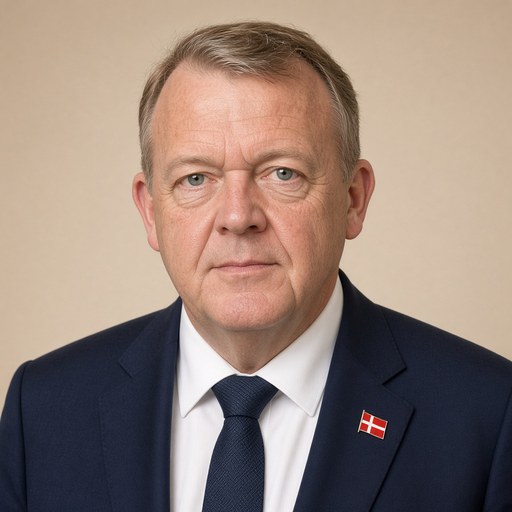
Prime Minister Lars Løkke Rasmussen's speech at the Municipal Political Summit on March 16, 2017.
 Lars Løkke Rasmussen · Prime Minister of Denmark
- Context
- Rasmussen addressed the Municipal Political Summit on March 16, 2017, marking ten years of Denmark's municipal reform and discussing local governance priorities.
- Main themes
- Municipal reform anniversary, local government autonomy, refugee integration, immigration policy, state job relocation, welfare funding, retirement age adjustment, municipal elections, planning law reform, economic sustainability
- Duration
- ~21 min
- Words
- 2,552
- Sentences
- 241
- Readability
- 63
- Grade
- 6.9
- Syntax
- 2.33
- Vocabulary
- 2.02
Translated from Danish
The broad sphere of national life a sentence belongs to. Every sentence has an Arena, so it is the denominator the other indices are read against.
Other241 sentences in 119 paragraphs
Thank you for the opportunity to be here again this year.
2017 is a special, special year.
Special, because there are municipal elections. And special, because we have now had a Denmark map with 98 municipalities for ten years.
Municipalities with greater professionalism. Economic sustainability. Prepared for the future. And equipped to provide citizens with better service.
That was the vision. I agree with Martin that it has been a success.
And it is indeed your merit. Thank you for your efforts!
You have – we have – built a country where the municipalities have never been more important. This is worth emphasizing here in the election year. You deal with everything that matters to the Danes. And you do it with greater responsibility and more opportunities than ten years ago.
That is why the government listens to the municipalities. Naturally. I listen to you.
I believe you will agree with me when I remind you that we even abolished the re-prioritization contribution. We listened, learned, and removed it.
And let me take a couple of examples as well:
You wanted greater freedom to implement local ideas. Create growth.
We have listened to you. And proposed a freer planning law.
We have listened to the debate about the placement of state jobs. For is it reasonable that so many are located in the Capital Region? No, they should be closer to the citizens. Create jobs around the country. New opportunities.
We have listened to you. That is why we are in the process of a historic relocation. An inward or outward relocation, depending on where one stands.
Next year, we will follow up on the experiences. And propose to move even more state jobs.
Last year, when I gave my speech here at the summit, the big theme was – the migration and refugee crisis.
Here, we listened as well. The government and the municipalities listened to each other. And entered into a two-party agreement on better integration.
When the agreement was made, the proportion of refugees declared job-ready was 3 out of 100 – it was as if one lost the ability to work when crossing the Danish border.
Today it is 58 out of 100! 58 out of 100 take the first step towards getting a job.
That is the result of our joint agreement. For that, I would like to thank you.
It is a result that is important for cohesion. That is crucial for the economy.
The number of asylum seekers is now the lowest in one month since the summer of 2009.
And that means two things:
First, the task in the municipalities is smaller than we feared a year ago. And thus easier to solve.
Second, the expenses this year seem to be much lower than what we had to plan for a year ago: 3.5 billion kroner lower.
When we spend less money on asylum centers, we get more money to help refugees in the surrounding areas. And also more money for welfare here at home.
For elderly care, schools, daycare centers, and other core welfare services.
The more control we have over immigration policy, the more money we have to improve welfare. To the benefit of the citizens.
* * *
Together we have – municipalities, the Parliament, the government – laid stone upon stone on the strong foundation we built with the municipal reform.
It has been ten years. I feel that it both feels like a short time ago – and a long time ago.
The journey towards a new Denmark map was also initiated long before that.
The pencil was sharpened with the Structural Commission in 2002.
The lines were drawn with the agreement at Christiansborg in 2004.
It took a few more rounds before the map was rolled out over reality in 2007.
Because politics takes time.
Because objectivity and thoroughness take time. Because the easy solutions that can be snapped into place do not hold. But also because there is a sluggishness in old structures. They creak and writhe.
As I remember it from my own little world, there was both creaking and groaning when the 138 mayors of the Liberal Party could figure out that they were not 138 after the reform, when we got 98 municipalities.
* * *
We must constantly change to improve. In recognition that we – regardless of political stance – stand on the shoulders of previous generations.
This should create an obligation. A responsibility to set higher goals tomorrow than yesterday.
Not just to let things be.
This is also the thought behind the adjustment of the retirement age that the government would like to discuss with the parties in the Parliament later this spring.
And which is not pulled out of thin air. But is based on the rationale that when we live longer, it is also natural that we work longer.
A reasoning that there was broad agreement on when we agreed on it in 2006.
Which is fundamentally reasonable. But also necessary for the economy of the welfare state to hold together.
And just to dispel a persistent alternative fact: It is not about lowering the top tax rate. Not a single bent fifty-øre from later retirement will go to lower taxes.
It is about money for our grandchildren's schools. For our children's health. For the welfare of the future.
Money that will be lacking if we let things be.
* * *
Not doing anything, in a world in development, is not status quo. Not acting is also an action.
If you stand still while others move, you are effectively moving backward.
Because the surroundings are moving. And it is not just life expectancy that is increasing. Technological development is racing ahead. Faster than ever.
The train is speeding along. Now we need everyone to buy a ticket for the journey and be prepared for the trip. So no one is left behind on a deserted platform.
In my New Year's speech, I outlined the line that we must have the common ambition to prepare everyone for the journey. To make everyone the winners of the future.
That is why I am personally deeply concerned that although the vast majority of young people pursue an education, do well, and have courage and hope for the future, there are unfortunately also some who fall through the cracks.
Seven years after students have left primary school, one in five young people has neither a high school diploma nor a vocational certificate – one in five! Despite all good intentions.
It is sad for the young person. It is sad for Denmark. It is sad when people squander opportunities they are born with. We lose potential. Cohesion creaks in the joints.
It is a collective failure.
A failure that has its roots in the paradox that many still leave one of the world's most expensive primary schools without being able to read and calculate properly.
That is why we have implemented a primary school reform that aims to make all students smarter. It needs time to work. I agree with that.
But I do not accept the viewpoint that it is not possible to run a municipal primary school where children, as they are most, learn to read and calculate at a level that allows them to pursue a vocational education.
I do not accept the explanation that because one is born into the wrong family or with an unfortunate background, the school can just give up. On the contrary!
When there are 2-3 students in each class who have not learned what they should have, it is a failure from the primary school that the municipalities are responsible for.
We must be patient with the primary school reform. But we cannot afford to be patient on behalf of our children. They only go through 7th grade, 8th grade, 9th grade once.
And I do not accept that it is a question of money. When the government is allocating 500 million kroner over three years to the primary schools that have the weakest academic results. And which actually manage to provide a boost.
It is not because the money in itself makes the difference. And it is not really to avoid hearing more complaints about lack of resources.
No, it is to encourage trying new methods. Because they exist. It is possible.
And the further ambition is that what works should spread like ripples in the water.
All children should learn enough in school to manage in life. All children, as they are most, can learn enough in school if they are given the opportunity. I know it. It is possible. They should have a chance. We owe them that.
Just as they should have a chance after primary school. For here we have the rest of the explanation for why one in five young people gets lost. They get lost in a paradox where those who have the hardest time finding their way are met by the densest jungle of different offers.
Here we must also approach things in a new way.
We have received a number of ambitious recommendations for this. From the expert group on better pathways to youth education. And from KL in the youth proposal you have presented.
The expert group and KL agree to a large extent – very largely. The government also agrees to a large extent. That bodes well.
We must see things from the young person's perspective – not from the system's.
With a completely new offer that provides more coherence. That should be placed in a new institutional form. And that should replace the many existing arrangements for young people: production schools, VUC, dyslexia education, etc. etc. You heard the long list from the chairman.
And regardless of how the government's final proposal will look, the municipalities will play a crucial role.
Because it is natural. You are close to the young people. You are responsible for making them ready for education through primary school. You are responsible for ensuring continuity. You are responsible for making it succeed.
I am glad to hear that you are fully prepared to take on that responsibility.
The effort for the young is part of a broader agenda.
When the government wants to strengthen the quality of early childhood education, the same thought drives it. It is because an early intervention primarily benefits the children who need it the most.
The municipalities will also be involved in that effort.
And when we invite you to a partnership on the future labor market, it is with the ambition to prepare everyone for the ever-accelerating technological development.
Here we also need your engagement and your ideas.
Everyone should become the winners of the future. It is a shared task. The most important one of all.
* * *
The jungle of offers for the young is just one image of how we have year after year laid layer upon layer and built up – on a complex public sector. Unfortunately, it is not an isolated image.
Many of us here today have been in politics for a long time.
I believe there is much we can be proud of. Denmark has one of the best welfare states in the world.
But precisely for that reason, we must dare to be even more ambitious. And dare to recognize where it is not good enough. Despite all good intentions.
And even though we took an important step with the municipal reform, we have not yet taken the consistent reckoning against authority boundaries and bureaucracy. And for the citizen.
That is why my call today is: Let us look each other in the eye and say: We will do this now.
The government has, to my knowledge for the first time in Danish history, appointed an additional minister in the Ministry of Finance. Based on the recognition that a finance minister can quickly get sucked into a multitude of daily operational tasks. Regardless of whether his name is Claus or Kristian. Or Bjarne. Or Thor. Or Lars.
That is why we have appointed a minister for public innovation to lead the work. Her name is Sophie.
Yesterday we established a leadership commission. I am glad that Allan Søgaard Larsen has agreed to be the chairman.
Good leadership equals better welfare.
It is the leaders who must set the direction.
You all know the school where children learn more because there is a good school leader. The kindergarten where children thrive better, and absenteeism is a bit lower because skilled employees are given freedom and direction by a skilled leader.
We know it well.
The new commission has three tasks:
First, to map who the public leaders are. What is the career pattern?
Second, to uncover what frameworks the leaders work within – is there actually room to lead?
Third, the leadership commission must find out what works. And it must come up with recommendations on how we can make what works in one place work in other places.
There may even be a need to shuffle the cards in new ways. To facilitate a greater exchange of good leaders. Across the public sector. And across the private and public sectors. There is not a great tradition for that in Denmark. But there can be.
I am pleased that we have strong municipal forces involved in the commission. A municipal director. A center leader. A school leader. And I am glad that KL supports the work.
The leadership commission is the first important step.
Another important step will be fewer rules. Fewer state rules. Fewer municipal rules. You also have a responsibility to tidy up in your own garden.
With that starting point, we will do several things at once:
New free municipality trials. Reintroduce and expand the right to challenge. Scrutinize entire sector areas. Here we will draw on your knowledge and experiences. We have already started working on the employment area together.
Taking responsibility is not about sitting heavily on everything. Taking responsibility is also about giving greater freedom under responsibility. If we do that, the need for forms, rules, and control will diminish.
That is the good circle we must try to get started. We must free the employees to do what they are passionate about.
That is also my entry into the theme you have on the agenda tomorrow here at the summit – the digital and technological development.
We must use new technology to create a safer everyday life for the citizen. And to relieve employees of the exhausting work – and promote a more exciting, engaging, and rewarding workday.
Soon the government, with the minister for innovation at the forefront, will present the overall framework for the renewal of the public sector.
I would like to invite you today to a close collaboration. I encourage you to contribute ideas. So the government can present good proposals.
Politics is about finding solutions. And solutions developed in collaboration are more thoughtful and sustainable.
They are solid enough, but not cast in concrete.
We must always have the courage to do things differently tomorrow than today. In a welfare state where employees have the freedom to do their work. And where we put people first, not the system.
Thank you for your attention and have a great summit!
The original Danish. The tags above are read on the English translation's sentences.
Tak for muligheden for at være med også i år.
2017 er et særligt, særligt år.
Særligt, fordi der er kommunalvalg. Og særligt, fordi vi nu i ti år har haft et Danmarkskort med 98 kommuner.
Kommuner med større faglighed. Økonomisk bæredygtighed. Parate til fremtiden. Og rustede til at give borgerne en bedre service.
Det var visionen. Jeg er enig med Martin i, at det har været en succes.
Og det er i den grad jeres fortjeneste. Tak for indsatsen!
I har – vi har – bygget et land, hvor kommunerne aldrig har været vigtigere. Det er der grund til at understrege her i valgåret. I beskæftiger jer med alt det, der betyder noget for danskerne. Og I gør det med større ansvar og flere muligheder end for 10 år siden.
Derfor lytter regeringen til kommunerne. Naturligvis. Jeg lytter til jer.
Det tror jeg, I vil give mig ret i, når jeg minder om, at vi endda afskaffede omprioriteringsbidraget. Vi lyttede, tog ved lære og fjernede det.
Og lad mig tage et par eksempler til:
I ønskede større frihed til at gennemføre lokale idéer. Skabe vækst.
Vi har lyttet til jer. Og fremsat en friere planlov.
Vi har lyttet til debatten om placering af statslige arbejdspladser. For er det rimeligt, at så mange ligger i Hovedstaden? Nej, de skal tættere på borgerne. Skabe job rundt om i landet. Nye muligheder.
Vi har lyttet til jer. Derfor er vi i gang med en historisk flytning. En ind- eller udflytning, alt efter hvor man selv står.
Næste år vil vi samle op på erfaringerne. Og foreslå at flytte endnu flere statslige arbejdspladser.
Sidste år, da jeg holdt min tale her på topmødet, var det helt store tema – migrations- og flygtningekrisen.
Her lyttede vi også. Regering og kommuner lyttede til hinanden. Og indgik en topartsaftale om bedre integration.
Da aftalen blev indgået, var andelen af flygtninge, som blev erklæret jobparate, 3 ud af 100 – det var, som om man tabte arbejdsevne, når man krydsede den danske grænse.
I dag er det 58 ud af 100! 58 ud af 100 tager det første skridt mod at få et job.
Det er resultatet af vores fælles aftale. Den vil jeg gerne takke for.
Det er et resultat, som er vigtigt for samhørigheden. Som er afgørende for økonomien.
Asyltallet er nu det laveste på én måned siden sommeren 2009.
Og det betyder to ting:
For det første er opgaven i kommunerne mindre, end vi frygtede for et år siden. Og dermed nemmere at løse.
For det andet ser udgifterne i år ud til at blive langt lavere end det, vi var nødt til at planlægge med for et år siden: 3 1⁄2 mia. kr. lavere.
Når vi bruger færre penge på asylcentre. Så får vi flere penge til at hjælpe flygtninge i nærområderne. Og også flere penge til velfærd herhjemme.
Til ældreomsorg, skoler, vuggestuer og anden kernevelfærd.
Jo mere styr vi har på udlændingepolitikken, jo flere penge har vi til at forbedre velfærden. Til gavn for borgerne.
* * *
Sammen har vi – kommuner, Folketing, regering – lagt sten på sten på det stærke fundament, vi støbte med kommunalreformen.
Det er ti år siden. Jeg synes, at det på én og samme tid føles som kort tid siden – og lang tid siden.
Rejsen mod et nyt Danmarkskort blev da også sat i gang langt før.
Blyanten blev spidset med Strukturkommissionen i 2002.
Stregerne blev tegnet med aftalen på Christiansborg i 2004.
Det krævede så yderligere nogle omgange, før kortet blev rullet ud over virkeligheden i 2007.
Fordi politik tager tid.
Fordi saglighed og grundighed tager tid. Fordi de nemme løsninger, man kan knipse frem, de holder ikke. Men også fordi der er en træghed i gamle strukturer. De knirker og vånder sig.
Som jeg husker det bare fra min egen lille verden, var der både knirken og knagen, når Venstres 138 borgmestre før kommunalreformen kunne regne ud, at de ikke var 138 efter reformen, hvor vi fik 98 kommuner.
* * *
Vi skal hele tiden forandre for at forbedre. I en erkendelse af, at vi – uanset politisk ståsted – står på skuldrene af tidligere generationer.
Det bør skabe en forpligtelse. Et ansvar for at sætte højere mål i morgen end i går.
Ikke bare at lade stå til.
Det er også tanken bag den justering af pensionsalderen, som regeringen gerne vil drøfte med Folketingets partier senere på foråret.
Og som jo ikke er grebet ud af den blå luft. Men bygger på det rationale, at når vi lever længere, er det også naturligt, at vi arbejder længere.
Et ræsonnement, som der var bred enighed om, da vi aftalte det i 2006.
Som er grundlæggende rimeligt. Men også nødvendigt for, at økonomien i velfærdssamfundet hænger sammen.
Og lige for at aflive et sejlivet alternativt faktum: Det handler ikke om at sætte topskatten ned. Ikke én bøjet halvtredsøre fra senere pension vil gå til lavere skat.
Det handler om penge til vores børnebørns skoler. Til vores børns sundhed. Til fremtidens velfærd.
Penge, der vil mangle, hvis vi lader stå til.
* * *
Ikke at gøre noget, i en verden i udvikling, er ikke status quo. Ikke at handle er også en handling.
Hvis man står stille, når andre bevæger sig, så ryger man reelt tilbage.
Fordi omgivelserne bevæger sig. Og det er ikke kun levealderen, der vokser. Den teknologiske udvikling stryger afsted. Hurtigere end nogensinde.
Toget suser derudaf. Nu skal vi have alle til at løse billet til rejsen og blive klædt på til turen. Så ingen står tilbage på en øde perron.
I min nytårstale udstak jeg den linje, at vi må have den fælles ambition at gøre alle klar til rejsen. At gøre alle til fremtidens vindere.
Derfor er jeg personligt dybt optaget af, at selv om langt de fleste unge tager en uddannelse, klarer sig godt, har mod på og håb om fremtiden, så er der desværre også nogle, der falder igennem.
Syv år efter eleverne har forladt folkeskolen, har hver femte ung hverken en studentereksamen eller et svendebrev – hver femte! På trods af alle gode viljer.
Det er trist for den unge. Det er trist for Danmark. Det er trist, når mennesker forspilder muligheder, de er født med. Så mister vi potentiale. Så knager samhørigheden i fugerne.
Det er et kollektivt svigt.
Et svigt, som har rod i det paradoks, at mange fortsat forlader en af verdens dyreste folkeskoler uden at kunne læse og regne ordentligt.
Derfor har vi gennemført en folkeskolereform, der skal gøre alle elever dygtigere. Den skal have tid til at virke. Det er jeg enig i.
Men jeg anerkender ikke det synspunkt, at det ikke er muligt at drive en kommunal folkeskole, hvor børn, som de er flest, lærer at læse og regne på et niveau, så de kan tage en erhvervsuddannelse.
Jeg godtager ikke den forklaring, at fordi man er født ind i en forkert familie eller med en uheldig baggrund, så kan skolen bare give op. Tværtimod!
Når der sidder 2-3 elever i hver klasse, som ikke har lært det, de burde, så er det et svigt fra den folkeskole, som kommunerne har ansvaret for.
Vi skal være tålmodige med folkeskolereformen. Men vi har ikke råd til at være tålmodige på vores børns vegne. De går kun i 7. klasse, 8. klasse, 9. klasse én gang.
Og jeg accepterer heller ikke, at det er et spørgsmål om penge. Når regeringen alligevel afsætter 500 mio. kr. over 3 år til de folkeskoler, der har de fagligt set ringeste resultater. Og som rent faktisk formår at give et løft.
Så er det ikke, fordi pengene i sig selv gør forskellen. Og det er sådan set heller ikke for at slippe for at høre på mere brok om manglende ressourcer.
Nej, det er for at tilskynde til at prøve nye metoder. For de findes. Det kan lade sig gøre.
Og den videre ambition er, at det, der virker, skal sprede sig som ringe i vandet.
Alle børn skal lære nok i skolen, til at de kan klare sig i livet. Alle børn, som de er flest, kan lære nok i skolen, hvis de får muligheden. Jeg ved det. Det kan lade sig gøre. De skal have en chance. Det skylder vi dem.
Ligesom de skal have en chance efter folkeskolen. For her har vi resten af forklaringen på, at hver femte unge bliver tabt. De farer vild i et paradoks, hvor de, der har sværest ved at finde vej, bliver mødt af den tætteste jungle af forskellige tilbud.
Her må vi også gribe tingene an på en ny måde.
Det har vi fået en række ambitiøse anbefalinger til. Fra ekspertgruppen om bedre veje til ungdomsuddannelser. Og fra KL i det ungeudspil, I har lagt frem.
Ekspertgruppen og KL er enige langt hen ad vejen – meget langt hen ad vejen. Regeringen er også langt hen ad vejen enig. Det lover godt.
Vi skal se tingene fra den unges side – ikke fra systemets.
Med et helt nyt tilbud, som giver mere sammenhæng. Som skal placeres på en ny institutionsform. Og som skal erstatte de mange eksisterende ordninger for unge: produktionsskoler, VUC, ordblindeundervisning osv. osv. I hørte selv den lange liste fra formanden.
Og uanset, hvordan regeringens endelige udspil kommer til at se ud. Så får kommunerne en helt afgørende rolle.
Fordi det er naturligt. I er tæt på de unge. I har via folkeskolen ansvaret for at gøre dem uddannelsesparate. I har ansvaret for at sikre kontinuiteten. I har ansvaret for, at det lykkes.
Jeg er glad for at høre, at I er helt klar til at tage det ansvar på jer.
Indsatsen for de unge er en del af en bredere dagsorden.
Når regeringen vil styrke kvaliteten i dagtilbuddene. Så er det samme tanke, der driver det. Så er det, fordi en tidlig indsats først og fremmest gavner de børn, der har mest brug for det.
Den indsats vil kommunerne også blive inddraget i.
Og når vi inviterer til et partnerskab om fremtidens arbejdsmarked, så er det med den ambition at gøre alle klar til den stadigt hastigere teknologiske udvikling.
Her har vi også brug for jeres engagement og jeres idéer.
Alle skal blive fremtidens vindere. Det er en fælles opgave. Den vigtigste overhovedet.
* * *
Junglen af tilbud til de unge er jo bare ét billede på, at vi år for år har lagt lag på lag og bygget til – på en kompleks offentlig sektor. Det er desværre ikke et enkeltstående billede.
Mange af os her i dag har været med i politik længe.
Jeg synes, der er meget, vi kan være stolte af. Danmark har et af verdens bedste velfærdssamfund.
Men netop derfor skal vi turde være endnu mere ambitiøse. Og turde erkende, hvor det ikke er godt nok. Trods alle gode viljer.
Og selvom vi tog et vigtigt skridt med kommunalreformen, har vi endnu ikke taget det konsekvente opgør mod myndighedsgrænser og bureaukrati. Og for borgeren.
Derfor er min opfordring i dag. Lad os se hinanden i øjnene og sige: Det gør vi nu.
Regeringen har, for mig bekendt første gang i Danmarkshistorien, sat en ekstra minister ind i Finansministeriet. Ud fra den erkendelse, at en finansminister hurtigt kan blive suget ind i en mængde af daglige driftsopgaver. Uanset om han hedder Claus eller Kristian. Eller Bjarne. Eller Thor. Eller Lars.
Derfor har vi sat en minister for offentlig innovation i spidsen for arbejdet. Hun hedder Sophie.
I går nedsatte vi en ledelseskommission. Jeg er glad for, at Allan Søgaard Larsen har sagt ja til at være formand.
God ledelse er lig bedre velfærd.
Det er lederne, der skal sætte retningen.
I kender alle sammen den skole, hvor børnene lærer mere, fordi der er en god skoleleder. Den børnehave, hvor børnene trives bedre, og sygefraværet er lidt lavere, fordi dygtige medarbejdere får frirum og retning af en dygtig leder.
Vi ved det jo godt.
Den nye kommission har fået tre opgaver:
For det første at kortlægge, hvem de offentlige ledere er. Hvad er karrieremønstret?
For det andet at afdække hvilke rammer lederne arbejder indenfor – er der reelt rum til at lede?
For det tredje skal ledelseskommissionen finde frem til, hvad der virker. Og den skal komme med anbefalinger til, hvordan vi får det, der virker ét sted, til at virke andre steder.
Der er måske ligefrem brug for at blande kortene på nye måder. At få en større udveksling af gode ledere. På tværs af den offentlige sektor. Og på tværs af den private og den offentlige sektor. Det er der ikke nogen stor tradition for i Danmark. Men det kan der jo komme.
Jeg er tilfreds med, at vi har fået stærke kommunale kræfter med i kommissionen. En kommunaldirektør. En centerleder. En skoleleder. Og jeg er glad for, at KL bakker op om arbejdet.
Ledelseskommissionen er første vigtige skridt.
Et andet vigtigt skridt bliver færre regler. Færre statslige regler. Færre kommunale regler. I har også et ansvar for at luge i jeres egen have.
Med det udgangspunkt vil vi gøre flere ting på en gang:
Nye frikommuneforsøg. Genindføre og udvide udfordringsretten. Kulegrave hele sektorområder. Her vil vi trække på jeres viden og erfaringer. Vi har allerede taget fat på beskæftigelsesområdet sammen.
At tage ansvar er ikke at sætte sig tungt på det hele. At tage ansvar er også at give større frihed under ansvar. Gør vi det, så falder behovet for skemaer, regler og kontrol.
Det er den gode cirkel, vi skal prøve at løbe i gang. Vi skal sætte medarbejderne fri til at gøre det, de brænder for.
Det er også min indgang til det tema, I har på programmet i morgen her på topmødet – den digitale og teknologiske udvikling.
Vi skal bruge ny teknologi til at skabe en tryggere hverdag for borgeren. Og til at lette medarbejderne for det nedslidende arbejde – og fremme en mere spændende, engagerende og givende arbejdsdag.
Inden længe vil regeringen, med innovationsministeren i spidsen, præsentere den samlede ramme for fornyelsen af den offentlige sektor.
Jeg vil gerne her i dag invitere jer til et tæt samarbejde. Jeg vil opfordre jer til at spille idéer ind. Så regeringen kan spille gode forslag ud.
Politik er at finde løsninger. Og løsninger, der udvikles i fællesskab, er mere gennemtænkte og holdbare.
De er nok solide, men ikke støbt i beton.
Vi skal hele tiden have modet til at gøre ting anderledes i morgen end i dag. I et velfærdssamfund, hvor medarbejderne har frihed til at passe deres arbejde. Og hvor vi sætter mennesket er først, ikke systemet.
Tak for ordet og godt topmøde!