




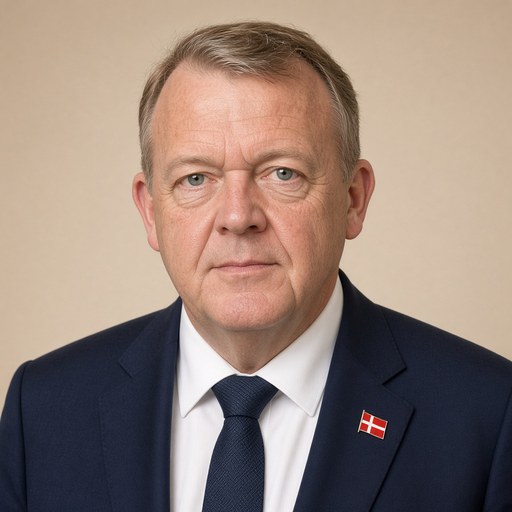
Prime Minister Lars Løkke Rasmussen's speech at Coop's 150th anniversary on May 4, 2016.
 Lars Løkke Rasmussen · Prime Minister of Denmark
- Context
- Rasmussen addressed Coop's 150th anniversary celebration on May 4, 2016, reflecting on the cooperative movement's history and its role in shaping Danish identity.
- Main themes
- Cooperative movement history, Danish national identity, community and solidarity, consumer cooperatives, social responsibility, local engagement, democracy and liberation, welfare state origins, historical popular movements, adaptability
- Duration
- ~12 min
- Words
- 1,399
- Sentences
- 133
- Readability
- 50
- Grade
- 8.6
- Syntax
- 2.32
- Vocabulary
- 2.27
Translated from Danish
The broad sphere of national life a sentence belongs to. Every sentence has an Arena, so it is the denominator the other indices are read against.
Other133 sentences in 66 paragraphs
Your Majesty, Chairman, anniversary guests.
Thank you for allowing me to join in celebrating the cooperative movement's 150th birthday. A day when it is natural to look forward – as Lasse Bolander constructively did in his speech. But of course, it is also natural to look back.
And the latter is what the film that was shown a little while ago is an occasion for.
It was a lovely film. It evokes memories.
It sent me straight back to my childhood Davregryn, the food pyramid in the school kitchen, and Daimi's cinema advertisements in the 1970s.
I don't think I am the only one here in the hall who was taken on a trip down memory lane.
Each memory is our own. And has its own scent, taste, and feeling. But it is lived out against the same common backdrop.
The history of Coop and the cooperative movement is not just yours. It is our history. It is the history of the Danes.
As we saw in the film, it all began when Hans Christian Sonne founded the Thisted Town Workers' Association back in 1866.
What kind of time was that?
It was two years after 1864. Back then, when what was lost outwardly had to be won inwardly.
It was the time after the fall of absolute monarchy and the victory of democracy with the June Constitution in 1849.
It was in those years that the ordinary Danish citizen's engagement began to grow. Several political parties were formed – including the party to which I myself hold a membership card.
The population grew. Agriculture became stronger. The nascent industry began to sprout. Railways and roads were built. Denmark was changing.
And part of the driving force behind that change was the great popular movements.
The labor movement. The women's movement. The folk high school movement. The cooperative movement. The consumer cooperative movement.
They were all driven by a strong commitment to the community.
Take Hans Christian Sonne, for example, who moved to Thisted to serve as a parish priest. He was shocked by the conditions many lived under there. Often close to the brink of starvation. It awakened in him a social indignation.
There were simply basic needs that had to be met.
Sonne's principles were security for good goods. Emphasis on the necessities of everyday life. I have been told that half of the turnover consisted of rye bread.
The stomach had to be filled. But Sonne also thought beyond that. The spirit had to be elevated.
Part of the surplus from the association went to acquiring useful reading material. Among other things, 4 percent of the turnover was to be used to buy books for the cooperative's reading room.
Now, you cannot mention Hans Christian Sonne without also mentioning Severin Jørgensen. The man who brought the individual associations together into a real movement.
He described his mission like this:
"Community is a condition for life for humans, yes, for all creation, in which there is life and growth. Not even a tree, a flower, or a pumpkin could grow and thrive alone on bare soil; they would be broken by the wind, beaten down by the rain, or dried out by the sun's burning rays, if they did not grow in company and mutually shield and support each other..."
Mutually shielded and supported each other. So beautifully and rightly can it be said.
It is that realization from which the association Denmark has grown. The welfare state has sprouted from it. Denmark has grown from it.
And like so many other branches of the great Danish oak tree, one has drawn benefit from grafting from abroad. The idea and inspiration came from the English associations.
But the execution became Danish.
And although one can see several political parties taking credit for the cooperative movement and consumer cooperatives – my party included – what is, as so much excellent in our society, does not belong to one party – no one can patent it. Or is created by a few people alone. It is built by collective effort and belongs to all of us.
The cooperative movement and consumer cooperatives are part of Danish identity.
A part of the Denmark in which I grew up and love. My first childhood home in the Workers' Cooperative Housing Association in Vejle is a shoot from the same tree.
Grown from the idea of democracy and community. Fertilized with values of freedom, open-mindedness, equality, and mutual respect.
Therefore, it is also thought-provoking that the anniversary today takes place on May 4th – the date leading up to the night of liberation. The night when democracy won. When light triumphed over darkness. When hope for the future gained strength.
* * *
What does the future look like for the old Danish cooperative movement?
I shall not predict that – I leave it to Lasse and the rest of you – but I can state that the movement has at least three strengths that mattered in the past and can also matter in the future.
Local engagement. Adaptability. Social responsibility.
First, local engagement. Right from the start, the associations and stores became engines in the small local communities.
And one of the challenges in our modern society that worries and occupies me deeply is that growth is geographically uneven. I find it sad if Denmark becomes divided into development and decline.
Therefore, it warms my heart when the cooperative retailer in Glejbjerg says – as he did in the film: We want to be called front Denmark, not back Denmark.
And I am pleased that Glejbjerg is far from the only example. Many other local cooperatives have proven that development can be turned around.
The second point I want to highlight is adaptability.
Who introduced self-service, frozen goods, and supermarkets in Denmark? It was the consumer cooperatives.
And last year, you started an experiment where customers scan their goods with their mobile phones as they take the items.
You have been trendsetters. You have adapted. Denmark has changed. We must change to improve – also in the future.
Thirdly, social responsibility.
Coop and FDB have set important agendas since Pastor Sonne decided to eradicate hunger and provide spiritual nourishment to Denmark's poorest.
Product labeling. Animal welfare. Culture and design for the Danes.
One of my personal favorites is Sikker Hansen's advertisement for Davregryn – the one with the two girls, the light one and the dark one – it is a work of art that smells of grain and exudes summer.
It was also Brugsen that, as the first supermarket in the world, placed organic products on the shelves. Initially, organic carrots.
Back in 1980, everyone else thought it was a bad, indeed perhaps even a strange, idea. And they were right – at least initially. Organic was – a thunderous failure at first. Ten years of economic desert wandering.
But then it turned around. And is it not precisely what the cooperative movement and the idea of consumer cooperatives have always been able to do and still can? Look further ahead than the next financial statement.
Today, Denmark is the world's leading organic market.
Coop has taken and continues to take social responsibility.
Often a step ahead of us politicians in Christiansborg. You have driven legislation forward. And that is how it should be. That wise people outside Christiansborg see where the problems are, and also where the solutions may lie. It is an important part of democracy. So, I also accept without hesitation the chairman's invitation for us politicians to be inspired by you.
* * *
What should drive you forward? Idealism or business?
Is it not both? The cooperative movement managed to connect market forces and democracy in a meaningful way. And the consumer cooperatives drew on the same model. It is rarely a question of either-or – but often of both-and.
The idea of consumer cooperatives is based on both dreams and common sense. Both on spiritual development and rye bread for the people.
Isn't that something particularly Danish?
A lot has happened in 150 years.
Thisted Town Workers' Association has become Super Brugsen Thisted.
Coop has become Denmark's largest retail chain. 1.6 million Danes have a membership card with you. I am one of them.
In Danish history, in the history of the Danes, in our everyday lives, Coop is indispensable.
Congratulations on the anniversary.
The original Danish. The tags above are read on the English translation's sentences.
Deres Majestæt, formand, jubilæumsgæster.
Tak, fordi jeg må være med til at fejre brugsbevægelsens 150 års fødselsdag. En dag, hvor det er naturligt at se fremad – som Lasse Bolander konstruktivt gjorde det i sin tale. Men selvfølgelig også naturligt at se tilbage.
Og det sidste er den film, der blev vist for lidt siden, en anledning til.
Det var en dejlig film. Den vækker minder.
Den sendte mig direkte tilbage til min barndoms Davregryn, madpyramiden i skolekøkkenet og Daimis biografreklamer i 1970’erne.
Jeg tror ikke, at jeg er den eneste her i salen, der blev sendt en tur ned ad mindernes alle.
Hver erindring er vores egen. Og har sin egen duft, smag og følelse. Men er jo udlevet på det samme fælles bagtæppe.
Coops og brugsbevægelsens historie er ikke alene jeres. Den er vores historie. Den er danskernes historie.
Som vi så det i filmen, begyndte det hele med, at Hans Christian Sonne stiftede Thisted Kjøbstads Arbeiderforening tilbage i 1866.
Hvad var det for en tid?
Det var to år efter 1864. Dengang, hvor det som udad tabtes, skulle indad vindes.
Det var tiden efter enevældens fald og folkestyrets sejr med Junigrundloven i 1849.
Det var i de år, den jævne danskers engagement voksede frem. Flere politiske partier blev dannet – også det parti, jeg selv har medlemskort til.
Befolkningen voksede. Landbruget blev stærkere. Den spæde industri spirede frem. Der blev bygget jernbaner og veje. Danmark forandrede sig.
Og en del af drivkraften i den forandring var de store folkelige bevægelser.
Arbejderbevægelsen. Kvindebevægelsen. Højskolebevægelsen. Andelsbevægelsen. Brugsforeningsbevægelsen.
De var alle drevet af et stærkt engagement i fællesskabet.
Tag bare Hans Christian Sonne, som var flyttet til Thisted for at virke som sognepræst. Og blev chokeret over de forhold, som mange levede under dér. Ofte tæt på sultegrænsen. Det vækkede hos ham en social indignation.
Der var ganske enkelt helt basale behov, som skulle opfyldes.
Sonnes principper var tryghed for gode varer. Vægt på dagligdagens fornødenheder. Jeg har ladet mig fortælle, at halvdelen af omsætningen bestod af rugbrød.
Maven skulle mættes. Men Sonne tænkte også videre end det. Ånden skulle højnes.
En del af overskuddet fra foreningen gik til anskaffelse af nyttig læsning. Blandt andet ved, at 4 procent af omsætningen skulle bruges på at købe bøger til Brugsens læseværelse.
Nu kan man ikke sige Hans Christian Sonne uden også at sige Severin Jørgensen. Manden, der samlede de enkelte foreninger til en egentlig bevægelse.
Han beskrev selv sin mission sådan her:
”Fællesskab er en Livsbetingelse for Menneskene, ja, for alt skabt, hvori der er Liv og Vækst. Ikke engang et Træ, en Blomst, et Græskar vilde kunne vokse og trives alene paa bar Jord, de vilde knækkes af Blæsten, piskes ned af Regnen eller udtørres af Solens brændende Straaler, dersom de ikke voksede i Selskab og gensidigt skærmede og understøttede hinanden ... ”
Gensidigt skærmede og understøttede hinanden. Så smukt og rigtigt kan det siges.
Det er den erkendelse, foreningsdanmark er vokset ud af. Velfærdssamfundet er spiret frem af. Danmark er groet fra.
Og som så mange andre grene i det store danske egetræ, så har man draget nytte af podning fra udlandet. Idéen og inspirationen kom fra de engelske foreninger.
Men udførelsen blev jo dansk.
Og selvom man nok kan se flere politiske partier tage æren for andelsbevægelsen og brugsforeningerne – det gælder også mit parti. Så er den som så meget fremragende i vores samfund ikke noget, der tilhører ét parti – ingen kan tage patent på den. Eller er skabt af få mennesker alene. Den er bygget ved fælles kraft og tilhører os alle sammen.
Andelsbevægelsen og brugsbevægelsen er en del af dansk identitet.
En del af det Danmark, jeg er vokset op i og holder af. Mit første barndomshjem i Arbejdernes Andelsboligforening i Vejle er en knopskydning af samme træ.
Vokset frem af tanken om demokrati og fællesskab. Gødet med værdier om frihed, frisind, ligestilling og ligeværd.
Derfor er det også tankevækkende, at jubilæet i dag foregår den 4. maj – datoen op til befrielsesnatten. Den nat, hvor demokratiet vandt. Hvor lyset sejrede over mørket. Hvor håbet for fremtiden fik kraft.
* * *
Hvordan ser fremtiden ud for den gamle danske brugsbevægelse?
Det skal jeg ikke spå om – det overlader jeg til Lasse og jer andre – men jeg kan konstatere, at bevægelsen har i hvert fald tre styrker, som havde betydning i fortiden og også kan få betydning i fremtiden.
Lokalt engagement. Omstillingsevne. Samfundsansvar.
Først det lokale engagement. Helt fra start blev foreningerne og butikkerne motorer i de små lokalsamfund
Og en af de udfordringer i vores moderne samfund, som bekymrer og optager mig dybt, er, at væksten er geografisk skæv. Jeg synes, det er trist, hvis Danmark bliver delt op i udvikling og afvikling.
Derfor varmer det mit hjerte, når brugsuddeleren i Glejbjerg siger – som han gjorde det i filmen: Vi vil hedde forkantsdanmark, ikke udkantsdanmark.
Og det glæder mig, at Glejbjerg langt fra er det eneste eksempel. Mange andre lokale brugser har bevist, at udviklingen kan vendes.
Det andet punkt, jeg vil fremhæve, er omstillingsevne.
Hvem introducerede selvbetjening, frostvarer og supermarkeder i Danmark? Det var brugsforeningerne.
Og sidste år gik I i gang med et forsøg, hvor kunderne selv scanner deres varer med mobil efterhånden, som de tager varerne.
I har været trendsættere. I har omstillet jer. Danmark har ændret sig. Vi skal forandre for at forbedre – også i fremtiden.
For det tredje samfundsansvar.
Coop og FDB har sat vigtige dagsordner, siden pastor Sonne besluttede at udrydde sult og give åndelig føde til Danmarks fattigste.
Varedeklarationer. Dyrevelfærd. Kultur og design til danskerne.
En af mine personlige favoritter er Sikker Hansens reklame for Davregryn – den med de to piger, den lyse og den mørke – det er et kunstværk, som dufter af korn og emmer af sommer.
Det var også Brugsen, der som det første supermarked i verden satte økologiske varer på hylderne. I første omgang økologiske gulerødder.
Dengang i 1980 syntes alle andre, at det var en dårlig, ja måske ligefrem mærkelig, ide. Og de fik ret – i hvert fald i første omgang. Økologi var – en tordnende fiasko til en start. 10 års økonomisk ørkenvandring.
Men så vendte det. Og er det ikke netop, hvad andelsbevægelsen og brugsforeningstanken altid har kunnet og stadig kan? Se længere frem end til næste regnskab.
I dag er Danmark verdens førende økologiske marked.
Coop har taget og tager stadig et samfundsansvar.
Ofte et skridt foran os politikere på Christiansborg. I har drevet lovgivningen frem. Og sådan skal det jo være. At kloge mennesker uden for Christiansborg ser, hvor problemerne er, og også hvor løsningerne kan ligge. Det er en vigtig del af demokratiet. Så derfor tager jeg også uden tøven imod formandens invitation til, at vi politikere kan lade os inspirere af jer.
* * *
Hvad skal drive jer videre? Idealisme eller forretning?
Mon ikke, det er begge dele? Andelsbevægelsen formåede netop at koble markedskræfter og demokrati på en meningsfuld måde. Og brugsforeningerne trak på den samme model. Det er jo sjældent et spørgsmål om enten-eller – men ofte om både-og.
Brugsforeningstanken bygger både på drømme og snusfornuft. Både på åndelig udvikling og rugbrød til folket.
Er det ikke noget særligt dansk?
Der er sket meget på 150 år.
Thisted Kjøbstads Arbejderforening er blevet til Super Brugsen Thisted
Coop er blevet Danmarks største detailhandelskæde. 1,6 mio. danskere har et medlemskort hos jer. Jeg er en af dem.
I Danmarkshistorien, i danskernes historie, i vores hverdag er Coop ikke til at komme udenom.
Til lykke med jubilæet.