




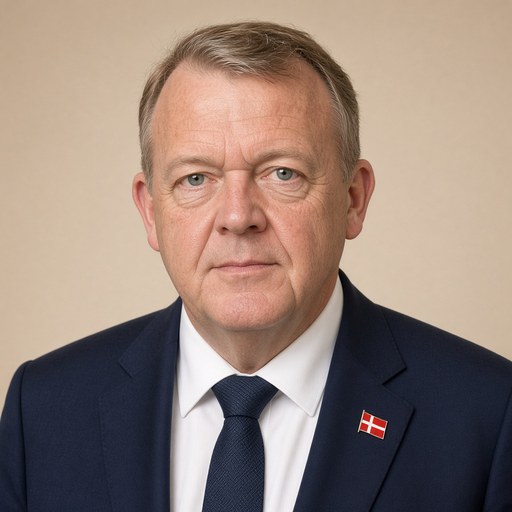
Prime Minister Lars Løkke Rasmussen's speech at the closing debate of the Folketing on June 1, 2016.
 Lars Løkke Rasmussen · Prime Minister of Denmark
- Context
- Rasmussen addressed the Folketing's closing debate on June 1, 2016, reviewing his government's first parliamentary year and progress on four key benchmarks.
- Main themes
- Parliamentary year-end review, private job creation, welfare state, immigration policy, cross-party cooperation, business conditions, regional development, labor market inclusion, tripartite agreements, state job relocation, tax cuts, social cohesion
- Duration
- ~40 min
- Words
- 4,814
- Sentences
- 518
- Readability
- 62
- Grade
- 6.6
- Syntax
- 2.25
- Vocabulary
- 2.02
Translated from Danish
The broad sphere of national life a sentence belongs to. Every sentence has an Arena, so it is the denominator the other indices are read against.
Other518 sentences in 236 paragraphs
Thank you!
I would like to open today's closing debate by saying thank you.
Thank you to the Danish People's Party. The Social Democrats. The Radical Left. The Conservative People's Party. The Socialist People's Party. The Liberal Alliance. The Red-Green Alliance. The Alternative.
With your help, we have accomplished a lot since the election. Thank you for that.
My ministers and I look forward to continuing our collaboration for an even better Denmark.
The government has made significant progress through broad cooperation. That is the core of our democracy.
The opposition has also put forward proposals. Some of them have found a majority. That is also democracy.
But most importantly, the government has entered into agreements with all parties in the Folketing – 38 in total. The first one the day after the government was formed. The latest one yesterday. That is roughly one new agreement every ten days.
We expect to have 186 bills and proposals passed. That corresponds to nearly one a day in the parliamentary year.
We have revived the tripartite agreements, which were declared dead and gone under the previous government.
I am pleased about all of this.
And I am particularly happy when I encounter the commitment that keeps all of Denmark alive and moving forward.
Teachers, school leaders, and passionate individuals who help young people who have had a rough start in adult life. Relatives who do everything they can for their loved ones – and more. Business leaders who hire refugees and contribute to better integration.
Workplaces that open up for young people on the margins of society and give them a chance to take control of their adult lives.
I have had visits from several hundred dedicated Danes for theme meetings and conferences at Marienborg. If any of you are listening today, thank you for the inspiration.
And alongside you stand the thousands across the country who take responsibility and do something extra every day.
Thank you for your efforts. You make Denmark, Denmark.
* * *
The country we have today is not built by one party, one man, or one woman. It is built by the Danes.
Our country does not rest on easy solutions. But on responsible solutions.
That is why Denmark is a very special country. A strong society. With security. Prosperity. Harmony.
We must take care of that. We must improve it.
Last summer, I set four benchmarks for the government's work.
First, we need more private jobs.
Second, we need a stronger core welfare system.
Third, we need to include more people in the labor community.
Fourth, we must pursue a consistent and realistic immigration policy.
In all four areas, we have made some progress.
* * *
More private jobs. That was and is my first benchmark.
Businesses must have good conditions. So that new jobs can be created in Denmark. Not abroad.
We have reduced the NOx tax to one-fifth. We are lowering inheritance taxes. We have removed the advertising tax that the previous government wanted to impose on businesses.
In total, we have made tax cuts amounting to 4 billion kroner.
We are making life easier for businesses. A burden stop. An effort against over-implementation of EU regulations. The aim is that new business legislation only comes into effect twice a year.
Regulation of agriculture had become too rigid. We have made it more sensible. So that the entire large cluster of food businesses gets better conditions. So they can create jobs. Also where it is particularly needed.
The housing job scheme. We have reintroduced it. So that craftsmen have something to work on. Even in areas where houses are further apart.
The planning law. We are in the process of liberalizing it. I hope that it will end happily later this week. With a broad agreement that gives more responsibility to those affected by the decisions. This also generates activity across the country.
And we are doing more than that.
We are in the midst of the largest relocation of state jobs ever. 4,000 jobs are moving from the Capital Region to the rest of the country.
I was there when the Danish Transport Authority opened in Ribe as the first. Today – four months later – more than 650 jobs have been moved. And most will follow this year and next year.
And we do this because we must take responsibility for a Denmark that is cohesive. We must believe that the whole country can bear the responsibility. That is why we are relocating state jobs. That is why we need more private jobs.
And that is why I am also disappointed that a majority in the Folketing has decided to worsen businesses' opportunities to hire highly qualified foreigners. That is a step in the wrong direction.
But that does not change the fact that overall, things are moving in the right direction. More people have found work. The new figures that came out yesterday speak very clearly: Since last summer, 38,000 more private jobs have been created.
* * *
Without jobs, no prosperity.
Without prosperity, no welfare.
My second benchmark was and is a stronger core welfare system.
I advocate for security for all, regardless of which family you are born into.
My own mother left school after seventh grade. I became the first student in my family. One must be able to move forward.
And in that context, I emphasize good opportunities to choose the right education. Right for the individual. Useful for the community.
We have presented an ambitious proposal for a reform of the upper secondary schools. The goal is to strengthen students' academic skills. Because we are raising the standards. And making upper secondary education better and more targeted.
But upper secondary school is not the right path for all young people. We need more to choose vocational education – and preferably on the first try. So they get the best start into adult life.
I am a strong supporter of a secure welfare society.
What is more fundamental to security than being able to receive treatment when you are sick?
It is my vision that citizens should receive high-quality healthcare. Regardless of postal code. Independent of wallet.
We began to realize that vision back in 2001.
Since then, we have come a long way. Better cancer treatment. Super hospitals. Patient rights.
But we have not come far enough. We will never be far enough. We must always do better.
The government is adding an extra 2.4 billion kroner to health this year – 2.4 billion kroner. That is exactly what we campaigned on.
That is half a billion more than the previous government campaigned on.
Here in the Folketing, we have agreed on a number of principles for prioritizing hospital medicine. Thank you for the broad support for that.
We have adopted a new right to assessment. A right to treatment. Also with broad support behind it.
Some who have always been against it still voted in favor. Thank you for that. That is positive.
I see it as an expression that there has been a change in attitude. When I introduced the idea 15 years ago that patients should have strong rights. That they should have the opportunity to choose to avoid waiting times regardless of the size of their wallet. It was an ideological battleground.
That is apparently no longer the case, and fortunately so.
Now we put the individual before the system.
And the systems must become better at communicating with each other.
Far too many elderly people and their relatives have experienced falling between two systems and getting hurt.
That is why we have allocated 1.2 billion kroner for an action plan for elderly medical patients.
We have already implemented an acute package. Addressing the major problem of patients having to lie in the hallways.
We must ensure that treatment is coordinated across hospitals, municipalities, and general practitioners. To the benefit of the patient.
The next step will be to make Denmark a dementia-friendly country.
Dementia is a disease that affects more and more people. It is a heavy burden to bear. It is a heavy burden to be a relative to someone with dementia.
Imagine not being able to have a conversation with the person closest to you. The heavy worries. The anxiety it brings. The helplessness.
Three weeks ago, I visited the Housing Community Æblehaven in Holte. Here, I had a good conversation with Aase and Mariann, both of whom have lost their husbands after illness due to dementia.
As Aase said: "You become worn out."
And when the nursing home place finally becomes available. And that is good. It can still be the hardest moment. Because as Mariann said: "The worst is the day you realize that he is not coming home again."
The relatives bear the heaviest burden. We owe them a strong hand so that they do not collapse under the weight.
The government has allocated 470 million kroner for a new national dementia action plan.
We must strengthen core welfare. There must be funds for that. Even though the basic condition of public finances is clear: There is only a little money.
Despite that condition, the government is adding a total of 3.4 billion kroner extra for health and elderly care this year – 2.4 billion for health and one billion for dignity in elderly care. We have prioritized that money.
And despite a tight economy, the government has given municipalities half a billion kroner more for services this year. Under the previous Social Democratic-led government, municipalities could spend 3 billion kroner less on services.
Yes, that is how it is. Even though that may not be the impression one gets from the debate.
* * *
We need to include more people in the labor community. That was and is my third benchmark.
Denmark does not hold together economically when too few support too many.
It does not hold together humanely either.
That is why we must organize society so that it pays better to work.
The government has implemented an integration benefit so that foreigners will receive what corresponds to the youth's student grant.
We have reintroduced a cap on social assistance. With the aim that social assistance recipients see a significant increase in income by taking a full-time job – even at a low wage.
I think that is reasonable.
Both measures are part of the first phase of the job reform that we campaigned on implementing. The second phase involves targeted tax cuts, especially for low-income earners. We will address that in the fall. So that it pays better to work.
We must create a more well-functioning and flexible labor market.
That is also a goal in the tripartite negotiations with employers and employees.
When we called for negotiations, I did not take it for granted that they would succeed. Four years ago, they collapsed.
Such things take a toll.
But the Danish model has proven to be resilient.
I am pleased that employees and employers have shown courage and a sense of community. We have reached one agreement. I expect there will be more.
The first agreement includes a new integration basic education. The new refugees must not end up on permanent public support.
That is part of the government's broader goal: Fewer on transfers. More in work.
In half a year, the number of people on public support has fallen by around 10,000. Things are moving in the right direction. But we must continue. We are not there yet.
* * *
My fourth benchmark was and is a consistent and realistic immigration policy.
We must have control over the influx of asylum seekers.
The problem is complicated. The background is serious. The situation is unfortunate.
Last late summer, Europe was breached. People fleeing streamed unhindered across the external borders. And continued through the countries. Also to Denmark.
We all remember the images of migrants and refugees walking on the highways from Rødby up through Zealand.
It was clear from the beginning that the solution had two dimensions. A European one. A national one.
Fundamentally, it was a common European problem. That Europe had to solve together. But there were very different opinions in the EU.
The answers dragged on. And dragged on. For far too long.
That is why we had to act ourselves. There was a need to tighten up after the previous government's 31 relaxations of immigration policy – 31 relaxations.
We have introduced stricter requirements for family reunification for refugees with temporary protection. Stricter rules for obtaining permanent residency. Border control.
The government pursues a consistent immigration policy.
Last year, the number of asylum seekers in Sweden, Norway, Finland, and Germany – all our neighboring countries – increased by 100 percent or more. In Denmark, it increased by about 40 percent. Too many, but still far less than in neighboring countries. Just imagine the situation if there had not been a tightening.
The government's position has always been that the number matters. It is not something we made up for the occasion. We have said that for many years. We must take massive action to effectively control the EU's external borders. Refugees are best helped in the neighboring areas.
We must pursue a realistic immigration policy. We cannot solve the world's refugee problems in Europe.
That was not something all member states wanted to hear. Initially, we were speaking to deaf ears when we talked about not just distributing the problem, but about actually solving it. Now there is greater receptiveness.
The Balkan route is closed. The EU has entered into an agreement with Turkey. We can send irregular migrants and asylum seekers back. Cynical human traffickers must give up making money from families and children risking their lives in overcrowded and dilapidated boats.
In January, up to 70,000 people came from Turkey to the Greek islands. In May, around 1,300.
We also feel that in Denmark. In January, we received over 1,600 asylum seekers. In May, around 350. That is far fewer than in the fall. And the lowest number in one month since February 2012.
That does not mean we can lean back. The flow from Turkey can start again. The human traffickers can find new routes.
But it shows that when there is pressure, the EU is capable of acting. That Denmark is being listened to. And that strong European cooperation is in Denmark's interest.
My position is clear: We must keep the number of asylum seekers at a reasonable level. And that means we must go lower than both the 21,000 who came last year and the nearly 15,000 who came two years ago.
That is where we are now, but it must be monitored, and the government is ready to act to ensure that it is not compromised.
* * *
The world has come closer. With deeply complicated conflicts. Fragile states. Terrorism.
How do we best meet the new challenges and the new opportunities?
Last year, the government asked Ambassador Peter Taksøe-Jensen to provide suggestions on that.
Taksøe's report has already led to good discussions here in the Folketing. I look forward to continued discussions as we move forward with the individual recommendations.
Denmark must take care of our security and interests. We must protect our country and our values. At home. And out in the world.
We must not open the door to anyone who does not wish us well.
Therefore, we need lists of foreign "hate preachers" – so we can prevent them from coming to Denmark.
For those who are already here, we will expand the criminalization of expressions that undermine Danish law.
And we will not be made a fool of with our own money. Therefore, it is over with tax benefits and public information support for those who preach against our democracy.
All of this was included in a broad agreement we reached yesterday.
Out in the world, we must put an end to ISIL's reign of terror. This is central to creating stability in Iraq, Syria, and the rest of the region. It is also important for our own security in Europe.
There is a long way to go. It will not be easy. But there are signs that the coalition is pushing ISIL onto the defensive – now it is about holding firm.
On the civilian side, Denmark is increasing support to limit foreign fighters to ISIL. Countering propaganda. Cutting off financing. And preventing the terrorist movement from regaining a foothold in liberated areas.
On the military side, we are deploying F-16 aircraft. Special forces. A transport contribution.
I would like to express my gratitude for the broad support from the Folketing. We stand together when it matters.
In the long term, modern and functional combat aircraft are necessary. Both for our preparedness at home. And for us to participate in international missions.
Therefore, the government has proposed that our nearly 40-year-old F-16 aircraft, which are soon to be retired, should be replaced by the F-35 Joint Strike Fighter.
I understand those who point out that it costs a lot of money. It does. It is a significant investment. But it is necessary for us to carry out the same tasks as before.
The equipment must be top-notch.
For the people are top-notch. Denmark has some of the world's best soldiers.
The Danish soldiers and our other deployed personnel make an extraordinary effort – in Iraq, Afghanistan, Mali, and Kosovo. They deserve our deepest respect. I would like to express heartfelt thanks to our deployed personnel today.
When the deployed personnel return home, we must help those who need it. That is the least we can do.
We have become better at this. But we must always look at whether we can do it even better. Therefore, the government is finalizing a service check of the efforts for veterans.
Our deployed personnel have made greater sacrifices and risked more than anyone.
That is why the entire Folketing supports our soldiers. They deserve it. Thank you!
* * *
Last week, we had the annual debate on the realm community here in the Folketing. A debate that also showed that there is broad support among the parties for the community between our countries.
Greenland, the Faroe Islands, and Denmark have together found responsible solutions to difficult problems.
The government supports Greenland's efforts to develop the raw materials sector and create new revenues. By the end of the week, I expect that we will pass the bills that will enable Greenland to extract and export uranium.
Together with the Faroe Islands and Greenland, we have completed the work of identifying border obstacles. The next step will be to remove the obstacles that we agree limit freedom of movement within the realm community.
Both the Faroe Islands and Greenland wish to take on responsibility for new areas of legislation. In the Faroe Islands, for example, personal, family, and inheritance law. In Greenland, labor market conditions. We respect that. It strengthens self-government.
The realm community is something special. I believe we should do more to mark our community. Respect the diversity. Show that we appreciate each other.
Therefore, the government, as we all know, has decided that the Greenlandic and Faroese flags should be flown on the national days of the countries on June 21 and July 29.
I look forward to that. I am proud of the realm community.
* * *
I am proud of Denmark. We have a fantastic country. I cannot imagine a better place to live one's life.
I have personally had greater and richer opportunities than my parents, who in turn had a better starting point than my grandparents.
And of course, we must also pass on a Denmark to our children that is freer, richer, and fairer than the one we inherited.
A country that is still one of the richest and safest in the world.
Where a Danish family can afford the same as a Swedish or German family. To go on vacation. To help their children along. To replace the small car in the garage when it can no longer be used. Things that matter in everyday life. The close welfare in families.
A country where core welfare functions and services are effective and up to date. Good education. Safe care. World-class health. A strong common welfare.
That, I believe, is what most of us want. If not – what I otherwise believe and hope – all of us.
Denmark is the land of opportunities.
Every year, I have the pleasure and honor of awarding a prize to a person who has managed to reach out for opportunities. To lift themselves up. To take responsibility for their own life despite adversity.
This happens under the auspices of the Løkke Foundation – a project for boys on the edge, which I helped start a few years ago.
In the spring, I awarded the prize for "Boy of the Year" to Jamil. His starting point from school was not impressive. Let's just say it that way. But it became so.
Through hard work. Perseverance. A growing belief in his own abilities. He passed 9th grade with grades of 7 and 10. And is now pursuing his dream education as a carpenter. I think that is well done.
Jamil – and many like him – are the face of the idea that we all should pursue our dreams. We must do so as individuals. We must do so as a country.
We must make a strong Denmark stronger.
Right now, unemployment is falling. Employment is rising. Things are actually going quite well.
We are not in a deep crisis.
We were, however, a few years ago.
The last time I was Prime Minister, Denmark was hit by the largest international economic crisis since the 1930s. It was impossible to overlook. Therefore, a sense of urgency emerged.
We implemented an unemployment benefit reform. We changed early retirement. Major reforms. That stood, even though the government changed. They mean that we, as a country, are stronger today.
The reforms were possible because there was a pronounced awareness of the crisis. Therefore, there was support for taking action.
Recognition is the first step towards action.
Not with easy answers. For they are rarely found. As in never. But with well-thought-out and responsible solutions.
Therefore, we must also today recognize our situation.
We are not in crisis. But the world is changing. Some will say that it always has been. And that argument actually has some merit. Already 2,500 years ago, the Greek philosopher Heraclitus pointed out that the only constant is change.
Today, we can add that changes are happening at a pace we have never seen before. In a way we have not known. And to an extent that affects all parts of society.
The way we live. The way we work. The way businesses compete. Globalization, new technology, and digitalization are merging old industries. And giving rise to new ones.
Everything is changing.
This opens up new opportunities.
We must be ready to seize them. We must act.
As I see it, seven challenges are emerging for Denmark:
1) First, we are not good enough at creating growth and jobs.
We are not getting enough out of our work efforts – we need to achieve more.
And no, that does not mean that each of us should stress more and run faster. But that we must be at the forefront. Utilize robotics technology. Digitalization. Educate according to the needs of the business sector.
For it is a fact that productivity in Denmark is growing more slowly than in all other countries in Europe – except for Italy and Spain.
It is a fact that too many investments land on the other side of the Øresund or south of the border instead of in Denmark.
It is a fact that all Danish companies with over 1,000 employees are more than 20 years old.
2) Second, the balance between those who are supported and those who work is skewed.
We have had that challenge for many years. And it is partly related to a high tax on work and quite generous transfer payments.
3) Third, public finances are under pressure.
The oil price is low. We are receiving fewer revenues from the North Sea. Much fewer.
Since we came into government, state oil revenues have been adjusted down by nearly 9 billion DKK in 2020. This means that we have nearly 9 billion DKK less to work with. That is almost as much as we spend on the police each year.
And if we go back a couple of years further, the loss is even greater. Since 2013, the figure is double.
4) Fourth, the migration and refugee crisis.
The costs of refugees must not spiral out of control. Because then we have less money for other things.
How much less money depends on the number of people who come here. What conditions we offer them. And largely on whether they can support themselves.
Areas where the government has taken action. And where we will take action.
For the sake of the economy. Our cohesion. Our values.
5) Fifth, we are also challenged on the common core welfare.
Just one example: We have done a lot and improved cancer treatment. But a Dane with cancer still lives a shorter time than a Swede with cancer.
We must improve core welfare in a time when public finances are tight. They are now. And they will be when large cohorts retire from the labor market – those born in the 1960s, like myself.
In addition to the five challenges, we face two very acute problems that do not relate to our overall economy in the same way, but which I will also put on the list.
6) Sixth, the current property valuations are not good enough – we need more accurate assessments.
So that homeowners can be secure about the tax – now and in the future.
7) Seventh, we need to find another way to finance renewable energy. We need to make a green transition. Denmark is a green leading nation. That is how it is – that is how it should be. But the way we have financed the green transition does not hold.
The PSO tax is in violation of EU rules. And is also structured in such a way that it is very expensive for Danish businesses and for families.
We are faced with a clear and binding choice: We can open the PSO tax and start sending Danish taxes abroad – that would, in my view, be Ebberød Bank. Or we can abolish the tax, move the cost onto the finance bill. And collect the same money – according to the government, fewer funds – in a different way.
Therefore, the government has proposed a neutral restructuring. Just as we stated in the government platform that we would do. Our proposal makes no significant difference in whether it pays to work. And neither for inequality.
The bill will not be larger – on the contrary. We want to make the bill smaller. It is a challenge that must be solved.
That resulted in seven challenges. And it may seem heavy on the year's – according to the calendar – first summer day.
Therefore, I would like to emphasize: I do not wish to dig us into a black hole.
On the contrary. My message today is that we have a strong starting point to lift Denmark up.
If we act in time.
We must exercise timely caution.
If we do nothing, the future looks bleak. If, on the other hand, we implement decisions. And create new room for maneuver. Then we will have brighter opportunities.
Therefore, the answers to the seven challenges I have mentioned here will be included in the government's 2025 plan, which we will present after the summer.
* * *
Denmark is a country with fantastic opportunities if we face the problems together.
We must take that responsibility upon ourselves. All of us here in the Folketing.
Especially those who represent many voters.
When you are a large party that wants to make a difference, you must take shared responsibility. Whether you are in government, a supporting party, or in opposition.
My own party was involved in many agreements under the previous government. A tax reform. Two large growth packages. Education reforms. A budget agreement.
We accepted the hand that was extended.
I will also extend my hand for cooperation in the fall.
We need broad agreements here in Christiansborg. That is my ambition. I believe in it.
We must improve the opportunities for Danes heading into the next generation.
We must make a strong Denmark stronger. The starting point is good and far better than a year ago. Thanks to decisions made here in this chamber. Thank you!
The original Danish. The tags above are read on the English translation's sentences.
Tak!
Jeg vil indlede afslutningsdebatten i dag med at sige Tak.
Tak til Dansk Folkeparti. Socialdemokratiet. Radikale Venstre. Det Konservative Folkeparti. Socialistisk Folkeparti. Liberal Alliance. Enhedslisten. Alternativet.
Med jeres hjælp har vi fået noget fra hånden siden valget. Tak for det.
Mine ministre og jeg glæder os til at fortsætte samarbejdet for et endnu bedre Danmark.
Regeringen er nået et stykke vej gennem bredt samarbejde. Det er kernen i vores demokrati.
Oppositionen har også fremsat forslag. Nogle af dem har fundet flertal. Det er også demokrati.
Men vigtigst har regeringen indgået aftaler med samtlige Folketingets partier – 38 i alt. Den første dagen efter regeringsdannelsen. Den seneste i går. Det er rundt regnet én ny aftale hver tiende dag.
Vi forventer at få vedtaget 186 lovforslag og beslutningsforslag. Det svarer til tæt på ét om dagen i Folketingsåret.
Vi har genoplivet trepartsaftalerne, som ellers under den tidligere regering blev erklæret døde og borte.
Alt det glæder jeg mig over.
Og særligt glad bliver jeg, når jeg møder det engagement, som holder hele Danmark levende og i gang og bringer os videre.
Lærere, skoleledere og ildsjæle, der hjælper unge, som kom skævt ind på voksenlivet. Pårørende, der gør alt, hvad de kan for deres kære – og mere til. Virksomhedsledere, der ansætter flygtninge og bidrager til bedre integration.
Arbejdspladser, der åbner sig for unge på kanten af samfundet og giver dem en chance for at få kontrol over deres voksenliv.
Jeg har haft besøg af flere hundrede dedikerede danskere til temamøder og konferencer på Marienborg. Hvis nogle af jer lytter med i dag, så tak for inspirationen.
Og ved siden af jer står de tusinder over hele landet, der hver dag tager ansvar og gør noget ekstra.
Tak for indsatsen. I gør Danmark, til Danmark.
* * *
Det land, vi har i dag, er ikke bygget af ét parti, én mand eller én kvinde. Det er bygget af danskerne.
Vores land hviler ikke på lette løsninger. Men på ansvarlige løsninger.
Derfor er Danmark et helt særligt land. Et stærkt samfund. Med tryghed. Velstand. Harmoni.
Det skal vi passe på. Det skal vi forbedre.
Sidste sommer satte jeg fire pejlemærker for regeringens arbejde.
For det første skal vi have flere private arbejdspladser.
For det andet skal vi have en stærkere kernevelfærd.
For det tredje skal vi have flere med i arbejdsfællesskabet.
For det fjerde skal vi føre en konsekvent og realistisk udlændingepolitik.
På alle fire områder er vi nået et stykke ad vejen.
* * *
Flere private arbejdspladser. Det var og er mit første pejlemærke.
Virksomhederne skal have gode vilkår. Så nye job kan skabes i Danmark. Ikke udenfor.
Vi har lempet NOx-afgiften til en femtedel. Vi nedsætter arveafgifterne. Vi har fjernet reklameafgiften, som den tidligere regering ville belaste virksomhederne med.
Samlet har vi lavet skattelettelser for 4 mia. kr.
Vi gør livet lettere for virksomhederne. Et byrdestop. En indsats mod overimplementering af EU-regler. Det sigte, at ny erhvervslovgivning kun træder i kraft to gange om året.
Reguleringen af landbruget var blevet for rigid. Den har vi gjort mere fornuftig. Så hele den store klynge af fødevarevirksomheder får bedre vilkår. Så de kan skabe arbejdspladser. Også dér, hvor der er særligt brug for det.
Boligjobordningen. Den har vi genindført. Så håndværkerne har noget at rive i. Også derude, hvor der er længere mellem husene.
Planloven. Den er vi ved at liberalisere. Jeg håber, at det senere på ugen ender lykkeligt. Med en bred aftale, der giver mere ansvar til dem, beslutningerne vedrører. Det giver også aktivitet i hele landet.
Og vi gør mere end det.
Vi er i gang med den største udflytning af statslige arbejdspladser nogensinde. 4.000 job rykker fra Hovedstaden til resten af landet.
Jeg var selv med, da Færdselsstyrelsen som den første åbnede i Ribe. I dag – fire måneder senere – er mere end 650 arbejdspladser flyttet. Og langt de fleste følger efter i år og til næste år.
Og det gør vi fordi vi må tage ansvar for et Danmark, der hænger sammen. Vi skal tro på, at hele landet kan løfte ansvaret. Derfor flytter vi statslige job. Derfor skal vi have flere private job.
Og derfor er jeg også ærgerlig over, at et flertal i Folketinget har besluttet at forringe virksomhedernes muligheder for at ansætte højtkvalificerede udlændinge. Det trækker i den forkerte retning.
Men heller ikke det rokker ved, at det samlet set går den rigtige vej. Der er kommet flere i arbejde. De nye tal, som kom i går, taler deres meget klare sprog: Siden sidste sommer er der skabt 38.000 flere private arbejdspladser.
* * *
Uden arbejdspladser. Ingen velstand.
Uden velstand. Ingen velfærd.
Mit andet pejlemærke var og er en stærkere kernevelfærd.
Jeg går ind for tryghed til alle, uanset hvilken familie du er født ind i.
Min egen mor gik ud af skolen efter syvende klasse. Jeg blev min families første student. Man skal kunne flytte sig.
Og i forlængelse af det, lægger jeg vægt på gode muligheder for at vælge den rette uddannelse. Rigtig for den enkelte. Nyttig for fællesskabet.
Vi har fremlagt et ambitiøst bud på en reform af gymnasierne. Målet er at styrke elevernes faglighed. Fordi vi skærper kravene. Og gør de gymnasiale uddannelser bedre og mere målrettede.
Men gymnasiet er ikke den rigtige vej for alle unge. Vi skal have flere til at vælge en erhvervsuddannelse – og helst i første forsøg. Så de får det bedste afsæt ind i voksenlivet.
Jeg er varm tilhænger at et trygt velfærdssamfund.
Hvad er mere grundlæggende for trygheden end at kunne få behandling, når du er syg?
Det er min vision, at borgeren skal have en sundhedsbehandling af høj kvalitet. Uanset postnummer. Uafhængigt af pengepung.
Den vision tog vi hul på at realisere tilbage i 2001.
Siden er vi nået langt. Bedre kræftbehandling. Supersygehuse. Patientrettigheder.
Men vi er ikke nået langt nok. Det kommer vi aldrig. Vi skal altid gøre det bedre.
Regeringen tilfører 2,4 mia. kr. ekstra til sundhed i år – 2,4 mia. kr. Det er præcis, hvad vi gik til valg på.
Det er 1⁄2 milliard mere, end den tidligere regering gik til valg på.
Her i Folketinget er vi blevet enige om en række principper for prioritering af sygehusmedicin. Tak for den brede opbakning til det.
Vi har vedtaget en ny udredningsret. En behandlingsret. Også med et bredt flertal bag.
Nogle af dem, der ellers altid har været imod, stemte alligevel for. Tak for det. Det er positivt.
Jeg ser det som et udtryk for, at der er sket en holdningsændring. Da jeg for 15 år siden introducerede den idé, at patienter skal have stærke rettigheder. At de skal have mulighed for at vælge ventetiden fra uanset pengepungens størrelse. Så var det en ideologisk kampplads.
Det er det åbenbart og heldigvis ikke længere.
Nu sætter vi mennesket før systemet.
Og systemerne skal blive bedre til at tale med hinanden.
Alt for mange ældre og deres pårørende har prøvet at falde ned mellem to systemer og slå sig.
Derfor har vi afsat 1,2 mia. kr. til en handlingsplan for ældre medicinske patienter.
Vi har allerede gennemført en akutpakke. Rettet mod det store problem, at patienter må ligge på gangene.
Vi skal have behandlingen til at hænge sammen på tværs af sygehus, kommune og egen læge. Til glæde og gavn for patienten.
Det næste skridt bliver at gøre Danmark til et demensvenligt land.
Demens er en sygdom, der rammer flere og flere. Det er en tung sygdom at bære på. Det er en tung sygdom at være pårørende til.
Forestil jer ikke at kunne føre en samtale med den, der står én nærmest. De tunge bekymringer. Den angst det giver. Afmagten.
For tre uger siden besøgte jeg Bofællesskabet Æblehaven i Holte. Her fik jeg en god snak med Aase og Mariann der begge har mistet deres mænd efter sygdomsforløb med demens.
Som Aase sagde: ”Man når at blive nedslidt.”
Og når plejehjemspladsen endelig er der. Og det er jo godt. Så kan det alligevel blive det sværeste øjeblik. For som Mariann sagde: ”Det værste er den dag, hvor man indser, at han ikke kommer hjem igen.”
De pårørende bærer den tungeste byrde. Vi skylder dem en stærk hånd, så de ikke segner under byrden.
Regeringen har afsat 470 mio. kr. til en ny national demenshandlingsplan.
Vi skal styrke kernevelfærden. Det skal der være råd til. Selvom grundvilkåret i den offentlige økonomi er klart: Der er kun få penge.
På trods af det vilkår tilfører regeringen i alt 3,4 mia. kr. ekstra til sundhed og ældre i år – 2,4 milliarder til sundhed og en milliard til værdighed i ældreplejen. De penge har vi prioriteret.
Og trods en stram økonomi har regeringen givet kommunerne 1⁄2 milliard kroner mere til service i år. Under den tidligere socialdemokratisk ledede regering kunne kommunerne bruge 3 mia. kr. mindre til service.
Jo, sådan er det. Selvom det måske ikke lige er det indtryk, man får af debatten.
* * *
Vi skal have flere med i arbejdsfællesskabet. Det var og er mit tredje pejlemærke.
Danmark hænger ikke sammen økonomisk, når for få skal forsørge for mange.
Det hænger heller ikke sammen menneskeligt.
Derfor skal vi indrette samfundet, så det bedre kan betale sig at arbejde.
Regeringen har gennemført en integrationsydelse, så udlændinge fremover får, hvad der svarer til de unges SU.
Vi har genindført et kontanthjælpsloft. Med det sigte, at kontanthjælpsmodtagere får en væsentlig indkomstfremgang ved at tage et fuldtidsjob – også til en løn i den lave ende.
Det, synes jeg, er rimeligt.
Begge dele indgår i første fase af den jobreform, som vi gik til valg på at gennemføre. Anden fase er målrettede skattelettelser på især små arbejdsindkomster. Det skal vi gøre noget ved til efteråret. Så det bedre kan betale sig at arbejde.
Vi skal skabe et mere velfungerende og fleksibelt arbejdsmarked.
Det er også et mål i trepartsforhandlingerne med arbejdsgivere og lønmodtagere.
Da vi indkaldte til forhandlingerne, tog jeg det langt fra for givet, at de ville lykkes. For fire år siden brød de sammen.
Den slags slider.
Men den danske model har vist sig slidstærk.
Jeg glæder mig over, at lønmodtagere og arbejdsgivere har udvist mod og samfundssind. Vi har indgået én aftale. Jeg forventer, at der kommer flere.
Den første aftale omfatter en ny integrationsgrunduddannelse. De nye flygtninge må ikke ende på varig offentlig forsørgelse.
Det er en del af regeringens bredere mål: Færre på overførsler. Flere i arbejde.
På et halvt år er antallet af mennesker på offentlig forsørgelse faldet med omkring 10.000 personer. Det går den rigtige vej. Men vi skal videre. Vi er ikke i mål.
* * *
Mit fjerde pejlemærke var og er en konsekvent og realistisk udlændingepolitik.
Vi skal have styr på tilstrømningen af asylansøgere.
Problemet er kompliceret. Baggrunden er alvorlig. Situationen er ulykkelig.
Sidste sensommer gik der hul på Europa. Mennesker på flugt strømmede uhindret ind over de ydre grænser. Og fortsatte op gennem landene. Også til Danmark.
Vi husker alle billederne af migranter og flygtninge, der vandrede på motorvejene fra Rødby op gennem Sjælland.
Det stod fra begyndelsen klart, at løsningen havde to dimensioner. En europæisk. En national.
Grundlæggende var det et fælles europæisk problem. Som Europa måtte løse sammen. Men der var meget forskellige holdninger i EU.
Svarene trak ud. Og trak ud. Alt for længe.
Derfor skulle vi selvfølgelig også handle selv. Der var brug for at stramme op efter den tidligere regerings 31 lempelser af udlændingepolitikken – 31 lempelser.
Vi har indført strammere krav for familiesammenføring for flygtninge med midlertidig beskyttelse. Skærpede regler for at få permanent ophold. Kontrol ved grænsen.
Regeringen fører en konsekvent udlændingepolitik.
Sidste år steg antallet af asylansøgere i Sverige, Norge, Finland og Tyskland – alle vores nabolande - med 100 procent eller mere. I Danmark steg det med omkring 40 procent. For mange, men dog langt mindre end hos naboerne. Prøv at forestille jer situationen, hvis der ikke var strammet op.
Regeringens holdning har hele vejen været, at antallet betyder noget. Det er ikke opfundet til lejligheden. Det har vi sagt i mange år. Vi skal sætte massivt ind for at kontrollere EU’s eksterne grænser effektivt. Flygtninge hjælpes bedst i nærområderne.
Vi skal føre en realistisk udlændingepolitik. Vi kan ikke løse verdens flygtningeproblemer i Europa.
Det var ikke noget, som alle medlemsstater ønskede at høre. Til en start talte vi for døve ører, når vi talte om ikke bare at fordele problemet, men om reelt at løse det. Nu er der kommet større lydhørhed.
Balkanruten er lukket. EU har indgået en aftale med Tyrkiet. Vi kan sende irregulære migranter og asylansøgere tilbage. Kyniske menneskesmuglere må opgive at tjene penge på, at familier og børn sætter livet på spil i overfyldte og faldefærdige både.
I januar kom der op mod 70.000 mennesker fra Tyrkiet til de græske øer. I maj omkring 1300.
Det mærker vi også i Danmark. I januar modtog vi over 1.600 asylansøgere. I maj omkring 350. Det er langt færre end i efteråret. Og det laveste antal i én måned siden februar 2012.
Det betyder ikke, at vi kan læne os tilbage. Strømmen fra Tyrkiet kan starte igen. Menneskesmuglerne kan finde nye ruter.
Men det viser, at når der presses på, så er EU i stand til at handle. At der lyttes til Danmark. Og at et stærkt europæisk samarbejde er i Danmarks interesse.
Min holdning er klar: Vi skal holde antallet af asylansøgere på et fornuftigt niveau. Og det betyder, at vi skal længere ned end både de 21.000, som kom sidste år. Og de tæt på 15.000, som kom for to år siden.
Der er vi nu, men det skal holdes under opsyn, og regeringen er klar til at handle for at sikre, at der ikke rokkes ved det.
* * *
Verden er rykket tættere på. Med dybt komplicerede konflikter. Skrøbelige stater. Terrorisme.
Hvordan møder vi bedst de nye udfordringer og de nye muligheder?
Sidste år bad regeringen ambassadør Peter Taksøe-Jensen om at komme med bud på det.
Taksøes rapport har allerede ført til gode drøftelser her i Folketinget. Jeg ser frem til fortsatte drøftelser, når vi går videre med de enkelte anbefalinger.
Danmark skal tage vare på vores sikkerhed og interesser. Vi skal passe på vores land og vores værdier. Hjemme. Og ude i verden.
Vi skal ikke åbne døren for nogen, der ikke vil os det godt.
Derfor skal vi have lister over udenlandske ”hadprædikanter” – så vi kan forhindre, at de kommer til Danmark.
For dem, der allerede er her, vil vi udvide kriminaliseringen af ytringer, der undergraver dansk lovgivning.
Og vi vil ikke være til grin for vores egne penge. Derfor er det slut med skattebegunstigelser og folkeoplysningsstøtte til dem, der prædiker imod vores demokrati.
Alt det indgik vi en bred aftale om i går.
Ude i verden skal vi af med ISIL’s rædselsregime. Det er centralt for at skabe stabilitet i Irak, Syrien og resten af regionen. Det er også vigtigt for vores egen sikkerhed i Europa.
Der er lang vej igen. Det bliver ikke let. Men der er tegn på, at koalitionen presser ISIL i defensiven – nu gælder det om at holde fast.
På den civile side øger Danmark støtten til at begrænse fremmedkrigere til ISIL. Imødegå propagandaen. Afskære finansieringen. Og forhindre, at terrorbevægelsen igen får fodfæste i befriede områder.
På den militære side sætter vi ind med F-16-fly. Specialstyrker. Et transportbidrag.
Jeg vil gerne kvittere for Folketingets brede opbakning. Vi står sammen, når det gælder.
På længere sigt er moderne og funktionsdygtige kampfly nødvendige. Både for vores beredskab herhjemme. Og for, at vi kan deltage i internationale missioner.
Derfor har regeringen lagt op til, at vores næsten 40 år gamle F16-fly, som snart er pensionsmodne, skal erstattes af F-35 Joint Strike Fighter.
Jeg kan godt forstå dem, der hæfter sig ved, at det koster mange penge. Det gør det. Det er en stor investering. Men den er nødvendig for, at vi kan udføre de samme opgaver som hidtil.
Materiellet skal være i top.
For menneskene er i top. Danmark har nogle af verdens bedste soldater.
De danske soldater og vores andre udsendte yder en enestående indsats – i Irak, Afghanistan, Mali og Kosovo. De fortjener vores dybeste respekt. Jeg vil gerne i dag sige dybfølt tak til vores udsendte.
Når de udsendte kommer hjem igen, skal vi hjælpe dem, der har brug for det. Det manglede bare.
Det er vi blevet bedre til. Men vi skal hele tiden se på, om vi kan gøre det endnu bedre. Derfor er regeringen ved at færdiggøre et servicetjek af indsatsen for veteranerne.
Vores udsendte har bragt større ofre og risikeret mere end nogen.
Derfor bakker hele Folketinget op om vores soldater. Det fortjener de. Tak!
* * *
I sidste uge havde vi den årlige debat om rigsfællesskabet her i Folketinget. En debat, der også viste, at der blandt partierne er en bred opbakning til fællesskabet mellem vores lande.
Grønland, Færøerne og Danmark har sammen fundet ansvarlige løsninger på svære problemer.
Regeringen støtter Grønlands bestræbelser for at udvikle råstofsektoren og skabe nye indtægter. Inden ugens udgang forventer jeg, at vi vedtager de lovforslag, der skal gøre det muligt for Grønland at udvinde og eksportere uran.
Vi har sammen med Færøerne og Grønland afsluttet arbejdet med at identificere grænsehindringer. Næste skridt bliver at fjerne de hindringer, som, vi er enige om, begrænser bevægelsesfriheden inden for rigsfællesskabet.
Både Færøerne og Grønland ønsker at overtage ansvaret for nye sagsområder. På Færøerne fx person-, familie- og arveretten. I Grønland arbejdsmiljø. Det respekterer vi. Det styrker selvstyret.
Rigsfællesskabet er noget særligt. Jeg mener, at vi skal gøre mere for at markere vores fællesskab. Respektere forskelligheden. Vise, at vi sætter pris på hinanden.
Derfor har regeringen, som vi alle ved, besluttet, at der skal flages med det grønlandske og det færøske flag på landenes nationaldage den 21. juni og den 29. juli.
Det glæder jeg mig til. Jeg er stolt af rigsfællesskabet.
* * *
Jeg er stolt af Danmark. Vi har et fantastisk land. Jeg kan ikke forestille mig et bedre sted at leve sit liv.
Jeg har selv haft større og rigere muligheder end mine forældre, der igen havde et bedre afsæt end mine bedsteforældre.
Og selvfølgelig skal vi også aflevere et Danmark til vores børn, som er friere, rigere og rimeligere, end det vi selv overtog.
Et land, der stadig er et af de rigeste og tryggeste i verden.
Hvor en dansk familie har råd til det samme som en svensk eller tysk familie. At tage på ferie. At hjælpe børnene på vej. At skifte den lille bil i carporten ud, når den ikke kan mere. Ting, der betyder noget i hverdagen. Den nære velfærd i familierne.
Et land, hvor kernevelfærden fungerer og er tidsvarende. Gode uddannelser. Tryg omsorg. Sundhed i verdensklasse. En stærk fælles velfærd.
Det, tror jeg, de fleste af os ønsker. Om ikke – hvad jeg ellers tror og håber - os alle.
Danmark er mulighedernes land.
Jeg har hvert år fornøjelsen og æren af at uddele en pris til et menneske, der har formået at gribe ud efter mulighederne. Løfte sig selv op. Tage ansvar for eget liv trods modstand.
Det sker i regi af Løkkefonden – et projekt for drenge på kanten, som jeg var med til at starte for nogle år siden.
I foråret overrakte jeg prisen som ”årets knægt” til Jamil. Hans udgangspunkt fra skolen var ikke prangende. Lad os bare sige det sådan. Men det blev det.
Gennem hårdt arbejde. Vedholdenhed. En voksende tro på egne evner. Han bestod 9. klasse med 7- og 10-taller. Og er nu i gang med drømmeuddannelsen som tømrer. Jeg synes, det er godt gået.
Jamil – og mange med ham – er ansigtet på, at vi alle skal forfølge vores drømme. Det skal vi som mennesker. Det skal vi som land.
Vi skal gøre et stærkt Danmark stærkere.
Lige nu er ledigheden faldende. Beskæftigelsen stiger. Det går egentligt meget godt.
Vi er ikke i dyb krise.
Det var vi derimod for nogle år siden.
Sidst jeg var statsminister, var Danmark ramt af den største internationale økonomiske krise siden 30’erne. Den var ikke til at overse. Derfor voksede en handlekraft frem.
Vi gennemførte en dagpengereform. Vi ændrede efterlønnen. Store reformer. Som stod, selvom regeringsmagten skiftede. De betyder, at vi som land står stærkere i dag.
Reformerne var mulige, fordi der var en udtalt krisebevidsthed. Derfor var der opbakning til at gøre noget.
Erkendelse er første skridt mod at handle.
Ikke med lette svar. For de findes sjældent. Som i aldrig. Men med gennemtænkte og ansvarlige løsninger.
Derfor skal vi også i dag erkende vores situation.
Vi er ikke i krise. Men verden er i forandring. Nogle vil sige, at det har den altid været. Og det argument har faktisk en vis ret. Allerede for 2.500 år siden påpegede den græske filosof Heraklit, at det eneste konstante er forandringer.
I dag kan vi tilføje, at forandringer sker i et tempo, vi ikke har set før. På en måde, vi ikke har kendt til. Og i et omfang, der berører alle dele af samfundet.
Måden vi lever på. Måden vi arbejder på. Måden virksomhederne konkurrerer på. Globalisering, ny teknologi og digitalisering smelter gamle brancher sammen. Og føder nye.
Alt ændrer sig.
Det åbner nye muligheder.
Dem skal vi være klar til at gribe. Vi skal handle.
Som jeg ser det, tegner der sig syv udfordringer for Danmark:
1) For det første er vi ikke gode nok til at skabe vækst og arbejdspladser.
Vi får ikke nok ud af vores arbejdsindsats – vi skal have mere fra hånden.
Og nej, det betyder ikke, at vi hver især skal stresse mere og løbe hurtigere. Men at vi skal være med helt fremme. Udnytte robotteknologi. Digitalisering. Uddanne til erhvervslivets behov.
For det er et faktum, at produktiviteten i Danmark vokser langsommere end i alle andre lande i Europa – på nær Italien og Spanien.
Det er et faktum, at for mange investeringer lander på den anden side af Øresund eller syd for grænsen i stedet for i Danmark.
Det er et faktum, at alle danske virksomheder med over 1.000 ansatte er mere end 20 år gamle.
2) For det andet er balancen mellem dem, der forsørges, og dem, der arbejder, skæv.
Den udfordring har vi haft i mange år. Og den hænger bl.a. sammen med en høj skat på arbejde og ret generøse overførselsindkomster.
3) For det tredje er de offentlige finanser presset.
Olieprisen er lav. Vi får færre indtægter fra Nordøsen. Langt færre.
Siden vi kom i regering, er statens olieindtægter justeret ned med knap 9 mia. kr. i 2020. Det betyder, at vi har knap 9 mia. kr. mindre at gøre godt med. Det er næsten lige så meget, som vi bruger på politiet hvert år.
Og hvis vi går et par år længere tilbage, er tabet endnu større. Siden 2013 er tallet det dobbelte.
4) For det fjerde migrations- og flygtningekrisen.
Udgifterne til flygtninge må ikke løbe løbsk. For så har vi færre penge til andre ting.
Hvor mange færre penge afhænger af antallet, der kommer hertil. Hvilke vilkår vi byder dem. Og i høj grad af om de kan forsørge sig selv.
Områder, hvor regeringen har sat ind. Og hvor vi vil sætte ind.
Af hensyn til økonomien. Vores sammenhængskraft. Vores værdier.
5) For det femte er vi også udfordret på den fælles kernevelfærd.
Bare ét eksempel: Vi har gjort meget og forbedret kræftbehandlingen. Men en dansker med kræft lever stadig kortere tid end en svensker med kræft.
Vi skal forbedre kernevelfærden i en tid, hvor de offentlige finanser er stramme. Det er de nu. Og det bliver de, når store årgange trækker sig ud af arbejdsmarkedet – dem, der som jeg selv er født i 1960’erne.
Ud over de fem udfordringer står vi med to meget akutte problemer, som ikke på samme måde vedrører vores samlede økonomi, men som jeg også vil sætte på listen.
6) For det sjette er de nuværende ejendomsvurderinger ikke gode nok – vi skal have mere retvisende vurderinger.
Så boligejerne kan være trygge ved skatten – nu og i fremtiden.
7) For det syvende skal vi finde en anden måde til at finansiere den vedvarende energi. Vi skal lave en grøn omstilling. Danmark er en grøn førernation. Sådan er det – sådan skal det være. Men den måde vi har finansieret den grønne omstilling på holder ikke.
PSO-afgiften er i strid med EU’s regler. Og er desuden skruet sådan sammen, at den er meget dyr for danske virksomheder og for familierne.
Vi står med et klart og bundet valg: Vi kan åbne PSO-afgiften og begynde at sende danske afgifter til udlandet - det vil i mine øjne være Ebberød Bank. Eller vi kan afskaffe afgiften, flytte udgiften ind på finansloven. Og opkræve de samme penge – står det til regeringen færre penge - på en anden måde.
Derfor har regeringen foreslået en neutral omlægning. Præcis som vi i regeringsgrundlaget har sagt, vi vil gøre det. Vores forslag gør ingen nævneværdig forskel for, om det kan betale sig at arbejde. Og heller ikke for uligheden.
Regningen bliver ikke større – tværtimod. Vi vil gøre regningen mindre. Det er en udfordring, der skal løses.
Det blev til syv udfordringer. Og det kan nok synes tungt på årets – ifølge kalenderen - første sommerdag.
Derfor vil jeg gerne understrege: Jeg ønsker ikke at grave os ned i et sort hul.
Tværtimod. Mit budskab i dag er, at vi har et stærkt udgangspunkt for at løfte Danmark op.
Hvis vi handler i tide.
Vi skal udvise rettidig omhu.
Hvis vi ikke gør noget, tegner fremtiden trist. Hvis vi derimod gennemfører beslutninger. Og skaber nyt råderum. Så vil vi få lysere muligheder.
Derfor vil svar på de syv udfordringer, jeg her har nævnt, indgå i regeringens 2025-plan, som vi lægger frem efter sommeren.
* * *
Danmark er et land med fantastiske muligheder, hvis vi møder problemerne sammen.
Det ansvar må vi tage på os. Alle os her i Folketinget.
Særligt dem, der repræsenterer mange vælgere.
Når man er et stort parti, der vil gøre en forskel, så må man tage medansvar. Uanset om man er i regering, er støtteparti eller er i opposition.
Mit eget parti var med i mange aftaler under den tidligere regering. En skattereform. To store vækstpakker. Uddannelsesreformer. En finanslovsaftale.
Vi tog imod den hånd, der blev rakt frem.
Jeg vil også række hånden frem til samarbejde i efteråret.
Vi har brug for brede aftaler her på Christiansborg. Det er min ambition. Den tror jeg på.
Vi skal forbedre danskernes muligheder frem mod den næste generation.
Vi skal gøre et stærkt Danmark stærkere. Udgangspunktet er godt og langt bedre end for et år siden. Takket være beslutninger her i Salen. Tak for det!