




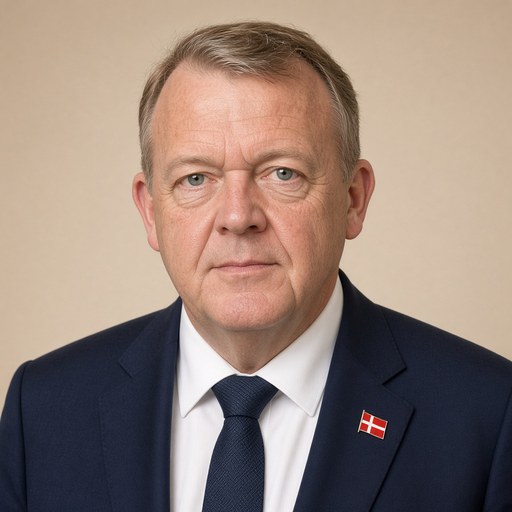
Prime Minister Lars Løkke Rasmussen's speech at the final debate of the Folketing on May 30, 2018.
 Lars Løkke Rasmussen · Prime Minister of Denmark
- Context
- Rasmussen addressed the Danish Folketing at its final debate on May 30, 2018, reviewing his government's legislative-year achievements and future priorities.
- Main themes
- Economic performance, employment growth, education reform, vocational training, youth opportunity, digital transformation and technology, entrepreneurship, healthcare investment, asylum and immigration reduction, organic agriculture, social welfare, disruption and innovation
- Duration
- ~31 min
- Words
- 3,748
- Sentences
- 376
- Readability
- 66
- Grade
- 6.1
- Syntax
- 2.33
- Vocabulary
- 1.99
Translated from Danish
The broad sphere of national life a sentence belongs to. Every sentence has an Arena, so it is the denominator the other indices are read against.
Other376 sentences in 214 paragraphs
Good morning!
Let us start the day with some numbers: 98 – 150 – 3,500 – 9,200 – 130,000 – 4 million.
Are these just any numbers? No, these are numbers that show that politics makes a difference.
98.
Because the employment rate has increased in 98 out of 98 municipalities since the parliamentary election. In all of the country's 98 municipalities.
150.
In the past two years, the government has provided financial support so that an area equivalent to 150 football fields – per day – can become organic.
3,500.
In 2017, the number of asylum seekers in Denmark was 3,500. The lowest number in nine years. And Denmark is no longer one of the EU's most attractive asylum destinations.
9,200.
Since the election, prosperity has increased by 9,200 kroner for every Dane.
130,000.
Since the change of government in 2015, 130,000 more private wage-earner jobs have been created.
4 million.
Since the election, the government has added an extra 4 million kroner to the healthcare system – per day.
Politics makes a difference.
***
Denmark is back in top form.
This gives us the opportunity to shape the future.
I want a Denmark that reaches out for opportunities. Gives the enthusiastic a tailwind. And the worried new hope.
I want to live in a country where the elderly do not have to worry about whether there is help if they fall.
Where all adults who can, have a job. Support themselves and their own. Are part of the community.
Where young people can unfold their talents.
Where parents can drop off their children in the morning in safe surroundings, with peace of mind and a smile on their lips.
And where everyone – children, adults, and the elderly – has the opportunity for a freer, richer, and safer life.
***
This requires that everyone gets a good start in life.
I am fundamentally an optimist. I am pleased that the vast majority of Danish children and young people are pursuing an education. Are doing well.
All the more sad is it that this is not the case for everyone.
There are children who grow up in families without the capacity for care. Who struggle with a difficult starting point.
That is why the government has implemented a comprehensive effort for children and young people who are struggling.
We have strengthened the country's daycare services. With a special focus on the children who face the most challenges.
Strengthened the public school system. With a school fund of half a billion kroner, which is targeted at schools that support academically weak students.
Improved the transition from primary school to a youth education for those young people who need extra support. Cleared up the overwhelming jungle of offers that confronts the young.
Strengthened vocational education – among other things with a tripartite agreement aimed at providing more internships. Among other things, through new benefit education programs and increased incentives for companies to create internships. Thank you to both employers and the labor movement.
It works. Now more young people are applying for vocational education.
We can be happy about that. Proud of it. But we cannot be satisfied.
That is why we have also presented a proposal on how to incorporate more practical elements into the public school system. So that students experience that the teaching also points forward towards vocational education.
And that is why I can today say that the government will present a new proposal this autumn on how to get even more young people to apply for and complete vocational education.
***
Denmark is bursting with talent. I see it everywhere I visit.
In Odense, where I met children at the University of Southern Denmark. Who are studying robotics.
At the DM in Skills in Herning. Where hundreds of young people competed to become Denmark's best in their fields.
At Holbæk City School. Where skilled and curious children have thrown themselves into the sciences.
And just this past Monday, I had a visit from a 5th grade class from Fjordland School in Frederikssund, because their talented teacher had promised them a surprise if they made a significant leap in reading.
We should not fight against development – we should embrace it and shape it. Collaborate to seize opportunities. Because those are what we need to live off.
That is the basis for the Disruption Council. Where the government is currently gathering the many good inputs from businesses, the labor movement, entrepreneurs, researchers, and many more.
That is the background for the agreement on business and entrepreneurship initiatives that we have entered into together with the Danish People's Party and the Radical Left. 15 billion kroner for, among other things, a stronger entrepreneurial and stock culture.
Thank you to both parties for taking responsibility when it matters.
That is the goal of the new technology pact, where the government, businesses, and educational institutions will jointly elevate digital Denmark.
That is the starting point for the new agreement on the sharing economy. Which can improve both the environment, personal finances, and the economy. And where we now also get control over tax payments with the agreement.
And it is fundamentally also the starting point for the tax cuts we have given to the citizens of Denmark. So that it is now more rewarding to work, run a business, and become an entrepreneur.
We believe in the Danes. That we all have the potential for more. And that we all become richer when we have more opportunities.
Therefore, it is not a question of either welfare or tax cuts. It is a "both and."
Progress is something we create. And progress is a prerequisite for welfare.
***
I want a secure core welfare.
Free education. Free hospitals. A social safety net. Dignified elderly care. We must be able to deliver that.
Therefore, we must take proper care of our public employees.
After the summer break, the government will present a coherence reform – which will look at how we can get better leaders in the public sector.
And how public employees can have more freedom and better opportunities to deliver the quality that both the Danes and the employees themselves desire. Here too, we must unleash the potential.
At the same time, I believe that we, on the other side of the public collective bargaining negotiations – a long process, where there are still votes ongoing – need a dialogue about what the process can give rise to in terms of considerations.
Is the system optimal as it looks today?
I believe that this reflection is needed all around.
A good public sector is a prerequisite for citizens to receive proper welfare.
There should not only be good help for those who break a leg. But also for those who stumble – in life.
We have control over the first. But I am concerned about whether we have control over the latter.
The number of Danes with mental illnesses is rising. That worries me.
The increase is particularly large among children and young people. That deeply concerns me.
We must ask ourselves what this is indicative of.
And whether it may also be the frameworks we offer children that need a diagnosis.
There is not one single solution. Or several simple solutions.
But there must be better help for those who lose their grip.
And an earlier and stronger effort so that problems do not develop.
Since the election, we have lifted psychiatry, so that in 2018 there are about 400 million more.
After the summer break, the government will present a comprehensive plan to further strengthen psychiatry. That is needed.
We will also present a comprehensive health reform.
A little over a decade ago, we made the last health reform. With free choice, treatment guarantees, super hospitals. Replaced counties with regions. It has significantly elevated the Danish healthcare system to now be in the top 3 in Europe, according to a Swedish think tank.
Now the time has come for the next one. To further elevate our healthcare system. To set the direction for the coming 10 years of improvements.
One of the most important efforts will be to strengthen primary healthcare.
Many things have improved.
Since I became Minister of Health in 2001, an average of one extra doctor and one extra nurse have been hired every day – except on Sundays.
In the same period, life expectancy has increased by four years. Far more survive cancer.
Now we must improve the connection between the large hospital – and the local medical practice. So that patients do not get lost in the system. We must create a healthcare system that is cohesive.
***
I want all of Denmark to be in better balance. Socially, culturally, and geographically.
In my New Year's speech, I addressed the challenge of parallel societies.
We do not see the same conditions here at home as in other European countries.
But we also have obvious problems.
I have said it before. And I would like to repeat it today:
Most people with a foreign background contribute positively to Denmark. Keep doing that.
But even though the majority are doing well, there are too many who are struggling.
This is primarily a result of a lax immigration policy. More were let in than could be integrated. Too few demands were made.
The government has corrected this. Together with a strengthened effort in the EU, we have reduced the influx.
Does this mean that we should not do more?
No – we must constantly keep an eye on developments. And on new initiatives in the countries around us. Because Denmark must also in the future have control over the number of asylum seekers.
At the same time, we must use the low asylum numbers to restore balance in our vulnerable housing areas.
Areas where young people are forced to marry someone they do not love. Where women are considered less valuable than men. Where many people with the same problems are clustered together.
The government's goal is clear. By 2030, Denmark should be free of ghettos.
We have entered into a number of broad agreements. 21 initiatives – tied together across eight ministries.
And today I can announce the names of the three special representatives who will ensure progress and follow up on behalf of the government with the municipalities and housing organizations.
They will be former regional council chairman and former chairman of Danish Regions, Bent Hansen.
Former director of the Danish Employers' Association and former Minister of Employment, Jørn Neergaard Larsen.
And former director of the Confederation of Danish Industry and the Children's Fund, Bolette Christensen.
I am pleased that all three have accepted the task.
Just as I am pleased with the support for the government's strategy here in the Folketing. I would like to express my gratitude for that. Thank you for it.
There is not one solution. There are many.
And one of the important ones is that people who come to Denmark must support themselves while they are here. Have a job.
That is the background for the government's tripartite agreement with the labor market parties – and bipartite agreement with the municipalities – on better integration.
Here too, we have moved the goalposts.
The proportion of refugees who are in jobs after three years in Denmark has increased from one in five to more than one in three.
I am pleased about that – we need it. Thank you to both the municipalities, businesses, and the labor movement for taking responsibility.
But we are not there yet.
That is the background for my invitation to the integration summit 2.0 at Marienborg next Friday, June 8. Together with businesses, entrepreneurs, municipalities, the labor movement, experts, and volunteers – a broad circle – we will take the next step forward.
Because we must make this integration succeed. Otherwise, we risk that the desire to shut the world out grows.
We do not need that.
Denmark must be open to those who can and want to. That makes Denmark richer.
If we do not succeed in attracting skilled foreign workers, Denmark risks falling behind.
That is why I am disappointed that a majority outside the government has chosen to raise the threshold in the salary scheme. And in other ways deliberately made it as cumbersome as possible for businesses to use it.
We do not need that. We need to keep the labor market open for those who can and want to.
The government will address this with a proposal on foreign labor that is on the way. There must be a proper balance.
***
This applies to all of Denmark.
For me, there is not a capital Denmark and a rural Denmark.
For me, there is not a blue Denmark. A red Denmark. A green Denmark. Or a yellow Denmark.
In my view, there is only one Denmark. One free country, where we grow together. And where progress should benefit everyone.
That is why we have modernized the planning law so that it gives outer municipalities more space to create development and jobs.
Lowered ferry fares so that it is cheaper to travel to and from many Danish islands.
Expanded motorways, raised speed limits, and lowered tolls over the Great Belt.
And we are implementing the largest relocation of state jobs in recent history. In total, up to 8,000 state jobs – out of the capital and into the country.
At the same time, we are initiating the development of the capital. With a committee that will look at how we can strengthen the capital towards 2030.
Because we want a real balance. Where we lift together. Distribute progress. Strengthen community. And have the surplus to rejoice in each other's successes.
***
The last point applies to the entire kingdom. Also our North Atlantic family.
I want a realm that benefits the population both in the Faroe Islands, Greenland, and Denmark.
Three countries that share history, friendships, and family ties. A community with room for diversity. And where we help each other.
We had a thorough debate about the realm last Friday. I will not repeat the points here, but I want to thank you for a good debate.
Next month, I will meet with the Løgmaður and the chairman of the Naalakkersuisut for the annual kingdom meeting. This time in the Faroe Islands.
I look forward to reuniting with the islands – magnificent and homely at the same time – and to discussing the topics that we are all concerned about.
***
Freer, richer, safer. That is our goal for Denmark. For future generations.
It has been said that the next generation is the first that will truly experience climate change. And the last generation that can stop it.
But we cannot wait or bet on that. Our generation must act.
I want Denmark to continue to be a green frontrunner.
I believe that we all want that. That is why we have entered into broad energy agreements in recent years that have elevated Denmark.
I am pleased about that.
Just as I am pleased with the support for the government's ambition that at least 50 percent of energy consumption in 2030 should come from renewable energy.
Why have we set that goal?
Because we want to take the next important step in the green transition. Show the world – and especially the large countries – that a green transition is possible.
How do we best do that?
We do not do it by saying that more green energy can pay off.
We do it by showing it. Making green energy cheaper.
That is why we have come up with an energy proposal, where we both invest in Denmark's largest offshore wind farm in history. And allocate an additional 0.5 billion DKK annually from 2025 for more offshore wind or other green solutions.
At the same time, we are lowering the electricity tax and the electricity heating tax. Making it cheaper to be Danish. And more attractive to use green electricity.
This way, we not only say that green can pay off. We also show it. It is groundbreaking. Both at home and abroad.
In addition, we have initiated what we call P4G. Green Growth and the Global Goals. In plain Danish: Green growth and the global goals.
An initiative that we have launched from the Danish side. To deliver on the UN's global goals and the Paris climate agreement.
And after the summer holidays, the government will launch a climate plan that will pull in an even greener direction.
I hope that we can once again reach a broad agreement on the future energy policy. Denmark needs that.
I understand that others do not want to use the leeway in the energy negotiations. Only use leeway for public consumption. That is a viewpoint that, in my eyes, is incompatible with the opposition's alleged higher green ambitions. Or will the opposition find the money elsewhere? It will be interesting to discuss today.
I hope, in any case, that we can reach an agreement before the summer holidays. This issue should extend beyond political maneuvering. Time is short.
***
Denmark can make a difference. If we want to. And stand together.
This also applies to the world.
I want a Denmark that drops the notion that we always know best. That we do not need input from outside. The tendency towards megalomania. It does not suit us.
But we also need to get rid of the inferiority complex. The narrative that we are too small to make a difference. That we should just hide as long as we can.
We should not. We can and must pull the world in the right direction. Pave the way.
When others show deficits, we should show surpluses.
We do this by maintaining development aid at 0.7 percent – as one of only five countries in the world – at a time when others are cutting back.
We have done this as the chair of the Council of Europe. With a Copenhagen Declaration, where we, among other things, affirm that the responsibility for upholding human rights lies with individual countries.
And where we have ensured that there will be quicker and harsher responses to those who openly and systematically violate human rights.
You can count on us. We make a difference.
And we must do so. In a world that is changing.
A Russia that is becoming increasingly aggressive.
A China that is growing ever more influential – economically and politically.
A Turkey nearby, that turns its back on European values.
A Middle East, where conflicts and poverty send people fleeing. Towards the dream of a better life.
And a USA – the land of dreams – that dreams of less free trade. More just for itself. Fewer international obligations. More sanctions.
These are new times. To say the least. And the question is, where do we best safeguard our interests?
For me, the arrow points in one direction:
Europe!
We are a small open economy. About 60 percent of our goods exports go to the internal market. Denmark needs Europe.
And so does the rest of the world. A strong Europe. That has both the will and the weight to lead the way and show the path. Yes, excuse me – to be the adult in the classroom.
For 45 years, we have benefited from the European community. We are approaching a golden wedding anniversary. This year we celebrate a silver wedding anniversary for the Internal Market.
Which gives a LO couple in home ownership a direct annual extra income of 65,000 DKK.
And on which hundreds of thousands of Danish jobs depend.
Yet, we have a tendency at home to keep the European aspect out of sight. Only dust it off when we have to vote yes or no to something.
Why do we hide it like that?
At the same time, some myths have crept into the debate.
"Why should the EU decide that," you can hear some say.
I do not agree with everything that comes out of the EU's decision-making process. Just as we do not agree on everything here in the Folketing.
But let us stop blaming the EU when something does not go our way.
The EU is not a state – and should never be. The EU is a cooperation between independent countries that make agreements together.
In a cooperation between 28 countries, it is a shared responsibility to reach compromises and make difficult decisions. Also in areas where we do not see eye to eye.
Let us instead speak positively about both Denmark and Europe. Stand by the continent and cooperation we are part of. And discuss Europe – without a referendum on the horizon. I believe that would be good.
***
Denmark can make a difference.
I saw that when I visited the Danish soldiers at NATO's force in Kosovo a couple of weeks ago.
An area where – nearly 20 years after Europe's latest civil war broke out – there is still a need for peacekeeping forces.
Denmark provides that. We can be proud of it. I am proud of it.
At the same time, we must remember that a freer, richer, and safer Denmark does not come by itself.
That is why we have entered into a defense agreement with a substantial boost to defense. And created a national strategy for cyber and information security.
That is why we have Danish soldiers deployed to NATO's enhanced presence in Estonia. Skilled people, whom I have had the pleasure of visiting.
We take responsibility. We make a difference. We must continue to do so. It is in our own interest.
***
Freer, richer, and safer.
That is the story of Denmark since the election.
But it is no natural law. Progress only comes if we fight for it.
The government is doing that. And together with you, we want to unlock Denmark's full potential.
I would like to take this opportunity to thank you for the good cooperation throughout the year. To all parties here in the chamber.
From the opening debate in October to the closing debate today, we have entered into 57 political agreements. That corresponds to more than one a week. Most of them have been made with a broad majority across the aisle.
Politics makes a difference.
We do not always start from the same point. But together we move Denmark forward.
That applies here. It applies throughout Denmark.
The original Danish. The tags above are read on the English translation's sentences.
Godmorgen!
Lad os starte dagen med nogle tal: 98 – 150 – 3.500 – 9.200 – 130.000 – 4 millioner
Er det bare nogen tal? Nej, det er nogle tal, der viser at politik gør en forskel.
98.
Fordi beskæftigelsesfrekvensen er steget i 98 ud af 98 kommuner siden folketingsvalget. I alle landets 98 kommuner.
150.
De seneste to år har regeringen givet økonomisk støtte til, at et areal, på hvad der svarer til 150 fodboldbaner – om dagen – kan blive økologisk.
3.500
I 2017 var antallet af asylansøgere i Danmark 3.500. Det laveste antal i ni år. Og Danmark er ikke længere en af EU’s mest attraktive asyldestinationer.
9.200.
Siden valget er velstanden vokset med 9.200 kr. for hver dansker.
130.000.
Siden regeringsskiftet i 2015 er der skabt 130.000 flere private lønmodtagerjob.
4 millioner.
Siden valget, har regeringen tilført sundhedsvæsnet 4 millioner kroner ekstra – om dagen.
Politik gør en forskel.
***
Danmark er tilbage i topform.
Det giver os mulighed for at forme fremtiden.
Jeg ønsker et Danmark, som rækker ud efter mulighederne. Giver de begejstrede medvind. Og de bekymrede nyt håb.
Jeg vil leve i et land, hvor ældre ikke skal bekymre sig, om der er hjælp, hvis de falder.
Hvor alle voksne, der kan, har et arbejde. Forsørger sig og sine. Er en del af fællesskabet.
Hvor unge kan udfolde deres talent.
Hvor forældre kan aflevere deres børn om morgenen i trygge rammer, med ro i maven og et smil på læben.
Og hvor alle – børn, voksne og ældre – har mulighed for et friere, rigere og tryggere liv.
***
Det kræver, at alle får en god start på livet.
Jeg er grundlæggende optimist. Jeg glæder mig over, at langt de fleste danske børn og unge tager en uddannelse. Klarer sig godt.
Så meget desto mere trist er det, at det ikke gælder alle.
Der er børn, som vokser op i familier uden overskud til omsorg. Som kæmper med et svært udgangspunkt.
Derfor har regeringen gennemført en samlet indsats for børn og unge, som har det svært.
Vi har styrket landets dagtilbud. Med særligt fokus på de børn, som har flest udfordringer.
Styrket folkeskolen. Med en skolepulje på en halv milliard kroner, som går målrettet til skoler, som løfter fagligt svage elever.
Forbedret overgangen fra folkeskole til en ungdomsuddannelse, for de unge, som har brug for ekstra støtte. Ryddet op i den uoverskuelige jungle af tilbud, som møder de unge.
Styrket erhvervsuddannelserne - blandt andet med en trepartsaftale, som skal give flere praktikpladser. Blandt andet ved hjælp af nye fordelsuddannelser og øget tilskyndelse for virksomhederne til at oprette praktikpladser. Tak til både arbejdsgivere og fagbevægelse.
Det virker. Nu søger flere unge ind på en erhvervsuddannelse.
Det kan vi være glade for. Stolte af. Men ikke stille os tilfredse med.
Derfor har vi også fremlagt et bud på, hvordan vi får flere praktiske elementer i folkeskolen. Så eleverne oplever, at undervisningen også peger frem mod en erhvervsuddannelse.
Og derfor kan jeg i dag sige, at regeringen til efteråret vil komme med et nyt udspil til, hvordan vi får endnu flere unge til at søge og gennemføre en erhvervsuddannelse.
***
Danmark strutter af talent. Det ser jeg alle de steder, jeg besøger.
I Odense, hvor jeg mødte børn på Syddansk Universitet. Som går til robot.
Til DM i Skills i Herning. Hvor hundredevis af unge kæmpede om at blive Danmarks bedste inden for deres fag.
På Holbæk By Skole. Hvor dygtige og nysgerrige børn har kastet sig over naturvidenskaben.
Og så sent som i mandags, hvor jeg havde besøg på Marienborg af 5. klasse fra Fjordlandskolen i Frederikssund, fordi deres dygtige lærer havde lovet dem en overraskelse, hvis de tog et ordentligt ryk i læsning.
Vi skal ikke kæmpe imod udviklingen – vi skal omfavne den og forme den. Samarbejde om at gribe mulighederne. For det er dem, vi skal leve af.
Det er afsættet for Disruptionrådet. Hvor regeringen lige nu samler de mange gode input fra virksomheder, fagbevægelse, iværksættere, forskere og mange flere.
Det er baggrunden for den aftale om erhvervs- og iværksætterinitiativer, som vi har indgået sammen med Dansk Folkeparti og Det Radikale Venstre. 15 mia. kr. til blandt andet en stærkere iværksætter- og aktiekultur.
Tak til begge partier for at tage ansvar, når det gælder.
Det er målet med den nye teknologipagt, hvor regeringen, virksomheder og uddannelser i fællesskab vil løfte det digitale Danmark.
Det er udgangspunktet for den nye aftale om deleøkonomi. Som kan forbedre både miljøet, privatøkonomien og samfundsøkonomien. Og hvor vi med aftalen nu også får styr på skattebetalingen.
Og det er helt grundlæggende også udgangspunktet for de skattelettelser, vi har givet borgerne i Danmark. Så det nu bedre kan betale sig at arbejde, drive virksomhed og blive iværksætter.
Vi tror på danskerne. På at vi alle sammen har potentiale til mere. Og at vi alle bliver rigere, når vi får flere muligheder.
Derfor er det ikke et spørgsmål om enten velfærd eller skattelettelser. Det er et ”både og”.
Fremgang er noget vi skaber. Og fremgang er en forudsætning for velfærd.
***
Jeg ønsker en tryg kernevelfærd.
Gratis uddannelse. Gratis sygehuse. Et socialt sikkerhedsnet. Værdig ældrepleje. Det skal vi kunne levere.
Derfor skal vi passe ordenligt på vores offentligt ansatte.
Efter sommerferien vil regeringen fremlægge en sammenhængsreform – som blandt andet vil se på, hvordan vi får bedre ledere i det offentlige.
Og hvordan offentligt ansatte får mere frihed og bedre mulighed for at levere den kvalitet, både danskerne og medarbejderne selv ønsker. Også her skal vi forløse potentialet.
Samtidig synes jeg, at vi på den anden side af de offentlige overenskomstforhandlinger – et langt forløb, hvor der stadig er afstemninger i gang – har brug for en dialog om, hvad forløbet kan give anledning til af overvejelser.
Er systemet optimalt, som det ser ud i dag?
Den refleksion tror jeg sådan set, der er brug for hele vejen rundt.
En god offentlig sektor er en forudsætning for, at borgerne kan få ordentlig velfærd.
Der skal ikke kun være god hjælp til dem, som brækker et ben. Men også til dem, som snubler – i livet.
Vi har styr på det første. Men jeg er bekymret for, om vi har styr på det sidste.
Antallet af danskere med psykiske lidelser stiger. Det bekymrer mig.
Stigningen er særlig stor blandt børn og unge. Det bekymrer mig dybt.
Vi må spørge os selv, hvad det er udtryk for.
Og om det måske også er de rammer vi tilbyder børnene, som har brug for en diagnose.
Der findes ikke én enkelt løsning. Eller flere enkle løsninger.
Men der skal være bedre hjælp til dem, som mister grebet.
Og en tidligere og stærkere indsats, så problemerne ikke udvikler sig.
Siden valget har vi løftet psykiatrien, så der i 2018 er godt 400 millioner mere.
Efter sommerferien kommer regeringen med en samlet plan, som skal styrke psykiatrien yderligere. Det er der brug for.
Vi vil også komme med en samlet sundhedsreform.
For godt et årti siden lavede vi den sidste sundhedsreform. Med frit valg, behandlingsgaranti, supersygehuse. Erstattede amter med regioner. Den har løftet dansk sundhedsvæsen enormt til nu at være top 3 i Europa, ifølge en svensk tænketank.
Nu er tiden kommet til den næste. For at løfte vores sundhedsvæsen yderligere. Sætte retningen for de kommende 10 års forbedringer.
En af de væsentligste indsatser bliver at styrke det nære sundhedsvæsen.
Mange ting er blevet bedre.
Siden jeg blev sundhedsminister i 2001 er der i gennemsnit ansat én ekstra læge og én ekstra sygeplejerske hver dag – undtagen om søndagen.
I samme periode er middellevetiden steget med fire år. Langt flere overlever kræft.
Nu skal vi forbedre forbindelsen mellem det store sygehus – og det lokale lægehus. Så patienter ikke bliver tabt i systemet. Vi skal skabe et sundhedsvæsen, som hænger sammen.
***
Jeg ønsker, at hele Danmark skal være i bedre balance. Socialt, kulturelt og geografisk.
I min nytårstale tog jeg fat i udfordringen med parallelsamfund.
Vi ser ikke samme tilstande herhjemme som i andre europæiske lande.
Men også vi har åbenlyse problemer.
Jeg har sagt det før. Og jeg vil gerne gentage i dag:
De fleste med udenlandsk baggrund bidrager positivt til Danmark. Bliv ved med det.
Men selvom flertallet gør det godt. Så er der for mange, som klarer sig skidt.
Det er først og fremmest et resultat af fordoms slappe udlændingepolitik. Der blev lukket flere ind, end man magtede at integrere. Stillet for få krav.
Regeringen har rettet op. Sammen med en styrket indsats i EU har vi fået tilstrømningen ned.
Betyder det, at vi ikke skal gøre mere?
Nej – vi skal hele tiden holde øje med udviklingen. Og med nye tiltag i landene omkring os. For Danmark skal også i fremtiden have styr på asyltallet.
Samtidig skal vi udnytte de lave asyltal til at genoprette balancen i vores udsatte boligområder.
Områder, hvor unge tvinges til at gifte sig med en, de ikke elsker. Hvor kvinder regnes for mindre værd end mænd. Hvor mange mennesker med de samme problemer er klumpet sammen.
Regeringens mål er klart. I 2030 skal Danmark være fri for ghettoer.
Vi har indgået en række brede aftaler. 21 initiativer – bundet sammen på tværs af otte ministerier.
Og i dag kan jeg offentliggøre navnene på de tre særlige repræsentanter, som skal sikre fremdrift og på regeringens vegne følge op over for kommunerne og over for boligorganisationerne.
Det bliver tidligere regionrådsformand og fhv. formand for Danske Regioner, Bent Hansen.
Tidligere direktør i Dansk Arbejdsgiverforening og fhv. beskæftigelsesminister, Jørn Neergaard Larsen
Og tidligere direktør i Dansk Industri og Børnefonden, Bolette Christensen
Jeg er glad for, at alle tre har takket ja til at påtage sig opgaven.
Ligesom jeg er glad for opbakningen til regeringens strategi her i Folketinget. Det vil jeg gerne kvittere for. Tak for det.
Der er ikke én løsning. Der er mange.
Og en af de vigtige er, at mennesker, der kommer til Danmark, skal forsørge sig selv, når de er her. Have et arbejde.
Det er baggrunden for regeringens treparts-aftale med arbejdsmarkedets parter – og toparts-aftale med kommunerne – om bedre integration.
Også her har vi rykket hegnspælene.
Andelen af flygtninge, som er i job efter tre år i Danmark, er steget fra hver femte til mere end hver tredje.
Det glæder mig – det har vi brug for. Tak til både kommunerne, virksomhederne og fagbevægelsen for at tage ansvar.
Men vi er ikke i mål.
Det er baggrunden for, at jeg har inviteret til integrationstopmøde 2.0 på Marienborg på næste fredag den 8. juni. Sammen med virksomheder, iværksættere, kommuner, fagbevægelsen, eksperter og frivillige – en bred kreds – vil vi tage næste skridt fremad.
For vi skal have den integration til at lykkes. Ellers risikerer vi, at lysten til at lukke verden ude vokser.
Det har vi ikke brug for.
Danmark skal være åbent for dem, som kan og vil. Det gør Danmark rigere.
Hvis vi ikke formår at tiltrække dygtige udenlandske medarbejdere, risikerer Danmark at sakke bagud.
Derfor ærgrer det mig, at et flertal udenom regeringen har valgt at hæve grænsen i beløbsordningen. Og på andre måder bevidst gjort det så bøvlet som muligt for virksomhederne at anvende den.
Det har vi ikke brug for. Vi har brug for at holde arbejdsmarkedet åbent for dem, der kan og vil.
Det vil regeringen adressere med et udspil om udenlandsk arbejdskraft, som er på trapperne. Der skal være en ordentlig balance.
***
Det gælder for hele Danmark.
For mig er der ikke et hovedstads-Danmark og et udkants-Danmark.
For mig er der ikke et blåt Danmark. Rødt Danmark. Grønt Danmark. Eller gult Danmark.
I min optik er der kun ét Danmark. Ét frit land, hvor vi vokser i fællesskab. Og hvor fremgangen skal komme alle til gode.
Derfor har vi moderniseret planloven, så den giver yderkommuner mere plads til at skabe udvikling og arbejdspladser.
Sænket færgetaksterne, så det er billigere at komme til og fra mange danske øer.
Udvidet motorveje, forhøjet fartgrænser, og sænket taksterne over Storebælt.
Og vi er ved at gennemføre den største udflytning af statslige arbejdspladser i nyere tid. I alt op mod 8.000 statslige arbejdspladser – ud af hovedstaden og ind i landet.
Samtidig sætter vi gang i udvikling af hovedstaden. Med et udvalg, som skal se på, hvordan vi styrker hovedstaden frem mod 2030.
For vi ønsker en reel balance. Hvor vi løfter i flok. Fordeler fremgangen. Styrker fællesskabet. Og har overskud til at glæde os på hinandens vegne.
***
Det sidste gælder hele kongeriget. Også vores nordatlantiske familie.
Jeg ønsker et rigsfællesskab, som er til gavn for befolkningen både på Færøerne, i Grønland og i Danmark.
Tre lande, som deler historie, venskaber og familiebånd. Et fællesskab med plads til forskellighed. Og hvor vi hjælper hinanden.
Vi havde en grundig debat om rigsfællesskabet i fredags. Jeg vil ikke gentage pointerne her, men sige tak for en god debat.
I næste måned skal jeg mødes med lagmanden og formanden for Naalakkersuisut til det årlige rigsmøde. Denne gang på Færøerne.
Jeg ser frem til et gensyn med øerne – storslåede og hjemlige på én gang – og til at drøfte de emner, som vi alle er optaget af.
***
Friere, rigere, tryggere. Det er vores mål for Danmark. For kommende generationer.
Det er blevet sagt. At næste generation er den første, som for alvor vil opleve klimaforandringerne. Og den sidste generation, som kan stoppe dem.
Men det kan vi hverken vente eller satse på. Vores generation er selv nødt til at handle.
Jeg ønsker, at Danmark fortsat skal være et grønt foregangsland.
Det tror jeg, at vi alle ønsker. Derfor har vi de sidste mange år indgået brede energiaftaler, som har løftet Danmark.
Det glæder mig.
Ligesom jeg glæder mig over opbakningen til regeringens ambition, om at mindst 50 procent af energiforbruget i 2030 skal komme fra vedvarende energi.
Hvorfor har vi sat det mål?
Fordi vi ønsker at tage det næste vigtige skridt i den grønne omstilling. Vise verden – og særligt de store lande – at grøn omstilling er mulig.
Hvordan gør vi bedst det?
Det gør vi ikke ved at sige at mere grøn energi kan betale sig.
Det gør vi ved at vise det. Gøre den grønne energi billigere.
Derfor er vi kommet med et energiudspil, hvor vi både investerer i Danmarkshistoriens største havvindmøllepark. Og afsætter yderligere 1⁄2 mia. kr. årligt fra 2025 til mere havvind eller andre grønne løsninger.
Samtidig sænker vi el-afgiften og el-varmeafgiften. Gør det billigere at være dansker. Og mere attraktivt at bruge grøn strøm.
Sådan siger vi ikke kun, at det grønne kan betale sig. Vi viser det også. Det er skelsættende. Både herhjemme og i udlandet.
Derudover har vi taget initiativ til det, vi kalder P4G. Green Growth and the Global Goals. På godt dansk: Grøn vækst og verdensmål.
Et initiativ, vi har sat i søen fra dansk side. For at levere på FNs verdensmål og klimaaftalen fra Paris.
Og efter sommerferien vil regeringen lancere en klimaplan, som skal trække i en endnu grønnere retning.
Jeg håber, at vi igen kan få en bred aftale om fremtidens energipolitik. Det har Danmark brug for.
Jeg kan forstå, at andre ikke vil bruge af råderummet i energiforhandlingerne. Kun bruge råderum på offentligt forbrug. Det er et synspunkt som i mine øjne er uforeneligt med oppositionens påståede højere grønne ambitioner. Eller vil oppositionen finde pengene et andet sted? Det bliver spændende at drøfte i dag
Jeg håber i hvert fald, at vi kan få en aftale inden sommerferien. Den her sag bør række ud over politisk spilfægteri. Tiden er knap.
***
Danmark kan gøre en forskel. Hvis vi vil. Og står sammen.
Det gælder også ude i verden.
Jeg ønsker et Danmark, som dropper forestillingen om, at vi altid selv ved bedst. Ikke behøver input udefra. Tendensen til storhedsvanvid. Den klæder os ikke.
Men vi skal også af med mindreværdskomplekset. Fortællingen om, at vi er for små til at gøre en forskel. Bare skal putte os, så længe vi kan.
Vel skal vi ej. Vi kan og skal trække verden i den rigtige retning. Træde stien.
Når andre viser underskud, skal vi vise overskud.
Det gør vi ved at fastholde ulandsbistanden på 0,7 procent – som et af kun fem lande i verden - i en tid, hvor andre skærer ned.
Det har vi gjort som formand for Europarådet. Med en Københavner-erklæring, hvor vi blandt andet slår fast, at ansvaret for at overholde menneskerettighederne ligger hos de enkelte lande.
Og hvor vi har fået igennem, at der vil blive slået hurtigere og hårdere ned dem, som åbenlyst og systematisk ikke overholder menneskerettighederne.
Os kan man regne med. Vi gør en forskel.
Og det skal vi gøre. I en verden, som forandrer sig.
Et Rusland, som optræder mere og mere aggressivt.
Et Kina, der fylder stadig mere – økonomisk og politisk.
Et Tyrkiet tæt på, som vender ryggen til europæiske værdier.
Et Mellemøsten, hvor konflikter og fattigdom sender mennesker på flugt. Mod drømmen om et bedre liv.
Og et USA – drømmenes land – som drømmer om mindre frihandel. Mere bare sig selv. Færre internationale forpligtelser. Flere sanktioner.
Det er nye tider. Mildest talt. Og spørgsmålet er, hvor varetager vi bedst vores interesser?
For mig peger pilen ét sted hen:
Europa!
Vi er en lille åben økonomi. Omkring 60 procent af vores vareeksport går til det indre marked. Danmark har brug for Europa.
Og det samme har resten af verden. Et stærkt Europa. Som både har vilje og tyngde til at gå forrest og vise vejen. Ja undskyld mig – til at være den voksne i klassen.
I 45 år har vi nydt godt af det europæiske fællesskab. Vi nærmer os et guldbryllup. I år fejrer vi sølvbryllup for Det Indre Marked.
Som giver et LO-ægtepar i ejerbolig en direkte årlig merindtægt på 65.000 kr.
Og som hundredetusindvis af danske arbejdspladser er afhængig af.
Alligevel har vi herhjemme en tendens til at gemme det europæiske af vejen. Kun støve det af, når vi skal stemme ja eller nej til noget.
Hvorfor putter vi sådan med det?
Samtidig har der sneget sig nogle myter ind i debatten.
”Hvorfor skal EU bestemme dét”, kan man høre nogen sige.
Jeg er ikke enig i alt, hvad der kommer ud af EU's beslutningsproces. Ligesom vi ikke er enige om alt her i Folketinget.
Men lad os holde op med at give EU skylden, når noget ikke går vores vej.
EU er ikke en stat – og skal aldrig være det. EU er et samarbejde mellem selvstændige lande, som laver aftaler i fællesskab.
I et samarbejde mellem 28 lande er det et fælles ansvar at nå til kompromisser og svære beslutninger. Også på områder, hvor vi ikke ser ens på tingene.
Lad os i stedet tale både Danmark og Europa op. Stå ved det kontinent og samarbejde, vi er en del af. Og diskutere Europa – uden en folkeafstemning i horisonten. Det, tror jeg, vil være godt.
***
Danmark kan gøre en forskel.
Det så jeg, da jeg for et par uger siden besøgte de danske soldater ved NATO’s styrke i Kosovo.
Et område, hvor der – snart 20 år efter Europas seneste borgerkrig brød ud – stadig er brug for fredsbevarende styrker.
Det leverer Danmark. Det kan vi godt være stolte af. Det er jeg stolt af.
Samtidig skal vi huske, at et friere, rigere og mere trygt Danmark ikke kommer af sig selv.
Derfor har vi indgået et forsvarsforlig med et substantielt løft til forsvaret. Og lavet en national strategi for cyber- og informationssikkerhed.
Derfor har vi danske soldater udstationeret til NATOs fremskudte tilstedeværelse i Estland. Dygtige folk, som jeg selv har haft fornøjelsen at besøge.
Vi tager ansvar. Vi gør en forskel. Det skal vi blive ved med. Det er i vores egen interesse.
***
Friere, rigere og tryggere.
Det er historien om Danmark siden valget.
Men det er ingen naturlov. Fremgangen kommer kun, hvis vi kæmper for den.
Det gør regeringen. Og sammen med jer, ønsker vi at forløse Danmarks fulde potentiale.
Jeg vil gerne benytte lejligheden til at sige tak for det gode samarbejde i årets løb. Til alle partier her i salen.
Fra åbningsdebatten i oktober til afslutningsdebatten i dag har vi indgået 57 politiske aftaler. Det svarer til mere end én om ugen. Langt de fleste er indgået med et bredt flertal henover midten.
Politik gør en forskel.
Vi har ikke altid det samme udgangspunkt. Men sammen får vi Danmark fremad.
Det gælder herinde. Det gælder i hele Danmark.