




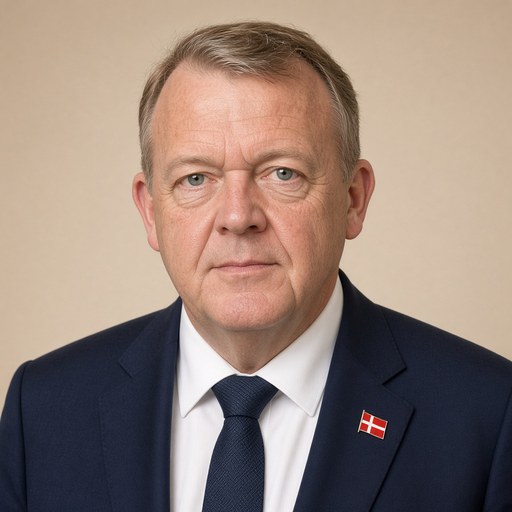
Prime Minister Lars Løkke Rasmussen's speech at the final debate of the Folketing on May 31, 2017.
 Lars Løkke Rasmussen · Prime Minister of Denmark
- Context
- Rasmussen addressed the Folketing's final debate on May 31, 2017, reviewing his government's achievements and presenting the Growth and Prosperity 2025 plan.
- Main themes
- Economic growth and prosperity, job creation and workforce participation, welfare reform, pension system reform, immigration policy, public sector investment, Denmark's fiscal health, tax reduction, coalition governance, sustainable energy and climate solutions, private sector strength, social trust and cohesion
- Duration
- ~37 min
- Words
- 4,460
- Sentences
- 433
- Readability
- 60
- Grade
- 7.1
- Syntax
- 2.42
- Vocabulary
- 2.05
Translated from Danish
The broad sphere of national life a sentence belongs to. Every sentence has an Arena, so it is the denominator the other indices are read against.
Other433 sentences in 241 paragraphs
Since I became Prime Minister again after the parliamentary election nearly two years ago, I set four guiding principles for Denmark. Principles that the coalition government is committed to.
The first
was more private jobs.
That has been achieved.
With thousands of new jobs. Far fewer unemployed.
The second
guiding principle was a stronger core welfare.
We have invested in that.
Billions of kroner for better cancer treatment and elderly care.
The third
was more people in the workforce.
We have achieved that.
We now have the lowest number of people on public assistance in 10 years. In 10 years!
The fourth
guiding principle was a consistent and realistic immigration policy.
We have implemented that. And it has worked.
Since the parliamentary election, Denmark has become stronger, richer, and safer.
Thank you for the collaboration in moving our country in that direction. A special thanks to the Danish People's Party.
Despite disagreements across the parties in the Folketing, we find many good solutions together. A unique Danish strength.
***
Denmark stands rock solid. Both at home and abroad.
We have a healthy economy that the outside world trusts. And we are now – for the first time in at least 183 years completely without debt in foreign currency. The last time that was the case, Frederik VI was an absolute king.
We have a strong business sector. Which is thriving. And which I have had the privilege to represent throughout the year. In the USA, South Korea, Mexico. And most recently in China.
Everywhere, Danish companies are met with respect and interest. And a great demand for our sustainable climate solutions. Here, Denmark is in absolutely world-class, underscored by the fact that we have just been awarded the hosting of the world's largest energy conference
Øresund Energy Week.
We have a good public sector. With many skilled and dedicated employees.
We trust each other. We take care of each other. And when you ask the Danes, most look positively towards the future.
And so do I!
Together, we have created a strong society. Not a perfect society, but a place where the vast majority have far better opportunities than previous generations.
***
That is how it should continue.
We must also in the future be one of the richest countries in the world. That is why the government presented the plan "Growth and Prosperity 2025" yesterday. And with it, an ambition to increase growth in Denmark by 80 billion kroner.
It is a high ambition. Because we must have high ambitions.
About growth and more prosperity, more people in work, better and better-paid jobs, stronger public service, and lower taxes. About making Denmark even stronger.
We will strengthen the public sector with more money for welfare and higher investments.
We will create more growth. Lower taxes so that more jobs can emerge. And so that families have more money in their hands. For personal, immediate welfare.
We will maintain a healthy economy and a solid economic foundation for future generations.
That
is
possible. And I will today urge the parties in the Folketing to take shared responsibility for making it happen.
We must use the favorable situation that we have created ourselves to make Denmark even stronger in the future.
That is why the government presented a series of proposals yesterday, which will make the good Danish pension system even better. And which will encourage more people to choose to stay longer in the labor market.
First, we will address what is called the interaction problem. That is, the fact that for some, it does not pay to save for retirement because it is offset against public benefits.
We will do this, among other things, by providing better opportunities to save without offsetting in the last years before the retirement age. And lowering taxes in a way that makes it more worthwhile to save for retirement for all age groups.
Secondly,
we will ensure that more Danes actually save for their old age. Because as it is today, too many Danes save too little – or not at all – for retirement.
Therefore, we will introduce mandatory pension savings for recipients of transfers and employees with no or low pension contributions. In the 1980s, we cautiously began the occupational pensions that today secure most employees a good senior life. Now we need to include the rest.
Thirdly, we will provide the option for voluntary tax-free withdrawal of the early retirement contribution for those who wish to do so.
In total, 13 good initiatives that will benefit both the individual – for personal welfare – and for the community.
***
Indeed, the personal welfare of the Danes is highly prioritized by the government.
That is why we have lowered the registration tax. Twice. So a medium-sized family car now costs 20-30,000 kroner less. And more families can replace their old car with a new one.
That is why we have created stability in families' housing economy.
First
with a freeze on property taxes.
Then
with a housing tax agreement and an agreement on a new property valuation system, so homeowners now – after years of uncertainty – have certainty about their housing economy. And get back the money that has been incorrectly charged since 2011.
Good agreements, which I would like to acknowledge the collaboration on. They create security for families and stability in the housing market, which also contributes to Denmark's progress.
***
Continued progress largely depends on having strong and competitive businesses. They are the engine of Denmark's growth and development. And they must be finely tuned for the future.
That is why the government has an ambition to ease the burdens on businesses by six billion kroner by 2025.
We have removed the PSO tax. Perhaps the largest burden relief for Danish businesses ever. And we have removed it in a way that ensures both growth and financing of the green transition. At the same time, Danes get cheaper electricity in their outlets.
We have entered into a North Sea agreement. Which will maintain and create new jobs. Along the West Coast. In Southern Denmark. In a large port city like Esbjerg.
And in the new parliamentary year, we will present proposals for a new energy agreement that will maintain Denmark as a leading climate nation in the future – while also making energy cheaper.
We are lowering the inheritance and gift tax when transferring a business. So family-owned businesses do not end up in foreign hands when a generational shift approaches. But remain in Denmark and create Danish jobs.
Together, significant initiatives that strengthen Denmark's engine. Create more jobs.
That is good. But it is not enough.
For the future is just around the corner.
A fourth industrial revolution. Digitalization, artificial intelligence, biotechnology, 3D printing, robots, self-driving cars, and whatever else it is called. New technology that will change our businesses and everyday life.
We have faced changes before – turned them to our advantage. Transformed sewing rooms into design studios. Shipyards into wind turbine factories.
We must do that again. In new ways that fit our time. And here we must leverage the Danish x-factor: Cooperation.
That is why I have gathered a broad range of employee representatives, employers, businesses, entrepreneurs, experts, and ministers in a partnership for the future of Denmark.
Together, we must find answers to how Denmark can best seize the future without leaving anyone behind.
And together with the labor market partners, we have revived the tripartite agreements that a previous government buried.
First
we entered into an agreement on integration.
Then
we agreed on thousands of new internships. And in the next round we will create more and better adult and continuing education so that everyone is prepared for the future.
The answers will be better when we find them together.
***
This also applies internationally. And that is why I am genuinely concerned about what I see in the world.
Increasing protectionism. Uncertainty about our basic security. About the international effort against climate change. And resistance to the institutions on which we have built the entire international order.
A United Kingdom on its way out of the EU – with significant consequences. For Europe and Denmark. For our businesses. For the Danes.
There is much at stake for a small open economy like ours. We have created our prosperity through trade with the rest of the world. More than half of our exports go to the Single Market.
We have long taken for granted that our businesses can trade freely across borders. Without barriers. Without tariffs and customs controls. Can we continue to do that?
Denmark has no interest in the world closing in on itself.
On the contrary. We need international cooperation, free trade agreements, and openness. And we need an effective and focused EU cooperation.
An EU that prioritizes free trade and good conditions for growth with a strong internal market. An EU that protects the external borders and takes action against migration. An EU that safeguards our security.
Things are interconnected. We cannot separate our political initiatives at home from the developments we see abroad.
That is why the government will present new initiatives. Which will, among other things, strengthen our international competitiveness. Equip Denmark for the future.
A strategy for Denmark's digital growth. Which will make Denmark fully ready to seize technological opportunities.
A technology pact. Where businesses, educational institutions, and the public sector collaborate to create the technical and digital skills that businesses demand.
For I will insist that Denmark and Danish businesses move forward into the future. That we seize all opportunities.
It also requires that everyone contributes what they can. Therefore, it should be more worthwhile to work so that more earn their own money instead of living off others.
In the autumn, the government will present a tax proposal, where we will lower taxes.
At the bottom, because it should be more worthwhile to work than to receive public assistance.
At the top, because we need to attract skilled people to our businesses.
That will also contribute to progress.
***
A progress that must benefit the whole country.
It is a main priority for the government. We must ensure that progress takes root outside the major cities.
That is why we have taken a stand against the planning law, which limits development and opportunities in the parts of Denmark that need them the most.
We have initiated studies for a new central Jutland motorway and an extension of the Hillerød motorway. And decided to expand the eastern Jutland motorway E45 between Aarhus and Skanderborg.
And we have taken one of the most drastic steps I can think of to address the geographical imbalance.
Where the social democratic government sat on its hands, we are moving nearly 4,000 state jobs out of the capital – and into cities around the country.
More than 2,000 full-time positions are already in place.
In Hjørring, Odense, Aalborg, Silkeborg, Nykøbing Falster, Ikast, Karup, Ribe, Holstebro, Skanderborg, Slagelse, Frederikshavn, Lemvig, Viborg, Randbøl, and Rønne.
And the rest are on the way. But this is only the first wave.
Before the summer holidays, the government will present a new organization of the tax authority. Where we continue the development of creating more state jobs outside the capital.
And later we will propose that even more state jobs in other areas be moved out of the capital and into the rest of the country.
I do not want a Denmark that is divided into development and decline. I want a Denmark where progress benefits all parts of the country.
***
Without progress, no prosperity.
Without prosperity, no welfare.
With Cancer Plan IV, the government is investing in the fight against cancer. We are putting the patient in focus, strengthening both prevention, treatment, and follow-up. Raising the entire cancer area by over 2 billion kroner over four years.
And we are expanding the capacity of our hospitals so that more can be treated faster.
We are also strengthening the effort against dementia. With an action plan of half a billion kroner, which will create greater security and dignity for both patients and relatives.
And – as we promised before the election – we are now introducing patient-responsible doctors across the country. We put the patient first. Strengthening core welfare.
We are also doing this in the area of elderly care. Where we, together with the Danish People's Party, have allocated an additional 1 billion kroner each year for more dignified elderly care. And an additional 2 billion kroner until 2020.
That is what we want to be able to afford. That is what we must be able to afford. Secure treatment if one becomes ill. Secure care when one grows old.
It is here – in core welfare – that the public sector must deliver the goods. It will never be good enough – we must always have an ambition to do better.
That is why we have initiated a coherence reform, which will provide more citizens with better service.
Which will ensure that the public sector uses resources on the right things – on core tasks.
That we think less in silos and more in contexts.
That we get better leaders.
And we give the many skilled employees more freedom. Freedom to do their jobs.
That is my goal with the coherence reform. And I hope that many parties will support the effort.
We must always make a good public sector even better. That also contributes to progress in Denmark.
***
At the same time, we must clean up where things are lacking. This applies to the tax authority.
We must have confidence that everyone pays their share. Therefore, we are now strengthening the tax authority. Under the previous social democratic government, the number of employees fell by 1,000 full-time positions.
Now
we are providing the tax authority with new resources. Almost 7 billion kroner. 1,000 more full-time positions.
In addition, we are initiating an investigative commission, which the Minister of Taxation will hold the first preliminary meeting about tomorrow.
For it
must
be such that the authorities have control over things.
Otherwise, trust erodes – not just in our authorities – but in the entire model on which our society is built.
Therefore, it is crucial that we, as elected representatives, now take responsibility. We must not forget the mistakes of the past, but we must first and foremost get things under control now. It can only go too slowly.
We must take care of our welfare society. We must take care of Denmark. Therefore, it is a high priority for the government to manage the influx of refugees and migrants.
When I became Prime Minister, we were challenged by a refugee and migration situation that – combined with relaxations under the previous Social Democratic government – placed massive pressure on Denmark.
But Denmark cannot remain open to everyone. It would destroy our culture, our economy – our country. The number matters.
We have managed the influx. Just as we promised. In the first quarter of 2017, the number of asylum seekers was the lowest since the third quarter of 2008.
We have increased police efforts at the asylum centers.
Tightened the rules for permanent residency.
Introduced a sanctions list against radical preachers.
Strengthened efforts for the repatriation of rejected asylum seekers.
Implemented temporary border control.
And an emergency brake that can be activated if Europe is once again breached.
At the same time, we will address the rules for family reunification this autumn.
But if we are to tackle the problem, we must also close the doors to Europe.
We must destroy the cynical business model of human traffickers. Increase control of the EU's external borders. And strengthen cooperation on repatriation with the countries from which the rejected asylum seekers come.
A cooperation that must rest on a quid pro quo principle. Where our assistance depends on the countries from which the migrants come taking back their own citizens.
The government is working hard to achieve this in the EU.
For when we succeed in slowing the influx, we will have more money for efforts in the neighboring areas. Where the money goes much, much further.
Precisely because the government has managed the influx, we will – as it looks now – be able to transfer 1.8 billion kroner from the asylum area to long-term development efforts this year.
Money that should reduce the refugee and migration pressure on Europe. Among other things, by creating more jobs in the Middle East and Africa – especially for the young. Getting more children in the neighboring areas into school. Providing more women and girls with better access to contraception and family planning.
And at the same time, we will establish a special fund to strengthen our ability to repatriate rejected asylum seekers.
We can do all this because we have tightened up.
Denmark should be closed to those who do not want to contribute. In return, we should be open to those we truly need.
Foreign specialists that companies need. With whom we compete globally to attract. They also contribute to progress.
Therefore, I do not understand why a majority here in the chamber is putting the brakes on. By raising the threshold in the salary scheme last year, so the threshold this year is 408,800 kroner compared to the previous 375,000 kroner. And by now tightening the requirements further.
I have – quite sincerely – a hard time understanding it. For Denmark does not become richer by shutting out skilled people. On the contrary, we become poorer.
We also become poorer when those who are already in Denmark do not have a job. More of the immigrants who already live here need to get out of the ghettos – and into the labor market. The integration benefit and a clear signal that the starting point is that one is ready for the labor market has begun to work. More have gotten jobs. More are reported ready for work. But we are far, far from the goal.
It must pay to work. And we want everyone who can to contribute.
That is also a prerequisite for continued progress.
***
The same goes for a safe society.
The government will not tolerate that criminal gangs create insecurity in our streets.
Therefore, we have come up with a strong response. A biker and gang package that strikes hard against biker and gang crime. Thank you for the broad support for that.
We have doubled the minimum sentence for illegal possession of firearms.
We have presented a justice package that will provide more rights and better treatment for abused children and victims of rape.
We have strengthened the police with a new police academy in Jutland. Which will open in 2020.
And the government has succeeded in negotiating a special agreement on Denmark's connection to Europol with the EU. It succeeded because we prioritized an agreement very highly. And because our European partners were ready to help us.
It became, in my view, the best agreement we could achieve. And the second-best solution for the police in the fight against, among other things, terrorism.
***
A fight that is being waged on many fronts. And which, unfortunately, has not been won.
In December, Berlin. In March, London. In April, St. Petersburg and Stockholm. Also attacks further away. Istanbul in January and Egypt in May.
And last week, yet another attack in the United Kingdom. This time in Manchester. Targeted at innocent children and young people. And with many victims.
Cowardly attacks – carried out by despicable murderers. Who will never win.
Denmark contributes to the fight against terrorists. And we have strengthened preparedness in the east.
There are calls for us. I understand that well.
Every time I visit our soldiers, I am struck by how engaged, dedicated, and super professional the men and women in Denmark's defense are.
They make a great effort, but the threats do not diminish. And the threats are also moving into cyberspace.
Denmark has a crucial interest in NATO standing together and having the military capabilities that are necessary.
Therefore, the government will propose a substantial increase in our defense budgets in the autumn negotiations for a new defense agreement.
Peace and stability do not come by themselves. And they are not free.
***
One of the areas where we have a particular interest in peace, stability, and sustainable economic development is the Arctic.
A week ago, we had two good debates about the Kingdom.
I would like to thank both for the debates and for the cooperation we have with the North Atlantic representatives in the Folketing.
We have a strong Kingdom. Three different countries. But three countries that are strongest when we stand together.
That, I hope we can do. That, I believe we can do. And that is something we will discuss at this year's Kingdom meeting on Christiansø in about two weeks. I look forward to it.
Both the Faroe Islands and Greenland have extensive self-determination. Virtually all important decisions are made in Tórshavn and Nuuk, respectively.
And both countries still have the opportunity to take on responsibility for more areas and develop self-determination if they wish. That is how it should be.
***
All of this can be said very briefly:
Denmark stands rock solid.
A healthy economy, low unemployment, strong companies, new jobs, control of the influx, progress across the country.
We have far more opportunities than problems.
But – there is a but.
There is one problem that truly concerns me.
Around New Year's, I was in Odense. There, I visited the Technology School at the University of Southern Denmark. A fantastic place where engaged children have big dreams. Learning about robotics. Taught by some of Denmark's best robotics experts.
On the same day, I visited Vollsmose. There is about a quarter of an hour by bike between the Technology School and Vollsmose. But it is like two different worlds.
The young people I met in Vollsmose also have dreams. But they risk stumbling from the start. Standing still on the platform while their peers zoom past.
It is primarily sad for the individual, but it is also sad for Denmark. For in this way, our country risks breaking into a winning team and a losing team.
And that worries me!
For we can see in the rest of the world what it leads to: Division, fear of the future. A desire for walls. To withdraw from the world.
And that is the last thing Denmark needs.
In my New Year's speech, I articulated the ambition that we must make everyone in Denmark the winners of the future. And especially those on the edge.
We need better vocational education.
We will achieve that with the vocational education reform.
We need better high schools.
We will achieve that with our high school reform.
We need better universities.
We will achieve that, among other things, with our funding reform.
We need all of that. But to be honest: The many skilled and strong young people will manage.
I am much more concerned about the approximately 50,000 young people between 15 and 24 years old who neither have an education, are in the process of getting an education, nor have a job.
They are at risk of being left behind on the platform while their friends zoom off into the future.
And I simply do not accept the viewpoint that it is not possible to run a municipal primary school where children, as they are most, learn to read and write at a sufficient level after 10 years of schooling.
I do not accept the explanation that because one is born into a certain family or with an unfortunate background, the school can just give up. This does not apply to children with foreign backgrounds either. On the contrary!
I am convinced that children, as they are most, can learn enough in school if they are given the opportunity. I have seen that it is possible. When they are met with trust, support, and solid academic methods.
Therefore, the government has over the spring presented piece by piece a comprehensive strategy that will support children and young people on the edge.
We have presented a proposal to simplify and improve the offerings for those young people who have the hardest time finding their way after primary school. They need a steady hand – not a jungle of dubious offers.
We have presented a proposal on daycare. Which will provide a strengthened early effort for the children who need it the most.
And after kindergarten, the school must follow up. This has been initiated with the primary school reform. But the reform will not have full effect for the cohorts that are in the oldest classes today.
We must be patient with the primary school reform. Yes, we must, but we cannot afford to be patient on behalf of our children. They only go to 9th grade once in their lives. They cannot wait.
Therefore, we are now supporting the school with a school fund of 500 million kroner over three years for about 100 primary schools that have many students with insufficient skills in the oldest classes.
An outstretched hand that I am sure many municipalities will grasp.
But for some reason, they do not want to accept that hand in the Municipality of Copenhagen. Here, they are saying no.
And this in a municipality where – hold on – over half of the students in the relevant schools receive below 4 in Danish and mathematics in 9th grade. Over half!
For me, it is completely incomprehensible that they do not want to accept the help. And I honestly do not think that Copenhagen can be proud of that in relation to the academically weak students in the oldest classes at the relevant schools.
That is a failure!
We must have everyone on board – moving forward into the future. And especially the children and young people who have had a rough start.
***
We must meet the future as a united country and as a united group. And meet the outside world with openness and confidence.
We must have high ambitions for Denmark, strengthen progress, and use it wisely.
We must understand that Denmark is only Denmark because we take care of each other.
And we, who are optimists, have a special responsibility for those who do not share our faith in the future.
Denmark must not break apart. That is our greatest challenge. We must continue to be one of the world's richest countries. And we must have everyone on board.
That is possible. And I hope that we can make it a common cause – for the entire Danish Parliament.
The original Danish. The tags above are read on the English translation's sentences.
Da jeg efter folketingsvalget for snart to år siden blev statsminister igen, satte jeg fire pejlemærker for Danmark. Pejlemærker, som trekløverregeringen holder fast i.
Det første
var flere private arbejdspladser.
Det er lykkedes.
Med tusindvis af nye arbejdspladser. Langt færre arbejdsløse.
Det andet
pejlemærke var en stærkere kernevelfærd.
Det har vi investeret i.
Milliarder af kroner til bedre kræftbehandling og ældrepleje.
Det tredje
var flere med i arbejdsfællesskabet.
Det har vi fået.
Vi har nu det laveste antal personer på offentlig forsørgelse i 10 år. I 10 år!
Det fjerde
pejlemærke var en konsekvent og realistisk udlændingepolitik.
Den har vi ført. Og den har virket.
Siden folketingsvalget er Danmark blevet stærkere, rigere og tryggere.
Tak for samarbejdet om at flytte vores land i den retning. En særlig tak til Dansk Folkeparti.
Trods uenigheder på tværs af Folketingets partier finder vi mange gode løsninger i fællesskab. En unik dansk styrke.
***
Danmark står bom-stærkt. Både herhjemme og ude i verden.
Vi har en sund økonomi, som udlandet har tillid til. Og vi er nu – for første gang i mindst 183 år helt uden gæld i fremmed valuta. Sidst dét var tilfældet, var Frederik den Sjette enevældig konge.
Vi har et stærkt erhvervsliv. Som er i fremgang. Og som jeg har været med til at repræsentere i årets løb. I USA, Sydkorea, Mexico. Og senest i Kina.
Alle steder bliver danske virksomheder mødt med respekt og interesse. Og en stor efterspørgsel efter vores bæredygtige klima-løsninger. Her er Danmark i absolut verdensklasse og det understreges af, at vi netop har fået tildelt værtsskabet for verdens største energikonference
Øresund Energi Week.
Vi har en god offentlig sektor. Med mange dygtige og dedikerede medarbejdere.
Vi har tillid til hinanden. Passer på hinanden. Og når man spørger danskerne, ser de fleste lyst på fremtiden.
Og det gør jeg også!
Vi har i fællesskab skabt et stærkt samfund. Ikke et perfekt samfund, men et sted, hvor langt de fleste har langt bedre muligheder end tidligere generationer.
***
Sådan skal det fortsætte.
Vi skal også i fremtiden være et af de rigeste lande i verden. Derfor fremlagde regeringen i går planen ”Vækst og Velstand 2025”. Og med den en ambition om, at øge væksten i Danmark med 80 mia. kroner.
Det er en høj ambition. For vi
skal
have høje ambitioner.
Om vækst og mere velstand, flere i arbejde, bedre og mere vellønnede jobs, stærkere offentlig service og lavere skat. Om at gøre Danmark endnu stærkere.
Vi vil styrke den offentlige sektor med flere penge til velfærd og højere investeringer.
Vi vil skabe mere vækst. Sætte skatterne ned, så flere jobs vokser frem. Og så familierne får flere penge mellem hænderne. Til den nære, personlige velfærd.
Vi vil holde fast i en sund økonomi og et solidt økonomisk afsæt for fremtidige generationer.
Det
kan
lade sig gøre. Og jeg vil her i dag opfordre Folketingets partier til at tage medansvar for, at det sker.
Vi skal bruge den gunstige situation, som vi selv har skabt, til at gøre Danmark endnu stærkere i fremtiden.
Derfor fremlagde regeringen i går en række forslag, som skal gøre det gode danske pensionssystem endnu bedre. Og som skal tilskynde til, at flere vælger at blive længere på arbejdsmarkedet.
For det første, vil vi tage fat på det, man kalder samspilsproblemet. Altså det forhold, at det for nogle ikke kan betale sig at spare op til pension, fordi man modregner i offentlige ydelser.
Det vil vi blandt andet gøre ved at give bedre mulighed for at spare op uden modregning i de sidste år før folkepensionsalderen. Og sænke skatten på en måde, så det bedre kan betale sig at spare op til pension for alle aldersgrupper.
For det andet
vil vi sikre, at flere danskere rent faktisk sparer op til deres alderdom. For som det er i dag sparer for mange danskere for lidt – eller slet ikke – op til pension.
Derfor vil vi indføre en obligatorisk pensionsopsparing for overførselsmodtagere og lønmodtagere med ingen eller små pensionsindbetalinger. I 80’erne tog man forsigtigt hul på de arbejdsmarkedspensioner, der i dag sikrer de fleste lønmodtagere et godt seniorliv. Nu skal vi have resten med.
For det tredje, vil vi give mulighed for frivillig skattefri udbetaling af efterlønsbidraget, til dem som ønsker det.
I alt 13 gode initiativer, som både vil være til gavn for den enkelte – for den personlige velfærd – og for fællesskabet.
***
Netop danskernes personlige velfærd er højt prioriteret af regeringen.
Derfor har vi sænket registreringsafgiften. To gange. Så en mellemstor familiebil nu koster 20-30.000 kr. mindre. Og flere familier kan skifte den gamle bil ud med en ny.
Derfor har vi skabt ro om familiernes boligøkonomi.
Først
med en fastfrysning af grundskylden.
Derefter
med en boligskatteaftale og en aftale om et nyt ejendomsvurderingssystem, så boligejerne nu – efter års usikkerhed – får vished om deres boligøkonomi. Og får de penge tilbage, som fejlagtigt er blevet opkrævet siden 2011.
Gode aftaler, som jeg gerne vil kvittere for samarbejdet om. De skaber tryghed for familierne og ro om boligmarkedet, som også bidrager til Danmarks fremgang.
***
Fortsat fremgang afhænger i høj grad af, at vi har stærke og konkurrencedygtige virksomheder. De er motoren i Danmarks vækst og udvikling. Og de skal være toptunede til fremtiden.
Derfor har regeringen en ambition om at lette erhvervslivets byrder med seks milliarder kroner frem mod 2025.
Vi har fjernet PSO-afgiften. Den måske største byrdelettelse for dansk erhvervsliv nogensinde. Og vi har fjernet den på en måde, så vi både sikrer vækst og finansiering af den grønne omstilling. Samtidig får danskerne billigere el i stikkontakten.
Vi har indgået en Nordsø-aftale. Som vil fastholde og skabe nye arbejdspladser. Langs Vestkysten. I Syddanmark. I en stor havneby som Esbjerg.
Og i det nye folketingsår vil vi komme med udspil til en ny energiaftale, der skal fastholde Danmark som førende klimanation i fremtiden – og samtidig gøre energien billigere.
Vi sænker bo- og gaveafgiften ved overdragelse af en erhvervsvirksomhed. Så familieejede virksomheder ikke havner på udenlandske hænder, når et generationsskifte nærmer sig. Men bliver i Danmark og skaber danske arbejdspladser.
Til sammen markante initiativer, som styrker Danmarks motor. Skaber flere arbejdspladser.
Det er godt. Men det er ikke nok.
For fremtiden er lige om hjørnet.
En fjerde industriel revolution. Digitalisering, kunstig intelligens, bioteknologi, 3D-print, robotter, selvkørende biler, og hvad det nu hedder alt sammen. Ny teknologi som vil ændre vores virksomheder og hverdag.
Vi har stået over for forandringer før – vendt dem til vores fordel. Forvandlet systuer til design. Skibsværfter til vindmøllefabrikker.
Det skal vi gøre igen. På nye måder, som passer til vores tid. Og her skal vi udnytte den danske x-factor: Samarbejde.
Derfor har jeg samlet en bred vifte af lønmodtagerrepræsentanter, arbejdsgivere, virksomheder, iværksættere, eksperter og ministre i et partnerskab for fremtidens Danmark.
Sammen skal vi finde svar på, hvordan Danmark bedst kan gribe fremtiden uden at tabe nogen på vejen.
Og sammen med arbejdsmarkedets parter har vi genoplivet de trepartsaftaler, som en tidligere regering lagde i graven.
Først
indgik vi en aftale om integration.
Så
aftalte vi tusinder af nye praktikpladser. Og i
næste
runde
vil vi skabe mere og bedre voksen- og efteruddannelse, så alle bliver klar til fremtiden.
Svarene bliver bedre, når vi finder dem i fællesskab.
***
Det gælder også internationalt. Og derfor er jeg oprigtig bekymret over det, jeg ser ude i verden.
En stigende protektionisme. Usikkerhed om vores basale sikkerhed. Om den internationale indsats mod klimaforandringerne. Og modvilje mod de institutioner, som vi har bygget hele den internationale orden op omkring.
Et Storbritannien på vej ud af EU – med store konsekvenser til følge. For Europa og Danmark. For vores virksomheder. For danskerne.
Der er meget på spil for en lille åben økonomi som vores. Vi har skabt vores velstand ved samhandel med resten af verden. Mere end halvdelen af vores eksport går til Det Indre Marked.
Vi har længe taget for givet, at vores virksomheder bare kan handle på kryds og tværs af grænser. Uden barrierer. Uden told og toldkontrol. Kan vi blive ved med det?
Danmark har ingen interesse i, at verden lukker sig mere om sig selv.
Tværtimod. Vi har brug for internationalt samarbejde, frihandelsaftaler og åbenhed. Og vi har brug for et effektivt og fokuseret EU-samarbejde.
Et EU, som prioriterer frihandel og gode rammer for vækst med et stærkt indre marked. Et EU som beskytter de ydre grænser og sætter ind mod migration. Et EU som værner om vores sikkerhed.
Tingene hænger sammen. Vi kan ikke adskille vores politiske initiativer hjemme – fra den udvikling vi ser ude.
Derfor vil regeringen til fremlægge nye initiativer. Som blandt andet skal styrke vores internationale konkurrenceevne. Ruste Danmark til fremtiden.
En strategi for Danmarks digitale vækst. Som skal gøre Danmark helt klar til at gribe de teknologiske muligheder.
En teknologipagt. Hvor erhvervsliv, uddannelsesinstitutioner og det offentlige samarbejder om at skabe de tekniske og digitale kompetencer, som erhvervslivet efterspørger.
For jeg vil insistere på, at Danmark og dansk erhvervsliv skal forlæns ind i fremtiden. At vi griber alle muligheder.
Det kræver også, at alle yder, hvad de kan. Derfor skal det bedre kunne betale sig at arbejde, så flere tjener deres egne penge fremfor at leve af andres.
I efteråret vil regeringen fremlægge et skatteudspil, hvor vi vil sænke skatten.
I bunden, fordi det bedre skal kunne betale sig at arbejde, end at modtage offentlig forsørgelse.
I toppen, fordi vi skal kunne tiltrække dygtige folk til vores virksomheder.
Det vil også bidrage til fremgang.
***
En fremgang, som skal komme hele landet til gode.
Det er en hovedprioritet for regeringen. Vi
skal
have fremgangen til at slå rod uden for de store byer.
Derfor har vi taget et opgør med planloven, som begrænser udvikling og muligheder i de egne af Danmark, som har mest brug for dem.
Vi har sat gang i undersøgelser af en ny midtjysk motorvej og en forlængelse af Hillerød-motorvejen. Og besluttet at udbygge den østjyske motorvej E45 mellem Aarhus og Skanderborg.
Og vi har taget et af de mest drastiske skridt, jeg kan komme i tanke om, for at komme den geografiske skævhed til livs.
Hvor den socialdemokratiske regering sad på hænderne flytter vi næsten 4.000 statslige arbejdspladser
ud
af hovedstaden – og
ind
i byer rundt i landet.
Mere end 2000 årsværk er allerede på plads.
I Hjørring, Odense, Aalborg, Silkeborg, Nykøbing Falster, Ikast, Karup, Ribe, Holstebro, Skanderborg, Slagelse, Frederikshavn, Lemvig, Viborg, Randbøl og Rønne.
Og resten er på vej. Men det er kun første bølge.
Inden sommerferien vil regeringen præsentere en ny organisering af skattevæsenet. Hvor vi fortsætter udviklingen med at skabe flere statslige arbejdspladser uden for hovedstaden.
Og senere vil vi foreslå, at endnu flere statslige arbejdspladser indenfor andre områder flyttes ud af hovedstaden og ind i resten af landet.
Jeg ønsker ikke et Danmark, som er delt i udvikling og afvikling. Jeg ønsker et Danmark, hvor fremgangen kommer alle dele af landet til gode.
***
Uden fremgang. Ingen velstand.
Uden velstand. Ingen velfærd.
Med Kræftplan IV investerer regeringen i kampen mod kræft. Vi sætter patienten i fokus, styrker både forebyggelse, behandling og opfølgning. Løfter samlet kræftområdet med over 2 milliarder kroner over fire år.
Og vi udvider kapaciteten på vores sygehuse, så flere kan blive behandlet hurtigere.
Vi styrker også indsatsen mod demens. Med en handlingsplan til en halv milliard kroner, som skal skabe større tryghed og værdighed for både patienter og pårørende.
Og – som vi lovede før valget – indfører vi nu patientansvarlige læger over hele landet. Vi sætter patienten først. Styrker kernevelfærden.
Det gør vi også på ældreområdet. Hvor vi sammen med Dansk Folkeparti har afsat 1 milliard kroner ekstra hvert år til mere værdig ældrepleje. Og yderligere 2 milliarder kroner frem til 2020.
Det er dét, vi gerne vil have råd til. Det er dét, vi skal have råd til. Tryg behandling, hvis man bliver syg. Tryg omsorg, når man bliver gammel.
Det er hér – på kernevelfærden – at det offentlige skal levere varen. Det bliver aldrig godt nok – vi skal hele tiden have en ambition om, at gøre det bedre.
Derfor har vi sat gang i en sammenhængsreform, som skal give flere borgere en bedre service.
Som skal sørge for, at det offentlige bruger ressourcerne på det rigtige – på kerneopgaverne.
At vi tænker mindre i siloer og mere i sammenhænge.
At vi får bedre ledere.
Og vi sætter de mange dygtige medarbejdere mere fri. Fri til at passe deres arbejde.
Det er mit mål med sammenhængsreformen. Og jeg håber, at mange partier vil bakke op om indsatsen.
Vi skal hele tiden gøre en god offentlig sektor endnu bedre. Det bidrager også til fremgang i Danmark.
***
Samtidig skal vi rydde op, der hvor det halter. Det gælder SKAT.
Vi skal have tillid til, at enhver svarer sit. Derfor opruster vi nu skattevæsenet. Under den tidligere socialdemokratiske regering faldt antallet af medarbejdere med 1.000 årsværk.
Nu
tilfører
vi SKAT nye ressourcer. Næsten 7 milliarder kroner. 1.000 flere årsværk.
Derudover sætter vi gang i en undersøgelseskommission, som skatteministeren holder det første indledende møde om i morgen.
For det
skal
være sådan, at myndighederne har styr på tingene.
Ellers skrider tilliden – ikke bare til vores myndigheder – men til hele den model, vores samfund bygger på.
Derfor er det helt afgørende, at vi som folkevalgte nu tager ansvaret på os. Vi skal ikke glemme fortidens fejl, men vi skal først og fremmest få styr på tingene nu. Det kan kun gå for langsomt.
***
Vi skal passe på vores velfærdssamfund. Vi skal passe på Danmark. Derfor har det høj prioritet for regeringen, at der er styr på
tilstrømningen af flygtninge og migranter.
Da jeg blev statsminister, var vi udfordret af en flygtninge- og migrationssituation, som – kombineret med lempelser under den tidligere socialdemokratiske regering – lagde et massivt pres på Danmark.
Men Danmark kan ikke stå åbent for alle og enhver. Det vil ødelægge vores kultur, vores økonomi – vores land. Antallet betyder noget.
Vi har fået styr på tilstrømningen. Akkurat som vi lovede. I første kvartal af 2017 var asylantallet det laveste siden tredje kvartal 2008.
Vi har øget politiindsats ved asylcentrene.
Strammet reglerne for permanent ophold.
Indført en sanktionsliste mod rabiate forkyndere.
Styrket indsatsen for hjemsendelse af afviste asylansøgere.
Indført midlertidig kontrol ved grænsen.
Og en nødbremse, som kan aktiveres, hvis der igen går hul på Europa.
Samtidig vil vi til efteråret tage fat på reglerne for familiesammenføring.
Men hvis vi skal problemet til livs, skal vi også lukke dørene til Europa.
Vi skal ødelægge menneskesmuglernes kyniske forretningsmodel. Øge kontrollen med EU's ydre grænser. Og styrke samarbejdet om hjemsendelse med de lande, som de afviste asylansøgere kommer fra.
Et samarbejde, som skal hvile på et noget-for-noget-princip. Hvor vores hjælp er afhængig af, at de lande, migranterne kommer fra, tager deres egne statsborgere tilbage.
Det arbejder regeringen hårdt på at få igennem i EU.
For når vi lykkes med at bremse tilstrømningen. Så har vi flere penge til indsatsen i nærområderne. Hvor pengene rækker meget, meget længere.
Netop fordi regeringen har fået styr på tilstrømningen, vil vi – som det ser ud nu – i år kunne flytte 1,8 milliarder kroner fra asylområdet til langsigtede udviklingsindsatser.
Penge, som skal mindske flygtninge- og migrationspresset på Europa. Blandt andet ved at skabe flere arbejdspladser i Mellemøsten og Afrika – særligt for de unge. Få flere børn i nærområderne i skole. Give flere kvinder og piger bedre adgang til prævention og familieplanlægning.
Og samtidig vil vi oprette en særlig pulje, som skal styrke vores mulighed for at hjemsende afviste asylansøgere.
Alt det kan vi gøre, fordi vi har strammet op.
Danmark skal være lukket for dem, der ikke vil. Til gengæld skal vi være åbne for dem, vi vitterlig har brug for.
Udenlandske specialister, som virksomhederne behøver. Som vi konkurrerer med hele verden om at tiltrække. De bidrager nemlig også til fremgangen.
Derfor forstår jeg ikke, at et flertal her i salen sætter bremsen i. Ved sidste år at hæve grænsen i beløbsordningen, så grænsen i år er 408.800 kr. mod tidligere 375.000 kr. Og ved nu at skærpe kravene yderligere.
Jeg har – helt oprigtigt – svært ved at forstå det. For Danmark bliver ikke rigere af, at vi lukker dygtige folk ude. Vi bliver tværtimod fattigere.
Fattigere, det bliver vi også, når de, der allerede er i Danmark, ikke har et arbejde. Flere af de indvandrere, som allerede bor her, skal ud af ghettoerne – og ind på arbejdsmarkedet. Integrationsydelsen og et klart signal om, at udgangspunktet er, at man er arbejdsmarkedsparat er begyndt at virke. Flere at kommet i arbejde. Flere meldes klar til arbejde. Men vi er langt, langt fra i mål.
Det
skal
kunne betale sig at arbejde. Og vi
vil
have alle, der kan, til at bidrage.
Det er også en forudsætning for fortsat fremgang.
***
Det samme er et trygt samfund.
Regeringen vil ikke finde sig i, at kriminelle bander skaber utryghed i vores gader.
Derfor er vi kommet med et stærkt modsvar. En rocker- og bandepakke, som slår hårdt ned på rocker- og bandekriminaliteten. Tak for bred opbakning til den.
Vi har fordoblet minimumsstraffen for ulovlig våbenbesiddelse.
Vi har fremlagt en retfærdighedspakke, som skal give flere rettigheder og en bedre behandling af misbrugte børn og ofre for voldtægt.
Vi har styrket politiet med en ny politiskole i Jylland. Som åbner i 2020.
Og det er lykkedes regeringen at forhandle en særaftale om Danmarks tilknytning til Europol på plads med EU. Det lykkedes, fordi vi prioriterede en aftale meget højt. Og fordi vores europæiske partnere var parate til at hjælpe os.
Det blev den – for mig at se – bedste aftale, vi kunne opnå. Og den næstbedste løsning for politiet i kampen mod blandt andet terror.
***
En kamp, som kæmpes på mange fronter. Og som desværre ikke er vundet.
I december Berlin. I marts London. I april Sankt Petersborg og Stockholm. Også angreb længere væk. Istanbul i januar og Ægypten i maj.
Og i sidste uge endnu et angreb i Storbritannien. Denne gang i Manchester. Rettet mod uskyldige børn og unge. Og med mange ofre.
Feje angreb – udført af usle mordere. Som aldrig vil vinde.
Danmark yder vores i kampen mod terroristerne. Og vi har styrket beredskabet mod øst.
Der er bud efter os. Det forstår jeg godt.
Hver gang jeg besøger vores soldater, slår det mig, hvor engagerede, dedikerede og super professionelle mænd og kvinder vi har i Danmarks forsvar.
De yder en flot indsats, men truslerne bliver ikke færre. Og truslerne bevæger sig også over i cyberspace.
Danmark har en afgørende interesse i, at NATO står sammen og har de militære kapaciteter, som er nødvendige.
Derfor vil regeringen i efterårets forhandlinger om et nyt forsvarsforlig lægge op til et substantielt løft af vores forsvarsbudgetter.
Fred og stabilitet kommer ikke af sig selv. Og er ikke gratis.
***
Et af de områder, hvor vi har en særlig interesse i fred, stabilitet og bæredygtig økonomisk udvikling er Arktis.
For en uge siden havde vi to gode debatter om rigsfællesskabet.
Jeg vil gerne kvittere både for debatterne og for det samarbejde, vi har med de nordatlantiske repræsentanter i Folketinget.
Vi har et stærkt rigsfællesskab. Tre forskellige lande. Men tre lande, som står stærkest, når vi holder sammen.
Det, håber jeg, vi kan. Det, tror jeg, vi kan. Og det er noget af det, vi skal diskutere på årets rigsmøde på Christiansø om cirka fjorten dage. Det glæder jeg mig til.
Både Færøerne og Grønland har udstrakt selvbestemmelse. Stort set alle vigtige beslutninger bliver truffet i henholdsvis Tórshavn og Nuuk.
Og begge lande har stadig mulighed for at overtage ansvaret for flere områder og udvikle selvbestemmelsen, hvis de ønsker det. Sådan skal det være.
***
Det hele kan siges meget kort:
Danmark står bom-stærkt.
Sund økonomi, lav ledighed, stærke virksomheder, nye arbejdspladser, styr på tilstrømningen, fremgang i hele landet.
Vi har langt flere muligheder end problemer.
Men – for der ér et men.
Der er ét problem, som for alvor bekymrer mig.
Omkring nytår var jeg i Odense. Her besøgte jeg Teknologiskolen på Syddansk Universitet. Et fantastisk sted, hvor engagerede børn har store drømme. Lærer om robotteknologi. Undervises af nogle af Danmarks bedste roboteksperter.
Samme dag besøgte jeg Vollsmose. Der er vel et kvarter på cykel mellem Teknologiskolen og Vollsmose. Men det er som to forskellige verdener.
De unge jeg mødte i Vollsmose har også drømme. Men de risikerer at snuble fra start. Stå stille på perronen, mens deres jævnaldrende suser forbi.
Det er først og fremmest trist for den enkelte, men det er også trist for Danmark. For på den måde risikerer vores land at knække over i et vinderhold og et taberhold.
Og dét bekymrer mig!
For vi kan jo se i resten af verden, hvad det fører til: Splittelse, fremtidsfrygt. Et ønske om mure. Om at melde sig ud af verden.
Og det er det sidste, Danmark har brug for.
I min nytårstale formulerede jeg den ambition, at vi skal gøre alle i Danmark til fremtidens vindere. Og særligt dem på kanten.
Vi skal have bedre erhvervsuddannelser.
Det får vi med erhvervsuddannelsesreformen.
Vi skal have bedre gymnasier.
Det får vi med vores gymnasiereform.
Vi skal have bedre universiteter.
Det får vi blandt andet med vores bevillingsreform.
Alt det skal vi have. Men helt ærligt: De mange dygtige og stærke unge mennesker skal nok klare sig.
Jeg er langt mere bekymret for de omkring 50.000 unge mellem 15 og 24 år, der hverken har en uddannelse, er i gang med en uddannelse eller har et arbejde.
De
er i fare for at blive efterladt på perronen, mens deres venner suser afsted mod fremtiden.
Og jeg anerkender simpelthen ikke det synspunkt, at det ikke er muligt at drive en kommunal folkeskole, hvor børn, som de er flest, lærer at læse og regne på et tilstrækkeligt niveau efter 10 års skolegang.
Jeg godtager ikke den forklaring, at fordi man er født ind i en bestemt familie eller med en uheldig baggrund, så kan skolen bare give op. Det gælder heller ikke børn med udenlandsk baggrund. Tværtimod!
Jeg overbevist om, at børn, som de er flest, kan lære nok i skolen, hvis de får muligheden for det. Jeg har set, at det kan lade sig gøre. Når de bliver mødt med tillid, opbakning og solide faglige metoder.
Derfor har regeringen i løbet af foråret brik for brik fremlagt en samlet strategi, som skal støtte børn og unge på kanten.
Vi har fremlagt et forslag om at forenkle og forbedre tilbuddene til
de
unge, som har sværest ved at finde deres vej efter folkeskole. De har brug for en sikker hånd – ikke en jungle af tvivlsomme tilbud.
Vi har fremlagt et udspil om dagtilbud. Som skal give en styrket, tidlig indsats for de børn, der har mest brug for det.
Og efter børnehaven skal skolen følge op. Det er sat i gang med folkeskolereformen. Men reformen når ikke at få fuld virkning for de årgange, der går i de ældste klasser i dag.
Vi skal være tålmodige med folkeskolereformen. Jo-jo, det skal vi da, men vi kan
ikke
tillade os at være tålmodige på vores børns vegne. De går kun i 9. klasse én gang i livet. De kan ikke vente.
Derfor bakker vi nu skolen op med en skolepulje på 500 mio. kr. over tre år til godt 100 folkeskoler, der har mange elever med utilstrækkelige færdigheder i de ældste klasser.
En udstrakt hånd, som jeg er sikker på, at mange kommuner vil gribe.
Men af en eller anden grund, vil man ikke tage imod den hånd i Københavns Kommune. Her melder man pas.
Og det i en kommune, hvor – hold nu fast – over halvdelen af eleverne i de pågældende skoler, får under 4 i dansk og matematik i 9. klasse. Over halvdelen!
For mig er det helt uforståeligt, at man ikke vil tage imod hjælpen. Og jeg synes ærlig talt ikke, at København kan være det bekendt overfor de fagligt svage elever i de ældste klasser på de pågældende skoler.
Dét
er
et svigt!
Vi
skal
have alle med – forlæns ind i fremtiden. Og i særlig grad de børn og unge, som har fået en skæv start.
***
Vi
skal
møde fremtiden som et samlet land og i samlet flok. Og møde omverdenen med åbenhed og selvtillid.
Vi
skal
have høje ambitioner for Danmark, styrke fremgangen og bruge den med omtanke.
Vi
skal
forstå, at Danmark kun er Danmark, fordi vi passer på hinanden.
Og vi, der er optimister, har et særligt ansvar for dem, som ikke deler vores tro på fremtiden.
Danmark må ikke knække over. Det er vores største udfordring. Vi skal fortsat være et af verdens rigeste lande. Og vi skal have alle med ombord.
Det
kan
lade sig gøre. Og jeg håber, at vi kan gøre det til en fælles sag – for hele Danmarks Folketing.