




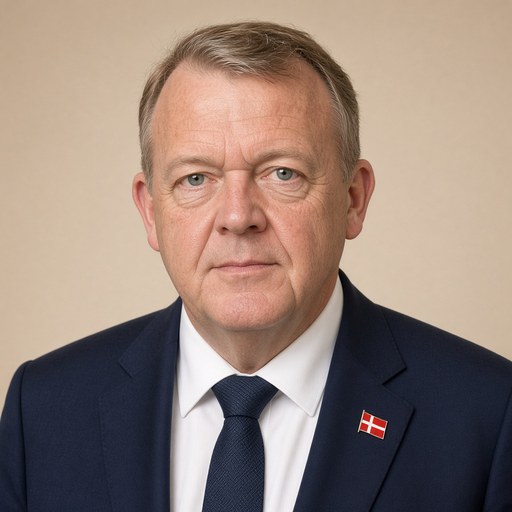
Prime Minister Lars Løkke Rasmussen's speech at the Reformation service on June 4, 2017.
 Lars Løkke Rasmussen · Prime Minister of Denmark
- Context
- Rasmussen addressed a special Pentecost Reformation service on June 4, 2017, marking the 500th anniversary of Martin Luther's Reformation, in Denmark.
- Main themes
- 500th anniversary of the Reformation, Martin Luther's legacy, freedom and responsibility, Lutheran influence on Danish society, popular education and democracy, Scandinavian welfare state, interfaith dialogue, terrorism and solidarity, critical thought vs. fundamentalism, Luther's antisemitism condemned
- Duration
- ~9 min
- Words
- 1,114
- Sentences
- 121
- Readability
- 60
- Grade
- 6.8
- Syntax
- 2.30
- Vocabulary
- 2.16
Translated from Danish
The broad sphere of national life a sentence belongs to. Every sentence has an Arena, so it is the denominator the other indices are read against.
Other121 sentences in 60 paragraphs
Your Majesty.
Guests from Germany.
Participants in this very special Pentecost service.
“In all its splendor, the sun now shines.” This is how we have sung with Grundtvig.
On a day when the joyful message of Pentecost is up against dark forces. Last night in London, completely innocent people were killed, and many were injured in a terrorist attack.
I react – we react – with horror. Disgust. Grief. And deep sympathy for the victims and their families.
And we react by standing together for the values we believe in.
Terror is built on hatred. We know that love is the greatest of all.
“In all its splendor, the sun now shines.”
I do not know if the sun shone on Martin Luther 500 years ago. But I know that he set a true storm in motion.
He did so at a time when the winds of change were already blowing.
They are blowing now as well, and many of us probably feel that the greatest upheavals are right here and now – in our own time. Both the dark and the hopeful.
But still – think of living in a time when books could be printed as something entirely new and messages could reach out – that was modern technology that aimed for something.
Back then, 500 years ago, there were also upheavals and breakthroughs, and that surely prepared the ground for the Reformation.
In just a few years, Luther's writings were printed in more than half a million copies!
The message was spread. Also to Denmark.
We became the first kingdom in the world to collectively convert to the Lutheran faith.
Even then, the Danes were ready for renewal. We let the winds of change fill our sails.
* * *
There is a quote from Luther that I particularly cherish. I think it contains the core of his message. It goes like this:
“A Christian is a free lord over all things, and is subject to no one. A Christian is a willing servant in all things, and is subject to everyone.” [From “The Freedom of a Christian, 1520 – in the original quote it says “kristenmenneske” – here modernized to “kristent menneske.”]
Here, Luther speaks to us across five centuries.
He says that man is free. But with freedom comes responsibility.
Responsibility for oneself. Responsibility for one’s neighbor. Responsibility for the community.
In order to live out that freedom and take on that responsibility, the individual needed to be educated.
Here in Denmark, that meant quite concretely that the Bible was translated into Danish. The hymns were sung in Danish. Not in Latin. And that ordinary people had to learn to read.
This had enormous significance.
Luther initiated a popular education. Which was later embraced by Grundtvig 300 years later. And since then, it has been passed down from generation to generation. A movement from which our democracy has grown.
Luther gave us a new understanding of the relationship between religion and politics. To put it simply: Give to God what is God’s. And to the emperor what is the emperor’s.
The church was transformed. Society was transformed.
Not through a revolution, where everything is toppled. But a reformation, where one builds up stone by stone.
The most important changes are those that fundamentally change our way of thinking.
That is what the Reformation did.
Therefore, it is a milestone in our history. Of the same significance as the Constitution and democracy.
I do not think it is a coincidence that the Scandinavian countries are both Lutheran. And have strong welfare states. We are shaped by 500 years of Lutheranism. Of course, we are.
And when you look closely, there are many examples. A few years ago, I held a meeting at Marienborg about the public school. Here, I experienced some young Danish students who confidently and unimpressed expressed their opinions in front of the Prime Minister and the entire world press.
Denmark’s confident youth are children of Luther. They probably do not think so themselves, these young people with straight backs and words at their command.
But the belief in the future. Freedom. Responsibility. These are seeds that were sown 500 years ago.
* * *
Luther sowed the seed of critical thought, which is the opposite of fundamentalism.
The Bible is not and will never be a constitution. That was important then. It is important today.
We are free to discuss, criticize, think, and believe. And thus also free to criticize religion. And to stand up against Martin Luther himself on the day we celebrate him. So that is what I will do.
Luther never believed himself to be infallible.
Therefore, we can distance ourselves from those of his words that we cannot accept. That must be entirely in Luther’s spirit.
Today, I will clearly speak out against Luther’s accusations against Jews and Muslims. They were so gross that I will not quote them.
These are words that do not belong in the church. They belong nowhere.
I am glad that the Church of Denmark today has invited representatives from other Christian denominations. For the Jewish community. And for Danish Muslims.
* * *
I respect other religions. From the place where I stand. In the expectation of receiving the same respect in return.
We have freedom of religion in Denmark. We are also a very large majority of the population that belongs to the Church of Denmark.
We must know our values. Remember where they come from. Remember where we come from.
So we know what we must protect. So we can understand and renew.
That is why we celebrate the anniversary of the Reformation.
Today, as we have German guests, I would like to quote Chancellor Angela Merkel, who said a few years ago in a debate about Christian values versus Islam: “The country suffers not from too much Islam, but from too little Christianity.”
And it contains the important point that if one wants to navigate in a globalized world, one must bring one’s own values with them. If one, like the great beech tree, wants to spread its branches, one must have a strong root system; otherwise, the storm will take one.
I wish that the values and the view of humanity preached in the Church of Denmark will continue to stand strong. These are the values that shape our country.
Each of us is a bearer of freedom and responsibility. We will not give that up.
Today is Pentecost Sunday. In Grundtvig’s hymn, the sun shines on us in all its splendor. With love. Enlightenment. Freedom and responsibility.
That is what we celebrate today.
Congratulations to the Church of Denmark. Congratulations to Denmark.
The original Danish. The tags above are read on the English translation's sentences.
Deres Majestæt.
Gæster fra Tyskland.
Deltagere i denne helt særlige pinsegudstjeneste.
”I al sin glans nu stråler solen.” Sådan har vi sunget med Grundtvig.
På en dag, hvor det glade pinsebudskab er oppe mod mørke kræfter. I nat i London er helt uskyldige mennesker blevet dræbt, og mange er såret i et terrorangreb.
Jeg reagerer – vi reagerer – med forfærdelse. Afsky. Sorg. Og dyb medfølelse med ofrene og deres familier.
Og vi reagerer ved at stå sammen om de værdier, vi tror på.
Terror bygger på had. Vi ved, at størst af alt er kærligheden.
”I al sin glans nu stråler solen.”
Jeg ved ikke, om solen skinnede på Martin Luther for 500 år siden. Men jeg ved, at han satte et sandt stormvejr i gang.
Det gjorde han i en tid, hvor forandringens vinde allerede blæste.
Det gør de også nu, og mange af os føler nok, at de største omvæltninger er lige her og nu – i vores egen tid. Både de mørke og de håbefulde.
Men så alligevel – tænk at leve i en tid, hvor bøger som noget helt nyt kunne trykkes og budskaber nå ud – det var moderne teknologi, der ville noget.
Dengang for 500 år siden var der også opbrud og nybrud, og det har helt sikkert gødet jorden for reformationen.
På få år var Luthers skrifter trykt i mere end en halv million eksemplarer!
Budskabet blev spredt. Også til Danmark.
Vi blev det første kongerige i verden, som samlet gik over til den lutherske tro.
Også dengang var danskerne klar til fornyelse. Vi lod forandringens vinde fylde vores sejl.
* * *
Der er et Luthercitat, som jeg holder særligt af. Jeg synes, det indeholder kernen i hans budskab. Det lyder sådan her:
”Et kristent menneske er en fri herre over alle ting, og ingen undergivet. Et kristent menneske er en villig tjener i alle ting, og alle undergivet.” [Fra ”Et kristenmenneskes Frihed, 1520 – i det oprindelige citat står ”kristenmenneske” – her moderniseret til ”kristent menneske.” ]
Her taler Luther til os på tværs af fem århundreder.
Han siger, at mennesket er frit. Men med frihed følger ansvar.
Ansvar for sig selv. Ansvar for sin næste. Ansvar for fællesskabet.
For at kunne udleve den frihed og påtage sig det ansvar, skulle den enkelte uddannes.
Her i Danmark betød det helt konkret, at biblen blev oversat til dansk. Salmerne blev sunget på dansk. Ikke på latin. Og at almindelige mennesker skulle lære at læse.
Det fik en enorm betydning.
Luther satte en folkeoplysning i gang. Som 300 år senere blev grebet af Grundtvig. Og siden er den så blevet kastet og grebet fra generation til generation. En bevægelse, som vores demokrati er groet af.
Luther gav os en ny forståelse af forholdet mellem religion og politik. Sagt lidt forenklet: Giv Gud, hvad Guds er. Og kejseren, hvad kejserens er.
Kirken blev forandret. Samfundet blev forvandlet.
Ikke gennem en revolution, hvor alting væltes ned. Men en reformation, hvor man sten for sten bygger op.
De vigtigste forandringer er dem, der grundlæggende ændrer vores måde at tænke på.
Det gjorde reformationen.
Derfor er den en milepæl i vores historie. Af samme betydning som Grundlov og demokrati.
Jeg tror ikke, det er en tilfældighed, at de skandinaviske lande både er lutherske. Og har stærke velfærdssamfund. Vi er præget af 500 års lutheranisme. Selvfølgelig er vi det.
Og når man ser efter, er der mange eksempler. For nogle år siden holdt jeg et møde på Marienborg om folkeskolen. Her oplevede jeg nogle unge, danske skoleelever, der selvsikre og uimponerede sagde deres mening foran statsministeren og foran hele verdenspressen.
Danmarks selvsikre unge er børn af Luther. Det tænker de nok ikke selv, de unge mennesker med ranke rygge og ordet i deres magt.
Men troen på fremtiden. Friheden. Ansvaret. Det er frø, der blev sået for 500 år siden.
* * *
Luther såede frøet til den kritiske tanke, der er modsætningen til fundamentalisme.
Biblen er ikke og bliver aldrig en grundlov. Det var vigtigt dengang. Det er vigtigt i dag.
Vi er frie til at diskutere, kritisere, tænke og tro. Og dermed også frie til at kritisere religionen. Og til at gå op imod selveste Martin Luther på den dag, hvor vi fejrer ham. Så det vil jeg gøre.
Luther mente aldrig selv, at han var ufejlbarlig.
Derfor kan vi lægge afstand til de af hans ord, som vi ikke kan acceptere. Det må være helt i Luthers ånd.
Jeg vil i dag sige klart fra over for Luthers beskyldninger mod jøder og muslimer. Der var så grove, at jeg ikke vil citere dem.
Det er ord, der ikke hører hjemme i kirken. De hører ingen steder hjemme.
Jeg er glad for, at Folkekirken i dag har inviteret repræsentanter for andre kristne trossamfund. For det jødiske samfund. Og for danske muslimer.
* * *
Jeg respekterer andre religioner. Fra det sted, hvor jeg selv står. I forventning om at få samme respekt tilbage.
Vi har religionsfrihed i Danmark. Vi er også et meget stort flertal i befolkningen, der tilhører Folkekirken.
Vi skal kende vores værdier. Huske, hvad de kommer af. Huske, hvad vi kommer af.
Så vi ved, hvad vi skal værne om. Så vi kan forstå og forny.
Derfor fejrer vi reformationens jubilæum.
I dag, hvor vi har tyske gæster, vil jeg citere forbundskansler Angela Merkel, der for nogle år siden sagde i en debat om kristne værdier kontra islam: ”Landet lider ikke under for meget islam, men under for lidt kristendom.”
Og det rummer den vigtige pointe, at hvis man vil begå sig i en globaliseret verden, så skal man have sine egne værdier med. Hvis man som det store bøgetræ vil folde sine grene ud, er man nødt til at have et stærkt rodnet, ellers tager stormen én.
Jeg ønsker, at de værdier og det menneskesyn, der prædikes i Folkekirken, fortsat skal stå stærkt. Det er de værdier, som præger vores land.
Vi er hver især bærere af frihed og ansvar. Det vil vi ikke give køb på.
I dag er pinsesøndag. I Grundtvigs salme stråler solen på os i al sin glans. Med kærlighed. Oplysning. Frihed og ansvar.
Det er, hvad vi fejrer i dag.
Til lykke til Folkekirken. Til lykke til Danmark.