




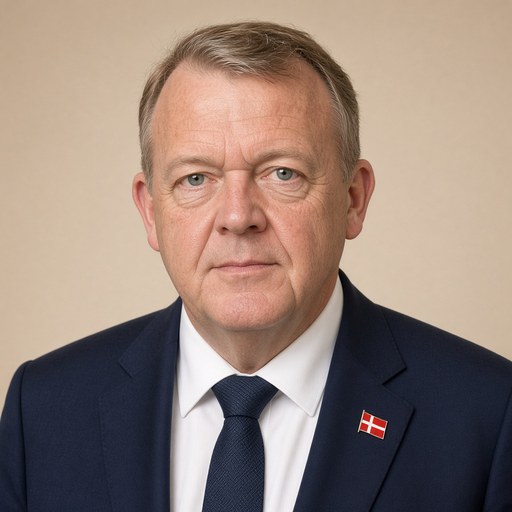
Prime Minister Lars Løkke Rasmussen's speech at the Think Tank Europe conference on January 14, 2019.
 Lars Løkke Rasmussen · Prime Minister of Denmark
- Context
- Rasmussen addressed the Think Tank Europe conference in Denmark on January 14, 2019, one day before the UK Parliament's pivotal Brexit vote.
- Main themes
- Brexit and no-deal scenario, future of the EU, EU cooperation benefits, Danish public support for EU, UK parliamentary vote on withdrawal agreement, backstop negotiations, lessons from Danish Maastricht experience, international cooperation, refugee crisis, Russia-Crimea annexation, ISIL defeat
- Duration
- ~30 min
- Words
- 3,592
- Sentences
- 265
- Readability
- 64
- Grade
- 7.4
- Syntax
- 2.60
- Vocabulary
- 2.03
Translated from Danish
The broad sphere of national life a sentence belongs to. Every sentence has an Arena, so it is the denominator the other indices are read against.
Other265 sentences in 110 paragraphs
Thank you very much for the floor.
And thank you to the Think Tank Europe for the initiative.
Now, one must look five years ahead.
Or perhaps just look five months ahead. It may very well be the last time one is here...
Well – five years from now. What will the EU look like?
That is a good question.
To find out how good a question it is, one can simply look five years back. And then one can ask oneself whether, five years ago, one would have been able to answer the question.
For could one have said five years ago: Russia will annex Crimea? Or could one have said five years ago that Europe would be facing a massive refugee crisis of unprecedented scale? Or could one have said five years ago: ISIL will take over Syria and Iraq – and will be defeated again? Or could one have said five years ago: The United Kingdom will leave the European Union?
I am not entirely sure. And that just shows that five years is a really long time.
And just as I stand here thinking, what will happen tomorrow?
I mean in just one day. Because tomorrow there will be a vote in the British Parliament.
And that could, in many ways, actually set the stage for what will happen in the next five years.
For there is no reason to sugarcoat it. Brexit is a tragedy. I truly believe that. For all of us.
But it would, if possible, be an even greater tragedy if we end up with a no-deal Brexit. That is, a situation where the United Kingdom – in just a few months – exits the EU without an exit agreement.
But that is a scenario that is getting closer and closer as time goes by. There are less than three months until the deadline.
And we are still waiting for clarification on whether the British House of Commons can approve the exit agreement that we negotiated with the British government after difficult negotiations in November last year.
And it is no secret – if it is, it is certainly not well-kept – that it looks difficult for Theresa May. To put it mildly.
Now, here today, yet another attempt has been made to create a platform of seriousness in a correspondence that has taken place between Theresa May, Juncker, and Tusk, which reaffirms the EU27’s willingness to avoid that this “backstop” ever becomes a reality. And a very strong indication that we are ready to roll up our sleeves the moment the exit agreement is approved by the British Parliament.
But whether such a reinforced foundation will create a different outcome for tomorrow’s vote, I will not judge.
Fundamentally, I unfortunately have the impression that something has moved in a positive direction since the vote was postponed before Christmas.
So what will happen if the House of Commons in London gives a thumbs down tomorrow? One can only speculate. It will initially be up to the British government to define a possible way forward that can find support. And that is where we Danes look a bit disappointed, because when we were in something that resembled a similar situation after the vote on Maastricht, one must at least give the generation of politicians before Margrethe and me that they took responsibility and laid out a compromise that made it very clear across the divides in Danish politics what was needed before we could move forward. And with that foundation, Uffe Ellemann-Jensen could travel around with clear demands for concessions. And that stands in stark contrast to what we are experiencing here. A British Prime Minister who has traveled around with a somewhat broader desire for us to be accommodating. And I believe we fundamentally want to be accommodating as well. But it would be easier if we knew what it was we were to accommodate...
I believe that Brexit has been an eye-opener for many people regarding the many advantages of EU cooperation, which, like many other things we have created in the wake of World War II, with a more regulated international order, have over time just been taken for granted. Something we have simply built upon.
It is just incredibly unfortunate that it takes such a fateful and – in my eyes – wrong decision for people to seriously begin to articulate these advantages.
But if one is to find comfort in the old saying that there is nothing bad without it being good for something, then it must be that in the wake of the Brexit vote, there has been a very clear reaction also in Denmark. Namely that Brexit is not an example to follow.
On the contrary, the Danes are supporting EU cooperation even more than before. A new poll – and I fundamentally subscribe to the viewpoint that all polls should be taken with great caution (...) depending on what they show, of course... But a new poll shows – and it is significant and outside the statistical uncertainty – that two out of three Danes would vote to remain in the EU if there were a referendum today.
And that is good. And it is a sign of a healthy attitude. We should not turn our backs on international cooperation and conventions. On the contrary, we should get involved. Participate actively. Make the cooperation better.
***
This requires that Denmark sets ambitions for the EU. And that the EU sets ambitions for the future.
No more airy visions. But concrete solutions that are rooted in realism. And in an understanding of citizens' concerns. And in an analysis of what Europe needs.
That is the course I wish for. And in several areas, I would also assert that Europe is well on its way.
Also based on the fact that the Commission we have now is a far better Commission than many we have had in the past. A Commission that has been mindful that we need to be strong on the big issues and a bit less on the small issues. That has been positive.
And we can see it all around. In the digital area. Where Margrethe, our strong Danish Commissioner, has taken the lead with demands on the big tech giants for fair business models and better data protection. Which has made Europe a leading region. A region that even Marc Zuckerberg can see the vision in.
We can see it in the climate area. Where the EU has contributed to bringing the great powers to the negotiating table. Even when we negotiated the climate agreement in Paris. One great power has since withdrawn. But the main line in the EU is that we continue undeterred. And it is now being set up that what has been a Danish ambition for years will now also be a European ambition, namely that we will pursue the goal of becoming independent of fossil fuels by 2050.
We can see it in the environmental area. For example, when it comes to plastic, which far too often ends up on our beaches, in nature, in the oceans... Before Christmas, we in the EU agreed on a European ban on the sale of single-use plastics. If we want to reduce the amount of plastic and set strict requirements for recycling, it really only matters if we do it together. And here, the EU is the first large community we can see besides our own that can help raise standards. Which can also set itself globally over time.
We can also look at the migration area, where the EU – after some time, and in my own temperament, also too many twists around the distribution of refugees among countries, before we try to bring the numbers down – has, after all, gone into “action mode,” among other things with the EU-Turkey agreement. Where in 2015 nearly 900,000 migrants arrived in Europe via Turkey and Greece, the number in 2018 was just 46,000. That is a reduction of 95%! It is quite noticeable. And it is an example of what can be achieved when acting together.
So the EU delivers.
And then there are all the economic benefits of the EU:
“Frictionless trade.” That is the British main appetite at the moment. That is the slogan. “We want frictionless trade.” ...
Yes... but that is essentially what we have. For that is the core of EU cooperation. The free and open trade between markets.
It is frictionless trade that has made Denmark richer and richer. And it can be expressed in many ways, but it can be calculated to correspond to 5% of our Gross National Product. It can be established that real wages for Danes today are about 10% higher than they would have been if we had not had access to this frictionless trade in the internal market.
Here – in the building, presumably a few floors higher up, in Dansk Industri – it is estimated that half a million Danish jobs depend on the internal market.
If we did not have the internal market in Europe, we would have to invent it.
***
All in all, there are many good and concrete benefits associated with EU cooperation.
We sometimes forget to remind citizens of that. They certainly did in the United Kingdom. Where the political class for 40 years told the Brits what the EU did not do for them.
In that way, it is actually a bit of a miracle that 48% of the British population still voted to remain.
I sense that Danes have become more aware of the concrete benefits of the EU in recent years.
And that is important. For the great debate – peace in our time. Building peace and cooperation on the ruins of World War II with the Coal and Steel Community has, for many, been a foundational narrative and perhaps also a sufficient narrative in itself. But that is hardly enough for future generations.
This year marks 30 years since the Berlin Wall fell. I remember it. I went down and saw it myself. But for today’s youth, it is history.
Therefore, I believe that when we look five years ahead, we must be aware that the relevance of EU cooperation does not lie in historical achievements, but in the future ability to tackle real, cross-border challenges.
That will be a task, and it will certainly also be a task when we now have to create new budgets. Where we must – even though it will be difficult – insist that we modernize the budgets and steer them towards the future: Migration. Partnerships with our neighboring areas, so we avoid having migration pressure on us. Investments in innovation and development. Digitalization. All that Europe must live off in the future. And then invest somewhat less in structural funds and agriculture.
It will not be simple. But that is the foundation from which Denmark will enter the negotiations.
I believe it is important that we keep in mind that the task is to further develop cooperation so that we can continue to deliver concrete results and solutions to the challenges that citizens experience in their daily lives.
But just as it is in the concrete that citizens and our businesses see and appreciate the benefits of EU cooperation, it is also in the concrete that we from time to time experience an EU that sometimes seems unreasonable.
This applies, for example, when we have to send a full Danish child benefit to a child in a country where it is worth three times as much...
Or when the internal market is abused as a shortcut for employing Filipino labor. As we saw in Padborg. Where people lived and worked under conditions that are completely, completely, completely unacceptable...
That is not fair. And we need to find solutions to that in the EU.
For such stories – no matter how much they fill up against the normal picture, and no matter how much child benefit is sent abroad compared to what we otherwise spend on child benefits, it undermines support for EU cooperation if we neglect it. Downplay it. Do not take it seriously.
In some areas, we are fortunately well on our way. This applies, for example, when we talk about more orderly conditions on the roads. Member states agreed just before Christmas to introduce much stricter requirements for the road transport sector. So it will be easier to control that the common rules are followed.
In other areas, one must honestly say that we are more challenged. This applies, for example, when the European Parliament recently proposed that just one day of work is enough to achieve a real connection to the Danish labor market. That after one day of residence in Denmark, one can receive Danish unemployment benefits – if one has had at least a year of unemployment insurance in the country one comes from. I think, to put it bluntly, that is simply not fair. And it must change if we are to maintain popular support for the project.
But even though we are challenged, we are also moving the debate. This applies, for example, when it comes to the possibility of indexing child benefits to the cost of living in the country where the children live. We received a response, which unfortunately for us was tied to a British yes in a referendum. But then it would have been there. It was not. But we stood completely alone. And can today note that several other countries – both large and small – actually support the Danish fairness agenda. And we just need to keep standing up for that. And it should not translate into EU skepticism or anything else. On the contrary. It is actually born out of an ambition that we need to clean up what pushes people away.
But I will not fool anyone into thinking that it is an easy task. For there are also strong feelings about these issues. Which do not always align with our views. But it is an important agenda.
***
This year is a European election year. This year a new European Parliament will be elected. A new Commission. A new President of the European Council will be appointed.
This year – in fact, here in the spring – the balls for the next five years of the European political agenda will be cast. And we have, from the Danish side, wholeheartedly thrown ourselves into the fight to shape the future of Europe as much as possible in our direction.
And I have tried here to hint at how.
European cooperation must be further developed to match the societies of the future. We must ensure that the internal market continues to deliver prosperity and growth to Denmark and the rest of Europe. It is about seizing new technological opportunities. And reflecting that in our budget priorities. It is about safeguarding the value of free trade, while at the same time demanding respect for fundamental rules of the game.
Some of the key words for the future EU will be digitalization and sustainable transition. Here, Denmark – wearing a digital leadership jersey, and known as a long-standing frontrunner in the green area – has particularly special conditions to make a noticeable difference.
And we will – as a strong priority – work for a fairer Europe, not least when it comes to free movement.
We must do more to ensure that existing rules are followed. And more to avoid circumvention and abuse of the rules. In my view, this is one of the main tasks for the new Commission.
Therefore, I will work to ensure that the next Commission places greater political focus on implementation. On enforcement. That is, not just developing new policies, but also putting more energy into ensuring that what we have agreed is actually implemented. So we ensure that all member states implement common rules in a timely and correct manner.
In Denmark, during this election period, we have had good experiences establishing an implementation council and a special ministerial committee. To constantly benchmark ourselves against other countries. I believe it is an instrument that could be adopted in Europe. For it is central that we follow the rules to the letter, and ensure that there is a "level playing field."
We must help each other to monitor that rules are followed across borders. We must inform each other when someone discovers loopholes and unintended consequences. And we must ensure that incomprehensible rules and practices are addressed.
If we do not address conditions that seem unreasonable and create unequal competitive conditions, we risk giving space to those who would rather see us dismantle than maintain European cooperation. To those – and there are some, both at home and abroad – who would like to sell simple and short-term solutions to difficult and complex problems.
We have seen plenty of that lately.
***
Where will we be in five years?
I wish I knew.
One thing is for sure: The world, Europe, and Denmark are not standing still.
And it is rarely the case that past solutions fit future challenges.
This applies not only in Europe. It also applies here at home.
Last year, the Danish opt-outs celebrated their silver anniversary. 25 years.
And that could serve as inspiration – in terms of process – for how to handle the situation that the United Kingdom is in at the moment. But otherwise, I do not know how much inspiration they can provide.
It has been 25 years. 1993. That is a long time ago. A very long time ago.
Back then, Sweden, Austria, and Finland were not members of the EU.
The Tamil case had not yet reached a conclusion. If anyone remembers that.
Boris Yeltsin was the great new hope from the east.
I was myself the chairman of the Children and Culture Committee in Græsted-Gilleleje.
A lot has happened since then.
The world in which our opt-outs were born no longer exists.
The fear that the opt-outs were an insurance against...
And every now and then, it might be worth – and I do not edit newspapers – but it could be fun to create a little magazine that uncovered who said what, why they said it, and what happened?
Because what was the fear?
It was the fear that the beetroot-colored Danish passport would be replaced by an EU passport.
That foreign police would patrol our streets.
Denmark would be forced into an EU army.
Bound into a common currency, which it was believed would not be in Denmark's economic interest. Since then, we have chosen to tie ourselves to it unconditionally. I mean – we call it something else – but we have tied ourselves to it.
But that was the fear on which the opt-outs were based.
And one can discuss whether the fear, which has persistently been proven wrong for 25 years, still makes sense. Or whether that fear might actually risk making past insurances a kind of straitjacket for us in the future.
I will not sugarcoat that.
I believe we should get rid of the defense opt-out. It does not serve Denmark's interests. Time has run out on it.
And especially at a time when an American president alternately turns his back and faces us, demanding greater European engagement in its own security. It would suit us to get rid of it. It would be in our interest.
That cannot obviously happen without a referendum. And such a referendum is not just around the corner, nor will it happen on this side of an election. Already for the reason that there is no majority in the Folketing to remove the opt-out. There apparently is in the population. Quite massively, in fact, if you ask. But if you count votes in Christiansborg – Mette Frederiksen will come later – the situation is the opposite.
So it is not just around the corner.
However, I hope that by keeping the debate alive – also without setting a deadline that makes everything end up black and white. And with scare tactics. We can help create the conditions for us to eventually be able to address this question. That is, not a yes/no, black/white debate, but a nuanced debate.
A free debate – about this, but in general about the EU – where we also talk about what sovereignty means in the world we live in.
One does not become more sovereign by standing outside influence when the rules are to be made – only to then conform to what others have decided. That is the situation that countries on the periphery of Europe often find themselves in.
If you are not at the table, you risk becoming part of the menu. Eaten by the others.
With that, I have tried to provide a perspective on what I think we should focus on. Both in the EU: Moving from traditional policy areas into future growth areas. Both in budgetary and political focus. More focus on implementation. More focus on picking up the small discrepancies that risk causing "a small tuft to topple a large load" and undermine public support. And at home, an appeal for us to stand tall. Acknowledge that many actually demand our societal model and our solution model. And perhaps use that as a support to have enough confidence to – on certain points – commit ourselves more fully than we have done to date.
Thank you for the word.
The original Danish. The tags above are read on the English translation's sentences.
Tusind tak for ordet.
Og tak til Tænketanken Europa for initiativet.
Så skal man lige se fem år frem.
Eller måske bare se fem måneder frem. Det kan jo være det er sidste gang man er her...
Nå – men altså fem år fra nu. Hvordan ser EU ud?
Det er et godt spørgsmål.
For at finde ud af hvor godt et spørgsmål det er, så kan man jo bare se fem år tilbage. Og så kan man jo spørge sig selv om, om man for fem år siden ville have kunnet svare på spørgsmålet.
For kunne man for fem år siden have sagt: Rusland vil annektere Krim. Eller kunne man for fem år siden have sagt, at der går hul på Europa, og vi står med en voldsom flygtningekrise af hidtil uset omfang. Eller kunne man for fem år siden have sagt ISIL overtager Syrien og Irak – og bliver nedkæmpet igen. Eller kunne man for fem år siden have sagt: Storbritannien forlader Den Europæiske Union.
Det er jeg ikke helt sikker på. Og det viser bare, at fem år er rigtig lang tid.
Og lige så står jeg bare og tænker på, hvad sker der i morgen?
Altså om en enkelt dag. Fordi i morgen skal der være afstemning i det britiske parlament.
Og det kan jo på mange måder så i virkeligheden statuere, hvad der skal ske de næste fem år.
For der er ingen grund til at pakke det ind. Brexit er en tragedie. Det mener jeg virkelig. For os alle sammen.
Men det vil om muligt være en endnu større tragedie, hvis vi ender med et no deal Brexit. Altså en situation, hvor Storbritannien – om få måneder – udtræder af EU uden en udtrædelsesaftale.
Men dét er jo et scenarie, der rykker tættere og tættere på i takt med, at tiden går. Der er under tre måneder til fristen springer.
Og vi venter stadig på en afklaring af, om det britiske underhus kan godkende den udtrædelsesaftale, som vi efter svære forhandlinger fik forhandlet på plads med den britiske regering i november sidste år.
Og det er vel ikke nogen hemmelighed – i så fald er den i hvert fald ikke velbevaret - at det ser svært ud for Theresa May. For nu at sige det mildt.
Nu er der jo så her i dag leveret endnu et forsøg på at skabe en platform af seriøsitet i en brevudveksling, der har været mellem Theresa May, Juncker og Tusk, som genbekræfter EU27’s vilje til at undgå, at den her ”backstop” nogensinde bliver til noget. Og en meget stærk tilkendegivelse om, at vi er i arbejdstøjet i samme splitsekund, udtrædelsesaftalen er godkendt af det britiske parlament.
Men om sådan et forstærket fundament skaber et andet udfald af morgendagens afstemning, skal jeg ikke gøre mig til dommer over.
Grundlæggende har jeg desværre det indtryk, at der er noget, der har rykket sig i positiv retning, siden afstemningen blev udskudt før jul.
Hvad vil der så ske, hvis Underhuset i London vender tommelfingeren nedad i morgen? Det kan man kun gisne om. Det vil i første omgang være op til den britiske regering at definere en mulig vej fremad, som kan finde opbakning. Og det er vel der, vi danskere ser sådan lidt skuffede til, for da vi var i noget, der mindede om lignende situation efter afstemningen omkring Maastricht, så må man jo i hvert fald give generationen af politikkere før Margrethe og jeg, at de tog ansvaret på sig og lagde et kompromis, der gjorde det helt klart på tværs af skillelinjer i dansk politik, hvad det er, der skulle til, før vi kan komme videre. Og med dét afsæt kunne Uffe Ellemann-Jensen rejse rundt med klare ønsker om indrømmelser. Og det står jo noget i kontrast til det, som vi oplever her. En britisk premierminister, der har rejst rundt med et lidt mere bredt ønske om, at vi skal være imødekommende. Og det tror jeg vi grundlæggende også har lyst til at være. Men det ville jo være nemmere, hvis vi vidste, hvad det var, vi skulle imødekomme...
Jeg tror, at Brexit for rigtig mange mennesker har været en øjenåbner i forhold til de mange fordele ved EU-samarbejdet, som der – ligesom mange andre ting, vi har skabt i kølvandet på Anden Verdenskrig, med en mere reguleret international orden – jo med tiden bare er blevet taget for givet. Noget vi bare har lagt til grund.
Det er bare utrolig ærgerligt, at der skal en så skæbnesvanger og – i mine øjne – forkert beslutning til, for at man for alvor begynder at italesætte disse fordele.
Men hvis man skal finde trøst i det gamle ordsprog om, at der ikke er noget, der er skidt, uden det er godt for noget, så skal det jo være, at der i kølvandet på Brexit afstemningen er kommet en ganske klar reaktion også i Danmark. Nemlig at Brexit ikke er noget eksempel til efterfølgelse.
Tværtimod bakker danskerne i endnu højere grad end tidligere op om EU-samarbejdet. En ny måling – og jeg abonnerer selvfølgelig grundlæggende på det synspunkt, at alle målinger skal tages med store forbehold (...) altså lidt afhængigt af, hvad de viser naturligvis... Men en ny måling viser – og det er signifikant og uden for den statistiske usikkerhed – at to ud af tre danskere ville stemme for at blive i EU, hvis der var en folkeafstemning i dag.
Og det er godt. Og det er udtryk for en sund indstilling. Vi skal ikke vende ryggen til internationalt samarbejde og konventioner. Vi skal tværtimod involvere os. Deltage aktivt. Gøre samarbejdet bedre.
***
Det kræver, at Danmark sætter ambitioner for EU. Og at EU sætter ambitioner for fremtiden.
Ikke flere luftige visioner. Men konkrete løsninger, som bunder i realisme. Og i en forståelse for borgernes bekymringer. Og i en analyse af, hvad det er Europa har brug for.
Det er den kurs, jeg ønsker. Og på flere områder vil jeg også hævde, at Europa er godt på vej.
Også med afsæt i, at den Kommission, vi har nu, er en langt bedre Kommission end så mange, vi har haft tidligere. En Kommission, der har haft øje for, at vi skal være store på de store ting og lidt mindre på de små ting. Det har været positivt.
Og vi kan se det rundt omkring. På det digitale område. Hvor Margrethe vores stærke, danske kommissær er gået forrest med krav til de store tech-giganter om fair forretningsmodeller og bedre databeskyttelse. Som har gjort Europa til en foregangsregion. En region som selv Marc Zuckerberg kan se det visionære i.
Man kan se det på klimaområdet. Hvor EU har bidraget til at trække stormagterne til truget. Også da vi forhandlede klimaaftale i Paris. Så har en enkelt stormagt trukket sig siden hen. Men hovedlinjen i EU er, at vi forsætter ufortrødent. Og der lægges nu op til, at dét, der i en årrække har været en dansk ambition, nu også skal være en europæisk ambition, nemlig at vi skal forfølge målsætningen om at blive uafhængig af fossile brændsler i 2050.
Man kan se det på miljøområdet. Fx når det gælder plastic, som alt for ofte ender på vores strande, i naturen, i havene... Før jul blev vi i EU enige om et europæisk forbud mod salg af engangsplastik. Hvis vi vil reducere mængden af plastik og stille skrappe krav til genanvendelse, batter det jo først for alvor noget, hvis vi gør det i fællesskab. Og her er EU jo det første store fællesskab, vi kan få øje på foruden vores eget, som kan bidrage til at løfte standarder. Som jo også kan sætte sig over tid globalt.
Vi kan også se på migrationsområdet, hvor EU jo – efter nogen tid, og efter mit eget temperament også for mange omsvøb først omkring fordeling af flygtninge mellem landene, før vi forsøger at bringe antallet ned – trods alt gik i ”handlingsmode”, blandt andet med EU-Tyrkiet aftalen. Hvor der i 2015 ankom tæt på 900.000 migranter til Europa via Tyrkiet og Grækenland så var tallet i 2018 bare 46.000. Det er en reduktion på 95 %! Det er ganske mærkbart. Og er jo et eksempel på, at man kan noget, når man handler i fællesskab.
Så EU leverer jo.
Og så er der alle de økonomiske fordele ved EU:
”Friktionsløs handel”. Det den britiske hovedappetit for tiden. Det er slagordet. ”Vi ønsker friktionsløs handel”. ...
Ja... men det er jo sådan set det, vi har. For det er kernen i EU samarbejdet. Den frie og åbne handel mellem markederne.
Det er friktionsløs handel, som bare har gjort Danmark rigere og rigere. Og man kan udtrykke det på mange måder, men det kan beregnes til, hvad der svarer til 5 % af vores Brutto National Produkt. Det kan fastslås, at reallønnen for danskerne i dag er i omegnen af 10 % højere end den ville have været, hvis ikke vi havde haft adgang til denne friktionsløse handel på det indre marked.
Her – i bygningen, formodentlig nogle etager højere oppe, i Dansk Industri – skønner man, at en halv million danske arbejdspladser er afhængige af det indre marked.
Hvis vi ikke havde det indre marked i Europa, var vi nødt til at opfinde det.
***
Alt i alt knytter der sig rigtig mange gode og konkrete fordele ved EU-samarbejdet.
Det glemmer vi nogle gange at minde borgerne om. Det gjorde de i hvert fald må man sige i Storbritannien. Hvor den politiske klasse i 40 år fortalte briterne om, hvad EU ikke gjorde for dem.
På den måde er det egentlig lidt af et mirakel, at 48 % af den britiske befolkning alligevel stemte for at blive.
Jeg fornemmer, at danskerne er blevet mere opmærksomme på de konkrete fordele ved EU i de senere år.
Og det er vigtigt. For den store debat – fred i vor tid. At bygge fred og samarbejde ovenpå ruinerne af Anden Verdenskrig med Kul- og stålunionen, det har vel for mange været en bærende fortælling og måske også en tilstrækkelig fortælling i sig selv. Men det rækker jo næppe til fremtidens generationer.
I år er det 30 år siden, Berlinmuren faldt. Jeg kan huske det. Jeg tog selv ned og så det. Men for dagens ungdom er det historieskrivning.
Derfor tror jeg, at vi – når vi kigger fem år frem – må gøre os bevidste om, at relevansen i EU-samarbejdet jo ikke findes i de historiske bedrifter, men i den fremtidige evne til at løfte virkelige, grænseoverskridende udfordringer.
Det bliver en opgave, og det bliver jo ikke mindst også en opgave, når man nu skal lave nye budgetter. Hvor vi bliver nødt til – selvom det bliver svært – at insistere på, at vi skal modernisere budgetterne, og dreje dem i retningen af fremtiden: Migration. Partnerskaber med vores nærområder, så vi undgår at få et migrationspres på os. Investeringer i innovation og udvikling. Digitalisering. Alt det Europa skal leve af i fremtiden. Og så investere noget mindre i strukturfonde og landbrug.
Det bliver ikke enkelt. Men det er i hvert fald med det afsæt, Danmark møder ind i forhandlingerne.
Jeg tror det er vigtigt, at vi holder os for øje, at opgaven består i at videreudvikle samarbejdet så vi fortsat kan levere konkrete resultater og løsninger på de udfordringer, som opleves af borgerne i dagligdagen.
Men ligesåvel som det er i det konkrete, at borgerne og vores virksomheder ser og værdsætter fordelene ved EU samarbejdet, er det også i det konkrete, at vi fra tid til anden oplever et EU, der nogle gange forekommer urimeligt.
Det gælder fx, når vi er nødt til at sende en fuld dansk børnecheck til et barn i et land, hvor den er tre gange så meget værd...
Eller når det indre marked bliver misbrugt som en genvej for ansættelse af filippinsk arbejdskraft. Som vi så det i Padborg. Hvor mennesker levede og arbejdede under forhold, som er helt, helt, helt utilstedelige...
Det er ikke rimeligt. Og det skal vi finde løsninger på i EU.
For den slags historier – uanset hvor meget de fylder op mod normalbilleder, og uanset hvor meget børnecheck, der sendes til udlandet op imod, hvad vi i øvrigt bruger på børnechecken, så er det med til at undergrave opbakningen til EU-samarbejdet, hvis vi negligerer det. Bagatelliserer det. Ikke tager det alvorligt.
På nogle områder er vi heldigvis godt på vej. Det gælder fx, når vi taler om mere ordnede forhold på vejene. Medlemslandene blev kort før jul enige om at indføre langt strammere krav for vejtransportsektoren. Så det bliver nemmere at kontrollere, at de fælles spilleregler overholdes.
På andre områder må man jo ærligt sige, at vi er mere udfordrede. Det gælder for eksempel, når Europa-Parlamentet for nyligt foreslår, at der bare skal én dags arbejde til, for at man har opnået en reel tilknytning til det danske arbejdsmarked. At man efter én dags ophold i Danmark kan få danske dagpenge – hvis man har haft minimum et års arbejdsløshedsforsikring i det land, man kommer fra. Det synes jeg for at sige det lige ud simpelthen ikke er rimeligt. Og som skal forandres, hvis man skal fastholde den folkelige opbakning til projektet.
Men selvom vi er udfordret, så er vi jo også ved at flytte debatten. Det gælder fx når det handler om muligheden for at indeksere børnechecken til leveomkostningerne i det land, hvor børnene bor. Vi fik en imødekommelse, som så for os desværre var knyttet op på et britisk ja ved en folkeafstemning. Men så havde den været der. Det var den så ikke. Men vi stod helt alene. Og kan i dag konstatere at flere andre lande – både store og små – sådan set bakker op omkring den danske rimelighedsdagsorden. Og den skal vi så bare blive ved med at stå på. Og det skal ikke oversættes til EU-skepsis eller andet. Tværtimod. Det er sådan set født af en ambition af, at vi skal rydde op i det, der støder folk fra sig.
Men jeg vil ikke bilde nogen ind, at det er en let opgave. For der er også stærke følelser til de her spørgsmål. Som ikke altid stemmer overens med vores holdninger. Men det er en vigtig dagsorden.
***
I år er et europæisk valgår. Det er i år et nyt Europa-Parlament bliver valgt. En ny Kommission. En ny formand for Det Europæiske Råd bliver udpeget.
Det er i år – faktisk her i løbet af foråret – at kuglerne til de næste fem års europapolitiske dagsorden bliver støbt. Og vi har fra dansk side kastet os helhjertet ind i kampen for at præge fremtidens Europa mest muligt i vores retning.
Og jeg har forsøgt her at antyde hvordan.
Det europæiske samarbejde skal videreudvikles, så det matcher fremtidens samfund. Vi skal sørge for, at det indre marked bliver ved med at levere velstand og vækst til Danmark og resten af Europa. Det handler om at gribe de nye teknologiske muligheder. Og lade det afspejle i vores budgetprioriteringer. Det handler om at værne om værdien af frihandel, men samtidig stille krav om respekt for fundamentale spilleregler.
Nogle af de væsentligste kodeord for fremtidens EU vil være digitalisering og bæredygtig omstilling. Her har Danmark – iklædt en digital førertrøje, og kendt som mangeårig frontløber på det grønne område – helt særlige forudsætninger for at gøre en mærkbar forskel.
Og så vil vi – som en stærk prioritet arbejde for et mere rimeligt Europa, ikke mindst når det kommer til den frie bevægelighed.
Vi skal gøre mere for at sikre, at de eksisterende regler overholdes. Og mere for at undgå at der sker omgåelse og misbrug af reglerne. Det er i min optik en blandt hovedopgaverne for den nye Kommission.
Derfor vil jeg arbejde for at sikre, at den næste Kommission sætter større politisk fokus på implementering. På håndhævelse. Altså ikke bare nyudvikling politik, men også bruger mere energi på at sikre, at det vi har aftalt rent faktisk gennemføres. Så vi sikrer, at alle medlemslande implementerer fælles regler rettidigt og korrekt.
Vi har i Danmark i den her valgperiode haft gode erfaringer med at etablere et implementingsråd og et særligt ministerudvalg. For hele tiden at benchmarke os op imod andre lande. Jeg tror, det er et instrument, som man ude i Europa godt kunne tage til sig. For det er helt centralt at vi følger reglerne til dørs, og sørger for, at der er en ”level playing field”.
Vi skal hjælpe hinanden med at kontrollere, at regler bliver overholdt på tværs af grænser. Vi skal informere hinanden, når nogen opdager smuthuller og utilsigtede konsekvenser. Og vi skal sørge for, at der bliver gjort op med uforståelige regler og praksisser.
Hvis ikke vi gør op med forhold, der virker urimelige, og som skaber ulige konkurrencevilkår, så risikerer vi at give plads til dem, der hellere ser, at vi afmonterer end fastholder det europæiske samarbejde. Til dem – og dem er der nogen af, både herhjemme og derude – der gerne vil sælge simple og kortsigtede løsninger på vanskelige og komplekse problemer.
Det har vi set rigeligt af på det seneste.
***
Hvor er vi om fem år?
Jeg ville ønske, at jeg vidste det.
Én ting er i hvert fald sikkert: Verden, Europa og Danmark står ikke stille.
Og det er jo sjældent sådan, at fortidens løsninger passer på fremtidens udfordringer.
Det gælder ikke kun i Europa. Det gælder også herhjemme.
Sidste år fejrede de danske forbehold sølvbryllup. 25 år.
Og det kunne jo så tjene til inspiration – rent processuelt – om hvordan man skal håndtere den situation, Storbritannien er i, i øjeblikket. Men ellers ved jeg ikke, hvor megen inspiration de kan tjene til.
Det er 25 år siden. 1993. Det er længe siden. Meget længe siden.
Dengang var Sverige, Østrig og Finland ikke medlem af EU.
Der var der ikke sat punktum i Tamilsagen. Hvis nogen kan huske den.
Boris Jeltsin, han var det store nye håb mod øst.
Jeg var selv børne- og kulturformand i Græsted-Gilleleje.
Der er sket meget siden.
Den verden, som vores forbehold blev født i, findes ikke længere.
Den frygt som forbeholdene var en forsikring imod...
Og engang imellem kunne det måske være værd – og jeg redigerer ikke aviserne – men engang kunne det være sjovt at lave et lille magasin, hvor man afdækkede, hvem der sagde hvad, hvorfor sagde de det, og hvad skete der?
Fordi hvad var frygten?
Det var jo frygten mod at det rødbede-farvede danske pas ville blive erstattet af et EU-pas.
At udenlandsk politi skulle patruljere i vores gader.
Danmark ville blive tvunget ind i en EU-hær.
Bundet ind i en fælles mønt, som man ikke mente ville være i Danmarks økonomiske interesse. Sidenhen har vi jo så valgt uopholdeligt at knytte os til den. Altså – vi kalder den noget andet – men vi har jo knyttet os til den.
Men det var jo den frygt forbeholdene blev født på.
Og man kan jo diskutere, om den frygt, som nu vedholdende gennem 25 år er blevet gjort til skamme, fortsat bliver ved med at give mening. Eller om den frygt måske ikke i virkeligheden risikerer at gøre, at fortidens forsikringer bliver en slags spændetrøje for os selv i fremtiden.
Jeg vil ikke putte med det.
Jeg synes, vi skal af med forsvarsforbeholdet. Det tjener ikke Danmarks interesser. Tiden er løbet fra det.
Og specielt i en tid, hvor en amerikansk præsident skiftevis vender ryggen lidt til og vender ansigtet til og stiller krav om større europæisk engagement i egen sikkerhed. Det ville klæde os at komme af med det. Det vil være i vores interesse.
Det kan jo selvsagt ikke ske uden nogen folkeafstemning. Og sådan en er ikke lige rundt om hjørnet, og kommer heller ikke på denne side af et valg. Allerede af den grund, at der jo ikke er et flertal for at fjerne forbeholdet i Folketinget. Det er der øjensynligt ude i befolkningen. Ret massivt endda, hvis man spørger. Men hvis man tæller stemmer på Christiansborg – Mette Frederiksen kommer senere – så forholder det sig omvendt.
Så det er ikke lige rundt hjørnet.
Til gengæld håber jeg på, at vi ved at holde gang i en debat – også uden at sætte den form for deadline, der gør at det hele ender sort/hvidt. Og med skræmmebillederne. Kan være med til at skabe forudsætningerne for at vi på et tidspunkt kan tage stilling til det her spørgsmål. Altså ikke en ja/nej, sort/hvid debat, men en nuanceret debat.
En fri debat – om det her, men i det hele taget om EU – hvor vi også taler om, hvad suverænitet betyder i den verden, vi lever i.
Man bliver jo ikke mere suveræn af at stå uden for indflydelse, når reglerne skal laves – for så bagefter at rette ind efter dét andre har bestemt. Det er den situation som de lande, der befinder sig i periferien af Europa jo oftest står i.
Hvis ikke man er med ved bordet, risikerer man at blive en del af menuen. Spist af de andre.
Med det har jeg forsøgt at give et perspektiv på, hvad jeg synes vi skal fokusere på. Både i EU: Flytte os fra de traditionelle politikområder ind i fremtidens vækstområder. Både budgetmæssigt og politisk fokus. Mere fokus på implementering. Mere fokus på at samle de små skævheder op, som risikerer at ”liden tue vælter stort læs” og stække den folkelige opbakning. Og herhjemme en appel om, at vi ranker ryggen. Tager ned, at mange faktisk efterspørger vores samfundsmodel og vores løsningsmodel. Og måske bruger det som et rygstød til at have tilstrækkelig meget selvtillid til – på visse punkter – at melde os mere fuldt og helt ind end vi har gjort til dato.
Tak for ordet.