




CEREMONY OF THE LAYING OF THE FOUNDATION STONE FOR THE DAYABUMI PROJECT
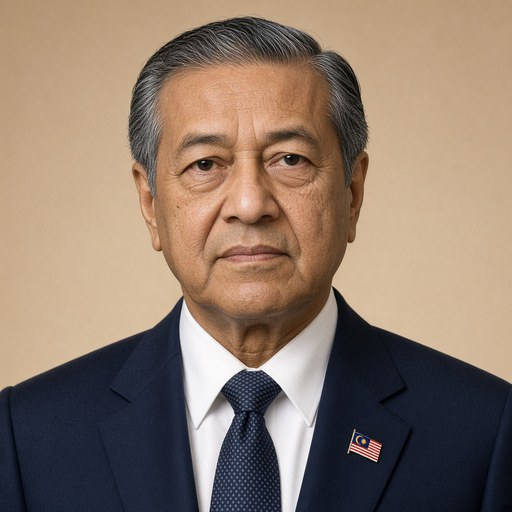
 Mahathir Mohamad · Prime Minister of Malaysia
- Context
- Mahathir addressed guests at the groundbreaking ceremony of the Dayabumi Project in Kuala Lumpur on 14 November 1981, officiating the foundation stone laying.
- Main themes
- Urban development, Dayabumi Project groundbreaking, national identity and progress, economic development, social restructuring, New Economic Policy, rural-urban migration, national unity, multi-ethnic society, city as cultural and economic center, private and public sector roles, Rukunegara principles
- Duration
- ~15 min
- Words
- 1,806
- Sentences
- 102
- Readability
- 48
- Grade
- 11.0
- Syntax
- 2.58
- Vocabulary
- 2.38
Translated from Malay
The broad sphere of national life a sentence belongs to. Every sentence has an Arena, so it is the denominator the other indices are read against.
Other102 sentences in 24 paragraphs
The Honourable Datin Paduka Rafidah Aziz, Minister of Public Enterprises; The Honourable Dato' Samy Vellu, Minister of Works and Public Amenities; Distinguished Guests; Ladies and Gentlemen. Bismillahir rahmanir rahim Assamu'alaikum warahmatullahi wabarakatuh.
I would like to express my gratitude to the Ministry of Public Enterprises for inviting me to the Groundbreaking Ceremony of the Dayabumi Project today and for honoring me with the opportunity to officiate it.
2. The Dayabumi Project, when viewed in a broader context, is well known; a large city is a place of dynamic cultural, social, and economic activities. It has a close relationship with its surroundings, including rural and suburban areas. Changes occurring in the city are felt by its surroundings, and likewise, the environment of a city influences that city. Therefore, a city is not only constantly undergoing a process of adjustment to environmental changes but also shapes and molds its environment. In short, it is a fact that cities always influence and are influenced by their surroundings.
3. As a center of all cultural, social, and economic activities, a city naturally becomes an attraction for migration from rural areas to urban centers. Rapid migration can create demand problems for basic facilities and adjustment for incoming residents who come from different lifestyles and mindsets. Migrants from rural areas have their own values of life that differ from those who have long been in the city. These unique values shape the atmosphere of the city itself. Similarly, the urban environment shapes and changes the values of incoming residents.
4. In the economic context, we find that cities serve as facilities for economic activities including trade, finance, communication, services, and more. Opportunities for conducting economic activities are widely and freely available. Nevertheless, all these activities must bring comprehensive benefits to society, and together with the established facilities, must lead to more rapid and orderly development and progress.
5. In this broader context, we see that cities have a positive role and are not a "parasite" to their environment. With physical facilities such as buildings, a neat and orderly environment, and a society of high morals and noble character, cities should be a manifestation of the material and spiritual wealth of society. Likewise, they should symbolize the national identity of a nation.
Ladies and Gentlemen,
6. Since our country achieved independence, we have worked diligently to bring prosperity and progress to the nation and its people. As a result of our efforts, our country has reached a level of progress that is difficult to match by a large number of developing countries. As I have said before, our goal is to elevate our country to a status as a developed nation that is respected by all and can stand tall and sit equally with other developed nations. I am confident that we can achieve this with perseverance, earnest effort, and effective planning and implementation. In addition, these efforts must also bring tangible benefits fairly to our multi-ethnic society. Our development plans focus on the growth of new cities, the redevelopment of existing cities, and the reorganization of cities in a more neat and orderly manner to achieve the goal of national unity.
7. We all know that cities are an important foundation that can help not only economic development and progress but also social, personal, and cultural development. Urban development in our country, as we know, has goals related to these developments. Our desire is to create, enhance, and maintain the unity of the people and the prosperity and security of the nation. The New Economic Policy emphasizes the aspect of social restructuring as one of the strategies towards these goals. Planned urban development is a very important aspect of the social restructuring program.
8. Cities in our country should not only be centers of economic activities with opportunities open to all ethnic groups to earn a living and gain experience but also to enhance interaction and socialization, which are the solid foundations for social development and fostering unity among community members. In addition, we also want the urban environment, with its economic, social, and cultural foundations, to help cultivate a society with good morals and discipline.
9. To achieve the economic, social, and cultural goals in the context of urban development, well-planned and orderly programs must be implemented. In addition to the programs carried out by government agencies and departments, the private sector, voluntary organizations, and community members in urban areas must also contribute towards achieving these goals. We must remember that our aim is to create an environment that drives the development and personal growth of our people in line with the principles of Rukunegara.
Ladies and Gentlemen,
10. I have emphasized that cities are one of the important tools for achieving national goals. The city we desire is one that provides opportunities for the development and participation of a multi-ethnic population in the economic field, especially for those who are lagging behind in this area. The city we want is also one that can provide various suitable facilities in line with the development of the individual personality we desire. Recreational facilities, open spaces, and various other amenities that can meet the needs of various groups and layers of society should be characteristics of our cities.
11. Dayabumi is one of the projects that can help create a good environment. The redevelopment of this strategic area is a symbol of the government's efforts to achieve the economic, social, and cultural goals I have mentioned earlier. A building is not only a space for offices or business firms but also a symbol that can reflect elements of national culture and can also sow the seeds of pride for a nation. The surrounding environment of a building and subsequently the entire urban area must also be maintained, cleaned, and beautified to create a comfortable living space for a happier life.
12. Since the past, the government has been concerned about cleanliness. As we know, cleanliness is a very important matter and is highly emphasized in Islam. Therefore, it is only natural that the people, especially those who are Muslims, cooperate to achieve a level of cleanliness that we can be proud of.
13. Cities should lead and set an example, among other things, regarding cleanliness. If possible, when the word city is mentioned, it should evoke images of cleanliness, friendly and disciplined inhabitants, and other happy characteristics. This means that cities should reflect and symbolize a peaceful, prosperous, and safe atmosphere. In addition, cities in Malaysia should also reflect elements of Malaysian culture. Cities should be organized and orderly living spaces that give meaning to the dignity of humans as thinking beings who understand high and happy values.
14. An unclean and disorganized environment not only weakens the productivity of a society but also contributes to the increase of social diseases such as crime, drug abuse, freedoms that can lead to moral decay, and others. That is why urban development must take into account other aspects besides economic and physical aspects. In this regard, urban planners, architects, housing developers, and socio-economic experts must work together and unite their efforts to create building designs and environments based on national aspirations.
15. The rapid urbanization process accompanied by the migration of people from rural to urban areas has left an impact on efforts to create an orderly, fresh, and peaceful urban environment. This is a reality that we must accept. Migration poses a burden and pressure on administration and planning to provide various facilities for urban community needs. During the Fourth Malaysia Plan, the percentage of the Malaysian population living in rural areas is expected to decrease from 65% to 62%. Conversely, the percentage of the urban population is expected to increase from 35% in 1980 to 38% in 1985. This rate of urbanization is driven by the establishment of new growth centers and migration from rural areas to urban centers. Although migration from rural to urban areas has its problems, the government will continue to strive, with the cooperation of the community, to address these issues because behind these problems, migration is a positive factor towards social restructuring.
16. To balance urban and rural development, efforts have been made to develop new cities in rural areas and regional development areas. In this way, pressure on large cities will be reduced and allow for more orderly and neat urban development. Similarly, the process of adjustment from rural to moderately urban areas and then to larger cities will represent stages in the adjustment process that can reduce pressure on individuals who migrate.
17. The Dayabumi project, besides being a tool to achieve the goals of the New Economic Policy, also has several special features. The design of this project has been revised several times due to the government's desire to incorporate elements of national culture into modern building types. We do not want Kuala Lumpur to become a city without character or identity, but instead, a city that is ordinary and found everywhere. Therefore, buildings in Kuala Lumpur should have forms that can be recognized as Kuala Lumpur buildings, especially considering that famous old buildings like the Sultan Abdul Samad Building have already been overshadowed by new skyscrapers. Dayabumi is designed to serve as an example to other architects in Malaysia that modern buildings do not have to be mere functional boxes without aesthetic value. It is hoped that with the presence of Dayabumi, we will no longer be constrained by the West in terms of architecture.
18. The second special aspect of Dayabumi is the attempt to expedite the process of constructing large buildings. Professionals in Malaysia are found to be too conservative and orthodox. They are reluctant to accept new methods. When it was suggested that the construction period should be reduced to half the time, the initial reaction was that it was impossible. However, I am very proud that after the possibility of shortening the construction period was accepted, all parties worked with great enthusiasm. It is hoped, with the permission of Allah Subhanahu Wataala, that this building will be constructed in record time, and this will also open a new chapter in the history of building construction in Malaysia.
19. It is clear from this that the Dayabumi project is a project of great significance to our country, Malaysia. The entire nation will be watching this project. Its development within the specified timeframe will be a sign that the government, officials and workers, contractors and suppliers, both professionals and non-professionals from the Malaysian people, can change attitudes and foster a new spirit that will be the foundation of our national development. I pray to Allah Subhanahu Wataala that, with His permission, this building will be erected as a symbol of the success of the New Economic Policy and the new spirit that we aspire to.
Thank you.
Wabilahitaufik Walhidayah Wassalamu'alaikum Warahmatullahi Wabarakatuh.
The original Malay. The tags above are read on the English translation's sentences.
Yang Berhormat Datin Paduka Rafidah Aziz Menteri Perusahaan Awam; Yang Berhormat Dato' Samy Vellu Menteri Kerjaraya dan Kemudahan-Kemudahan Awam; Dif-Dif Kehormat; Tuan-tuan dan Puan-puan sekelian.Bismillahir rahmanir rahim Assamu'alaikum warahmatullahi wabarakatuh.
Saya mengucapkan terima kasih kepada Kementerian Perusahaan Awam kerana telah menjemput saya ke Upacara Perletakan Batu Asas Projek Dayabumi pada hari ini dan memberi penghormatan kepada saya untuk merasmikannya.
2. Projek Dayabumi, jika dilihat dalam konteks yang luas, semua maklum, sesebuah bandar yang besar merupakan tempat kegiatan budaya, sosial dan ekonomi yang dinamis. Ia mempunyai hubungan yang erat dengan persekitarannya, termasuk kawasan-kawasan desa dan luar bandar. Perubahan yang berlaku di bandar dirasai oleh persekitarannya dan demikianlah pula persekitaran sesebuah bandar mempengaruhi bandar itu. Oleh itu, bandar bukan sahaja sentiasa melalui proses penyesuaian dengan perubahan persekitaran tetapi juga mencorak dan membentuk persekitaran. Pendek kata adalah menjadi hakikat bahawa bandar sentiasa mempengaruhi dan dipengaruhi pula oleh persekitarannya.
3. Sebagai pusat segala kegiatan budaya, sosio dan ekonomi, sesebuah bandar dengan sendirinya pula menjadi daya penarik bagi penghijrahan dari luar bandar ke bandar. Penghijrahan yang pesat boleh menimbulkan masalah permintaan terhadap kemudahan-kemudahan asas dan penyesuaian bagi penduduk mendatang yang berlatarbelakangkan cara hidup serta pemikiran yang berlainan. Pendatang dari luar bandar mempunyai nilai hidup yang tersendiri berbeza dengan nilai-nilai mereka yang sekian lama di bandar. Nilai-nilai yang tersendiri ini membentuk suasana persekitaran di bandar itu sendiri. Begitu jugalah suasana bandar mencorak dan mengubah nilai-nilai hidup penduduk mendatang.
4. Dalam konteks ekonomi kita dapati bahawa bandar merupakan kemudahan bagi kegiatan ekonomi termasuk perdagangan, kewangan, perhubungan, perkhidmatan dan lain-lain lagi. Peluang-peluang untuk menjalankan kegiatan ekonomi adalah terbuka dengan luas dan bebas. Walaupun demikian, segala kegiatan ini mestilah mendatangkan faedah yang menyeluruh kepada masyarakat dan bersama-sama dengan asas-asas kemudahan yang diwujudkan mestilah membawa kepada perkembangan dan kemajuan yang lebih pesat dan teratur.
5. Dalam konteks yang lebih luas inilah kita melihat bandar mempunyai peranan yang positif dan bukannya sebagai "parasite" kepada persekitarannya. Dengan kemudahan-kemudahan fizikal seperti bangunan, persekitaran yang kemas dan teratur, serta masyarakat yang tinggi-hemah dan berkeperibadian mulia, bandar haruslah menjadi manifestasi kekayaan material dan kerohanian masyarakat.Demikian pula ia harus menjadi lambang keperibadian nasional sesuatu bangsa.
Tuan-tuan dan Puan-puan sekelian,
6. Semenjak negara kita mencapai kemerdekaan kita telah berusaha dengan bersungguh-sungguh untuk membawa kemakmuran dan kemajuan kepada negara dan rakyat. Hasil daripada usaha-usaha kita itu negara kita telah mencapai satu tahap kemajuan yang susah ditandingi oleh sebilangan besar daripada negara-negara membangun. Sebagaimana yang pernah saya katakan tujuan kita ialah untuk membawa negara kita kepada satu taraf sebagai sebuah negara maju yang dihormati oleh semua dan yang dapat berdiri sama tinggi dan duduk sama rendah dengan negara-negara maju yang lain. Saya yakin ini akan dapat kita capai dengan ketabahan hati, kesungguhan usaha dan perancangan serta pelaksanaan yang berkesan. Di samping itu usaha-usaha ini mestilah pula mendatangkan faedah yang nyata secara adil kepada masyarakat kita yang berbilang kaum. Rancangan pembangunan kita memberi tumpuan kepada pertumbuhan bandar-bandar baru, pembangunan semula bandar-bandar yang sedia ada dan penyusunan semula bandar-bandar secara yang lebih kemas dan teratur bagi mencapai matlamat perpaduan negara.
7. Kita semua maklum bahawa bandar adalah asas yang penting yang boleh membantu bukan sahaja perkembangan dan kemajuan ekonomi malahan juga perkembangan sosial, keperibadian dan budaya. Pembangunan bandar di negara kita, sebagaimana kita sedia maklum, mempunyai matlamat-matlamat yang berhubung dengan perkembangan-perkembangan ini. Hasrat kita ialah untuk mewujud, meningkat dan mengekalkan perpaduan rakyat dan kemakmuran serta keselamatan negara. Dasar Ekonomi Baru menekankan aspek penyusunan semula masyarakat sebagai salah satu daripada strategi ke arah matlamat-matlamat ini.Pembangunan bandar secara terancang adalah satu aspek yang amat penting di dalam program penyusunan semula masyarakat.
8. Bandar-bandar di negara kita bukan sahaja harus menjadi pusat kegiatan ekonomi yang peluangnya terbuka kepada semua kaum untuk mencari nafkah dan mendapat pengalaman tetapi juga untuk meningkatkan interaksi dan pergaulan yang menjadi asas yang kukuh bagi pembangunan sosial dan memupuk perpaduan di kalangan anggota masyarakat. Di samping itu kita juga mahukan suasana bandar dengan asas ekonomi, sosial dan budaya akan membantu memupuk keperibadian masyarakat yang mempunyai akhlak yang baik serta berdisiplin.
9. Bagi mencapai matlamat-matlamat ekonomi, sosial dan budaya dalam konteks pembangunan bandar, program-program yang dirancang dengan kemas serta teratur perlulah kita laksanakan. Di samping program-program yang dilaksanakan oleh ejensi dan jabatan Kerajaan, pihak swasta, badan-badan sukarela dan juga anggota masyarakat di bandar semestinyalah membuat sumbangan masing-masing ke arah pencapaian matlamat-matlamat ini. Kita harus ingat bahawa tujuan kita ialah untuk mewujudkan suasana yang menjadi penggerak kepada pembangunan dan perkembangan peribadi rakyat kita sejajar dengan prinsip-prinsip Rukunegara.
Tuan-tuan dan puan-puan sekelian.
10. Saya telah tegaskan bahawa bandar adalah salah satu alat yang penting bagi pencapaian matlamat negara. Bandar yang kita mahukan ialah bandar yang menyediakan peluang bagi perkembangan dan penyertaan rakyat berbilang kaum dalam bidang ekonomi, lebih-lebih lagi bagi golongan yang mundur di dalam lapangan ini. Bandar yang kita mahukan juga ialah bandar yang boleh menyediakan pelbagai kemudahan yang sesuai serta selaras dengan perkembangan keperibadian individu yang kita inginkan. Kemudahan-kemudahan rekreasi, kawasan-kawasan lapang dan berbagai-bagai lagi kemudahan yang dapat memenuhi keperluan bebagai golongan dan lapisan masyarakat haruslah menjadi ciri-ciri bandar kita.
11. Dayabumi adalah salah satu daripada projek yang dapat membantu mewujudkan persekitaran yang baik. Pembangunan semula kawasan yang strategik ini adalah satu lambang usaha Kerajaan ke arah mencapai matlamat-matlamat ekonomi, sosial dan budaya yang telah saya sebutkan tadi. Sesebuah bangunan bukan sahaja merupakan ruang untuk ditempatkan pejabat-pejabat ataupun firma-firma perniagaan tetapi sesebuah bangunan itu adalah lambang yang boleh mencerminkan unsur-unsur kebudayaan nasional serta dapat pula menyemaikan bibit-bibit kemegahan sesuatu bangsa. Kawasan persekitaran sesebuah bangunan itu dan seterusnya dikeseluruhan kawasan bandar mestilah pula dijaga, dibersihkan dan dihias supaya dapat menjadi selesa untuk kehidupan yang lebih bahagia.
12. Sejak dahulu lagi Kerajaan telah mengambil berat tentang kebersihan. Sebagaimana kita maklum, kebersihan adalah satu perkara yang amat penting malahan ia amat dititikberatkan di dalam ugama Islam. Oleh itu sudah semestinyalah rakyat, khususnya mereka yang berugama Islam bekerjasama bagi mencapai tahap kebersihan yang dapat kita banggakan.
13. Bandar seharusnyalah mempelopori dan menjadi contoh, antara lainnya tentang kebersihan. Kalau boleh, apabila disebut sahaja perkataan bandar ia menggambarkan tentang kebersihannya, tentang penghuninya yang mesra, berdisiplin dan lain-lain ciri yang bahagia. Ini bermakna bandar seharusnyalah mencermin dan melambangkan suasana yang tenteram, sejahtera dan selamat. Di samping itu bandar di Malaysia harus pula menggambarkan unsur-unsur kebudayaan Malaysia. Bandar seharusnya menjadi tempat kehidupan yang tersusun dan teratur yang memberi erti kepada kemuliaan manusia sebagai insan yang berfikir dan tahu nilai-nilai yang tinggi dan bahagia.
14. Alam persekitaran yang tidak segar dan tidak teratur bukan sahaja melemahkan daya pengeluaran sesuatu masyarakat tetapi juga membantu menambahkan lagi penyakit-penyakit sosial seperti jenayah, penyalahgunaan dadah, kebebasan yang boleh membawa kepada keruntuhan moral dan lain-lain lagi.Itulah sebabnya pembangunan bandar harus mengambilkira lain-lain aspek di samping aspek ekonomi dan fisikal. Dalam soal ini perancang-perancang bandar, akitek-akitek, pemaju-pemaju perumahan dan ahli-ahli sosio-ekonomi hendaklah berganding bahu dan bersatu tenaga untuk mencipta rekabentuk bangunan dan persekitaran yang berlandaskan kepada aspirasi kebangsaan.
15. Proses pembandaran yang pesat disertai dengan penghijrahan penduduk dari luar bandar ke bandar telah meninggalkan kesan ke atas usaha untuk membentuk persekitaran bandar yang teratur, segar dan aman. Ini merupakan hakikat yang harus kita terima. Penghijrahan merupakan beban dan tekanan kepada pentadbiran dan perancangan bagi mengadakan pelbagai kemudahan bagi keperluan masyarakat bandar. Dalam tempoh Rancangan Malaysia Keempat, peratus penduduk Malaysia yang tinggal di kawasan luar bandar dijangka akan berkurangan dari 65% kepada 62%. Sebaliknya peratus penduduk bandar dijangka akan bertambah daripada 35% dalam tahun 1980 kepada 38% dalam tahun 1985. Kadar pembandaran ini berpunca dari penubuhan pusat-pusat pertumbuhan baru dan penghijrahan dari kawasan luar bandar ke bandar. Walaupun penghijrahan dari luar bandar ke bandar mempunyai masalah-masalahnya, Kerajaan akan terus berusaha, dengan kerjasama masyarakat, untuk mengatasinya kerana disebalik masalah-masalah ini penghijrahan merupakan satu faktor positif ke arah penyusunan semula masyarakat.
16. Bagi mengimbangkan perkembangan bandar dan luar bandar usaha-usaha telah dibuat untuk membangunkan bandar-bandar baru di kawasan-kawasan luar bandar dan kawasan-kawasan pembangunan wilayah. Dengan cara ini tekanan ke atas bandar-bandar besar akan berkurangan dan membolehkan pembangunan bandar-bandar ini dirancang dengan lebih kemas dan tersusun. Begitu juga proses penyesuaian dari luar bandar ke bandar yang sederhana dan seterusnya ke bandar yang lebih besar akan merupakan peringkat-peringkat dalam proses penyesuaian yang dapat mengurangkan tekanan kepada individu-individu yang berhijrah.
17. Projek Dayabumi ini, selain dari menjadi satu alat untuk mencapai matlamat Dasar Ekonomi Baru juga mempunyai beberapa ciri yang istimewa. Rekabentuk projek ini telah digubal beberapa kali kerana hasrat Kerajaan untuk memasukan unsur-unsur kebudayaan negara dalam jenis bangunan yang moden. Kita tidak mahu Kuala Lumpur menjadi sebuah bandar yang tidak ada character atau peribadinya sendiri, tetapi sebaliknya menjadi bandar biasa yang terdapat di mana-mana saja. Oleh itu bangunan-bangunan di Kuala Lumpur hendaklah mempunyai bentuk yang boleh dikenal sebagai bangunan Kuala Lumpur terutama memandang bahawa bangunan-bangunan lama yang terkenal seperti Bangunan Sultan Abdul Samad, sudah tenggelam hilang di antara pencakar langit-pencakar langit yang baru. Dayabumi dibentuk supaya boleh menjadi contoh kepada lain-lain akitek di Malaysia bahawa bangunan moden tidak semestinya merupa kotak yang cuma functional tetapi tidak mempunyai aesthetic value. Adalah diharap dengan adanya Dayabumi kita tidak lagi terkongkong dengan barat dari segi architecture.
18. Perkara yang kedua yang istimewa berkenaan dengan Dayabumi ialah percubaan mempercepatkan proses mendirikan bangunan yang besar. Ahli-ahli profesyenal di Malaysia adalah didapati terlalu conservative dan orthodox. Mereka enggan menerima cara-cara yang baru. Apabila disyorkan bahawa jangkamasa membina patut dikurangkan sehingga separuh masa sahaja, reaksi pertama ialah tidak mungkin. Tetapi saya amat bangga setelah diterima kemungkinan memendekkan jangkamasa membina, semua pihak telah bekerja dengan penuh minat. Adalah diharap, dengan izin Allah Subhanahu Wataala bangunan ini akan didirikan dalam record time, dan ini juga akan membuka satu babak yang baru dalam sejarah pembinaan bangunan di Malaysia.
19. Adalah jelas dari ini bahawa projek Dayabumi adalah satu projek yang besar ertinya kepada negara kita Malaysia.Seluruh negara akan memerhatikan projek ini. Pembangunannya dalam jangkamasa yang ditentukan akan menjadi petanda bahawa pemerintah, pegawai dan pekerja, pemborong dan pembekal, yang profesyenal dan yang tidak profesyenal dari rakyat Malaysia khususnya boleh mengubah sikap dan membangun semangat yang baru yang akan menjadi asas pembangunan negara kita. Saya berdoa, ke hadrat Allah Subhanahu Wataala bahawa dengan izinNya bangunan ini akan didirikan sebagai lambang kejayaan Dasar Ekonomi Baru dan semangat baru yang kita cita-citakan.
Sekian, terima kasih.
Wabilahitaufik Walhidayah Wassalamu'alaikum Warahmatullahi Wabarakatuh.