




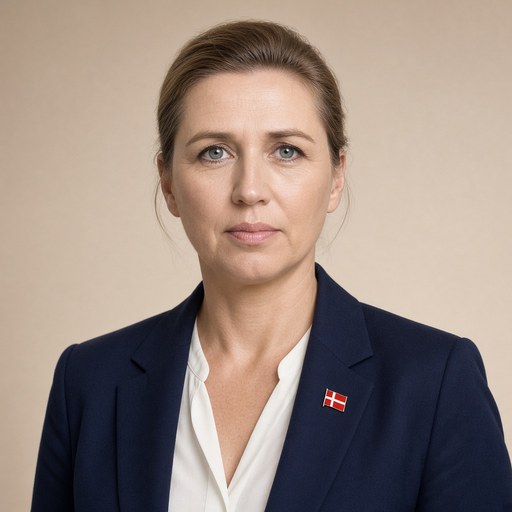
Prime Minister Mette Frederiksen's speech at the Nature Meeting 2021
 Mette Frederiksen · Prime Minister of Denmark
- Context
- Frederiksen addressed the Nature Meeting 2021 on May 28, delivering a virtual opening speech on Denmark's new conservation agreements and national park expansion plans.
- Main themes
- Biodiversity and nature conservation, national parks expansion, rewilding Denmark, untouched forest restoration, nature and mental health, outdoor education for youth, pandemic and reconnecting with nature, political agreements on environment, wildlife habitat protection, nature access for all
- Duration
- ~11 min
- Words
- 1,355
- Sentences
- 122
- Readability
- 67
- Grade
- 6.0
- Syntax
- 2.42
- Vocabulary
- 2.00
Translated from Danish
The broad sphere of national life a sentence belongs to. Every sentence has an Arena, so it is the denominator the other indices are read against.
Other122 sentences in 66 paragraphs
Good day everyone.
Thank you for the invitation to open the Nature Meeting – again this year via the screen.
I had hoped that we could put on our rubber boots and celebrate nature together.
On a spring day like today, it is hard to think of anything more important to celebrate than our beautiful Danish nature.
And this year we have much to celebrate.
Since the Nature Meeting last year, important political agreements have been made regarding nature and biodiversity. This will make Denmark wilder and greener in the coming years.
Up to 15 new national parks. Thousands of hectares of untouched forest. Space for grazing wild horses and deer. And better living conditions for the many animals and plants that are unfortunately under pressure today.
Across Denmark, nature will gain new breathing spaces. Marshes. Meadows. Water. Beaches. And forests.
* * *
If we go back many years – 5,000 years – Denmark was almost entirely covered by forest.
We humans have been hard on the forest all those years since. We have felled it to make room for agriculture. Or to use the wood for fuel and to build ships and houses.
Today, we have almost no forest that is more than 200 years old in Denmark. This has significant consequences for animal and plant life.
Many of the forest's species are today so threatened that they are on what is called the red list.
Therefore, we need more untouched forest in Denmark again.
It is not enough to plant new trees. Fungi, beetles, and birds need old, dead trees to live.
With the agreements we made last year, we will triple Denmark's area of untouched forest. This means that the forest will be free from human interference in an area larger than Falster and Møn combined.
* * *
Recently, I visited what will soon become Fussingø National Park near Randers. An area equivalent to more than 1,000 football fields is now being designated for wild nature.
It is actually quite wild.
With Fussingø and the other national parks, we are now starting to turn the tide.
For thousands of years, we humans have used our strength to tame nature. To cultivate it.
Now we are beginning to go the other way. We need to let nature develop on its own terms again. That is what is needed.
In some places, it will take generations before nature truly takes back control. In other places, it can happen more quickly.
The central point is that with the political agreements, we are giving Denmark's nature what it needs:
Space. Air. And time.
At the same time, the national parks will also be centers for experiences for all of us.
In Fussingø near Randers, I was accompanied by a high school class from Paderup Gymnasium. We moved the biology lesson outdoors.
I experienced a truly genuine interest in nature from the young people. The pancakes tasted good – it was lovely to be outside.
We have a desire for many more children and young people to find a place in nature.
That is why good forces across Denmark have started to establish new facilities for the outdoor and leisure activities that we value so highly.
So that both children, adults, and generations across the board have the opportunity to explore among plants and animals.
I fundamentally believe that when you are in nature, use nature, and learn about nature – you also take better care of it. That is what it is all about.
* * *
Many of us have spent the last 14-15 months, during the pandemic, being in nature. Some have rediscovered it, others have discovered it.
All over the country, we have experienced the same. More people have started hiking. Many have taken their fishing rods over their shoulders. Many have also experienced new parts of Denmark – from sea kayaking or mountain biking or just on a good summer vacation last year.
I also believe that many of us have experienced – in a difficult time – what nature can give us. In its own almost absurd way, nature has given us the opportunity to breathe a little more freely during the pandemic.
I hope that we as a country hold on to all of that.
For nature can be a healing force for us humans when life gets tough.
When something is really difficult, I go to the forest. I run or take a walk.
And when I am occasionally asked what we can do about the vulnerability that many young people experience – one of my answers is to use nature a bit more.
Last year, the Environmental Protection Agency and the National Association for Mental Health started a new collaboration to provide special nature experiences for those with mental vulnerabilities.
A number of municipalities have joined in, and the experiences have been positive. I hope that you will help to spread them even further.
And I hope that this is some of the learning that we will take with us from the pandemic crisis. That we should get out and use nature, be in it, whether it is on land or at sea.
* * *
We need to take better care of nature. And we can all do more than we do today.
Outside the garden door. At the edge of the football field. In the thicket by the scout hut. Or when we take a walk by the beach.
Stop using pesticides. Let more of the weeds stand. Create flower meadows that give bees new places to buzz. And of course, never throw trash in nature.
No one can do everything. But together we can do a whole lot.
That is why it makes me proud and warms my heart when I hear about all the good nature initiatives that are happening around our country.
Right now, 92 municipalities are competing to make Denmark wilder. Everyone can participate – from kindergartens and primary schools to nursing homes. And there are no limits to the ideas.
I know that the Minister of Environment thought there would probably be a couple of municipalities or a few more that would participate. That 92 are competing against each other right now – I think that is quite fantastic.
In Svendborg, a new forest strategy has been laid out to ensure more untouched forest.
In Sorø Municipality, they are testing a children's bio-blitz backpack. So that preschool children can explore the tiny life.
And next year, Denmark's wildest municipality will be crowned.
* * *
We have done a lot in Denmark over the past year. I think there is reason to be proud of that.
But the background for all the decisions that have been made, and for the activity that many of you are helping to generate, is unfortunately also serious.
For on a global scale, nature is under pressure. One million animal and plant species are threatened with extinction. Species of insects, flowers, birds, lizards, and sharks are at risk of disappearing.
Therefore, we should not only rejoice in what we have achieved. We must continue.
The sea is some of the richest nature we have. The government recently presented a new proposal that aims to provide better living conditions for the sea's animals and plants.
For the first time ever, we will designate strictly protected marine areas where nature will have peace and quiet. To the benefit of fish, birds, and porpoises.
When it comes to climate and green energy, Denmark is a showcase for the rest of the world. We should also be that in terms of nature protection.
Later this year, hopefully, the countries of the world can meet at the UN and adopt new global nature goals towards 2030. Here, Denmark will again set the bar high with ambitious goals for nature, just as we have done with the climate.
We must cherish our nature here at home. But our ambitions must be greater than that. We must inspire other countries with our green solutions.
So that together we can make the world greener. Wilder. And bigger.
Have a great Nature Meeting!
The original Danish. The tags above are read on the English translation's sentences.
Goddag alle sammen.
Tak for invitationen til at åbne Naturmødet – igen i år via skærmen.
Jeg havde ellers håbet, at vi kunne trække i gummistøvlerne og fejre naturen sammen.
På en forårsdag som i dag er det svært at komme i tanke om noget vigtigere at fejre end vores smukke, danske natur.
Og i år har vi meget at fejre.
Siden Naturmødet sidste år er der blevet indgået vigtige politiske aftaler om natur og biodiversitet. Det vil gøre Danmark både vildere og grønnere de kommende år.
Op mod 15 nye naturnationalparker. Tusindvis af hektar urørt skov. Plads til græssende vilde heste og hjorte. Og bedre levevilkår for de mange dyr og planter, som desværre er trængt i dag.
Over hele Danmark kommer naturen til at få nye åndehuller. Moser. Enge. Vand. Strande. Og skove.
* * *
Hvis vi går mange år tilbage – 5.000 år – var Danmark næsten helt dækket af skov.
Vi mennesker har i alle årene derfra været hårde ved skoven. Vi har fældet den for at gøre plads til landbrug. Eller for at bruge træet til brændsel og til at bygge skibe og huse.
I dag har vi næsten ikke noget skov, der er mere end 200 år gammelt i Danmark. Det har store konsekvenser for dyre- og planteliv.
Mange af skovens arter er i dag så truede, at de er på det, man kalder rødlisten.
Derfor skal vi have mere urørt skov i Danmark igen.
Det er ikke nok at plante nyt. Svampe, biller og fugle har brug for gamle, døde træer for at leve.
Med aftalerne, som vi indgik sidste år, vil vi tredoble Danmarks areal med urørt skov. Det svarer til, at skoven får fred for menneskers indblanding på et område, der er større end Falster og Møn tilsammen.
* * *
For nylig besøgte jeg det, der snart bliver til Fussingø Naturnationalpark ved Randers. Hvad der svarer til mere end 1.000 fodboldbaner bliver nu udlagt til vild natur.
Det er faktisk ret vildt.
Med Fussingø og de andre naturnationalparker går vi nu i gang med at vende udviklingen på hovedet.
Igennem tusindvis af år har vi mennesker brugt vores kræfter på at tæmme naturen. Opdyrke den.
Nu begynder vi at gå den anden vej. Vi skal igen lade naturen udvikle sig på egne præmisser. Det er der brug for.
Nogle steder kommer det til at tage generationer, før naturen for alvor tager magten tilbage. Andre steder kan det gå hurtigere.
Det centrale er, at vi med de politiske aftaler giver Danmarks natur det, den trænger til:
Plads. Luft. Og tid.
Samtidig bliver naturnationalparkerne også centrum for oplevelser for os allesammen.
I Fussingø ved Randers havde jeg følgeskab af en gymnasieklasse fra Paderup Gymnasium. Vi flyttede biologitimen udendørs.
Jeg oplevede fra de unges side en virkelig oprigtig interesse for naturen. Pandekagerne smagte godt – det var dejligt at komme ud.
Vi har et ønske om, at mange flere børn og unge får lov til at finde en plads i naturen.
Derfor er gode kræfter i hele Danmark gået i gang med at etablere nye faciliteter til det frilufts- og fritidsliv, som vi sætter så højt.
Så både børn, voksne og generationerne på tværs får mulighed for at gå på opdagelse blandt planter og dyr.
Jeg tror grundlæggende på, at når man er i naturen, bruger naturen og lærer om naturen – så passer man også bedre på den. Det er det, det hele handler om.
* * *
Mange af os har brugt de seneste 14-15 måneder, hvor coronaen har raset, på at være i naturen. Nogle har genopdaget den, andre har opdaget den.
Overalt i landet har vi oplevet det samme. Flere er begyndt at vandre. Mange har taget fiskestangen over skulderen. Mange har også oplevet nye dele af Danmark – fra havkajak eller mountainbike eller bare på en god sommerferie sidste år.
Jeg tror også, at mange af os har oplevet – i en svær tid – hvad naturen kan give os. På sin egen næsten absurde måde, så har naturen givet os mulighed for at trække vejret lidt friere under corona.
Jeg håber, at vi som land holder fast i alt det.
For naturen kan være en helende kraft for os mennesker, når livet driller.
Når noget er rigtig svært, så går jeg i skoven. Løber eller går en tur.
Og når jeg fra tid til anden bliver spurgt om, hvad vi kan gøre ved den sårbarhed, som mange unge oplever – så er et af mine svar at bruge naturen noget mere.
Sidste år startede Miljøstyrelsen og Landsforeningen SIND et nyt samarbejde om at give psykisk sårbare nogle særlige naturoplevelser.
En række kommuner har sluttet sig til, og erfaringerne er gode. Jeg håber, at I vil være med til at brede dem endnu mere ud.
Og jeg håber, at det er noget af den læring, som vi vil tage med fra corona-krisen. At vi skal komme ud og bruge naturen, være i den, hvad end det er til lands eller havs.
* * *
Vi skal passe bedre på naturen. Og vi kan alle sammen gøre mere, end vi gør i dag.
Uden for havedøren. I kanten af fodboldbanen. I krattet ved spejderhytten. Eller når vi går tur ved stranden.
Stoppe med at bruge sprøjtemidler. Lade mere af ukrudtet stå. Anlægge blomsterenge, der giver bierne nye steder at summe. Og selvfølgelig aldrig smide affald i naturen.
Ingen kan gøre alt. Men sammen kan vi gøre en hel masse.
Derfor gør det mig stolt og varm om hjertet, når jeg hører om alle de gode naturinitiativer, der er rundt omkring i vores land.
Lige nu dyster 92 kommuner om at gøre Danmark vildere. Alle kan være med – fra børnehaver og folkeskoler til plejehjem. Og der er frit slag for ideerne.
Jeg ved, at miljøministeren tænkte, at der nok ville være et par kommuner eller lidt flere, der ville være med. At 92 kæmper mod hinanden lige nu – det er ret fantastisk, synes jeg.
I Svendborg har man lagt en ny skovstrategi, der skal sørge for mere urørt skov.
I Sorø Kommune tester man en børne-bio-blitz-rygsæk. Så børnehavebørnene kan gå på opdagelse i krible-krable-livet.
Og til næste år bliver Danmarks vildeste kommune kåret.
* * *
Vi har gjort meget i Danmark det seneste år. Det synes jeg, at der er grund til at være stolt over.
Men baggrunden for alle de beslutninger, der er truffet, og for den aktivitet, som mange af jer er med til at genere, er desværre også alvorlig.
For på globalt plan er naturen under pres. En million dyre- og plantearter truet af udryddelse. Arter af insekter, blomster, fugle, firben og hajer risikerer at uddø.
Derfor skal vi ikke bare glæde os over det, vi har nået. Vi skal forsætte.
Havet er noget af den rigeste natur, vi har. Regeringen præsenterede for nylig et nyt udspil, der skal give havets dyr og planter bedre levevilkår.
For første gang nogensinde vil vi udlægge strengt beskyttede havområder, hvor naturen skal have fred og ro. Til gavn for fisk, fugle og marsvin.
Når det gælder klima og grøn energi, er Danmark et udstillingsvindue for resten af verden. Det skal vi også være inden for naturbeskyttelse.
Senere i år kan verdens lande forhåbentlig mødes i FN og vedtage nye globale naturmål frem mod 2030. Her vil Danmark igen sætte barren højt med ambitiøse mål på naturens vegne. Ligesom vi har gjort det med klimaet.
Vi skal værne om vores natur herhjemme. Men vores ambitioner skal være større end det. Vi skal inspirere andre lande med vores grønne løsninger.
Så vi sammen kan gøre verden grønnere. Vildere. Og større.
Hav et rigtig godt Naturmøde!