




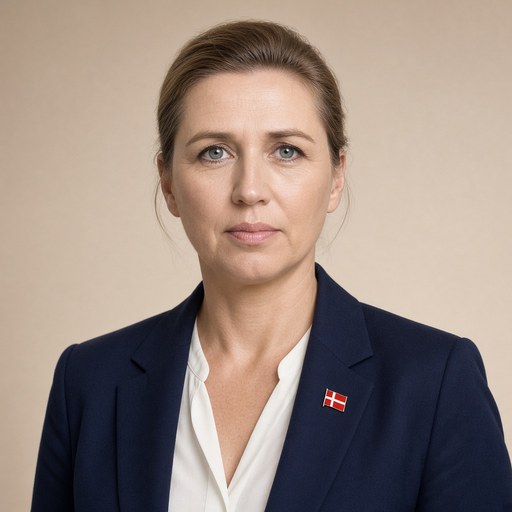
Prime Minister Mette Frederiksen's speech at the final debate of the Folketing on June 2, 2021.
 Mette Frederiksen · Prime Minister of Denmark
- Context
- Frederiksen addressed the Danish Folketing at its final debate on June 2, 2021, outlining an ambitious reform program for Denmark's post-pandemic future.
- Main themes
- Post-pandemic recovery, reform agenda, employment and welfare state, green transition, education and vocational training, economic growth, political ambition and vision, social cohesion, integration challenges, climate crisis, public sector reform
- Duration
- ~40 min
- Words
- 4,764
- Sentences
- 508
- Readability
- 61
- Grade
- 6.9
- Syntax
- 2.27
- Vocabulary
- 2.02
Translated from Danish
The broad sphere of national life a sentence belongs to. Every sentence has an Arena, so it is the denominator the other indices are read against.
Other508 sentences in 258 paragraphs
Last month, I visited a vocational school in Hvidovre.
The students were back. They were happy about that.
It is difficult to learn how to change brakes on a car from the sofa at home without having the tools in your hands. Or to become a painter without actually standing with a brush and paint cans. And it is uphill to learn about electricity and wiring without being physically present.
Here, too, the pandemic has had consequences.
So what do we do?
One of the teachers – Daniel Svendsen – teaches in the main program for passenger car mechanics. He told me – with infectious enthusiasm behind his face mask – that he arrived three quarters earlier in the morning and expected the same from his students.
Those who wanted to catch up could show up at 7:30.
Maybe some complained a little.
But most got up early and were ready.
Honestly, I lost my heart when I heard that story. It is teachers like Daniel who create our society. Who make the difference.
That is the drive I experience in many places in Denmark right now.
A fighting spirit. An optimism.
A will to work harder to achieve more.
We have done well through the pandemic.
Thanks to the great efforts of the population. The remarkable adaptability in all parts of society.
The business community, the authorities, the healthcare system. And the solid cooperation here in the Parliament on resolute crisis management.
Thank you to all of you here in the chamber for that.
As a community, Denmark stands stronger than in many years.
We have done well. What do we do now?
We could choose to be satisfied. To tell each other that we made it.
Lean back. Let development take its course. Adjust a little along the way.
That option is there. But it is not the one we should choose.
We must go the opposite way. Reforms, innovation, education, job creation, and growth.
Right now, we have a better starting point than anyone dared to hope for in the dark weeks of spring 2020.
We have the strength. Now we need to find the political will. For change.
Our Danish handling of the pandemic shows, above all, that there is always a choice.
We chose correctly. This time. Now we must move on.
We must use that experience. We tamed the tiger. When we can combat a global pandemic. Because we decide to do so. Then we can do much more than that.
Imagine if we approached society's other major challenges with the same determination.
If we dare to ask questions. Also about established truths. Such as the claim that we can do nothing about centralization. Or that inequality is just increasing.
If we hide the automatic reactions.
Reconcile the false oppositions. And for example insist that the green transition must create a more sustainable society and create jobs – instead of sending them abroad.
If we truly find the courage to tackle the challenges we have tried to solve for decades. The global climate crisis. Failed integration. Bureaucracy in the public sector. Young people who never get an education.
Instead of letting ourselves be discouraged by the fact that others have tried before us. Let us take on the task.
Fearlessly. With a regained belief that the answer is not predetermined. That politics is not just about operations, administration, and tweaking a knob in the engine room.
But that politics is about dreams. Visions. Hope.
About a stronger, greener, and more just Denmark.
We have a unique opportunity to build on the Denmark that proved its worth during the crisis.
But it requires that we do as the teacher and students in Vestegnen: Get up earlier.
* * *
A prime minister's speech at the Parliament's closing debate usually looks back on the parliamentary year.
This year, I will do it differently. I will look ahead.
The government is now preparing an ambitious reform program.
We will increase growth and prosperity.
Make Denmark a richer and greener society.
First and foremost: More skilled.
We will initiate the reform work with a 10-year perspective.
We will address the crucial structural challenges for the Danish economy and for our society as a whole.
Denmark has a strong welfare state. That is how it should be.
Security and freedom throughout life.
Arne received his pension. That is fair.
Our societal model is unique.
But the welfare state does not come by itself. Welfare is contingent on high employment.
It is absolutely crucial that many people work, that we are well-educated, and that businesses have good conditions.
Today, I will focus on three challenges that are very different, but which at the end of the day are about the same:
That more people should be in work. For the sake of the individual. Having a job and contributing to society is, after all, one of the most important things in a person's life. And for the sake of the economy. High employment is a crucial prerequisite for continued growth and prosperity.
Therefore, we must never as a society give up on people, expect too little, and set too few demands.
This applies to education. Where too many young people are lost. And we do not educate enough for the jobs that are needed.
This applies to the labor market, which for some is becoming more uncertain and less organized.
And it applies to the unfortunately too many people, particularly with a non-Western background, who are at home on social assistance and without a job to get up for.
* * *
First, the young people and education.
On one hand, an enormous success story. More and more are taking an education. More and more are taking a long education.
Our children are becoming more skilled than we are.
On the other hand, a story of defeat and discouragement.
Far too rarely do we talk about the young people who are neither in education nor have a job.
One in five young people is without an education by the age of 25. And almost 50,000 young people under 25 are neither in education nor in a job and have not completed a youth education.
Sometimes they are called the "residual group." Actually a terrible word. A message to so many young people that they have been left over. Given up by a society where everyone else is moving on.
If some of you young people are watching today:
We need you.
It is not you who are the bad company. It is not you who have a weak character.
It is us others who have a cheap imagination.
Because for far too many years we have accepted that inequality. That some are left outside.
When we talk about inequality, there is often a narrow focus on economic differences. And economic inequality is obviously important. And it also concerns me that those differences are growing – that the top is running away.
But inequality. In health – and in education. It limits. It constricts. It holds back. It is unjust. It is wrong.
A few years ago, I visited VUC in Struer.
I spoke with a group of younger women. Several of them single mothers. Some of them had to drive far by car to get to classes. And just as far home again when they had to pick up children.
They took an education despite everything.
They had one single prerequisite: Their willpower.
But at some point, if it becomes too difficult to educate oneself. For example, because it is too far to get there. Then more will give up.
I mention this because I think that perspective has been lacking in the discussion that has followed the government's proposal to relocate education.
It is not a battle between educations or between rural and urban areas.
I myself have a long higher education.
We need strong study and research environments. For skilled scientists, for highly educated specialists, for knowledge workers.
At the same time, we also need people to be able to live and educate themselves all over Denmark.
That requires that we dare to make political choices. Which will not be equally popular everywhere.
But the alternative is that a skewed development – which no politicians have ever asked the Danes if they agree with – is allowed to continue. That centralization runs us over.
We must not allow that. We must reverse the development.
We must also do so on another point. Already now, the situation is that we are not sufficiently educating for the jobs that exist in both the public and private sectors.
This is not only a problem for the company that cannot find welders and electricians for production. Or the nursing home that lacks a social and health care assistant to take the night shifts.
It is a problem for all of us. It risks hindering growth. Slowing progress. Tripping up the future that otherwise looks bright.
We risk running out of labor. Probably already this year, because the Danish economy is doing so well. And it will become a bigger problem with each passing year.
Especially skilled labor.
Why is this a big problem? Let me illustrate it with the green transition.
Denmark has a tailwind on the green agenda.
We show the world that a green transition does not happen at the expense of societal development. But on the contrary, it develops society. Creates growth. And local jobs.
Climate and environment are the areas where Denmark can make the absolute biggest difference for the future of the planet.
We have a head start and an opportunity for future green solutions and technologies to be developed here in Denmark.
In the fall, we entered into a unique green strategic partnership with India. A few days ago, we strengthened our strategic partnership with South Korea, and Danish companies entered into several new green agreements.
In the fall, there will be an initiative for the German market. As soon as it becomes possible, I will lead a green business push to the USA.
And in the EU, we have decided that the economic recovery after corona must be both green and digital. Several thousand billion public kroner have now been allocated for green recovery across Europe.
Here are good opportunities for Danish solutions. We must seize them.
In November, the United Kingdom will host the global climate summit - COP26 in Glasgow. Here, Denmark will also be noticed.
We are doing a lot here at home. But in reality, Denmark's fingerprint in the world is much larger than that.
We provide green solutions in energy and energy efficiency to the largest countries: the USA, China, and India.
Never have we been stronger. But we risk not being able to reap the benefits of Denmark's green head start if we lack skilled labor.
We need wind turbine technicians to build and service wind turbines. Electricians to set up charging stations. Carpenters and masons to climate-renovate buildings and facilities. Plumbers to install heat pumps.
Automation technicians to develop facilities for the production of green hydrogen in Kolding. Mechanics to assemble gearboxes on the wind turbines at Lindøværftet in Funen.
Welders for a new biorefinery in Hirtshals. Yes, nutrition assistants to manage the sustainable transition in professional kitchens.
The green transition requires skilled labor.
The same goes for the transition and progress in other important strong positions: the pharmaceutical industry and the food sector.
But the reality is that large cohorts of skilled workers are retiring in the coming years. And we do not have enough newly educated to replace them all.
Only one in five students who leave primary school directly applies for a vocational education.
That is far from the goal that a broad majority in Parliament has set.
And it is hardly a new reform of vocational education that will solve that problem. We have tried. Successive governments. It resulted in small hops in place.
I believe we need to start a more fundamental discussion about our education.
For some children, our school has become too academic. Far too theoretical.
It starts already in primary school. On the first day of school, all children arrive with a new backpack on their back and enthusiasm in their hearts.
Not all leave the schoolyard with the same energy and joy. Far from it.
We all know them. The boy who cannot sit still. The girl – yes, it can also be a girl – who cannot make the letters make sense on the line in the draft notebook.
Is the truth perhaps that even though we have a good school in many ways, it does not fit everyone equally well?
Maybe we should let some children start later? Maybe those who become most school-weary should go to school in a different way?
With better opportunities to get out into a workplace along the way? To get a connection to the labor market earlier?
As I see it – and here comes a positive point – our vocational schools currently have a huge opportunity.
Denmark's youth are deeply engaged in the climate fight.
Vocational schools can offer young people educations where they can make a difference. A pride in using their trade to solve the problems of the future.
The skilled workers will be the core troops of the green transition.
Vocational education is the lever for the green transition.
We must build the bridge between the climate fight and the educational choices of the young.
* * *
The next challenge is about our labor market.
In many ways, a well-regulated labor market. Decent wages and working conditions. Economic security if one loses their job for a period.
That is how it is for most.
But not for everyone. Today, it is almost one in three who do not work in a permanent full-time position.
Casual employees, on-call workers, platform workers, zero-hour contracts, unpaid internships.
It can be waiters or drivers. But it can also be young architects, journalists, or artists. And several others.
And there can be many reasons behind it.
But there is a downside. Among other things for young people who are just entering the labor market.
Uncertain income. No or poor pension schemes. Poor parental leave conditions. No further education. Poor coverage in case of work injuries.
We know how vulnerable it can be for the individual. How bad it can go when misfortune strikes. If one has lost their job and income from one day to the next – and is not caught.
The Danish model is largely built for full-time employees. But the reality is that the labor market is changing. Of course. And the Danish model must keep up. As it has done before.
If development runs away from us, then an increasingly larger group may end up on the outside. All those who work in ways that we have not been used to.
The Corona crisis has shown that many have what we previously called atypical employment. Perhaps something like being an employee. Something like being self-employed. Something in between. Not least in the cultural sector.
When the atypical becomes typical, it challenges us in a completely different way.
Therefore, we must solve that challenge: that we are ready to seize the future. Give our businesses opportunities to find new business models. Attract investments.
But at the same time, the foundation of the Danish model is a well-organized labor market. Parental leave and pensions. Working conditions and a decent wage.
And as a society, we need our unique Danish model, where the parties in the labor market take significant co-responsibility. Just think of the 17 tripartite agreements that were made during the Corona crisis.
Thank you to the trade unions and employers for that effort.
* * *
The Danish population has a strong connection to the labor market. And most young people pursue an education. If you line up ten Danes between the ages of 18 and 59, eight of them have a job or are in the process of getting an education.
There are many to lift. That is how it should be. Otherwise, the economy and the social contract do not hold together.
But that is not the case for a part of the population that has roots in other, primarily non-Western, countries. Especially not for women. That is the third major challenge I will elaborate on today.
Out of ten women with backgrounds from the Middle East, North Africa, Afghanistan, Pakistan, or Turkey, only four are employed. Only four out of ten.
From this podium, prime minister after prime minister has said that more immigrant women should enter the workforce. Without the problem being solved.
Now I stand in line. With the awareness that it requires difficult decisions. And with the hope that the Folketing will take responsibility. It is not enough to say no.
Because we have now accepted for decades that many women with immigrant backgrounds are at home instead of having a job outside the home – it should not continue to be that way.
There has been too much focus on all that one has a right to in Denmark. And too little focus on all that one has a duty to.
I say this not least in relation to the discussion that lies ahead of us regarding benefits.
Instead of only focusing on how we organize the social assistance system. It is first and foremost about getting people into work.
Therefore: What if we change the entire mindset?
And assume that all adults can, of course, contribute with a real work effort. That society expresses that expectation – clearly.
We stand at the foot of a recovery. Now is the time we have the opportunity to give more people a foothold in the labor market.
Insist that when one has received residency in Denmark, one must, of course, support oneself.
And if it is not possible for a period, the government will propose that one – in return for their benefit – has a clear obligation to contribute with what corresponds to a regular workweek of 37 hours.
If one does not show up when required, one will not receive their payment. We will introduce that work logic.
* * *
The future Denmark must be built now. We must have enough hands and heads – and be skilled enough – to solve the tasks in society.
The reforms the government will present will require a lot from all of us.
But we also have much to gain.
When we look five to ten years ahead, the digital revolution will change the labor market and businesses. It will place new demands on our education systems. The demand for green solutions will increase. New and attractive markets will open up.
That future is well-suited for Denmark.
Our strong position in digitalization must be supported by a new digitalization strategy for both the private and public sectors. And a long-term, broad, and ambitious plan to counter the cyber threat.
The proud manufacturing companies that create jobs here at home – in all parts of the country – by selling Danish top quality abroad: You must have the best conditions.
Denmark was, is, and must continue to be a manufacturing country.
Just as Denmark is rich in small independent service businesses. And you – who have built a small business from scratch – perhaps have a couple of employees.
It has not been easy during the pandemic. And my goodness, how you deserve more recognition than you receive on a daily basis. You are a crucial part of our business structure.
The government will take a broad look at strengthening Denmark's competitiveness.
New knowledge and business must be tied closer together. Therefore, we have increased the research and development tax deduction for companies. Significantly raised the green research funds.
Business policy is central to the government's economic policy.
Future technologies. Exports. Jobs.
We here at home live off all that you accomplish in the world.
Fortunately, several countries are beginning to shake off the burden of Corona. Export markets are on their way back. Danish companies must be ready.
Now is the time.
And we have a solid foundation to move forward.
We chose to pursue a consistent crisis policy. An expansive fiscal policy. And a policy that is fundamentally different from the one that was pursued after the financial crisis.
That was wise. Now we see the results.
The Danish economy has performed well through the crisis.
Unemployment has fallen since the reopening. Consumption is rising. Exports are growing. And next year we expect the highest economic growth – in fifteen years.
At the same time, Denmark had, in 2020 – despite the Corona crisis – the relatively lowest deficit in public finances in the entire EU. And Denmark still has the highest international credit rating – AAA rating.
The economic policy is responsible.
There will still be expenses to keep the infection down. For vaccines, when we are expected to be vaccinated again. And perhaps again. Investments in our preparedness. And for testing, if necessary.
There will still be a need for targeted assistance to some sectors. A professional backlog that needs to be caught up.
But it is also clear now. That there is no need for a real economic recovery after Corona.
Therefore, the task is different. We must invest. Make Denmark stronger.
That we can do this – is due to the decisions we have made together.
During the pandemic, 330,000 people have been furloughed with wage compensation.
Companies have contributed part of the wage costs. Employees with vacation days. And until now, the state has paid out 17 billion kroner in wage compensation.
In return, many people have avoided a layoff.
The expenses that would have incurred. For unemployment benefits, social assistance. Not to mention the human costs. The risk of losing a foothold in the labor market.
Those costs would have been greater for society.
And the companies. They now have the advantage that they do not have to hire new people. Not train from scratch. They still have experienced employees.
We already have a competitive advantage over many other countries. We must leverage that lead and create what could become a completely unique growth adventure.
Danish businesses are ready to move. All of Denmark must be.
That is the primary task now.
Today I have addressed three important societal challenges.
The government will present its views on several important challenges over the summer.
We will take time to dwell on the challenges and find the most sustainable answers. In collaboration with the whole society.
We will not claim that we have all the answers. But we will find them. Together.
I hope that everyone will take part in the debate.
* * *
Another area where we invite even closer cooperation is in the realm of the Kingdom.
Interest in the Arctic and the North Atlantic is increasing.
In the Kingdom, we have a common goal of low tension in the Arctic. Right now, that goal is under pressure. We will address that – together.
I am pleased that we agree that we must take care of our open and democratic society. And that we must set up defenses against those who do not wish us well.
The foundation of our security is formed by cooperation with the USA and in NATO. Something all parties in the Kingdom had the opportunity to discuss with US Secretary of State Blinken when he visited Denmark recently.
But in the current security policy reality, threats are rarely unambiguous. They often cross political areas.
This also means that it becomes more difficult to distinguish between what is the responsibility of the Faroe Islands and Greenland. And what is Danish responsibility.
This requires even closer dialogue and cooperation on foreign, security, and defense policy issues. The government invites that.
I look forward to continuing to develop cooperation in the Kingdom – in close dialogue with both the Faroese government and Greenland's new Naalakkersuisut.
And together with the North Atlantic members here in the Folketing. Thank you for a good collaboration.
And of course, I look forward to seeing the Faroe Islands and Greenland again as soon as the situation allows.
* * *
Since the government took office nearly two years ago, we have entered into 185 agreements across the aisle here in the Folketing.
Agreements on green transition. On the economy. On welfare. And on handling the pandemic.
Thank you to all of you parties here in the chamber for the good and broad cooperation. Denmark stood united when it mattered.
And a special thank you to the Socialist People's Party. The Radicals. The Unity List.
Two years ago, we sat down together and wrote our common vision for a new just direction for Denmark.
Imagine that it was only two years ago. A lot has happened in those two years. And I am not only thinking of Corona.
We promised each other that we would lead the fight against the climate crisis. We set a goal that some called unrealistic. But which has proven to be the ambition that drives a green transition forward in the entire society.
Energy islands. Work on CO2 taxes. A nature and biodiversity package. A stop to oil in the North Sea. Tripling the tax on carrier bags and disposable utensils. Recycling of waste. More electric cars. Most recently, we have proposed stricter rules for environmental zones in cities.
The list of initiatives is long.
There was a long discussion about the "hockey stick." That we would only make the difficult decisions close to 2030. Here – just one year after we passed the climate law – we have already made decisions that, together with the agricultural proposal and the business decisions, bring us almost halfway. Halfway!
And we have entered into an ambitious agreement on a goal for 2025.
If there ever was a hockey stick. Then we can certainly conclude that it has been broken.
We promised to strengthen our welfare. That is a big task. But we are on it. Minimum staffing levels. 1,000 new nurses. An uplift in psychiatry. Municipal budgets with more room for welfare. Better rights and more security for vulnerable children.
And the money follows when there are more children and elderly.
We have delivered a billion investment in education.
We have abolished the reprioritization contribution. Done away with the education ceiling. Allocated money for more teachers in primary schools. Invested in upskilling and further education for unskilled workers. In better youth education. And more study places in welfare education during Corona.
Additionally, we have initiated the cleanup of generational pollution. Better parental leave conditions for the self-employed. And that sex must of course always be based on consent. We wrote that in the understanding paper. Now it is in the law.
There is much to be proud of.
* * *
Denmark stands strong. But we can do even more.
We must remember how Denmark has become one of the world's richest and safest countries.
In the post-war period, business development took off. Industry grew. Danish companies entered export markets. Women flooded into the labor market.
All of that was possible because we as a society decided to invest in welfare, in education, in people.
Based on a common understanding that when we are more to pull. And more skilled at delivering. Then the societal pie gets bigger.
In the 1990s, an offensive business policy paved the way for new jobs. An active labor market policy focused on rights and duties got more people into work. More further education meant that more could take on the new jobs.
And a forward-looking environmental policy laid the first stones for Denmark's green adventure.
Now we must together write the next great chapter about our country.
We can turn decline into development. Intentions into actions.
Politics matters. We have shown that.
We must take responsibility and challenge ourselves and each other. Implement extensive investments in Denmark's future.
A high proportion of the population working. Education that meets societal needs. A business sector in transition and with a global outlook.
I wish the Folketing and everyone else in Denmark a well-deserved summer holiday when we get there. It will be a little while longer.
After the summer holiday, we will be busy again. I hope many will contribute to the extensive reform work we are now starting.
We must make the decisions that will position Denmark as strongly as possible.
Where we are as a society in ten years.
We determine that ourselves.
The original Danish. The tags above are read on the English translation's sentences.
I sidste måned besøgte jeg en erhvervsskole i Hvidovre.
Eleverne var tilbage. Det var de glade for.
Det er svært at lære at skifte bremser på en bil hjemme fra sofaen uden at have værktøjet mellem hænderne. Eller blive bygningsmaler uden konkret at stå med pensel og malerbøtter. Og det er op ad bakke at lære om strøm og ledninger uden at være til stede fysisk.
Også her har coronaen haft konsekvenser.
Hvad gør man så?
En af lærerne – Daniel Svendsen – underviser på hovedforløbet personvognsmekaniker. Han fortalte – med smittende entusiasme bag mundbindet – at han mødte ind tre kvarter tidligere om morgenen og forventede det samme af sine elever.
De, der ville indhente det forsømte, kunne troppe op klokken 7.30.
Måske brokkede nogle sig lidt.
Men de fleste stod tidligt op og var klar.
Ærligt talt, så tabte jeg mit hjerte, da jeg hørte den historie. Det er lærere som Daniel, der skaber vores samfund. Som gør forskellen.
Det er den handlekraft, jeg oplever mange steder i Danmark lige nu.
En kampgejst. En optimisme.
En vilje til at arbejde hårdere for at nå længere.
Vi har klaret os godt gennem pandemien.
Takket være befolkningens store indsats. Den eminente omstillingsevne i alle dele af samfundet.
Erhvervslivet, myndighederne, sundhedsvæsenet. Og det solide samarbejde her i Folketinget om en resolut krisehåndtering.
Tak til alle jer her i salen for det.
Som fællesskab står Danmark stærkere end i mange år.
Vi har gjort det godt. Hvad gør vi nu?
Vi kunne vælge at stille os tilfredse. Sige til hinanden, at vi klarede den.
Læne os tilbage. Lade udviklingen gå sin gang. Justere lidt hen ad vejen.
Den mulighed er der. Men det er ikke den, vi skal vælge.
Vi skal gå den modsatte vej. Reformer, innovation, uddannelse, jobskabelse og vækst.
Lige nu har vi et bedre udgangspunkt, end nogen turde håbe på i de mørke uger i foråret 2020.
Vi har styrken. Nu skal vi finde den politiske vilje. Til forandring.
Vores danske håndtering af pandemien viser først og fremmest, at der altid er et valg.
Vi valgte rigtigt. Den her gang. Nu skal vi videre.
Vi skal bruge den erfaring. Vi tæmmede tigeren. Når vi kan bekæmpe en global pandemi. Fordi vi beslutter os for det. Så kan vi meget mere end det.
Tænk, hvis vi går til samfundets andre store udfordringer med samme beslutsomhed.
Hvis vi tør stille spørgsmål. Også ved etablerede sandheder. Som for eksempel den påstand, at vi intet kan stille op over for centraliseringen. Eller at uligheden bare stiger.
Hvis vi gemmer automatreaktionerne væk.
Gør op med de falske modsætninger. Og for eksempel insisterer på, at den grønne omstilling både skal skabe et mere bæredygtigt samfund og skabe arbejdspladser – i stedet for at sende dem ud af landet.
Hvis vi for alvor finder modet til at tage fat på de udfordringer, vi har forsøgt at løse i årtier. Den globale klimakrise. Den fejlslagne integration. Bureaukratiet i den offentlige sektor. De unge, der aldrig får en uddannelse.
I stedet for at lade os slå ud af, at det har andre forsøgt før os. Så lad os gå til opgaven.
Uforfærdede. Med en genvunden tro på, at svaret ikke er givet på forhånd. At politik ikke kun er drift, administration og at skrue lidt på en knap i maskinrummet.
Men at politik handler om drømme. Visioner. Håb.
Om et stærkere, grønnere og mere retfærdigt Danmark.
Vi har en unik mulighed for at bygge videre på det Danmark, som viste sit værd under krisen.
Men det kræver, at vi gør som læreren og eleverne på Vestegnen: Står tidligere op.
* * *
En statsministers tale ved Folketingets afslutningsdebat plejer at se tilbage på folketingsåret.
I år vil jeg gøre det anderledes. Jeg vil se frem.
Regeringen forbereder nu et ambitiøst reformprogram.
Vi vil øge væksten og velstanden.
Gøre Danmark til et både rigere og grønnere samfund.
Først og fremmest: Dygtigere.
Vi vil sætte reformarbejdet i gang med et 10-årigt perspektiv.
Vi kommer til at tage fat på de afgørende strukturelle udfordringer for dansk økonomi og for vores samfund som et hele.
Danmark har et stærkt velfærdssamfund. Sådan skal det være.
Tryghed og frihed gennem hele livet.
Arne fik sin pension. Det er retfærdigt.
Vores samfundsmodel er unik.
Men velfærdssamfundet kommer ikke af sig selv. Velfærden er betinget af høj beskæftigelse.
Det er helt afgørende, at mange mennesker arbejder, at vi er veluddannede, og at virksomhederne har gode vilkår.
I dag vil jeg fokusere på tre udfordringer, som er vidt forskellige, men som ved dagens udgang handler om det samme:
At flere skal i arbejde. For den enkeltes skyld. At have et arbejde og bidrage til samfundet, er nu engang noget af det vigtigste i et menneskes liv. Og for økonomiens skyld. Høj beskæftigelse er en afgørende forudsætning for fortsat vækst og velstand.
Derfor må vi aldrig som samfund opgive mennesker, forvente for lidt og stille for få krav.
Det gælder uddannelserne. Hvor for mange unge bliver tabt. Og vi ikke uddanner nok til de jobs, der er brug for.
Det gælder på arbejdsmarkedet, som for nogle bliver mere usikkert og mindre organiseret.
Og det gælder de desværre for mange mennesker, særligt med ikke-vestlig baggrund, som går derhjemme på kontanthjælp og uden et arbejde at stå op til.
* * *
Først de unge og uddannelserne.
På den ene side en enorm succeshistorie. Stadig flere tager en uddannelse. Stadig flere tager en lang uddannelse.
Vores børn bliver dygtigere, end vi selv er.
På den anden side en historie om nederlag og modløshed.
Alt for sjældent taler vi om de unge, der hverken er i gang med at uddanne sig eller har et job.
Hver femte unge står som 25-årig uden en uddannelse. Og næsten 50.000 unge under 25 år og er hverken i uddannelse eller job og har ikke afsluttet en ungdomsuddannelse.
Nogle gange bliver de kaldt ”restgruppen”. Egentlig et skrækkeligt ord. En besked til de så mange unge mennesker om, at de blev tilovers. Opgivet af et samfund, hvor alle andre kører videre.
Hvis nogle af jer unge ser med i dag:
Vi har brug for jer.
Det er ikke jer, der er det dårlige selskab. Det er ikke jer, der har en svag karakter.
Det er os andre, der har en billig fantasi.
Fordi vi i alt for mange år har accepteret dén ulighed. At nogle står udenfor.
Når vi taler om ulighed, er der ofte et snævert fokus på de økonomiske forskelle. Og økonomisk ulighed er selvsagt vigtigt. Og det bekymrer også mig, at de forskelle vokser – at toppen stikker af.
Men uligheden. I sundhed – og i uddannelse. Den begrænser. Den indskrænker. Den holder tilbage. Den er uretfærdig. Den er forkert.
For nogle år siden besøgte jeg VUC i Struer.
Jeg talte med en gruppe af yngre kvinder. Flere af dem enlige mødre. Nogle af dem måtte køre langt i bil for at komme til undervisning. Og ligeså langt hjem igen, når de skulle hente børn.
De tog en uddannelse på trods.
De havde én eneste forudsætning: Deres viljestyrke.
Men på et tidspunkt. Hvis det bliver for svært at uddanne sig. For eksempel fordi der bliver for langt derhen. Så vil flere give op.
Jeg nævner det, fordi jeg synes, at det perspektiv har manglet i den diskussion, der har været i kølvandet på regeringens forslag om at udflytte uddannelser.
Det er ikke en kamp mellem uddannelser eller mellem land og by.
Jeg har selv en lang, videregående uddannelse.
Vi har brug for stærke studie- og forskningsmiljøer. For dygtige videnskabsmænd og -kvinder, for højtuddannede specialister, for videnarbejdere.
Samtidig har vi altså også brug for, at man kan bo og uddanne sig i hele Danmark.
Det kræver, at vi tør træffe politiske valg. Som ikke alle steder vil være lige populære.
Men alternativet er, at en skæv udvikling – som ingen politikere i øvrigt nogensinde har spurgt danskerne, om de er enige i – får lov at fortsætte. At centraliseringen løber os over ende.
Det skal vi ikke tillade. Vi skal vende udviklingen.
Det skal vi også på et andet punkt. Allerede nu er situationen, at vi ikke i tilstrækkelig grad uddanner til de jobs, der er i både den offentlige og den private sektor.
Det er ikke alene et problem for den virksomhed, der ikke kan skaffe smede og elektrikere til produktionen. Eller det plejehjem, der mangler en sosu-assistent til at tage nattevagterne.
Det er et problem for os alle sammen. Det risikerer at hæmme væksten. Bremse fremgangen. Spænde ben for den fremtid, der ellers tegner lys.
Vi risikerer at komme til at mangle arbejdskraft. Givetvis allerede i år, fordi det går så godt for dansk økonomi. Og det vil blive et større problem for hvert år, der går.
Særligt faglært arbejdskraft.
Hvorfor er det et stort problem? Lad mig illustrere det med den grønne omstilling.
Danmark har medvind på den grønne dagsorden.
Vi viser verden, at en grøn omstilling ikke sker på bekostning af samfundets udvikling. Men tværtimod udvikler samfundet. Skaber vækst. Og lokale arbejdspladser.
Klima og miljø er det område, hvor Danmark kan gøre den absolut største forskel for klodens fremtid.
Vi har et forspring og en mulighed for, at fremtidens grønne løsninger og teknologier bliver udviklet her i Danmark.
I efteråret indgik vi et unikt grønt strategisk partnerskab med Indien. For få dage siden styrkede vi vores strategiske partnerskab med Sydkorea, og danske virksomheder indgik flere nye grønne aftaler.
I efteråret vil der komme en satsning på det tyske marked. Så snart det bliver muligt, vil jeg sætte mig i spidsen for et grønt erhvervsfremstød til USA.
Og i EU har vi besluttet, at den økonomiske genopretning efter corona skal være både grøn og digital. Der er nu afsat flere tusind milliarder offentlige kroner til grøn genopretning i hele Europa.
Her er gode muligheder for danske løsninger. Dem skal vi gribe.
Til november er Storbritannien vært for det globale klimatopmøde - COP26 i Glasgow. Her vil der også blive lagt mærke til Danmark.
Vi gør meget herhjemme. Men i virkeligheden er Danmarks fingeraftryk ude i verden langt større end det.
Vi leverer grønne løsninger inden for energi og energieffektivitet til de største lande: USA, Kina og Indien.
Aldrig har vi stået stærkere. Men vi risikerer, at vi ikke kan høste gevinsterne af Danmarks grønne forspring, hvis vi mangler faglærte.
Vi har brug for vindmølleteknikere til at bygge og servicere vindmøller. Elektrikere til at opstille ladestandere. Tømrere og murere til at klimarenovere bygninger og anlæg. VVS’ere til at opstille varmepumper.
Automationsteknikere til at udvikle anlæg til produktion af grøn brint i Kolding. Mekanikere til at samle gearkasser på vindmøllerne på Lindøværftet på Fyn.
Smede til et nyt bioraffinaderi i Hirtshals. Ja, ernæringsassistenter til at varetage den bæredygtige omstilling i de professionelle køkkener.
Den grønne omstilling kræver faglært arbejdskraft.
Det samme gør omstilling og fremgang inden for andre vigtige styrkepositioner: Medicinalindustrien og fødevareerhvervet.
Men virkeligheden er, at store årgange af faglærte går på pension i de kommende år. Og vi har ikke nok nyuddannede til at erstatte dem alle.
Kun hver femte elev, der forlader grundskolen, søger direkte ind på en erhvervsuddannelse.
Det er langt fra det mål, som et bredt flertal i Folketinget har sat.
Og det er næppe en ny reform af erhvervsuddannelserne, der kommer til at løse det problem. Vi har forsøgt. Skiftende regeringer. Det blev til små hop på stedet.
Jeg tror, vi er nødt til at tage hul på en mere grundlæggende diskussion af vores uddannelser.
For nogle børn er vores skole blevet for akademisk. Alt for teoretisk.
Det begynder allerede i grundskolen. På den første skoledag møder alle børn ind med ny skoletaske på ryggen og gåpåmod i hjertet.
Det er ikke alle, der forlader skolegården med samme energi og glæde. Langt fra.
Vi kender dem alle sammen. Drengen, der ikke kan sidde stille. Pigen – ja, det kan også være en pige – der ikke kan få bogstaverne til at give mening på linjen i kladdehæftet.
Er sandheden måske den, at selvom vi på mange måder har en god skole. Så passer den ikke lige godt til alle?
Måske skal vi lade nogle børn starte senere? Måske skal de, der bliver mest skoletrætte, gå i skole på en anden måde?
Med bedre mulighed for at komme ud på en arbejdsplads undervejs? Få en tilknytning til arbejdsmarkedet tidligere?
Som jeg ser det – og her kommer jeg til en positiv pointe – så har vores erhvervsskoler lige nu en kæmpe mulighed.
Danmarks ungdom er dybt engagerede i klimakampen.
Erhvervsskolerne kan tilbyde de unge uddannelser, hvor de kan gøre en forskel. En stolthed ved at bruge sit fag til at løse fremtidens problemer.
De faglærte bliver den grønne omstillings kernetropper.
Erhvervsuddannelserne er løftestangen for den grønne omstilling.
Vi skal bygge broen mellem klima-kampen og de unges uddannelsesvalg.
* * *
Den næste udfordring handler om vores arbejdsmarked.
På mange måder et velreguleret arbejdsmarked. Ordentlige løn- og arbejdsvilkår. En økonomisk sikkerhed, hvis man i en periode mister sit arbejde.
Sådan er det for de fleste.
Men ikke for alle. I dag er det næsten hver tredje, som ikke arbejder i en fast fuldtidsstilling.
Løst ansatte, tilkaldevikarer, platformsarbejdere, nultimekontrakter, ulønnet praktik.
Det kan være tjenere eller chauffører. Men det kan også være unge arkitekter, journalister eller kunstnere. Og flere andre.
Og der kan ligge mange årsager bag.
Men der er en bagside. Blandt andet for unge, der lige er på vej ind i arbejdslivet.
Usikker indkomst. Ingen eller ringe pensionsordninger. Dårlige barselsvilkår. Ingen efteruddannelse. Ringe dækning ved arbejdsskader.
Vi ved, hvor sårbart det kan være for den enkelte. Hvor galt det kan gå, når uheldet er ude. Hvis man har mistet sit arbejde og sin indkomst fra den ene dag til den anden – og ikke bliver grebet.
Den danske model er i høj grad bygget til lønmodtagerne på fuldtid. Men realiteten er, at arbejdsmarkedet ændrer sig. Selvfølgelig. Og den danske model skal følge med. Som den har gjort det før.
For hvis udviklingen løber fra os, så kan en stadig større gruppe komme til at stå udenfor. Alle dem, der arbejder på andre måder, end vi har været vant til.
Corona-krisen har vist, at mange har det, vi tidligere kaldte atypiske ansættelser. Måske noget som lønmodtager. Noget som selvstændigt. Noget midt i mellem. Ikke mindst på kulturområdet.
Når det atypiske bliver typisk, udfordrer det os på en helt anden måde.
Derfor skal vi have løst den udfordring: At vi er klar til at gribe fremtiden. Give vores virksomheder muligheder for at finde nye forretningsmodeller. Tiltrække investeringer.
Men samtidig, at grundlaget for den danske model er et velorganiseret arbejdsmarked. Barsel og pension. Arbejdsmiljø og en ordentlig løn.
Og som samfund har vi brug for vores unikke danske model, hvor arbejdsmarkedets parter tager et stort medansvar. Tænk bare på de 17 trepartsaftaler, som blev indgået under cornakrisen.
Tak til fagforeningerne og arbejdsgiverne for den indsats.
* * *
Den danske befolkning har en stærk tilknytning til arbejdsmarkedet. Og de fleste unge tager en uddannelse. Hvis man stiller ti danskere mellem 18 og 59 år op på række, så har de otte et job eller er i gang med en uddannelse.
Der er mange til at løfte. Sådan skal det være. Ellers hænger økonomien og samfundskontrakten ikke sammen.
Men sådan er det ikke for en del af befolkningen, der har rødder i andre, primært ikke-vestlige, lande. Især ikke for kvinderne. Det er den tredje store udfordring, jeg vil uddybe i dag.
Ud af ti kvinder med baggrund i Mellemøsten, Nordafrika, Afghanistan, Pakistan eller Tyrkiet er der kun fire, som er i arbejde. Kun fire ud af ti.
Fra den her talerstol har statsminister efter statsminister sagt, at flere indvandrerkvinder skal i arbejde. Uden at problemet er løst.
Nu stiller jeg mig op i rækken. Med bevidstheden om, at det kræver svære beslutninger. Og med det håb, at Folketinget vil tage et ansvar på sig. Det er ikke nok at sige nej.
Fordi vi nu gennem årtier har accepteret, at mange kvinder med indvandrerbaggrund er derhjemme i stedet for at have et job uden for hjemmet – så skal det ikke blive ved med at være sådan.
Der har været for stor fokus på alt det, man har ret til i Danmark. Og for lidt fokus på alt det, man har pligt til.
Det siger jeg ikke mindst i forhold til den diskussion, der står foran os omkring ydelserne.
I stedet for kun at fokusere på, hvordan vi indretter kontanthjælpssystemet. Så handler det først som sidst om at få folk i arbejde.
Derfor: Hvad om vi vender hele tankegangen?
Og lægger til grund, at alle voksne selvfølgelig kan bidrage med en egentlig arbejdsindsats. At samfundet udtrykker den forventning – klart.
Vi står for foden af et opsving. Det er nu, vi har muligheden for at give flere mennesker et fodfæste på arbejdsmarkedet.
Insistere på, at når man har fået ophold i Danmark, så skal man selvfølgelig forsørge sig selv.
Og hvis det i en periode alligevel ikke kan lade sig gøre, vil regeringen foreslå, at man – til gengæld for sin ydelse – som det helt klare udgangspunkt får pligt til at bidrage med, hvad der svarer til en almindelig arbejdsuge på 37 timer.
Møder man ikke op, når man skal, får man ikke sin betaling. Vi vil indføre den arbejdslogik.
* * *
Fremtidens Danmark skal bygges nu. Vi skal være hænder og hoveder nok – og dygtige nok – til at løse opgaverne i samfundet.
De reformer, regeringen vil fremlægge, vil kræve meget af os alle sammen.
Men vi har også meget at vinde.
Når vi ser fem-ti år frem, vil den digitale revolution forandre arbejdsmarkedet og virksomhederne. Det vil stille nye krav til vores uddannelser. Efterspørgslen på grønne løsninger vil stige. Der åbner sig nye og attraktive markeder.
Den fremtid ligger godt til Danmark.
Vores stærke position på digitalisering skal understøttes af en ny digitaliseringsstrategi for både det private og det offentlige. Og en langsigtet, bred og ambitiøs plan for at imødegå cybertruslen.
De stolte produktionsvirksomheder, der skaber arbejdspladser herhjemme – i alle dele af landet – ved at sælge dansk topkvalitet ude i verden: I skal have de bedste vilkår.
Danmark var, er og skal fortsat være et produktionsland.
Ligesom Danmark er rigt på små selvstændige servicevirksomheder. Og jer – der har skabt en lille virksomhed fra bunden – måske har et par ansatte.
Det har ikke været let under pandemien. Og hold da op, hvor I fortjener mere anerkendelse, end I får til hverdag. I er en afgørende del af vores erhvervsstruktur.
Regeringen vil se bredt på at styrke Danmarks konkurrencekraft.
Ny viden og erhvervsliv skal knyttes tættere sammen. Derfor har vi øget forsknings- og udviklingsfradraget for virksomhederne. Hævet de grønne forskningsmidler markant.
Erhvervspolitikken står helt centralt i regeringens økonomisk politik.
Fremtidens teknologier. Eksporten. Arbejdspladserne.
Vi herhjemme lever af alt det, I udretter i verden.
Heldigvis er flere lande ved at ryste coronaens åg af skuldrene. Eksportmarkederne er på vej tilbage. Danske virksomheder skal være klar.
Det er nu, det gælder.
Og vi har et solidt udgangspunkt for at komme videre.
Vi valgte at føre en konsekvent krisepolitik. En ekspansiv finanspolitik. Og en politik, som i al væsentlighed er anderledes end den, der blev ført efter finanskrisen.
Det var klogt. Nu ser vi resultaterne.
Dansk økonomi har klaret sig godt gennem krisen.
Arbejdsløsheden er faldet siden genåbningen. Forbruget stiger. Eksporten vokser. Og næste år forventer vi den højeste økonomiske vækst – i femten år.
Samtidig havde Danmark i 2020 – på trods af coronakrisen – det relativt set laveste underskud på de offentlige finanser i hele EU. Og Danmark har stadig den højeste internationale kreditvurdering – AAA-rating.
Den økonomiske politik er ansvarlig.
Der vil stadig være udgifter til at holde smitten nede. Til vacciner, når vi forventeligt skal vaccineres igen. Og måske igen. Investeringer i vores beredskab. Og til test, hvis det er nødvendigt.
Der vil stadig være behov for målrettet hjælp til nogle brancher. Et fagligt efterslæb, der skal indhentes.
Men det står samtidig klart nu. At der ikke er behov for en egentlig økonomisk genopretning ovenpå corona
Derfor er opgaven en anden. Vi skal investere. Gøre Danmark stærkere.
At vi kan det – skyldes de beslutninger, vi har truffet sammen.
Under pandemien har 330.000 mennesker været hjemsendt med lønkompensation.
Virksomhederne har bidraget med noget af lønudgiften. Medarbejderne med feriedage. Og indtil nu har staten udbetalt 17 milliarder kroner til lønkompensation.
Til gengæld har mange mennesker undgået en fyreseddel.
De udgifter, det ville have medført. Til dagpenge, kontanthjælp. For ikke at tale om de menneskelige omkostninger. Risikoen for at miste fodfæste på arbejdsmarkedet.
De omkostninger havde været større for samfundet.
Og virksomhederne. De har nu den fordel, at de ikke skal ud at ansætte nye folk. Ikke oplære forfra. De har stadig erfarne medarbejdere.
Vi har allerede nu en konkurrencefordel over for mange andre lande. Det forspring skal vi udnytte og skabe det, der kan blive et helt unikt væksteventyr.
Dansk erhvervsliv er klar til at rykke. Det skal hele Danmark være.
Dét er den primære opgave nu.
I dag har jeg taget fat på tre vigtige samfundsudfordringer.
Regeringen vil præsentere sit bud på flere vigtige udfordringer i løbet af sommeren.
Vi vil bruge tid på at dvæle ved udfordringerne og finde de mest bæredygtige svar. I samarbejde med hele samfundet.
Vi kommer ikke til at hævde, at vi har alle svarene. Men vi vil finde dem. Sammen.
Jeg håber, at alle vil tage del i debatten.
* * *
Et andet område, hvor vi inviterer til et endnu tættere samarbejde er i rigsfællesskabet.
Interessen for Arktis og Nordatlanten stiger.
I rigsfællesskabet har vi et fælles mål om lavspænding i Arktis. Lige nu er den målsætning under pres. Det forholder vi os til – sammen.
Jeg glæder mig over, at vi er enige om, at vi skal passe på vores åbne og demokratiske samfund. Og om, at vi skal sætte værn op mod dem, der ikke vil os det godt.
Fundamentet for vores sikkerhed udgøres af samarbejdet med USA og i NATO. Noget alle parter i rigsfællesskabet havde lejlighed til at drøfte med USA’s udenrigsminister Blinken, da han besøgte Danmark for nylig.
Men i den nuværende sikkerhedspolitiske virkelighed er truslerne sjældent entydige. De går ofte på tværs af politikområder.
Det betyder også, at det bliver vanskeligere at skelne mellem det, der er færøsk og grønlandsk ansvar. Og det, der er dansk ansvar.
Det stiller krav om endnu tættere dialog og samarbejde om udenrigs-, sikkerheds- og forsvarspolitiske spørgsmål. Det inviterer regeringen til.
Jeg ser frem til fortsat at udvikle samarbejdet i rigsfællesskabet – i tæt dialog med både Færøernes landsstyre og Grønlands nye Naalakkersuisut.
Og sammen med de nordatlantiske medlemmer her i Folketinget. Tak til jer for et godt samarbejde.
Og så glæder jeg mig selvfølgelig til et gensyn med Færøerne og Grønland, så snart situationen tillader det.
* * *
Siden regeringen trådte til for næsten to år siden, har vi indgået 185 aftaler hen over midten her i Folketinget.
Aftaler om grøn omstilling. Om økonomi. Om velfærd. Og om håndteringen af pandemien.
Tak til alle jer partier her i salen for det gode og brede samarbejde. Danmark stod samlet, da det gjaldt.
Og en særlig tak til SF. Radikale Venstre. Enhedslisten.
For to år siden satte vi os ned sammen og skrev vores fælles vision for en ny retfærdig retning for Danmark.
Tænk, at det kun er to år siden. Der er sket en hel del på de to år. Og her tænker jeg ikke kun på corona.
Vi lovede hinanden, at vi ville gå forrest i kampen mod klimakrisen. Vi satte et mål, som nogle kaldte urealistisk. Men som har vist sig at blive den ambition, der driver en grøn omstilling fremad i hele samfundet.
Energiøer. Arbejde med CO2-skat. En natur- og biodiversitetspakke. Stop for olie i Nordsøen. Tredobling af afgiften på bæreposer og engangsservice. Genanvendelse af affald. Flere elbiler. Senest har vi foreslået skærpede regler for miljøzoner i byerne.
Listen over initiativer er lang.
Der var længe en diskussion om ”hockeystaven”. At vi først tæt på 2030 skulle træffe de svære beslutninger. Her – kun ét år efter, at vi vedtog klimaloven – har vi allerede truffet beslutninger, som, sammen med landsbrugsudspillet og erhvervslivets beslutninger, bringer os næsten halvdelen af vejen. Halvdelen!
Og vi har indgået en ambitiøs aftale om et mål i 2025.
Hvis der nogensinde var en hockeystav. Så kan vi vist godt konstatere, at den er knækket.
Vi lovede at styrke vores velfærd. Det er en stor opgave. Men vi er i gang. Minimumsnormeringer. 1000 nye sygeplejersker. Løft af psykiatrien. Kommunale budgetter med mere plads til velfærd. Bedre rettigheder og mere tryghed til udsatte børn.
Og pengene følger med, når der bliver flere børn og ældre.
Vi har leveret en milliardinvestering i uddannelse.
Vi har afskaffet omprioriteringsbidraget. Gjort op med uddannelsesloftet. Afsat penge til flere lærere i folkeskolen. Investeret i opkvalificering og efteruddannelse af ufaglærte. I bedre ungdomsuddannelser. Og flere studiepladser på velfærdsuddannelserne under corona.
Dertil er der sat gang i oprensning af generationsforureninger. Bedre barselsvilkår for selvstændige. Og at sex selvfølgelig altid skal være baseret på samtykke. Det skrev vi i forståelsespapiret. Nu står det i loven.
Der er meget at være stolte over.
* * *
Danmark står stærkt. Men vi kan endnu mere.
Vi skal huske, hvordan Danmark er blevet et af verdens rigeste og tryggeste lande.
I efterkrigstiden tog erhvervsudviklingen fart. Industrien voksede. Danske virksomheder kom ud på eksportmarkederne. Kvinderne strømmede ud på arbejdsmarkedet.
Alt det var muligt, fordi vi som samfund besluttede at investere i velfærd, i uddannelse, i mennesker.
Ud fra en fælles erkendelse af, at når vi er flere til at trække. Og dygtigere til at yde. Så bliver samfundskagen større.
I 1990’erne banede en offensiv erhvervspolitik vejen for nye arbejdspladser. En aktiv arbejdsmarkedspolitik med fokus på ret og pligt fik flere i arbejde. Mere efteruddannelse betød, at flere kunne bestride de nye jobs.
Og en fremsynet miljøpolitik lagde de første sten til Danmarks grønne eventyr.
Nu skal vi sammen skrive det næste store kapitel om vores land.
Vi kan vende afvikling til udvikling. Hensigter til handlinger.
Politik betyder noget. Det har vi vist.
Vi skal tage ansvaret på os og udfordre os selv og hinanden. Gennemføre omfattende investeringer i Danmarks fremtid.
En høj andel af befolkningen, som arbejder. Uddannelser til samfundets behov. Et erhvervsliv i omstilling og med udsyn til verden.
Jeg vil ønske Folketinget og alle andre i Danmark en velfortjent sommerferie, når vi kommer dertil. Det varer lidt endnu.
Efter sommerferien får vi igen travlt. Jeg håber, at mange vil byde ind til det omfattende reformarbejde, vi nu går i gang med.
Vi skal træffe de beslutninger, der vil stille Danmark så stærkt som overhovedet muligt.
Hvor vi er som samfund om ti år.
Det bestemmer vi selv.