




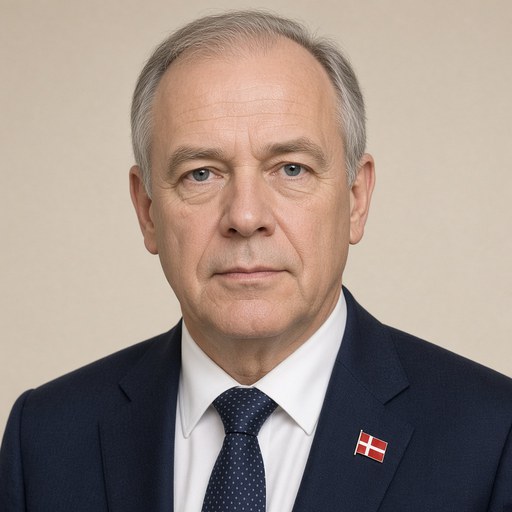
Prime Minister Poul Nyrup Rasmussen's opening statement in the Folketing on Tuesday, October 3, 2000, at 12:00 PM - oral part.
 Poul Nyrup Rasmussen · Prime Minister of Denmark
- Context
- Rasmussen addressed the Folketing at its opening session on October 3, 2000, days after Denmark voted to reject the euro in a referendum.
- Main themes
- Euro referendum result, Danish welfare state, globalization and knowledge economy, Denmark's relationship with Europe, parliamentary agenda, social cohesion and equality, sustainable development, public sector reform, citizen-centered governance, new international economy
- Duration
- ~49 min
- Words
- 5,877
- Sentences
- 395
- Readability
- 40
- Grade
- 11.0
- Syntax
- 2.55
- Vocabulary
- 2.10
Translated from Danish
The broad sphere of national life a sentence belongs to. Every sentence has an Arena, so it is the denominator the other indices are read against.
Other395 sentences in 214 paragraphs
Denmark's New Agenda
A new parliamentary year begins today. The first in the 21st century. An exciting year with plenty of challenges and new opportunities.
In that way, the opening of the Parliament this year is not different from previous years.
And yet. Something is different.
The referendum last Thursday was a decisive event for Denmark's future. And the result will have significant implications for the work of the Parliament.
I will not hide the fact that the clear no to Denmark's participation in the common currency changes Denmark's position in Europe.
It will sharpen the demands on the work in the Parliament and the government. The safeguarding and expansion of the Danish welfare state must now be achieved to a greater extent through our own efforts.
Therefore, both the government and the Parliament need to build a bridge between the Danes in relation to Europe. We need a new dialogue between the half of the Danes who said yes to the common currency and the larger half who said no.
In the coming months, it is up to us to show the rest of Europe that Denmark's no to the euro is not a no to Europe. We do not turn our backs, and we do not want Europe to turn its back on us.
* * *
There are three fundamental conditions that form the basis for the political work in the coming years.
First: The result of the referendum on September 28, 2000. With a clear majority, the population decided to maintain the reservation regarding the common currency, the euro. The government will, of course, fully and completely respect that. This entails a number of consequences for what we can and will do in the EU.
Second: Globalization and the new international economy. Denmark's dependence on the outside world is today greater than ever. Regardless of the outcome of the referendum last Thursday, the constant international changes are a reality. They will be a condition of life for Denmark in the future – both as a source of our continued prosperity and in the form of pressure on our welfare.
Third: Ourselves in Denmark. Our values and cohesion. Our own political will, ability to act, and capacity for cooperation. Our economic strength in society as the foundation for our new progress.
The government's main goal is to make our society increasingly resilient to changes – both internally and externally.
The government is presenting today – simultaneously with my oral statement – our supplementary government platform as well as the written legislative program.
New International Conditions
We are currently in one of those moments in history where the global community is undergoing fundamental change. The upheavals we are experiencing right now can be compared to the shift from agrarian society to industrial society. We are entering a new economy – the global knowledge economy.
The government has often stated that we want to ensure a sustainable society – a sustainable society with both development and balance – and with clear rights and obligations for all citizens.
Now the global community is a reality with all the demands for rapid change that it places on us. A knowledge economy driven by new technology. An economy that knows no national borders. Where even the most Danish of Danish companies merge with foreign competitors. The changes are coming faster and faster. In IT companies, they talk about Internet years that last three months.
This requires strong competitive companies with well-educated, motivated employees and a high degree of cohesion in society.
The price of development must not be exploitation of natural resources. The price of development must also not be that people are thrown into an economic centrifuge, excluded, and abandoned.
The government's vision for the 21st century is that we must meet these challenges with our heads held high – aware of the unique opportunities we have to shape development abroad and create a sustainable society at home.
We want jobs, prosperity, and security for all. We will combat the forces that create exclusion and new social inequality.
We must combat powerlessness. Prevent division and polarization in our own society and contribute to international solidarity. We must put citizens at the center in relation to the public sector, the welfare of the future, and the challenges of globalization. We must ensure opportunities for creativity, dynamism, change, and progress.
Therefore, we will hold on to the strong society that sets the framework, places limits on the free play of market forces, and provides welfare services and security to citizens regardless of the size of their private wallets.
The rules and institutions of society must always serve the interests of the citizens. We must put an end to system thinking that boxes citizens and employees into categories and makes it difficult to exercise one's citizenship.
The welfare society of the future is shaped in a partnership between citizens, businesses, and politicians. Active citizens who engage in the development of the community, dynamic businesses that exploit the opportunities of the knowledge society. And politicians in Christiansborg and in the municipalities who provide the framework for solidarity, security, and progress.
Denmark in the Year 2000
The results of the government's economic policy since 1993 speak for themselves:
employment has increased by 200,000 people unemployment has not been lower in the last 25 years
4 out of 5 new jobs have been created in the private sector we have a surplus on the balance of payments we have large surpluses in the public budgets inflation remains historically low and purchasing power is at its peak
At the same time as order has been restored in the economy, the Danes have been able to increase consumption by 20 percent over the last seven years. The economy has been restored, and the welfare society has been expanded. The Danes have taken action. These are good times.
The foundation is in order. To ensure a sustainable society, it will also require in the future:
That we continue to bring down public debt
And that more people enter employment.
The budget proposal for 2001 is technically based on a Danish yes to participation in the common currency, the euro. Negotiations on the budget for 2001 begin now, and in this context, the government is ready to tighten fiscal policy if necessary for the sake of the fixed exchange rate policy.
Denmark will continue the previous fixed exchange rate policy within the framework of our currency cooperation ERM2's narrow bands. Denmark's clear statements about wanting to defend the value of the krone have so far created stability around the krone. Therefore, there is currently no need to change the fiscal policy line. But I want to make it very clear that if pressure arises on the krone, the government will not hesitate to implement the necessary fiscal tightening to defend the fixed exchange rate policy.
It is necessary for Denmark's continued growth that even more people enter the workforce. We are getting more elderly, and the youth cohorts are smaller. The government will work to increase employment by an additional 100,000 over the next 10 years.
The increased employment must provide room for continued growth in the private sector and for an expansion of public services.
Denmark in the Knowledge Society
Globalization and the new international economy we find ourselves in provide us with both opportunities and new demands.
These changes mean that most people will change jobs more often than before.
Education
In the knowledge society, lifelong education is the key to welfare – both for the individual and for society.
The government will discuss the framework for higher education with the parties in the autumn. The discussions will focus on improving the quality of education and on how resources can be utilized optimally so that more people obtain a higher education – and fewer drop out.
The number of apprenticeship and internship positions is historically low. This is unacceptable in a situation where companies are demanding skilled labor, and where the cohorts are small. The labor market parties must recognize their responsibility and, in cooperation with educational institutions, solve this important task.
Research
Strong research positions are crucial for the continued development of Danish society. The government will further strengthen the research area. At the same time, the interaction between public and private research must be enhanced to promote innovation in business.
The Role of the Public Sector in the Knowledge Society
It is the government's goal that Denmark fully and completely participates in the knowledge society. Investments in infrastructure, education, and research must be our contribution.
The public administration must be digitized. Citizens and businesses must have the opportunity to communicate with the authorities 24 hours a day and to a much greater extent utilize electronic self-service.
The Knowledge Society and a Strong Business Sector
With the government's business strategy, .dk21, a business policy has been launched that will create the framework for companies' transition to the knowledge society.
It is important that Denmark gets its share of the many new jobs created in the knowledge society.
Denmark must therefore be an attractive country to invest in. The government proposes that the corporate tax be lowered to 30 percent, and that more stable frameworks for pension savings, investment in stocks, and risk capital for smaller companies be ensured.
The government will work to ensure that all areas of the country have good development opportunities. And that the resources available locally are utilized as best as possible.
The government will initiate a study regarding the regions that have had a less favorable development in income and employment. There will be an examination of what can explain the development in these regions and what barriers and opportunities exist for growth.
The government will, together with the municipalities, investigate how to further support a positive development in the economically weaker parts of the country.
* * *
In a number of products, prices and margins in Denmark are higher than in our neighboring countries. This affects consumers. It suggests that there are problems with competition. The causes of the problems must be identified. It must be considered whether we can take initiatives that can reduce the differences.
* * *
Investments in Denmark's Future
Society's investments in the coming 10 years will include people's living conditions and the transition to the knowledge society.
In a few years, there will be many more elderly people. The government will ensure that municipalities can build more elderly housing.
We will improve the public school system. Many schools are in urgent need of renovation. We will work with the municipalities to ensure that all schoolchildren have access to the Internet. A proper public school is the foundation of the knowledge society.
The infrastructure must be expanded so that Denmark can develop the knowledge society. Most investments in broadband and networks will be private. But there will also be a need to invest in bringing the public sector into the knowledge society.
The two major fixed links over the Great Belt and the Øresund are now open. Regarding considerations about the Fehmarn Belt, the Danish and German governments have agreed to investigate whether private investors will take on the establishment of a coast-to-coast connection.
There will be a need for investments in public transport and in the expansion and maintenance of the road network in Denmark.
The government will continue its efforts to improve the social and physical conditions in disadvantaged urban areas. This will be done through neighborhood uplift. An effort in cooperation with residents, municipalities, and local businesses. Everyone should have opportunities for an active life – regardless of disability.
The government will present a report on public investments – 'Investments in Denmark's Future' – by the end of the year. It is an exciting project with coherence and perspective for all citizens. The report will be presented for discussion in the Parliament and will form the basis for prioritizing public investments over the next 10 years.
The Sustainable Welfare Society
It is in our common interest and a shared responsibility to develop a Denmark where more than just economic progress binds us together.
The increased internationalization means that the role of art and culture becomes even more important – as a foundation for our common value base, where vision and willingness to be inspired – also from others – is important. It is my belief that Danishness becomes more beautiful in harmony with others.
In recent years, there has been a significant expansion of the physical framework for state cultural institutions. And soon a new opera house and a new theater for the Royal Theater will follow.
In this parliamentary session, the government will propose a modernization of the museum law and a strengthening of the conditions for visual arts.
* * *
The government had a good dialogue with citizens at the public hearings in the spring. The dialogue must continue. We must build the Danish society on cohesion. Not least when it comes to improvements in the four core areas of the welfare society.
Care for the Elderly
The Danish tax-funded public pension with a basic amount and pension supplement is the secure foundation for current and future pensioners.
The government will ensure that the economically worst-off pensioners receive better, more uniform treatment across the country. Personal supplements must be awarded uniformly based on need, regardless of where in the country the pensioner lives. Furthermore, it must be examined whether the rules for heating assistance adequately compensate for rising energy prices.
Care for the elderly works well in most places. But the efforts in the elderly sector can and must improve. There must be an extra effort for the weakest.
There must be dignity and respect in elderly care. Assistance must be more individually tailored, and the elderly – and their relatives – must have a say. Home care must be provided with respect for the individual elderly person's special needs and priorities.
The government will ensure a continued high rate of expansion of elderly housing. In particular, elderly housing with care and support options must be prioritized for the benefit of the weakest elderly and those with dementia.
Hospitals
It is the government's goal that everyone should have equal access to free hospital treatment of high quality and without unnecessary waiting times. The patient must be at the center, and the level of service must be high. Dignity and respect for the individual are crucial for a well-functioning healthcare system.
Last year, the government and the counties agreed on an ambitious strategy for healthcare policy until 2002. The goals are: efficient resource utilization and high quality, shorter waiting times, and clear communication.
Treatment guarantees have been implemented for certain life-threatening diseases. The treatment guarantee ensures that if the patient cannot be treated in Denmark, the patient must be offered treatment abroad.
The government has prioritized strengthening the cancer sector. In the coming years, resources will also be allocated for a significant expansion of treatment capacity in the form of more scanners and radiation machines.
More treatments and better service require well-trained personnel. Continued extra efforts must be made to ensure the necessary personnel for the healthcare sector through reform of social and health education and the medium-length, higher health education programs.
The government will encourage the parties to discuss how to make professional boundaries more flexible.
Public hearings in the health sector have shown that continuity in the patient journey through better information and involvement of the patient are central elements in the individual's assessment of the healthcare system.
The goal is that all medical patients should have a treatment and examination plan on the first day: Each patient should be assigned a healthcare professional contact person who will coordinate the admission process and information.
Especially older patients feel that there is often a lack of clear continuity in rehabilitation. Therefore, the hospital must prepare a plan for the further rehabilitation process no later than at the time of the patient's discharge.
The rehabilitation efforts for severely brain-injured individuals must be intensified with centers in East and West Denmark.
The inclusive labor market
The government will increase efforts to get more people into employment. First and foremost, by making room for everyone in the labor market. Persons with reduced work capacity, the long-term unemployed, and—most importantly—immigrants and their descendants must be ensured a place in the labor market.
The overarching framework for a continued expansion of the inclusive labor market is being put in place. Municipalities must now begin to develop action plans for local efforts. The government will continuously monitor the efforts, including through discussions with municipalities and labor market parties, who have a crucial responsibility.
Immigrants and their descendants are part of Danish society. They have added new dimensions, and they contain resources that should be used for the benefit of the individual and society.
The key to integration lies in the labor market.
A special effort must be made to avoid discrimination against immigrants. The government will, together with the parties in the labor market, establish an action plan for this.
Early retirement reform
In the coming parliamentary year, the government will present proposals for an early retirement reform. The purpose of the reform is to create employment opportunities for the many who want to work, even if they do not have full work capacity.
A new work capacity criterion will focus on what the individual can do. Today, only health weaknesses are considered, and thus what the individual cannot do.
The prerequisite for the success of the reform is that a sufficient number of flexible jobs are created. The labor market parties have a significant shared responsibility here. We all share this responsibility.
Long-term unemployment must be eliminated
The government will increase the quality of activation efforts. Activation must be made more flexible. There must be prospects in activation and education offers. This applies regardless of whether the unemployed are insured or not.
To strengthen the connection to the labor market for recipients of social assistance, the government will propose that the availability rules be changed so that they correspond as closely as possible to the rules for insured unemployed individuals.
The government encourages municipalities and the Employment Agency to test new ways of organizing activation and placement, including by involving new actors.
Family and public schools
In collaboration with municipalities, many daycare offers for the youngest have been established, but much can still be improved.
Most municipalities today have a fully comprehensive childcare arrangement. And there is hope that even more municipalities will join.
At the same time, the government would like municipalities to make it possible for parents to choose care in neighboring municipalities or in the municipality where they work through mutual agreements.
The public school is one of the fundamental cultural institutions in society.
To create the best conditions for learning and well-being, it is necessary to continue working to make the public school more inclusive, so that there are meaningful challenges for all children regardless of personal conditions and cultural and social backgrounds. For the benefit of both students, parents, and teachers and their mutual cooperation, more precise and transparent goals for teaching should be established.
In this context, there is reason for extra attention to public schools with particularly many social problems.
Sustainability in society
Environment and climate
In the environmental area, our high level of activity must be continued.
The government attaches high priority to working on a national strategy for sustainable development.
In the climate area, a long-term assessment of the development of energy, transport, and agricultural policy must be made. This work is part of the preparation for Denmark's ratification of the Kyoto Protocol, which we hope can come into force in 2002.
The emission of environmentally harmful substances must be further reduced.
The individual companies' environmental efforts must be strengthened by tightening requirements for green corporate accounts.
The chemical pressure must be reduced. In the work on the Danish chemical strategy, allergenic and hormone-disrupting substances will be included in the efforts for better health and environment.
The government has taken the first step towards the foundation for a national nature action plan to ensure biological diversity. At the same time, the government has initiated a debate on whether the public's access to nature is sufficiently secured today.
Efforts to ensure better resource utilization and stop the growth in waste volumes must be strengthened.
Health and working environment
Health
The government's public health program from last year has initiated a broad and long-term effort for longer life and more good years for Danes.
Massive efforts must be made to prevent children and young people from starting to smoke. Daycare institutions and schools must be smoke-free where children are present.
Alcohol consumption must be reduced, especially among young people. The healthcare system must contribute more with advice and guidance on healthy living.
The government will encourage all workplaces to develop health policies.
Healthy food
The government will continue efforts for better and safer food both at home and in the EU.
With the establishment of a single food control system, quick and effective action can be taken against sources of foodborne diseases at all stages of the food chain. Food control must be targeted, and the results of investigations must be consistently published.
The government will reorganize food research so that research is better coordinated and thus further strengthened. The government's research efforts will be guided by the fundamental belief that ecology, sustainability, and food safety are central elements in a sustainable society. In particular, the government will strengthen research efforts in the field of ecology and ensure that there is progress in the transition to organic farming.
Working environment
The number of workplace accidents is still far too high.
Employee wear and tear must be reduced, and the number of workplace accidents must be decreased.
Sick leave in Danish workplaces is also far too high in many places. It is the government's goal that there should be a significant reduction. For example, halving sick leave would correspond to the work effort of 50,000 people per year. In collaboration with the labor market parties, the government will establish an action plan for how sick leave can be reduced in public and private workplaces.
Among the initiatives that the government will propose is a scheme that financially encourages companies to create a better working environment. However, ultimately, it is at the individual workplace that the working environment is secured.
A strengthened effort must also be implemented in public sector workplaces. Wear and tear in public workplaces—especially in the social and health sector and in transport—must be reduced.
The legal area
It is a fundamental prerequisite for a safe society that we can keep crime down. And Denmark has, in comparison with other countries, low crime rates.
The fight against well-known forms of crime continues to be a high priority. But we must also address new forms of crime. I am thinking here, among other things, of human trafficking, the trade in women, and the spread of child pornography over the Internet.
The government will actively monitor developments to ensure effective law enforcement in these areas. The government will be ready to take swift initiatives if it turns out that current resources are insufficient to effectively combat new crime.
The government will propose to improve support for victims of crimes and to increase compensation for personal injuries.
* * *
The Realm
The government considers the realm to be the best foundation for future cooperation between Denmark, Greenland, and the Faroe Islands.
The government is committed to a continued development of the realm through cooperation based on mutual trust, openness, and respect.
The Faroe Islands
The government is currently negotiating with the Faroese government regarding the government's wishes for Faroese sovereignty.
I have previously emphasized that the government prefers that the Faroe Islands remain part of the realm with Denmark and Greenland. I would like to repeat this position today and at the same time emphasize that this is a choice that can only be made by the Faroese people.
And regardless of which path the Faroese people choose, the government will work to ensure that we jointly find a proper and dignified solution that looks forward and that both parties can benefit from.
We have come a long way in the negotiations. A number of principles for future cooperation have been clarified, but it must also be noted that there is still significant work to be done.
The Folketing's special 21-member committee regarding the Faroe Islands has been continuously informed, and prior to each negotiation, the government has sought the parties' views on the negotiations.
* * *
Greenland
On September 14, Greenland concluded negotiations with the EU Commission on a new fisheries agreement with a result that both parties can be satisfied with. The negotiation result, which includes a six-year agreement on EU countries' fishing in Greenlandic waters, must now be approved by the EU Parliament and by the member states.
The agreement documents the EU's interest in maintaining good and stable relations with the Arctic region. This was also evident during the Commission President's visit to Greenland this summer, where a stronger cooperation between the EU and Greenland was proposed for the future.
The Greenlandic society faces many challenges in the coming years. Also for Greenland, a number of new opportunities arise in connection with the rapid development in information technology—opportunities that a country with Greenland's geography can particularly benefit from.
Greenland's home rule has established a self-government commission to report on the possibilities for developing Greenland's independence within the framework of the realm. The government is prepared to discuss the wishes that may result from the commission's work.
Denmark in Europe
More than half of the Danish population has said no to Denmark participating in the common currency. The government naturally takes the result into account. The referendum is over. And now it is about making the best of the situation for the benefit of Denmark.
The result of the referendum means that votes on the repeal of the Danish reservations are not currently relevant.
The very high voter turnout and the very clear decision emphasize that the result was broadly based. Therefore, no single organization or no party can claim ownership of the election result. It was the people's decision and the people's alone.
The referendum result was not the Danes' no to Europe. The Danish voters have not turned their backs on Europe.
The government will safeguard Denmark's interests in EU cooperation and contribute to addressing a number of common tasks in Europe. Let me mention:
Better cooperation on employment and economic growth. Better cooperation to counter unfair tax competition, so that we can also secure financing for our welfare societies in the future.
Stronger environmental efforts.
Better consumer protection and greater food safety.
Combating international crime and illegal immigration.
* * *
The government's vision for European cooperation is simple:
Europe is a place where independent nations cooperate with each other economically and politically. A cooperating Europe among independent nations. A Europe that comes together to solve the problems that individual countries cannot solve alone.
Therefore, I would also like to urge, on behalf of the government, that in the ongoing debate here in the Folketing and among the population, we do not allow ourselves to be divided or split by claims that there are those who defend Denmark's sovereignty and those who sell out. No one – neither those who voted yes nor those who voted no on September 28 wants a European superstate. Instead, let us help each other clarify the debate about what the European Union really is, what it should lead to, and what Denmark's role should be in the future.
The government will continue its work for greater openness and transparency in EU affairs.
We will promote cooperation on reasonable common goals for employment, but through national means – as we also decided to proceed with in the spring.
Although the referendum was solely about Denmark's participation in the common currency, I believe we have all encountered the viewpoint that EU cooperation is a slippery slope. That we are determining less and less for ourselves. That is not our experience of the cooperation. But the concern is widespread, and therefore it must be taken seriously.
The idea of establishing a clearer demarcation of what the EU can and cannot do is not new. It was last discussed during the Amsterdam negotiations in 1998. It is a sympathetic thought, which is also being worked on in other countries. Therefore, we will, after all indications, at some point need to discuss the distribution of competencies between the EU on one side and the member states on the other side with the other member states. It would be a good idea to prepare for this discussion.
It will not be an easy task. And it is far from certain that it will be the right answer to solving the challenges that we cannot handle alone in the future. This task cannot be solved in the ongoing intergovernmental conference. It does not belong there. We must not mix things up. We must not risk delaying the enlargement.
But we can already consider how we can initiate a process. It is a question I would like to discuss with the parties.
* * *
The intergovernmental conference is now entering the decisive phase. For the government, it is crucial that the negotiations are concluded in Nice in December, so that the EU's own preparations for enlargement can be completed as soon as possible. The goal is that we should be ready to admit new member states after the Danish presidency in the autumn of 2002.
The government has always maintained that the intergovernmental conference should focus on the issues that are necessary for the sake of enlargement. This has been successful so far. We will maintain that line.
The government's negotiating basis is clear and remains unchanged. A broad majority of the parties in the Folketing supports the negotiating basis. It is our assessment that there is no need for change in this regard. But the government is happy to listen to the parties' viewpoints.
The government finds it important to maintain close contact with the political parties in the final phase leading up to the Nice summit. It is important that we ensure the necessary openness in the negotiation process. We will, of course, also keep close contact with the Folketing's European Committee.
* * *
The EU's enlargement process has gotten off to a good start. Not least thanks to Denmark's active and dynamic role. The process is proceeding well and at a high pace.
Denmark must continue to exert the greatest possible influence on this major project. The government's goal is for the enlargement to be realized as quickly as possible.
The government also wishes to see European cooperation as a response to the global challenge. The globalization of the economy requires the globalization of politics. Just as the industrial market economies in each country were early on bound by a proactive public sector and societal regulation, the global economy must also be organized according to common rules. These must ensure workers' rights, environmental considerations, and consumer interests while also meeting the fundamental demands of developing countries. And it is through European cooperation that we can promote such international development.
* * *
The government has thus outlined its European policy lines – both in the short and long term. But we also want dialogue. And we want to listen to the parties' positions here in the Folketing.
We will therefore take the following initiatives:
Public hearings in collaboration with a number of interested parties throughout Danish society. The task must be to organize a long-term dialogue with the Danish people about Europe and the challenges we face.
The government will already next week invite the parties in the Folketing to a meeting to discuss the parties' views on Denmark's participation in EU cooperation in the longer term, including the European policy that the government has presented today.
At the same time, the government will encourage the parties to consider how the debates and decisions in the Folketing can be broadened and thus made more accessible.
The government does not wish to draw hasty conclusions with this overall proposal. The important thing is that we now take the necessary time in a well-organized dialogue with the population and here in the Folketing about the long-term development lines over the coming years.
The future requires cooperation throughout society.
The future requires more collaboration, cohesion, and engagement. Not less. The threat to the future is not that we people, parties, and countries cooperate too much, but too little.
That is how it is: Only by being strong with a good community internally – can we manage internationally. And only by being active internationally and making an impact, do we ensure the future of our own society.
The foundation of our Danish society is people's skills, ingenuity, continuous education, and work effort, as well as a healthy economy – the marketing of goods in the outside world and political influence.
We can make our mark. We can make a difference. If we organize things correctly and stick together internally and externally.
I also say this to those people who are rightly uncertain and worried. We consider it a primary task to keep the entire population together. Our tradition, our values are based precisely on conversation, dialogue, cooperation, and cohesion.
This applies to cooperation with the business community, where only close collaboration – also with the research community and the technological development centers – can create the dynamism that is needed and to the benefit of us all, but also to ensure that Denmark gets its share of the new, exciting, and future-oriented jobs.
This applies to a committed collaboration with the labor market parties, which can ensure that through a joint effort we achieve the results we have set for the Danish labor market.
Finally, this applies to an intensification of cooperation between the state, municipalities, and counties – when we are rightly so proud of our decentralized democracy, where a very significant part of our welfare society's task solutions is delegated to municipalities and counties. Yes, then we must also cooperate very closely so that equality and equal treatment are ensured.
We are now beginning a new parliamentary year.
The government has set it as its ambition to ensure a Denmark that is well-equipped for the 21st century – a sustainable society with a healthy economy, social cohesion, and a sustainable environment.
We must continue to set ambitious goals. Our welfare society must be improved and take on new challenges. In the new supplementary government platform, the government has formulated new goals for Denmark. Welfare must be improved in the central areas. And we must look ahead and develop the new knowledge society – in a way that everyone can be included.
I would like to invite all responsible parties to participate in solving these important tasks, which in the short and longer term can ensure a sustainable Denmark.
May I suggest that we begin the work of the Folketing by proclaiming a long live Denmark.
LONG LIVE DENMARK
The original Danish. The tags above are read on the English translation's sentences.
Danmarks nye dagsorden
Et nyt folketingsår begynder i dag. Det første i det 21. århundrede. Et spændende år med masser af udfordringer og nye muligheder.
På den måde adskiller Folketingets åbning i år sig ikke fra tidligere.
Og dog. Noget er anderledes.
Folkeafstemningen i torsdags var en afgørende begivenhed for Danmarks fremtid. Og resultatet får væsentlig betydning for Folketingets arbejde.
Jeg vil ikke lægge skjul på, at afstemningens klare nej til Danmarks deltagelse i den fælles valuta ændrer Danmarks position i Europa.
Det vil skærpe kravene til arbejdet i Folketinget og regering. Sikringen og udbygningen af det danske velfærdssamfund skal nu i højere grad ske ved egne kræfter.
Derfor har såvel regering som Folketinget brug for at bygge bro mellem danskerne i forholdet til Europa. Vi har brug for en ny dialog mellem den halvdel af danskerne, der sagde ja til den fælles valuta og den større halvdel der sagde nej.
I de kommende måneder er det op til os selv at vise resten af Europa, at det danske nej til euroen ikke er et nej til Europa. Vi vender
ikke
ryggen til, og vi ønsker ikke, at Europa vender ryggen til os.
* * *
Der er tre grundlæggende betingelser, som danner grundlaget for de kommende års politiske arbejde.
For det første: Resultatet af folkeafstemningen den 28. september 2000. Med et klart flertal besluttede befolkningen at fastholde forbeholdet for den fælles valuta, euroen. Det vil regeringen naturligvis respektere fuldt og helt. Det indebærer en række konsekvenser for, hvad vi kan og vil i EU.
For det andet: Globaliseringen og den ny internationale økonomi. Danmarks afhængighed af omverdenen er i dag større end nogensinde. Uanset udfaldet af folkeafstemningen i torsdags er de konstante internationale forandringer en realitet. De vil være et livsvilkår for Danmark i fremtiden – både som en kilde til vores fortsatte velstand og i form af et pres på vores velfærd.
For det tredje: Os selv i Danmark. Vores værdier og sammenhold. Vores egen politiske vilje, handlekraft og evne til samarbejde. Vores økonomiske styrke i samfundet som fundamentet for vores nye fremskridt.
Regeringens hovedmål er at gøre vort samfund stadig mere holdbart overfor forandringer – indadtil som udadtil.
Regeringen fremlægger i dag - samtidig med min mundtlige redegørelse – vores
supplerende regeringsgrundlag
samt
det skriftlige lovprogram
.
Nye internationale vilkår
Vi står netop nu i et af de øjeblikke i historien, hvor verdenssamfundet er i gang med at forandre sig fundamentalt. De omvæltninger, vi oplever netop nu, kan måle sig med skiftet fra landsbrugssamfund til industrisamfund. Vi er på vej ind i en ny økonomi - den globale videnøkonomi.
Regeringen har ofte slået fast, at vi ønsker at sikre det holdbare samfund - et bæredygtigt samfund med både udvikling og balance - og med klare rettigheder og pligter for alle borgere.
Nu er det globale samfund en realitet med alle de krav om hurtig forandring, det stiller til os. En videnøkonomi som er drevet frem af ny teknologi. En økonomi som ikke kender til nationale grænser. Hvor selv de mest danske af de danske virksomheder fusionerer med udenlandske konkurrenter. Forandringerne kommer hurtigere og hurtigere. I IT-virksomheder taler man om Internetår, som varer tre måneder.
Det kræver stærke konkurrencedygtige virksomheder med veluddannede motiverede medarbejdere og stor sammenhængskraft i samfundet.
Udviklingens pris må ikke være rovdrift på naturressourcer. Udviklingens pris må heller ikke være, at mennesker smides ud i en økonomisk centrifuge, udstødes og opgives.
Regeringens vision for det 21. århundrede er, at vi skal møde disse udfordringer med rank ryg - bevidste om de særlige muligheder vi har for at præge udviklingen ude og skabe det holdbare samfund hjemme.
Vi ønsker arbejdspladser, velstand og tryghed for alle. Vi vil bekæmpe de kræfter, der skaber udstødning og ny social ulighed.
Vi skal bekæmpe magtesløshed. Forhindre splittelse og polarisering i vort eget samfund og bidrage til international solidaritet. Vi skal sætte borgerne i centrum i forhold til den offentlige sektor, fremtidens velfærd og globaliseringens udfordringer. Vi skal sikre mulighed for kreativitet, dynamik, forandring og fremgang.
Derfor vil vi holde fast i det stærke samfund, der sætter rammer, lægger bånd på markedskræfternes frie spil og levere velfærdsservice og tryghed til borgerne uafhængigt af deres private pengepungs størrelse.
Samfundets regler og institutioner skal altid tjene borgernes interesser. Der skal gøres op med systemtænkning, der sætter borgerne og de ansatte i kasser og båse og gør det vanskeligt at få sin borgerret.
Fremtidens velfærdssamfund formes i et partnerskab mellem borgere, virksomheder og politikere. Aktive borgere, der engagerer sig i fællesskabets udvikling, dynamiske virksomheder, der udnytter vidensamfundets muligheder. Og politikere på Christiansborg og i kommunerne, der giver rammer for solidaritet, tryghed og fremgang.
Danmark anno 2000
Resultaterne af regeringens økonomiske politik siden 1993 taler sit eget tydelige sprog:
beskæftigelsen er steget med 200.000 personer
arbejdsløsheden har ikke været lavere i de sidste 25 år
4 ud af 5 nye jobs er skabt i den private sektor
vi har overskud på betalingsbalancen
vi har store overskud på de offentlige budgetter
inflationen er fortsat historisk lav og købekraften i top
Samtidig med, at der er bragt orden i økonomien, har danskerne i de sidste syv år kunnet øge forbruget med 20 pct. Økonomien er blevet genoprettet, velfærdssamfundet er blevet udbygget. Danskerne har taget fat. Det er gode tider.
Fundamentet er i orden. For at sikre det holdbare samfund kræver det også fremover:
At vi fortsætter med at bringe den offentlige gæld ned
Og at flere kommer i beskæftigelse.
Finanslovsforslaget for 2001 bygger teknisk på et dansk ja til deltagelsen i den fælles valuta, euroen. Forhandlingerne om Finansloven for 2001 begynder nu, og i forbindelse hermed er regeringen rede til at stramme finanspolitikken, hvis der er behov for det af hensyn til fastkurspolitikken.
Danmark vil fortsætte den hidtidige fastkurspolitik inden for rammerne af vort valutasamarbejde ERM2’s snævre bånd. Danmarks klare tilkendegivelser om at ville forsvare kronens værdi, har indtil videre skabt stabilitet omkring kronen. Der er derfor ikke på nuværende tidspunkt behov for at ændre den finanspolitiske linie. Men jeg vil gerne gøre det helt klart, at opstår der pres på kronen vil regeringen uden tøven gennemføre de nødvendige finanspolitiske stramninger for at forsvare fastkurspolitikken.
Det er nødvendigt for Danmarks fortsatte vækst, at endnu flere kommer i arbejde. Vi bliver flere ældre og ungdomsårgangene mindre. Regeringen vil arbejde for, at beskæftigelsen kan øges med yderligere 100.000 i løbet af de næste 10 år.
Den øgede beskæftigelse skal give plads til fortsat vækst i den private sektor og til en udbygning af den offentlige service.
Danmark i Vidensamfundet
Globaliseringen og den ny internationale økonomi vi befinder os i, giver os både muligheder og stiller nye krav.
Disse forandringer betyder, at langt de fleste kommer til at skifte job flere gange end tidligere.
Uddannelse
I vidensamfundet er livslang uddannelse nøglen til velfærd - både for den enkelte og for samfundet.
Regeringen vil i efteråret drøfte rammerne for de videregående uddannelser med partierne. Drøftelserne skal fokusere på forbedringer af uddannelsernes kvalitet og på, hvordan ressourcerne udnyttes optimalt, så flere får en videregående uddannelse – og færre falder fra.
Antallet af lære- og praktikpladser er historisk lavt. Det er uacceptabelt i en situation, hvor virksomhederne efterspørger dygtig faglært arbejdskraft, og hvor årgangene er små. Arbejdsmarkedets parter må kende deres ansvar og i samarbejde med uddannelsesinstitutionerne løse denne vigtige opgave.
Forskning
Stærke forskningspositioner er afgørende for den fortsatte udvikling af det danske samfund. Regeringen vil styrke forskningsområdet yderligere. Samtidigt skal samspillet mellem offentlig og privat forskning forstærkes for at fremme innovation i erhvervslivet.
Det offentliges rolle i vidensamfundet
Det er regeringens mål, at Danmark fuldt og helt skal deltage i vidensamfundet. Investeringer i infrastruktur, uddannelse og forskning skal være vores bidrag.
Den offentlige forvaltning skal digitaliseres. Borgere og virksomheder skal have mulighed for at kommunikere med myndighederne i alle døgnets 24 timer og i langt højere grad at benytte sig af elektronisk selvbetjening.
Vidensamfundet og et stærkt erhvervsliv
Med regeringens erhvervsstrategi, .dk21 er der lanceret en erhvervspolitik, som vil skabe rammerne for virksomhedernes overgang til vidensamfundet.
Det er vigtigt, at Danmark får sin andel af de mange nye job, som skabes i vidensamfundet.
Danmark skal derfor være et attraktivt land at investere i. Regeringen foreslår, at selskabsskatten sænkes til 30 pct., og at der sikres mere stabile rammer for pensionsopsparing, investering i aktier og risikovillig kapital til mindre virksomheder.
Regeringen vil arbejde for, at alle områder i landet har gode udviklingsmuligheder. Og at de ressourcer, der findes lokalt, udnyttes bedst muligt.
Regeringen vil sætte en undersøgelse i gang vedrørende de regioner, der har haft en mindre gunstig udvikling i indkomst og beskæftigelse. Der vil blive set på, hvad der kan forklare udviklingen i disse regioner, og hvilke barrierer og muligheder, der er for vækst.
Regeringen vil sammen med kommunerne undersøge, hvorledes man i endnu højere grad kan understøtte en positiv udvikling i de økonomisk svagere dele af landet.
* * *
På en række produkter er priser og avancer i Danmark højere end i vore nabolande. Det går ud over forbrugerne. Det tyder på, at der er problemer med konkurrencen. Årsagerne til problemerne skal identificeres. Det skal overvejes, om vi kan tage initiativer, der kan reducere forskellene.
* * *
Investeringer i Danmarks fremtid
Samfundets investeringer i de kommende 10 år vil omfatte menneskers levevilkår og overgangen til vidensamfundet.
Der bliver om nogle år mange flere ældre. Regeringen vil sikre, at kommunerne kan bygge flere ældreboliger.
Vi vil gøre folkeskolen bedre. Mange af skolerne trænger stærkt til renovering. Vi vil sammen med kommunerne sikre, at alle skolebørn har adgang til Internet. En ordentlig folkeskole er grundlaget for vidensamfundet.
Infrastrukturen skal udbygges så Danmark kan udvikle vidensamfundet. De fleste investeringer i bredbånd og netværk vil være private. Men der vil også være behov for at investere i at føre den offentlige sektor ind i vidensamfundet.
De to store faste forbindelser over Storebælt og Øresund er nu åbnet. Når det gælder overvejelserne om Femer Bælt har den danske og den tyske regering aftalt at undersøge om private investorer vil stå for etableringen af en kyst til kyst forbindelse.
Der vil være behov for investeringer i den kollektive trafik og i udbygning og vedligeholdelse af vejnettet i Danmark.
Regeringen vil fortsætte sin indsats for at forbedre de sociale og fysiske forhold i udsatte byområder. Det skal ske gennem kvartersløft. En indsats i samarbejde med beboerne, kommunerne og det lokale erhvervsliv. Alle skal have muligheder for en aktiv tilværelse – uanset handicap.
Regeringen vil inden udgangen af året fremlægge en redegørelse om offentlige investeringer – 'Investeringer i Danmarks fremtid'. Det er et spændende projekt med helhed og perspektiv for alle borgere. Redegørelsen vil blive lagt frem til drøftelse i Folketinget og danne grundlag for prioriteringer af de offentlige investeringer over de næste 10 år.
Det holdbare velfærdssamfund
Det er i en fælles interesse og et fælles ansvar at udvikle et Danmark, hvor andet og mere end blot økonomisk fremgang binder os sammen.
Den øgede internationalisering betyder, at kunstens og kulturens rolle bliver endnu vigtigere - som et fundament for vort fælles værdigrundlag, hvor udsyn og vilje til inspirationen - også fra andre - er vigtigt. Det er min opfattelse, at danskhed er noget, der bliver smukkere i samklang med andre.
I de forløbne år er der sket en fornem udbygning af de fysiske rammer for de statslige kulturinstitutioner. Og snart følger et nyt operahus og et nyt skuespilhus til Det Kongelige Teater.
I denne folketingssamling vil regeringen lægge op til en modernisering af museumsloven og en styrkelse af billedkunstens vilkår.
* * *
Regeringen havde en god dialog med borgerne på folkehøringerne i foråret. Dialogen skal fortsætte. Vi skal bygge det danske samfund på samhørighed. Ikke mindst når det gælder forbedringer inden for velfærdssamfundets fire kerneområder.
Omsorgen for ældre
Den danske skattefinansierede folkepension med grundbeløb og pensionstillæg er det sikre grundlag for nuværende og kommende pensionister.
Regeringen vil sikre de økonomisk dårligst stillede pensionister en bedre, mere ensartet behandling ud over hele landet. Personlige tillæg skal tildeles ensartet efter behov, uanset hvor i landet pensionisten bor. Der skal endvidere ses på om reglerne for varmehjælp kompenserer godt nok for de stigende energipriser.
Omsorgen for de ældre fungerer godt langt de fleste steder. Men indsatsen på ældreområdet kan og skal blive bedre. Der skal gøres en ekstra indsats for de svageste.
Der skal være værdighed og respekt i ældreomsorgen. Hjælpen skal i højere grad være individuelt tilpasset og de ældre – og deres pårørende – skal have medindflydelse. Hjemmehjælpen skal ydes i respekt for den enkelte ældres særlige behov og prioriteringer.
Regeringen vil sikre en fortsat høj udbygningstakt af ældreboliger. Især skal ældreboliger med pleje- og omsorgsmuligheder prioriteres højt til gavn for de svageste ældre og demente.
Sygehuse
Det er regeringens mål, at alle skal have lige adgang til gratis sygehusbehandling med høj kvalitet og uden unødig ventetid. Patienten skal være i centrum og serviceniveauet højt. Værdigheden og respekten for den enkelte person er afgørende for et velfungerende sygehusvæsen.
Regeringen og amterne aftalte sidste år en ambitiøs strategi for sygehuspolitikken frem til 2002. Målene er: Effektiv ressourceudnyttelse og høj kvalitet, kortere ventetid og klar besked.
Der er gennemført behandlingsgarantier for visse livstruende sygdomme. Behandlingsgarantien sikrer, at hvis patienten ikke kan behandles i Danmark, skal patienten tilbydes behandling i udlandet.
Regeringen har prioriteret en styrkelse af kræftområdet. Der vil også i de kommende år blive afsat ressourcer til en væsentlig udbygning af behandlingskapaciteten i form af flere scannere og strålekanoner.
Flere behandlinger og bedre service kræver veluddannet personale. Der skal fortsat gøres en ekstra indsats for at sikre det nødvendige personale til sundhedssektoren gennem reform af social- og sundhedsuddannelserne og de mellemlange, videregående sundhedsuddannelser.
Regeringen vil opfordre parterne til at drøfte, hvorledes faggrænserne kan smidiggøres.
Folkehøringerne på sundhedsområdet har vist, at sammenhæng i patientforløbet gennem bedre information og inddragelse af patienten er centrale elementer i den enkeltes vurdering af sygehusvæsenet.
Det er målet, at alle medicinske patienter den første dag skal have en plan for behandling og undersøgelse: Den enkelte patient skal tilknyttes en sundhedsfaglig kontaktperson, der skal koordinere indlæggelsesforløb og information.
Især føler de ældre patienter, at der ofte mangler en klar sammenhæng i genoptræningen. Sygehuset skal derfor senest ved udskrivning af patienten udarbejde en plan for det videre genoptræningsforløb.
Genoptræningsindsatsen for svært hjerneskadede skal intensiveres med centre i Øst- og i Vest-Danmark.
Det rummelige arbejdsmarked
Regeringen vil øge indsatsen for at få flere i beskæftigelse. Først og fremmest ved at få plads til alle på arbejdsmarkedet. Personer med nedsat arbejdsevne, de sidste langtidsledige og – ikke mindst – indvandrere og deres efterkommere skal sikres en plads på arbejdsmarkedet.
De overordnede rammer for en fortsat udbygning af det rummelige arbejdsmarked er ved at være på plads. Kommunerne skal nu i gang med at udarbejde handlingsplaner for den lokale indsats. Regeringen vil løbende følge indsatsen, bl.a. gennem drøftelser med kommunerne og arbejdsmarkedets parter, der har et afgørende ansvar.
Indvandrere og deres efterkommere er en del af det danske samfund. De har tilført det nye dimensioner, og de rummer ressourcer, som skal bruges til gavn for den enkelte og for samfundet.
Nøglen til integration ligger på arbejdsmarkedet.
Der skal gøres en særlig indsats for at undgå diskrimination af indvandrere. Regeringen vil sammen med parterne på arbejdsmarkedet opstille en handlingsplan herfor.
Førtidspensionsreform
Regeringen vil i det kommende folketingsår fremlægge forslag til en førtidspensionsreform. Formålet med reformen er at skabe beskæftigelsesmuligheder for de mange, der gerne vil have et arbejde, selv om de ikke har fuld arbejdsevne.
Et nyt arbejdsevnekriterium skal sætte fokus på, hvad den enkelte kan. I dag ses kun på de helbredsmæssige svagheder, og dermed på, hvad den enkelte ikke kan.
Forudsætningen for, at reformen lykkes, er, at der skabes et tilstrækkeligt antal fleksjob. Arbejdsmarkedets parter har et stort medansvar her. Det har vi alle et medansvar for.
Langtidsledigheden skal afskaffes
Regeringen vil øge kvaliteten i aktiveringsindsatsen. Aktiveringen skal gøres mere fleksibel. Der skal være perspektiv i aktivering og uddannelsestilbud. Det gælder, uanset om den ledige er forsikret eller ej.
For at styrke tilknytningen til arbejdsmarkedet for kontanthjælpsmodtagere vil regeringen foreslå, at rådighedsreglerne ændres, så de i størst muligt omfang svarer til reglerne for forsikrede ledige.
Regeringen opfordrer kommunerne og Arbejdsformidlingen til at afprøve nye måder at tilrettelægge aktivering og formidling på, blandt andet ved inddragelse af nye aktører.
Familie og folkeskolen
I samarbejde med kommunerne er der oprettet mange dagtilbud til de mindste, men meget kan stadig gøres endnu bedre.
De fleste kommuner har i dag en fuldt dækkende pasningsordning. Og der er udsigt til, at stadig flere kommuner kommer med.
Samtidig ser regeringen gerne, at kommunerne gennem indbyrdes aftaler gør det muligt for forældre at vælge pasning i nabokommunen eller i den kommune, hvor man arbejder.
Folkeskolen er en af de bærende kulturinstitutioner i samfundet.
For at skabe de bedste betingelser for indlæring og trivsel er det nødvendigt, at der fortsat arbejdes med at gøre folkeskolen mere rummelig, så der er meningsfulde udfordringer for alle børn uanset personlige forudsætninger og kulturel og social baggrund. Til gavn for både elever, forældre og lærere og deres indbyrdes samarbejde skal der opstilles mere præcise og gennemskuelige mål for undervisningen.
I den forbindelse er der grund til ekstra opmærksomhed på folkeskoler med særlig mange sociale problemer.
Bæredygtighed i samfundet
Miljø og klima
På miljøområdet skal vores høje aktivitetsniveau videreføres.
Regeringen tillægger arbejdet med en national strategi for bæredygtig udvikling høj prioritet.
På klimaområdet skal foretages en langsigtet vurdering af udviklingen af energi-, transport- og landbrugspolitikken. Arbejdet indgår i forberedelsen af Danmarks ratifikation af Kyoto-protokollen, som vi håber kan træde i kraft i 2002.
Udslippet af miljøskadelige stoffer skal yderligere reduceres.
De enkelte virksomheders miljøindsats skal styrkes ved skærpede krav til de grønne virksomhedsregnskaber.
Kemikalietrykket skal mindskes. I arbejdet med den danske kemikaliestrategi vil allergifremkaldende og hormonforstyrrende stoffer være omfattet af indsatsen for bedre sundhed og miljø.
Regeringen har taget det første skridt til grundlaget for en national naturhandlingsplan til sikring af den biologiske mangfoldighed. Regeringen har samtidig lagt op til en debat om, hvorvidt befolkningens adgang til naturen i dag er tilstrækkelig sikret.
Bestræbelserne for at sikre en bedre udnyttelse af ressourcerne samt stoppe væksten i affaldsmængderne skal styrkes.
Sundhed og arbejdsmiljø
Sundhed
Regeringens folkesundhedsprogram fra sidste år har sat gang i en bred og langsigtet indsats for længere levetid og flere gode leveår for danskerne.
Der skal sættes massivt ind for at undgå, at børn og unge begynder at ryge. Daginstitutioner og skoler skal være røgfri dér, hvor børn opholder sig.
Forbruget af alkohol skal ned, særligt blandt unge. Sundhedsvæsenet skal i højere grad bidrage med råd og vejledning om sund levevis.
Regeringen vil opfordre alle arbejdspladser til at udarbejde sundhedspolitikker.
Sunde fødevarer
Regeringen vil både herhjemme og i EU fortsætte indsatsen for bedre og mere sikre fødevarer.
Med etableringen af den enstrengede fødevarekontrol kan der sættes hurtigt og effektivt ind over for kilder til levnedsmiddelbårne sygdomme i alle led i fødekæden. Fødevarekontrollen skal målrettes, og resultaterne af undersøgelserne skal konsekvent offentliggøres.
Regeringen vil gennemføre en reorganisering af fødevareforskningen, således at forskningen bliver bedre koordineret og dermed styrket yderligere. Regeringens forskningsindsats vil blive styret af den grundholdning, at økologi, bæredygtighed og fødevaresikkerhed er centrale elementer i det holdbare samfund. Særligt vil regeringen styrke forskningsindsatsen på økologiområdet og sikre, at der er fremdrift i omstillingen til økologisk landbrug.
Arbejdsmiljø
Antallet af arbejdsulykker er stadig alt for højt.
Nedslidning af medarbejdere skal reduceres og antallet af arbejdsulykker skal ned.
Også sygefraværet på danske arbejdspladser er mange steder alt for højt. Det er regeringens mål, at der skal ske en betydelig reduktion. Eksempelvis vil en halvering af sygefraværet svare til 50.000 menneskers arbejdsindsats om året. I samarbejde med arbejdsmarkedets parter vil regeringen opstille en handlingsplan for, hvorledes sygefraværet kan reduceres på offentlige og private arbejdspladser.
Blandt de initiativer, som regeringen vil foreslå, er en ordning, der tilskynder virksomhederne økonomisk til at skabe et bedre arbejdsmiljø. Men, i sidste ende er det ude på den enkelte arbejdsplads, at arbejdsmiljøet sikres.
Også på arbejdspladser i den offentlige sektor skal der gennemføres en forstærket indsats. Nedslidning på de offentlige arbejdspladser - ikke mindst inden for social- og sundhedssektoren og i transport - skal bringes ned.
Retsområdet
Det er en grundlæggende forudsætning for et trygt samfund, at vi kan holde kriminalitet nede. Og Danmark har i sammenligning med andre lande en lav kriminalitet.
Bekæmpelsen af de gammelkendte kriminalitetsformer har fortsat høj prioritet. Men vi må også forholde os til de nye kriminalitetsformer. Jeg tænker her bl.a. på menneskesmugling, på handel med kvinder og på udbredelsen af børnepornografi over Internettet.
Regeringen vil aktivt følge udviklingen for at sikre en effektiv retshåndhævelse på disse områder. Regeringen vil være klar til at tage hurtige initiativer, hvis det viser sig, at de nuværende midler ikke er tilstrækkelige til effektivt at bekæmpe den nye kriminalitet.
Regeringen vil fremsætte forslag om at forbedre støtten til ofre for forbrydelser og om at forhøje erstatningen ved personskader.
* * *
Rigsfællesskabet
Regeringen anser rigsfællesskabet for at være det bedste grundlag for det fremtidige samvirke mellem Danmark, Grønland og Færøerne.
Regeringen er indstillet på en fortsat udvikling af rigsfællesskabet gennem et samarbejde, der bygger på gensidig tillid, åbenhed og respekt.
Færøerne
Regeringen forhandler i øjeblikket med Færøernes landsstyre om landsstyrets ønsker om færøsk suverænitet.
Jeg har før fremhævet, at regeringen helst ser, at Færøerne forbliver en del af rigsfællesskabet med Danmark og Grønland. Jeg vil gerne gentage denne holdning i dag og samtidig understrege, at der er tale om et valg, som alene kan træffes af den færøske befolkning.
Og uanset hvilken vej den færøske befolkning vælger, vil regeringen arbejde for, at vi i fællesskab finder en ordentlig og værdig løsning, som rækker fremad og som begge parter kan være tjent med.
Vi er kommet langt i forhandlingerne. En række principper for det fremtidige samarbejde er afklaret, men det må også konstateres, at der fortsat udestår et betydeligt arbejde.
Folketingets særlige 21-mands-udvalg vedrørende Færøerne er blevet løbende orienteret, og forud for hver forhandling har regeringen indhentet partiernes synspunkter på forhandlingerne.
* * *
Grønland
Grønland afsluttede den 14. september forhandlingerne med EU-kommissionen om en ny fiskeriaftale med et resultat, som begge parter kan være godt tilfredse med. Forhandlingsresultatet, som bl.a. indeholder en seksårig aftale om EU-landenes fiskeri i de grønlandske farvande, skal nu godkendes af EU-parlamentet og af medlemslandene.
Aftalen dokumenterer EU’s interesse i at opretholde gode og stabile relationer til det arktiske område. Dette kom også frem under kommissionsformandens besøg i Grønland denne sommer, hvor der blev lagt op til et stærkere samarbejde mellem EU og Grønland fremover.
Det grønlandske samfund står over for mange udfordringer de kommende år. Også for Grønland melder der sig en række nye muligheder i forbindelse med den hastige udvikling inden for informationsteknologien - muligheder, som ikke mindst et land med Grønlands geografi kan få glæde af.
Grønlands hjemmestyre har nedsat en selvstyrekommission, der skal redegøre for mulighederne for at udvikle Grønlands selvstændighed inden for rigsfællesskabets rammer. Regeringen er indstillet på at drøfte de ønsker, som måtte blive resultatet af kommissionens arbejde.
Danmark i Europa
Mere end halvdelen af den danske befolkning har sagt nej til, at Danmark skal deltage i den fælles valuta. Regeringen tager naturligvis resultatet til efterretning. Folkeafstemningen er slut. Og det gælder nu om at få det bedste ud af situationen til gavn for Danmark.
Resultatet af folkeafstemningen betyder, at afstemninger om ophævelse af de danske forbehold ikke er aktuelle.
Den meget høje stemmedeltagelse og den meget klare afgørelse understreger, at resultatet var bredt funderet. Derfor kan ingen enkeltorganisation eller nejparti tage patent på valgresultatet. Det var befolkningens afgørelse og befolkningens alene.
Folkeafstemningsresultatet var ikke danskernes nej til Europa. De danske vælgere har ikke vendt Europa ryggen.
Regeringen vil varetage Danmarks interesser i EU-samarbejdet og bidrage til at løfte en række fælles opgaver i Europa. Lad mig nævne:
Bedre samarbejde om beskæftigelse og økonomisk vækst. Bedre samarbejde for at modvirke unfair skattekonkurrence, så vi også i fremtiden kan sikre finansiering af vore velfærdssamfund
stærkere miljøindsats
bedre forbrugerbeskyttelse og større fødevaresikkerhed
bekæmpelse af international kriminalitet og illegal indvandring.
* * *
Regeringens vision for det europæiske samarbejde er enkel:
Europa er et sted, hvor selvstændige nationer samarbejder med hinanden økonomisk og politisk. Et samarbejdende Europa mellem selvstændige nationer. Et Europa der samler sig om at løse de problemer, som det enkelte land ikke kan løse alene.
Derfor vil jeg også på regeringens vegne opfordre til, at vi i den videre debat her i Folketinget og i befolkningen ikke lader os opdele eller splitte af påstande om, at der er dem, der forsvarer Danmarks suverænitet og dem, der sælger ud. Ingen – hverken dem, der stemte ja eller dem, der stemte nej den 28. september ønsker en europæisk superstat. Lad os i stedet hjælpe hinanden med at tydeliggøre debatten om, hvad den europæiske union egentlig er, og hvad den skal føre til, og hvad Danmarks rolle skal være i fremtiden.
Regeringen vil fortsætte arbejdet for større åbenhed, gennemsigtighed i EU-arbejdet.
Vi vil fremme samarbejdet om fornuftige fælles mål for beskæftigelsen, men gennem nationale midler – som vi også besluttede at gå videre med i foråret.
Selvom folkeafstemningen alene handlede om Danmarks deltagelse i den fælles mønt tror jeg, vi alle har mødt det synspunkt, at EU samarbejdet er en glidebane. At vi selv bestemmer mindre og mindre. Det er ikke vor oplevelse af samarbejdet. Men bekymringen er udbredt og den skal derfor tages alvorligt.
Tanken om at opstille en klarere afgrænsning af hvad EU kan og hvad EU ikke kan er ikke ny. Den var senest til drøftelse under Amsterdam-forhandlingerne i 1998. Det er en sympatisk tanke, som der også arbejdes med i andre lande. Vi vil derfor efter alt at dømme på et tidspunkt skulle drøfte kompetencefordelingen mellem EU på den ene side og medlemslandene på den anden side med de andre medlemslande. Det vil være en god ide at forberede sig til denne drøftelse.
Det bliver ikke en nem opgave. Og det er langt fra sikkert, at det i fremtiden er det rigtige svar på løsningen af de udfordringer, vi ikke kan klare alene. Denne opgave kan ikke løses i den igangværende regeringskonference. Der hører den ikke hjemme. Vi må ikke blande tingene sammen. Vi må ikke risikere at forsinke udvidelsen.
Men vi kan godt allerede nu overveje, hvorledes vi sætter en proces i gang. Det er et spørgsmål jeg gerne vil drøfte med partierne.
* * *
Regeringskonferencen går nu ind i den afgørende fase. For regeringen er det afgørende, at forhandlingerne afsluttes i Nice i december, så EU’s egne forberedelser til udvidelsen kan afsluttes hurtigst muligt. Målet er at vi skal være parat til at optage nye medlemslande efter det danske formandskab i efteråret 2002.
Regeringen har hele tiden fastholdt, at regeringskonferencen skal koncentreres om de spørgsmål, som er nødvendige af hensyn til udvidelsen. Det er indtil nu lykkedes. Den linie vil vi fastholde.
Regeringens forhandlingsgrundlag er klart og består fortsat. Et bredt flertal af Folketingets partier står bag forhandlingsgrundlaget. Det er vor vurdering, at der ikke er et behov for ændring heri. Men regeringen lytter gerne til partiernes synspunkter.
Regeringen finder det vigtigt at holde tæt kontakt til de politiske partier i den afsluttende fase frem til Nice topmødet. Det er vigtigt, at vi sikrer den nødvendige åbenhed i forhandlingsprocessen. Vi vil naturligvis også holde tæt kontakt til Folketingets Europaudvalg.
* * *
EU's udvidelsesproces er kommet godt fra start. Ikke mindst takket være Danmarks aktive og dynamiske rolle. Processen forløber godt og i et højt tempo.
Danmark skal fortsat øve størst mulig indflydelse på dette store projekt. Regeringens mål er, at udvidelsen realiseres så hurtigt som muligt.
Regeringen ønsker også at se det europæiske samarbejde som et svar på den globale udfordring. Globalisering af økonomien kræver globalisering af politikken. Ligesom de industrielle markedsøkonomier i hvert enkelt land tidligt blev bundet ind af en handlekraftig offentlig sektor og samfundsmæssig regulering, skal den globale verdensøkonomi også indrettes efter fælles regler. De skal sikre arbejdstagerrettigheder, miljøhensyn og forbrugerinteresser samtidig med at udviklingslandenes fundamentale krav bliver mødt. Og det er gennem det europæiske samarbejde at vi kan fremme en sådan international udvikling.
* * *
Regeringen har hermed opridset sine europapolitiske linier – både på kortere og længere sigt. Men vi ønsker også dialog. Og vi ønsker at lytte til partiernes standpunkter her i Folketinget.
Vi vil derfor tage følgende initiativer:
Folkehøringer i samarbejde med en række interesserede i hele det danske samfund. Opgaven må være at tilrettelægge en langsigtet dialog med danskerne om Europa og de udfordringer vi står foran
regeringen vil allerede i næste uge indkalde Folketingets partier til et møde for at drøfte partiernes synspunkter på Danmarks deltagelse i EU-samarbejdet på lidt længere sigt, herunder den europapolitik, regeringen i dag har fremlagt.
Regeringen skal samtidig opfordre partierne til at overveje hvorledes Folketingets debatter og beslutninger kan bredes ud og dermed gøres mere tilgængelige.
Regeringen ønsker ikke med dette samlede oplæg at drage forhastede konklusioner. Det vigtige er, at vi nu tager os den fornødne tid i en veltilrettelagt dialog med befolkningen og her i Folketinget om de langsigtede udviklingslinier over de kommende år.
Fremtiden kræver samarbejde i hele samfundet
Fremtiden kræver mere samvirke, samhørighed og engagement. Ikke mindre. Truslen mod fremtiden er ikke, at vi mennesker, partier og lande samarbejder for meget, men for lidt.
Sådan er det jo: Kun ved at være stærk med et godt fællesskab indadtil nationalt – kan vi klare os internationalt. Og kun ved at være aktive internationalt og sætte præg, sikrer vi vort eget samfunds fremtid.
Grundlaget for vores danske samfund er menneskers dygtighed, opfindsomhed, vedvarende uddannelse og arbejdsindsats og en sund samfundsøkonomi – afsætning af varer i omverdenen og politisk indflydelse.
Vi kan godt gøre os gældende. Vi kan godt gøre en forskel. Hvis vi tilrettelægger tingene rigtigt og holder sammen indadtil og udadtil.
Jeg siger det også til de mennesker som med rette er usikre og bekymrede. Vi betragter det som en hovedopgave at holde sammen på hele befolkningen. Vores tradition, vores værdier bygger på netop samtale, dialog, samarbejde og samhørighed.
Det gælder samarbejdet med erhvervslivet, hvor kun et tæt samarbejde – også med forskningsverdenen og de teknologiske udviklingscentre – kan skabe den dynamik, der skal til og til gavn for os alle sammen, men også til sikring af, at Danmark får sin andel af de nye, spændende og fremtidsorienterede arbejdspladser.
Det gælder et forpligtende samarbejde med arbejdsmarkedets parter, der netop kan sikre at vi ved en fælles indsats når de resultater vi har sat os for det danske arbejdsmarked.
Det gælder endelig en intensivering af samarbejdet mellem stat, kommuner og amter – når vi med rette er så stolte af vores decentraliserede demokrati, hvor en meget afgørende del af vort velfærdssamfunds opgaveløsninger er udlagt til kommuner og amter. Ja, så må vi også samarbejde meget tæt så ligeværd og ligebehandling er sikret.
Vi begynder nu på et nyt folketingsår.
Regeringen har sat det som sin ambition at sikre et Danmark, som er godt rustet til det 21. århundrede – et holdbart samfund med en sund økonomi, social sammenhængskraft og et bæredygtigt miljø.
Vi må fortsat sætte os ambitiøse mål. Vort velfærdssamfund skal forbedres og tage nye udfordringer op. I det nye supplerende regeringsgrundlag har regeringen formuleret nye mål for Danmark. Velfærden skal forbedres på de centrale områder. Og vi skal se fremad og udvikle det nye vidensamfund – på en måde, så alle kan være med.
Jeg vil gerne invitere alle ansvarlige partier til at deltage i løsningen af disse vigtige opgaver, som på kort og længere sigt kan sikre et holdbart Danmark.
Må jeg foreslå, at vi indleder Folketingets arbejde med at udbringe et leve for Danmark.
DANMARK LEVE