




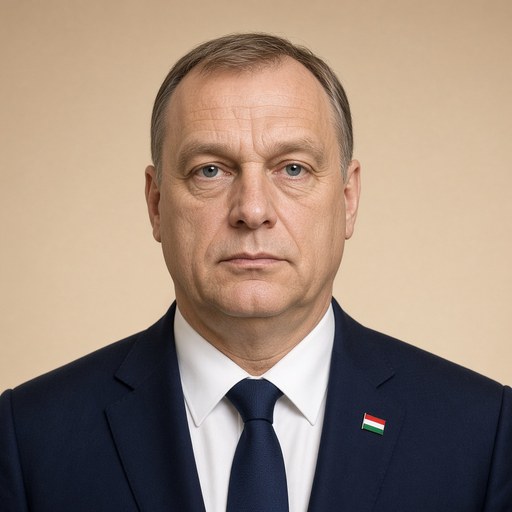
Viktor Orbán's speech at the opening event of the economic year of the Hungarian Chamber of Commerce and Industry.
 Viktor Orbán · Prime Minister of Hungary
- Context
- Orbán addressed the Hungarian Chamber of Commerce and Industry at its 2026 economic year opening event, discussing war risks in Europe and state power delegation to the chamber.
- Main themes
- War economy vs. peace economy, European war risk, task delegation from state to chamber, Hungarian Chamber of Commerce and Industry, state bureaucracy reform, public body authority, decentralization of government powers, European Council war councils, Hungarian economic outlook, institutional leadership
- Duration
- ~37 min
- Words
- 4,485
- Sentences
- 199
- Readability
- 54
- Grade
- 10.9
- Syntax
- 3.08
- Vocabulary
- 2.00
Translated from Hungarian
The broad sphere of national life a sentence belongs to. Every sentence has an Arena, so it is the denominator the other indices are read against.
Other199 sentences in 22 paragraphs
Good afternoon, esteemed Ladies and Gentlemen! Honorable Mr. President! Esteemed Members of the Chamber!
The more presentations I listen to, the more my message grows in quantity, and in proportion, your patience diminishes. This is what I need to solve here now. It is good to be among you. I am used to something else; I do not usually listen to such presentations. In fact, I spend a significant part of my time at the meetings of the European Council, and there I do not hear about such plans, I do not know about such plans. There are war councils there. Therefore, before I thank Mr. Elek Nagy, I ask you to – preparing for what I will say – put everything you have heard in parentheses. Do not cross it out, do not throw it away, but put it in parentheses. It will either be so or it will not. This is what I will talk about.
But first, I would like to thank Mr. Elek Nagy, not only for leading, convening, and keeping the chamber together so excellently, although this is also a tremendous achievement; we, who lead institutions, know how difficult this work is, but I would primarily like to thank him because I have found a good partner in the work of how I can, we can delegate substantive power, if you will, public authority tasks from the state bureaucracy to somewhere where, I hope, better decisions can be made than in the state bureaucracy itself. And if I listened well to Mr. Elek Nagy’s presentation, then this is an aspiration, an ambition on the part of the chamber, because the reasoning he provided about the nature of the chamber as a public body points in this direction. After all, it is a public body because it can take over tasks from the state, which is otherwise authorized to do so, from the state administration, from the ordinary bureaucracy, that it believes it can solve better than the bureaucracy itself. This is not as simple as you might think. It is not simply a matter of taking a piece of paper, looking at who is responsible for what, drawing lines, delineating powers, and then life unfolds accordingly; rather, it is the opposite: the Hungarian state administration, but I believe this is not only a Hungarian phenomenon but a sociological characteristic of every bureaucracy, fundamentally does not want to delegate any tasks. For two reasons. First, because it thinks it knows better than anyone else. Those whom God has given an office have also been given wisdom – this is a common thought – and on the other hand, it is afraid, because if its task goes away, what will happen to its job? And if there is no job, there is no position, and if there is no position, what will happen to it? So there is a natural, understandable human reflex and professional self-esteem at play, which creates resistance in the state administration against any kind of task delegation. I, who lead this bureaucracy, therefore know its virtues and its vulnerabilities well, must fight daily within the framework of the agreement we made with Mr. Elek Nagy about how we can delegate more tasks that you can perform better, according to our common conviction, to the chamber and withdraw from there to the bureaucracy. This is a daily task, which perhaps can best be illustrated by the fact that even this morning we were working on this with your president, and there is an agreement to be signed, which has been nicely printed and drafted, but even this morning we made agreements, following late-night boxing matches yesterday, that transfer state powers regarding personal transportation, specifically car transportation, to the chamber. Therefore, this will contain aesthetically unacceptable, but hand-complemented clauses when we sign this agreement. So this is ongoing work. I suggest that you do not give up this ambition; let there be aspiration within you, let there be a drive to identify those tasks that you believe you can perform better, which you understand better, because you are closer to the reality of entrepreneurs, you have more knowledge than the bureaucracy, and continuously keep us under pressure, seek, and as far as it is within my power, within the framework of what I have said here, because the self-esteem and efficiency of the state administration must also be preserved, I am ready to continuously delegate tasks to your public body.
Now, after this, I would like to say a few words about why everything you have talked about so far should be put in parentheses. Because what you have talked about so far has been the situation and future of a peace economy. And who said there will be a peace economy? So at this moment, Europe is balancing on the edge of war! There are two possibilities. Either there will be a peace economy or a war economy. And if I had to quantify this, then in Western Europe, the probability of a war economy is twice that of a peace economy. Where I sit, where I work, and where the German Chancellor, the French President, and European leaders are present, who all talk about how to transition the European economy to a war economy over the next four years. There are not these plans here, not these numbers; there are no developments there. There is a military industry, military personnel, budget expenditures, war readiness financed from deficits, and money to be given to Ukraine. None of these are what you see. So we are not talking about a developmental perspective in Europe. They are not part of our discussions. We listen to presentations about how energy prices should be reduced, the bureaucracy, which then does not happen, but the essence of our discourse, the topic we are dealing with, is a war council's war-related issues. So what we all, Europeans, including Hungarians, are facing is the question of whether there will be, and if so, what type of war in the next four, five, or six years.
However, before I say a few words about this opportunity and what our maneuvering space is, what can be thought about, what can be bet on, what tactics, strategies can be chosen, I would like to say a few words about the past four years, because this is also a closing meeting among us. You all could see that in the past four years, all of Europe has been working in an economically blocked environment due to war. This past four years – the war broke out in February 2022 – was fundamentally different in nature from the previous four years. And all four years of this cycle were essentially spent in a state of war. The war first blocked the European economy. In 2023, the EU economy grew by 0.6 percent, and since then, as you could see from the presentations, it has been able to achieve growth around 1 percent. Meanwhile, during these four years, Germany even fell into a 1 percent recession, and it is considered a huge achievement today in Germany that the recession has been turned into stagnation. In contrast, as we have seen, the economy of the United States is growing by 2-3 percent, and no matter what people think or you think, or make sarcastic remarks about the American president, the American president is executing, sentence by sentence, point by point, day by day, the economic plan that is elevating the American economy above Europe and creating an opportunity for itself to remain competitive on a global scale. China has grown by 5 percent in recent years. In Europe, during these four years, one million industrial jobs have disappeared. Factories are closing in Germany, 130,000 jobs have been lost! In Poland, 140,000, and in the Czech Republic as well. I just read in the economic news from yesterday or the day before that one of the largest German car manufacturers will eliminate 30,000 jobs in Germany in the coming years. In Europe, industrial jobs have disappeared in recent years. Entire sectors are on the brink of liquidation or in a state of it. The European aluminum industry is practically non-existent. The European chemical industry is in such a decline that it is questionable whether it can survive. As a result, Europe’s share of the global economy has fallen from 15 percent to 14 percent, and compared to the pre-war years, Europe’s industrial performance has decreased by 4 percent. Meanwhile, the United States has maintained its positions, and China has increased its share of the global economy from 18 to 20 percent.
One important development of these four years was that European leaders decided to sever ties with Russian energy resources. This policy is still in effect today; we fight this battle day by day. I will say a few words about this as well, but first, I remind you that Europeans pay three to four times – three to four times! – higher energy prices than Americans or Chinese. Since the outbreak of the war, according to EU calculations, we have paid 1.8 trillion euros for energy; we have paid this much more – 1.8 trillion! – than if we had not severed ties with Russian energy. We saw this on a small scale in Hungary, and remember, I may not be mistaken if I date this to the year 2022; in 2021, the money we had to pay for the energy arriving in Hungary was around 7-7.5 billion euros, and in the first year of the war, this rose to 17 billion. So we also lost 10, but Europe lost 1,800. Accordingly, at present, there are austerity packages in effect throughout Europe. Such plans, such numbers, and I am not even talking about the doubling of child tax credits or fixed 3 percent home loan rates; this is not even mentioned, there is only survival and austerity packages. In France, the extent of the austerity measures is 0.5 percent of the national GDP; they have frozen incomes, and they have frozen social benefits and pensions. In the Czech Republic, they implemented a 5.6 billion euro austerity package last year. In Austria, the austerity measures introduced last year and this year amount to 15 billion euros, and they are counting on a continuous austerity period until 2029, during which they will cut 54 billion. In Belgium and Finland, this is a 9 billion euro cut. In Poland, a 0.6 percent cut is planned in the 2026 budget. In the three Baltic countries, they are raising income taxes, and I am not even talking about Romania, as they will introduce a 1.2 percent austerity package in 2025 and a 3.75 percent package in 2026. This is what is happening in Europe today! These are nice presentations, good perspectives, they warm my heart too, but let us not forget where we are and what shoes others are wearing, and what this means for us.
Most importantly, what this means for us, esteemed Ladies and Gentlemen, is that the enormous amount of money that the European economy is still generating is currently being sent to Ukraine – continuing the practice of previous years. While these economic situations and austerity packages exist in Europe, so far European countries have sent a total of 200 billion euros to Ukraine. Now 24 member states – we are not among them – are sending another 90 billion euros to Ukraine. Since Europeans have no money, they are taking out loans; in reality, they are sending the future of their own children and grandchildren to Ukraine at this moment! Because this money will have to be repaid by someone. And there is 800 billion dollars on the table, not euros, dollars; we are negotiating an 800 billion dollar Ukrainian aid package at the meetings of the European Council, and a 700 billion euro military support package is being prepared. They want to pay these. So while these austerity measures are in place, they want to send this money to war and send it to Ukraine. This is the war economy. This is the reality in which we live.
Now the question is, what are we doing? We are doing the opposite. I ask you not to take for granted everything that is happening in Hungary. They are going that way, and we are going the opposite direction, the prerequisite of which is that a clear political position must be taken that we will stay out of the war and we will also stay out of its financing. And we will not send a single forint from the income generated by the Hungarian national economy to Ukraine. If we cannot take and defend this position, our money will also go there. Therefore, we must fight for this every week. I have to fight for this every week on the European stage and every other month at the European Council meeting. This is how we stayed out of the 90 billion euro loan with the Slovaks and the Czechs, who are of course good auxiliary forces, but as main forces, we can hardly count on them in these battles. So the situation is that we have been moving in the opposite direction over the past four years, and we want to maintain this direction in the next four years as well. First of all, as you have heard, within the framework of the Sándor Demján Program, we sent 1.8 trillion forints not to Ukraine, but to the Hungarian economy. Energy developments, as you have seen: 440 billion. Tax exemption for mothers under 40 with two children for life: 120,000 mothers. We doubled the child tax credit: one million families. While there are austerity measures everywhere because the money is being sent to Ukraine.
Esteemed Ladies and Gentlemen!
Why were we able to achieve all this? Now let’s leave politics aside, let’s leave the government aside, and let’s leave the Prime Minister aside as well. What actually provided the foundations for this policy that is diametrically opposed to that of the European Union is what we call the fundamentals of the Hungarian economy. A government, no matter how brave, cannot perform the feat that we have been carrying out for four years and would like to continue in the future, which is to say no to huge countries like France or Germany, and to a massive European bureaucracy of 30,000, to opt out of what we consider to be their misguided spending, to spend our money on other things, and still remain standing. Because, you see, no one looks at this, no one takes it well, and if they could, they would gladly teach us a lesson not with political but with economic tools. And then, no matter how brave the Hungarian government might be in terms of its personnel composition, it could be forced to join the path of war and wartime economy, or to step onto this route. They cannot enforce this because the Hungarian economy and the government representing the Hungarian economy stand on strong legs, on strong foundations. If this were not the case, I say again, there would be political vulnerability as a consequence. This is the greatest strength of the government in international negotiations today: your performance. The performance that Hungarian entrepreneurs, Hungarian employers, and small and medium-sized enterprises bring to the table, which makes Hungary strong. For example, the fact that you have maintained full employment. If the Hungarian government had to fight against the war in Brussels while there was unemployment here, and the number of unemployed was rising, leading to social discontent and pressure on the government, we would not be able to hold out; they would incite all the unemployed against us, including their trade unions, which they occasionally try, but since you provide jobs for people, the disruptive power and impact of this is extremely limited.
I consider it important that you have been partners in the implementation of job protection programs. It is not just that you have retained your employees, for which we owe you thanks, but you have also applied for and participated in the job protection programs announced by the Hungarian government, which amounted to 737.2 billion forints over the entire government cycle. Thank you for raising wages. If there were no wage increases, there would be social unrest and dissatisfaction in Hungary, which our opponents would exploit, forcing Hungary into that Brussels path and wartime economy policy against which we are currently fighting. Wage increases are not only an economic issue but also a political one. Thank you for the agreement between the representatives of employers and employees, as a result of which we were able to agree on a minimum wage of 322,800 forints for this year, which represents a 112 percent real value increase compared to 2010. And not just that, but a 123 percent increase, because we are talking about a 112 percent real value increase in the guaranteed minimum wage.
Well, I could list examples for a long time that demonstrate how good economic performance has supported the Hungarian strategic direction that does not allow for the country to switch to a wartime economy. We have defended the tax system. I thank you for being partners in this. You see, from time to time they attack the Hungarian tax system. They particularly target the flat income tax, which is at the heart of Hungary's economic success. What they call progressive and liberal is partly unjust and, on the other hand, disproportionate. The flat tax means that if you earn ten times more, you pay ten times more. In contrast, progressive means that you pay not ten times, but fifteen times, twenty times, or however much the politics deems fit, without any consideration of fairness or principle. We must stick to a simple, clear, transparent, flat tax system that recognizes performance in monetary terms as well.
I also thank you for tolerating that I cut down trees on your backs, at least some of you gentlemen, since the fact is that special taxes were needed to maintain the economic situation, the political and social situation that gives us the strength I have spoken about several times. Special taxes were needed for this. Of course, we consider this to be fair tax contribution, but those affected see it as unfair tax contribution, which I understand. We are not talking about a small amount. Since 2010, through the special taxes, which we consider to be fair tax contribution, we have taken 15 trillion forints from the wealth and profits of several companies sitting here. In 2026, in this budget year, we will take about 2 trillion forints. If we did not take this away, it would go to the owners as profit for these companies. I understand their arguments, but we simply cannot maintain public calm, public trust, economic development, social involvement, and inclusivity in Hungary if we give up these special taxes. By the way, we would like to reduce the level of special taxes, but this is not possible or is very difficult under the current wartime economy circumstances; however, we would like to bring it back to a fairer level in proportion to economic growth. But for now, I thank those company leaders who have suffered the loss of wealth collected from special taxes, which we then distributed in Hungarian society, for example, in the form of a family support system, for accepting this – I do not claim that it was without grumbling, but – with considerable patience and empathy or national responsibility, perhaps I can say that in some cases, given the amount of wealth taken away.
Meanwhile, we have increased Hungarian national wealth. Since 2010, the level of national wealth has doubled, and in this cycle, between 2022 and 2024 – this is where I have my latest data – we have increased the value of national wealth from 22 trillion forints to 24 trillion forints. Mihály Varga has already spoken about the high level of foreign currency and gold reserves, which I can describe as a change at the head of the central bank, where Protestant ethics have arrived instead of unorthodox monetary policy, which is why the reserves are at such a high level. I will not quote the debate surrounding gold purchases that arose during the previous central bank's tenure, whether it is necessary, permissible, how much should be bought and in what manner; economic historians will write about that. In any case, the quantity and value of the gold purchased clearly show that our survival instincts have worked well.
Now, ladies and gentlemen!
I return to the future. The greatest challenge in the period ahead is whether we will be dragged into war, and whether the resources necessary for integrating Ukraine into Europe will be taken from us, which, if taken from Hungary, will have serious consequences. There are three major challenges ahead of us in the coming years, and all the plans you have written and drawn here depend on the resolution of these three issues, these three battles. The first is the war itself. The second is our energy supply. The third is Ukraine's European Union membership, which has been designated by Brussels for the end of 2027.
I have spoken about the war; I would like to say a few words about Russian energy. First of all, I see that a lack of standards has arrived in Hungarian politics as well. I apologize to you if I have to start with primitive things, but political debates require this. Diversification is considered to be when the procurement options for something widen. There will be more, not less. When something is closed off, say, in Hungary's case, Russian oil supplies, it is not called diversification, but simply nonsense, but that is another question, rather it is called contraction. I kindly ask you to read the statements carefully, because it is evident that our rivals are not even aware of the obvious meaning of Hungarian words. They talk about diversification and want to detach from Russian oil and gas. This is two completely opposite things! It is not about detaching, it is not about closing off, but about opening up more and more opportunities. This works quite well in gas; we have two such options in oil. We do not want to give up either one, neither our main supply line, which is directed towards Russia, nor the supplementary one, which is Croatian and directed south. You see, they have now closed off oil supplies to Hungary via Ukraine. I want to make it clear that we will win here, and we will win by force. So, I will not make any pacts, there will be no compromises; we will defeat them. We will break the oil blockade. We will force the Ukrainians to restart the supplies. We will achieve this not through business, not through agreements, not through compromises, but by force. We do not have military strength for this; everyone can rest assured, it is not on the agenda, but we have political and financial tools, and with this, we will force them to reopen the Friendship oil pipeline unconditionally, and as soon as possible, and fulfill their contractual obligations contained in the Ukraine-European Union Association Agreement, which states expressly that Ukraine cannot hinder the energy supply of any European Union member state. And we will enforce this! This is a battle; we should not be afraid of it. I know this is a different language; diplomacy works with finer categories, but this is not a delicate matter; this is not a dialogue between gentlemen; this is open blackmail, and in open blackmail, we do not negotiate, but confront and win. We will force them to open the oil pipeline before we run out of our reserves, so that everyone learns once and for all that they can bite us, but then they will break their teeth on us, and this must be made clear to everyone now.
This issue is also related to Ukraine's European Union membership. The European Union's multiannual, seven-year financial budget proposal for the period between 2028 and 2034 is known. If one counts the various items, one will find that in this multiannual financial framework proposal, an amount of 360 billion euros is going to Ukraine, while the European economy, as you have seen, is continuously shrinking, at best stagnating. In other words, if they want to send money there, they must take it from somewhere. The number one loser will be agriculture. So, the plan is to reduce the support for European agricultural economies in the European budget by about 20 percent, at least 20 percent, and redirect this money to Ukraine. The second major loser will be the cohesion fund, which holds the funds necessary for the development of underdeveloped regions, because they also plan to take 20 percent from this to send it all to Ukraine. Agriculture, underdeveloped regions. There is a small hitch here, which is that unanimity is required for the adoption of the Union's seven-year budget, and Hungary's vote is also needed for this. You can see that we do not like this; we will fight to change it. Now, I quietly tell you that there are 41.3 million hectares of agricultural land in Ukraine, the arable land in Ukraine is 32.7 million hectares. This is a theoretical, abstract number; for comparison, to understand better, they have 32 million, the French have 27 million hectares, and the Spanish have 24 million. We want to admit a country into the European Union whose arable land far exceeds that of France and Spain. And I have not yet mentioned the imbalances, as the labor market situation will also change, since those who are entitled to this right can come freely to work from a member state.
In summary, what I wanted to tell you is that our task in the next four years is: do not let them drag us into a war. Do not give the Hungarian people's money to the Ukrainians; let’s give it to the Hungarians instead. Let’s maintain the cheap Russian energy, which is the basis for the Hungarian economy and the reduction of utility costs. And under no circumstances should we allow the cost of the war to be paid by the Hungarians in the form of tax increases; therefore, let’s maintain our relations with Russia and the Russian energy market. Let’s not let the Ukrainians into the European Union, and let’s prevent any financial transfers or achieve our exclusion from them, as a consequence of which we would mortgage the future of our children and grandchildren.
Ladies and gentlemen!
If all this succeeds, then those presentations can come that you just heard from others.
Thank you very much for your attention!
The original Hungarian. The tags above are read on the English translation's sentences.
Jó napot kívánok, tisztelt Hölgyeim és Uraim! Mélyen tisztelt Elnök Úr! Tisztelt Kamarai Tagok!
Minél több előadást hallgatok meg, annál inkább nő a mondandóm mennyisége, és ezzel arányosan fogy az Önök türelme. Ezt kell nekem most itt megoldanom. Jó itt Önök között. Máshoz vagyok szokva, nem ilyen előadásokat szoktam hallgatni. Valójában én az Európai Tanács ülésein töltöm időm egy tekintélyes részét, és ott nem ilyen tervekről hallok, nem ilyen tervekről tudok. Ott haditanácsok vannak. Ezért mielőtt köszönetet mondok majd Nagy Elek elnök úrnak, arra kérem Önöket, hogy – fölkészülve az én mondandómra – mindent, amit hallottak, tegyenek zárójelbe. Ne húzzák át, ne dobják ki, de tegyék zárójelbe. Vagy úgy lesz, vagy nem. Erről fogok majd én beszélni.
De előtte szeretnék köszönetet mondani Nagy Elek elnök úrnak, nemcsak azért, mert ilyen remekül vezeti és összehívja és egyben tartja a kamarát, habár ez is egy óriási teljesítmény, mi, akik vezetünk intézményeket, tudjuk, hogy ez milyen nehéz munka, hanem azért szeretnék elsősorban köszönetet mondani, mert találtam egy jó partnert abban a munkában, hogy hogyan tudok, tudunk az állami bürokráciából érdemi hatalmi, ha úgy tetszik, közhatalmi munkát, feladatokat kidelegálni valahova, ahol reményeim szerint jobb döntéseket tudnak hozni, mint magában az állami bürokráciában. És ha jól figyeltem Nagy Elek elnök úr előadását, akkor ez egy aspiráció, ambíció is a kamara részéről, mert az a fejtegetés, amit a kamara köztestület jellegéről mondott, ebbe az irányba mutat. Hiszen attól köztestület, hogy át tud venni az egyébként erre felhatalmazott államtól, államigazgatástól, mindközönségesen bürokráciától olyan feladatokat, amelyekről azt hiszi, hogy jobban meg tudja oldani, mint maga a bürokrácia. Ez nem olyan egyszerű dolog, mint azt Önök talán gondolják. Nem egyszerűen arról van szó, hogy fogunk egy papírlapot, megnézzük, kinek mi a dolga, vonalakat húzunk, hatásköröket határolunk el, és utána az élet e szerint alakul, hanem fordítva van: a magyar államigazgatás, de szerintem ez nemcsak a magyar, hanem minden bürokrácia szociológiai sajátossága, alapvetően semmilyen feladatot nem akar átadni. Két okból. Először is, mert azt gondolja, hogy mindent ő tud jobban. Akinek a Jóisten hivatalt adott, annak észt is adott – ez egy közkeletű gondolat –, másfelől meg fél, hiszen ha elmegy a feladata, akkor mi lesz az ő dolga? És ha nincsen dolga, nincsen állása, és ha nincsen állása, akkor mi lesz vele? Tehát van egy természetes, érthető emberi reflex és szakmai önbecsülés egyszerre, ami az államigazgatásban ellenállást szül mindenfajta feladat-kidelegálással szemben. Én, aki vezetem ezt a bürokráciát, tehát jól ismerem az erényeit is meg az esendőségeit is, naponta kell, hogy küzdjek annak a megállapodásnak a keretében, amit Nagy Elek elnök úrral kötöttünk, hogy hogyan tudunk egyre több, közös meggyőződésünk szerint Önök által jobban ellátható feladatot átadni a kamarának és visszahúzódni onnan a bürokráciának. Ez egy olyan napi munka, amelynek az érzékeltetésére talán a legalkalmasabb az, hogy még ma reggel is dolgoztunk ezen az Önök elnökével, és van itt egy aláírandó megállapodás, amit szépen kinyomtattak és megszövegeztek, de még reggel is kötöttünk olyan megállapodásokat, késő esti, tegnapi bokszmeccseket követően, amelyek a személyszállításra, a gépkocsival történő személyszállításra vonatkozó állami jogköröket adnak át a kamarának. Ezért ezt esztétikailag ugyan nem elfogadható módon, de kézzel kiegészített passzusok tartalmazzák majd, amikor aláírjuk ezt a megállapodást. Tehát ez egy folyamatos munka. Azt javaslom, hogy ne adják föl ezt az ambíciót, legyen Önökben aspiráció, legyen késztetés arra, jelöljék meg azokat a feladatokat, amelyekről hiszik, hogy Önök jobban tudják elvégezni, amelyhez Önök jobban értenek, mert közelebb vannak a vállalkozók valóságához, több tudásuk van, mint a bürokráciának, és folyamatosan tartsanak bennünket nyomás alatt, keressenek, és amennyire ez tőlem telik, az itt elmondott összefüggésrendszeren belül, mert az államigazgatásnak az önbecsülését is és a hatékonyságát is meg kell őrizni, én készen állok arra, hogy folyamatosan adjunk át az Önök köztestületének feladatokat.
No, ezek után szeretnék néhány szót szólni arról, hogy miért kell zárójelbe tenni mindazt, amiről eddig beszéltek. Mert amiről Önök eddig beszéltek, az egy békegazdaság helyzete és jövője volt. És ki mondta, hogy békegazdaság lesz? Tehát jelen pillanatban Európa háború szélén egyensúlyoz! Két lehetőség van. Vagy békegazdaság lesz, vagy hadigazdaság. És ha százalékban kéne ezt meghatároznom, akkor Nyugat-Európában a hadigazdaság valószínűsége kétszerese a békegazdaságnak. Ahol én ülök, ahol én dolgozom, és a német kancellártól a francia elnökön keresztül az európai vezetők vannak jelen, akik kivétel nélkül mind arról beszélnek, hogy hogyan kell a következő négy évre az európai gazdaságot hadigazdaságra átállítani. Ott nem ezek a tervek vannak, mint itt, nem ezek a számok vannak, ott nem fejlesztések vannak. Ott hadiipar van, katonai létszám, költségvetési kiadás, hiányból finanszírozott hadikészültség meg Ukrajnának adandó pénz. Ezek mind nincsenek, amiket Önök látnak. Tehát fejlődési perspektíváról nem beszélünk Európában. Nem részei a megbeszéléseinknek. Hallgatunk előadásokat arról, hogy csökkenteni kellene az energia árát, a bürokráciát, ami aztán mind nem történik meg, de a mondandónk lényege, a téma, amivel foglalkozunk, az egy haditanács háborús kérdésköre. Tehát az, ami előtt mi mindannyian, európaiak, benne magyarok állunk, az annak a kérdése, hogy lesz-e, és ha igen, milyen típusú háború a következő négy-öt-hat esztendőben.
Mielőtt azonban erről az esélyről mondanék néhány szót, és hogy milyen mozgásterünk van, miben lehet gondolkodni, mire lehet fogadni, milyen taktikát, stratégiát lehet, milyen útvonalat lehet választani, előtte szeretnék mondani néhány szót a mögöttünk hagyott négy évről, mert ez egy cikluszáró találkozó is közöttünk. Azt mindannyian láthatták, hogy az elmúlt négy évben egész Európa egy háború által blokkolt gazdasági környezetben dolgozott. Ez a négy év, ami most mögöttünk van – 2022 februárjában tört ki a háború –, jellegében egészen más volt, mint a korábbi négy évek. És mind a négy éve ennek a ciklusnak lényegében háborús állapotok között telt el. A háború először is blokkolta az európai gazdaságot. 2023-ban 0,6 százalékkal bővült az uniós gazdaság, és azóta folyamatosan – láthatták az előadásokból – 1 százalék körüli növekedésre képes. Időközben, ebben a négy évben Németország még egy 1 százalékos recesszióba került, és óriási bravúrnak számít ma Németországban, hogy a recessziót sikerült stagnálásra változtatni. Ehhez képest, mint láthattuk, az Egyesült Államok gazdasága 2-3 százalékkal bővül, és akármit is gondolnak az emberek vagy Önök, vagy tesznek gunyoros megjegyzéseket az amerikai elnökre, az amerikai elnök mondatról mondatra, pontról pontra, napról napra hajtja végre azt a gazdasági tervet, amellyel az Egyesült Államok gazdasága Európa fölé kerekedik, és esélyt teremt magának arra, hogy globális méretekben is versenyképes maradjon. Kína 5 százalékkal növekedett az elmúlt években. Európában ebben a négy évben megszűnt egymillió ipari munkahely. Németországban gyárakat zárnak be, 130 ezer munkahely szűnt meg! Lengyelországban 140 ezer, de Csehországban is. Most olvastam a tegnap vagy tegnapelőtti gazdasági hírekben, az egyik legnagyobb német autógyár a következő években 30 ezer munkahelyet szüntet meg Németországban. Európában az elmúlt években ipari munkahelyek szűntek meg. Egész ágazatok vannak a fölszámolódás szélén vagy állapotában. Európai alumíniumipar gyakorlatilag nincsen. Az európai vegyipar olyan lejtmenetben van, hogy kérdéses, hogy meg tud-e maradni. Európa részesedése a világgazdaságból ennek következtében leesett 15 százalékról 14-re, és a háború előtti évekhez képest Európa ipari teljesítménye 4 százalékkal visszaesett. Eközben az Egyesült Államok megőrizte a pozícióit, Kína pedig a világgazdasági részesedését megnövelte 18-ról 20 százalékra.
Ennek a négy évnek az egyik fontos fejleménye volt, hogy az európai vezetők úgy döntöttek, hogy leválnak az orosz energiahordozókról. Ez a politika ma is érvényben van, ezt a csatát nap mint nap vívjuk. Erről is mondok majd néhány szót, de először emlékeztetem Önöket arra, hogy az európaiak háromszor-négyszer – háromszor-négyszer! – magasabb energiaárat fizetnek, mint az amerikaiak vagy a kínaiak. A háború kitörése óta az uniós kalkulációk szerint 1.800 milliárd eurót fizettünk ki energiáért, ennyivel többet fizettünk ki – 1.800 milliárddal! –, mintha nem váltunk volna le az orosz energiáról. Ezt kicsiben láttuk Magyarországon, és emlékezzenek rá, talán nem tévedek, hogyha ezt a 2022-es évre datálom, 2021-ben az a pénz, amit nekünk ki kellett fizetni a Magyarországra érkező energiáért, olyan 7-7,5 milliárd euró volt, a háború első évében ez fölment 17 milliárdra. Tehát mi is buktunk 10-et, de Európa 1.800-at bukott. Ennek megfelelően jelen pillanatban megszorítócsomagok vannak érvényben egész Európában. Ilyen tervek, ilyen számok, és nem beszélek a gyerekek utáni adókedvezmény megduplázásáról, meg fix 3 százalékos otthonteremtési hitelről, erről ott nincsen szó, ez föl sem merül, csak túlélés van és megszorítócsomagok. Franciaországban a megszorítások mértéke a nemzeti össztermék 0,5 százaléka, befagyasztották a jövedelmeket, és befagyasztották a szociális ellátásokat és a nyugdíjakat. Csehországban a tavalyi évben 5,6 milliárd eurós megszorítócsomagot csináltak. Ausztriában a tavaly és az idén bevezetett megszorítások értéke 15 milliárd euró, és 2029-ig egy folyamatos megszorítási periódussal számolnak, 54 milliárdot fognak megszorítani. Belgiumban, Finnországban ez 9 milliárd eurós megszorítás. Lengyelországban a 2026-os költségvetésben 0,6 százalékos megszorítás van betervezve. A három balti országban jövedelemadókat emelnek, Romániáról pedig nem is beszélek, hiszen 2025-ben a GDP 1,2, 2026-ban pedig 3,75 százalékos megszorítócsomagot vezetnek be. Ez történik ma Európában! Szép előadások ezek, jó perspektívák, az én szívemet is megmelengetik, csak ne felejtsük el, hogy hol vagyunk, és milyen cipőben járnak a többiek, és mi következik ebből ránk nézve.
Leginkább az következik ebből ránk nézve, tisztelt Hölgyeim és Uraim, hogy a rengeteg pénzt, amit az európai gazdaság még mindig megtermel, jelen pillanatban – folytatva az előző évek gyakorlatát – elküldik Ukrajnába. Miközben ezek a gazdasági helyzetek, megszorítócsomagok léteznek Európában, aközben eddig az európai országok mindösszesen elküldtek 200 milliárd eurót Ukrajnába. Most 24 tagállam – mi ebből kimaradtunk – elküld újabb 90 milliárd eurót Ukrajnába. Miután pénzük nincs az európaiaknak, ezért hitelt vesznek föl, valójában a saját gyerekeik meg az unokáik jövőjét küldik el ebben a pillanatban Ukrajnába! Mert ezt a pénzt majd valakinek vissza kell fizetnie. És asztalon van 800 milliárd dollár, nem euró, dollár, 800 milliárd dolláros ukrán segélyről tárgyalunk az Európai Tanács ülésein, és készülődik, jönni fog egy 700 milliárd eurós katonai támogatás. Ezeket ki akarják fizetni. Tehát miközben ezek a megszorítások vannak, ezeket a pénzeket el akarják küldeni a háborúba, és el akarják küldeni Ukrajnába. Ez a háborús gazdaság. Ez a realitás, amiben élünk.
Most az a kérdés, hogy mi mit csinálunk? Mi az ellenkezőjét csináljuk. Arra kérem Önöket, ne vegyék természetesnek mindazt, ami Magyarországon történik. Ők arra mennek, mi meg az ellenkező irányba, aminek az előföltétele az, hogy egy világos politikai pozíciót kell elfoglalni arról, hogy mi ki fogunk maradni a háborúból, és ki fogunk maradni annak a finanszírozásából is. És egyetlen forintot sem fogunk a magyar nemzetgazdaság által megtermelt jövedelemből elküldeni Ukrajnába. Ha ezt a pozíciót nem tudjuk elfoglalni és megvédeni, a mi pénzünk is oda fog menni. Ezért minden héten meg kell harcolni. Nekem minden héten meg kell harcolnom az európai színtéren és minden második hónapban az Európai Tanács ülésén. Így maradtunk ki a 90 milliárd eurós hitelből a szlovákokkal meg a csehekkel, akik persze jó segéderők, de főerőként aligha számíthatunk rájuk ezekben a csatákban. Tehát a helyzet úgy áll, hogy mi az ellenkező irányba haladtunk az elmúlt négy évben is, és ezt az irányt akarjuk tartani a következő négy évben is. Először is, mint hallhatták, a Demján Sándor Program keretében 1.800 milliárd forintot nem Ukrajnába, hanem a magyar gazdaságba küldtünk. Energetikai fejlesztések, láthatták: 440 milliárd. 40 év alatti, kétgyermekes édesanyák adómentesítése élethossziglan: 120 ezer édesanya. Megdupláztuk a gyerekek utáni adókedvezményt: egymillió család. Miközben mindenhol megszorítások vannak, mert a pénzt elküldik Ukrajnába.
Tisztelt Hölgyeim és Uraim!
Miért voltunk képesek arra, hogy mindezt elérjük? Most hagyjuk a politikát, hagyjuk a kormányzatot, és hagyjuk a miniszterelnököt is. Ami ennek az Európai Uniótól szögesen ellentétes politikának az alapjait megadta, valójában az, amit úgy hívunk, hogy a magyar gazdaság fundamentumai. Egy gyenge lábakon álló gazdaságon mégoly bátor kormány sem tudja végrehajtani azt a bravúrt, amit mi négy éve folytatunk, és szeretnénk majd folytatni a jövőben is, hogy óriási országoknak, mint Franciaország vagy éppen Németország, meg egy hatalmas, európai 30 ezres bürokráciának nemet merünk mondani, kimaradunk a szerintünk elhibázott költekezésükből, a pénzünket másra költjük, és mégis talpon maradunk. Mert, ugye, ezt senki sem nézi, senki sem veszi jó néven, és ha tehetnék, akkor persze nem politikai, hanem gazdasági eszközökkel szívesen tanítanának bennünket móresre. És akkor a magyar kormány bármilyen bátor is lenne személyi összetételét illetően, rá lehetne őt kényszeríteni, rákényszeríthető lenne arra, hogy mégiscsak csatlakozzon a háborús és a hadigazdaság ösvényéhez, illetve lépjen erre az útvonalra. Ezt csak azért nem tudják kikényszeríteni, mert a magyar gazdaság és a magyar gazdaságot képviselő kormányzat erős lábakon, erős fundamentumokon áll. Ha ez nem így volna, még egyszer mondom, akkor politikai sérülékenység lenne a következtében. Ez a legnagyobb ereje ma a nemzetközi tárgyalásokon a kormányzatnak: az Önök teljesítménye. Az a teljesítmény, amit a magyar vállalkozók, a magyar munkaadók, a kis- és közepes vállalkozások letesznek az asztalra, és erőssé teszik vele Magyarországot. Például az, hogy Önök továbbra is fönntartották a teljes foglalkoztatottságot. Ha a magyar kormánynak úgy kéne a háború ellen küzdenie Brüsszelben, hogy közben itt munkanélküliség van, és a munkanélküliek száma nő, és ebből szociális elégedetlenség van, és nyomás a kormányon, nem tudnánk kitartani, föllázítanák velünk szemben az összes munkanélkülit, ideértve a szakszervezeteiket is, amivel időnként próbálkoznak, csak miután Önök munkát adnak az embereknek, ennek a fölforgató ereje és hatása rendkívül korlátozott.
Fontosnak tartom, hogy a munkahelyvédelmi programok végrehajtásában Önök partnerek voltak. Nemcsak arról van szó, hogy Önök megtartották az alkalmazottaikat, amiért köszönettel tartozunk, hanem a magyar kormány által meghirdetett munkahelyvédő programokba, amely a kormányzati ciklus egészét tekintve 737,2 milliárd forint volt, jelentkeztek és részt vettek. Köszönöm, hogy emelték a béreket. Ha nem lennének béremelkedések, lenne szociális nyugtalanság Magyarországon meg elégedetlenség, amit az ellenfeleink kihasználnának, és belekényszerítenék Magyarországot abba a brüsszeli útba, illetve hadigazdaság-politikába, amivel szemben most éppen küzdünk. A béremelés nemcsak gazdasági, de politikai kérdés is. Köszönöm a megállapodást a munkaadók és a munkavállalók képviselőinek, amelynek az eredményeképpen 322.800 forintban tudtunk megállapodni az idei minimálbér értékét illetően, ami összességében 2010-hez képest 112 százalékos reálérték-növekedést jelent. És nem is annyit, hanem 123 százalékost, mert a garantált minimálbérnél beszélünk 112 százalékos reálérték-növekedésről.
Nos, hosszan sorolhatnám azokat a példákat, amelyekkel a jó gazdasági teljesítmény megtámasztotta azt a magyar stratégiai irányvonalat, amely nem engedi az ország átállítását hadigazdaságra. Megvédtük az adórendszert. Én köszönöm, hogy ebben partnerek voltak. Látják, időről időre nekirontanak a magyar adórendszernek. Különösképpen támadják az egykulcsos jövedelemadót, ami a magyar gazdasági siker szíve közepe. Amit progresszívnek meg liberálisnak mondanak, az részben igazságtalan, másfelől pedig aránytalan. Az egykulcsos adó azt jelenti, hogy tízszer többet keresel, akkor tízszer többet fizetsz. Ezzel szemben a progresszív azt jelenti, hogy nem tízszer, hanem tizenötször, hússzor, vagy ahogy éppen a politika gondolja, fizetsz többet bármifajta igazságossági és elvszerű megfontolás nélkül. Nekünk ragaszkodnunk kell egy egyszerű, világos, átlátható, a teljesítményt egyébként pénzben is elismerő, egykulcsos adórendszerhez.
Azt is megköszönöm, hogy jól tűrték, hogy fát vágjak a hátukon, az urak közül legalábbis jó néhányan, hiszen az a helyzet, hogy különadók kellettek ahhoz, hogy fönn tudjuk tartani azt a gazdasági helyzetet, politikai és szociális helyzetet, amely azt az erőt adja, amiről már többször is beszéltem. Ehhez különadók kellettek. Ezt persze mi méltányos közteherviselésnek tekintjük, de az érintettek méltánytalan közteherviselésnek tekintik, amit én megértek. Nem kis összegről beszélünk. 2010 óta a különadók révén, amit mi méltányos közteherviselésnek tekintünk, elvontunk jó néhány itt ülő vállalatnak a vagyonából és profitjából 15 ezer milliárd forintot. 2026-ban pedig, ebben a költségvetési évben el fogunk vonni körülbelül 2 ezer milliárd forintot. Ha nem vonnánk el, ez ezeknek a cégeknek profitjaként a tulajdonosaikhoz kerülne, illetve landolna. Amiért megdolgoztak, értem az érveiket, de egész egyszerűen nem tudjuk fönntartani Magyarországon a köznyugalmat, a közbizalmat, a gazdasági fejlődést, a társadalmi involvációt, inkluzivitást abban az esetben, hogyha lemondunk ezekről a különadókról. A különadók mértékét egyébként szeretnénk majd csökkenteni, de ez a mostani hadigazdaság körülményei közepette nem vagy csak nagyon nehezen lehetséges, a gazdasági növekedés arányában azonban szeretnénk ezt a mainál méltányosabb szintre visszavinni. De most mindenesetre megköszönöm azoknak a cégvezetőknek, akik elszenvedték a különadókból beszedett vagyonvesztést, amit szétterítettünk utána a magyar társadalomban, például családtámogatási rendszer formájában, hogy ezt – azt nem állítom, hogy zúgolódás nélkül, de – az elvont vagyon mértékéhez képest meglehetősen nagy türelemmel és együttérzéssel vagy nemzeti felelősséggel, talán ezt is mondhatom néhány esetben, vették tudomásul.
Mindeközben növeltük a magyar nemzeti vagyont. 2010 óta a nemzeti vagyon mértéke a kétszeresére nőtt, és ebben a ciklusban, 2022 és 2024 között – innen van az utolsó adatsorom – 22 ezer milliárd forintról 24 ezer milliárd forintra növeltük a nemzeti vagyon értékét. Beszélt már Varga Mihály a deviza- és aranytartalék magas szintjéről, amely változást úgy tudom leírni a nemzeti bank élén, hogy az unortodox monetáris politika helyett a protestáns etika érkezett meg a jegybankba, ezért vannak a tartalékok ilyen magas szinten. Most nem idézem ide az aranyvásárlás körüli, még az előző jegybank idején kialakult vitát, kell-e, szabad-e, mennyit kell és miképpen, ezt majd megírják a gazdaságtörténészek. Mindenesetre a megvásárolt arany mennyisége és értéke jól mutatja, hogy az életösztöneink jól működtek.
Nos, tisztelt Hölgyeim és Uraim!
Visszatérek a jövőhöz. Az előttünk álló időszak legnagyobb kihívása, hogy belerángatnak-e bennünket a háborúba, és Ukrajna Európába való beillesztése érdekében elveszik-e tőlünk azokat a forrásokat, amelyek Ukrajna beillesztéséhez valóban szükségesek, viszont Magyarországtól ha elveszik, akkor súlyos következményekkel kell szembenéznünk. Három nagy kihívás van a következő években előttünk, és az összes terv, amit Önök ide fölírtak, meg fölrajzoltak, ennek a három dolognak, három csatának az eldőltétől függ. Az első maga a háború. A második az energiaellátásunk. A harmadik pedig Ukrajna európai uniós tagsága, amelyet Brüsszelben 2027 évvégével jelöltek meg.
A háborúról beszéltem, mondanék néhány szót az orosz energiáról. Először is úgy látom, hogy a színvonaltalanság megérkezett a magyar politikába is. Elnézést kérek Önöktől, hogyha primitív dolgokkal kell kezdenem, de a politikai viták ezt megkövetelik. Diverzifikálásnak azt tekintik, amikor valamiből a beszerzési lehetőségek szélesednek. Több lesz, és nem kevesebb. Amikor lezárnak valamit, mondjuk, Magyarország esetében az orosz olajszállítást, azt nem diverzifikációnak hívják, hanem egyszerűen marhaságnak, de ez most egy másik kérdés, hanem szűkítésnek. Én nagyon kérem Önöket, hogy óvatosan olvassák a nyilatkozatokat, mert láthatóan a riválisaink a magyar szavak nyilvánvaló értelmével sincsenek tisztában. Diverzifikációról beszélnek, és le akarnak válni az orosz olajról meg gázról. Ez két teljesen ellentétes dolog! Nem leválni kell, nem bezárni kell, hanem újabb és újabb lehetőségeket kell nyitni. A gázban ez elég jól működik, olajban két ilyen lehetőségünk van. Nem akarunk egyikről sem lemondani, sem a fő ellátó vonalunkról, ami orosz irányú, keleti irányú, se a kiegészítő jellegűről, ami horvát és déli irányú. Látják, hogy most lezárták a Magyarországra irányuló olajszállítást Ukrajnán keresztül. Szeretném világossá tenni, hogy itt győzni fogunk, és erőből fogunk győzni. Tehát semmilyen paktumot nem kötök, semmilyen kiegyezés nem lesz, le fogjuk őket verni. Az olajblokádot le fogjuk törni. Rá fogjuk kényszeríteni az ukránokat, hogy indítsák újra a szállításokat. Nem üzlettel, nem megegyezéssel, nem kiegyezéssel, hanem erőből fogjuk elérni. Katonai erőnk nincs hozzá, mindenki megnyugodhat, nem szerepel a tervek között, de vannak politikai és pénzügyi eszközeink, és ezzel rá fogjuk őket szorítani, hogy feltétel nélkül, és lehetőleg hamarosan újra nyissák meg a Barátság olajvezetéket, és teljesítsék azt a szerződéses kötelezettségüket, amelyet tartalmaz az Ukrajna–Európai Unió társulási szerződés, mely kimondja expressis verbis, hogy Ukrajna nem akadályozhatja egyetlen európai uniós tagállam energiaellátását sem. És ezt ki fogjuk kényszeríteni! Ez egy csata, nem szabad tőle megijedni. Tudom, hogy ez más nyelvezet, a diplomácia finomabb kategóriákkal dolgozik, de ez nem egy finom ügy, ez nem úriemberek közötti párbeszéd, ez nyílt zsarolás, és a nyílt zsaroláskor nem egyezkedünk, hanem szembefordulunk és győzünk. Rá fogjuk őket kényszeríteni, még mielőtt kifogynánk a tartalékainkból, meg kell nyitniuk az olajvezetéket, hogy mindenki megtanulja egyszer s mindenkorra, hogy belénk lehet ugyan harapni, de akkor belénk törik a foguk, és ezt most kell világossá tenni mindenki számára.
Ehhez a kérdéskörhöz kapcsolódik Ukrajna európai uniós tagsága is. Ismeretes az Európai Unió 2028 és 2034 közötti időszakra vonatkozó többéves, hétéves pénzügyi költségvetési javaslata. Ha az ember összeszámolja a különböző tételeket, akkor azt fogja találni, hogy ebben a többéves pénzügyikeret-javaslatban 360 milliárd eurós összeg megy Ukrajnába, miközben az európai gazdaság, mint láthatták, folyamatosan zsugorodik, legjobb esetben stagnál. Magyarán, ha oda pénzt akarnak küldeni, akkor azt valahonnan el kell venni. Az első számú vesztes az agrárium lesz. Tehát a terv az, hogy mintegy 20 százalékkal, minimum 20 százalékkal lecsökkentik az európai költségvetésben az európai agrárgazdaságoknak szánt támogatást, és ezt a pénzt átirányítják Ukrajnába. A második nagy vesztes a kohéziós alap lesz, ahol az elmaradott régiók fejlesztéséhez szükséges felzárkóztatási pénzeket tartják, mert ebből is levesznek 20 százalékot a tervek szerint, hogy ezt mind elküldjék Ukrajnába. Agrárium, elmaradott térségek. Apró bökkenő itt még van, ez pedig az, hogy az unió hétéves költségvetésének elfogadásához egyhangúság szükséges, kell hozzá Magyarország szavazata is. Önök is láthatják, hogy nekünk ez nem tetszik, harcolni fogunk azért, hogy ezt meg tudjuk változtatni. Nos, halkan mondom Önöknek, hogy Ukrajnában 41,3 millió hektár mezőgazdasági terület van, az ukrajnai terület szántómennyisége, tehát szántóföldje 32,7 millió hektár. Ez egy elméleti, elvont szám, összehasonlításképpen, hogy jobban értsék, ott 32, a franciáknak 27 millió hektárja van, Spanyolországnak 24 millió. Egy olyan országot akarunk fölvenni az Európai Unióba, aminek a szántóterületei nagyságrenddel haladják meg Franciaországét meg Spanyolországét. És akkor nem beszéltem még olyan egyensúlyzavarokról, hogy nyilván a munkaerő-piaci helyzet is megváltozik, hiszen egy uniós tagállamból szabadon jöhetnek munkát vállalni azok, akiket ez a jog megillet.
Summa summárum, azt szerettem volna Önöknek elmondani, hogy nekünk az a dolgunk a következő négy évben: ne engedjük, hogy belesodorjanak bennünket egy háborúba. Ne adjuk oda a magyarok pénzét az ukránoknak, adjuk inkább oda a magyaroknak. Tartsuk fenn az olcsó orosz energiát, amely egyébként a magyar gazdaságnak és a rezsicsökkentésnek is alapja. És semmiképpen ne engedjük, hogy a háború árát adóemelések formájában megfizettessék a magyarokkal, ezért tartsuk fenn a kapcsolatainkat Oroszországgal és az orosz energiapiaccal. Ne engedjük be az ukránokat az Európai Unióba, és akadályozzunk meg minden olyan pénzügyi transzfert, illetve érjük el az abból való kimaradásunkat, aminek a következményeképpen a gyerekeink és unokáink jövőjét adósítanánk el.
Tisztelt Hölgyeim és Uraim!
Ha mindez sikerül, akkor jöhetnek azok az előadások, amiket az előbb másoktól meghallgattak.
Köszönöm szépen a figyelmet!