




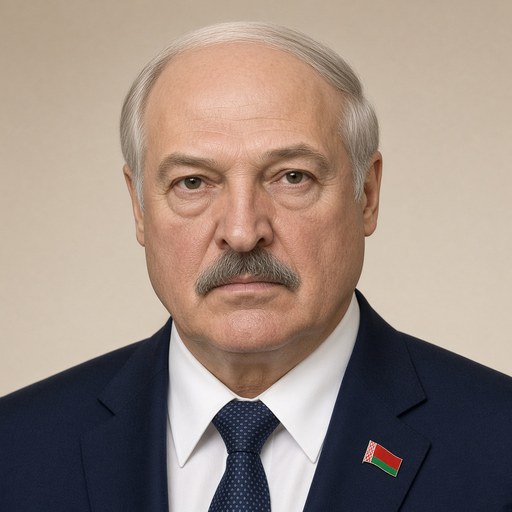
Speech at the Meeting of Judges of the Courts of the Republic of Belarus
 Alexander Lukashenko · President of Belarus
- Context
- Lukashenko addressed the Meeting of Judges of the Republic of Belarus on March 25, 2008, outlining priorities for judicial reform and debureaucratization.
- Main themes
- Judicial system reform, debureaucratization, access to justice, efficiency of courts, judicial professionalism, citizens' rights protection, formalism and red tape elimination, judicial process improvement, legal aid, rule of law, state governance
- Duration
- ~54 min
- Words
- 6,495
- Sentences
- 366
- Readability
- 44
- Grade
- 11.5
- Syntax
- 2.84
- Vocabulary
- 2.22
Translated from Russian
The broad sphere of national life a sentence belongs to. Every sentence has an Arena, so it is the denominator the other indices are read against.
Other366 sentences in 4 paragraphs
Dear comrades! The main directions for the development of the judicial system in our country were defined at the first and second congresses of judges. We have chosen an evolutionary path. Without upheavals and thoughtless adoption of foreign experience. We have determined that we will not break the established and well-proven structure of the judiciary, but will improve it in a calm manner. This approach has proven itself. The main achievement is that today there are no systemic problems in our domestic judicial system. Our courts have managed to avoid politicization and commercialization in their work and base their decisions solely on the principles of legality and justice. However, there is no reason for complacency. Many problems remain. Remember, our courts used to be called "people's." Then we got rid of this term as an archaism. But this should not reflect on your work: the people's character lies at the heart of domestic justice. The strategy for the development of the Belarusian state was defined at the third All-Belarusian People's Assembly – the construction of a true state for the people. All branches of state power at all levels must be focused on a careful attitude towards the needs of our citizens, addressing the pressing issues of the ordinary person's life. To achieve this goal, Directive No. 2 was issued in 2006, which requires a fundamental change in the attitude of civil servants towards people, to debureaucratize the state apparatus. Legislation on working with citizens is being improved, administrative procedures are being simplified, and other measures are being taken to more promptly and effectively address the problems of the population. This fully applies, perhaps even more so, to the judiciary. Unimpeded access to justice, the ability to appeal to the court is a real way to protect one's rights, an effective means of combating bureaucracy and administrative arbitrariness. The primary task of all judicial instances is to improve the judicial process, to eradicate instances of formalism and red tape. Judges are obliged to strictly adhere to the requirements of Directive No. 2. That is why I begin my speech with this issue. On the debureaucratization of the work of the courts and the increase in the efficiency of justice. Unfortunately, there are still many instances of a formal attitude towards people's problems in the courts, as was mentioned today in the speeches of the chairpersons of the courts. This is evidenced by numerous complaints from citizens about the injustice of decisions made, judicial red tape, and the inappropriate behavior of judges and court staff. Every fourth appeal to the President in 2007 concerned the work of the courts, justice institutions, and law enforcement agencies. We must understand: the main task of the court is to resolve conflicts, not to create them! A person turns to the court as the highest instance with the hope that justice will be restored. And they must be able to protect their rights without any delays and receive comprehensive answers to their questions. It is unacceptable for cases to be considered for years in various judicial instances. Cases are repeatedly sent for new judicial proceedings or changes are constantly made to already adopted decisions. After all, behind each case is the fate of a specific person or legal entity. To avoid such negative phenomena, it is necessary to strengthen interaction within the judicial corps: to activate work with judges on problematic issues of applying current legislation, to establish an exchange of experience. The results of the analysis of judicial practice should be used more effectively – this is an effective tool for identifying and eliminating shortcomings. It is important that a judge does not isolate themselves in their shell. The expansion of categories and the number of disputes, their complexity require constant improvement of the judge's professionalism, deep knowledge of legislation and judicial practice. If the introduction of specialization in the courts, which you propose, will increase efficiency, then we must go down this path. The processes of debureaucratization taking place in the country require optimizing the activities of judges and courts as a whole. There are no trifles here. There should be no unjustified summons of citizens to court or situations where a judge, having invited a witness, does not have time to question them. After all, because of this, a person is forced to come to court multiple times. Cases must be considered at the strictly appointed time so that citizens do not sit for hours waiting for the judge to deign to start the process. Quality and timely consideration of a judicial dispute must be preceded by thorough preparation. It seems like a truism, but it has not become the norm. Special attention should be paid to cases where a person, due to their financial means, is unable to hire a lawyer, and thus ensure qualified representation and protection of their interests. The role of the prosecutor in ensuring compliance with the requirements of Directive No. 2 and adherence to legislation when making judicial decisions should become more significant. As the Prosecutor General reported to me, there are still numerous cases where judges, for contrived reasons, refuse to accept applications from citizens, suggesting that they provide documents that are not particularly necessary. As a result of the inspections conducted on prosecutors' protests, more than eight hundred decisions of the courts on civil cases have been fully or partially overturned, and sentences against almost one thousand three hundred convicted individuals have been canceled or changed. Every tenth appeal regarding issues related to the consideration of civil cases has been recognized as justified. In the interests of citizens, prosecutors have sent more than two thousand applications to the courts. Of these, about one thousand seven hundred have been satisfied. What lies behind these numbers: the unprofessionalism of judges or some other reasons? We need to seriously investigate each fact and address the problem as a whole. Speaking of people's justice, we must finally ensure the presumption of innocence in all types of proceedings. In the absence of proof of guilt, acquittal should follow. Under no circumstances should we "stretch" to accusations or the application of sanctions. In cases of ambiguity or vagueness in the provisions of a legal act, the court, when making a decision, should take into account the interests of citizens and legal entities to the maximum extent. We talk about the need to increase the efficiency of justice almost constantly. As the heads of the courts inform, a lot seems to have been done in this direction. The wide application of order proceedings and the shortened procedure for judicial investigation in criminal cases has been adopted in judicial practice. The new edition of the Economic Procedural Code provides for the reduction of timeframes for the consideration of economic disputes and the appeal of judicial decisions. The institutions of appellate court proceedings and mediation have been introduced. However, questions still remain here. Comprehensive measures must be taken to ensure that the timeframes for considering cases and the time participants in the judicial process spend in courts are minimal, and the number of unjustifiably postponed and suspended cases is reduced to zero. Every disruption of the judicial process seriously undermines the authority of not only justice but also power. The number of postponed and suspended cases in the courts remains high. How can we explain that the same number of cases is postponed in the Frunzensky District Court of the capital as in the courts of the Brest and Gomel regions combined? And this is despite the fact that Minsk has the most developed transport network, and almost all residents have modern means of communication. In the Moscow District Court of Minsk in 2007, 49 defendants who were not in custody did not appear. 52 criminal cases in the Zavodsky District Court of the capital were postponed due to the non-appearance of witnesses. The situation in economic courts is even more unfavorable. In 2007, they postponed almost three thousand cases (7 percent of the total number of cases considered in the order of claim proceedings). What is the reason? Is it the disorganization of judges' work or weak control from the court leadership? Apparently, it is both! The responsibility for the postponement of criminal cases and some categories of civil cases due to the non-appearance of obligated persons also lies with the police, which did not fulfill the courts' orders for their delivery. There are outrageous cases where individual administrative offense cases are postponed due to the non-appearance of police officers summoned as witnesses. Can it be that the police and the courts still cannot coordinate their work? Unfortunately, the issue of organizing judicial processes remains on the agenda. For three and a half months, Judge Marchuk A.P. of the Kobrin District Court did not register an application for bringing A.A. Klimuk to criminal responsibility. And after the case was initiated, it was postponed multiple times until the deadlines for bringing Klimuk to responsibility expired. It should be remembered that behind each postponed case lies the need to appear in court again, wasting time and resources for other conscientious participants in the process. In some cases, this leads to a violation of the principle of inevitability of punishment. I draw special attention to the Supreme Court, the Higher Economic Court, and the Ministry of Justice: no case of unjustified suspension and postponement of cases, no fact of irresponsible attitude of judges towards their work should remain unnoticed by higher courts and qualification boards of judges. It is necessary to recognize that, alongside judicial errors, there are other reasons affecting the efficiency of justice. Among them is the duration of expert examinations. This has been mentioned more than once. I will give just one example. In June 2003, citizen Gulezova T.V. filed a lawsuit against one of the housing and communal services enterprises in the Lenin District Court of Minsk. As a result of the expert examinations conducted in the case, its consideration was delayed for as long as four years. It seems to me that the judge, knowing this case well without an expert examination, would have made a decision long ago. What is the reason for such a long period for conducting expert examinations? Is it due to a lack of qualified experts? Or is it simply bureaucratic red tape? In our compact country, there are many expert institutions: under the prosecutor's office, the Ministry of Justice, the Ministry of Emergency Situations, the Ministry of Internal Affairs, the Ministry of Defense, the KGB, among border guards and customs officers. But I increasingly hear complaints about them. They lack efficiency, and the conclusions made by experts from different centers on the same case often contradict each other. It is finally necessary to organize clear interaction between various judicial-expert institutions. To increase the efficiency of their work. To solve the problem of timeliness and efficiency in conducting judicial expert examinations. I think it is worth considering the issue of reducing the number of expert institutions, perhaps even creating a single center. If we look at the requests that judges make to expert institutions, firstly, in half of the cases, there was no need to appeal at all. Secondly, the requests from judges could often be resolved within one day. But, probably, bureaucratism and the arrogance of the specialists working there prevent us from working more effectively and promptly. And then we raise the question: let’s increase the number of staff. But that costs money! We should not burden and increase the costs of these processes. Therefore, we need to seriously study the work of expert centers, look at the issues they are approached with, and then make appropriate decisions. Perhaps it is worth expanding the rights of judges to appeal not only to the specified centers but also to allow judges to decide where, to whom, and with what questions to address. They might turn to the Minister of Architecture and Construction with a request for the same expertise or to someone else. They know who can provide a proper conclusion on this issue. After all, the judge, upon receiving a response, will then decide whether this is a qualified expertise, whether it satisfies the judge in the judicial process or not. Perhaps we need to look more broadly here, rather than isolating ourselves and not approaching these issues in a narrow-minded way. On the work of general courts. Speaking in general, there are no conceptual complaints about the work of general courts. The system is established, and progressive forms of justice are being implemented. It is particularly gratifying that the changing realities of our lives, the emergence of new, more sophisticated forms of criminal acts have not caught our judges off guard. This speaks to the high professional level of the Belarusian judiciary and their determination in the fight against the most dangerous negative manifestations. This is clearly evidenced by the competently conducted "high-profile" trials of complex, multi-episode criminal cases – against the same "Morozov" gangs or "firefighters," criminal organizations among customs officers and border guards. However, I think you will also agree that there is a need to improve the quality of work in general jurisdiction courts. There are internal reserves for this. In this regard, I want to once again draw your attention to the fact that the period of adaptation of judges and prosecutors to the adversarial criminal process has unreasonably dragged on. I absolutely support the position of the Prosecutor General here. There must be adversarial proceedings; the lawyer must defend, the state prosecutor must accuse. But the court must not, under any circumstances, shy away from the established practical rules that have existed until now: when the court has never been a mere observer, it has been an active participant in this process. The courts and the prosecution have not yet completely eradicated the accusatory bias in their approaches to evaluating evidence and imposing penalties. This is evidenced by the fact that higher courts have changed more than two hundred sentences based on appeals from defendants, convicted individuals, and their defenders due to the reclassification of their actions to less severe offenses. Additionally, in relation to almost four hundred individuals, penalties have been reduced without reclassifying their actions. As a result – 600 people. What worries me the most is that there are instances of unjustified prosecution for administrative and criminal responsibility.
Even the President has received a criminal case that was considered three times by the courts of the Brest region, and for which three guilty verdicts were issued. Only after a year and a half did the Supreme Court put an end to the case, terminating the proceedings due to insufficient evidence of the defendants' guilt. I also received a complaint from the head of the Baranovichi zonal center for hygiene and epidemiology, A.I. Mukharevsky, regarding the unlawful imposition of administrative liability. In total, he served eight days of administrative arrest. It later turned out that he had been unlawfully subjected to administrative liability. At the same time, the judge who issued the unlawful ruling did not even face punishment. They even attempted to include him in the reserve for further promotion. Unfortunately, the number of unjustly convicted citizens does not decrease from year to year and amounts to 10 to 12 people. Only in 2007, 11 people were unlawfully brought to criminal responsibility. No one is immune from mistakes, that is a fact. But when they are the result of personal negligence, they cannot be left without appropriate assessment. Each such case should undergo thorough analysis with corresponding organizational and personnel conclusions. The strictest measures must be applied to judges who commit such violations, up to and including their removal from office. To this day, many citizens have to spend not just days, but sometimes years, knocking on the doors of courts to achieve justice. The confirming statistics are simply horrifying: last year, more than four hundred verdicts from first-instance courts (75 percent of the total number of overturned verdicts) were sent back for reconsideration by higher courts due to unexamined circumstances of the case and violations of criminal procedural law. More than three hundred judicial decisions, reviewed in higher instances (regional, Minsk city, and Belarusian military courts), were subsequently overturned by the Supreme Court. In some cases, judicial decisions are overturned and sent back for reconsideration multiple times. For example, a dispute between citizens regarding the use of a land plot was resolved by the Bobruisk district and city court for more than two years. Think about it: for two years, people waited for a resolution to their issue in court! And often the reason is not at all the complexity of the case, as in this instance, but rather elementary mistakes by judges. Or a reluctance to take responsibility and courage in making principled decisions. I want you to know my position. A judge, when making a decision, cannot act on the principle: "If I make a mistake, I will be corrected." Justice should not be delayed. Legality must be restored as quickly as possible. And for this, all necessary procedural tools should be employed to facilitate more prompt resolution of cases. The effectiveness of justice largely depends on the quality of preliminary investigation and inquiry. It has become not just rare, but frequent, for cases to be sent to court while the investigation has been conducted formally. The collection, securing, and verification of evidence are carried out at a low professional level. The arguments and evidence presented by the defendant and their defense are not examined. Mandatory expert examinations are not conducted in the case. Law enforcement agencies commit gross violations of criminal procedural law at the stages of material verification, operational activities, and investigation. In some cases, there is even direct falsification. In cases considered by the Supreme Court and regional courts, the state prosecutor has practically in forty cases re-presented new charges in court. Even during court proceedings, prosecutors file motions to suspend the case and gather new evidence. But if such an opportunity is missed at the initial stages of the investigation, then the most important and significant evidence is usually already lost. What, then, do the months of preliminary investigation go towards? Serious shortcomings in the investigation manifest during the consideration of criminal cases involving corruption crimes, as well as other cases of public resonance and significance. I want to emphasize that in this work, it is extremely dangerous to "overdo it" in pursuit of quantitative indicators. Thus, when holding managers of enterprises and concerns accountable for crimes not directly related to theft and bribery, law enforcement agencies sometimes proceed from formal non-compliance of these individuals' decisions with existing legislative acts and various instructions. To properly assess the actions of a manager, it is necessary to consider everything comprehensively. Including the objective circumstances that influenced their commission. It should be remembered that hasty, thoughtless initiation of criminal cases harms the business reputation of enterprises and complicates civil turnover and foreign economic activity. In some cases, the fate of not just one person, but sometimes an entire team, is at stake. The Prosecutor General, the Ministry of Internal Affairs, the KGB, and the State Control Committee need to restore order here! A system must be established to track the progress of a criminal case from the moment it is initiated to its consideration in court. Judges must stop being afraid to give principled assessments of violations committed during preliminary investigation. You have all the opportunities for this. I want to emphasize once again. We seem to have some kind of syndrome in the courts. I compare it to the work of law enforcement and judicial bodies abroad. There, if a former minister, and today almost a vice-chancellor or holding some other high position, had conversations and lobbied for some firms (for the sale, purchase of airplanes, helicopters, etc.) many years ago, just one conversation is enough to send that person to court, or maybe even to prison. But here, it is necessary to gather (and judges require this from preliminary investigation) 10, 20 facts and arguments to accuse such a person. If guilty, especially an official, a superior under the "corruption" article, one fact is enough, where you are absolutely convinced and see that he is guilty. Why gather dozens of facts, waste time, and torment those involved in preliminary investigation? If guilty, then answer! Every official must know, and they know, what can be done and what cannot. A few words about the practice of sentencing. In recent years, the number of individuals committing crimes for the first time has decreased. At the same time, the high level of recidivism is alarming. In this regard, I want to note that the effectiveness of justice and its influence on the overall criminal situation in the country is largely determined by the correct choice of measures of criminal punishment. While not denying the punitive nature of punishment, it should primarily be aimed at rehabilitating the individual and preventing them from committing new crimes. However, we often end up with the opposite. We need to seek new opportunities for improving the institutions of criminal responsibility and optimizing them. It is time to adopt a more balanced and selective approach to the application of such a type of punishment as imprisonment. Its share, although decreasing, remains unjustifiably high. We have alternative measures of punishment – fines, corrective labor, restriction of freedom. They should be more widely applied for less serious crimes or crimes that do not pose a significant public danger. Practitioners also spoke about this at the meeting. It is time to learn to distinguish between malicious and intentional commission of a crime and unintentional mistakes. Perhaps we should abandon the application of criminal punishment where the goal can be achieved through administrative responsibility. Almost annual amnesties should not be a way to correct such miscalculations. At the same time, there can be no leniency towards individuals who have committed serious crimes involving violence against individuals and corruption. On the work of economic courts The priority of the economic development of our young state is to create a favorable, attractive business environment for both domestic and foreign investors. However, the implementation of this task is unthinkable without effective economic justice, as it is precisely this that is called upon to guarantee the protection of the rights of economic entities and the state in the process of conducting economic activities. Today, economic courts must help restore legal order in the economy through high-quality justice, its accessibility, and prompt resolution of disputes. And here your role can be multifaceted. First of all, legislative initiative in identifying gaps or contradictions in legislation. Today's meeting corresponds precisely to this. The professionalism and experience of judges must be used for the legal education of our economic entities, especially state ones, which often suffer due to poorly drafted documents or ignorance of the law. And in many cases, such mistakes have a very high cost for the state budget and for the state as a whole. I believe, Sergey Sergeyevich (Sidorovsky), it is necessary to urgently address the issue of strengthening the legal component in the activities of state enterprises. It is unacceptable for problems in economic activities to arise from carelessly or incorrectly drafted contracts, acts, estimates, and so on. Much is said, Viktor Sergeyevich (Kamenkov), about achievements. However, I must also know about the shortcomings, which undoubtedly also exist. Otherwise, the system of economic justice constantly tries to "close itself off" as much as possible. I want to remind you that in our country there are no such isolated structures. Everyone is equally integrated into the holistic, unified political system of the state. And I am not conducting one event after another for nothing: first with law enforcement agencies, where the chairmen of the courts played a leading role, and they played it well, and then with the judicial system of power. This indicates that the demands on this branch of power will be significantly increased in the near future. One more question: how effectively are the funds obtained from the enforcement of property claims being used by you? We are talking about large sums. I believe you are using them for their intended purpose. But is it rational? Offices, office equipment, vehicles should be very modest and convenient. And luxury should be provided for at your own expense at home. Our state pays increased attention to the issues of economic recovery. Bringing enterprises out of crisis and strengthening their competitiveness is of great importance for the further rise of all sectors of the national economy. Therefore, courts must approach the consideration of bankruptcy cases very carefully and even scrupulously. Do not forget: behind each such case is the fate of a labor collective. It should be recognized that bankruptcy is not only a problem for economic courts. Close interaction of state bodies at all levels, both republican and local, is necessary. These are issues, first of all, for state authorities. And they have unjustifiably distanced themselves from their resolution. Everything possible should be done to stabilize the economic and business activities of enterprises, not to bankrupt them. Do not forget that in bankruptcy, the main goal is not liquidation, but rehabilitation of production. The government must immediately adopt a comprehensive set of measures to restore order in this area. The state has created the most attractive, even privileged conditions for doing business in rural areas. Therefore, economic courts should also expand their presence in the field. In order to provide access for economic entities to justice, it is advisable to establish the conduct of permanently operating field sessions of economic courts in districts and agrotowns. As for international contacts of the courts, it is good if they are beneficial. On the issues of enforcement of judicial decisions and other enforcement documents A significant indicator of the effectiveness of the work of the courts is the enforcement of judicial decisions. No matter how fair the decisions of the courts may be, they do not have the proper significance without their actual enforcement. In 2007, for the first time in many years, the number of documents submitted for enforcement to the courts of general jurisdiction decreased. However, the number of completed enforcement proceedings decreased. Thus, the actual compensation for damages caused by crimes last year amounted to only a quarter, 25 percent of the claimed amount, while in 2006 it was almost 50 percent. The most problematic in this regard are the courts of the Minsk and Mogilev regions. The indicators are not better in economic courts: over the past year, the actual recovery of amounts under enforcement in economic courts amounted to about 30 percent. I want to draw the attention of both the Prosecutor General and the Minister of Internal Affairs. There are still many cases where preliminary investigation bodies do not take any measures to ensure compensation for damages caused by crimes. Although this is their direct responsibility. But there should also be corresponding feedback from judicial executors. They often show slowness and red tape in enforcing court decisions and decisions of other bodies. They do not timely check the property status of debtors. They do not send the necessary requests to identify property and funds that can be seized. At the same time, the chairmen of the courts, judges supervising the work of judicial executors, do not take appropriate measures. You must not forget that the responsibility for the enforcement of a judicial decision primarily lies with the judge. It is unacceptable to issue a manifestly unenforceable decision. From the moment a claim is filed, comprehensive measures must be taken to ensure it. However, sometimes judges "forget" to do this.
Then they throw up their hands, saying that it is impossible to enforce the decision because, during the consideration of the case, the defendant has given everything away, sold it off, or hidden it. But the question is: is this accidental or intentional "forgetfulness"? The Ministry of Justice, the Supreme Court, and the Higher Economic Court must take effective measures to rectify the situation. I want to specifically address the issues of enforcing decisions related to parents' obligations to their children. Everything related to children is a matter of primary, utmost concern for our state. Since the adoption of the Law "On the Rights of the Child," the courts of the republic have considered over 30,000 civil cases regarding the recovery of expenses for the maintenance of children who are under state care. Of these, over 97 percent have been satisfied. A special Decree No. 18 "On Additional Measures for the State Protection of Children in Unfavorable Families" has been issued, which obliges negligent parents to find employment and reimburse the state for the expenses of maintaining their children. I understand how difficult it is to make those who have never worked do so, and whether they are even capable of working at all. But we must solve this task. To ensure a 100 percent recovery, it is necessary to ensure constant interaction between the courts, law enforcement agencies, education, and the state employment service. No one should be left out of this process. This is also a significant political issue. It is absolutely unacceptable when law enforcement officials merely inform the court that the whereabouts of the obligated persons are unknown. And they effectively disengage from further actions to bring these individuals in. However, when discussing the implementation of Decree No. 18, we must not forget that the ultimate and most noble goal of the measures taken is to return the child to a normal family, their natural environment. It is very encouraging that the mechanism established for this purpose in the Decree has worked. In 2007, 205 applications for the restoration of parental rights were submitted to the courts. Of these, 185 were satisfied. We must continue to encourage the return of individuals to the proper fulfillment of their parental duties. This is a common task. On constitutional justice Recently, we have repeatedly discussed the main directions and prospects for improving the activities of the Constitutional Court. Therefore, I will not dwell on this in detail. The judiciary is well aware of the issues raised. We have determined that the potential of the Constitutional Court should be more widely utilized in our state. In the near future, drafts of the relevant legal acts will be submitted for consideration by Parliament. At the same time, I believe it is necessary to draw attention to several pressing issues of constitutional proceedings. First of all, the decisions of the Constitutional Court must be taken into account both in legislation and in law enforcement practice. However, some reasonable proposals are sometimes put aside in a "long drawer." For example, as early as 2002, the Constitutional Court raised the issue of the need to establish a minimum amount of alimony to be collected from parents for minor children before the House of Representatives. And it was only four years later that this issue was put on the agenda. At the same time, the Constitutional Court should not forget that the broad powers it possesses make it responsible for ensuring that decisions are economically and politically sound, timely, and correspond to the interests and, most importantly, the capabilities of the state at this stage of its development. Authorized entities rarely exercise their right to appeal to the Constitutional Court. Its chairman has spoken about this. Article 112 of the Constitution, which states that a court, when considering a specific case, may initiate a review of the constitutionality of a normative legal act, is not functioning. It would be better for judges to use this legal institution than to fill gaps and eliminate shortcomings of the legislator through the adoption of resolutions by the plenums of the Supreme and Higher Economic Courts. Resolutions should not contradict legislation, nor should they change or supplement it. However, this is often encountered. When making decisions that affect the rights and legitimate interests of citizens and legal entities, arbitrary interpretation of legal norms is unacceptable. If a legal problem is identified, promptly submit proposals for the correction of the relevant legal acts. But do not correct them yourselves. The courts do not have such powers. The heads of the courts need to discuss these issues and develop an algorithm for interaction on them. We have a single judicial system in our state. Therefore, we need to determine common approaches and jointly take measures to resolve legal issues. There are no separate problems that concern only general courts, or only economic courts, or the Constitutional Court. If one tooth hurts, the whole body is uncomfortable. The same goes for the judicial system. There should be no disunity! It is especially unacceptable for people to suffer because of this, as happened with citizen Novik S.N. The Baranovichi court terminated the civil case on her claim due to the jurisdiction of this dispute to the economic court. In turn, the economic court did not accept her application, believing that this dispute fell under the jurisdiction of the general courts. She was forced to go to the President with a complaint about the denial of judicial protection. Only after that was she able to exercise her constitutional right to judicial protection. I draw the attention of the heads of the courts and the Minister of Justice: the accountability of judges for such mistakes must be appropriate. On judicial personnel In our country, there are not many positions that are appointed by presidential decrees. And this predetermines our mutual responsibility. Mine – to the people to ensure that the judge is professional, honest, and fair. Yours – for the high trust placed in you – to protect the rights of citizens. Unfortunately, I have many complaints about the selection and placement of personnel in the courts. The established mechanism for appointments does not allow for the prompt filling of vacant positions. In some courts, vacancies have existed for years. This leads to an increased workload for the other judges and, as a consequence, negatively affects the efficiency, timeliness, and quality of justice. How can the Minister of Justice and the Chairman of the Supreme Court explain the prolonged unfilled vacancies for the chairpersons of district courts: Starodorozhsky – since April 2005, Krichyevsky – since December 2006, Ostrovetsky – since August of last year? Just a month ago, there were about 20 vacant judicial positions in Minsk. As soon as I demanded that the Minister of Justice restore order, all vacancies were filled within two weeks. At the same time, Viktor Grigoryevich (Golovanov), I want to warn you: You are personally responsible for ensuring that this number is not reached at the expense of quality. The work of these "operationally" appointed judges will be closely monitored. So that it does not turn out like with one newly appointed, but already former, judge of the capital district court: she "managed" to issue a guilty verdict against a person accused of causing serious bodily harm without considering the criminal case. The personnel policy must be well thought out. The best of the best should be nominated for judicial positions. And in order to be appointed to a higher court, a candidate should be "tested" in various judicial instances. It should become practice that before becoming a judge at the regional or republican level, one must work at the district level, in the region. We have too many judges who lack practical work experience: after studying, they worked as a judge's intern and immediately became a judge. A person with both professional and life experience should be eligible for the position of judge. And, in general, they should be a person. But if you see that a judge is not coping, promptly submit proposals for their removal from office. Do not "cover up" shortcomings. Do not allow people to suffer due to the ignorance or negligence of a judge. How many times has a judge been reappointed for another five-year term simply to "not air the dirty laundry," to not publicize shortcomings? And after some time, there is still a need to remove them from office. It turns out that you are conducting your personnel shuffle through the decisions of the President. And stop the practice of covering up shortcomings in work with the wording "to be released at their own request." It is time to call things by their names and remove from office for real existing reasons – for delays, low quality of case consideration, bias, or other non-compliance with the position! Mistakes in personnel selection are very costly. A tremendous amount of power is concentrated in the hands of a judge, and therefore the responsibility for their work must be equally immense. Dear colleagues! Today we have had what I consider to be an open and mutually beneficial conversation. It is right that we hold such meetings and discussions regularly, in conditions where there are no particular problems, when the system is functioning stably. Preventing the emergence of any emergencies, the accumulation of critical mass. The judiciary is an integral part of state power and is therefore inseparable from the processes occurring in our society and country. Currently, citizens and organizations are increasingly resolving their problems through the courts. This is the result not only of the dynamic development of social relations and the economy of the country but also of the increase in the level of legal culture in society and the growing trust of people in justice. The primary task is to maintain and strengthen this trust! Through the prompt and quality consideration of disputes, the correct application of criminal penalties, and the issuance of lawful and fair decisions, the court must contribute to the building of a state for the people. In this regard, it is extremely important not to overlook any, even minor, cases of violations in the activities of the courts. Where justice is administered, errors are simply unacceptable. Facts of judicial bureaucracy, bribery, or gross judicial errors undermine not only trust in the court but also in the state as a whole. Increasing the effectiveness of justice is one of the conditions for the dynamic progressive development of the state. In this regard, the judicial system requires further improvement. It will constantly be under the scrutiny of the country's leadership. I am confident that the judiciary of our country is capable of handling the responsible tasks ahead. To make a worthy contribution to the improvement of the legal system of the state, to strengthen the legal consciousness of the people, and to ensure the rule of law in society. I wish you good health and success in your difficult work. And, most importantly, always remain true to the three main postulates: professional honor, judicial duty, and responsibility to the people and the state. Remember: The scales of Justice are blind to ranks and titles, but not to the fates of people.
Thank you for your attention.
The original Russian. The tags above are read on the English translation's sentences.
Уважаемые товарищи! Основные направления развития судебной системы нашей страны были определены на первом и втором съездах судей. Мы пошли по эволюционному пути. Без потрясений и необдуманного перенимания зарубежного опыта. Мы определились, что не станем ломать сложившуюся и неплохо зарекомендовавшую себя структуру судебной власти, а будем ее в спокойном ключе совершенствовать. Такой подход себя оправдал. Главное, чего удалось достичь, – сегодня в отечественном судоустройстве нет проблем системного характера. Наши суды сумели избежать политизации и коммерциализации в своей работе и при рассмотрении дел основываются исключительно на принципах законности и справедливости. Однако поводов для самоуспокоения нет. Проблем остается немало. Помните, раньше суды у нас назывались ”народными“. Затем от данного термина как от архаизма избавились. Но это никак не должно отражаться на вашей работе: народный характер лежит в основе отечественного правосудия. На третьем Всебелорусском народном собрании определена стратегия развития белорусского государства – построение подлинного государства для народа. Все ветви государственной власти на всех ее уровнях должны быть нацелены на внимательное отношение к нуждам нашего гражданина, решение насущных вопросов жизнедеятельности простого человека. Для достижения этой цели в 2006 году издана Директива № 2, которая требует коренным образом изменить отношение государственных служащих к людям, дебюрократизировать госаппарат. Совершенствуется законодательство о работе с гражданами, упрощаются административные процедуры, принимаются иные меры по более оперативному и эффективному решению проблем населения. Это полностью относится, может даже еще в большей степени, к судебной власти. Беспрепятственный доступ к правосудию, возможность обращения в суд являются реальным способом защитить свои права, эффективным средством борьбы с бюрократией, административным произволом. Первоочередная задача всех судебных инстанций – это совершенствование судебного процесса, искоренение случаев формализма и волокиты. Судьи обязаны неукоснительно соблюдать требования Директивы № 2. Именно поэтому свое выступление начинаю с этого вопроса. О дебюрократизации работы судов и повышении оперативности правосудия К сожалению, в судах еще немало фактов формального отношения к проблемам людей , о чем сегодня немало говорилось в выступлениях председателей судов. Об этом свидетельствуют многочисленные жалобы граждан на несправедливость принимаемых решений, судебную волокиту, некорректное поведение судей и работников аппаратов судов. Каждое четвертое обращение на имя Президента в 2007 году касается работы судов, учреждений юстиции и правоохранительных органов. Надо понять: основная задача суда – разрешать конфликты, а не создавать их! Человек обращается в суд как в высшую инстанцию с надеждой, что справедливость будет восстановлена. И он должен без всяких проволочек защитить свои права, получить исчерпывающие ответы на поставленные вопросы. Недопустимо, когда дела годами рассматриваются в различных судебных инстанциях. Неоднократно передаются на новые судебные разбирательства или в уже принятые решения постоянно вносятся изменения. А ведь за каждым делом – судьба конкретного человека или юридического лица. Во избежание подобных негативных явлений надо усилить взаимодействие внутри судейского корпуса: активизировать работу с судьями по проблемным вопросам применения действующего законодательства, наладить обмен опытом. Следует эффективней использовать результаты анализа судебной практики – это действенный инструмент выявления и устранения недостатков. Важно, чтобы судья не замыкался в своей скорлупе. Расширение категорий и количества споров, их сложность требуют постоянного совершенствования профессионализма судьи, глубокого знания им законодательства, судебной практики. Если введение специализации в судах, которую вы предлагаете, повысит эффективность, значит, надо идти по этому пути. Проходящие в стране процессы дебюрократизации требуют оптимизировать деятельность судей и судов в целом. Мелочей здесь нет. Не должно быть необоснованных вызовов граждан в суд или ситуаций, когда судья, пригласив свидетеля, не успел его допросить. Ведь из-за этого человек вынужден многократно приходить в суд. Дела надо рассматривать в строго назначенное время, чтобы граждане не сидели часами в ожидании, когда судья соизволит начать процесс. Качественному и своевременному рассмотрению судебного спора должна предшествовать основательная подготовка. Казалось бы, прописная истина, но нормой она не стала. Особенно пристальное внимание следует обращать на дела, когда человек в силу своих материальных возможностей не в состоянии нанять адвоката, а значит, обеспечить квалифицированное представление и защиту своих интересов. Более значимой должна стать роль прокуратуры в обеспечении выполнения требований Директивы № 2, соблюдения законодательства при вынесении судебных решений. Как мне докладывал Генеральный прокурор, до сих пор не единичны случаи, когда судьи по надуманным причинам отказывают гражданам в принятии заявлений, предлагают представить документы, в которых особой необходимости нет. В результате проведенных проверок по протестам прокуроров полностью либо частично отменено более восьмисот решений судов по гражданским делам, отменены или изменены приговоры в отношении почти тысячи трехсот осужденных. Каждое десятое обращение по вопросам, связанным с рассмотрением гражданских дел, признано обоснованным. В интересах граждан прокуроры направили в суды свыше двух тысяч заявлений. Из них удовлетворено около тысячи семисот. Что стоит за этими цифрами: непрофессионализм судей или какие-то другие причины? Надо серьезно разобраться по каждому факту и решать проблему в целом. Говоря о народном правосудии, мы должны наконец-то реально обеспечить презумпцию невиновности во всех видах судопроизводства. При недоказанности вины должно следовать оправдание. Ни в коем случае не ”натягивать“ до обвинения или применения санкций. При неясности или нечеткости предписаний правового акта суд, принимая решение, должен исходить из максимального учета интересов граждан и юридических лиц. О необходимости повышения оперативности правосудия мы говорим практически постоянно. Как информируют руководители судов, в этом направлении вроде бы сделано немало. Широкое применение в судебной практике получили приказное производство, сокращенный порядок судебного следствия по уголовным делам. В новой редакции Хозяйственного процессуального кодекса предусмотрено сокращение сроков рассмотрения экономических споров и обжалования судебных постановлений. Введены институты апелляционного судопроизводства и посредничества. Но вопросы здесь ещё остаются. Необходимо принять исчерпывающие меры для того, чтобы сроки рассмотрения дел и время нахождения участников судебного процесса в судах были минимальными, а количество необоснованно отложенных и приостановленных дел сведено к нулю. Каждый срыв судебного процесса серьезно подрывает авторитет не только правосудия, но и власти. У нас же количество отложенных и приостановленных дел в судах по-прежнему велико. Чем объяснить, что в суде Фрунзенского района столицы откладывается столько же дел, сколько в судах Брестской и Гомельской областей, вместе взятых? И это при том, что в Минске наиболее развитая транспортная сеть, практически все жители имеют современные средства связи. В суд Московского района города Минска в 2007 году не явились 49 обвиняемых, не находящихся под стражей. 52 уголовных дела в суде Заводского района столицы отложено из-за неявки свидетелей. В хозяйственных судах ситуация еще более неблагоприятная. В 2007 году ими откладывалось почти три тысячи дел (7 процентов от общего количества дел, рассмотренных в порядке искового производства). В чем причина? В неорганизованности работы судей или слабом контроле со стороны руководства судов? Видимо, и в том, и в другом! Ответственность за отложение уголовных дел и некоторых категорий гражданских дел из-за неявки обязанных лиц лежит и на органах милиции, не выполнивших поручения судов по их доставке. Вовсе вопиющие факты, когда отдельные дела об административных правонарушениях откладываются из-за неявки сотрудников милиции, привлечённых в качестве свидетелей. Неужели органы милиции и суды до сих пор не могут скоординировать свою работу? К сожалению, не снимается с повестки дня вопрос организации судебных процессов. Три с половиной месяца не регистрировалось судьей суда Кобринского района Марчуком А.П. заявление о привлечении к уголовной ответственности А.А.Климука. А после возбуждения дела оно неоднократно откладывалось, пока не истекли сроки привлечения этого же Климука к ответственности. Следует помнить, что за каждым отложенным делом кроется необходимость повторно явиться в суд, тратить время, средства другим добросовестным участникам процесса. А в отдельных случаях это влечет нарушение принципа неотвратимости наказания. Я обращаю особое внимание Верховного, Высшего Хозяйственного судов, Министерства юстиции: ни один случай необоснованного приостановления и отложения дел, ни один факт безответственного отношения судей к своей работе не должны оставаться без внимания вышестоящих судов и квалификационных коллегий судей. Необходимо признать, что, наряду с судебными ошибками, есть и другие причины, влияющие на оперативность осуществления правосудия. К таковым относится длительность производства экспертиз. Об этом уже не единожды было сказано. Приведу только один пример. В июне 2003 года в суд Ленинского района города Минска обратилась гражданка Гулезова Т.В. с иском к одному из предприятий жилищно-коммунального хозяйства. В результате проведения экспертиз по делу его рассмотрение затянулось аж на четыре года. Мне кажется, судья, и без экспертизы хорошо зная это дело, уже давно принял бы решение. В чем причина столь длительного срока проведения экспертиз? Дело в нехватке квалифицированных экспертов? Или за этим скрывается элементарная волокита? В нашей компактной стране функционирует множество экспертных учреждений: при прокуратуре, Минюсте, МЧС, МВД, Минобороны, КГБ, у пограничников и таможенников. Но всё чаще слышу нарекания в их адрес. И оперативности им недостает, и заключения, выносимые экспертами различных центров по одному и тому же делу, нередко противоречат друг другу. Необходимо, наконец, организовать четкое взаимодействие различных судебно-экспертных учреждений. Повысить эффективность их работы. Решить проблему своевременности и оперативности производства судебных экспертиз. Думаю, стоит рассмотреть вопрос о сокращении количества экспертных учреждений, может быть и о создании единого центра. Если посмотреть на просьбы, с которыми судьи обращаются в экспертные учреждения, то, во-первых, в половине случаев и не надо было обращаться. Во-вторых, ходатайства судей зачастую можно бы разрешить в течение одного дня. Но, наверное, бюрократизм, чванство специалистов, которые там работают, не позволяют нам работать более эффективно и оперативно. И тогда мы ставим вопрос: давайте увеличим численность. Но это же деньги, затраты! Мы не должны утяжелять и удорожать эти процессы. Поэтому серьезно надо изучить работу экспертных центров, посмотреть на те вопросы, с которыми к ним обращаются, и потом уже принимать соответствующее решение. Может, стоит шире и предоставить право судьям обращаться не только в указанные центры, а предоставить возможность судье решать куда, к кому, с какими вопросами вообще обращаться. Они к Министру архитектуры и строительства обратятся с просьбой о заключении той же экспертизы или еще к кому-либо. Сами знают, кто может дать нормальное заключение по данному вопросу. Ведь все-таки судья, получив ответ, будет потом принимать решение о том квалифицированная ли это экспертиза, удовлетворяет ли она в судебном процессе судью или нет. Возможно, надо шире здесь посмотреть, а не замыкаться, не идти как-то зашоренно на решение этих вопросов. О работе общих судов Если говорить в целом, то концептуальных претензий к работе общих судов нет. Система выстроена, внедряются прогрессивные формы осуществления правосудия. Особое удовлетворение вызывает то обстоятельство, что изменяющиеся реалии нашей жизни, появление новых, более изощренных форм преступных деяний не застали наших судей врасплох. Это говорит о высоком профессиональном уровне белорусского судейского корпуса, решительности в борьбе с самыми опасными негативными проявлениями. Об этом наглядно свидетельствуют квалифицированно проведенные ”громкие“ процессы по сложным, многоэпизодным уголовным делам – в отношении тех же банд ”морозовцев“ или ”пожарников“, преступных организаций из числа работников таможенных органов, пограничников. Однако, думаю, вы с этим тоже согласитесь, есть и необходимость в повышении качества работы судов общей юрисдикции. Внутренние резервы для этого имеются. В связи с этим в очередной раз хочу заострить ваше внимание на том, что неоправданно затянулся период адаптации судей и прокурорских работников к состязательному уголовному процессу. Абсолютно поддерживаю здесь позицию Генерального прокурора. Состязательность должна быть, адвокат должен защищать, государственный обвинитель – обвинять. Но суд ни в коем случае не должен уходить от тех наработанных на практике правил, которые были до сих пор: когда суд ни в коем случае не являлся сторонним наблюдателем, он был активнейшим участником этого процесса. Судами и прокуратурой еще не до конца изжит обвинительный уклон в подходах к оценке доказательств и назначению наказаний. Об этом свидетельствует то, что вышестоящими судами по жалобам обвиняемых, осужденных и их защитников изменено более двухсот приговоров в связи с переквалификацией их деяний на более мягкие составы преступлений. Еще в отношении почти четырехсот лиц снижено наказание без переквалификации их действий. В итоге - 600 человек. Меня больше всего волнует то, что имеют место факты необоснованного привлечения к административной и уголовной ответственности. Даже до Президента дошло уголовное дело, которое трижды рассматривалось судами Брестской области, и по которому трижды выносились обвинительные приговоры. Только спустя полтора года Верховный Суд поставил точку в деле, прекратив по нему производство в связи с недоказанностью вины обвиняемых. На мое имя поступило также обращение от заведующего отделом Барановичского зонального центра гигиены и эпидемиологии Мухаревского А.И. с жалобой на незаконное привлечение к административной ответственности. В общей сложности он отбыл восемь суток административного ареста. Потом выяснилось, что к административной ответственности он был привлечен необоснованно.При этом судья, вынесший незаконное постановление, даже не понес наказания. Его даже пытались зачислить в резерв на дальнейшее выдвижение. К сожалению, число необоснованно осужденных граждан из года в год не сокращается и составляет 10 – 12 человек. Только в 2007 году к уголовной ответственности незаконно привлечено 11 человек. Никто не застрахован от ошибок, это факт. Но когда они являются следствием личной безалаберности – это оставлять без соответствующей оценки никак нельзя. Каждый такой случай должен подвергаться тщательному анализу с соответствующими организационными и кадровыми выводами. К судьям, допустившим подобные нарушения, необходимо применять самые строгие меры воздействия, вплоть до отстранения таких судей от занимаемой должности. До сих пор многим гражданам приходится не один день, а иногда годы обивать пороги судов, чтобы добиться справедливости. Подтверждающая статистика просто ужасна: в прошлом году более четырехсот приговоров судов первой инстанции (75 процентов от общего количества отмененных приговоров) было направлено вышестоящими судами на новое рассмотрение из-за неисследованности обстоятельств дела, нарушений норм уголовно-процессуального закона. Свыше трехсот судебных решений, проверенных и в вышестоящих инстанциях (областных, Минском городском и Белорусском военном судах), впоследствии отменены Верховным Судом. По отдельным делам судебные решения отменяются и направляются на новые рассмотрения по нескольку раз. К примеру, судом Бобруйского района и города Бобруйска спор между гражданами о пользовании земельным участком решался более двух лет. Вдумайтесь: два года люди ждали разрешения интересующего их вопроса в суде! И ведь зачастую причина вовсе не в сложности рассматриваемого дела, как здесь, а в элементарных ошибках судей. Либо в нежелании взять на себя ответственность и смелость при принятии принципиального решения. Хочу, чтобы вы знали мою позицию. Судья при вынесении решения не может действовать по принципу: ”Если ошибусь, меня поправят“. Правосудие не должно быть запоздалым. Восстановить законность надо максимально быстро. И для этого надо задействовать все необходимые процессуальные инструменты, способствующие более оперативному разрешению дел. Эффективность правосудия в значительной степени зависит от качества предварительного расследования и дознания. Не просто нередкими, а частыми стали случаи, когда дела уже переданы в суд, а расследование проведено формально. Сбор, закрепление и проверка доказательств производятся на низком профессиональном уровне. Доводы и аргументы обвиняемого и его защиты не проверяются. Не проводятся обязательные экспертизы по делу. Правоохранительными органами на стадиях проверки материалов, проведения оперативных мероприятий и расследования допускаются грубые нарушения уголовно-процессуального закона. А в отдельных случаях и прямая фальсификация. По делам, рассматриваемым Верховным Судом и судами областного уровня, государственный обвинитель практически в сорока случаях перепредъявлял в суде новое обвинение. Даже во время судебного разбирательства прокуроры заявляют ходатайства о приостановлении дела и собирания новых доказательств. Но если такая возможность упущена на начальных этапах расследования, то самые важные и существенные доказательства уже, как правило, утрачены. На что же тогда уходят месяцы предварительного расследования? Серьезные недоработки следствия проявляются в ходе рассмотрения уголовных дел о коррупционных преступлениях, а также других дел, имеющих общественный резонанс и значимость. Хочу подчеркнуть, что в этой работе крайне опасно ”перегнуть палку“ в погоне за количественными показателями. Так, привлекая к ответственности руководителей предприятий, концернов за преступления, напрямую не связанные с хищениями и взяточничеством, правоохранительные органы иногда исходят из формального несоответствия решений этих лиц существующим актам законодательства и различным инструкциям. Для того, чтобы правильно оценить действия руководителя, необходимо комплексно все учитывать. В том числе и те объективные обстоятельства, которые повлияли на их совершение. Следует помнить, что поспешное, непродуманное возбуждение уголовных дел наносит вред деловой репутации предприятий, осложняет гражданский оборот и внешнеэкономическую деятельность. В ряде случаев за такими делами стоит судьба не одного человека, а порой целого коллектива. Генеральному прокурору, МВД, КГБ, Комитету государственного контроля здесь следует навести порядок! Надо выстроить систему так, чтобы отслеживать ход уголовного дела от момента его возбуждения до рассмотрения в суде. Судьям же надо перестать бояться давать принципиальную оценку нарушениям, допущенным во время предварительного следствия. Для этого у вас есть все возможности. Еще раз хочу подчеркнуть. У нас, по-моему, какой-то синдром в судах. Я сравниваю с работой правоохранительных и судебных органов за границей. Там, если некогда министр, а сегодня чуть ли не вице-канцлер или занимающий иную высокую должность, черт знает сколько лет назад вел какие-то разговоры и лоббировал какие-то там фирмы (по продаже, закупке самолетов, вертолетов и так далее), достаточно одного разговора, чтобы этого человека отправить как минимум в суд, а может быть и в тюрьму. А у нас надо еще собрать (и судьи это требуют от предварительного следствия) 10, 20 фактов и аргументов, чтобы обвинить такого человека. Если виноват, особенно чиновник, начальник по ”коррупционной“ статье, достаточно одного факта, где вы абсолютно убеждены и видите, что он виноват. Зачем вам собирать еще десятки фактов, тратить время и терзать людей, занимающихся предварительным следствием? Виноват– отвечай! Каждый чиновник должен знать, и он знает, что можно делать, а что нельзя. Несколько слов о практике назначения наказаний. В последние годы сокращается количество лиц, совершающих преступление впервые. Вместе с тем настораживает высокий уровень рецидивной преступности. В этой связи хочу отметить, что эффективность правосудия и его влияние на общую криминогенную ситуацию в стране во многом определяется правильным выбором мер уголовного наказания. Не отрицая карательную природу наказания, все же в первую очередь оно должно быть направлено на перевоспитание человека и предупреждение совершения им новых преступлений . У нас же зачастую получается наоборот. Нам необходимо искать новые возможности для совершенствования институтов уголовной ответственности и их оптимизации. Пришло время проявлять более взвешенный и избирательный подход к применению такого вида наказания, как лишение свободы. Его удельный вес хотя и снижается, но все же остается неоправданно высоким. У нас же есть альтернативные меры наказания – штраф, исправительные работы, ограничение свободы. Их надо шире применять за совершение менее тяжких преступлений либо преступлений, не представляющих большой общественной опасности. Об этом тоже на совещании говорили практики. Настало время научиться отличать злостное и умышленное совершение преступления от непреднамеренной ошибки. Может, следует отказываться от применения уголовного наказания там, где цель может быть достигнута мерами административной ответственности. Почти ежегодные амнистии не должны быть способом исправления таких просчетов. Вместе с тем не может быть снисхождения к лицам, совершившим тяжкие преступления, связанные с насилием над личностью и коррупцией. О работе хозяйственных судов Приоритетом экономического развития нашего молодого государства является создание благоприятной, привлекательной деловой среды как для отечественных, так и для зарубежных инвесторов. Но реализация этой задачи немыслима без эффективного экономического правосудия, поскольку именно оно призвано гарантировать защиту прав субъектов хозяйствования и государства в процессе осуществления экономической деятельности. Сегодня хозяйственные суды должны помогать наведению правового порядка в экономике за счет высокого качества правосудия, его доступности и оперативности разрешения споров. И здесь ваша роль может быть разноплановой. Прежде всего, нормотворческая инициатива при выявлении пробелов или противоречий в законодательстве. Сегодняшнее совещание как раз этому соответствует. Профессионализм, опыт судей обязательно должны использоваться для юридического всеобуча наших субъектов хозяйствования, особенно государственных, которые зачастую страдают из-за неграмотного составления документов или незнания законодательства. А ведь во многих случаях такие ошибки имеют очень высокую цену для государственного бюджета, для государства в целом. Я думаю, Сергей Сергеевич (Сидорский), необходимо безотлагательно заняться проблемой укрепления юридической составляющей в деятельности государственных предприятий. Недопустимо, чтобы причиной проблем в хозяйственной деятельности являлись небрежно или неправильно составленные договоры, акты, сметы и так далее. Много говорится, Виктор Сергеевич (Каменков), о достижениях. Однако я должен знать и о недостатках, которые, безусловно, тоже присутствуют. А то система хозяйственного правосудия всё время пытается максимально ”закрыться“. Хочу напомнить, что в нашей стране нет таких обособленных структур. Все одинаково вписаны в целостную, единую политическую систему государства. И я не зря провожу одно за другим мероприятия: сначала с правоохранительными органами, где ведущую скрипку играли председатели судов, и неплохо ее сыграли, а следом и с судебной системой власти. Это говорит о том, что в ближайшее время требовательность к этой ветви власти будет значительно усилена. Ещё один вопрос: насколько эффективно используются вами денежные средства, полученные за счет принудительного исполнения по имущественным взысканиям? Речь идет о больших суммах. Думаю, вы их используете по назначению. Но рационально ли? Кабинеты, оргтехника, транспортные средства должны быть очень скромны и удобны. А роскошь вы уж себя дома обеспечивайте за собственный счет. Наше государство уделяет повышенное внимание вопросам оздоровления экономики. Выведение предприятий из кризиса, укрепление их конкурентоспособности имеют большое значение для дальнейшего подъема всех отраслей народного хозяйства. Поэтому судам надо весьма тщательно и даже щепетильно подходить к рассмотрению дел о банкротстве. Не забывайте: за каждым таким делом – судьба трудового коллектива. Следует признать, что банкротство – это не только проблема хозяйственных судов. Необходимо тесное взаимодействие госорганов всех уровней как республиканских, так и местных. Это вопросы, прежде всего, органов государственной власти. И они необоснованно отошли от их решения. Следует делать все возможное для стабилизации хозяйственной и экономической деятельности предприятий, а не банкротить их. Не забывайте, что при банкротстве главная цель – не ликвидация, а санация производства. Правительству необходимо незамедлительно принять комплекс мер по наведению порядка в этой сфере. Государство создало максимально привлекательные, даже привилегированные условия для ведения бизнеса в сельской местности. Поэтому и хозяйственным судам следует расширить свое присутствие на местах. В целях доступа субъектов хозяйствования к правосудию целесообразно учредить проведение постоянно действующих выездных сессий хозяйственных судов в районах, агрогородках. Что касается международных контактов судов, это хорошо, если идёт на пользу. О вопросах исполнения судебных постановлений и иных исполнительных документов Существенным показателем эффективности работы судов является исполнение судебных постановлений. Какими бы справедливыми не были решения судов, они не имеют должной значимости без их фактического исполнения. В 2007 году впервые за много лет снизилось количество документов, поступивших на исполнение в суды общей юрисдикции. Однако количество оконченных исполнительных производств уменьшилось. Так, реальное возмещение ущерба, причиненного преступлениями, в прошлом году составило только четверть, 25 процентов от взысканной суммы, а в 2006 году – почти 50 процентов. Самыми проблемными в этом направлении являются суды Минской и Могилевской областей. Не лучше показатели в хозяйственных судах: за прошедший год реальное взыскание сумм, находящихся на исполнении хозяйственных судов, составило около 30 процентов. Хочу обратить внимание и Генерального прокурора, и Министра внутренних дел. До сих пор имеется немало случаев, когда органы предварительного расследования не предпринимают никаких мер для обеспечения возмещения ущерба, причиненного преступлением. Хотя это их прямая обязанность. Но и от судебных исполнителей должна быть соответствующая отдача. Нередко они проявляют медлительность и волокиту при исполнении решений судов и постановлений других органов. Своевременно не проверяют имущественное положение должников. Не направляют необходимые запросы для выявления имущества и денежных средств, на которые может быть обращено взыскание. При этом председатели судов, судьи, курирующие работу судебных исполнителей, не принимают должных мер. Вы не должны забывать, что ответственность за исполнение судебного решения в первую очередь лежит на судье. Выносить заведомо неисполнимое решение недопустимо. Уже с момента предъявления иска необходимо принять исчерпывающие меры по его обеспечению. Однако иногда судьи ”забывают“ это сделать. Потом разводят руками: мол, решение исполнить невозможно, потому что за время рассмотрения дела ответчик все раздарил, распродал или спрятал. Только вот вопрос: это случайная или намеренная ”забывчивость“? Минюст, Верховный и Высший Хозяйственный суды должны принять действенные меры по исправлению ситуации. Отдельно хочу остановиться на вопросах исполнения решений, связанных с обязательствами родителей перед детьми. Всё, что связано с детьми, – предмет первоочередной, наиглавнейшей заботы нашего государства. С момента принятия Закона ”О правах ребенка“ судами республики рассмотрено свыше 30 тысяч гражданских дел о взыскании расходов на содержание детей, находящихся на государственном обеспечении. Из них удовлетворено свыше 97 процентов. Издан специальный Декрет № 18 ”О дополнительных мерах по государственной защите детей в неблагополучных семьях“, который обязал нерадивых родителей трудоустроиться и возмещать расходы государства на содержание детей. Я понимаю, сколь непроста задача заставить работать тех, кто никогда не работал, и умеют ли они работать вообще. Но эту задачу мы должны решить. С этой целью, чтобы было стопроцентное взыскание, необходимо обеспечить постоянное взаимодействие судов, органов внутренних дел, образования, государственной службы занятости. Никто не должен остаться в стороне от этого процесса. Это и большой политический вопрос. Совершенно недопустимо, когда сотрудники правоохранительных органов всего лишь информируют суд о том, что местонахождение обязанных лиц не установлено. И фактически самоустраняются от дальнейших мероприятий по доставке указанных лиц. Однако, ведя речь о реализации Декрета № 18, ни в коем случае нельзя забывать, что конечная и самая благая цель принимаемых мер – это возврат ребенка в нормальную семью, его естественную среду обитания. Очень радует, что заложенный во имя этого в Декрете механизм сработал. В 2007 году в суды поступило 205 заявлений о восстановлении в родительских правах. Из них 185 удовлетворено. Следует и в дальнейшем всемерно стимулировать возврат людей к надлежащему исполнению своих родительских обязанностей. Это общая задача. О конституционном правосудии В последнее время мы неоднократно обсуждали основные направления и перспективы совершенствования деятельности Конституционного Суда. Поэтому я не буду подробно на этом останавливаться. Судейский корпус поднимаемые вопросы хорошо знает. Мы определились, что потенциал Конституционного Суда должен быть шире задействован в нашем государстве. В ближайшее время проекты соответствующих правовых актов будут внесены на рассмотрение Парламента. Вместе с тем на нескольких актуальных вопросах конституционного судопроизводства считаю необходимым заострить внимание. Прежде всего, решения Конституционного Суда должны учитываться и в нормотворчестве, и в правоприменительной практике. Однако некоторые разумные предложения иногда откладываются в ”долгий ящик“. Так, например, еще в 2002 году Конституционный Суд поставил перед Палатой представителей вопрос о необходимости установления минимального размера алиментов, взыскиваемых с родителей на несовершеннолетних детей. И только через четыре года этот вопрос был поднят на повестку дня. В то же время и Конституционному Суду не следует забывать, что столь широкие полномочия, которыми он наделен, делают его ответственным за то, чтобы решения были экономически и политически выверенными, своевременными. Шли от жизни, соответствовали интересам и, главное, возможностям государства на данном этапе его развития. Неоправданно редко уполномоченные субъекты используют свое право обратиться в Конституционный Суд. Об этом говорил его председатель. Не работает статья 112 Конституции, согласно которой суд, рассматривая конкретное дело, может инициировать проверку конституционности нормативного правового акта. Лучше бы судьи использовали этот правовой институт, чем восполняли пробелы и устраняли недостатки законодателя через принятие постановлений пленумов Верховного и Высшего Хозяйственного судов. Постановления не должны противоречить законодательству, изменять либо дополнять его. У нас же это нередко встречается. При принятии решений, затрагивающих права и законные интересы граждан и юридических лиц, произвольное толкование юридических норм непозволительно. Если выявили правовую проблему, то незамедлительно вносите предложения о корректировке соответствующих правовых актов. Но не исправляйте их сами. Таких полномочий у судов нет. Надо руководителям судов обсудить данные вопросы и выработать по ним алгоритм взаимодействия. Судебная система у нас в государстве одна. Значит, надо определять общие подходы, совместно принимать меры к разрешению правовых вопросов. Нет отдельных проблем, касающихся только общих судов, или только хозяйственных, или Конституционного Суда. Если болит один зуб, то некомфортно всему организму. Так и в судебной системе. Никакой разобщенности быть не должно! Тем более недопустимо, чтобы из-за этого страдали люди, как это случилось с гражданкой Новик С.Н. Барановичский суд прекратил гражданское дело по ее иску в связи с подведомственностью данного спора хозяйственному суду. В свою очередь хозяйственный суд не принял ее заявление, поскольку считал, что этот спор относится к подведомственности общих судов. Она вынуждена была дойти до Президента с жалобой на отказ в судебной защите. Только после этого смогла реализовать свое конституционное право на судебную защиту. Обращаю внимание руководителей судов и Министра юстиции: спрос с судей за подобные ошибки должен быть соответствующим. О судейских кадрах В нашей стране не так много должностей, назначение на которые производится указами Президента. И это предопределяет нашу с вами взаимную ответственность. Мою – перед народом за то, чтобы судья был профессиональным, честным и справедливым. Вашу – за то высокое доверие, которое вам оказано, – защищать права граждан. К сожалению, у меня немало претензий к подбору и расстановке кадров в судах. Созданный механизм назначения на должности не позволяет оперативно заполнить вакантные места. В некоторых судах вакансии существуют годами. Это приводит к увеличению нагрузки остальных судей и, как следствие, негативно влияет на эффективность, оперативность и качество правосудия. Чем могут объяснить Министр юстиции и Председатель Верховного Суда длительное незаполнение вакансий председателей районных судов: Стародорожского – с апреля 2005 года, Кричевского – с декабря 2006 года, Островецкого – с августа прошлого года? Еще месяц назад в Минске было около 20 вакантных должностей судей. Как только я потребовал от Министра юстиции навести порядок, в течение двух недель все вакансии были заполнены. При этом, Виктор Григорьевич (Голованов), хочу предупредить: Вы лично несете ответственность за то, чтобы это количество не было достигнуто в ущерб качеству. Работе этих ”оперативно“ назначенных судей будет уделено самое пристальное внимание. Чтобы не получилось так, как с одной новоиспеченной, но уже бывшей, судьей столичного районного суда: она ” умудрилась“, не рассматривая уголовного дела, составить обвинительный приговор в отношении лица, обвиняемого в причинении тяжких телесных повреждений. Кадровая политика должна быть выверенной. К назначению на судейские должности должны представляться лучшие из лучших. А для того, чтобы назначить на должность в вышестоящий суд, кандидата следует ”прокатать“ по различным судебным инстанциям. В практику должно войти, что перед тем, как стать судьей областного или республиканского звена, надо поработать в районном звене, в регионе. Слишком много у нас появилось судей, не имеющих практических навыков работы: после учебы поработал стажером судьи и сразу судья. На должность судьи может претендовать лицо, имеющее как профессиональный, так и жизненный опыт. Да и вообще, человеком должен быть. Но если видите, что не справляется судья, своевременно вносите предложения об освобождении от занимаемой должности. Не ”покрывайте“ недостатки. Не допускайте, чтобы от неграмотности или халатности судьи страдали люди. Сколько уже было случаев, когда судью переназначают на очередной пятилетний срок просто чтобы ”не выносить сор из избы“, не афишировать недостатки. А спустя некоторое время все равно возникает необходимость освобождать от занимаемой должности. Получается, что свою кадровую чехарду вы проводите через решения Президента. И прекратите практику прикрывать упущения в работе формулировкой ” освободить по собственном у желани ю “. П ора называть вещи своими именами и освобождать от должности по реально существующим причинам – за волокиту, низкое качество рассмотрения дел, предвзятость, иное несоответствие занимаемой должности! Ошибки в подборе кадров стоят очень дорого. В руках судьи сосредоточена огромнейшая власть, поэтому и ответственность за свою работу должна быть такой же огромной. Уважаемые товарищи! Сегодня у нас состоялся, я считаю, открытый и взаимополезный разговор. Правильно, что подобные встречи, обсуждения мы проводим регулярно, в условиях, когда особых проблем нет, когда система функционирует стабильно. Не допуская возникновения каких-либо чрезвычайных ситуаций, накопления критической массы. Судебная власть является составной частью государственной власти и поэтому неотделима от тех процессов, которые происходят в нашем обществе и стране. В настоящее время граждане и организации все чаще решают свои проблемы через суд. Это результат не только динамичного развития социальных отношений и экономики страны, но и повышения уровня правовой культуры в обществе, роста доверия людей к правосудию. Первоочередная задача – сохранять и укреплять это доверие! За счет оперативного и качественного рассмотрения споров, правильного применения мер уголовного наказания, вынесения законных и справедливых решений суд должен внести свою лепту в построение государства для народа. В этой связи крайне важно не оставлять без внимания любой, даже малозначительный случай нарушения в деятельности судов. Там, где вершится правосудие, просчеты просто недопустимы. Факты судебного бюрократизма, взяточничества или грубых судебных ошибок подрывают не только доверие к суду, но и к государству в целом. Повышение эффективности правосудия – одно из условий динамичного поступательного развития государства. В связи с этим судебная система требует своего дальнейшего совершенствования. Она будет постоянно находиться в поле зрения руководства страны. Уверен, что судейский корпус нашей страны в силах справиться со стоящими ответственными задачами. Внести достойный вклад в совершенствование правовой системы государства, укрепление правосознания людей и обеспечение верховенства права в обществе. Хочу пожелать вам крепкого здоровья и успехов в вашем нелегком труде. И, главное, быть всегда верными трем основным постулатам: профессиональная честь, судейский долг и ответственность перед народом и государством. Помните: у Фемиды закрыты глаза на чины и звания, но не на судьбы людей.
Благодарю вас за внимание.