




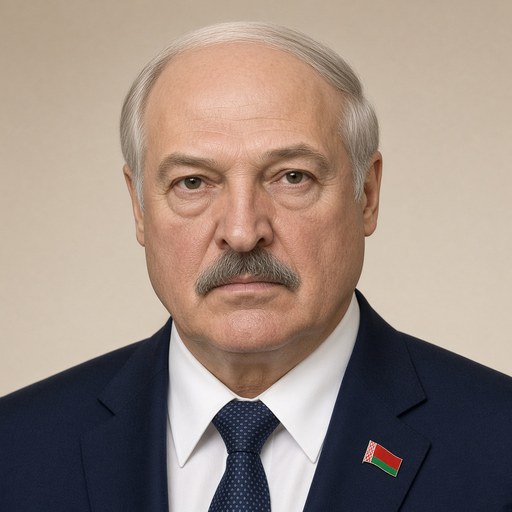
Speech at the seminar for leaders of republican and local government bodies
 Alexander Lukashenko · President of Belarus
- Context
- Lukashenko addressed Belarusian republican and local government leaders at a November 2007 seminar reviewing progress on the State Program for small and medium-sized city development.
- Main themes
- Regional development, small and medium-sized cities, state comprehensive program, investment projects, local governance, administrative accountability, rural development, social infrastructure, small business support, economic stability, seminar for government leaders
- Duration
- ~34 min
- Words
- 4,076
- Sentences
- 261
- Readability
- 51
- Grade
- 10.0
- Syntax
- 2.77
- Vocabulary
- 2.15
Translated from Russian
The broad sphere of national life a sentence belongs to. Every sentence has an Arena, so it is the denominator the other indices are read against.
Other261 sentences in 84 paragraphs
A Country Without a Periphery
This seminar is very important not only from the perspective of education but also in terms of setting tasks. We have clearly defined them here and will direct our entire administrative machinery towards their implementation.
At the seminar, we showcased addresses of best practices, where to look, and in which direction to act. I also openly stated my criteria by which I will evaluate your work.
We have worked quite fruitfully. The only remark from the Administration of the President: we cannot violate the regularity of holding such events. There are plenty of topics for discussion, just as relevant as today’s. And this can take various forms, but such a seminar — gathering together, learning, discussing problems — is very important. All leaders, the managerial elite of our country have had the opportunity to discuss issues related to mass media, industry, agriculture, healthcare, and other social areas. This is very important.
And another topic we are discussing today is important because more than 30 percent of the country's population lives in small and medium-sized cities. Our people are there. And we must create normal living conditions for them. Of course, even in Soviet times, attempts were made to solve this problem, but the spirit was only enough to raise the question and create some models.
This is also very important, it is good. But at that time, there was no comprehensive solution. And today, no matter how difficult it may be, we are forced and must solve this task as a whole. And we can solve it. We have approached the solution of the problems of rural development comprehensively. And this is our new state priority. Now we face the task of reviving small and medium-sized cities, creating conditions for their accelerated development. We cannot allow the lag of small and medium-sized cities to lead to a serious slowdown in the country's economic development and a threat to the socio-political stability of our state. To address this task, a State Comprehensive Program has been adopted. It was not easy to bring it to life. I demanded from the Prime Minister and the Government: make it simple, but clear and accessible to all. If these are small cities, then, first of all, what are these small cities, a list of them. And what specifically needs to be done in a specific city, in a small settlement. You all participated in this, and such a huge, but very concrete program emerged. It is very easy to control.
We approached it specifically, identified 187 small and medium-sized cities and settlements for which additional state assistance is necessary for development. For each of them, separate development programs were prepared at the local level, which formed the basis of the comprehensive state program.
We worked out and established more favorable conditions for small business operations. Tax preferences were granted to 346 organizations. As a basis for the economic uplift of these cities, we identified 195 key investment projects that are to be implemented as a priority. We determined the sources of their financing. The total volume of financing for the program's activities will amount to almost 2 trillion rubles, with only a quarter of this amount being budgetary funds. The rest will come from own resources and bank loans.
Specific measures are provided, tasks are set.
I hope that they will be resolved. To speak frankly, today we are also summarizing some results. So, the implementation of the tasks set in the program at the first stage turned out to be not as it should be. The results are not particularly encouraging.
Let me explain why.
First, as you have heard, out of 48 investment projects scheduled for implementation in 2007, only six have been fully completed as of the end of the first nine months. Even taking into account promises to improve the situation with the commissioning of some facilities by the end of the year, 13 key investment projects will not be implemented on time.
The Ministry of Industry and the Gomel Regional Executive Committee have not yet been able to start implementing one of the most important projects — in the urban settlement of Sosnovy Bor at the Svetlogorsk Plant of Agricultural Engineering.
Belcoopsoyuz and the Brest Regional Executive Committee have only developed a business plan for the technical re-equipment of the Malorita Bread Factory by the end of the year. Its modernization was supposed to take place this year.
The program included the production of processing and canning berries and mushrooms in the urban settlement of Glusk as a key investment project to be launched this year. In fact, only a little more than a third of what was planned has been mastered. Although 60 people were supposed to have found new jobs there by now.
How is it possible that the State Program has just been approved, and the deadlines for project implementation are already being postponed to subsequent years? Or, worse yet, investors are completely withdrawing from them. This is evidence of poor quality business planning, and the style of work of those who prepared such proposals!
In this regard, I want to warn once again. Non-fulfillment of the program, postponements of project implementation deadlines — this is a violation of our legislation and specifically of the decree of the Head of State, with all the ensuing consequences. The responsibility will be the strictest!
Secondly, based on the results of the first nine months, the tasks of the program are not being fulfilled.
We are not meeting the parameters for industrial production. Moreover, we produced fewer consumer goods than last year. Accordingly, we did not achieve the planned salary level in small and medium-sized cities.
Thirdly, even the state support provided has not been able to fundamentally improve the financial results of organizations located in small and medium-sized cities.
The average profitability level of the products sold by these enterprises from January to September 2007 was 8 percent, which is significantly lower than the national average (over 12 percent). Moreover, industrial enterprises with fewer than 100 employees performed much worse — with a profitability of only about 4 percent.
In short, it seems that both the compilers and the executors of the program have expended all their energy on its drafting. And after it was adopted — silence. As they say, "all the steam went into the whistle."
It seems that our leaders, from the smallest to the largest, need an additional impulse. But time, as I have already said and proven to you, including due to macro reasons, there is no time for a warm-up today.
Therefore, dear seminar participants, you are the direct executors of the program. I say again — there is no time for a warm-up!
We need to actively and significantly "add," to engage the unused reserves that we just talked about.
At a recent meeting on the draft forecast of the socio-economic development of our country for 2008, the figure for GDP growth that we must achieve next year was named — 111 percent. Of course, this is an ambitious task, but it is achievable. Especially since 2008 will be the starting point for the economic upturn that we plan to implement by the end of the five-year period. In general, we mentioned a figure of 120 percent if we want to survive and exist more or less normally afterward.
We must now add when there are markets for our products and demand for them. Therefore, I would like to instruct the Government and regional executive committees today to review the main indicators of our development and make the necessary changes to increase them. Our tasks must be intense. The established tasks must be maximally intense! It is unacceptable when reports state that the planned activities of the State Program have been completed, and more than half of them ahead of schedule, but at the same time, a tangible economic effect has not yet been achieved. This is even worse than not doing it. This means that either they are reporting on formal grounds, or the activities themselves are of a formal nature. I ask you to discard this formalism and get to work with rolled-up sleeves. No embellishments, no formalism will pass here.
The program provides for the construction of 57 new industrial enterprises and productions, modernization of 80 existing ones, and reconstruction of 56 facilities in the agro-industrial complex and the service sector. It is now clear that this is extremely insufficient. Moreover, existing production must be optimized, taking into account the established raw material zones, regional specialization, and possible markets for sale; we have also talked about this.
The revival of small and medium-sized urban settlements must be turned into a large-scale nationwide project and treated as such, as a key state priority with full responsibility. Its implementation will require joint efforts from all branches of government, all of us, entrepreneurs, and the population.
What specifically needs to be done in the near future? First. We must not allow mistakes and miscalculations, which, it must be honestly admitted, we had at the start of the rural revival program, when we showcased OAO "Alexandriyskoye" and other enterprises where a lot of funds were invested, excessively so. We halted this process when a village (agro-town) is built and at the same time attempts are made to replace the village with a city. We absolutely do not need that. The rural way of life must remain intact. The village must remain a village. We should not be afraid — some want to leave, others want to leave... If they find employment somewhere — let them leave; migration is unavoidable. There will still be a minimum number of workers left in the countryside. After all, Leonid Vyacheslavovich (L.V. Rusak — Minister of Agriculture and Food) told me that on new farms, less than a third of the workforce remains compared to the old ones. If there were 60 people, or even up to 100 "watching over," as people say, 800 heads of cattle, now at a farm where 800 heads are concentrated, they manage with thirty workers, including security, and only 4 to 5 milkers. Therefore, it is necessary to create auxiliary industries if people do not leave.
Special attention should be paid to problematic cities and settlements with high unemployment rates. Unfortunately, more than 70 percent of the total number of settlements included in the State Program fall into this category. I appeal to the governors and chairmen of district executive committees: how long can unemployment in the cities and settlements of Gantsevichi, Mikashevichi, Ivanovo, Vasilievichi, Krasnopolye, Novolukoml, and Oktyabrsky remain so high? The difficult employment situation there has not changed for several years. Well, after all, do you have any ambitions and conscience? You need to think and "plant" some enterprise or two or three there that will solve the entire unemployment problem. Loss-making, unstable city-forming organizations pose a threat to social stability not only in the localities where they are located but also in the surrounding areas, for which they are the only source of income.
Enterprises are "lying idle" in the city of Baran, in the settlements of Bolbasovo (Vitebsk region); I have been there more than once, and the problems there are still not being resolved as they should be. Ilyich and Kopatkevich (Gomel), Porozovo (Grodno). The problems of city-forming organizations are your responsibility, Sergey Sergeyevich (S.S. Sidorsky — Chairman of the Council of Ministers), and the Government as a whole. Further delaying the resolution of these problems is simply not possible. Therefore, the Government and regional executive committees must take all necessary measures to ensure their stable operation by the end of 2008 as a priority task.
The program provides for state support for such cities and the enterprises located there. In addition, the tax burden for small businesses there has already been reduced by half. These are unprecedented benefits. No other state offers such benefits. In Europe, they can only dream of this. We simply need to attract more people here so that they know what is happening.
On this basis, it is necessary to achieve qualitative economic growth, increased financial stability of organizations, and comprehensive development of production and social infrastructure in all problematic urban settlements.
Enterprises must be modernized.
Business plans for proposed investment projects in small and medium-sized cities with the participation of local authorities should be reviewed more thoroughly. I repeat, first — production, then housing, social sphere, and utilities. If we pull the main link — we will ensure employment and a decent standard of living for the population of these cities.
After all, the most acute social problem is low incomes. Today, in small cities, the salary level is 83 percent of the national average.
With an average salary in the country in September of this year at 710,000 rubles, in the urban settlement of Logishin in the Pinsk district and in the city of David-Gorodok in the Stolin district of the Brest region, in the urban settlement of Streshin in the Zhlobin district and in the settlement of Belitsa in the Rogachev district of the Gomel region, it was 300,000 to 400,000 rubles. The same picture is observed in a number of settlements in the Grodno region.
Neither the Government nor local authorities can forget that in the coming years we need to significantly increase the income level of the population. If, for example, our neighbors have a salary of a thousand dollars, we cannot escape from this. We must not lag behind.
An important tool for the economic growth of regions is the rational internal placement of productive forces.
The Government should expand the practice of integrating organizations located in small settlements and having unsatisfactory financial conditions into sustainably operating industrial enterprises.
If necessary, think about how to stimulate these processes.
However, such placement of industry "by cities and villages" must be economically justified. At the same time, it is necessary to prevent the deterioration of the environmental situation in the country.
One more thing. With great effort, we are searching for funds to build new enterprises and modernize existing ones in order to increase the production potential of the regions and reduce unemployment there. However, at the same time, due to the negligence of local and sectoral government bodies, the number of fraudulent bankruptcies of enterprises is not decreasing. That is, we are creating new enterprises with such persistence, and at the same time, we are bankrupting almost as many. Moreover, without any grounds for it. "Oh, is it possible? Well, let's declare bankruptcy." As if that would make life easier. It won't! Therefore, I want to say that this is a troubling signal for me, and I warn the leaders of the regions and ministries — put things in order locally. You will be held accountable for this.
The State Control Committee, law enforcement, and judicial bodies should examine each case of enterprise liquidation very carefully. We cannot allow ourselves to build new factories with one hand while closing existing ones with the other.
Secondly, we need to maximize the involvement of all available potential reserves. Fully utilize the mechanism for engaging unused and inefficiently used state property into economic circulation. How long can we cling to what we cannot or do not want to use? We have already talked about this. There are problems — let's solve them immediately. It all depends on us. As for me, I am ready to make such decisions. But hundreds of enterprises and facilities are currently not being utilized.
The same applies to military towns. A decision has been made regarding 42 military towns. However, to date, only 6 transformer substations and one building of the officers' garrison house have been transferred. And this is in 42 military towns that are subject to transfer!
We need to develop production there, and there are examples. One such example is the "Postavsky Furniture Center," where 655 people work. The leaders are former military personnel. The salary is higher than in the entire district!
Dear comrades!
We urgently need to increase investment volumes at an accelerated pace. It would seem that we have adopted legal acts to enhance the investment attractiveness of small and medium-sized towns. However, this has not yielded significant results. Of the total volume of investments attracted to the economy of the regions over the past nine months, foreign investments account for only 0.3 percent. Local authorities need to work more actively in this direction. How? We have also talked about this.
I am ready to consider proposals for more attractive, more favorable conditions for creating new, modern productions in the regions, in small and medium-sized urban settlements. Moreover, such favorable conditions should apply to both foreign and domestic investors. I will ask both the Prime Minister and the Chairman of the National Bank not to delay with these proposals. The main result by which we will assess our work is the attraction of foreign direct investments and long-term investments in business on Belarusian soil.
After all, we have many positive examples. This includes the commissioning of a fruit beverage plant in the city of Vysokoe in the Brest region with the involvement of German capital, the opening of a sewing production facility in the village of Divin in the Kobrin district, and the implementation of relevant investment projects in the city of Bereza, which were mentioned here by the chairman of the district executive committee. This also includes the organization of the production of injection, infusion, dialysis solutions, and eye drops in the city of Nesvizh in the Minsk region with the involvement of funds from Latvian enterprises.
The revival of small and medium-sized towns is impossible without the participation of domestic entrepreneurs, small and medium-sized businesses. The overwhelming majority of small business entities are still concentrated in Minsk.
Today, local authorities have been granted the right to provide state support from local budgets. And I have already said — if you insist on the transfer of taxes from these enterprises to you, please, we will make the appropriate decision.
Local authorities must become the organizers of entrepreneurship in their city. This is your area of responsibility. And first of all, you need to see the production area. It is very important to organize the work of structures that provide free business consulting services. It is precisely at the local level that favorable conditions should be created for initiative and enterprising people. This process, like all others, cannot proceed on its own. Local authorities are simply obliged to provide effective organizational measures for the development of small businesses. Keep in mind that starting next year, at least two percent of local budget revenues must be formed from taxes on the work of new productions organized in their territory. This is the provision laid down in the draft budget for 2008.
The issue of employment in the regions must be addressed comprehensively. In addition to industrial development, people should be more actively involved in construction, trade, household services, and tourism.
I will not dwell on this in detail. There are many examples. These are Turau, Nesvizh, Mir, Mstislavl, Zaslavl. Recreation centers — Naroch, Braslav, Lepel. Small towns should become centers for the health improvement of our country's population. Near many of them, therapeutic waters have been identified. These are Glubokoe, Verkhnedvinsk, Rossony, Vidzy. But here, the initiative of local authorities is important. For example, based on proposals from the chairmen of one of the rural councils and the Braslav district executive committee, a resort in the urban settlement of Vidzy can realistically be revived today. But we are moving in this direction very slowly. And this has also been mentioned here.
Therefore, the Ministry of Sports and Tourism, the Ministry of Information, and the regional executive committees need to promote local attractions at a higher quality level and assist in the development of routes for rural, local history, and ecological tourism.
A significant share of cultural objects is concentrated here. Despite numerous wars and destructions, more than 100 small towns have preserved valuable architectural and urban planning monuments from various eras, including 42 towns that have monuments of national significance.
But we must not forget that all projects must be self-sustaining!
I cannot help but touch on another important issue — providing qualified personnel for enterprises and organizations located in remote areas.
Currently, the age and professional structure of the population in small and medium-sized towns does not meet modern requirements. How this is done has also been discussed from this podium today.
The most important question, besides the need for spiritual development and sports, is the issue of housing. Therefore, we need to take an example from the rural revival program and build, build, build in these towns.
We need to establish order with discipline, compliance with regulatory (contractual) construction deadlines, and the quality of housing.
Recently, I saw on television how Andreychenko (V.P. Andreychenko — Chairman of the Vitebsk Regional Executive Committee) was handing over houses. People say: a new house, a person moves in, does the repairs, and the next day everything falls apart. Is that normal? It should have been publicly questioned long ago those who did this. No one would want to do it again.
The situation in this regard must be turned around!
And first of all, the situation with wages.
The main thing now is to maximize the energy and initiative of the population of small towns and settlements.
A well-established system of ideological work is called upon to play an important role here.
The ideology of the Belarusian state allows us to see the development program for small towns as part of a comprehensive state policy aimed at creating a prosperous and comfortable living environment for people.
Every person must understand that the state concentrates enormous resources on achieving this goal. And all this can only be created by the people themselves. This is a two-way process. On one side is the state, and on the other side is the population.
We have extremely weak information and advertising activities to promote the potential of our small towns and individual regions. And there are plenty of resources: from newspapers and television to the Internet.
The time urgently requires a radical increase in the quality of management activities, its effectiveness, and real authority among the people. Our management system must competently ensure a balance of interests of all social strata and regions of the country, their even development.
It is necessary to persistently implement a business style, accessibility, and mobility of all management bodies everywhere. And this primarily concerns local authorities. Sociological studies indicate this.
Therefore, now more than ever, we need to hold leaders accountable for their assigned areas of work. We must remember that behind every failed task are specific people.
It is personal responsibility that should become the main mechanism to help combat negativity and successfully solve the tasks set.
At the same time, I want to warn that complaining about the Prime Minister or the Government for strict accountability is categorically prohibited. I will listen to you on all issues, but not on the issue of strict accountability and achieving higher indicators. We need to make a breakthrough today. There is a moment, and we need to take advantage of it!
In conclusion, I want to say that we have entered a very difficult and responsible stage in the development of our young state. The path ahead is challenging. But we know clearly what we need to do on this path. It is very important for this current five-year period to successfully resolve two interrelated large-scale tasks — the revival of the countryside and small urban settlements.
Their resolution is seen in constructive interaction between government bodies at various levels and cooperation with the people. Therefore, today both bureaucratic red tape and the indifference of ordinary citizens are equally dangerous.
The main burden of developing small towns and settlements still falls on the chairmen of the executive committees. Although serious responsibilities for resolving this issue are also placed on republican authorities and the Government.
The demand for results will be, I emphasize again, strict, harsh, but objective. We will not infringe on anyone's initiative, but we will not forgive failures in work. They must not be allowed.
Remember that the successful revival of small and medium-sized urban settlements is a matter of our honor.
I wish you success in this!
Applause.
The original Russian. The tags above are read on the English translation's sentences.
Страна без периферии
Данный семинар очень важен не только с точки зрения учебы, но и с точки зрения постановки задач. Мы их здесь четко поставили и будем всю нашу административную машину направлять на реализацию.
На семинаре мы показали адреса передового опыта, где это посмотреть, в каком направлении надо действовать. Мои критерии, по которым я буду оценивать вашу работу, я тоже откровенно назвал.
Мы поработали достаточно плодотворно. Единственное замечание Администрации Президента: нельзя нарушать регулярность проведения подобных мероприятий. Тем для обсуждения предостаточно, вот таких же актуальных, как сегодня. И это может приобретать разные формы, но такой семинар — вместе собираться, учиться, обсуждать проблемы — это очень важно. Все руководители, управленческая элита нашей страны получили возможность обсуждать вопросы, которые касаются средств массовой информации, промышленности, сельского хозяйства и здравоохранения, других социальных областей. Это очень важно.
И еще тема, которую мы сегодня обсуждаем, важна потому, что в малых и средних городах проживает более 30 процентов населения страны. Там наши люди. И мы должны создавать нормальные условия для их жизни. Конечно, и в советские времена пытались решить эту проблему, но духа хватило только для постановки вопроса и создания каких–то образцов.
Это тоже очень важно, это хорошо. Но тогда кмплексного решения не было. И сегодня, как бы ни было сложно, мы вынуждены и должны решить эту задачу в целом. И мы можем ее решить. Мы подступились к решению проблем развития глубинки комплексно. И это является нашим новым государственным приоритетом. Сейчас перед нами стоит задача реанимировать малые и средние города, создать условия для их ускоренного развития. Нельзя допустить, чтобы отставание малых, средних городов привело к серьезному торможению экономического развития страны и угрозе социально–политической стабильности нашего государства. Для решения этой задачи принята Государственная комплексная программа. Она нелегко рождалась. Я от Премьер–министра и Правительства потребовал: сделайте просто, но понятно, доступно для всех. Если это малые города, то, во–первых, что это за малые города, перечень их. И что конкретно надо сделать в конкретном городе, в малом поселке. Вы в этом все принимали участие, и появилась такая огромная, но очень конкретная программа. Ее очень легко проконтролировать.
Мы подошли конкретно, определили 187 малых, средних городов и поселков, для развития которых необходима дополнительная государственная помощь. По каждому из них на местном уровне подготовили отдельные программы развития, которые легли в основу комплексной государственной программы.
Проработали и установили более льготные условия ведения малого бизнеса. 346 организациям предоставили налоговые преференции. В качестве базы для подъема экономики этих городов вычленили 195 важнейших инвестиционных проектов, подлежащих первоочередной реализации. Определили источники их финансирования. Общий объем финансирования мероприятий по программе составит почти 2 трлн. рублей, притом лишь четверть этой суммы — бюджетные средства. Остальное — собственные средства и кредиты банков.
Конкретные меры предусмотрены, задачи поставлены.
Надеюсь, что они будут решены. Если говорить откровенно, сегодня мы и итоги некоторые подводим. Так вот, выполнение на первом этапе задач, которые поставлены по программе, оказалось не таким, каким оно должно быть. Итоги особо не радуют.
Поясню почему.
Во–первых, как вы слышали, из 48 инвестиционных проектов, подлежащих реализации в 2007 году, по итогам девяти месяцев полностью завершено лишь шесть. Даже с учетом обещаний до конца года улучшить положение с вводом в строй части объектов 13 важнейших инвестиционных проектов не будут реализованы в срок.
Министерство промышленности и Гомельский облисполком до настоящего времени не смогли приступить к реализации одного из важнейших проектов — в городском поселке Сосновый Бор на Светлогорском заводе сельскохозяйственного машиностроения.
Белкоопсоюз и Брестский облисполком к концу года только лишь разработали бизнес–план проекта технического перевооружения хлебозавода Малоритского райпо. А его модернизацию следовало провести в этом году.
В программу в качестве важнейшего инвестиционного проекта с вводом в этом году включено производство по переработке и консервированию ягод и грибов в городском поселке Глуск. Фактически освоено только чуть больше третьей части от запланированного. Хотя там уже сегодня должны были получить новую работу 60 человек.
Как же так получается, что Государственную программу только утвердили, а сроки реализации проектов уже собираются перенести на очередные годы? Или, что еще хуже, от них вообще отказываются инвесторы. Это же свидетельство низкого качества бизнес–планирования, да и стиля работы тех, кто готовил такие предложения!
В связи с этим хочу предупредить в очередной раз. Невыполнение программы, переносы сроков реализации проектов — это же нарушение нашего законодательства и конкретно указа Главы государства со всеми вытекающими последствиями. Ответственность будет самая строгая!
Во–вторых, по итогам девяти месяцев не обеспечивается выполнение заданий программы.
Не выходим на параметры по промышленной продукции. Более того, меньше, чем в прошлом году, произвели потребительских товаров. Соответственно и не достигли запланированного уровня зарплаты в малых и средних городах.
В–третьих, даже предоставленная государственная поддержка не смогла кардинально улучшить финансовые результаты работы организаций, расположенных в малых и средних городах.
Средний уровень рентабельности реализованной продукции на этих предприятиях за январь — сентябрь 2007 года составил 8 процентов, что значительно ниже, чем в среднем по стране (больше 12 процентов). Причем промышленные предприятия с численностью работников до 100 человек сработали гораздо хуже — всего лишь около 4 процентов рентабельность.
Словом, складывается впечатление, что и у составителей, и у исполнителей программы вся энергия ушла на ее составление. А после того как приняли — затишье. Как говорят, «весь пар ушел в гудок».
Похоже, что нашим руководителям от мала до велика нужен дополнительный импульс. Но времени, как я уже сказал и доказал вам это, в том числе по макропричинам, времени на раскачку сегодня нет.
Поэтому, уважаемые участники семинара, вы — непосредственные исполнители программы. Еще раз говорю — на раскачку времени нет!
Нужно активно и очень значительно «добавлять», включать незадействованные резервы, о которых мы здесь только что говорили.
На недавнем совещании по проекту прогноза социально–экономического развития нашей страны на 2008 год была названа цифра темпа роста ВВП, на которую мы должны выйти в следующем году, — 111 процентов. Конечно, задача амбициозная, но решаемая. Тем более что 2008 год будет стартом в том подъеме экономики, который мы планируем осуществить до конца пятилетки. А вообще, мы называли цифру и в 120 процентов, если мы хотим выжить и более–менее нормально потом существовать.
Нам сейчас обязательно надо добавлять, когда есть рынки сбыта и спрос на нашу продукцию. Поэтому я хотел бы поручить сегодня Правительству и облисполкомам пересмотреть основные показатели нашего развития и внести соответствующие изменения в сторону повышения. Напряженными должны быть наши задания. Обязательно установленные задания должны быть максимально напряженными! Не дело, когда докладывают, что намеченные мероприятия Госпрограммы выполнены, причем более половины из них досрочно, но в то же время ощутимого экономического эффекта так и не наступило. Это еще хуже, чем не сделать. Это значит, что или отчитываются по формальным признакам, или сами мероприятия носят формальный характер. Я прошу вас, отбросьте этот формализм и возьмитесь за работу засучив рукава. Никакие приписки, никакой формализм здесь не пройдут.
В программе предусмотрено строительство 57 новых промышленных предприятий и производств, модернизация 80 действующих, реконструкция 56 объектов агрокомплекса и сферы услуг. На сегодня ясно, что этого крайне недостаточно. Причем действующее производство сегодня надо оптимизировать, с учетом сложившихся сырьевых зон, региональной специализации, возможных рынков сбыта, мы тоже об этом говорили.
Возрождение малых, средних городских поселений необходимо развернуть в масштабный общенациональный проект и относиться к нему именно так, как к важнейшему государственному приоритету со всей ответственностью. Для его реализации потребуются совместные усилия всех органов власти, всех нас, предпринимателей и населения.
Что конкретно предстоит сделать в ближайшее время? Первое. Мы не должны допустить ошибок и просчетов, которые, нужно честно признать, у нас были при старте программы возрождения села, когда мы показывали ОАО «Александрийское» и другие предприятия, куда вложено средств очень много, излишне много. Мы приостановили этот процесс, когда деревню (агрогородок) строят и деревню при этом пытаются заменить городом. Нам это абсолютно не нужно. Нельзя нарушить уклад деревни. Деревня должна остаться деревней. Не надо бояться — те хотят уехать, эти хотят уехать... Если они где–то трудоустроятся — пусть уезжают, миграции не избежать. Все равно на селе останется минимум работающих. Ведь вот Леонид Вячеславович (Л.В.Русак — министр сельского хозяйства и продовольствия) мне сказал, что на новых фермах остается меньше трети той численности, которая существует на старых. Если там было 60 человек, а то и под 100 «даглядалi», як у народзе кажуць, 800 голов коров, то сейчас на ферме, где сконцентрировано 800 голов, обходятся тридцатью работниками вместе с охранниками, а доярок всего 4 — 5. Поэтому надо создавать подсобные промыслы, если люди не уезжают.
Особое внимание следует обратить на проблемные города и поселки с высоким уровнем безработицы. К сожалению, таких более 70 процентов от общего количества поселений, включенных в Государственную программу. Я обращаюсь к губернаторам, председателям райисполкомов: до каких пор может зашкаливать безработица в городах и поселках Ганцевичи, Микашевичи, Иваново, Василевичи, Краснополье, Новолукомль, в Октябрьском? Там сложная ситуация с занятостью не меняется уже на протяжении ряда лет. Ну, в конце концов, есть же у вас какие–то амбиции и совесть? Ну надо продумать и «посадить» там какое–то предприятие или два–три, которые решат всю эту проблему с безработицей. Убыточные, неустойчиво работающие градообразующие организации создают угрозу для социальной стабильности не только в тех населенных пунктах, где они размещены, но и в прилегающих районах, для которых являются единственным источником дохода.
«Лежат» предприятия в городе Барань, поселках Болбасово (Витебская область), я там не единожды был, и до сих пор не решаются там проблемы так, как надо. Ильич и Копаткевичи (Гомельская), Порозово (Гродненская). Проблемы градообразующих организаций — это на вашей ответственности, Сергей Сергеевич (С.С.Сидорский — Председатель Совета Министров), и Правительства в целом. Далее откладывать решение этих проблем просто нельзя. Поэтому Правительству и облисполкомам в качестве первоочередной задачи до конца 2008 года надо принять все необходимые меры для обеспечения их стабильной работы.
В программе предусмотрена господдержка таких городов и расположенных там предприятий. Кроме того, там налоговая нагрузка для малого бизнеса уже снижена в два раза. Это вообще беспрецедентные льготы. Ни одно государство таких льгот не предлагает. В Европе только мечтать об этом могут. Просто надо привлекать людей больше сюда, чтобы они знали, что здесь происходит.
На этой основе во всех проблемных городских поселениях необходимо добиться качественного экономического роста, повышения финансовой устойчивости организаций, комплексного развития производственной и социальной инфраструктуры.
Предприятия должны быть модернизированы.
Бизнес–планы по предложенным инвестиционным проектам в малых и средних городах с участием местных властей следует пересмотреть более тщательно. Еще раз повторяю, первое — производство, потом жилье, социальная сфера, коммунальное хозяйство. Вытянем главное звено — обеспечим занятость, достойный уровень жизни населения этих городов.
Ведь самая острая социальная проблема — низкие доходы людей. Сегодня в малых городах уровень зарплаты составляет 83 процента от среднего по стране.
При средней заработной плате по стране в сентябре текущего года 710 тысяч рублей, в городском поселке Логишин Пинского и городе Давид–Городок Столинского районов Брестской области, городском поселке Стрешин Жлобинского и поселке Белица Рогачевского районов Гомельской области она была 300 — 400 тысяч. Такая же картина и в ряде поселков Гродненской области.
Ни Правительству, ни местной власти нельзя забывать, что в ближайшие годы нам надо значительно повысить уровень доходов населения. Если, допустим, у соседей будет зарплата тысяча долларов, нам никуда не деться от этого. Мы не должны отставать.
Важный инструмент экономического роста регионов — рациональное внутриреспубликанское размещение производительных сил.
Правительству следует расширять практику присоединения к устойчиво работающим промышленным предприятиям организаций, расположенных в малых населенных пунктах и имеющих неудовлетворительное финансовое состояние.
Если необходимо, то продумайте, как стимулировать эти процессы.
Однако такое размещение промышленности «по городам и весям» должно быть экономически обоснованным. При этом необходимо не допустить ухудшения экологической ситуации в стране.
Еще об одном. С огромным напряжением мы выискиваем средства на строительство новых и модернизацию действующих предприятий, чтобы нарастить производственный потенциал регионов, снизить там уровень безработицы. Однако в это же время из–за попустительства местных, отраслевых органов госуправления не снижается количество лжебанкротств предприятий. То есть с таким упорством создаем предприятия новые и в это же время почти столько же банкротим. Притом без всяких на это оснований. «А, можно? Ну давайте обанкротим». Как будто от этого легче жить станет. Не станет! Поэтому я хочу сказать, что это для меня тревожный сигнал и я предупреждаю руководителей регионов и министерств — навести порядок на местах. За это будете отвечать головой.
Комитету госконтроля, правоохранительным, судебным органам следует самым тщательным образом рассматривать каждое дело о ликвидации предприятий. Нельзя допустить, чтобы мы одной рукой строили новые заводы, а другой — закрывали действующие.
Второе. Нужно максимально включить в работу все имеющиеся потенциальные резервы. В полной мере задействовать механизм вовлечения в хозяйственный оборот неиспользуемое, неэффективно используемое государственное имущество. Сколько можно держаться за то, что мы не можем или не хотим использовать? Мы об этом уже говорили. Есть проблемы — давайте их немедленно решим. Это все зависит от нас. Что касается меня, я готов принять такие решения. Но сотни предприятий, объектов сегодня не задействованы.
То же касается и военных городков. Решение принято по 42 военным городкам. Но к настоящему времени переданы только 6 трансформаторных подстанций и одно здание гарнизонного Дома офицеров. И это в 42 военных городках, которые подлежат передаче!
Нужно разворачивать там производство, и образцы есть. Пример тому «Поставский мебельный центр», где работают 655 человек. Руководители — бывшие военные. Заработная плата выше, чем во всем районе!
Уважаемые товарищи!
Нам крайне необходимо опережающими темпами наращивать объемы инвестиций. Казалось бы, приняли правовые акты для повышения инвестиционной привлекательности малых и средних городов. Однако это особого эффекта не дало. Из общего объема капиталовложений, привлеченных в экономику регионов за девять месяцев этого года, иностранные инвестиции составляют 0,3 процента. Местной власти более активно надо работать в этом направлении. Как? Мы тоже об этом говорили.
Я готов рассмотреть предложения о более привлекательных, более льготных условиях для создания в регионах, малых и средних городских поселениях новых, современных производств. Причем такие льготные условия должны быть как для иностранных, так и для отечественных инвесторов. Я попрошу и Премьер–министра, и Председателя Национального банка с этими предложениями не тянуть. Главный результат, по которому будем оценивать работу, это привлечение прямых иностранных инвестиций, долгосрочных вложений в бизнес на белорусской земле.
Ведь у нас есть много положительных примеров. Это — ввод в строй с привлечением немецкого капитала завода фруктовых напитков в городе Высокое Брестской области, открытие швейного производства в деревне Дивин Кобринского района, реализация в городе Березе инвестиционных соответствующих проектов, о которых здесь говорил председатель райисполкома. Это также организация в городе Несвиже Минской области производства инъекционных, инфузионных, диализных растворов и глазных капель с привлечением средств латвийских предприятий.
Возрождение малых, средних городов невозможно без участия отечественных предпринимателей, мелкого и среднего бизнеса. У нас по–прежнему подавляющая масса субъектов малого бизнеса сосредоточена в Минске.
Сегодня местной власти предоставлено право оказания государственной поддержки за счет местных бюджетов. И я уже сказал — если вы настаиваете на передаче вам налогов с этих предприятий, пожалуйста, мы примем соответствующее решение.
Местная власть должна стать организатором предпринимательства в своем городе. Это — ваша зона ответственности. И прежде всего надо видеть зону производства. Очень важно организовать работу структур, оказывающих на бесплатной основе услуги по бизнес–консультированию. Именно на местах следует создавать благоприятные условия для инициативных и предприимчивых людей. Самотеком этот процесс, как и все другие, идти не может. Местные органы власти просто обязаны предусмотреть эффективные организационные меры по развитию малого бизнеса. Учтите, что с будущего года не менее двух процентов доходов местных бюджетов нужно сформировать за счет налогов от работы новых производств, организованных на своей территории. Именно такое положение заложено в проекте бюджета на 2008 год.
Вопрос трудовой занятости в регионах надо решать в комплексе. Кроме развития промышленности, следует активнее вовлекать людей в сферу строительства, торговли, бытового обслуживания и туризма.
Я не буду на этом подробно останавливаться. Очень много есть примеров. Это Туров, Несвиж, Мир, Мстиславль, Заславль. Центры отдыха — Нарочь, Браслав, Лепель. Малые города должны стать центром оздоровления населения нашей страны. Вблизи многих из них выявлены и лечебные воды. Это Глубокое, Верхнедвинск, Россоны, Видзы. Но здесь важна инициатива местных властей. К примеру, по предложениям председателей одного из сельсоветов и Браславского райисполкома сегодня реально может быть возрожден курорт в городском поселке Видзы. Но мы разворачиваемся в этом направлении очень медленно. И об этом здесь также говорилось.
Поэтому Минспорта и туризма, Министерству информации, облисполкомам на более высоком качественном уровне необходимо рекламировать местные достопримечательности, помогать в разработке маршрутов сельского, краеведческого, экологического туризма.
Здесь сосредоточена значительная доля культурных объектов. Несмотря на многочисленные войны и разрушения, более 100 малых городов сохранили ценные памятники архитектуры и градостроительства различных эпох, в том числе 42 города имеют памятники национального значения.
Но нельзя забывать, что все проекты должны быть окупаемыми!
Не могу не затронуть еще один важный вопрос — обеспечение квалифицированными кадрами предприятий и организаций, расположенных в глубинке.
В настоящее время возрастная и профессиональная структура населения малых и средних городов не соответствует современным требованиям. Как это делается, об этом тоже сегодня с этой трибуны говорили.
Самый, конечно, главный вопрос, кроме того, что и для души надо, и спорт развивать надо и прочее, — это вопрос жилья. Поэтому надо брать пример с программы возрождения села и надо в этих городах строить, строить, строить.
Надо навести порядок с дисциплиной, соблюдением нормативных (договорных) сроков строительства и качеством жилья.
Недавно по телевидению увидел, как Андрейченко (В.П.Андрейченко — председатель Витебского облисполкома) сдает дома. Люди говорят: новый дом, человек заселяется, ремонт сделал, а назавтра все поотваливалось. Разве это нормально? Давно надо было публично спросить с тех, кто это делал. Больше никому бы так не захотелось.
Ситуацию в этой части надо переломить!
И прежде всего ситуацию с заработной платой.
Главное сейчас — максимально активизировать энергию и инициативу населения малых городов и поселков.
Важную роль здесь призвана сыграть хорошо налаженная система идеологической работы.
Идеология белорусского государства позволяет видеть программу развития малых городов как часть целостной государственной политики по формированию благополучной и комфортной среды проживания людей.
Каждый человек должен понимать, что государство концентрирует на достижении этой цели огромные ресурсы. И это все может быть создано только самими людьми. Это двухсторонний процесс. С одной стороны — государство, с другой стороны — население.
У нас крайне слабо развита информационно–рекламная деятельность по пропаганде потенциала наших малых городов, да и отдельных регионов. А средств предостаточно: от газет, телевидения до Интернета.
Время настоятельно требует кардинального повышения качества управленческой деятельности, ее эффективности и реального авторитета у людей. Наша система управления должна квалифицированно обеспечить баланс интересов всех социальных слоев и регионов страны, их равномерное развитие.
Необходимо повсеместно, настойчиво внедрять деловой стиль, доступность и мобильность всех органов управления. А местных органов власти это касается в первую очередь. Социологические исследования об этом говорят.
Поэтому в настоящее время как никогда надо спрашивать с руководителей за порученный участок работы. Надо помнить, что за каждым проваленным делом стоят конкретные люди.
Именно персональная ответственность должна стать основным механизмом, который поможет бороться с негативом и успешно решать поставленные задачи.
При этом хочу предупредить, что жаловаться на Премьер–министра, на Правительство за жесткий спрос категорически запрещается. Я буду слушать вас по всем вопросам, но только не по вопросу жесткого спроса и доведения более высоких показателей. Надо сегодня осуществить прорыв. Есть момент и им нужно воспользоваться!
Завершая свое выступление, хочу сказать, что мы вышли на очень сложный и ответственный этап развития нашего молодого государства. Путь предстоит трудный. Но мы четко знаем, что на этом пути нам надо сделать. Очень важно для нынешнего пятилетия успешное решение двух взаимосвязанных масштабных задач — это возрождение села и малых городских поселений.
Их решение видится в конструктивном взаимодействии органов государственного управления различных уровней, сотрудничестве с людьми. Поэтому сегодня одинаково опасны как чиновничья волокита, так и равнодушие рядовых граждан.
Основная нагрузка по развитию малых городов и поселков все–таки ложится на председателей исполкомов. Хотя серьезные обязанности по разрешению этой проблемы возложены и на республиканские органы власти, и на Правительство.
Спрос за результаты деятельности будет, еще раз подчеркиваю, жесткий, жестокий, но объективный. Ничью инициативу мы не будем ущемлять, но и провалов в работе мы не простим. Их допустить нельзя.
Помните, что успешное возрождение малых и средних городских поселений — дело нашей чести.
Я вам желаю в этом успехов!
Аплодисменты.