




Speech at the meeting with the heads of Belarusian diplomatic missions
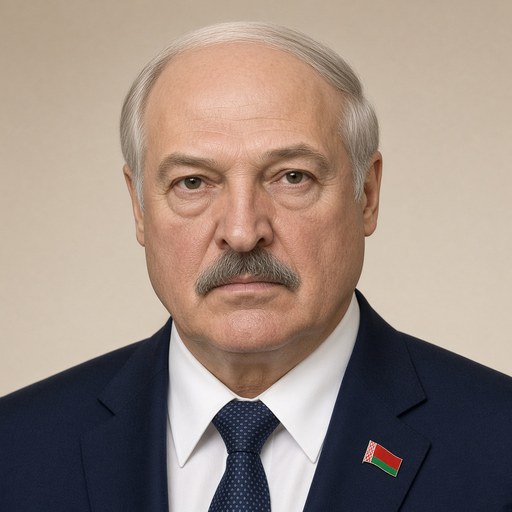
 Alexander Lukashenko · President of Belarus
- Context
- Lukashenko addressed heads of Belarusian diplomatic missions in August 2006 to outline foreign policy priorities following the Third All-Belarusian People's Assembly and his re-election.
- Main themes
- Belarusian foreign policy, multipolarity and shifting world order, national sovereignty, geopolitical interests of Belarus, Belarus-West relations, security and economic development, diplomatic corps responsibilities, pragmatism and consistency in foreign policy, Russia and allied partnerships, internal political development
- Duration
- ~82 min
- Words
- 9,812
- Sentences
- 691
- Readability
- 57
- Grade
- 8.8
- Syntax
- 2.65
- Vocabulary
- 2.09
Translated from Russian
The broad sphere of national life a sentence belongs to. Every sentence has an Arena, so it is the denominator the other indices are read against.
Other691 sentences in 182 paragraphs
Dear comrades!
...At the Third All-Belarusian People's Assembly, we defined the main directions of our development. They are well known to you. The purpose of my speech is not to remind you of them once again. I want to focus your attention on the new trends that are emerging in the changing world and the necessity of our adequate response to these changes.
Currently, it is becoming increasingly evident that a global process is underway, namely, the movement of the world community from a unipolar structure towards multipolarity. This is a fact. New centers of power are emerging and vigorously strengthening. Their struggle for a "place in the sun" gives rise to large-scale, I would say, planetary contradictions, which are fraught with a new redistribution of spheres of influence and a disruption of the fragile balance in the world.
What position should Belarus take under the new conditions in a changing world?
In the year of the presidential elections, our society heard many different, often diametrically opposed pieces of advice from all sides.
Some suggested completely submitting to Western interests and lining up behind newcomers in anticipation of handouts from the master's table, while others proposed merging certain regions into a larger state, losing sovereignty.
Of course, our people categorically reject such options. We have never proposed or promised such a policy to the Belarusian people.
Belarus is making its historical choice independently, including its own foreign policy course. As a self-respecting state, it actively and consistently participates with its allied partners in the formation of one of the serious centers of power in the world, defending its national interests and principles of a just world order.
At the same time, as the Head of State, I proceed from the understanding that foreign policy should not have sharp turns and abrupt shifts. The strength of foreign policy lies in consistency and pragmatism. And, of course, in flexibility. Foreign policy must respond in a timely manner to changes around us.
But being flexible does not mean bending. Or, worse, yielding—whether to the so-called "teachers of democracy" or anyone else. We have never done anything for the sake of a pat on the back from the West or the East. Neither in foreign policy, nor especially in domestic policy. And we will never do that.
Belarus has today reached a new level of foreign policy. It has become an active subject of international relations. Not everyone likes this, because we are a noticeable and significant state, a serious competitor. Otherwise, there would not be so much attention from the superpower of the United States and its allies, satellites. We are also of interest to other centers of power: the European Union, China, India, not to mention our fraternal Russia.
I have always said and will repeat now: Belarus has no and cannot have global, geopolitical ambitions. But today, at a new stage of our state's development, it must be said: we have geopolitical interests.
In our foreign policy, we are addressing and must address two main tasks—ensuring the security of the state and creating favorable external conditions for the development of both the economy and the people. Thus, foreign policy is entirely determined by the internal, real needs of the country.
And we must work at all levels: both globally and regionally, including bilateral relations with various states.
I want to share a thought with you. Of course, the world is arranged in such a way that people always attribute some success or failure to the Head of State. This is natural. But I want to emphasize that in this hall is the entire personnel registry of the President. Without you, no one would have shown any honor or respect to your President, whom you elected and support; without you, we would not have achieved anything at all. But a little time will pass, and a new generation of politicians will come. New people will be in this hall. And we must bring this new elite to leadership, doing so flexibly and consistently. But we, if we continue to hold the country as we have, can always say to our children, our grandchildren, and those who come after us, and to the people who will live in our Belarus, that we have done a lot for this country, we have indeed built this country, this Belarus, and we will not be ashamed of the past. For this, I want to thank you. We have indeed accomplished a lot.
But I am concerned about something else. It seems to me that we have developed a kind of, as they say, dizziness "from success"... And this is wrong! Because there are many shortcomings and unfinished tasks! Therefore, I am increasingly making tough statements regarding the results of our work. And this is not without reason. Today, I unequivocally state: the issue is not that we do not know how to work. The issue is that some do not want to work intensively, and many have "laid down on the job." Wake up, get up, and start working properly! After all, we have everything to ramp up our efforts! We are not lagging behind anywhere! There is dynamics everywhere, even in the forestry sector, which I have criticized. Everywhere. And the potential is colossal, enormous. And no objective person today will say that the state has not supported him and has not lent a shoulder.
I emphasize again: wake up! It will only get more difficult from here, competition will become sharper. But at the same time, we are no longer what we were ten years ago. We have both experience and prospects.
On security
Why do I start with this issue? Because today we are witnessing how the nature of risks and challenges on the external stage is changing. Especially for such an open country as ours. "It crashed" in Lebanon—twenty, even ten years ago, this would have been just a headline in a newspaper for us. And that's all.
And today? This war affects our interests. There are many of our people there, for whom we organized the largest-scale rescue and evacuation operation. Today, there are friends, economic partners of Belarus. And also, probably more than 200,000 of our citizens left for Israel at one time. Their fates matter to us. And, by the way, I must tell you: the way Belarusian Jews behave in Israel—no one behaves like that. These are people who nostalgically long for their country more than any other citizens. I have seen this. When I went to Israel, and our opposition presented me as an "anti-Semite": they said, he will come, the worst enemy of Israel. And about 30,000 of our citizens gathered in the forest near Tel Aviv; they wanted to "meet their President." And many of them told me then that they would gladly return home. This also means a lot. So today there is a conflict—and it hurts us. How much the world has changed in the last few years!
We live in such a world. But this is our world, and we are responsible for it and for our security in this world.
I want to emphasize: over the years of independence, we have created an effective system for protecting our country through diplomatic means.
At the global level, this is the serious authority of Belarus in the field of arms control, our significant place in the Non-Aligned Movement, which guarantees us substantial support from developing countries.
Finally, there are the mechanisms of the UN and its Security Council. Note: two of the five permanent members of the UN Security Council—Russia and China—are strategic allies of Belarus. Partnership with them provides reliable guarantees of our security.
At the regional level, this is close cooperation in the defense sphere with Russia, the creation of a joint grouping of troops, as well as the active strengthening of the Collective Security Treaty Organization, which shapes security in Eurasia.
How will this mechanism work further, what needs to be done to avoid disruptions in its operation? Where to find additional resources for our security?
On the CSTO
I think the partners in the Collective Security Treaty Organization felt our serious attitude towards the Organization when Belarus became the chair in the CSTO in June. But, as you understand, mere attitude is not enough. Actions are needed, a common line is needed, new mechanisms that meet the times are needed.
The CSTO must become one of the main—alongside NATO—guarantors of security in Europe and beyond. No, we do not intend to oppose NATO; on the contrary, we must cooperate together, two organizations, to ensure security in Europe and in the world.
Indeed, its area of responsibility extends over two continents from Brest to Vladivostok, to Yerevan in the Caucasus and Dushanbe in Asia. And NATO tries to pretend that the CSTO does not exist. Is this in the interests of collective security?
If our partners in the CSTO take their own military-political alliance seriously, they need to declare their collective position on international issues affecting common interests much more actively.
Our line in the CSTO is clear: strengthening and interaction. I recently signed the relevant directive. In the medium term, this is a guide to action not only for the Ministry of Foreign Affairs and the Ministry of Defense but for all state administration bodies.
Belarus's contribution to strengthening international and regional security is widely recognized. But think about it: recently, statements have been made in the West that risks to regional security and stability allegedly emanate from us.
What is this? Complete ignorance or an attempt to deliberately turn everything upside down? And how should we respond to this? I think we need to respond calmly, with dignity. We need to strengthen our Armed Forces and our positions in the CSTO. We should not descend to retaliatory blackmail and foolishness. At the same time, we must diligently fulfill our obligations under international agreements. Actively and responsibly participate in strengthening international and regional security. Prevent attempts to link international security issues with the so-called "humanitarian" themes, work proactively, and strive for an equal dialogue.
Practice shows: we know how to do this. Take the adoption in 2005 at the anniversary session of the UN General Assembly of the Belarusian resolution on the prohibition of the development of new types of weapons of mass destruction. The US delegation put it to a vote. The result—open and broad support for our position from countries around the world. Who did not support it? Two countries: the US against, Israel abstained.
I emphasize: the main task for the upcoming period is to secure the country's security on a regional and global scale, to strive for progressive movement towards a multipolar world. Because security is a necessary condition for dynamic development.
On foreign economic activity
We often talk about the competitiveness of our goods. At this new stage of development, it is time to raise the question on a much larger scale—about the competitiveness of the country.
Are we truly preparing for the tough, let’s be frank, brutal competition that awaits us ahead? For resources and for markets? There is nothing to be afraid of here! But to be honest, so far we are clearly not fighting enough for resources and markets. Take our main partner—Russia. It sets itself the task in its developed strategy—note, "National Security Strategy"—to transition from a fuel and raw material orientation to an innovative path of development. The seriousness of this plan is confirmed by the allocation of significant funds for the development of its own processing industry and scientific and technical complex.
And where will we put our processed products if parallel productions start there, using modern technologies, and at different energy prices? Today is good, but we cannot stop. We need to modernize, or we will fall behind.
Let’s quickly, without delay, move our production of those goods to Russia that are still awaited there—from tractors to buses, trolleybuses, and refrigerators. This is the largest and most urgent task for our enterprises. And not only in Russia.
Let’s think together about what we can be more successful at in the foreign market tomorrow and the day after tomorrow. And prepare our positions in these areas. Otherwise, we might wake up one fine day in a "devastated nest."
Russia, traditionally rich in talents like Kulibins, Korolevs, Alferovs, aims to "attract qualified specialists," "stimulate immigration." Where will the specialists come from? Of course, not from the West, but from post-Soviet countries. In particular, from our Belarus.
What can we oppose to this outflow?
The opportunity for full and successful self-realization for our young and not-so-young specialists. I am sure that a significant majority of them will then prefer to work in their own country. (By the way, this is already happening. As soon as people started to live better, specialists began to return home to Belarus from the West and the East.) But for this, it is necessary to create the appropriate environment—venture funds, banks, technoparks, tax incentives, regulatory framework. This needs to be addressed by the Academy of Sciences and the Government. Moreover, urgently. We expect concrete and tangible results for the country!
So, our perspective is an innovative path for the development of the national economy. Twelve years ago, when the country was in ruins, there was no power, and there was complete chaos, there were also dangerous prospects. At that time, it was necessary to unite everything and everyone wherever possible to strike a blow against crime. I have always warned you that corruption and crime, no matter how the economy works, erode everything like rust. And we had to control everything back then, license everything, re-license everything, and re-register everything, which we did. Today we have a different situation. Today, other people have grown up who mainly understand that this is their country and their children will live here, not in the West. Therefore, we must act differently. Purposefully, but without haste. Taking into account modern realities. If, say, the Chinese want to open production here, let them come and open it. Just don’t get caught up in the small stuff, because that leads to chaos. If our enterprises want to create production somewhere, let’s support them. Today we need to follow the path that the entire civilized world and the most advanced states are taking. For example, like the United States of America, the largest states of the European Union, our northern neighbors - the Swedes, the Finns. And we learn from them. But we need to do it faster and more thoroughly. Not like the "foresters": they traveled around Finland and Sweden, saw, "oh, wow, they replaced 30 percent or 40 percent of oil and gas with their own forest resources - how good!". And we still can’t even reach 10 percent. So how long can we wait? Why did they go there?
This path will help gradually reduce the strategic vulnerability of our economy, its dependence on energy and raw material imports, which we discussed at our last meeting. The economy should grow primarily through knowledge-intensive, rather than material- and energy-intensive products.
Energy security is a top priority for scientists, producers, and the foreign economic sphere. If you want, it is the most important political problem. Not all of you know how difficult it is to negotiate with representatives of certain states on which we depend for energy and other matters, when they talk to you, but think: you can’t escape, you will accept our terms... Therefore, I have set a big task, and this is not only an external economic problem but also a political one: we need to get away from all forms of dependence. Moreover, we can do this.
We have started developing a Concept and Program for energy security. This program must be implemented at all costs. Just like the target indicators for reducing energy and material intensity. I remind you again: these categories are not statistical, but strategic.
But the energy security program is not a panacea. Even when we implement it, a miracle will not happen. Prices for energy resources in the world will rise. This is objective.
However, the question of how they will rise requires special attention and our active position in solving it.
We must remember that Belarus is a participant in the Union State, a time-tested strategic partner of Russia.
And we cannot destroy one of the main foundations of the Union State - equal conditions for economic entities.
Of course, the topic of energy security is broader than our negotiations with Russia on gas. We live in an interdependent world, where the responsible behavior of each state - supplier, transit country, buyer - depends on a lot. That we are a reliable transit country does not need to be proven to anyone. This is the capital that we are ready to invest in joint multilateral energy projects. Our neighbors - Europe, the CIS countries - are either implementing or calculating many of them today.
Here I see two main tasks. The first. We must learn to connect to the provision of specific energy interests of our foreign partners, to interest them with profitable joint projects, to develop and implement programs to enhance collective energy security.
We must also secure our place in energy schemes between the EU and Russia. Perhaps also in projects for the transit of energy resources between the Black and Baltic Seas.
The Ministry of Energy and Belneftekhim must learn to live not for today, but to look ahead, far ahead.
The second task is the diversification of energy resource sources. We must calculate as specifically as possible in all possible directions - Russian, European, Central Asian - the expected prices, forms, routes of supply, even with Venezuela. We should not be frightened in these calculations by the fact that today it is unprofitable. Today it is unprofitable, but tomorrow it will be profitable, the day after tomorrow it will be very profitable. But we need to prepare today. Later it will be too late - others will already be "sitting" on these sources.
We need to think broader. Why do we, by inertia, only tie ourselves to familiar geography?
Why do we always think only about importing energy resources into the country, rather than trading them in foreign markets?
Our task is to create joint ventures for the extraction, transportation, and processing of energy carriers. Everywhere it is profitable. In such projects abroad, we must be ready to invest. Perhaps limiting ourselves in something else. Special interest here may be represented by new partners such as Venezuela, Sudan, and others.
I will say separately about nuclear energy. For Belarus, the construction of its own nuclear power plant is an important factor in ensuring energy security. In the future, it seems, this will be unavoidable.
Yes, Belarus suffered from nuclear energy. But our decision to build a nuclear power plant should be influenced not by radiophobia and other fears, but by sober scientific and economic calculations. If scientists, the Government, and energy specialists present a 100 percent justification for feasibility, then we will make the corresponding decision and build. But only using the latest, most reliable, and safest technologies.
Transit is a strategic resource of the country.
In the field of transit, we have the same problem - inertia and timidity of thought.
A year ago, a Comprehensive Program and corresponding measures for the effective use of transit opportunities for the next five years were adopted. It is good that we have such a program. But is it effective enough, is it working? The updated and strengthened Ministry of Transport must seriously figure this out.
We need to look at things realistically - we cannot naturally expect automatic access to the Eurasian transport market. Our competitors in this area are serious. These are Ukraine and the Baltic states. They have also adopted and are implementing similar programs. In some positions, their situation is even more advantageous. For example, in the Baltics, unlike us, there are seaports and EU funds.
But this only means one thing: "the pike is in the water so that the crucian carp does not doze off."
First, we need to think carefully about how we can attract the interests of Russia, Ukraine, and the Baltics to ourselves. There are certainly options here. The Varangians traveled "to the Greeks" through our territory. We must find profitable forms for this at a modern level.
Perhaps these are roundabout Baltic-Black Sea transports, maybe some forms of distribution of cargo flows, the construction of a North-South highway, and so on. I will support any initiatives if they are reasonable and necessary for the business and for the future.
Secondly, we need to more actively use the potential that neither the Baltic states nor Ukraine have. This is membership in the Eurasian Economic Community. There, Belarus, as the chair, has proposed the initiative to create a Unified Transport Space within this organization. We are striving to turn our country into a transport bridge between Western Europe, China, the Far East, and Southeast Asia.
Since 2004, Belarus has been a participant in the international transport corridor North-South alongside Russia, India, and Iran. It is not yet operating at full capacity, but its prospects are great.
Our exporters need to more actively use this route while simultaneously developing the transport and logistics infrastructure for it. If we lack our own funds - attract foreign capital. If the Iranians want to build a transport service complex "Prilesye" in the free economic zone "Minsk," then we need to assist them and create favorable conditions.
The same goes for attracting Chinese capital to create logistics facilities on the trans-European Silk Road route. The Chinese cargo turnover must not be given away - it is the most "tasty piece" of transit cargo on the continent.
For this, we have all the opportunities. The best transport infrastructure in the region, powerful industrial agglomerations on the western and eastern borders. The Ministry of Transport, railways, and aviation must do everything to ensure that Belarus becomes the most important segment of this strategic route, an integral and attractive logistics center on the way of the ever-increasing flow of Chinese goods to Europe. The territories, especially Brest, must urgently take comprehensive care of their role in this matter. This is a nationwide and strategic issue.
We must also think about new forms of energy transit organization. After all, it does not close on Russia. We need to work on the idea of creating a consortium of economic entities from Russia, Kazakhstan, and Belarus to organize the transit of energy carriers from Central Asia to Europe.
There is another important point. If technologically our competitors get ahead, then even our shorter transport route will lose its attractiveness. It is necessary to implement a system of electronic declaration of goods and cargo as soon as possible and on a large scale, to transfer border and customs control of all freight trains to railway checkpoints at the border, to continue the reconstruction of our main highway M1/E30, to solve other issues. And at the same time, strive for accession to the European Convention on the Common Transit System.
If we can fully utilize our transit potential, we will gain another powerful tool to reduce the vulnerability of the Belarusian economy as a whole.
On foreign markets.
Export is one of the national priorities of Belarus.
Our state has established itself as a competitive participant in international trade. This is clearly indicated by the simple fact: since 2005, the main and practically equal shares of Belarusian exports have gone to Russia and Europe. The goal of eliminating dependence on a single market has been achieved.
Stable and successful work in two opposing markets makes our export much less vulnerable than in the past. But two markets are good, and a variety of markets are even better. Our task at this new stage is to truly, seriously, and for a long time secure our position in such strategic markets as China, India, Southeast Asia, Arab states, and Latin America. Without weakening, of course, our positions in Russia and Europe.
And there is a huge field of activity for our diplomatic corps. Your presence abroad should correspond as closely as possible to the foreign policy and foreign economic priorities of the country. In this matter, we must not be rigid and passive.
The Ministry of Foreign Affairs has had enough time to determine where there are real prospects and where there are illusory ones.
We need to comprehensively analyze the real return from our foreign institutions, look at the workload of each diplomat, and optimally distribute our personnel potential abroad.
At the same time, the assessment of the activities of foreign institutions should be as transparent and objective as possible. This will stimulate the effectiveness of their work.
If there is a significant economic result and mutual political rapprochement, then strengthen the corresponding foreign institutions at the expense of embassies in those countries where a minimal staff can suffice.
We need to work in international markets in a new way.
What does this mean?
First, we need to make the most of the potential of an important tool recently created by the Government - the system of export strategies from the state to the sectoral and territorial level. Include ministries and foreign institutions in a single framework of constant interaction. And enterprises must strictly adhere to the adopted strategies. Then our movement in foreign markets will be systematic and meaningful, rather than "Brownian motion."
Secondly, at a new level, a system for servicing and protecting exports must be created much more intensively.
We need to accelerate the creation of an export-import bank, mechanisms for insuring and financing exports. Moreover, not in microscopic amounts, but in solid volumes in accordance with international practice. Enough of working in a primitive, self-sufficient manner. Look at our Western competitors: their exporters are generally stronger than ours, but the state helps them with all the mentioned mechanisms and levers.
We should set things up so that in export production, the whole country becomes a SEZ - a special economic zone.
Thirdly. Our exporters, especially the flagships, must also move away from the old Soviet approach: "You come to my gate, and there I might sell to you." We will not get far with that.
Today, it has already been mentioned, using the example of the Russian market, about the need to relocate production. This needs to be done - not only in Russia but also in all countries of interest to us. If we do not do this, we will not overcome tariff barriers, we will not secure our position in the market, we will yield to competitors, and we will lose - even on our "signature" export items.
Can’t our flagships establish their production in the countries where they are awaited within the next few years? They can. They have the strength. MTZ, MAZ, BelAZ, "Amkodor" must become Belarusian transnational corporations in the coming years. They can certainly avoid operating in the shadows of competitors. Others will follow their lead.
And what about the establishment of service centers and distribution networks? MTZ has made good progress in this area. But the others are still mostly just getting started. After all, every dump truck, truck, or unit delivered without real service is a blow to the reputation not only of the manufacturer. It is a blow to the image of the state. Your brand is the brand of Belarus. It must be carried high.
If something is hindering you and you need support, submit your proposals. But setting the goal of creating service centers and trading houses by 2010 is an unacceptable luxury. I have set a task for the Prime Minister and the Government as a whole: you have this year and the next. By 2007, each of you must have your own distribution network. And at the same time, do not rush to create your own directions everywhere. If MTZ is successful in the Stavropol Territory, it has that base, a piece of Belarus, a piece of Belarusian land, warehouses, and so on—cooperate. Send people there and sell refrigerators. Sell food products there. Equip these places with appropriate refrigeration units. Build on, finish building. It is easier to scale up when you have already latched onto something. Why should every small and medium-sized enterprise create these costly facilities? They will only continue to rise in price. We have already talked about this. And this is the primary responsibility of the Government and the ministers. They must coordinate those enterprises. Or "Belshina." Why should it create its own trading house and service center in Stavropol if there is already a partner, MTZ?
I repeat once again, Sergey Sergeyevich (Sidorovsky). You do not have until 2010. 2006, 2007—and these distribution networks must be created. But not always is your own network necessary—everything must be calculated. Let the directors reach out to specific wholesalers in Russia, negotiate with them, and deliver the goods to them. Who will tolerate carelessness if intermediaries take not 3-4 percent, as is the case worldwide, but up to 35%? Who trades like that?
I want law enforcement agencies to analyze such actions very carefully and thoroughly. We need to investigate everywhere. On the other hand, I want to warn the KGB, the Ministry of Internal Affairs, the Prosecutor's Office, and the State Secretariat, which coordinates this work on the President's instructions: God forbid, if producers complain to me that you, while launching an anti-corruption campaign, have suspended production somewhere. It will not end well. You see, reports come in that someone somewhere has not paid VAT. What is your business? Let other countries deal with their VAT. Why are you pressuring our enterprises? We need to work in a modern way, Vladimir Vladimirovich Naumov and Stepan Nikolaevich Sukhorenko. Not to burst into enterprises in riot police uniforms and lay everyone on the floor with their hands behind their heads, but to work sensibly. Work in such a way that competitors do not use your pressure on their enterprises.
This does not mean that someone is getting an indulgence from punishment for corruption. Recently, Parliament adopted my corresponding proposals. Moreover, I am grateful to the deputies for a hundred percent support. We have tightened responsibility for corruption... It will be very strict. But everything must be justified. Not just listening to something somewhere, someone said in the bath—and let’s go "crack down" on everyone indiscriminately. Today, thoughtful, calm work and analysis are needed. Information has come in—analyze it. You have sufficient resources. You are legally protected. Study it. And as soon as there is a legal, motivated development, then go ahead and make arrests.
But I emphasize once again: in connection with the new legislation on corruption and the fight against offenses, especially of an economic nature, we must act firmly but wisely.
I have already spoken about service.
If we work here "intelligently," we can earn just as much on service and spare parts as on the main products. Our competitors teach us this. It is good that we sell our main goods in large batches. We have aimed for this while restoring the work of enterprises. We continue to strive for this. But do we have a "fat reserve" in the economy to neglect small batches, a few units of supply, one truck, if someone wants to buy it and pay us money? After all, a ruble is made up of kopecks. Today we deliver one machine, and if we show ourselves well with it, then tomorrow dozens and hundreds will follow.
Here we come to another problem. For many key positions, we have "revved up" the market so much that we already lack production to meet the solvent demand. Give more tractors, trucks, tires, chemical fibers—they will be snatched up. This means we need to provide them. I have already spoken about this; solvent demand is the yeast for the economy. Why should we not grow?
If production cannot keep up with demand, urgent and large-scale expansion projects are needed. We must mobilize resources—investments, lending, everything—to not miss the demand. We must strike while the iron is hot. Otherwise, others will take that demand, or rather, we will give it away ourselves. Is this right? No, it is not. If something is hindering such growth, identify it, correct it—and increase exports.
And we have already found, we have already felt the way to do this. Seeing that MAZ cannot keep up with production to meet demand, we handed over the former "Mogilevtransmash" to it. But we also loaded it with this! And some, having received state support, feel too free in the market. Or take BelAZ. It had enough of its own problems, and we "attached" the Kirov plant in Mogilev to it and forced it to make wagons there. And it is doing it. It is investing money; it is trying. And others are just watching. Everyone needs to be loaded.
The world of commerce has become electronic. But does Belarus as a producer of goods exist on the map of the "World Wide Web"? If a potential buyer of a refrigerator, tractor, or bus "clicks" on that product on the keyboard, will they see our products on the screen without long, targeted, and painful searches? I fear not. Take a look at the websites of our exporters or foreign institutions, try to contact them via computer. The result will be better than a year or two ago, but still far from ideal, let alone from a basic standard. And this is in a country that rightfully prides itself on its potential in information technology. Who, if not the producer, should be interested in this?
Recently, we have been using the term "aggressive foreign economic policy." This is not a trend. It is a logical development of the line in foreign trade that we are pursuing. Now Belarus has naturally reached a stage where traditional, simple forms of conducting foreign economic activity are no longer sufficient for our growing economy. We should be interested in any markets that are solvent and have an interest in Belarusian goods. Any capital that we can put to work for the Belarusian economy. The world is becoming increasingly pragmatic. We must also be pragmatic in this world.
In this regard, I want to focus on the characteristics of our relationships with our partners: both long-standing, traditional ones and new, promising ones.
Post-Soviet Space
It is now completely obvious to everyone that the territories of the former USSR have finally ceased to be a single space. Very complex processes are taking place here—both internal and external.
What journalists once called "one-sixth of the land" has become the site of the most intense global struggle—struggles for energy resources, for military presence, for influence. This struggle is being conducted practically without rules. From both outside and inside, attempts are growing not only to "rock" the CIS but to drive our countries to opposite sides of political barricades, to set them against each other. Here I mean the transformation of GUAM, the Community of Democratic Choice trying to make a loud statement, and the "reforms" imposed on us by the CIS.
Belarus has formed clear positions. Recently, by the way, they have been enshrined in directive documents on the development of relations with integration associations. Our line is consistent, not subject to conjunctural moments. The approach is comprehensive, calculated for the medium and long term.
Participation in integration structures is necessary for us. I will not repeat myself.
Some believe that the CIS was created "for divorce." Let them think so. But now it is time to make it an instrument of rapprochement and comprehensive cooperation among our countries, as much as possible.
Think about it: if someone is so eager to break up the CIS, then someone needs it. But certainly not us. We are interested in stability, reliability, convenience, and a promising life for our people and the other peoples of the Commonwealth.
There is a lot of talk about this reform now. I think we should not rush, but calmly maintain the course we have set for the reform of the CIS.
Naturally, the main bulk of our interests is concentrated in the space of Russia. The union with it today brings our country the maximum political and economic return. You all know what I am talking about: first of all, equal rights for our citizens, the highest degree of economic cooperation, a unified defense space.
Yes, our relations have become more pragmatic, as has already been mentioned here, but this is justified from the standpoint of both our and Russian interests. I am confident that we will continue to find a reasonable balance in our relations with Russia, based on the strategic importance of the alliance for both sides. Strategy is not for sale.
About space. Many think: why does Lukashenko need this space, does he want to become some kind of space leader? It is not about me. It is not just: I went out to 510 kilometers, threw my piece of metal up there, even if it is high-tech, no—it is pride, after all, not every country can do this. But the question is not even that. If we develop a space program with Russia, which we started with this satellite, then in the next three years, 65 enterprises will be involved in it! It is worth engaging in this. And besides, we are not just preserving those, not even schools; we had some directions, we are creating, completing the creation of a Belarusian scientific school that will deal with space. This is precisely a high-tech industry; this is the innovative path of development. Moreover, the Russians are eager for any contacts with us. Do you want to launch your cosmonaut? Let’s do it. But no one will fly there just like that. They will fly with a specific scientific program to work there, get results, and recoup their flight. Image is one thing, but it costs money.
The Russians are meeting us in all areas. In all! Well, there is a group of "dissatisfied" people who are spinning around the Government and the President. But where are they not? Do we not have such people in our country? We have them too. So is it worth getting hung up on them?
Yes, there has been more pragmatism in relations with fraternal Russia, but we will find balance. We must proceed from the strategic importance, I emphasize, of the alliance for both sides.
At the same time, we cannot and should not ignore the energy, raw material, market, and, accordingly, integration potential of the rest of the post-Soviet space.
There lie our clear priorities and reserves for the future. We must proceed from this and stimulate the development of relations.
An example is our relations with Ukraine and Moldova. Whether Kyiv and Chișinău leave the CIS or stay, our trade should not suffer from this. We have taken care in advance of the appropriate legal framework. And it is also in their own interests to avoid a reduction in trade turnover. So why should we, figuratively speaking, tear ourselves away to distant lands, which, of course, we need to do, and lose markets that are right next to us, where we are treated well?
Particular attention should be paid to our work with the countries of Central Asia. In terms of its strategic significance and resources, Central Asia is the Middle East of tomorrow. We hope it will not repeat the military-political fate of that region.
Overall, the level of trade and economic interaction between Belarus and the CIS countries can be assessed quite positively. However, it should be noted that "traditional" markets and "traditional" ties do not mean "eternal." We must also fight for the preservation and development of our economic presence in the CIS countries.
Even now, in a fairly favorable situation, we are not fully utilizing the potential capacity of the markets of the CIS countries.
Of course, the economic situation in some states is such that they simply do not have the means to purchase the necessary products. But still, most countries are demonstrating stable economic growth and are interested in obtaining Belarusian products that are acceptable in terms of price and quality.
Currently, twenty main product positions account for about 80 percent of the total volume of supplies to the CIS. Diversifying exports there means not just reducing our vulnerability. It is a way to "tie" the post-Soviet countries to us, including in the interests of the Commonwealth.
Competition in the markets of the CIS countries with products from Western and other countries is already intensifying. The only response to this challenge is high-quality, technologically competitive Belarusian products. We need to retain the most "traditional" markets. We cannot afford to scatter our partners.
European Union and the USA
Here our strategic line is clear. We speak about it openly: not striving to join the European Union, we offer mutually beneficial partnership with a strong neighbor. We offer the same cooperation in areas of common interest to the USA. This is our position today and for the foreseeable future.
Competent, sensible EU officials are already saying openly: if the question of honest admission to the EU arose, Belarus should be first on that list, not some Eastern European countries that have now entered the EU and are creating problems there with their low levels and inflated demands. But we say—we are not rushing to join the EU, we do not strive for it. And frankly, no one is inviting us there today. Is this bad or good? To answer this question, one must think carefully...
Yes, the EU and the USA are not ready for an honest partnership with Belarus. We have no illusions about this. But we do not impose ourselves, we do not bend. We clearly understand that on the well "cleaned" landscape of Europe, the geopolitical significance of Belarus has sharply increased. Hence the external pressure on us.
We are told that Belarus does not share the same values. But let's clarify.
If we are talking about respect for states, their independence and sovereignty, their right to choose their own path, the right of peoples to elect their leaders, if we are talking about respect for the right of people to life, to free labor, to decent pay, the right to equality before the law, to their opinion and to express it freely without harming the rights of others in accordance with the law - then these are our interests. The USA and the European Union do not have a monopoly on them. After all, our people paid much more for them in their time than the USA and the EU.
If, however, we are talking about the freedom to use force - military and economic - against undesirable states, about the freedom to kill civilians, cynically referring to them as "collateral damage," if we are talking about the freedom from moral obligations, developed over centuries by human society, - these are not our values. We do not need them.
We are not imposing an empty discussion about "values." Belarus is not an opponent of the EU: neither economically, nor ideologically, nor militarily.
We are, as already stated, a partner state, and a very responsible one at that. And as a partner, we perform crucial functions - we ensure pan-European transit, we contain cross-border threats, we act as a connecting element in the integration processes in the east and west of the continent.
We are ready to learn something from the European Union and adopt their experience. We do not consider this shameful. For example, reasonable harmonization of our legislation with more advanced European legislation in areas such as the activities of banking and financial structures, simplification of trade operations, cooperation in telecommunications, transport, and energy would be in our interests.
But we will not beg for cooperation, for illusory prospects of membership, we will not bend, like some zealous Europhiles. Moreover, we will not trade our national interests.
In this regard, esteemed diplomats, I want to warn you about some negative aspects. Under conditions of intense external pressure on Belarus, in certain countries, you are being made into transmitters of various foreign initiatives and petitions, not always beneficial for our country.
There is a golden rule - a diplomat must not fall under the influence of the host country. He must constantly defend the interests of his state.
...You know, we are not rich for two reasons, I have said this somewhere before. First, we produce a lot. If we calculate our trade turnover or GDP by purchasing power parity, it is probably already over 100 billion dollars with the fallen dollar. Well, according to this bandit exchange rate, we have about 30 or 40. But by parity, it is more than 100 billion dollars. That is a huge amount! We produce a lot, we can do everything, just look at the demonstrations - it’s a pleasure to see. But why are we not that rich? Because we make final products. The cost price is high. But wealth comes from profit. And profit, profitability is low under these conditions. Secondly, we sell poorly. We could increase the price of our products by half. And many enterprises have clearly demonstrated this when they took production and trade of our goods into their own hands.
I spoke about the EU. So far, we see double standards in the policies of EU countries towards Belarus. And we will respond adequately to this. If there are attempts to pressure us economically - we will adjust our position on issues of bilateral cooperation, primarily in trade and transit-transport sectors. Although, of course, we would not want to take such steps. They are unlikely to bring us closer to the goal we have been consistently striving for all these years - to create a "belt of good neighborliness and security" around Belarus and a "united stable Europe." Our Europe, because for Belarus there is not only our Russia, but also our Europe.
And, you know, I do not believe those who speak too pessimistically about how Europe treats us. If they treated us poorly, they would not even increase the same quota for the supply of potash fertilizers, textiles, chemical fibers, and so on; they would not have retreated, they would not have supported us. We need to work normally and calmly. Because they also have their own producers and their own interests, and harmonizing these interests is a very important task.
Our Belarusian Potash Company is acting correctly now. We could supply a million tons of potash to the external market today. But we would "cut" German producers. Well, why should we do that? They would then start to pressure us through their governments. And they are more valuable to their governments, just as you are to me. And we could face problems again. Therefore, we need to act carefully, considering the interests of similar producers of the same goods in Europe. And then everything will be fine.
The same goes for the United States. No matter what political barriers are set up in Washington, we are looking for and finding points of common economic interest. Over the past five years, trade turnover between our countries has more than doubled with a net benefit for Belarus.
What, do we not have common interests in the context of global security with the Americans? We do. The USA is forced to seek contacts with us here. The fight against international terrorism, transnational crime, drug trafficking, human trafficking - this is far from a complete list of issues in which Belarus is currently a partner of the United States. And we need to make broader use of the existing opportunities to enhance bilateral cooperation.
Unfortunately, our efforts face an unconstructive position from the American side. Political pressure, threats, and finally, open interference in internal affairs, disrespect for the opinion of the people - this is far from a complete toolkit of the USA's approaches to Belarus, which was shamelessly demonstrated during the recent presidential election campaign.
What can be done in response to this?
First of all, we should not scare ourselves with the Americans. Sometimes some congressman somewhere says something, and it gets into the newspaper. But our deputies make statements too, don’t they? If everything that Sergey Gaydukevich said during the election campaign about America were printed... Or the same Sergey Kostiant. But the Americans do not react to their calls like that... This is the position of the deputies, they have the right to it. And we immediately: oh dear, tomorrow there will be a nuclear war because of Belarus. We need to react calmly, friends, to the personal opinion of a particular overseas politician.
Take another example. How much noise there was, how much our homegrown "sviadomy" cried on the eve of the G8 summit in St. Petersburg: they will crush us, and they will discuss the "Belarusian question." But neither President Bush nor anyone else said a word about Belarus. Because responsible politicians gathered there, not self-promotion enthusiasts. And if something is to be said, certain facts must be laid out. If we discuss the non-existent "Belarusian question," then what should we say about the war in the Middle East, about Iran, North Korea, the Iraqi conflict, which has already turned into a global war, about relations with Russia? And where are these facts? In the end, they did not discuss the "Belarusian question" in St. Petersburg. And no one even tried to raise it. This is what we should focus on. And, you know, sometimes we, clinging to some nasty article, perhaps paid for by our ill-wishers in the Washington Post or some other newspaper, start to "hype" it ourselves within the country. This does not benefit our relations with America. We need to be more restrained. Especially when the acute political phase is over, let us be constructive, and if we criticize the States or the European Union somewhere, we should do it substantively. We should not dwell on trifles. Because this sometimes really irritates both the US embassy and our partners in the United States, who wish us well. We need to be more responsible and more far-sighted.
I emphasize once again, I hope you understand me correctly: we cannot deviate from principles in the main - if criticism is necessary, it should be done with evidence, correctly, and civilly. Not in the brow, but in the eye. Why do we not remind our opponents of our adherence to international law, our active participation in international organizations?
Belarus has recently made significant efforts to strengthen the role of the UN. As I said at the recent UN summit, this is an organization that belongs to all countries, not just the Americans. Well, there we caught the attention of America. But in essence - and good! I could not leave the hall at that time. I do not know these people, who they are, politicians, diplomats - they did not let me out, shook hands: thank you, well done for saying it so directly. Because it was concise and to the point. And such a position is respected. Even by the Americans themselves. They are not stupid people; they are high-level people - perhaps for the first time they heard: well, if the President speaks from the podium of the UN, then it must be listened to. And there is inertia, firstly, of this huge machine, like the one we had in the Soviet Union, and secondly, by the time information reaches Washington through ten diplomats and adversaries from Minsk, it is not just distorted, it is turned inside out. And when they hear specific, but very reasoned and calm criticism, they begin to engage with the issue substantively, interest arises, a new perspective appears in the administration of the President of the United States. This must also be understood. And we need to be more responsible in this regard.
As for the UN - we are united here with the overwhelming majority of countries in Asia, Africa, and Latin America. We have been cooperating with these countries for many years. And last year we reached the level of strategic partnership with China. This is worth a lot.
Remember when Jiang Zemin came to us on the eve of our referendum and openly supported Belarus. Not only did he come, but he also openly stated here his full support for us. Let the ambassador in China, Tozik, dig into the history of China; he is unlikely to find such a case. After all, the Chinese are very cautious, very pragmatic. But now they have unequivocally expressed their support.
Therefore, it is very important for us to maintain these relations with the Chinese leadership, good political relations, but also to increase trade and economic ones.
In recent years, Belarus has been intensively developing ties with Latin America, and this region has a great future. The recent visit of Venezuelan President Hugo Chavez to Minsk creates yet another important support for us in this work. The man is going for normal cooperation: here, please, come, do this, help us with this, take oil for it.
Well, why not take advantage of this? This is how Cuba works. Doctors, 20,000 work in Venezuela, and they are paid with oil.
We are ready to provide services. They need everything. A very rich country. Now there is a re-evaluation of oil; they may come out on top in the world in oil reserves. And Russian oil oligarchs recognize this, that yes, Venezuela has huge oil reserves.
So let’s work more boldly on this. This task has been set for the Secretary of State and the First Deputy Prime Minister.
We have a tangible political return, expanding our presence in these countries. And not for the sake of "demonstrating the flag," we do not need that very much, but to solve economic tasks on a pragmatic basis.
Overall, we are succeeding: over five years, trade turnover with countries in Asia and Africa has increased more than threefold, and the volume of exports to Latin America has doubled. And the further we advance into these regions, the more we see profitable prospects.
What do we need to do to expand cooperation with these countries?
First of all, we need to implement new forms of work more boldly and decisively. Not only to actively promote traditional types of products but also to engage in the implementation of large regional projects. Such as the construction of the Pan-Latin American gas pipeline or the Iran-Pakistan-India gas pipeline, the reconstruction of the Panama Canal, the development of the northwestern regions of China.
I want to emphasize once again: we need to work more actively. Our cooperation with the countries of the Global South is still lagging far behind similar countries with us in potential, not to mention such giants as Japan, the USA, the EU, and Russia.
At the same time, it is fundamentally important that we have already managed to establish strategic relations with such centers as China, India, and Venezuela.
In the Non-Aligned Movement, we have become a recognizable and respected participant in recent years. Our principled and clear line has provided us with important and necessary support on issues that are fundamental for Belarus in the UN.
The Movement is one of the strongest factors in the formation of a multipolar world. The task is to make it more active and effective on central issues of the global agenda. At the upcoming summit in Havana, Belarus, along with other participants, will strive for these very goals. This is one of the most important directions of our foreign policy activity.
Dear comrades!
Since the collapse of the USSR, since Belarus with its export-oriented economy set out "into free swimming," we have learned a lot, defined priorities, gained friends and partners, established our products in traditional markets, and mastered new ones. We have learned to work in the harsh conditions of today's world. In short, we have much to be proud of. But today, this is no longer enough.
Our pride in our country should not just be a factor for "internal consumption." Its natural expression should be the formation of a positive image of Belarus abroad. This is relevant not only in the economy but also in politics, culture, and other areas.
Moreover, our PR product should not be aimed at bureaucrats from European structures and foreign governments: they do not form their assessments independently... We must work for business representatives and, of course, ideally, as difficult as it may be, for ordinary citizens. Every Pole and German should know that the Russian gas that came into their home passed through our country, and we did everything possible to make that happen.
Europeans should also know that we are protecting their country from illegal migration, international crime, and drug trafficking. This is a pressing issue for Europe. Europeans should also know that we are protecting their country from other encroachments. We need to actively promote what Belarus is, why it is more beneficial to be friends with it than to conflict with it. And if we manage to convince representatives from different strata of German, Polish, British society, and other Western countries, it will be much harder for the governments of those countries to justify their attempts to pressure Belarus.
What kind of informational pressure they organized against our ambassador in Poland! And when we met with him, I said: "Thank God this happened. You have become the epicenter of all events in the heart of Europe. And you have a huge advantage: you have to fight alone against all of them. Like it or not, they are forced to talk about your position, about Belarus's position." And the citizens will draw their conclusions. Then they clearly overstepped in this pressure, and in the end, we managed to turn the situation in our favor. So there is no need to be afraid that two dozen television cameras have attacked you; rather, you should rejoice in this. Especially since what do we have to fear?
In saying this, I am not setting you the task of promoting Lukashenko's image. Your task is to support and promote the image of the country, and if necessary, to defend its honor. You are representatives not only of the President but also of the state, our sovereign, independent state in the host country.
Let us make Belarus recognizable in the world - we will feel real returns both in the economy and in politics.
I wish you success in this noble and necessary endeavor for our people.
(The transcript is published with some omissions.)
The original Russian. The tags above are read on the English translation's sentences.
Уважаемые товарищи!
...На третьем Всебелорусском народном собрании мы определили основные направления нашего развития. Они хорошо вам известны. И цель моего выступления не в том, чтобы еще раз напомнить о них. Я хочу сконцентрировать ваше внимание на тех новых тенденциях, которые проявляются в изменяющемся мире, и на необходимости нашей адекватной реакции на эти изменения.
В настоящее время все более очевидным становится такой глобальный процесс, как движение мирового сообщества от однополярного устройства в сторону многополярности. Это факт. Возникают и энергично укрепляются новые центры силы. Их борьба за "место под солнцем" порождает масштабные, я сказал бы, планетарные противоречия, которые чреваты новым переделом сфер влияния и нарушением хрупкого баланса в мире.
Какую позицию должна занимать Беларусь в новых условиях в изменяющемся мире?
В год президентских выборов наше общество со всех сторон слышало немало различных, зачастую диаметрально противоположных советов.
Одни предлагали полностью подчиниться западным интересам и стать в очередь за новичками в ожидании подачек с барского стола, другие - влиться отдельными областями в состав более крупного государства, потеряв суверенитет.
Конечно, наш народ такие варианты категорически не приемлет. Да мы такую политику и не предлагали и не обещали белорусскому народу никогда.
Беларусь самостоятельно делает свой исторический выбор, в том числе и собственный внешнеполитический курс. Как уважающее себя государство она активно, последовательно вместе с союзниками-партнерами участвует в формировании одного из серьезных мировых центров силы, отстаивая свои национальные интересы и принципы справедливого устройства мира.
При этом я как Глава государства исхожу из того, что во внешней политике не должно быть крутых виражей и резких разворотов. Сила внешней политики - в последовательности и прагматизме. И конечно, в гибкости. Внешняя политика должна своевременно реагировать на изменения вокруг нас.
Но быть гибкими не означает сгибаться. Или, хуже того, прогибаться - будь то перед так называемыми "учителями от демократии" либо еще кем-то. Мы никогда не делали ничего ради поощрительного похлопывания по плечу с Запада или Востока. Ни во внешней, тем более во внутренней политике. И делать этого никогда не будем.
Беларусь сегодня вышла на новый уровень внешней политики. Она стала активным субъектом международных отношений. Не всем это нравится, потому что мы - заметное и значимое государство, серьезный конкурент. Иначе к нам не было бы столько внимания сверхдержавы США и ее союзников, сателлитов. Нами интересуются и другие центры силы: Евросоюз, Китай, Индия, не говоря уже о братской России.
Говорил всегда и повторю сейчас: у Беларуси нет и не может быть глобальных, геополитических амбиций. Но сегодня, на новом этапе развития нашего государства, надо сказать: у нас есть геополитические интересы.
В нашей внешней политике мы решаем и должны решать две главные задачи - обеспечить безопасность государства и создать благоприятные внешние условия для развития и экономики, и людей. Таким образом, политика внешняя полностью определяется внутренними, реальными потребностями страны.
И работать мы должны на всех уровнях: как на глобальном, так и на региональном, включая двусторонние отношения с различными государствами.
Хочу с вами поделиться одной мыслью. Конечно, так мир устроен, что люди всегда в каком-то успехе, неуспехе отдают должное Главе государства. Это естественно. Но я подчеркну, что в этом зале - весь кадровый реестр Президента. Без вас никто бы никакой чести и уважения не оказывал вашему Президенту, которого вы избрали и поддерживаете, без вас мы вообще бы ничего не достигли. Но пройдет немного времени и придет новое поколение политиков. В этом зале будут находиться новые люди. И мы должны привести к руководству эту новую элиту, сделать это гибко и последовательно. Но мы, если и дальше так будем держать страну, всегда можем сказать и своим детям, и своим внукам, и тем, кто придет после нас, и народу, который будет жить в нашей Беларуси, что мы сделали для этой страны немало, мы вообще сделали эту страну, эту Беларусь, и нам за прошлое стыдно не будет. За это я хочу вас поблагодарить. Мы действительно сделали немало.
Но меня беспокоит другое. По-моему, у нас наметилась некое, как говорится, головокружение "от успехов"... А ведь это неправильно! Потому что недостатков и недоработок очень и очень много! Поэтому я все чаще и чаще делаю жесткие заявления по поводу результатов нашей работы. И это неспроста. Сегодня я однозначно констатирую: вопрос не в том, что мы не умеем работать. Вопрос в том, что кое-кто не хочет интенсивно работать, а многие и вовсе "разлеглись на должности". Просыпайтесь, вставайте и начинайте работать должным образом! Ведь у нас есть все для того, чтобы наращивать обороты! Мы нигде не отстали! Везде есть динамика, даже в раскритикованном мною лесном хозяйстве. Везде. А потенциал колоссальный, огромный. И ни один объективный человек сегодня не скажет, что государство ему не подставило плечо и не поддержало.
Еще раз подчеркиваю: просыпайтесь! Дальше будет все сложнее и сложнее, конкурировать придется все острее. Но в то же время мы уже не те, что были десять лет назад. У нас есть и опыт, и перспективы.
О безопасности
Почему я начинаю с этого вопроса? Потому что сегодня мы являемся свидетелями того, как меняется природа рисков и вызовов на внешней арене. Особенно для такой открытой страны, как наша. "Грохнуло" в Ливане - двадцать, да и десять лет назад для нас это был бы только заголовок в газете. И все.
А сегодня? Эта война затрагивает наши интересы. Там много наших людей, для которых мы организовали крупнейшую по масштабу спасательно-эвакуационную операцию. Сегодня там друзья, экономические партнеры Беларуси. И еще. Наверное, более 200 тысяч наших граждан уехали в свое время в Израиль. Их судьбы нам не безразличны. И, кстати, должен вам сказать: так, как ведут белорусские евреи в Израиле, - никто так себя не ведет. Это люди, ностальгирующие, как никакие другие граждане, по своей стране. Я это видел. Когда я ездил в Израиль, а меня "антисемитом" тогда наша оппозиция и представляла: приедет, мол, злейший враг Израиля. А примерно 30 тысяч наших граждан в лесу под Тель-Авивом собрались, они хотели "встретить своего Президента". И очень многие мне тогда говорили, что с удовольствием вернулись бы домой. Это тоже многого стоит. Так вот сегодня там конфликт - и нам больно. Как же изменился мир за последние несколько лет!
В таком мире мы живем. Но это - наш мир, и мы в ответе за него и за нашу безопасность в этом мире.
Хочу подчеркнуть: за годы независимости мы создали эффективную систему защиты нашей страны дипломатическими методами.
На глобальном уровне это - серьезный авторитет Беларуси в области контроля над вооружениями, наше заметное место в Движении неприсоединения, которое гарантирует нам весомую поддержку развивающихся стран.
Наконец, это механизмы ООН и ее Совета Безопасности. Заметьте: два из пяти постоянных членов Совета Безопасности ООН - Россия и Китай - стратегические союзники Беларуси. Партнерство с ними обеспечивает надежные гарантии нашей безопасности.
На региональном уровне это тесное сотрудничество в оборонной сфере с Россией, создание совместной группировки войск, а также активное укрепление Организации Договора о коллективной безопасности, формирующей безопасность в Евразии.
Как этот механизм будет работать дальше, что нужно сделать, чтобы избежать сбоев в его работе? Где брать дополнительные ресурсы нашей безопасности?
Об ОДКБ
Думаю, партнеры по Организации Договора о коллективной безопасности почувствовали наше серьезнейшее отношение к Организации, когда в июне Беларусь стала председателем в ОДКБ. Но, как вы понимаете, одного отношения мало. Нужны действия, нужна общая линия, нужны новые, отвечающие времени механизмы.
ОДКБ должна стать одним из главных - наряду с НАТО - гарантов обеспечения безопасности в Европе и за ее пределами. Нет, мы не собираемся противостоять НАТО, мы, наоборот, вместе должны сотрудничать, две организации, чтобы обеспечить безопасность в Европе и в мире.
В самом деле, ее зона ответственности простирается на двух континентах от Бреста до Владивостока, до Еревана на Кавказе и Душанбе в Азии. А НАТО пытается делать вид, что ОДКБ нет. Разве это в интересах общей безопасности?
Если наши партнеры по ОДКБ серьезно воспринимают собственный военно-политический союз, то надо гораздо активнее заявлять о своей коллективной позиции по международным вопросам, затрагивающим общие интересы.
Наша линия в ОДКБ ясна: укрепление и взаимодействие. Я недавно подписал соответствующую директиву. На среднесрочную перспективу это - руководство к действию не только для МИДа и Минобороны, но и для всех органов госуправления.
Вклад Беларуси в укрепление международной и региональной безопасности общепризнан. Но вдумайтесь: на Западе в последнее время прозвучали заявления о том, что от нас якобы исходят риски региональной безопасности и стабильности.
Что это? Полное невежество или попытка сознательно перевернуть все с ног на голову? И как нам на это реагировать? Я думаю, надо спокойно, с достоинством. Надо укреплять собственные Вооруженные Силы и позиции в ОДКБ. Не скатываться до ответного шантажа и глупостей. Одновременно добросовестно выполнять обязательства в рамках международных соглашений. Активно, ответственно участвовать в укреплении международной и региональной безопасности. Пресекать попытки увязать вопросы международной безопасности с так называемой "гуманитарной" тематикой, работать наступательно, добиваться равноправного диалога.
Практика показывает: мы это умеем делать. Возьмите принятие в 2005 году на юбилейной сессии Генассамблеи ООН белорусской резолюции о запрете разработки новых видов оружия массового уничтожения. Делегация США поставила ее на голосование. Итог - открытая широчайшая поддержка выработанной нами позиции государствами всего мира. Кто не поддержал? Две страны: США против, Израиль воздержался.
Подчеркиваю: главная задача на предстоящий период - закрепить безопасность страны в региональном и глобальном масштабах, добиваться поступательного движения к многополярному миру. Потому что безопасность - это необходимое условие для динамичного развития.
О внешнеэкономической деятельности
Мы часто говорим о конкурентоспособности наших товаров. На новом этапе развития пора поставить вопрос гораздо масштабнее - о конкурентоспособности страны.
Готовимся ли мы по-настоящему к жесткой, да что там, скажем прямо, жестокой конкуренции, ожидающей нас впереди? За ресурсы и за рынки? Бояться тут нечего! Но честно говоря, пока что явно недостаточно мы боремся за ресурсы и рынки. Возьмите нашего главного партнера - Россию. Она ставит себе в разрабатываемой стратегии - заметьте, "Стратегии национальной безопасности" - задачу перехода с топливно-сырьевой ориентированности на инновационный путь развития. Серьезность этого замысла подтверждена выделением значительных средств для развития собственной обрабатывающей промышленности и научно-технического комплекса.
А куда мы продукцию своей переработки денем, если там заработают параллельные производства, да на современных технологиях, да по другим ценам на энергию? Сегодня хорошо, но останавливаться нельзя. Надо модернизироваться, ибо отстанем.
Давайте для начала быстро, без раскачки двинем в Россию свои производства тех товаров, которых там пока ждут - от тракторов до автобусов, троллейбусов, холодильников. В этом - крупнейшая и острейшая задача наших предприятий. И не только в России.
Давайте вместе думать, в чем мы можем быть успешнее на внешнем рынке завтра и послезавтра. И готовить свои позиции на этих направлениях. Тогда не проснемся в один прекрасный день в "разоренном гнезде".
Россия, традиционно богатая талантами Кулибиных, Королевых, Алферовых, ставит цель "привлечения квалифицированных специалистов", "стимулирования иммиграции". Откуда поедут специалисты? Конечно, не с Запада, а из постсоветских стран. В частности, из нашей Беларуси.
Что мы можем противопоставить этому оттоку?
Возможность полной и успешной самореализации своим молодым и не очень молодым специалистам. Уверен, значительное их большинство тогда предпочтет работать в своей стране. (Это, кстати, уже происходит. Стоило людям зажить получше - и потянулись "спецы" домой, в Беларусь, с Запада и Востока.) Но для этого нужно создать соответствующую среду - венчурные фонды, банки, технопарки, налоговые стимулы, нормативную базу. За это нужно браться Академии наук и Правительству. Притом неотложно. Мы ждем конкретных и ощутимых для страны результатов!
Итак, наша перспектива - это инновационный путь развития народного хозяйства. Двенадцать лет назад, когда была страна развалена, не было власти, был полнейший хаос, то были и опасные перспективы. Тогда надо было объединить все и вся, где только было возможно, чтобы нанести удар по криминалу. Я вас всегда предупреждал, что коррупция, криминал - как бы ни работала экономика - он все разъедает, как ржавчина. И нам надо было тогда все контролировать и лицензировать, и перелицензировать, и перерегистрировать, что мы и делали. Сегодня у нас другая ситуация. Сегодня другие люди выросли, которые в основном понимают, что это их страна и дети их будут жить здесь, а не на Западе. Поэтому действовать мы должны иначе. Целенаправленно, но без спешки. С учетом современных реалий. Хотят, скажем, китайцы открывать здесь производство, пускай приезжают и открывают. Не бросайтесь только на мелочевку, потому что это - хаос. Хотят наши предприятия где-то создавать производства, давайте их поддержим. Сегодня надо идти тем путем, которым идет весь цивилизованный мир и самые продвинутые государства. К примеру, как Соединенные Штаты Америки, крупнейшие государства Европейского союза, наши северные соседи - шведы, финны. И мы у них учимся. Но только надо быстрее это делать и тщательно. Не так, как "лесники": объездили Финляндию, Швецию, увидели, "ах, ох, 30 процентов или 40 заместили они там нефть, газ собственными ресурсами лесными - как хорошо!". А у нас пока и до 10 процентов не дотягиваем. Так сколько можно ожидать? Зачем они туда ездили?
Такой путь поможет постепенно сокращать стратегическую уязвимость нашей экономики, ее зависимость от импорта энергии и сырья, о которых мы говорили на прошлой встрече. Экономика должна прирастать на перспективу преимущественно наукоемкой, а не материало- и энергоемкой продукцией.
Энергетическая безопасность - это первостепенная задача как для ученых, производственников, так и для внешнеэкономической сферы. Если хотите - это самая важная политическая проблема. Не все вы знаете, как тяжело вести переговоры с представителями некоторых государств, от которых мы зависим, по энергетике, прочему, когда с тобой разговаривают, а сами думают: никуда ты, мол, не денешься, примешь наши условия... Поэтому я поставил большую задачу, и это не только внешнеэкономическая проблема, но и политическая: нам надо уйти от всех форм зависимости. Тем более мы можем это сделать.
Мы взялись за разработку Концепции и Программы энергетической безопасности. Программа эта кровь из носа, но должна быть выполнена. Так же, как и целевые показатели снижения энергоемкости и материалоемкости. Вновь напомню: эти категории - не статистические, а стратегические.
Но Программа энергетической безопасности - не панацея. Даже когда ее выполним, чуда не случится. Цены на энергоресурсы в мире будут повышаться. Это объективно.
А вот вопрос, как они будут повышаться, требует особого внимания и нашей активной позиции при его решении.
Надо помнить, что Беларусь - участник Союзного государства, проверенный временем стратегический партнер России.
И нельзя разрушать одну из главных основ Союзного государства - равные условия для субъектов хозяйствования.
Конечно, тема энергетической безопасности шире, чем наши переговоры с Россией по газу. Мы живем во взаимозависимом мире, в котором от каждого государства - поставщика, транзитера, покупателя, - от их ответственного поведения зависит очень многое. То, что мы надежный транзитер, доказывать уже никому не надо. Это - тот капитал, который мы готовы инвестировать в совместные многосторонние энергопроекты. Их сегодня наши соседи - Европа, страны СНГ - реализуют либо просчитывают немало.
Здесь вижу две главные задачи. Первая. Мы должны научиться подключаться к обеспечению специфических энергетических интересов наших зарубежных партнеров, заинтересовывать их выгодными совместными проектами, разрабатывать и реализовывать программы повышения коллективной энергетической безопасности.
Свое место мы должны закрепить и в энергосхемах между ЕС и Россией. Может быть, и в проектах транзита энергоресурсов между Черным и Балтийским морями.
Минэнерго, Белнефтехим должны научиться жить не сегодняшним днем, а смотреть вперед, далеко вперед.
Вторая задача - диверсификация источников энергоресурсов. Мы должны максимально конкретно просчитать на всех возможных направлениях - российском, европейском, среднеазиатском - предполагаемые цены, формы, маршруты поставок, даже с той же Венесуэлой. Нас в этих расчетах не должно пугать то, что сегодня это невыгодно. Сегодня невыгодно, а завтра будет выгодно, послезавтра - очень выгодно. Но готовиться-то надо сегодня. Потом будет поздно - на этих источниках уже будут "сидеть" другие.
Надо мыслить шире. Почему мы по инерции привязываемся только к привычной географии?
Почему все время думаем только о ввозе энергоресурсов в страну, а не о торговле ими на зарубежных рынках?
Наша задача - создавать совместные предприятия по добыче, транспортировке и переработке энергоносителей. Везде, где это выгодно. В такие проекты за рубежом надо быть готовыми инвестировать. Может быть, ограничивая себя в чем-то другом. Особый интерес здесь могут представлять такие новые партнеры, как Венесуэла, Судан и другие.
Отдельно скажу об атомной энергетике. Для Беларуси строительство собственной атомной станции - важный фактор обеспечения энергетической безопасности. В будущем без этого, похоже, не обойтись.
Да, Беларусь пострадала от атомной энергии. Но на наше решение о строительстве АЭС должны влиять не радиофобия и другие страхи, а трезвый научный и экономический расчет. Если ученые, Правительство, энергетики представят стопроцентное обоснование целесообразности, то будем принимать соответствующее решение и строить. Но только используя новейшие, самые надежные и безопасные технологии.
Транзит - стратегический ресурс страны
В сфере транзита у нас та же самая болезнь - инерция и робость мышления.
Год назад принята Комплексная программа и соответствующие мероприятия по обеспечению эффективного использования транзитных возможностей на ближайшие пять лет. Хорошо, что такая программа у нас есть. Но достаточно ли она эффективна, работает ли? Обновленный и укрепленный Минтранс должен в этом серьезно разобраться.
Надо реально смотреть на вещи - мы, естественно, не можем рассчитывать на автоматическое подключение к рынку евроазиатских перевозок. Конкуренты в этой сфере у нас серьезные. Это и Украина, и страны Балтии. Они тоже приняли и реализуют аналогичные программы. По некоторым позициям у них ситуация даже более выигрышная. Например, в Балтии, в отличие от нас, есть морские порты и деньги Евросоюза.
Но это на деле означает только одно: "на то и щука в воде, чтобы карась не дремал".
Во-первых, надо хорошо подумать над тем, как мы можем замкнуть на себя интересы России, Украины и Балтии. Варианты здесь, безусловно, есть. Варяги ходили "в греки" через нашу территорию. Мы на современном уровне должны найти для этого выгодные формы.
Возможно, это рокадные балто-черноморские перевозки, может быть, какие-то формы распределения грузопотоков, строительство автомагистрали Север - Юг и так далее. Я поддержу любые инициативы, если они будут разумными и нужными для дела и на перспективу.
Во-вторых, нам надо активнее использовать потенциал, которого нет ни у стран Балтии, ни у Украины. Это - членство в ЕврАзЭС. Там Беларусь в качестве председателя выдвинула инициативу создания Единого транспортного пространства в рамках этой организации. Мы добиваемся превращения нашей страны в транспортный мост между Западной Европой, Китаем, Дальним Востоком, Юго-Восточной Азией.
С 2004 года Беларусь является участником международного транспортного коридора Север - Юг наравне с Россией, Индией и Ираном. Он работает пока не в полную силу, но перспективы у него большие.
Нашим экспортерам необходимо более активно использовать этот путь, развивая одновременно под него транспортно-логистическую инфраструктуру. Если у нас не хватает собственных средств - привлекайте иностранный капитал. Если хотят иранцы построить транспортно-обслуживающий комплекс "Прилесье" в свободной экономической зоне "Минск", то нужно оказать им содействие, создать благоприятные условия.
То же самое и с привлечением китайского капитала для создания объектов логистики на трансъевропейском маршруте Шелкового пути. Китайский грузооборот никому отдавать нельзя - это самый "лакомый кусок" транзитных грузов на континенте.
Для этого у нас есть все возможности. Лучшая в регионе транспортная инфраструктура, мощные промышленные агломерации на западных и восточных границах. Минтранс, железная дорога, авиация должны сделать все для того, чтобы Беларусь стала важнейшим отрезком этого стратегического маршрута, неотъемлемым и притягательным логистическим центром на пути всевозрастающего потока китайских товаров в Европу. Территории, особенно Брест, должны неотложно комплексно позаботиться о своей роли в этом деле. Это дело общегосударственное и стратегическое.
Надо думать и о новых формах организации энерготранзита. Ведь он не замыкается на России. Надо проработать идею создания консорциума из хозяйствующих субъектов России, Казахстана и Беларуси для организации транзита энергоносителей из Средней Азии в Европу.
Есть еще важный момент. Если технологически конкуренты уйдут вперед, то даже наше более короткое транспортное плечо потеряет свою привлекательность. Необходимо как можно скорее и полномасштабно внедрять систему электронного декларирования товаров и грузов, переводить пограничный и таможенный контроль всех грузовых поездов на железнодорожные пункты пропуска на границе, продолжать реконструкцию основной нашей трассы М1/Е30, решать другие вопросы. И параллельно добиваться присоединения к Европейской конвенции о системе общего транзита.
Если сможем по полной программе задействовать свой транзитный потенциал, то получим еще один мощный инструмент сокращения уязвимости экономики Беларуси в целом.
О внешних рынках
Экспорт - один из национальных приоритетов Беларуси.
Наше государство состоялось как конкурентоспособный участник торгов на международных рынках. Об этом ясно говорит простой факт: с 2005 года основные и практически равные доли белорусского экспорта приходятся на Россию и Европу. Поставленная цель ликвидации зависимости от одного рынка достигнута.
Стабильная и успешная работа на двух разнонаправленных рынках делает наш экспорт гораздо менее уязвимым, чем в прошлом. Но два рынка хорошо, а многообразие рынков еще лучше. Наша задача на новом этапе - по-настоящему, всерьез и надолго закрепиться на таких стратегических рынках, как Китай, Индия, Юго-Восточная Азия, арабские государства, Латинская Америка. Не ослабляя, естественно, свои позиции в России и Европе.
И здесь огромное поле деятельности для нашего дипломатического корпуса. Ваше присутствие за рубежом должно максимально адекватно соответствовать внешнеполитическим и внешнеэкономическим приоритетам страны. В этом вопросе мы не должны быть закостенелыми и пассивными.
У Министерства иностранных дел было достаточно времени, чтобы убедиться, где есть реальные перспективы, а где иллюзорные.
Надо всесторонне проанализировать реальную отдачу от наших загранучреждений, посмотреть степень нагрузки на каждого дипломата и оптимально распределить наш кадровый потенциал за рубежом.
При этом оценка деятельности загранучреждений должна быть максимально прозрачной и объективной. Это будет стимулировать результативность их работы.
Если есть значительный экономический результат и взаимное политическое сближение, то укрепите соответствующие загранучреждения за счет посольств в тех странах, где можно обойтись минимальным составом.
На международных рынках работать надо по-новому.
О чем идет речь?
Во-первых, надо по максимуму использовать потенциал важного инструмента, недавно созданного Правительством, - системы стратегий экспорта от государственного до отраслевого и территориального уровня. Включить министерства и загранучреждения в единую связку постоянного взаимодействия. А предприятия должны неукоснительно исполнять принятые стратегии. Тогда наше движение на внешних рынках будет системным и осмысленным, а не "броуновским".
Во-вторых, на новом уровне гораздо более интенсивно должна создаваться система обслуживания и защиты экспорта.
Надо ускорить создание экспортно-импортного банка, механизмов страхования и кредитования экспорта. Причем не в микроскопических, а в солидных объемах в соответствии с международной практикой. Хватит работать по-дедовски, самотужно и самовывозом. Посмотрите на наших западных конкурентов: их экспортеры в массе посильнее наших, однако государство им всеми названными механизмами и рычагами помогает.
Следует поставить дело так, чтобы в деле экспортного производства вся страна стала СЭЗ - специальной экономической зоной.
В-третьих. Наши экспортеры, особенно флагманы, также должны уйти от старого советского подхода: "Ты, мол, приползи ко мне на проходную, и там я тебе, может быть, продам". На этом мы далеко не уедем.
Сегодня уже говорилось на примере российского рынка о необходимости выноса производства. Это надо делать - и не только в России, но и во всех интересующих нас странах. Если не сделаем, то не преодолеем тарифные барьеры, не закрепимся на рынке, уступим конкурентам, проиграем - даже по своим "фирменным" статьям экспорта.
Разве наши флагманы не могут в течение ближайших нескольких лет наладить свое производство в странах, где их ждут? Могут. Силы у них есть. МТЗ, МАЗ, БелАЗ, "Амкодор" просто обязаны стать в ближайшие годы белорусскими транснациональными корпорациями. Уж они-то могут не ходить в тени конкурентов. За ними и другие подтянутся.
А налаживание сервисных центров и товаропроводящей сети? МТЗ неплохо двинулся вперед на этом пути. Но остальные пока в основном раскачиваются. А ведь каждый самосвал, грузовик, агрегат, поставленный без реального сервиса, - это удар по репутации не только производителя. Это удар по имиджу государства. Ваша марка - это марка Беларуси. Ее надо нести высоко.
Если вам что-то мешает и нужна поддержка, внесите свои предложения. Но ставить задачу себе создавать сервисные центры, торговые дома до 2010 года включительно - роскошь непозволительная. Я здесь поставил задачу Премьер-министру и Правительству в целом: у вас есть этот год и будущий. В 2007 году своя товаропроводящая сеть должна быть у каждого. И при этом не бросайтесь создавать везде свои эти направления. Если МТЗ успешен в Ставропольском крае, у него есть эта база, кусок Беларуси, кусок белорусской земли, есть склады и так далее - возьмите скооперируйтесь. Направьте туда людей и продавайте там холодильники. Продавайте там пищевые продукты. Оборудуйте эти места соответствующими холодильными установками. Пристраивайте, достраивайте. Легче же наращивать, когда уже зацепились за что-то. Зачем же каждому, даже среднему мелкому предприятию создавать эти дорогостоящие объекты. Они же постоянно будут дорожать. Мы уже об этом говорили. И это первейшая ответственность Правительства и министров. Именно они должны увязать те предприятия. Или "Белшина". Ну зачем ей создавать в Ставрополье свой торговый дом и сервисный центр, если там уже друг-партнер, МТЗ?
Еще раз повторяю, Сергей Сергеевич (Сидорский). У вас 2010 года нет. 2006, 2007-й - и эти товаропроводящие сети должны быть созданы. Но не всегда нужна своя сеть - все нужно просчитывать. Пусть директора выходят на конкретных оптовиков в России, договариваются с ними и отдают им товар. Ну кто же будет терпеть безалаберность, если посредники при реализации нашей продукции забирают не до 3 - 4 процентов, как во всем мире, а до 35? Кто так торгует?
Я хочу, чтобы правоохранительные органы очень тонко и тщательно анализировали такие действия. Везде надо разбираться. С другой стороны, я хочу предупредить и КГБ, и МВД, и Прокуратуру, и Госсекретариат, который координирует эту работу по поручению Президента: не дай Бог, мне производственники пожалуются на то, что вы, разворачивая антикоррупционную кампанию, где-то приостановили производство. Мало не покажется. Видите ли, докладывают, что где-то там кто-то не заплатил НДС. Какое ваше дело? Пусть другие страны разбираются со своим НДС. Почему вы давите наши предприятия? Работать надо по-современному, Владимир Владимирович Наумов и Степан Николаевич Сухоренко. Не врываться на предприятия в омоновских комбинезонах и класть всех на пол, руки за голову, а работать разумно. Работайте так, чтобы конкуренты не использовали ваше давление на свои предприятия.
Это не значит, что кто-то получает индульгенцию от наказаний за коррупцию. Недавно Парламент принял соответствующие мои предложения. Притом сто процентов, за что я депутатам благодарен. Мы ужесточили ответственность за коррупцию... Она будет жесточайшей. Но все должно быть обосновано. Не просто где-то там что-то послушал, в бане кто-то сказал - и давай "квасить" всех подряд. Сегодня нужны вдумчивая, спокойная работа, анализ. Информация поступила - анализируйте. У вас достаточно средств. Вы законодательно защищены. Изучайте. И как только есть законная, мотивированная наработка, тогда выходите и на задержание.
Но подчеркиваю еще раз: в связи с новым законодательством о коррупции, борьбе с правонарушениями, особенно экономического характера, действовать надо жестко, но умно.
Я уже говорил о сервисе.
Если работать здесь "по уму", то на сервисе и запчастях можно заработать не меньше, чем на основной продукции. Конкуренты нас этому учат. Хорошо, что продаем свои основные товары большими партиями. К этому мы стремились, восстанавливая работу предприятий. К этому продолжаем стремиться. Но разве у нас в экономике есть "запас жира", чтобы пренебрегать мелкой партией, несколькими единицами поставки, одним грузовиком, если его хотят купить и заплатить нам деньги? Ведь рубль складывается из копеек. Сегодня поставим одну машину, и если с нею покажем себя, то завтра пойдут десятки и сотни.
Здесь выходим на другую проблему. По многим главным позициям мы так "раскрутили" рынок, что у нас уже не хватает производства, чтобы удовлетворить платежеспособный спрос. Дай больше тракторов, грузовиков, шин, химволокон - с руками оторвут. Значит - надо дать. Я уже говорил об этом, платежеспособный спрос - дрожжи для экономики. Почему нам не расти?
Если не успевает производство за спросом, нужны срочные и масштабные проекты его расширения. Для этого надо мобилизовать ресурсы - инвестиции, кредитование, все, чтобы не упустить спрос. Надо ковать железо, пока горячо. А то ведь другие забирают этот спрос, точнее, мы сами его отдаем. Правильно ли это? Неправильно. Если что-то мешает такому росту, определите, поправьте - и наращивайте экспорт.
И притом мы же нашли, уже нащупали путь к этому. Видя, что МАЗ не успевает производить под спрос, мы ему отдали бывший "Могилевтрансмаш". Но мы же его и нагрузили этим! А некоторые, получив поддержку государства, слишком вольно себя чувствуют на рынке. Или возьмите тот же БелАЗ. Да у него своих проблем хватало, а мы ему завод Кирова в Могилеве "пристегнули" и ряд других и вагоны заставили там делать. И он делает. Он же инвестирует деньги, он же старается. А другие спокойно наблюдают. Нагрузить надо всех.
Мир коммерции стал электронным. А есть ли Беларусь как производитель товаров на карте "всемирной паутины"? Если потенциальный покупатель холодильника, трактора, автобуса "кликнет" этот товар на клавиатуре, увидит ли он на экране нашу продукцию без долгих, целенаправленных и мучительных поисков? Боюсь, что нет. Загляните на сайты наших экспортеров или загранучреждений, попробуйте с ними связаться через компьютер. Результат будет лучше, чем год-два назад, но по-прежнему далекий не то что от идеала, а от элементарного стандарта. И это в стране, которая законно гордится своим потенциалом в информационных технологиях. Кто как не производитель должен быть заинтересован в этом?
В последнее время мы пользуемся термином "агрессивная внешнеэкономическая политика". Это не дань моде. Это логическое развитие той линии во внешней торговле, которую мы ведем. Сейчас Беларусь естественным образом подошла к такому этапу, когда для нашей растущей экономики уже недостаточно традиционных, простых форм осуществления внешнеэкономической деятельности. Нас должны интересовать любые рынки, которые платежеспособны и имеют интерес к белорусским товарам. Любые капиталы, которые мы можем поставить на службу белорусской экономике. Мир становится все более прагматичным. Прагматичными в этом мире должны быть и мы.
Хочу в этой связи остановиться на характеристике отношений с нашими партнерами: как давними, традиционными, так и новыми, перспективными.
Постсоветское пространство
Сейчас для всех совершенно очевидно, что просторы бывшего СССР окончательно перестали быть одним единым пространством. Здесь происходят очень сложные процессы - как внутренние, так и внешние.
То, что раньше журналисты называли "одной шестой частью суши", стало площадкой самой интенсивной глобальной борьбы - борьбы за энергоресурсы, за военное присутствие, за влияние. Борьба эта ведется фактически без правил. Извне и изнутри нарастают не только попытки "раскачать" СНГ, а развести наши страны по разные стороны политических баррикад, натравить друг на друга. Здесь имею в виду и трансформацию ГУАМ, и пытающееся громко о себе заявить Сообщество демократического выбора и навязываемые нам "реформы" СНГ.
Беларусь сформировала четкие позиции. Недавно, кстати, они закреплены в директивных документах по развитию отношений с интеграционными объединениями. Линия у нас последовательная, не подверженная конъюнктурным моментам. Подход - комплексный, просчитанный на средне- и долгосрочную перспективу.
Участие в интеграционных структурах нам необходимо. Не буду повторяться.
Некоторые считают, что СНГ создавалось "для развода". Пусть так считают. Но теперь пришло время сделать его инструментом сближения и всестороннего сотрудничества наших стран, насколько это возможно.
Вдумайтесь: если СНГ так стремятся развалить, значит, это кому-то нужно. Но уж точно не нам. Мы заинтересованы в стабильности, надежности, удобстве и перспективе жизни для нашего народа и других народов Содружества.
Сейчас много разговоров по этой реформе. Я думаю, нам торопиться не надо, а спокойно выдержать надо тот курс, который мы определили по реформированию СНГ.
Естественно, основной массив наших интересов сосредоточен на пространстве России. Союз с ней сегодня приносит нашей стране максимальную политическую и экономическую отдачу. Вы все знаете, о чем я говорю: прежде всего, равные права наших граждан, высочайшая степень кооперации экономик, единое оборонное пространство.
Да, наши отношения стали более прагматичными, о чем здесь уже говорили, но это оправданно с точки зрения и наших, и российских интересов. Уверен, что и дальше с Россией мы будем находить разумный баланс в отношениях, исходить из стратегического значения союзничества для обеих сторон. Стратегией не торгуют.
О космосе. Вот многие думают: ну зачем Лукашенко этот космос, что он хочет каким-то космическим лидером стать? Дело не во мне. Это не просто: вышел на 510 километров, закинул туда свой кусочек металла, пусть даже наукоемкого, нет - это гордость, ведь не каждая страна это может сделать. Но вопрос и не в этом. Если мы будем развивать космическую программу с Россией, которую мы начали с этого спутника, то в ней будут задействованы в ближайшие три года 65 предприятий! Стоит этим заниматься. И потом, мы же не просто сохраняем те, даже не школы, у нас были некоторые направления, мы создаем, завершаем создание белорусской научной школы, которая будет заниматься космосом. Это же как раз и есть наукоемкая отрасль, это и есть инновационный путь развития. Притом россияне идут всячески на любые контакты с нами. Хотите запустить космонавта своего - давайте. Но просто так туда же никто не полетит. Полетит с конкретной научной программой для того, чтобы отработать там, получить результаты и окупить свой полет. Имидж имиджем, но это же денег стоит.
Россияне во всех сферах идут нам навстречу. Во всех! Ну есть там группка "недовольных", которая крутится и в Правительстве, и вокруг Президента. Так а где их нет? А что, у нас в стране нет таких? И у нас есть. Ну так стоит ли на них зацикливаться?
Да, прагматизма стало больше в отношениях с братской Россией, но баланс мы будем находить. Исходить надо из стратегического значения, подчеркиваю, союзничества для обеих сторон.
Параллельно мы не можем и не должны игнорировать энергетический, сырьевой, рыночный и соответственно интеграционный потенциал остальной части постсоветского пространства.
Там - наши явные приоритеты и резервы на будущее. Из этого мы должны исходить и стимулировать развитие отношений.
Пример - отношения с Украиной и Молдовой. Выходят Киев с Кишиневом из СНГ или остаются, но наша торговля от этого пострадать не должна. Мы заблаговременно позаботились о соответствующей договорно-правовой базе. Да и в их собственных интересах избежать сокращения товарооборота. Ну что мы будем, образно говоря, рваться за тридевять земель, что, конечно, надо делать, и будем терять рынки, которые под боком, где к нам нормально относятся?
Особое внимание следует уделить нашей работе со странами Средней Азии. По своей стратегической значимости, по ресурсам Средняя Азия - это Ближний Восток завтрашнего дня. Надеемся, она не повторит военно-политическую судьбу этого региона.
В целом уровень развития торгово-экономического взаимодействия Беларуси со странами СНГ можно оценить весьма положительно. Только надо учитывать, что "традиционные" рынки и "традиционные" связи - не значит "вечные". За сохранение и развитие нашего экономического присутствия в странах СНГ тоже надо бороться.
Даже сейчас, в достаточно благоприятной ситуации, мы используем потенциальную емкость рынков стран СНГ далеко не полностью.
Конечно, экономическая ситуация в отдельных государствах такова, что им попросту не за что закупать необходимую продукцию. Но все же большинство стран демонстрируют устойчивый экономический рост и заинтересованы в получении приемлемой по ценовым и качественным параметрам белорусской продукции.
У нас же пока двадцать основных товарных позиций обеспечивают около 80 процентов общего объема поставок в СНГ. Диверсифицировать экспорт туда означает не просто сократить нашу уязвимость. Это - способ "привязать" к нам постсоветские страны, в том числе в интересах Содружества.
Уже сейчас усиливается конкуренция на рынках сбыта стран СНГ с продукцией западных и иных стран. Единственный ответ на этот вызов - это качественная технологическая конкурентная белорусская продукция. Нам надо удержать самые "традиционные" рынки. Мы не можем себе позволить разбрасываться партнерами.
Евросоюз и США
Здесь наша стратегическая линия ясна. Мы говорим о ней откровенно: не стремясь в Евросоюз, мы предлагаем взаимовыгодное партнерство с сильным соседом. Такое же взаимодействие в сферах общего интереса предлагаем и США. Такова наша позиция на сегодня и на обозримую перспективу.
Грамотные, толковые евросоюзовцы уже сегодня говорят откровенно: если бы встал вопрос честного приема в Евросоюз, то первой в этом списке должна быть Беларусь, а не некоторые страны Восточной Европы, которые сейчас попали в ЕС и создают там проблемы своим низким уровнем и завышенными требованиями. Но мы говорим - мы не рвемся в Евросоюз, не стремимся туда. Да и нас, откровенно говоря, сегодня никто туда и не приглашает. Плохо это или хорошо? Отвечая на этот вопрос, надо крепко подумать...
Да, ЕС и США к честному партнерству с Беларусью не готовы. Мы не испытываем иллюзий по этому поводу. Но и не навязываемся, не прогибаемся. Ясно понимаем, что на хорошо "зачищенном" ландшафте Европы геополитическое значение Беларуси резко возросло. Отсюда и внешнее давление на нас.
Нам говорят, что у Беларуси, мол, не те ценности. Но давайте разберемся.
Если речь идет об уважении государств, их независимости и суверенитета, их права на выбор своего пути, права народов избирать своих лидеров, если речь идет об уважении права людей на жизнь, на свободный труд, достойную оплату, право на равенство всех перед законом, на свое мнение и на свободное его выражение без ущерба для прав других людей в соответствии с законом - то это наши интересы. У США и Евросоюза нет на них монополии. Ведь наш народ заплатил за них в свое время гораздо больше, чем США и Евросоюз.
Если же речь идет о свободе применять силу - военную и экономическую - против неугодных государств, о свободе убивать мирных жителей, цинично относя их к "побочному ущербу", если речь идет о свободе от моральных обязанностей, веками выработанных человеческим обществом, - это не наши ценности. Они нам не нужны.
Не мы навязываем пустую дискуссию о "ценностях". Беларусь - не противник ЕС: ни экономический, ни идеологический, ни тем более военный.
Мы, как уже сказано, государство-партнер, причем весьма ответственный. И как партнер выполняем важнейшие функции - обеспечиваем общеевропейский транзит, сдерживаем трансграничные угрозы, выступаем стыковым элементом интеграционных процессов на востоке и западе континента.
Мы готовы чему-то поучиться у Евросоюза и перенять их опыт. Не считаем это зазорным. Например, разумная гармонизация нашего законодательства с более передовым европейским в таких областях, как деятельность банковско-финансовых структур, упрощение торговых операций, взаимодействие в сферах телекоммуникаций, транспорта, энергетики, была бы в наших интересах.
Но выпрашивать сотрудничество, призрачные перспективы членства, прогибаться, как некоторые рьяные европоклонники, мы не будем. Тем более не будем торговать своими национальными интересами.
В связи с этим, уважаемые дипломаты, хочу предостеречь вас от некоторых негативных моментов. В условиях сильнейшего внешнего давления на Беларусь в отдельных странах вас пытаются сделать этакими передатчиками различных зарубежных инициатив и ходатайств, не всегда полезных для нашей страны.
Есть золотое правило - дипломат не должен подпадать под влияние страны пребывания. Он обязан постоянно защищать интересы своего государства.
...Знаете, мы небогатые по двум причинам, я уже где-то это говорил. Во-первых, мы много производим. Если по паритету покупать, наш товарооборот считать или ВВП, то он уже, наверное, при упавшем долларе больше 100 миллиардов долларов. Ну вот по этому бандитскому курсу мы под 30 или 40 имеем. Но по паритету - это больше 100 миллиардов долларов. Это огромные деньги! Производим много, все умеем делать, на демонстрации посмотришь - любо-дорого. А почему не так богаты? Потому что конечную продукцию делаем. Высока себестоимость. А богатство ведь от прибыли. И прибыль, рентабельность невысокая в этих условиях. Во-вторых, мы плохо продаем. Мы можем наполовину увеличить цену нашей продукции. И многие предприятия это четко продемонстрировали, когда взяли в руки производство и торговлю нашими товарами.
Я говорил о ЕС. Пока мы там видим двойные стандарты в политике стран ЕС по отношению к Беларуси. И будем на это реагировать адекватно. Будут попытки давить на нас экономически - скорректируем нашу позицию по вопросам двустороннего сотрудничества, прежде всего в торговой и транзитно-транспортной сферах. Хотя, конечно, предпринимать подобные шаги мы не хотели бы. Они вряд ли приблизят нас к такой цели, к которой мы последовательно стремимся все эти годы, - к созданию "пояса добрососедства и безопасности" вокруг Беларуси и "единой стабильной Европы". Нашей Европы, потому что для Беларуси есть не только наша Россия, но и наша Европа.
И, вы знаете, я не верю тем, кто слишком пессимистично говорит о том, что в Европе к нам плохо относятся. Относились бы плохо - не увеличивали даже ту же квоту на поставку калийных удобрений, по текстилю, по химическим волокнам и так далее, не отошли бы, не отступили, не поддержали. Нормально и спокойно надо работать. Потому что у них тоже есть свои производители и свои интересы, и гармонизация этих интересов - очень важное дело.
Правильно сейчас поступает наша Белорусская калийная компания. Мы бы могли сегодня и миллион тонн калия на внешний рынок поставить. Но мы "подрежем" немецких производителей. Ну зачем же нам это делать? Они ведь потом начнут через свои правительства давить нас. А они для своих правительств, как вы для меня, дороже. И мы можем опять получить проблемы. Поэтому надо делать все аккуратно, осторожно, учитывая интересы таких же производителей такого же товара в Европе. И тогда все будет нормально.
То же самое и с Соединенными Штатами. Какие бы политические барьеры ни ставились в Вашингтоне, мы ищем и находим точки общей экономической заинтересованности. За пять лет товарооборот между нашими странами вырос более чем в два раза с чистой выгодой для Беларуси.
Что, у нас нет общих интересов в контексте глобальной безопасности с американцами? Есть. США здесь вынуждены искать с нами контакты. Борьба с международным терроризмом, трансграничной преступностью, незаконным оборотом наркотиков, торговлей людьми - вот далеко не полный перечень вопросов, в которых Беларусь сегодня является партнером Соединенных Штатов. И нам надо шире использовать имеющиеся возможности по наращиванию двустороннего сотрудничества.
К сожалению, наши усилия сталкиваются с неконструктивной позицией американской стороны. Политическое давление, угрозы и, наконец, открытое вмешательство во внутренние дела, неуважение мнения народа - вот далеко не полный инструментарий подходов США к Беларуси, который был без стеснения продемонстрирован в ходе недавней президентской избирательной кампании.
Что можно этому противопоставить?
Во-первых, не надо самих себя пугать американцами. Иногда какой-то конгрессмен где-то что-то вякнул, это попало в газету. А мало наши депутаты делают заявлений? Да если все напечатать, что Сергей Гайдукевич сказал в процессе предвыборной кампании по Америке... Или тот же Сергей Костян. Но американцы же так не реагируют на их призывы... Это позиция депутатов, они имеют право на это. А мы сразу: ай-ай, завтра чуть ли не война будет термоядерная развязана из-за Беларуси. Надо спокойно, друзья, реагировать на личную точку зрения того или иного заокеанского политика.
Возьмите другой пример. Сколько было визга, сколько наши доморощенные "свядомыя" кричали в канун саммита "восьмерки" в Питере: и задавят нас, и "белорусский вопрос" будут обсуждать. Но ни президент Буш, ни другие ни слова не сказали о Беларуси. Потому что там собрались ответственные политики, а не любители саморекламы. И если что-то говорить, надо выкладывать определенные факты. Если обсуждать несуществующий "белорусский вопрос", то что тогда надо говорить о войне на Ближнем Востоке, об Иране, Северной Корее, иракском конфликте, уже переросшем в глобальную войну, об отношениях с Россией? И где эти факты? В итоге не стали в Питере "белорусский вопрос" обсуждать. И никто даже не попытался поднять его. На это и надо ориентироваться. И, знаете, порой вот мы, цепляясь за какую-то пакостную статейку, проплаченную, может быть, нашими недоброжелателями в "Вашингтон пост" или в другой какой-то газете, мы начинаем сами "раскручивать" это внутри страны. На пользу нашим отношениям с Америкой это не идет. Надо быть более сдержанными. Особенно, когда закончился острый политический этап, давайте мы конструктивно будем настроены и если будем где-то критиковать Штаты, Евросоюз, то надо это делать по существу. Не надо переходить на мелочи. Потому что это действительно порой раздражает и посольство США, и наших партнеров в Соединенных Штатах Америки, которые хотят нам добра. Надо быть более ответственными и более дальновидными.
Еще раз подчеркиваю, надеюсь вы меня правильно поняли: отходить от принципов в главном нельзя - если надо критиковать, то надо это делать доказательно, корректно и цивилизованно. Не в бровь, а в глаз. Почему мы не напоминаем нашим оппонентам о соблюдении нами норм международного права, активном участии в международных организациях?
Беларусь в плане укрепления роли ООН в последнее время предпринимает немалые усилия. Как я говорил на недавнем саммите ООН, это организация, которая принадлежит всем странам, не только американцам. Ну там мы зацепили Америку. Но по существу - и хорошо! Я тогда не мог выйти из зала. Я и не знаю этих людей, кто они, политики, дипломаты - не давали выйти, жали руки: спасибо, вот молодец, что это так прямо все сказал. Потому что было это емко и по существу. И уважается такая позиция. Даже самими американцами. Они ж тоже не глупые люди, они же - высокого уровня люди - впервые, может быть, услышали: ну раз говорит Президент с трибуны ООН, наверное, значит надо прислушаться. А там же - инерция, во-первых, машины этой огромной, такой, как у нас в Советском Союзе была, а во-вторых, пока из Минска через десять дипломатов и недругов дойдет информация до Вашингтона, до политического руководства, она же не просто искажена, она выворочена наизнанку. И когда они слышат конкретную, но очень аргументированную и спокойную критику, они начинают предметно заниматься вопросом, появляется какой-то интерес, появляется новая точка зрения в администрации президента Соединенных Штатов Америки. Это тоже надо понимать. И быть в этом плане более ответственными.
Что касается ООН - мы здесь едины с подавляющим большинством государств Азии, Африки, Латинской Америки. Мы много лет сотрудничаем с этими государствами. А в прошлом году вышли на уровень стратегического партнерства с Китаем. Это дорогого стоит.
Вспомните, когда Цзянь Цзэминь накануне нашего референдума приехал к нам и открытым текстом поддержал Беларусь. Мало того, что приехал, так открыто здесь заявил о полной нашей поддержке. Вот пускай посол в Китае Тозик покопается в истории Китая, вряд ли он найдет такой случай. Ведь китайцы очень осторожны, очень прагматичны. Но сейчас они недвусмысленно заявили о поддержке.
Поэтому нам очень важно поддерживать эти отношения с китайским руководством, хорошие политические, но увеличивать торгово-экономические.
В последние годы Беларусь интенсивно развивает связи с Латинской Америкой, а у этого региона - большое будущее. Состоявшийся на днях визит в Минск президента Венесуэлы Уго Чавеса создает для нас еще одну и важную опору в этой работе. Человек идет на нормальное сотрудничество: вот, пожалуйста, приходите, делайте это, помогите нам в этом, заберите за это нефть.
Ну почему не воспользоваться этим? Ведь так работает Куба. Врачи, 20 тысяч в Венесуэле работают, за это рассчитываются нефтью.
Мы готовы оказать услуги. Им все надо. Богатейшая страна. Сейчас идет переоценка нефти, они могут выйти на первое место по запасам нефти в мире. И российские нефтяные олигархи признают это, что да, в Венесуэле огромные запасы нефти.
Ну так давайте смелее над этим работать. Такая задача поставлена перед Госсекретарем и первым вице-премьером.
Мы имеем ощутимую политическую отдачу, расширяем наше присутствие в этих странах. Причем не ради "демонстрации флага", это нам не очень нужно, а чтобы на прагматичной основе решать экономические задачи.
В целом у нас это получается: за пять лет товарооборот со странами Азии и Африки вырос более чем в три раза и объем экспорта в Латинскую Америку удвоился. И чем дальше мы продвигаемся в эти регионы, тем больше видим выгодных перспектив.
Что нам необходимо сделать для расширения сотрудничества с этими странами?
В первую очередь смелее и решительнее внедрять новые формы работы. Не только активнее продвигать традиционные виды продукции, но и подключаться к реализации крупных региональных проектов. Таких, например, как строительство Панлатиноамериканского газопровода или газопровода Иран - Пакистан - Индия, реконструкция Панамского канала, освоение северо-западных районов Китая.
Еще раз хочу подчеркнуть: работать надо активнее. Наше сотрудничество со странами мирового Юга пока еще очень сильно отстает от сходных с нами по потенциалу стран, не говоря уже о таких гигантах, как Япония, США, ЕС и та же Россия.
Вместе с тем принципиально важно, что здесь нам уже удалось закрепить стратегические для Беларуси отношения с такими центрами, как Китай, Индия, Венесуэла.
В Движении неприсоединения мы стали за последние годы узнаваемым и уважаемым участником. Наша принципиальная и ясная линия обеспечила нам важную и нужную поддержку в принципиальных для Беларуси вопросах в ООН.
Движение - один из сильнейших факторов в становлении многополярного мира. Задача - сделать его более активным и эффективным в центральных вопросах глобальной повестки дня. На предстоящем вскоре в Гаване саммите Беларусь вместе с другими его участниками будет добиваться именно этих целей. Это одно из важнейших направлений нашей внешнеполитической деятельности.
Уважаемые товарищи!
Со времени распада СССР, выхода Беларуси с ее экспортоориентированной экономикой "в свободное плавание" мы многому научились, определили приоритеты, приобрели друзей и партнеров, закрепились со своей продукцией на традиционных рынках и освоили новые. Мы научились работать в жестких условиях сегодняшнего мира. Словом, нам есть чем гордиться. Но сегодня этого уже недостаточно.
Наша с вами гордость за свою страну должна быть не просто фактором для "внутреннего потребления". Естественным выражением ее должно стать формирование положительного имиджа Беларуси за рубежом. Это актуально не только в экономике, но в политике, в культуре и других сферах.
Причем наш пиар-продукт должен быть рассчитан не на бюрократов из евроструктур и правительств иностранных государств: они свои оценки самостоятельно не формируют... Мы должны работать на представителей бизнеса и, конечно же, желательно, как бы ни сложно это было, на простых граждан. Каждый поляк и немец должен знать, что российский газ, пришедший в его дом, прошел через нашу страну, и мы сделали все возможное для того, чтобы это произошло.
Европейцы также должны знать, что мы защищаем их страну от нелегальной миграции, международной преступности, наркоторговли. Это актуальнейшая проблема для Европы. Европейцы также должны знать, что мы защищаем их страну от других посягательств. Надо активнее пропагандировать, что такое Беларусь, почему с нею выгоднее дружить, чем конфликтовать. И если нам удастся убедить в этом представителей разных слоев немецкого, польского, британского общества, других западных государств, правительствам этих стран будет намного труднее оправдать свои попытки давить на Беларусь.
Какой информационный прессинг устроили нашему послу в Польше! И когда мы встречались с ним, я сказал: "Слава Богу, что это произошло. Ты же стал в эпицентре всех событий в центре Европы. И у тебя же огромное преимущество: ты должен воевать один против них всех. Хочешь не хочешь, они вынуждены говорить так или иначе о твоей позиции, о позиции Беларуси". И граждане сделают вывод. А потом они же перебрали, явно перебрали в этом давлении, и ситуацию нам в итоге удалось повернуть в свою сторону. Поэтому не надо бояться, что там на тебя напали два десятка телевизионных камер, а надо радоваться этому. Тем более нам-то чего бояться?
Говоря это, я не ставлю перед вами задачу раскручивать имидж Лукашенко. Ваша задача - поддерживать и продвигать имидж страны, а если надо, то и защищать ее честь. Вы - представители не только Президента, но и государства, нашего суверенного, независимого государства в стране пребывания.
Сделаем Беларусь узнаваемой в мире - почувствуем реальную отдачу и в экономике, и в политике.
Я желаю вам успехов в этом благородном и нужном для нашего народа деле. (Аплодисменты.)
(Стенограмма публикуется с некоторыми сокращениями.)