




Speech at the wreath-laying ceremony at the Victory Monument on the occasion of the 74th anniversary of the Great Victory.
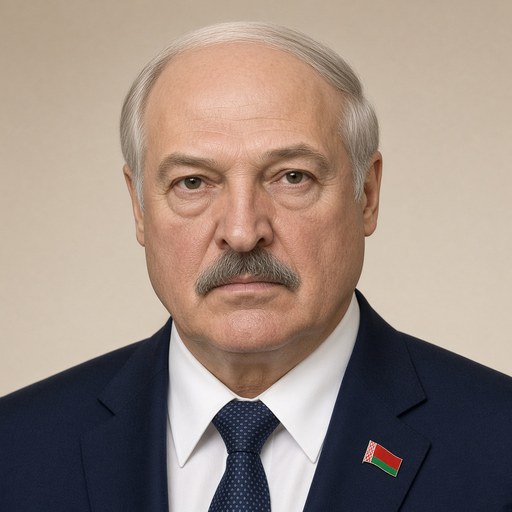
 Alexander Lukashenko · President of Belarus
- Context
- Lukashenko addressed a wreath-laying ceremony at the Victory Monument in Minsk on 9 May 2019, marking the 74th anniversary of the Soviet victory in World War II.
- Main themes
- Victory Day commemoration, World War II memory and sacrifice, Belarusian civilian losses and genocide, veterans' honor, children of war, Nazi occupation atrocities, anti-fascism, peace and security threats, historical memory preservation, "Belarus Remembers" campaign, unity against militarism
- Duration
- ~8 min
- Words
- 1,006
- Sentences
- 60
- Readability
- 57
- Grade
- 9.3
- Syntax
- 2.62
- Vocabulary
- 2.27
Translated from Belarusian
The broad sphere of national life a sentence belongs to. Every sentence has an Arena, so it is the denominator the other indices are read against.
Other60 sentences in 2 paragraphs
For eight decades, the Belarusian people have lived and worked under a peaceful sky. The opportunity to breathe freedom, to raise children, and to rejoice in each new day was given to us by the heroic deeds of our fathers, grandfathers, and great-grandfathers.
Today we celebrate the courage of the warriors, the heroism of partisans and underground fighters, and the titanic efforts of those who worked in the rear. It was on Belarusian soil that Soviet soldiers debunked the myth of the invincibility of the military machine of the Third Reich. They fought for the Motherland. They stood to the death near Minsk and Mogilev, on the banks of the Dnieper and Berezina, and every line of defense for the enemy was the Brest Fortress. Misery came to almost every Belarusian family. Two-thirds of those who died during the years of wartime hardship were civilians. The terrible addresses of the genocide of the Belarusian people are known to the whole world - Khatyn, Dalva, Azarychy, Shunevka, Trostenets... There is no end to this sad list. A separate topic is the fates of the children of war. Today, these people of old age are living witnesses and witnesses of the atrocities of the occupiers. Before their eyes, relatives and loved ones were killed. They grew up in hunger and cold during the first post-war years. Alongside adults, they defended and rebuilt the country. The most grim pages in the sorrowful book of war are the children's donor concentration camps. Thousands of children passed through them, and only a few survived. Everyone who today supports the rallies of neo-Nazis and the marches of aging soldiers from the SS battalions should come to Belarus and visit the village of Chervony Berag, where such a concentration camp was located. To see the poignant memorial of unfulfilled children's dreams. The Great Victory is an unconditional victory of life over death. And the next generations must know what price our people paid for freedom. In the name of goodness, peace, and justice. So that this never happens again. We mourn the victims of the war - women, the elderly, children. They fully experienced the grief of occupation. - Eternal memory to those who wanted to live so much but laid down their heads in battles for the Motherland, died from wounds, perished in concentration camps and ghettos! Let us bow our heads before those who did not return from that war, let us honor their memory with a moment of silence. (Twenty beats of a metronome sound) Time is relentless, fewer and fewer veterans of the Great Patriotic War remain with us in ranks. Our sacred duty is to support, take care of the front-line soldiers and rear workers, to provide them with a decent life. And to you, dear veterans, as usual, I have a command - live! Today you can be proud of your children and grandchildren. The current generation of military holidays preserves the victorious traditions. Because the main lesson of the Great Victory is that peace must be fought for. Especially in our days, when it is under the threat of global terrorism and more. Moreover, all together, as a united front. Just as it was then, in the distant harsh forties, when thousands of anti-fascists from European countries fought in the ranks of the Belarusian resistance: Poland, the Czech Republic, Slovakia, Austria, France, Italy, and even Germany. Unfortunately, there is no such unity in Europe today. There is an increase in military presence at our borders. The Treaty on Intermediate-Range and Shorter-Range Missiles has been crossed out. But we are confident in the necessity of constructive dialogue with all countries. Because peace is life. Because any peace is better than those years of hardship that we have experienced more than once. And we are ready for this dialogue. Dear friends! The events of the summer of 1941 forever divided the history of the country into before and after the war. Thousands of books have been written about it, and hundreds of films have been made. But there are still many white spots. First of all, this concerns the fates of specific people - soldiers and partisans who went missing, underground fighters tortured in the dungeons of the Gestapo, ghetto prisoners who died unknown when and how. Preserving the sacred memory of each participant in the war for future generations is the main goal of the republican campaign "Belarus Remembers!". This is a project aimed at the future, it is truly an immortal regiment! Whatever it costs us, we must preserve the connecting thread between generations. It is necessary for children, grandchildren, and great-grandchildren to understand through the fates of the victorious soldiers - their relatives and loved ones who defended peace and freedom - that they are part of the great history of their native country, to feel the pain of irreplaceable losses and appreciate the greatness of the feat of the Soviet soldier. Such noble goals - to preserve the memory of the people's feat - are dedicated to the large-scale project "In Glory of the Common Victory!". In all Belarusian districts and border regions of Russia and Ukraine, which were scorched by the terrible war, soil will be taken from the sites of military burials and the deaths of civilians. Soil, watered with the blood of the Soviet soldier. And on May 9, 2020 - on the day of the 75th anniversary of Victory - capsules with this sacred soil and lists of names of the fallen will be placed in the niche of the church-memorial in honor of All Saints in Minsk - our main church. Only in this way, through joint efforts, can we preserve and immortalize for future generations the name of each soldier and preserve the heroic legacy that has become part of the genetic code of our people. Dear compatriots! On this sacred day for us, I wish you strong health, happiness, prosperity, and most importantly - a peaceful sky above your heads. Happy holiday! Happy Victory Day, dear friends!
The original Belarusian. The tags above are read on the English translation's sentences.
Восьмае дзесяцігоддзе беларускі народ жыве і працуе пад мірным небам. Магчымасць дыхаць свабодай, гадаваць дзяцей і радавацца кожнаму новаму дню даў нам ратны подзвіг нашых бацькаў, дзядоў і прадзедаў.
Сёння мы праслаўляем мужнасць воінаў, гераізм партызан і падпольшчыкаў, тытанічныя намаганні працаўнікоў тылу. Менавіта на беларускай зямлі савецкія салдаты развянчалі міф аб непераможнасці ваеннай машыны Трэцяга рэйха. Яны змагаліся за Радзіму. Стаялі насмерць пад Мінскам і Магілёвам, на берагах Дняпра і Бярэзіны, і кожны рубеж абароны для ворага быў Брэсцкай крэпасцю. Бяда прыйшла амаль у кожную беларускую сям'ю. Дзве трэці загінулых і памерлых у гады ваеннага ліхалецця - мірныя жыхары. Страшныя адрасы генацыду беларускага народа ведае ўвесь свет - Хатынь, Дальва, Азарычы, Шунеўка, Трасцянец... Гэтаму сумнаму спісу канца няма. Асобная тэма - лёсы дзяцей вайны. Сёння гэтыя людзі старога ўзросту - жывыя сведчанні і сведкі зверстваў акупантаў. На іх вачах забівалі родных і блізкіх. Яны раслі ў голадзе і холадзе першых пасляваенных гадоў. Нараўне з дарослымі адстойвалі і адбудоўвалі потым краіну. Найбольш змрочныя старонкі ў смутнай кнізе вайны - дзіцячыя донарскія канцлагеры. Праз іх прайшлі тысячы дзяцей, а выжылі адзінкі. Усім, хто сёння падтрымлівае мітынгі неанацыстаў і шэсці састарэлых ваяк з батальёнаў СС, варта прыехаць у Беларусь і пабываць у пасёлку Чырвоны Бераг, дзе быў такі канцлагер. Убачыць пранізлівы мемарыял няздзейсненых дзіцячых мар. Вялікая Перамога - безумоўная перамога жыцця над смерцю. І наступныя пакаленні павінны ведаць, якую цану заплаціў наш народ за свабоду. У імя дабра, міру і справядлівасці. Каб такое ніколі не паўтарылася. Мы смуткуем аб ахвярах вайны - жанчынах, старых, дзецях. Яны спаўна зазналі гора акупацыі. - Вечная памяць тым, хто вельмі хацеў жыць, але злажыў галаву ў баях за Радзіму, памёр ад ран, загінуў у канцлагерах і гета! Схілім жа галовы перад тымі, хто не прыйшоў з той вайны, ушануем памяць іх мінутай маўчання. (Гучаць дваццаць удараў метранома) Час няўмольны, усё менш ветэранаў Вялікай Айчыннай вайны застаецца з намі ў страі. Наш святы абавязак - падтрымаць, паклапаціцца пра франтавікоў і працаўнікоў тылу, забяспечыць ім дастойнае жыццё. А вам, паважаныя ветэраны, як звычайна, ад мяне наказ - жыць! Сёння вы можаце ганарыцца сваімі дзецьмі і ўнукамі. Цяперашняе пакаленне ваенных свята захоўвае пераможныя традыцыі. Бо галоўны ўрок Вялікай Перамогі ў тым, што за мір трэба змагацца. Асабліва ў нашы дні, калі ён знаходзіцца пад прыцэлам глабальнага тэрарызму і не толькі яго. Прычым усім разам, адзіным фронтам. Як гэта было тады, у далёкія суровыя саракавыя, калі ў радах беларускага супраціўлення змагаліся тысячы антыфашыстаў з еўрапейскіх дзяржаў: Польшчы, Чэхіі, Славакіі, Аўстрыі, Францыі, Італіі і нават Германіі. На жаль, у Еўропе сёння такога адзінства няма. Ідзе ўзмацненне ваеннай прысутнасці на нашых рубяжах. Перакрэслены Дагавор аб ракетах сярэдняй і малой далёкасці. Але мы ўпэўнены ў неабходнасці канструктыўнага дыялогу з усімі краінамі. Таму што мір - гэта жыццё. Таму што любы мір - гэта лепш, чым тыя гады ліхалецця, якія мы перажывалі не раз. І мы да гэтага дыялогу гатовы. Дарагія сябры! Падзеі лета 1941 года назаўсёды падзялілі гісторыю краіны на да і пасля вайны. Пра яе напісаны тысячы кніг, зняты сотні фільмаў. Але белых плям застаецца нямала. Найперш гэта датычыцца лёсаў канкрэтных людзей - воінаў і партызан, якія прапалі без вестак, падпольшчыкаў, закатаваных у засценках гестапа, вязняў гета, якія невядома калі і як загінулі. Захаваць свяшчэнную памяць пра кожнага ўдзельніка вайны для нашчадкаў - галоўная мэта рэспубліканскай акцыі "Беларусь памятае!". Гэта праект, накіраваны ў будучыню, гэта сапраўды бяссмертны полк! Нам чаго б гэта ні каштавала трэба зберагчы сувязную ніць паміж пакаленнямі. Трэба, каб дзеці, унукі, праўнукі праз лёсы воінаў-пераможцаў - сваіх родных і блізкіх, якія адстаялі мір і свабоду, - усвядомілі сябе часткай вялікай гісторыі роднай краіны, адчулі боль незаменных страт і ацанілі веліч подзвігу савецкага салдата. Такім жа высакародным мэтам - захаваць памяць пра подзвіг народа - прысвечаны маштабны праект "На славу агульнай Перамогі!". На тэрыторыі ўсіх беларускіх раёнаў і прыгранічных рэгіёнаў Расіі і Украіны, якія абпаліла страшная вайна, з мясцін воінскіх пахаванняў і гібелі мірных жыхароў будзе ўзята зямля. Зямля, палітая крывёй савецкага салдата. А 9 мая 2020 года - у дзень 75-годдзя Перамогі - капсулы з гэтай свяшчэннай зямлёй і спісы з імёнамі загінулых змесцяць у нішы храма-помніка ў гонар Усіх Святых у Мінску - галоўнага нашага храма. Толькі так, агульнымі намаганнямі, можна захаваць і ўвекавечыць для нашчадкаў імя кожнага воіна і зберагчы гераічную спадчыну, якая стала часткай генетычнага кода нашага народа. Дарагія суайчыннікі! У гэты святы для нас дзень я жадаю вам моцнага здароўя, шчасця, дабрабыту і самае галоўнае - мірнага неба над галавой. Са святам! З Днём Перамогі, дарагія сябры!