




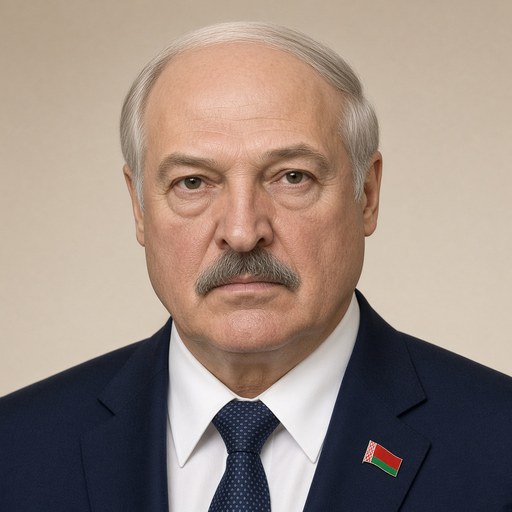
Transcript of the speech by the President of the Republic of Belarus A.G. Lukashenko at the meeting of the pedagogical community of Belarus.
 Alexander Lukashenko · President of Belarus
- Context
- Lukashenko addressed the Belarusian pedagogical community at a national education meeting on August 29, 2011, outlining education reforms and the country's socio-economic situation.
- Main themes
- Education system reform, socio-political situation in Belarus, economic challenges and financial crisis, social protection measures, youth radicalism and extremism, internet and social media manipulation, national security, pedagogical community engagement, living standards and welfare, currency devaluation and inflation
- Duration
- ~62 min
- Words
- 7,455
- Sentences
- 461
- Readability
- 50
- Grade
- 10.2
- Syntax
- 2.74
- Vocabulary
- 2.10
Translated from Russian
The broad sphere of national life a sentence belongs to. Every sentence has an Arena, so it is the denominator the other indices are read against.
Other461 sentences in 145 paragraphs
Dear participants of the meeting!
Today we have discussed almost all aspects of the development of the education system in Belarus — from kindergarten to university. Your speeches contained many valuable remarks and interesting proposals that need to be studied, summarized, and translated into specific management decisions.
I think it is now time to draw some general conclusions from our conversation and outline tasks for the future.
First of all, I want to briefly address the socio-political situation in the country, touching on the issues that concern both educators and society as a whole.
Unfortunately, at the beginning of this year, a number of financial problems have intensified. I will speak frankly: inflation, the devaluation of the Belarusian ruble, and a currency deficit have led to a decrease in the standard of living that we achieved in the past. There could be no other outcome. I will give just one example: we accepted the proposal of the Russian Federation that starting from July 1, customs duties on cars purchased outside our country will be unified. As a result, our people imported more than 250,000 cars from abroad. This is significantly more, almost twice as much, than in previous times. But the main point is that our people took out about 3 billion dollars from the country for these cars. Approximately 2 billion dollars in additional costs will come to us this year from the increase in prices for energy resources and other raw materials from the Russian Federation. In total, this amounts to over 5 billion dollars in just one year. But in previous years, you remember, there was a constant rise in prices for energy resources. Over the last five years, they have increased by 4.5 times for our country and our economy. Of course, such a blow would not be withstood even by a stable economic system. Therefore, there was not enough currency. And what happened, happened. However, there is no reason to panic and cry out about an impending catastrophe, about the total impoverishment of citizens, as our opponents do. I am completely confident in this. The country continues to live and develop. All enterprises and organizations are operating normally. Salaries are paid regularly. Unemployment is virtually nonexistent. The produced goods are instantly sold. The purchasing power of the population has increased. The volume of foreign currency earnings at the moment is, as I have already said, the largest in recent years. GDP growth over seven months amounted to almost 110 percent.
These and other factors allow us to overcome negative phenomena and prevent a deterioration in the well-being of the people. We have already developed specific steps in this direction.
And you understand perfectly well that for us, the main principle of policy is the interests of the people. And we will not let the people down during this difficult period. At my instruction, the Government has developed and will soon adopt a number of measures for the social protection of various segments of the population. Budget employees and non-working pensioners are to receive a one-time financial assistance of half a million rubles for seasonal purchases of agricultural products and other needs.
Then it is planned to increase the tariff rate for the first category for the payment of labor for employees of budget organizations. Benefits for families raising children will increase quarterly. Naturally, this is an example for all enterprises to follow.
In the fourth quarter of this year, it is expected that the one-time allowance for the birth of a child will double.
Pensions and scholarships will also increase.
We will continue to keep the situation in the economy and social sphere under control.
The state, as always, will not leave people to fight difficulties alone. On the contrary, we will immediately use any economic success to improve the well-being of citizens.
Of course, the modern world, enriched by the achievements of scientific and technological progress, paradoxically becomes increasingly cruel. Many countries and peoples are under threat from aggressive actions of states that consider themselves the arbiters of the planet's fate. Even such a benefit of civilization as the internet and social networks is turning into a means of manipulating public opinion.
This spring and summer have presented the world with a new threat — deadly attacks by extremists among their own young citizens. Moreover, this misfortune has struck not only the "hot spots" of the planet but also the most developed, calm, and prosperous countries. One after another, bloody terrorist attacks followed in Norway, devastating youth riots in the United Kingdom, and mass car arsons in Germany, which continue to this day.
Unfortunately, the wave of violence and vandalism that is sweeping across the world has also touched our country on April 11, 2011, in the Minsk metro. Those involved in this and several other explosions in Vitebsk and Minsk committed their atrocities for fun, self-affirmation, and the desire to grab a moment of scandalous fame. And these inhuman beings grew up among us. Why did no one among those who lived and worked nearby manage to recognize and stop the evil in time? You might say that such asocial types are an isolated case, an exception to the rule. Even if that is so.
But there are other alarming facts. We observe how our youth are drawn into illegal, anti-social activities. Let us recall the mass riots of December 19 last year after the elections, when a drunken mob rampaged in Independence Square. Or the recent actions of our silent "social-network revolutionaries."
Let us understand a simple truth. For the successful, dynamic development of the country, we need not revolution and street anarchy, but the cohesion of all citizens regardless of their views and beliefs, aimed at constructive cooperation. And the reasons for the period we are experiencing once again are not only internal to our country. There are even more reasons from outside! And once again, we must say that what is at stake is the most precious thing — the existence of a sovereign and independent state. I, of course, understand, I am not a dreamer, that no one will ever allow a state in the center of Europe to walk in "white gloves" and enjoy life. Of course, there will be attacks from both the left and the right — our country is too tempting a target both materially and geostrategically. Our Belarus. I am ready for this. Perhaps our people are already ready too. But for this, cohesion is needed. Our strength is in unity. And the future of Belarus must be decided not in squares and barricades, but through dialogue, a normal human conversation.
As the Head of State, I have proposed and continue to propose to all reasonable and patriotic people, regardless of which political camp they belong to, to sit at the table. A round... A square table... To look each other in the eye and realistically assess who is worth what and what can be done to effectively improve the situation in the country, rather than stomping and shouting in the squares.
If you want to fight and struggle — please: fight in open discussion, prove your point, defend your viewpoint. But not through riots and not with weapons in hand. Such actions will be suppressed immediately, as has recently happened in the bastions of democracy in the most civilized states.
I have proposed to the European Union, and I would like to propose to the Russian Federation, other European and international structures — send your representatives to participate in this "round table." Let them also see: who among us is worth what, what ideas are being put forward, what goals are being set. We are absolutely open and ready to give them such an opportunity. But the path through sanctions and pressure on our state is a hopeless path. So let us talk, let us engage in dialogue. And we will definitely come to some understanding.
Dear comrades! Today, the differences between developed and developing countries are only one-third due to economic potential, and two-thirds due to differences in the quality of education. Thus, the level of knowledge becomes one of the most important factors for the stability and prosperity of the state.
We have preserved all the best that we inherited from the Soviet Union: mass coverage of children in preschool education, accessible and free secondary education, and a state system for training skilled workers. The best graduates of our universities have excellent fundamental training and are highly valued around the world.
A transition to an 11-year school education, a two-tier structure of higher education, and the introduction of centralized testing for entrance examinations have been implemented, along with a number of other innovations.
The limit of reforms in this area has been exhausted. As I have already said, there will be no more sharp upheavals and breaks.
The main goals today are to improve the quality of education, update its content based on modern scientific knowledge, and increase the efficiency of educational institutions and each educator.
The education system is a vital component of the social organism, on which its social health depends. It must respond sensitively and flexibly to the challenges of the times, preventing the development of negative trends in the youth environment.
Therefore, the next issue that needs to be emphasized is ideological and educational work.
The struggle for influence over the younger generation has always been a crucial political task. After all, whoever leads the youth holds the future in their hands.
Today's students and schoolchildren did not experience the catastrophic collapse of the Soviet Union, do not have heavy memories of the "wild 90s," and perceive the stability and comfortable way of life in Belarus as something given from birth. The "new electorate," raised in the conditions of our society's openness, compares foreign realities with Belarusian ones and often makes hasty, sometimes erroneous conclusions.
All this, along with youthful maximalism and the usual rebellious tendencies of that age, leads to the fact that even minor temporary difficulties provoke an especially acute reaction from the youth, which our political opponents try to exploit for their selfish purposes.
Young people want to be active participants in events, so to speak, "to make history." This is exploited by opposition structures that present their protest actions as games of chance, where one can "let off steam."
The situation needs to be fundamentally changed. We must not let the initiative slip from our hands. The most important thing is to instill in the younger generation a firm ideological and moral core that will allow them to withstand all kinds of political intrigues and provocations.
Today, patriotic education must be placed at the forefront. I emphasize, patriotic, not nationalistic.
All power structures, educational institutions, the Republican Youth Union, the pioneer organization, and families must concentrate their efforts on raising responsible and law-abiding citizens from young people, who would not only support the state's policy but also actively participate in its implementation.
Along with traditional mass events, meetings, and discussions, new forms that awaken creative search and provide space for independence and initiative should be used more widely.
Leaders of educational institutions, teachers, and curators must pay special attention to individual work, finding their approach to each student.
In its effectiveness and results, the personal example and conviction of the educator play a significant role. After all, as someone great rightly noted, "we must believe in what we teach our children."
During a large-scale inspection of educational institutions organized at my instruction, shocking facts of irresponsible attitudes towards ensuring the safety of students and pupils, issues of preventing their illegal behavior and harmful habits, and the use of the internet for destructive and immoral purposes were revealed.
During the monitoring, violations in the educational process, formalism, over-organization in educational work, and instances of involving individuals with criminal backgrounds in teaching were discovered.
These abuses have accumulated over the years due to the indifference, irresponsibility, and sometimes laxity of some leaders, teachers, and educators. Why did no one want to notice them before the storm broke?
Mikhail Bulgakov rightly identified the source of troubles: "Destruction is in the heads." Therefore, your primary task now is to change your own attitude towards the matter, to become more vigilant, responsible, and disciplined.
In the upbringing of the younger generation, the potential of social and humanitarian disciplines is still weakly utilized. Unfortunately, the level of their development does not correspond to the scale of the transformations that have taken place in our society in recent decades.
Over the years of sovereignty, not only has the economy changed — the consciousness of the people has become completely different. For the first time in its long history, Belarus has declared itself an independent state that determines its own fate.
Young people need to be taught to take pride in the glorious past and present of their homeland. Instead, they are often presented with harmful surrogates.
In particular, vulgar nationalism is actively promoted. Ideas are instilled that everything Belarusian begins and ends with the Grand Duchy of Lithuania. And the status of "national heroes" is conferred on various odious figures, all of whose merits lie in organizing bloody actions.
History shows that a state cannot be strong if it glorifies not creators but destroyers and squanderers of life.
We must not forget that true national wealth is not only the estates and castles of the gentry. But first and foremost — unique crafts, folk art, and the achievements of Belarusian and Soviet culture. And it is precisely these that do not receive the attention they deserve.
This situation needs to be urgently changed. Therefore, I instruct the Minister of Education, together with the National Academy of Sciences of Belarus, the ministries of information, culture, and patriotic-minded scholars, to develop measures to popularize our historical and cultural heritage in accordance with the interests of our state.
In educational and upbringing work, it is necessary to pay more attention to the formation of information and political culture among students and pupils. We must develop their ability to resist psychological manipulation techniques and to see behind beautiful phrases the desire to impose someone else's point of view.
Particular attention from educators and parents is required for the issues of youth communication on the internet — primarily in the so-called social networks. In the hands of criminals, they can become a dangerous weapon, as many European countries have learned from their own sad experiences.
We are far from wanting to block, disconnect, close, or prohibit anything. However, access to internet resources in educational institutions must be controlled, excluding its use for extracurricular, and especially destructive, purposes.
The third issue that we cannot leave without due attention is the prevention of offenses and the prevention of harmful habits.
Juvenile and youth crime has become a pressing social problem. It can only be overcome through the combined efforts of law enforcement agencies, schools, families, and our entire society.
Certain successes in this work have already been achieved. The number of juvenile offenders is steadily decreasing, which means we have effective practices. Nevertheless, in 2011 alone, minors committed more than 1,600 crimes and nearly 14,000 offenses.
The proportion of those who have reoffended remains high.
This problem is inseparable from another equally acute issue — the spread of harmful habits. In 2010, more than seventeen and a half thousand minors were under the supervision of the narcological service of the Ministry of Health, and compared to the previous year, their number decreased by only 2 percent. And how many teenagers, having tasted cheap alcohol, have not yet come to the attention of doctors and the police?
The problem of smoking is acute, which, it seems, some school leaders have completely stopped considering a medical and social evil. Despite all the circulars from the Ministry of Education, there are legal or semi-legal "smoking rooms" in universities, vocational schools, and even in schools, where teachers smoke alongside students.
Urgent measures must be taken to eradicate these phenomena that threaten morality, law and order, and the very gene pool of the Belarusian people. I will say it directly: the future of the nation is in danger if we do not rectify the situation!
The question of amending legislation should be considered, expanding the grounds and simplifying the process of placing students who have broken the law into special educational and rehabilitation institutions.
It is necessary to complete the formation of a regional system for providing medical narcological assistance to minors, expanding the stationary network for treating such patients.
We need to simplify the procedure for placing young alcoholics and drug addicts in rehabilitation institutions. An interdepartmental system for the timely identification of such individuals and providing them with comprehensive assistance should be implemented.
But, of course, it is easier to prevent any disease than to treat it. Therefore, I instruct to take additional measures to reduce the availability of alcoholic beverages and tobacco products in close proximity to educational institutions, sports facilities, and places of youth leisure.
The fourth issue on today's agenda is the development of the national education system from kindergarten to university.
Unlike most European countries, the Belarusian preschool education system guarantees children not only care but also creates conditions for full development and preparation for school. Today, more than 90 percent of children aged 3 to 6 attend kindergartens.
At the same time, preschool education cannot yet fully meet the demands of parents in terms of both the volume and quality of services provided.
A pressing problem is the lack of places in kindergartens in newly built areas. Moreover, the deficit often arises due to the fault of both officials and builders.
This problem must be solved by ensuring the commissioning of the necessary social infrastructure, including kindergartens, simultaneously with each new residential neighborhood. Each preschool institution must be equipped with furniture, toys, and educational materials appropriate for the age of the children.
In connection with the growing demand from parents, measures must also be taken to expand the network of nurseries and nursery groups in kindergartens.
It should be noted that only half of the educators have specialized education. In 2011, requests for young specialists were satisfied by only 40 percent.
I instruct the Government and local authorities to develop a system of measures aimed at providing preschool institutions with qualified personnel.
And then, we have been talking a lot lately about how we are preparing more and more specialists. But whether they did not arrive, or got married, or something else, they are not working in their specialty. I demand from the Government and the relevant ministries that have universities at their disposal an answer to this question this year. This should not be the case! Whatever measures we have to take. Especially in budget-funded education: you came, studied at the expense of the state, signed a contract with the state — you should work where the state needs you.
Now about secondary education. As the outstanding scientist Dmitry Ivanovich Mendeleev noted, "the school constitutes a tremendous force that determines the life and fate of nations and states."
The modern Belarusian educational system must prepare the younger generation for life and conscious career choices. It must teach them to work and to bear responsibility to their families and society. The main criterion for the effectiveness of a school's work is the social success of each graduate.
The teaching of computer science, foreign languages, and physical education should be predominantly applied in nature.
Currently, the Ministry of Education is conducting an experiment to introduce tablets and netbooks into the educational process. I warn you, this should not be an experiment with a predetermined outcome. It should not be a trend adaptation: every student should have a netbook, every student should carry a computer — go learn. This costs money. And make sure we do not get caught up in any corruption by agreeing with some single manufacturer regarding these computers. If we are going to do this, it must be honest, open, and it must be the best quality in our schools.
It is urgent to eliminate the unjustified increase in the workload on teachers and educators associated with so-called paperwork. A unified interdepartmental registry of document flow should be developed and transferred to electronic form. Administrative interference from other agencies in the activities of educational institutions should be minimal.
And I ask you once again: at the local level, in schools, the heads of district education departments, inspectors, directors, and deputy directors of schools — do not terrorize teachers and educators, give them the opportunity to teach as they see fit, according to the plan. And do not force them, God forbid, to write plans as someone wants. If there is a need to write a plan of 10 pages — write it. But this is very bad. Then you have to stand the whole lesson or half a lesson after checking the homework and read this plan, conveying this volume of knowledge to the students. But if the teacher is prepared and needs only 4 lines in the lesson plan, then do not interfere. Let him go with those four lines. There should be nothing superfluous. Otherwise, it turns into paperwork and formalism. Such signals from schools are still coming in. And it is strange that in our school such pressure on teachers continues.
Why am I saying this? I know it myself, not by hearsay. There will be less writing at home if you are prepared and ready. The main thing is the quality of knowledge; you will take on more hours. But at home, there will be less work with these notebooks and unnecessary papers. We probably need to approach this process revolutionarily.
We have not only preserved the system of vocational and technical education and secondary specialized education that was established during the Soviet era, but we have also done a lot to modernize and develop it in accordance with the needs of the modern economy.
At the same time, vocational schools face difficulties year after year in recruiting students. Especially in the fields of machine engineering, agriculture, and light industry.
To solve this problem, we will have to gradually change the psychology of graduates and parents, conduct an active career guidance and advertising campaign, debunking myths about the so-called lack of prestige of working professions.
A comprehensive analysis of the demand for personnel in each region and each industry must be conducted, and measures must be taken to reduce the duration of vocational and technical education for less complex specialties. It also makes sense to increase the proportion of hours for practical training.
The quality of training for skilled workers must be raised to the level of international standards. The educational process should more actively utilize the material base of customer enterprises, and resource centers with the most modern equipment should be created based on the best lyceums and colleges.
At the same time, I want to state unequivocally, the minister hears this — there should be no refusal to work at customer enterprises for vocational schools, universities, or secondary specialized schools. If the teaching staff of a university, secondary specialized school, or vocational school has decided that they need to go to this factory today, then you should gratefully open the gates for them. Then they will not only see but also feel with their own hands what modern production is.
Having been in Horki recently, I already touched on this problem. I spoke then about agricultural specialties. But this concerns everyone! Our teachers are far behind what is happening today in former collective farms and state farms. I am not even talking about advanced farms. They have reached a world level. These are truly flagships, where one is amazed. Even I, who am constantly there, saw such examples this year that I never thought, never dreamed, and never hoped to see. And here we have a student who came to the academy, spent 5 years there shuffling from corner to corner and does not know what is happening in the agricultural sector. I repeat, teachers do not know either. And if they do know, they do not generalize this experience, do not teach, do not educate modern students and future specialists about what they will face in production. And industry today, agriculture — is very dynamic. Communication services are very dynamic. Construction is rapidly developing. This is a common task for the leaders of relevant ministries, enterprises, and educational institutions.
Many questions arise regarding the higher education system, where there are distortions in the training of personnel without regard to the real needs of the economy. A snowballing increase in paid education, a decline in competition, and the arrival of poorly prepared applicants in universities.
We must not allow a decrease in the level of knowledge and the devaluation of the domestic diploma.
Life today requires a structural restructuring of the volumes of student training, eliminating the imbalance of in-demand and deficient professions. We need engineers, agronomists, doctors, as well as specialists in the natural sciences. At the same time, we need to reduce enrollment in less in-demand specialties, for which personnel are "stamped" in excess by everyone who is not lazy — both state and private universities.
The Minister of Education and other ministers present here must take this for unwavering guidance and execution!
Approaches to the content of university training must be changed. First of all, it is necessary to work on reducing the duration of higher education by one quarter, primarily by reducing non-core disciplines or the number of hours for their study.
Particular attention should be paid to analyzing the so-called socio-humanitarian block, where some subjects duplicate not only each other but also the school curriculum. It is worth considering the introduction of an integrated course "Higher Social Studies" in non-humanitarian specialties at universities, aimed at a comprehensive study of the economic, social, political-legal, and spiritual life of modern society.
University programs need to be revised and oriented more towards practice. There should be maximum integration of education, science, and advanced production. The training of specialists cannot be considered complete without extended practice in the workplace.
I believe that in the first two years, a student should be enrolled in the university and study there, and in the last two years — be enrolled in the university but study in production.
The Belarusian higher education system has gained international recognition, and several leading universities are already included in prestigious international rankings. This potential must be fully utilized, gradually expanding the export of educational services.
At the same time, Belarusian students and young specialists should more actively learn from foreign experience, primarily through internships and studies at leading foreign universities, enterprises, and organizations that are market leaders. But first of all, these internships are needed for our teachers, not students. Then, perhaps, students will not need to go there in such numbers.
The teacher will concentrate everything and bring it to his country, telling, explaining, and advising how to proceed.
This work needs to be systematic, ensuring subsequent employment of specialists where their new knowledge and skills will be particularly in demand.
Higher education needs modern teaching staff. However, fewer and fewer young people want to dedicate themselves to scientific and teaching work: over the past five years, the number of graduate students has decreased, and the number of doctoral students has decreased by a third. There is no competition for admission to graduate school.
One of the reasons for this is the complicated procedure for preparing dissertations and considering issues of awarding academic degrees.
Of course, in such an important matter, a maximally objective and principled approach is necessary. And if we have gone too far here, we need to revisit this issue once again. But if someone thinks that anyone can defend a dissertation, they are deeply mistaken. The work of a scholar is hard labor. There is no labor more difficult, excuse the tautology. And anyone who decides to become a scholar must be ready for this. Moreover, you know my attitude towards academic degrees, titles, and so on. And that is why the Higher Attestation Commission is directly subordinate to the President today, so that there is no desire to interfere in its work or to exert pressure on it. A candidate of sciences must be a candidate; they must be a scholar. And a doctor of sciences is, in fact, a pioneer in some field. We do not need descriptive doctoral dissertations. Even a very positive, knowledgeable person, Academician Anatoly Nikolayevich Rubinov, warns me: "You see, we will have fewer scholars, fewer doctors of sciences." Well, let there be fewer of them, but they will be real doctors of sciences. There are no justifications for those who write doctoral dissertations carelessly, compiling them from some monographs or doctoral dissertations. Only hard labor. And discoveries. Only then are you a doctor of sciences. We do not need other doctors of sciences!
Today we talk about how we have few scholars, that this is bad, that is bad. But what is the return from those scholars, the thousands of scholars we have today? It is not a full return. How many of our scholars pose the question as the scholar from Polotsk did: give me a chance to earn, I will sign a contract and earn money together with my colleagues. How many? In the near future, this question will be subjected to the most rigorous analysis. And the Academy of Sciences, with all its subdivisions and institutes, will be primarily in the spotlight. We are not even receiving from the Academy of Sciences what we invest in it. Therefore, scholars must clearly understand: yes, a true scholar should earn a lot, but this scholar must give even more. Labor productivity is paramount. It must have a leading pace in relation to wages. You came up with this, not me. You made it an objective law of the development of all production and, one could say, of society and humanity. This is our starting point.
I instruct the Government, together with all interested agencies, to submit balanced proposals on the problems just outlined.
The fifth question, which has been raised by the public more than once, concerns increasing the responsibility of families for raising children. After all, as the outstanding Soviet educator Anton Semyonovich Makarenko rightly noted, "by raising children, today's parents are raising the future history of the country, and thus, the history of the world."
True family values have been one of the priorities of our policy for many years. The state provides comprehensive assistance to parents: it constantly increases the amounts of benefits and other social payments related to the birth and upbringing of a child, helps large and young families obtain subsidized housing, subsidizes the nutrition and recreation of children, and actively develops family forms of care for orphans.
But, unfortunately, these efforts do not always yield results.
I must say that in all these areas we will strengthen the actions of the state; we will stimulate and support those who are giving birth to children today. If there are not three children in a family, if there are not three children — the nation is doomed to perish. Therefore, this is the most important question! And no matter how difficult it is for the state, we will support large families and children in general.
I am asked here about the lack of money in schools that we allocate to feed children. You know, of course, children need to be well-fed at lunch. But in some schools, we probably feed them in the morning and in the evening as well. So let's be frank: during this period, the family must also take something upon itself. If it cannot, the school directors know this, help these families and children. But there are normal families. I support you in this regard. The wealthy — if they are willing to support you, the school, the kindergarten, and so on, take their money and direct it where it is needed. And we must, in September, the Ministry of Education, create a proper legal framework for this. Clearly outline what these funds should be used for and what they must not be used for under any circumstances. And if we make a decision to exempt from taxation the profits, as you mentioned, your incomes, profits from your activities — please, use this also for supplementing children's nutrition. And what we will receive in the near future (you made a proposal regarding tobacco, smoking, and alcoholism, and so on), this should also be directed to support children. After all, there is a child in every family, in an active family, and if we relieve this family of the burden in this difficult moment, feed the children... A good campaign took place across the country. We helped prepare children for school. For those who are in a difficult financial situation, with many children, we helped buy supplies, backpacks, and other things. Well done! That's how it should be. This is what distinguishes us from others. And everyone envies us in this: that if there is some problem, we all gather around it and try to solve it. After all, we are helping children. This is sacred. The Lord sees this; it will be rewarded to us later, in a good sense of the word.
The rise in family dysfunction has forced us to take strict measures against negligent mothers and fathers. We have made them reimburse the state for the costs of raising their own children. This principled position has yielded a tangible economic and, most importantly, educational effect.
The implementation of the well-known Decree No. 18 allowed us in 2010 to reduce the number of children taken from parents by court decision by 40 percent, to reduce the number of refusals of infants by three times, and to begin the phased closure of orphanages.
I consider this our common victory. Not everything is, of course, smooth here. But this is a trend. Now we must not slow down the pace of work. The issues of implementing the Decree must be under the personal control of local authorities.
I instruct the Presidential Administration and the State Secretary, in terms of monitoring the implementation of my Decree No. 18, to organize the strictest inspections across all regions of those who are supposed to implement this Decree. And in the fourth quarter, I want a report on the results.
We need to go further and establish, at the legislative level, measures of responsibility for parents for improper upbringing of their children, up to administrative punishment.
In turn, educational institutions need to more actively involve families in the educational process. This task should be addressed through parent universities, the participation of mothers and fathers in organizing the sixth school day, recreation during vacations, and conducting sports and cultural events.
It is necessary to increase the role of parents in the management of educational institutions. To breathe new life into the work of the boards of trustees. To give them leverage over personnel policy, planning of educational work.
To activate participation in strengthening the material base of educational institutions, organizing children's leisure.
Such councils should be established in all preschool and general educational institutions, including not only parents but also representatives of local authorities and sponsors.
We need to create the most favorable and attractive conditions for attracting sponsors and increasing the off-budget income of educational institutions. Of course, without violating the accessibility and free provision of basic educational services. The first step in this direction could be, as I have already said, the exemption from profit tax for all educational institutions, following the example of universities.
Another question that we have repeatedly raised today is about the significance of the personality of the teacher.
It is hardly disputable that the most vivid example for a student is the teacher themselves. This is an axiom! It has been so, it is so, and it will always be so. No internet, no "garbage" like it can replace the personality of the teacher. And no matter how the education system changes, whatever technical innovations enrich the educational process, the role of the mentor will always remain primary and defining. They bear personal responsibility for young souls, for how the life of each student will unfold.
Unfortunately, today some teachers and educators forget this: they do not hesitate to turn the classroom into a political club. They use their position to propagate anti-social, and sometimes deeply immoral ideas. They distort young souls. And the leaders of educational institutions turn a blind eye to this, preferring to live by the principle of "my house is on the edge." And then they are surprised by negative phenomena in the youth environment. You must know both my position and the position of the state — we cannot allow this.
We must part ways with such educators without regret — education should not turn children into intellectual and spiritual invalids.
Equally unacceptable are the passivity and indifferent attitude of educators towards their duties. Remember the Soviet era: then the teacher was for their students both an educator and a psychologist, and a social educator. Free of charge, without sparing time and effort, they worked with struggling students, knew everything about the lives of children not only at school but also at home, in the yard. For me personally, the arrival of the class teacher in the village, in the house where I lived, was a terrible catastrophe. I cleaned that house from corner to corner. I washed, scrubbed, for God's sake, just so that the class teacher would come and not notice something bad. But I was such a quick and nimble rascal at school, I did not differ, you know, in law-abidingness, and still, for me, a teacher in the house was something terrifying. And now how is it?..
Today, unfortunately, these duties have taken a back seat. Comparing how the same school teachers worked before and now, one comes to the conclusion that some educators clearly neglect educational work. They lack live, unpretentious contacts with students and their parents.
Note how, as soon as the requirements for the moral character of teachers, their professional level, and overall culture were lowered, the prestige of the profession immediately fell catastrophically. You all rightly said that prestige must be raised with money, orders, medals, and other things. But your prestige, mine, the minister's, and others' primarily depends on us. Our level — that is us. No one will draw my face for me, figuratively speaking, if I do not want it and do not do it myself. The same goes for the teacher. Therefore, seek prestige primarily in your minds. And seek this prestige in your work. Everything else will come sooner or later, as you said and rightly said.
Once, the best of the best entered this field. It was not easy to be worthy of the high title or calling of a Mentor.
And today, the student body of pedagogical universities is formed on a residual basis — those who were not accepted anywhere else go there. But even in this situation, there are sometimes simply not enough applicants: following the results of the 2011 admission campaign, dozens of budget places in pedagogical specialties remained unfilled.
This is a significant shortcoming of the Ministry of Education and the Government.
Today, we need to raise the status of teachers in society to a new height. But for this, we need to do what we have talked about a lot here.
And we know what needs to be done for this. Let's do it. The state is ready to support teachers, educators, and instructors not only morally but also materially, to strengthen the social package. But on the condition of a sharp increase in the return from their work. 50-50. We also agreed on this. But you did not applaud very much then.
Very sparse applause... Well, there you go. You are not applauding me. You are applauding the proposal I made...
Of course, we need to create new mechanisms for material incentives for effective work by educators. I believe that the head of an educational institution should have the necessary powers and resources for this. Therefore, the Government needs to determine the procedure for creating special funds for rectors and directors of educational institutions, from which they could reward the best, most active employees. Democratically, taking into account the pedagogical councils or other councils, but not unilaterally. Money in such a creative collective, like a teaching staff or a university, college, vocational school collective, is a very complex collective; money must be divided very carefully. Because then you know what will happen. I do too.
The mass media play an important role in shaping the positive image of the teaching profession, the social status of teachers and educators. And this has already been mentioned. I fully support the proposals and remarks. The leaders of all electronic and print media are present here; I believe they will draw the appropriate conclusions for themselves.
There are many true enthusiasts of their work in the education system, wonderful, talented people for whom their work is not a craft but a life calling. Their experience should serve as an example and become the property of the entire public.
Dear friends!
Today we had a principled, at times sharp and candid, but extremely timely and useful conversation. It helped to objectively, without emotions, assess the results of the development of the Belarusian education sector, outline ways to solve problems, and define tasks for the new academic year and for the future.
I am often given examples of the American, Western European, and Asian education systems. But I am convinced that we have our own wonderful traditions and obvious advantages that need to be developed, multiplied, and refined. And the role of the teacher, educator, and instructor will increase day by day.
We have come to rely on the teaching corps of the country as allies and like-minded individuals. And you have never let us down; in the most diverse situations, you have demonstrated ideological and civic maturity, high responsibility, dedication to the interests of the state, honesty, and integrity. We will respond to you in the same way.
I am confident that our meeting today is not just a conversation in this large hall, it is not just what you have heard from this podium from all the speakers, including myself. Consider that we have almost made a decision on the issues you have raised. We just need to calculate. Even when it comes to your material proposals. So, there is already some benefit in this. But the greatest benefit, I always believe, from such meetings is your communication. You are creative people, you have talked about this, and when creative people communicate, they inevitably give something to their interlocutor and take a lot from these interlocutors. I think that in this regard, our meeting today in August (perhaps it will become a tradition) is very beneficial for all of us.
Dear friends! Belarus is a strong country. And it has become so primarily thanks to the knowledge, talent, and intellect of its people.
Therefore, educators will invariably enjoy our special respect and attention.
I can only wish you good health, happiness, and success in the new academic year! Happiness to you, health, and success! And Happy New Year!
Thank you. I just mentioned that there were several questions directed at me. They are minor. I touched on them in my speech. But I promise you, as is customary with us, we will definitely analyze all your questions and comments that have been addressed to me. The Administration of the President has received them, and we will analyze them. And not only in the Administration but also in the responsible agencies. In the Government. And we will definitely respond to them. If you need a response, we can send it to you. But everything that has been said here at this meeting is very important.
I emphasize once again: I promise you that your comments and suggestions will not go unnoticed.
Thank you very much. Stay healthy! Live richly. But do not be arrogant; if you have a lot of money, be sure to share with the poor during this time. We will compensate all your expenses, both moral and material. And in general, we have not met since the elections; if it were not for you (remember and do not be arrogant) — there would be no country today. You are the bulwark of stability. Our main state resource.
Thank you, teachers! Thank you.
The original Russian. The tags above are read on the English translation's sentences.
Уважаемые участники совещания!
Сегодня мы с вами обсудили практически все аспекты развития системы образования в Беларуси — от детского сада до вуза. В ваших выступлениях прозвучало немало дельных замечаний и интересных предложений, которые предстоит изучить, обобщить и воплотить в конкретные управленческие решения.
Думаю, теперь настало время подвести некоторые общие итоги нашего разговора и наметить задачи на перспективу.
В первую очередь хочу остановиться на социально–политической обстановке в стране, очень кратко, тех вопросах, которые волнуют как педагогов, так и все общество.
К сожалению, в начале нынешнего года обострился ряд финансовых проблем. Прямо скажу: инфляция, девальвация белорусского рубля, дефицит валюты привели к снижению того уровня жизни людей, которого мы достигли в прошлом. Да иначе и быть не могло. Я приведу только один пример: оценочно. Мы приняли предложение Российской Федерации о том, что с 1 июля будут унифицированы в том числе и таможенные пошлины на автомобили, которые мы будем приобретать за пределами нашей страны. В результате наши люди ввезли в страну более 250 тысяч автомобилей из–за границы. Это больше значительно, почти в 2 раза, чем в прошлые времена. Но главное, что наши люди вывезли из страны порядка 3 миллиардов долларов на эти машины. Примерно 2 миллиарда долларов дополнительных затрат нам даст в этом году повышение цен на энергоносители и другое сырье из Российской Федерации. Итого — свыше 5 миллиардов долларов только за один год. Но и в прошлые годы, вы помните, был постоянный рост цен на энергоносители. За последнюю пятилетку в 4,5 раза они увеличились для нашей страны и для нашей экономики. Конечно, такой удар не выдержала бы даже устоявшаяся экономическая система. Поэтому валюты не хватило. И случилось то, что случилось. Однако паниковать и кричать о грядущей катастрофе, о тотальном обнищании граждан, как это делают наши оппоненты, нет причин. Я в этом полностью уверен. Страна продолжает жить и развиваться. Все предприятия и организации работают в нормальном режиме. Регулярно платят зарплату. Безработица — вообще никакая. Произведенная продукция мгновенно находит сбыт. Платежеспособный спрос населения вырос. Объемы валютной выручки на данный момент являются, я уже говорил, самыми большими за последние годы. Рост ВВП за семь месяцев составил почти 110 процентов.
Эти и другие факторы позволяют преодолеть негативные явления и не допустить ухудшения благосостояния народа. Нами уже разработаны конкретные шаги в данном направлении.
И вы прекрасно понимаете, что для нас главный принцип политики — это интересы людей. И мы людей не обидим и в этот сложный период. По моему поручению Правительство разработало и в ближайшие дни примет ряд мер по социальной защите разных слоев населения. Бюджетникам и неработающим пенсионерам предусмотрено выплатить материальную помощь одномоментно в полмиллиона рублей для сезонной закупки сельхозпродукции и других нужд.
Затем планируется повысить тарифную ставку первого разряда для оплаты труда работников бюджетных организаций. Будут ежеквартально расти пособия семьям, воспитывающим детей. Естественно, это пример для подражания всем предприятиям.
В четвертом квартале этого года предполагается увеличение в два раза единовременного пособия в связи с рождением ребенка.
Также вырастут пенсии и стипендии.
Мы будем и дальше держать ситуацию в экономике и социальной сфере под контролем.
Государство, как всегда, не оставит людей сражаться с трудностями один на один. Наоборот, любой экономический успех мы будем сразу же использовать для повышения благосостояния граждан.
Конечно, современный мир, обогащаясь достижениями научно–технического прогресса, одновременно, как это ни парадоксально, становится все более жестоким. Многие страны и народы оказались под угрозой агрессивных действий государств, возомнивших себя вершителями судеб планеты. Даже такое благо цивилизации, как интернет и социальные сети, превращается в средство манипуляций общественным мнением.
Нынешние весна и лето поставили мир перед лицом новой угрозы — смертельных атак экстремистов из числа собственных молодых граждан. Причем эта беда обрушилась не только на «горячие точки» планеты, но и на самые развитые, спокойные и благополучные страны. Один за другим последовали кровавые теракты в Норвегии, сокрушительные молодежные бунты в Великобритании, массовые поджоги машин в Германии, которые продолжаются и сегодня.
К сожалению, волна насилия и вандализма, которая катится по всему миру, своим крылом коснулась и нашей страны 11 апреля 2011 года в Минском метро. Причастные к этому и еще нескольким взрывам в Витебске и Минске преступники совершали свои зверства ради забавы, самоутверждения и желания урвать минуту скандальной славы. А ведь эти нелюди выросли среди нас. Почему же никто из тех, кто жил и трудился рядом, не смог вовремя распознать и пресечь зло? Скажете, подобные асоциальные типы — единичный случай, исключение из правила. Пусть даже так.
Но ведь есть и другие тревожные факты. Мы наблюдаем, как нашу молодежь втягивают в противоправную, антиобщественную деятельность. Вспомним массовые беспорядки 19 декабря прошлого года после выборов, когда пьяная толпа бесновалась на площади Независимости. Или недавние акции наших молчаливых «социально–сетевых революционеров».
Давайте уясним простую истину. Для успешного, динамичного развития страны нужны не революция и не уличная анархия, а сплоченность всех граждан независимо от взглядов и убеждений, нацеленность на конструктивное сотрудничество. И причины периода, который мы переживаем очередной раз, не только внутри нашей страны. Еще больше причин извне! И в очередной раз приходится говорить о том, что поставлено самое дорогое на карту — существование суверенного и независимого государства. Я, конечно, понимаю, я не мечтатель, что никто никогда не позволит государству в центре Европы ходить в «белых перчатках» и радоваться жизни. Конечно, будут атаковать и слева, и справа — уж слишком лакомый кусок и в материальном, и в геостратегическом отношении наша страна. Наша Беларусь. Я к этому готов. Наверное, уже и люди наши готовы. Но для этого нужна сплоченность. Наша сила — в единстве. И будущее Беларуси нужно решать не на площадях и баррикадах, а путем диалога, нормального человеческого разговора.
Как Глава государства я предлагал и предлагаю всем здравомыслящим и любящим свою страну людям, к какому бы политическому лагерю они ни принадлежали, садиться за стол. Круглый... Квадратный стол... Посмотреть друг другу в глаза и реально оценить, кто чего стоит и что может сделать для эффективного улучшения ситуации в стране, а не топать и кричать на площадях.
Хотите сражаться и бороться — пожалуйста: боритесь в открытой дискуссии, доказывайте свою правоту, отстаивайте свою точку зрения. Но не через погромы и не с оружием в руках. Подобные действия будут пресекаться незамедлительно, как это было недавно, в оплотах демократии самых цивилизованных государств.
Я предложил и Европейскому союзу, хотел бы предложить и Российской Федерации, другим европейским и международным структурам — направляйте своих представителей для участия в этом «круглом столе». Пусть они заодно посмотрят: кто у нас чего стоит, какие идеи выдвигает, какие цели перед собой ставит. Мы абсолютно открыты и готовы дать им такую возможность. Но путь через санкции и давление на наше государство — это путь бесперспективный. Поэтому давайте разговаривать, давайте вести диалог. И мы обязательно придем к какому–то пониманию.
Уважаемые товарищи! Сегодня различия между развитыми и развивающимися странами только на одну треть обусловлены экономическим потенциалом, а на две трети — различиями в качестве образования. Таким образом, уровень знаний становится одним из важнейших факторов стабильности и процветания государства.
Мы сохранили все лучшее, что досталось нам от Советского Союза: массовый охват детей дошкольным образованием, общедоступную и бесплатную среднюю школу, государственную систему обучения рабочих кадров. Лучшие выпускники наших вузов имеют прекрасную фундаментальную подготовку и высоко ценятся во всем мире.
Был осуществлен переход на 11–летний срок школьного обучения, двухступенчатую структуру высшего образования, внедрено централизованное тестирование при проведении вступительных испытаний, ряд других новшеств.
Лимит реформ в этой сфере исчерпан. Никаких резких потрясений, как я уже говорил, и ломок больше не будет.
Главные цели сегодня — повышение качества образования, обновление его содержания на основе современных научных знаний, рост эффективности работы учебных заведений и каждого педагога.
Образовательная система — жизненно важная составляющая общественного организма, от которой зависит его социальное здоровье. Она должна чутко и гибко реагировать на вызовы времени, предупреждать развитие негативных тенденций в молодежной среде.
Поэтому следующий вопрос, на котором необходимо заострить внимание, — идеологическая и воспитательная работа.
Борьба за влияние на молодое поколение во все времена являлась важнейшей политической задачей. Ведь тот, кто ведет молодежь за собой, держит в своих руках будущее.
Нынешние студенты и школьники не ощутили на себе катастрофический обвал Советского Союза, не имеют тяжелых воспоминаний о «лихих 90–х» и воспринимают стабильность и комфортный уклад жизни Беларуси как нечто положенное от рождения. «Новый электорат», выросший в условиях открытости нашего общества, сравнивает зарубежную действительность с белорусской и зачастую делает поспешные, иногда ошибочные выводы.
Все это, а еще юношеский максимализм и обычная для такого возраста склонность к бунтарству приводят к тому, что даже незначительные временные трудности вызывают у молодежи особенно острую реакцию, которую наши политические противники пытаются использовать в своих корыстных целях.
Молодым хочется быть активными участниками событий, так сказать, «творить историю». Этим пользуются оппозиционно настроенные структуры, которые представляют свои протестные акции как азартные игры, где можно «выплеснуть адреналин».
Ситуацию нужно коренным образом менять. Мы не должны упускать инициативу из своих рук. Самое главное — заложить в подрастающее поколение твердый идейный и нравственный стержень, который позволит противостоять всяческим политическим проискам и провокациям.
Сегодня во главу угла необходимо поставить патриотическое воспитание. Подчеркиваю, патриотическое, а не националистическое.
Все властные структуры, учебные заведения, Республиканский союз молодежи, пионерская организация, семья должны сконцентрировать свои усилия на воспитании из молодых людей ответственных и законопослушных граждан, которые бы не просто поддерживали политику государства, но и принимали активное участие в ее реализации.
Наряду с традиционными массовыми мероприятиями, встречами и беседами должны шире использоваться новые формы, пробуждающие творческий поиск, дающие простор самостоятельности и инициативе.
Руководителям учреждений образования, учителям, кураторам необходимо особое внимание уделять индивидуальной работе, находить свой подход к каждому ученику, каждому студенту.
В ее эффективности и результативности немаловажную роль играют личный пример и убежденность педагога. Ведь, как справедливо заметил кто–то из великих, «мы должны сами верить тому, чему учим наших детей».
В ходе организованной по моему поручению масштабной проверки учреждений образования были выявлены вопиющие факты безответственного отношения к обеспечению безопасности учащихся и студентов, к вопросам профилактики их противоправного поведения и вредных привычек, к использованию интернета для деструктивных и аморальных целей.
При проведении мониторинга были обнаружены нарушения в осуществлении учебного процесса, формализм, заорганизованность в воспитательной работе, факты привлечения к преподаванию лиц с уголовным прошлым.
Эти безобразия накапливались годами из–за равнодушия, безответственности, а порой и расхлябанности некоторых руководителей, учителей и преподавателей. Почему же раньше, до того как грянул гром, их никто не хотел замечать?
Михаил Булгаков правильно называл источник бед: «Разруха — в головах». Поэтому ваша первейшая задача сейчас — изменить собственное отношение к делу, стать более бдительными, ответственными и дисциплинированными.
В воспитании подрастающего поколения пока еще слабо используется потенциал общественных и гуманитарных дисциплин. Уровень их развития, к сожалению, не соответствует масштабу тех преобразований, которые произошли в нашем обществе в последние десятилетия.
За годы суверенитета изменилась не только экономика — совершенно другим стало сознание людей. Впервые за всю свою многовековую историю Беларусь заявила себя независимым государством, которое само определяет свою судьбу.
Молодежь надо учить гордиться славным прошлым и настоящим Отечества. А вместо этого ей зачастую преподносится вредный суррогат.
В частности, активно пропагандируется вульгарный национализм. Насаждаются идеи, согласно которым все белорусское начинается и заканчивается Великим княжеством Литовским. А статус «народных героев» придается разным одиозным личностям, все заслуги которых в организации кровавых акций.
История показывает, что не может быть прочным государство, в котором героизируются не созидатели, а разрушители и прожигатели жизни.
Не следует забывать о том, что истинное национальное богатство — это не только поместья и замки шляхты. Но в первую очередь — уникальные промыслы, народное творчество и достижения белорусской и советской культуры. А ведь именно им и не уделяется должное внимание.
Данную ситуацию нужно безотлагательно менять. Поэтому я поручаю министру образования совместно с Национальной академией наук Беларуси, министерствами информации, культуры и патриотически настроенными учеными выработать меры по популяризации нашего исторического и культурного наследия в соответствии с интересами нашего государства.
В учебной и воспитательной работе необходимо больше внимания уделять формированию информационной и политической культуры учащихся и студентов. Вырабатывать у них способность противостоять приемам психологического манипулирования, видеть за красивыми фразами стремление навязать чужую точку зрения.
Особого внимания со стороны педагогов и родителей требуют вопросы общения молодежи в интернете — в первую очередь в так называемых социальных сетях. В руках преступников они способны стать опасным оружием, в чем на собственном печальном опыте убедилась не одна европейская страна.
Мы далеки от того, чтобы что–то перекрывать, отключать, закрывать, запрещать. Но вместе с тем доступ к интернет–ресурсам в учреждениях образования должен быть взят под контроль, исключающий его использование во внеучебных, а тем более деструктивных целях.
Третий вопрос, который мы не имеем права оставлять без должного внимания, — предупреждение правонарушений и профилактика вредных привычек.
Подростковая и молодежная преступность стала острой социальной проблемой. Преодолеть ее можно только объединенными усилиями правоохранительных органов, школы, семьи, всего нашего общества.
Определенные успехи в этой работе уже достигнуты. Число несовершеннолетних нарушителей закона неуклонно снижается, значит, эффективные наработки у нас есть. Тем не менее только в 2011 году подростками совершено более 1.600 преступлений и почти 14.000 правонарушений.
Остается высоким удельный вес тех, кто преступил закон повторно.
Эта проблема неотделима от еще одной, не менее острой — распространения вредных привычек. В 2010 году под наблюдением наркологической службы Минздрава состояли более семнадцати с половиной тысяч несовершеннолетних, причем по сравнению с прошлым годом их число сократилось всего на 2 процента. А сколько подростков, хлебнувших дешевого пойла, пока не попали в поле зрения врачей и милиции?
Остро стоит проблема курения, которое, похоже, отдельные руководители учебных заведений и вовсе перестали считать медицинским и социальным злом. Несмотря на все циркуляры Министерства образования, в вузах, ссузах, ПТУ, да чуть ли не в школах существуют легальные или полулегальные «курилки», где педагоги смолят вместе с учениками и студентами.
Нужно срочно принять меры по искоренению этих явлений, угрожающих морали, правопорядку и самому генофонду белорусского народа. Прямо скажу: будущее нации в опасности, если мы не поправим положение!
Следует рассмотреть вопрос о внесении изменений в законодательство, расширив основания и облегчив процесс оформления учащихся, преступивших закон, в специальные учебно–воспитательные и лечебно–воспитательные учреждения.
Необходимо завершить формирование региональной системы оказания медицинской наркологической помощи несовершеннолетним, расширение стационарной сети для лечения таких пациентов.
Надо упростить процедуру помещения юных пьяниц и наркоманов в реабилитационные учреждения. Внедрить межведомственную систему своевременного выявления таких лиц и оказания им всесторонней помощи.
Но, разумеется, любую болезнь легче предупредить, чем лечить. Поэтому поручаю принять дополнительные меры по снижению доступности алкогольных напитков и табачных изделий в непосредственной близости от учебных заведений, спортивных объектов, мест молодежного досуга.
Четвертый вопрос, стоящий сегодня на повестке дня, — развитие национальной системы образования от детского сада до вуза.
В отличие от большинства стран Европы белорусская система дошкольного воспитания гарантирует детям не только уход, но и создает условия для полноценного развития и подготовки к школе. Сегодня детские сады посещают более 90 процентов детей 3 — 6 лет.
Вместе с тем дошкольное образование пока не может полностью удовлетворить запросы родителей ни по объему, ни по качеству оказываемых услуг.
Острая проблема — нехватка мест в детских садах в районах–новостройках. Причем дефицит зачастую возникает по вине и чиновников, и строителей.
Эту проблему нужно решать, обеспечивая ввод в строй одновременно с каждым новым жилым микрорайоном необходимой социальной инфраструктуры, включая детский сад. При этом каждое дошкольное учреждение должно быть оснащено мебелью, игрушками, учебными пособиями в соответствии с возрастом воспитанников.
В связи с возрастающим родительским спросом необходимо также принять меры по расширению сети яслей и ясельных групп при детских садах.
Следует отметить, что лишь половина воспитателей имеет профильное образование. В 2011 году заявки на молодых специалистов удовлетворены всего на 40 процентов.
Поручаю Правительству, местным органам власти разработать систему мер, направленных на обеспечение дошкольных учреждений квалифицированными кадрами.
И потом, мы очень много в последнее время говорим о том, что готовим–готовим все больше и больше кадров. Но то ли не доехали, то ли замуж вышли и поженились, то ли еще что–то, но не работают по специальности. Я требую от Правительства и соответствующих министерств, которые имеют в своем распоряжении вузы, ответа на этот вопрос в этом году. Этого быть не должно! Какие бы меры нам ни пришлось принимать. Особенно в бюджетной форме обучения: ты пришел, за счет государства обучаешься, заключил контракт с государством — будь добр работать там, где нужно государству.
Теперь о среднем образовании. Как отметил выдающийся ученый Дмитрий Иванович Менделеев, «школа составляет громадную силу, определяющую быт и судьбу народов и государства».
Современная белорусская образовательная система должна готовить молодое поколение к жизни и осознанному выбору профессии. Научить трудиться, нести ответственность перед семьей и обществом. Основной критерий эффективности работы школы — это социальная успешность каждого выпускника.
Преподаванию информатики, иностранных языков и физической культуры следует придать преимущественно прикладной характер.
Сейчас Министерством образования проводится эксперимент по внедрению в учебный процесс планшетов и нетбуков. Предупреждаю, это не должен быть эксперимент с заранее запрограммированным результатом. Это не должно быть подстраивание под моду: каждому нетбук, каждому компьютер под мышку — иди учись. Это стоит денег. И смотрите, чтобы мы не влипли в какую–нибудь коррупцию, договорившись с каким–то одним производителем по поводу этих компьютеров. Если уж мы идем на это, то это должно быть честно, открыто и в наших школах это должно быть лучшее по качеству.
Безотлагательно надо исключить неоправданное увеличение нагрузки на учителей и преподавателей, связанной с так называемым бумаготворчеством. Необходимо разработать единый межведомственный реестр документооборота и перевод его в электронную форму. Административное вмешательство других ведомств в деятельность образовательных учреждений должно быть минимальным.
И я вас в очередной раз прошу: на местах, в школах, руководителей районо, инспекторов, директоров, заместителей директоров школ — не терроризируйте преподавателей и учителей, дайте им возможность преподавать так, как они считают нужным, согласно плану. И не заставляйте их, упаси вас господь, писать планы, как кому–то хочется. Есть необходимость писать план на 10 страниц — пиши. Но это очень плохо. Тогда надо стоять весь урок или пол–урока после опроса домашнего задания и читать этот план, доводя до сведения этот объем знаний до учащихся. Но если преподаватель подготовлен и ему достаточно 4 строчки в плане на урок, значит, не мешайте. Пусть он идет с этими четырьмя строчками. Не должно быть ничего лишнего. В противном случае это превращается в бумаготворчество и формализм. Такие сигналы из школ до сих пор поступают. И это странно, что в нашей школе продолжается вот такой жим на учителей.
(Аплодисменты.)
Я почему об этом говорю? Знаю сам это, не понаслышке. Меньше будет писанины дома, если ты готов и подготовлен. Главное ведь — качество знаний, больше часов ты возьмешь на себя. Но дома меньше будет работы с этими тетрадками и ненужными бумагами. Надо уже, наверное, революционно подойти к этому процессу.
Мы не только сохранили сложившуюся еще в советское время систему профессионально–технического и среднего специального образования, но и много сделали для ее модернизации и развития в соответствии с потребностями современной экономики.
Вместе с тем профтехучилища из года в год испытывают трудности с набором учащихся. Особенно в сфере машиностроения, сельского хозяйства и легкой промышленности.
Для решения этой проблемы придется постепенно менять психологию выпускников и родителей, вести активную профориентационно–рекламную кампанию, развенчивая мифы о так называемой непрестижности рабочих специальностей.
Должен быть проведен всесторонний анализ потребности в кадрах в каждом регионе и каждой отрасли, приняты меры по сокращению сроков получения профессионально–технического образования для менее сложных специальностей. Имеет смысл также увеличить удельный вес часов производственного обучения.
Качество подготовки рабочих кадров необходимо поднять до уровня международных стандартов. В учебном процессе нужно активнее использовать материальную базу предприятий–заказчиков, а также повсеместно создать ресурсные центры с самой современной техникой на базе лучших лицеев и колледжей.
При этом хочу однозначно заявить, министр это слышит, — никакого отказа работать на предприятиях–заказчиках для профтехучилищ, вузов или ссузов быть не должно. Если преподавательский состав вуза, ссуза, ПТУ и руководители решили, что надо сегодня идти на этот завод, то вы с благодарностью должны открывать для них ворота. Тогда они не только будут видеть, но и своими руками пощупают, что такое современное производство.
Будучи в Горках недавно, я уже останавливался на этой проблеме. Я тогда говорил об аграрных специальностях. Но это касается всех! У нас преподаватели далеко отстали от того, что делается сегодня в бывших колхозах и совхозах. Я уже не говорю о передовых хозяйствах. Они вышли на мировой уровень. Это действительно флагманы, где диву даешься. Даже я, бывая постоянно там, в этом году увидел такие образцы, что сам не думал, не мечтал и не надеялся такое увидеть. А у нас студент пришел в академию, 5 лет там топчется из угла в угол и не знает, что происходит в аграрном секторе. Не знают, повторяю это, и преподаватели. А если и знают, то не обобщают этот опыт, не учат, не обучают современных студентов и будущих специалистов тому, с чем им придется столкнуться в производстве. А промышленность сегодня, сельское хозяйство — очень динамичны. Услуги связи — очень динамичны. Быстро развивается строительство. Это общая задача для руководителей профильных министерств, предприятий и учебных заведений.
Немало вопросов вызывает система высшего образования, где наблюдаются перекосы в подготовке кадров без учета реальных потребностей экономики. Лавинообразный рост платной формы обучения, падение конкурса и приход в вузы малоподготовленных абитуриентов.
Мы не должны допустить снижения уровня знаний и девальвации отечественного диплома.
Жизнь сегодня требует структурной перестройки объемов подготовки студентов, устранения дисбаланса невостребованных и дефицитных профессий. Нам нужны инженеры, агрономы, врачи, а также специалисты естественнонаучного профиля. В то же время нужно сокращать набор на маловостребованные специальности, кадры по которым в избытке «штампуют» все, кому не лень, — и государственные, и частные вузы.
Министр образования и другие министры, которые здесь присутствуют, должны принять это к неуклонному руководству и исполнению!
Должны быть изменены подходы к содержанию вузовской подготовки. В первую очередь необходимо провести работу по уменьшению на одну четверть сроков получения высшего образования за счет прежде всего сокращения непрофильных дисциплин либо количества часов на их изучение.
Особенно тщательно нужно проанализировать так называемый социально–гуманитарный блок, где некоторые предметы дублируют не только друг друга, но и школьную программу. Стоит подумать о введении на негуманитарных специальностях в вузах интегрированного курса «Высшее обществоведение», нацеленного на комплексное изучение экономической, социальной, политико–правовой и духовной жизни современного общества.
Нужно пересмотреть вузовские программы и в большей степени сориентировать их на практику. Должна осуществляться максимальная интеграция образования, науки и передового производства. Подготовка специалистов не может считаться полной без продолжительной практики на рабочих местах.
Думаю, первые два года студент должен числиться в университете и обучаться там, а последние два года — числиться в университете, а учиться на производстве.
Белорусская высшая школа получила мировое признание, ряд ведущих вузов уже сегодня входит в престижные международные рейтинги. Нужно использовать этот потенциал в полную силу, постепенно расширяя экспорт образовательных услуг.
В то же время белорусские студенты и молодые специалисты должны активнее осваивать зарубежный опыт, в первую очередь через систему стажировок и обучения в ведущих зарубежных вузах, на предприятиях и в организациях, являющихся лидерами рынка. Но прежде всего эти стажировки нужны для наших преподавателей, а не студентов. Тогда, может, и студентам туда не в таком количестве нужно будет ехать.
Преподаватель сконцентрирует все и привезет в свою страну, скажет, расскажет и посоветует, как быть.
Данной работе необходимо придать системный характер, обеспечив последующее трудоустройство специалистов там, где их новые знания и умения будут особенно востребованы.
Высшая школа нуждается в современных преподавательских кадрах. Однако все меньше молодых людей желают посвятить себя научной и преподавательской работе: за последние пять лет сократилось число аспирантов, а количество докторантов вообще уменьшилось на треть. Отсутствует конкурс при поступлении в аспирантуру.
Одной из причин этого называют усложнившуюся процедуру подготовки диссертаций и рассмотрения вопросов присвоения ученых степеней.
Разумеется, в таком важном деле необходим максимально объективный и принципиальный подход. И если мы здесь перегнули палку, то надо еще раз вернуться к этому вопросу. Но если кто–то думает, что диссертацию может защитить каждый желающий, то он глубоко заблуждается. Труд ученого — это каторжный труд. Труднее, извините за тавтологию, этого труда нет. И тот, кто решил стать ученым, должен быть к этому готов. Более того, вы знаете мое отношение к ученым степеням, званиям и так далее. И поэтому Высшая аттестационная комиссия напрямую сегодня подчинена Президенту, чтобы не было там желания вникнуть в ее работу и как–то довлеть или давить на нее. Кандидат наук должен быть кандидатом, он должен быть ученым. А доктор наук — это вообще первооткрыватель в какой–то сфере. Нам не нужны описательные докторские диссертации. Меня уже даже очень положительный человек, грамотный, академик Анатолий Николаевич Рубинов предупреждает: «Вы же смотрите, у нас ученых меньше станет, докторов наук». Ну и пусть их будет меньше, но это будут настоящие доктора наук. Нет никаких оправданий тем, кто пишет докторскую диссертацию тяп–ляп, компиляцию из некоторых монографий или докторских диссертаций. Только каторжный труд. И открытия. Вот тогда ты доктор наук. Нам иные доктора наук не нужны!
Мы сегодня говорим о том, что у нас мало ученых, плохо то, плохо это. А какая отдача от тех ученых, тысяч ученых, которых мы сегодня имеем? Не полная отдача. Много ли у нас ученых, которые ставят вопрос так, как здесь вот ученый из Полоцка поставил: дайте мне заработать, я заключу договор и вместе со своими коллегами заработаю деньги. Много ли? В ближайшее время этот вопрос будет подвергнут жесточайшему анализу. И в поле зрения попадет прежде всего Академия наук со всеми ее подразделениями и институтами. Мы пока не получаем от Академии наук даже того, что в нее вкладываем. Поэтому ученые должны четко понимать: да, настоящий ученый должен получать много, но этот ученый должен еще больше отдавать. Производительность труда — прежде всего. Она должна иметь опережающие темпы по отношению к заработной плате. Это же вы придумали, не я. Это вы сделали объективным законом развития всего производства и, можно сказать, общества и человечества. Вот мы из этого исходим.
Поручаю Правительству совместно со всеми заинтересованными ведомствами внести взвешенные предложения по только что обозначенным проблемам.
Пятый вопрос, который уже не впервые поднимается общественностью, касается повышения ответственности семьи за воспитание детей. Ведь, как правильно заметил выдающийся советский педагог Антон Семенович Макаренко, «воспитывая детей, нынешние родители воспитывают будущую историю страны, а значит, и историю мира».
Истинные семейные ценности на протяжении многих лет являются одним из приоритетов нашей политики. Государство оказывает всестороннюю помощь родителям: постоянно увеличивает размеры пособий и иных социальных выплат в связи с рождением и воспитанием ребенка, помогает многодетным и молодым семьям получить льготное жилье, дотирует питание и отдых детей, всемерно развивает семейные формы устройства сирот.
Но, к сожалению, эти усилия далеко не всегда дают отдачу.
Должен сказать, что по всем этим направлениям мы будем усиливать действия государства, мы будем стимулировать и поддерживать тех, кто сегодня рожает детей. Не будет в семье троих детей, не будет три ребенка — нация обречена на гибель. Поэтому это наиважнейший вопрос! И как бы ни было трудно государству, многодетных, детей вообще мы будем поддерживать.
Мне здесь вопрос задают, что в школах не хватает денег, которые мы выделяем, для того чтобы накормить детей. Вы знаете, конечно, надо в обед ребенка хорошо накормить. Но в некоторых школах мы ведь и утром, наверное, и вечером кормим. Поэтому давайте так откровенно: в этот период и семья должна что–то взять на себя. Если не может, ведь директора школ это знают, помогите этим семьям и детям. Но есть семьи нормальные. Я вас в этом плане поддерживаю. Богатые — если они готовы оказать вам поддержку, школе, детскому садику и прочее, возьмите у них эти деньги и направьте куда надо. А мы должны в сентябре, Министерство образования, создать под это нормальную правовую базу. Для чего эти деньги должны использоваться — четко прописать, и на что ни в коем случае нельзя их использовать. И если мы примем решение по освобождению от налогообложения прибыли, как вы говорили, ваших доходов, прибылей с ваших мероприятий, — пожалуйста, используйте это в том числе и на доплату питания детей. И то, что мы получим в ближайшее время (вы внесли предложение по табаку, курению и пьянству–алкоголизму, и так далее), это тоже надо направить на то, чтобы поддержать детей. Ведь в каждой семье есть ребенок, в деятельной семье, и если мы с этой семьи в эту трудную минуту снимем нагрузку, накормим детей... Хорошая акция прошла по стране. Помогли подготовить детишек в школу. Тем, у кого сложное материальное положение, много детей, помогли купить принадлежности, портфели, еще что–то. Молодцы! Так и надо. Этим мы и отличаемся от других. И все нам в этом завидуют: что, если есть какая–то проблема, мы все, толокой, собираемся вокруг нее и пытаемся ее решить. Ведь детям же помогаем. Это же святое. Господь же видит, это же потом нам воздастся, в хорошем смысле этого слова.
Рост семейного неблагополучия вынудил нас принять жесткие меры к нерадивым матерям и отцам. Мы заставили их возмещать расходы государства по содержанию собственных детей. Эта принципиальная позиция дала ощутимый экономический и главное — воспитательный эффект.
Реализация всем вам хорошо известного Декрета № 18 позволила в 2010 году на 40 процентов уменьшить число детей, отобранных у родителей по решению суда, в 3 раза сократить число отказов от малышей и приступить к поэтапному закрытию интернатных учреждений.
Считаю это нашей общей победой. Не все здесь, конечно, гладко. Но это тенденция. Теперь нужно не сбавлять темпа в работе. Вопросы реализации Декрета должны находиться на персональном контроле у руководителей местной власти.
Я поручаю Администрации Президента и Госсекретарю в плане контроля выполнения моего Декрета № 18 — организовать жесточайшие проверки по всем регионам тех, кто должен исполнять этот Декрет. И в IV квартале мне доложить о результатах.
Следует пойти дальше и на законодательном уровне установить меры ответственности родителей за ненадлежащее воспитание своих детей, вплоть до административного наказания.
В свою очередь, учебным заведениям нужно активнее вовлекать семью в воспитательный процесс. Эта задача должна решаться через родительские университеты, участие мам и пап в организации шестого школьного дня, отдыха на каникулах, проведении спортивных и культурных мероприятий.
Необходимо повысить роль родителей в управлении учебным заведением. Вдохнуть новую жизнь в работу попечительских советов. Дать им рычаги влияния на кадровую политику, планирование воспитательной работы.
Активизировать участие в укреплении материальной базы учреждения образования, организации досуга детей.
Такие советы должны быть созданы при всех дошкольных и общеобразовательных учреждениях с включением в их состав не только родителей, но и представителей местной власти, шефов.
Нужно создать максимально благоприятные и привлекательные условия для привлечения спонсоров и увеличения внебюджетных доходов учебных заведений. Разумеется, не нарушая общедоступность и бесплатность основных образовательных услуг. Первым шагом в этом направлении может стать, как я уже сказал, освобождение от уплаты налога на прибыль всех учреждений образования по примеру вузов.
Еще вопрос, который мы неоднократно поднимали сегодня, — о значении личности педагога.
Вряд ли кто-то станет оспаривать утверждение, что самым живым примером для ученика является сам учитель. Это — аксиома! Так было, так есть и так будет всегда. Никакой интернет, никакая «мусорка», подобная ему, не заменит личности педагога. И как бы ни менялась система образования, какие бы технические новинки ни обогащали учебный процесс, роль наставника всегда останется главной и определяющей. На него возложена персональная ответственность за юные души, за то, как сложится жизнь каждого воспитанника.
К сожалению, сегодня некоторые учителя и преподаватели забывают об этом: не гнушаются превращать аудиторию в политический клуб. Используют свое положение для пропаганды антиобщественных, а порой и глубоко безнравственных идей. Калечат молодые души. А руководители учебных заведений закрывают на это глаза, предпочитают жить по принципу «моя хата с краю». А потом удивляются негативным явлениям в молодежной среде. Вы должны знать и мою позицию, и позицию государства — мы этого допустить не можем.
С подобными педагогами нужно без сожаления расставаться — учеба не должна делать из ребят интеллектуальных и духовных инвалидов.
Столь же неприемлемы пассивность и равнодушное отношение педагогов к своим обязанностям. Вспомните советское время: тогда учитель был для своих учеников и воспитателем, и психологом, и социальным педагогом. Бесплатно, не жалея времени и сил, занимался с отстающими учениками, знал все о жизни детей не только в школе, но и дома, во дворе. Для меня лично приход классного руководителя в деревню, в дом, где я живу, — это было страшной катастрофой. Я чистил эту хату, от угла в угол. Мыл, драил, ради бога, чтобы только классный руководитель пришел и не заметил чего–то плохого. Но я же был таким быстрым и шустрым разбойником в школе, не отличался, знаете, законопослушностью, и то, для меня учитель в доме — это что–то страшное было. А сейчас как?..
Сегодня эти обязанности, к сожалению, ушли на задний план. Сравнивая, как работали те же школьные учителя раньше и сейчас, приходишь к выводу, что некоторые педагоги явно пренебрегают воспитательной работой. Им не хватает живых, неказенных контактов с учениками и их родителями.
Обратите внимание, как только понизились требования к моральному облику учителей, их профессиональному уровню и общей культуре, тут же и престиж профессии катастрофически упал. Вы все правильно говорили о том, что престиж надо поднимать и рублем, и орденами, и медалями, и еще чем–то. Но престиж ваш, мой, министра и других прежде всего зависит от нас. Наш уровень — это мы. Никто мне мое лицо не нарисует, образно говоря, если этого я сам не захочу и не сделаю. Так же и учитель. Поэтому ищите престиж прежде всего в своих умах. И ищите этот престиж в своей работе. Все остальное рано или поздно, о чем вы говорили и правильно говорили, приложится.
Когда–то в эту сферу шли лучшие из лучших. Непросто было оказаться достойным высокого звания или призвания Наставника.
А сегодня студенческий контингент педвузов формируется по остаточному принципу — туда идут те, кого больше никуда не взяли. Но и в этой ситуации абитуриентов порой просто не хватает: по итогам вступительной кампании 2011 года остались незаполненными десятки бюджетных мест на педагогических специальностях.
Это большой недостаток Министерства образования и Правительства.
Сегодня нужно поднять статус педагогов в обществе на новую высоту. Но для этого нужно сделать то, о чем мы с вами здесь очень много говорили.
И мы знаем с вами, что для этого надо сделать. Давайте сделаем. Государство же готово поддержать учителей, преподавателей, воспитателей не только морально, но и материально, усилить социальный пакет. Но при условии резкого повышения отдачи от их работы. 50 на 50. Мы с вами тоже договорились. Только вы не очень аплодировали тогда.
(Аплодисменты.)
Очень жидкие аплодисменты... Ну вот. Это вы не мне аплодируете. Это вы аплодируете тому предложению, которое я внес...
Конечно, нужно создать новые механизмы материального стимулирования эффективного труда педагогов. Считаю, что руководитель учреждения образования должен при этом иметь необходимые для этого полномочия и ресурсы. Поэтому Правительству надо определить порядок создания специальных фондов ректоров и директоров учебных заведений, из которых они могли бы поощрять самых лучших, активных сотрудников. Демократично, с учетом педагогических советов или там еще каких–то советов, но не единолично. Деньги в таком творческом коллективе, как учительский коллектив или коллектив вуза, ссуза, ПТУ, — очень сложный коллектив, деньги надо делить очень аккуратно. Ибо потом вы знаете, что будет. Я тоже.
Важная роль в формировании положительного имиджа педагогической профессии, социального статуса учителя и воспитателя принадлежит средствам массовой информации. И об этом уже тоже говорили. Предложения и замечания я абсолютно поддерживаю. Здесь присутствуют руководители всех электронных, бумажных средств массовой информации, думаю, что они сделают для себя соответствующие выводы.
В системе образования работает немало настоящих энтузиастов своего дела, замечательных, талантливых людей, для которых их работа — не ремесло, а жизненное призвание. Их опыт должен служить примером и стать достоянием всей общественности.
Дорогие друзья!
Сегодня у нас состоялся принципиальный, порой резкий и нелицеприятный, но крайне своевременный и полезный разговор. Он помог объективно, без эмоций оценить итоги развития белорусской образовательной сферы, наметить пути решения проблем, определить задачи на новый учебный год и на перспективу.
Мне часто приводят в пример американскую, западноевропейскую и азиатскую системы образования. Но я убежден: у нас есть свои замечательные традиции и очевидные преимущества, которые нужно развивать, приумножать и шлифовать. И роль в этом учителя, преподавателя, воспитателя будет день ото дня возрастать.
Мы привыкли полагаться на педагогический корпус страны как на соратников и единомышленников. И вы никогда не подводили, в самых разных ситуациях демонстрировали идейную и гражданскую зрелость, высокую ответственность, преданность интересам государства, честность и порядочность. Этим же мы будем отвечать вам.
Я уверен, что сегодняшняя наша встреча — это не только разговор в этом большом зале, это не только то, что вы выслушали с этой трибуны от всех выступающих, и меня в том числе. Считайте, что мы по обозначенным вами проблемам почти приняли решение. Нам надо только подсчитать. Даже если говорить о ваших материальных предложениях. Значит, уже в этом есть толк. Но самый большой толк, я всегда считаю, от таких совещаний, это — ваше общение. Вы же творческие люди, вы об этом говорили, и когда творческие люди общаются, они обязательно что–то отдают собеседнику и очень многое берут у этих собеседников. Думаю, что в этом плане наше сегодняшнее августовское совещание (может, оно станет традиционным) очень полезно для всех нас.
Уважаемые друзья! Беларусь — сильная страна. И она стала такой прежде всего благодаря знаниям, таланту и интеллекту своего народа.
Поэтому педагоги неизменно будут пользоваться нашим особым уважением и вниманием.
Мне остается только пожелать вам крепкого здоровья, счастья, трудовых успехов в новом учебном году! Счастья вам, здоровья, успехов! И с новым годом!
(Аплодисменты.)
Спасибо. Я уже только что сказал, что было несколько вопросов ко мне. Они незначительные. Я затронул их в своем выступлении. Но я вам обещаю, как у нас принято, мы обязательно все ваши вопросы и замечания, которые мне адресованы, Администрация Президента их получила, мы их проанализируем. И не только в Администрации, но и в ответственных ведомствах. В Правительстве. И обязательно на них отреагируем. Если для этого понадобится вам ответ, мы этот ответ вам можем направить. Но очень важно все то, что прозвучало здесь, на этом совещании.
Еще раз подчеркиваю: я вам обещаю, что незамеченными ваши замечания и предложения не останутся.
Спасибо вам большое. Будьте здоровы! Живите богато. Но не зазнавайтесь, если много денег будет, обязательно поделитесь с бедными в это время. Мы компенсируем все ваши затраты и моральные, и материальные. А вообще, после выборов мы не встречались, не было бы вас (помните и не зазнавайтесь) — не было бы сегодня страны. Вы — оплот стабильности. Главный наш государственный ресурс.
Спасибо вам, учителя! Спасибо.