




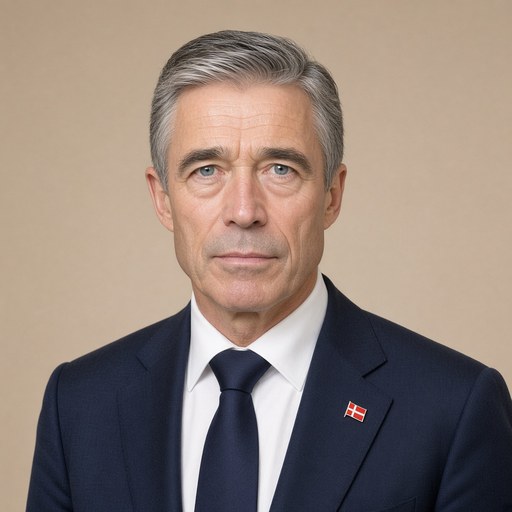
Prime Minister Anders Fogh Rasmussen's speech at the Liberal Party's EU conference June 4, 2005 Nyborg Strand
 Anders Fogh Rasmussen · Prime Minister of Denmark
- Context
- Rasmussen addressed the Liberal Party's EU conference in Nyborg Strand on June 4, 2005, following the French and Dutch rejections of the EU constitutional treaty.
- Main themes
- EU constitutional treaty ratification, French and Dutch referendum rejections, Danish referendum prospects, EU enlargement and unity, European integration history, globalization and economic concerns, Danish welfare state, EU reform and compromise, ratification process continuity, popular engagement in EU debate
- Duration
- ~24 min
- Words
- 2,862
- Sentences
- 197
- Readability
- 58
- Grade
- 8.3
- Syntax
- 2.65
- Vocabulary
- 1.99
Translated from Danish
The broad sphere of national life a sentence belongs to. Every sentence has an Arena, so it is the denominator the other indices are read against.
Other197 sentences in 52 paragraphs
There have been some eventful days in Europe. Both the French and Dutch referendums on the new EU treaty ended with a no. Does that mean the treaty has fallen? Does it even make sense for the Danes to vote on the treaty on September 27? That is probably what many are asking themselves. My starting point is clear. We in the other EU countries should continue the process of considering the treaty. I believe that all 25 countries should have the opportunity to express their views on the treaty. It is important to uphold the principle that all 25 countries are equal, whether they are large or small, whether they have been with the EU from the start or have joined later. Therefore, the Danes should not be deprived of their right to also take a stance on the new treaty.
I fully respect the outcome of the French and Dutch votes. And there is no doubt. The new treaty can only come into force if all member states approve it.
Now we must give France and the Netherlands time to clarify the situation. For a new and very difficult situation has arisen. We must be cautious in interpreting the results of the two votes. France and the Netherlands are best suited to do that. We know this in Denmark. For we have experienced it ourselves. We must then work to create a clarification of the situation after the two votes at the EU summit in two weeks.
But there is a clear prerequisite for holding a referendum. It is, of course, that there is a treaty to vote on. We must know precisely what it is that we are to consider. Therefore, it is crucial that the upcoming EU summit makes a clear decision to continue the ratification process based on the known treaty text – neither more nor less. We cannot and will not find ourselves in a situation where the population votes on one text – and then it is suddenly changed afterwards. We must know exactly what we are considering. And the EU summit must make that very clear.
* * *
I have actually looked forward to the debate on the new treaty. For it is, in my opinion, incredibly important to engage the entire population in the debate about the significant decisions regarding Denmark's future that we are facing. Without a proper debate, we risk reflexively and defiantly rejecting changes that are important and necessary.
It is important that we make it clear that we need the EU. That a well-functioning EU cooperation is not a threat, but a prerequisite for us to maintain and strengthen the Danish welfare state in the long term. Our choices should be guided by consideration – not by fear.
When I support the treaty, it is because the constitutional treaty is a better treaty than the one we have today. Both for Denmark and for Europe. It is not perfect. I readily admit that. If Denmark had written the new treaty entirely on its own, it would probably have looked different in several respects. But it is a good compromise.
Some think that the treaty does not go far enough on some points. Others think that it goes too far on other points. Still others would prefer that the EU fell apart completely. And then there are those who are simply tired of politics, who feel that the pace of development is too fast, and that the distance between politicians and ordinary people has become too great.
It is clear that we must take the concerns behind the results of the votes in France and the Netherlands very seriously. Ordinary people's concerns about the relocation of jobs, competition from cheap labor, and the consequences of globalization more generally.
The fact is, however, that these are not problems that arise from the new EU treaty. On the contrary, the new treaty makes it easier for the EU to do something effective about them. Close EU cooperation is part of the solution – not part of the problem.
* * *
It is important to draw up the historical perspective. After World War II, Europe was divided in an unfortunate way. The Eastern and Central European countries became communist dictatorships, locked behind an iron curtain that the Soviet Union's Stalin lowered down through Europe. For forty years, the populations in the East suffered under communist oppression.
In Western Europe, freedom was allowed to flourish. The USA helped us get started with the so-called Marshall Plan. The USA guaranteed Western Europe's security through NATO. And the Western European countries sought to come together in an economic and political cooperation that would prevent war in Europe from ever happening again. Within this framework, Western Europe flourished in freedom, peace, and prosperity.
Of course, the world was in some ways simpler when there were only 6 members of the Common Market. But the great European vision must, after all, be that we create a whole and united Europe, where we all live in freedom, peace, and harmony with each other. That is why the European community has gradually grown from 6 to 9 to 12 to 15 and now 25 members.
* * *
Most people today take close EU cooperation for granted. And they forget why Denmark and Europe need the EU. I see at least three important reasons why we need strong cooperation in the EU.
First, a small country like Denmark fundamentally has an interest in a Europe based on common rules and common institutions. A Europe without close and binding cooperation is not in accordance with Danish interests.
The alternative could be that EU cooperation falls apart. Either because a few countries choose to enter into a closer cooperation. Or because the enlarged EU becomes paralyzed because we do not adjust the way we cooperate in the EU.
Both situations can be very serious. A divided EU or an EU that does not function can be dangerous for both Europe and Denmark. Then we are back to the old Europe – a Europe where all countries thought only of themselves, where there was no consideration for common solutions, and where smaller countries like Denmark were not taken into account. Then it is the large countries that win at the expense of the small.
Secondly, the EU has over the years been of great benefit to Denmark. We often forget to appreciate the advantages that EU cooperation has brought and focus solely on the negative stories in the daily press.
For example, we benefit from the entire EU's internal market. It is the world's largest market. And our companies and jobs are entirely dependent on access to it.
We decided to establish the so-called Internal Market in 1986. That was when we voted on the EC package. Since then, most people have probably forgotten all about the package. But the visions behind the Internal Market have slowly but surely been realized. And it has been a huge success. Internal trade between EU countries has increased significantly. That was among the main reasons for the great growth that many EU countries experienced in the 1990s.
Not least Denmark has achieved great gains. Danish companies with a relatively small domestic market have had access to freely and fairly compete in a common market with now almost half a billion people. This has been the basis for a large part of the increase in prosperity we have experienced in recent years. Consumers have also benefited from, for example, lower prices and a greater variety of goods. And this is not just theory. Just look at flight prices. Danes are flying like never before. The very low flight prices in Europe are primarily due to the EU's liberalization of air traffic. But not many think about that.
Some may argue that the Internal Market can also be a threat to Denmark. That with the enlargement of the EU, we have brought countries into the EU cooperation that can threaten our social model with lower wages and job standards and lead to the relocation of jobs.
That is a concern we must take seriously. But I have the opposite argument. That EU membership precisely forces the new member states to raise their standards, whether it concerns the environment, workers' rights, or safety standards. And that it is in our interest that they develop into well-functioning economies and good markets for Danish products.
Many felt the same uncertainty when the EU was expanded in the 1980s with the Southern European countries. But what happened was that Spain, Portugal, and Greece, from being former dictatorships with backward economies and low standards, developed into well-functioning and prosperous democracies with high standards. They were seen by some as a threat, but ended up becoming good export markets for Danish companies.
Another thing is that I do not believe that we in Denmark should compete on low wages and standards. Our strength is that we have a well-educated and flexible workforce. We cannot always do it cheaper than abroad, but we can often do it better. And that is what we should focus on. Through research and product development, we should seek to get ahead of the rest of the field in the globalization race. And here the EU can help us again.
Thirdly, the EU is the best answer we have to the major challenges that both Denmark and Europe face in these years. In a world where no country can close itself off, our opportunity to influence the world around us largely goes through the EU.
Denmark is, in many ways, well-equipped to take on the major challenges. The Danish economy is doing well. We have a surplus in trade with other countries. We have a surplus in public finances. And more and more people are getting jobs. Many jobs are disappearing, but we are creating even more.
But we must acknowledge that many of the major global challenges can only be solved in close cooperation with other countries. This applies to economic development, climate and environmental issues, terrorism, illegal immigration, international crime, etc. Here, the EU is central. And here, the new treaty strengthens our opportunities to find common solutions in Europe.
With the enlargement of the EU to include the countries in Central and Eastern Europe, we have united Europe in the EU. It is in the EU that the crucial decisions about Europe's future are made. And if Denmark is to contribute and leave its mark, it is through the EU.
A functioning EU is a prerequisite for us to maintain and further develop the Danish welfare state. A non-functioning EU will lead to uncertainty and instability.
* * *
But how do we ensure that the EU functions? - not just tomorrow and the day after, but also the Europe that our children and grandchildren will live in? And what challenges does Europe face? We must take a stance on this. We cannot just turn a blind eye.
First, there is an economic challenge that we in the EU must take very seriously. Will Europe be able to maintain its prosperity in the long term? How do the EU's economies overcome the long downturn that most of Europe has been through? How do we address the fundamental problems in the European economies that could become a threat to prosperity and welfare in the long run?
These are questions that we as Danes cannot ignore. Recession and unemployment in our neighboring countries will lead to recession and unemployment in Denmark in the long run. Just as economic growth and prosperity in Europe lead to growth and welfare in Denmark.
Will Europe's economies be able to compete in the global market in 10 years, 20 years, and 30 years? – in competition with the USA, China, and other rapidly growing and competitive economies in the third world. In Denmark, the government has initiated significant work on the challenges of globalization. We are ready to make a massive effort to strengthen research, development, and education so that Denmark can remain competitive in the future. A similar effort is needed at the European level.
If we are to effectively address the challenges – we must do so together. This requires strong and close European cooperation. I see no other alternatives. But I would like to hear how the EU opponents envision that we should do this without the EU or with a weakened EU?
Another major challenge is the EU's role in addressing the major global challenges. We in Europe have both an obligation and a self-interest in engaging more in what is happening in other parts of the world. And Denmark has a clear interest in that happening through the EU. As a small country, we often cannot make a difference on our own. But we can through the EU.
A good example is international climate policy. The EU is proposing – not least at Denmark's urging – an ambitious policy in the years to come. Each individual country cannot do much. But together we can – especially if we want to bring the USA and China on board for some common goals.
Another example is the effort to eradicate poverty, combat infectious diseases, and create sustainable development in Africa. Europe has a vital interest in getting the African continent on its feet.
A third example is peace and stability in the Middle East and North Africa. The Middle East and North Africa are Europe's neighbors. We have a crucial interest in ensuring that freedom, democracy, and respect for human rights take root in this part of the world.
Individually, the European countries cannot do much. But together we can create an expanded partnership with the countries in the Middle East and Africa to establish peace, security, and cooperation through reforms that promote freedom and democracy.
A third major challenge for the EU in the coming years relates to the very structure of the EU. Are the EU's institutions and decision-making procedures good enough to handle the task in an EU with 25 member states? When the number of participants in the cooperation increases, the institutions and decision-making procedures must, of course, be adjusted. That is the core of the constitutional treaty. And it is the necessary adjustment that we risk losing if the new treaty were to fall apart.
The EU is seen by many as a very large machine. I can understand that, given that opponents continue to portray the EU as a new state formation. But most people do not know that there are fewer employees in the EU than in the municipality of Copenhagen. That is not to say that more should be hired. There is no need for that. Instead, the machinery needs to be tuned and lubricated so that it can deliver the solutions to common problems that we need. In the same way that companies undergo organizational changes to adapt to new conditions. Regardless of the outcome of the votes on the new treaty, we will have to consider this issue in the future.
The adaptation of the EU's institutions and decision-making mechanisms must not least be seen in light of the EU's expansion. It is clear that broader cooperation puts the system under pressure. But the expansion of the EU also creates stability and prosperity in our neighboring areas, and thus stability and prosperity for us. The expansions of the EU with the Southern European countries in the 1980s and with the Central and Eastern European countries in recent years are good examples.
But are there also limits to how far and how fast the EU can expand if cooperation is to continue to hold together? Is there a need for a consolidation phase? These are difficult and controversial questions that we in the EU must think seriously about. Also in light of the public skepticism that has been expressed during the votes in France and the Netherlands. For some, the development is moving too quickly. This clearly creates insecurity. The governments of Europe need to take this into account.
* * *
Regardless of whether it succeeds in adopting the new EU treaty or not, the three major challenges that I have just mentioned cannot be avoided. Denmark's fate is anchored in Europe. That is the reality we must relate to in the coming years. We cannot just hold our hands up in front of our eyes and pretend that we are not part of Europe, for better or for worse. We need to take shared responsibility for finding solutions to the challenges of the future in the EU.
Therefore, the debate about Yes or No to the EU, which is still being conducted by the fringes of Danish politics, is deeply outdated. The EU is today a political battleground where different national and political viewpoints meet – and where common solutions are negotiated. The EU Constitution Treaty is about how the frameworks and rules for this cooperation should look in the future.
We have had great advantages from EU cooperation for 30 years. And we are heavily dependent on the EU functioning well in the future as well.
The original Danish. The tags above are read on the English translation's sentences.
Det har været nogle begivenhedsrige dage i Europa. Både den franske og den hollandske folkeafstemning om den nye EU-traktat endte med et nej. Er traktaten dermed faldet? Giver det overhovedet mening, at danskerne stemmer om traktaten den 27. september. Det er der nok mange, der spørger sig selv. Mit udgangspunkt er klart. Vi i de øvrige EU-lande bør fortsætte processen med at tage stilling til traktaten. Jeg synes, at alle 25 lande skal have mulighed for at udtale sig om traktaten. Det er vigtigt at holde fast i det princip, at alle 25 lande er ligeværdige, hvad enten de er store eller små, hvad enten de har været med fra EU’s start eller er kommet til senere. Danskerne skal altså ikke fratages deres ret til også at tage stilling til den nye traktat.
Jeg respekterer fuldt ud resultatet af den franske og hollandske afstemning. Og der er ingen tvivl. Den nye traktat kan kun træde i kraft, hvis alle medlemsstater godkender den.
Nu må vi give Frankrig og Holland tid til at afklare situationen. For det er en ny og meget vanskelig situation, der er opstået. Vi skal være forsigtige med at tolke resultatet af de to afstemninger. Det er Frankrig og Holland nu en gang selv bedst til. Det ved vi i Danmark. For vi har selv prøvet det. Vi må så arbejde for at skabe en afklaring af situationen efter de to afstemninger på EU-topmødet om to uger.
Men der er en klar forudsætning for at kunne holde en folkeafstemning. Det er naturligvis, at der er en traktat at stemme om. Vi skal selvsagt vide præcist, hvad det er, vi skal tage stilling til. Derfor er det helt afgørende, at det kommende EU-topmøde træffer en klar beslutning om at fortsætte ratifikationsprocessen på basis af den kendte traktattekst – hverken mere eller mindre. Vi kan og vil ikke komme i den situation, at befolkningen tager stilling til én tekst – og så bliver den pludseligt ændret efterfølgende. Vi skal vide præcist, hvad vi tager stilling til. Og det må EU-topmødet gøre helt klart.
* * *
Jeg har faktisk set frem til debatten om den nye traktat. For det er efter min mening utroligt vigtigt, at få hele befolkningen engageret i debatten om de væsentlige beslutninger om Danmarks fremtid, som vi står overfor. Uden en ordentlig debat risikerer vi, at vi pr. refleks og i trods afviser forandringer, som er vigtige og nødvendige.
Det er vigtigt, at vi gør os klart, at vi har brug for EU. At et velfungerende EU-samarbejde ikke er en trussel, men en forudsætning for, at vi kan fastholde og styrke den danske velfærdsstat på længere sigt. Vores valg skal styres af omtanke – ikke af frygt.
Når jeg er tilhænger af traktaten, er det fordi, forfatningstraktaten er en bedre traktat, end den traktat, vi har i dag. Både for Danmark og for Europa. Den er ikke perfekt. Det indrømmer jeg gerne. Hvis Danmark havde skrevet den nye traktat helt alene, havde den nok set anderledes ud på flere punkter. Men den er et godt kompromis.
Nogen synes, at traktaten ikke går langt nok på nogen punkter. Andre synes, at den går for langt på andre punkter. Endnu andre så helst, at EU faldt helt fra hinanden. Og så er der dem, der bare er trætte af politik, som synes at udviklingen går for hurtigt, og at afstanden mellem politikere og almindelige mennesker er blevet for stor.
Det er klart, at vi må tage de bekymringer, som ligger bag resultatet af afstemningerne i Frankrig og Holland dybt alvorligt. Almindelige menneskers bekymring for udflytning af arbejdspladser, for konkurrence fra billig arbejdskraft og for globaliseringens konsekvenser mere generelt.
Sagen er bare, at det ikke er problemer, som følger af den nye EU-traktat. Tværtimod gør den nye traktat det nemmere for EU at gøre noget effektivt ved dem. Et tæt EU-samarbejde er en del af løsningen – ikke en del af problemet.
* * *
Det er vigtigt at trække det historiske perspektiv op. Efter Anden Verdenskrig blev Europa delt på en ulykkelig måde. De øst- og centraleuropæiske lande blev kommunistiske diktaturer, spærret inde bag et jerntæppe, som Sovjetunionens Stalin sænkede ned gennem Europa. I fyrre år led befolkningerne i Øst under kommunistisk undertrykkelse.
I Vesteuropa fik friheden lov at blomstre. USA hjalp os i gang med den såkaldte Marshall-hjælp. USA garanterede Vesteuropas sikkerhed gennem NATO. Og de vesteuropæiske lande søgte sammen i et økonomisk og politisk samarbejde, som skulle forhindre, at der nogensinde igen blev krig i Europa. Inden for denne ramme blomstrede Vesteuropa i frihed, fred og fremgang.
Selvfølgelig var Verden på visse måder enklere, dengang der kun var 6 medlemmer af Fællesmarkedet. Men den store europæiske vision må trods alt være, at vi skaber et helt og samlet Europa, hvor vi alle lever i frihed, fred og harmoni med hinanden. Derfor er det europæiske fællesskab gradvist vokset fra 6 til 9 til 12 til 15 og nu 25 medlemmer.
* * *
De fleste tager i dag et tæt EU-samarbejde for givet. Og de glemmer, hvorfor Danmark og Europa har brug for EU. Jeg ser i hvert fald tre vigtige grunde til, at vi har brug for et stærkt samarbejde i EU.
For det første har et lille land som Danmark helt grundlæggende en interesse i et Europa, som er baseret på fælles regler og fælles institutioner. Et Europa uden et tæt og forpligtende samarbejde er ikke i overensstemmelse med danske interesser.
Alternativet kan være, at EU-samarbejdet falder fra hinanden. Enten fordi nogle få lande vælger at indgå i et mere snævert samarbejde. Eller fordi det udvidede EU bliver handlingslammet, fordi vi ikke får justeret den måde, vi samarbejder på i EU.
Begge situationer kan være meget alvorlige. Et splittet EU eller et EU, som ikke fungerer, kan være farligt for både Europa og Danmark. Så er vi tilbage til det gamle Europa – et Europa, hvor alle lande alene tænkte på sig selv, hvor der ikke blev tænkt i fælles løsninger, og hvor der ikke blev taget hensyn til mindre lande som Danmark. Så er det de store lande som vinder på bekostning af de små.
For det andet har EU gennem årene været til stor fordel for Danmark. Vi glemmer ofte at sætte pris på de fordele, som EU-samarbejdet har ført med sig og fokuserer udelukkende på de negative historier i dagspressen.
Vi nyder f.eks. godt af hele EU’s indre marked. Det er verdens største marked. Og vores virksomheder og arbejdspladser er helt afhængige af adgangen til det.
Vi besluttede at etablere det såkaldte Indre Marked i 1986. Det var den gang vi stemte om EF-pakken. Siden har de fleste mennesker sikkert glemt alt om pakken. Men visionerne bag det Indre Marked er langsomt og sikkert blevet realiseret. Og det har været en kæmpesucces. Den interne handel mellem EU-landene er steget kraftigt. Det var blandt hovedårsagerne til den store vækst, som mange EU-lande oplevede i 1990’erne.
Ikke mindst Danmark har opnået store gevinster. Danske virksomheder med et relativt lille hjemmemarked har haft adgang til frit og fair at kunne konkurrere på et fælles marked med nu næsten en halv milliard mennesker. Det har været grundlaget for en stor del af den velstandsstigning, vi har oplevet i de senere år. Også forbrugerne har gavn af f.eks. lavere priser og større vareudbud. Og det er ikke bare teori. Se f.eks. flypriserne. Danskerne flyver som aldrig før. De meget lave flypriser i Europa skyldes især EU’s liberalisering af flytrafikken. Men det er der ikke mange, som tænker nærmere over.
Nogen vil måske indvende, at Det indre Marked også kan være en trussel mod Danmark. At vi med udvidelsen af EU har fået lande med i EU-samarbejdet, der kan true vores samfundsmodel med lavere lønninger og job-standarder og føre til udflytning af arbejdspladser.
Det er en bekymring, vi skal tage alvorligt. Men der har jeg det modsatte argument. At medlemskabet af EU netop tvinger de nye medlemslande til at komme op på vores standard, hvad enten det gælder miljø, arbejdstagerrettigheder eller sikkerhedsstandarder. Og at det er i vores interesse, at de udvikler sig til velfungerende økonomier og gode markeder for danske produkter.
Mange følte den samme usikkerhed, da EU i 80’erne blev udvidet med de sydeuropæiske lande. Men det, der så skete, var, at Spanien, Portugal og Grækenland fra at være tidligere diktaturer med tilbagestående økonomier og lave standarder, udviklede sig til velfungerende og velstående demokratier med høje standarder. De blev af nogle set som en trussel, men endte altså med at blive gode eksportmarkeder for danske virksomheder.
Noget andet er så, at jeg ikke mener, at vi i Danmark skal konkurrere på lave lønninger og standarder. Vores force er, at vi har en veluddannet og fleksibel arbejdsstyrke. Vi kan ikke altid gøre det billigere end i udlandet, men vi kan ofte gøre det bedre. Og det er det, vi bør satse på. Gennem forskning og produktudvikling skal vi søge at komme foran resten af feltet i globaliseringskapløbet. Og her kan EU igen hjælpe os.
For det tredje er EU det bedste svar, vi har, på de store udfordringer, som både Danmark og Europa står overfor i disse år. I en verden, hvor intet land kan lukke sig om sig selv, går vores mulighed for at få indflydelse på verden omkring os i høj grad gennem EU.
Danmark er på mange måder godt rustet til at tage de store udfordringer op. Dansk økonomi har det godt. Vi har overskud på samhandlen med udlandet. Vi har overskud på de offentlige finanser. Og stadig flere kommer i arbejde. Der forsvinder ganske vist mange arbejdspladser, men vi skaber endnu flere.
Men vi må erkende, at mange af de store globale udfordringer kan vi kun løse i tæt samarbejde med andre lande. Det gælder økonomisk udvikling, klima- og miljøproblemer, terrorisme, illegal indvandring, international kriminalitet osv. Her står EU centralt. Og her styrker den nye traktat vores muligheder for at finde fælles løsninger i Europa.
Med udvidelsen af EU med landene i Central- og Østeuropa har vi samlet Europa i EU. Det er i EU, at de afgørende beslutninger bliver taget om Europas fremtid. Og skal Danmark bidrage og sætte fingeraftryk, er det gennem EU.
Et EU, som fungerer, er en forudsætning for, at vi kan bevare og videreudvikle det danske velfærdssamfund. Et EU, som ikke fungerer, vil føre til usikkerhed og ustabilitet.
* * *
Men hvordan sikrer vi, at EU fungerer? - ikke bare i morgen og i overmorgen, men også det Europa som vores børn og børnebørn kommer til at leve i? Og hvilke udfordringer, er det Europa står overfor? Det bliver vi nødt til at tage stilling til. Vi kan ikke bare vende det blinde øje til.
For det første er der en økonomisk udfordring, som vi i EU bliver nødt til at tage meget alvorligt. Vil Europa på langt sigt kunne bevare sin velstand? Hvordan overkommer EU’s økonomier den lange nedgangsperiode, som størstedelen af Europa har været igennem? Hvordan får vi gjort noget ved de grundlæggende problemer i de europæiske økonomier, som på længere sigt kan blive en trussel mod velstand og velfærd?
Det er ikke spørgsmål, vi som danskere kan ignorere. Lavkonjunktur og arbejdsløshed i vores nabolande fører på længere sigt til lavkonjunktur og arbejdsløshed i Danmark. Ligesom økonomisk vækst og velstand i Europa fører til vækst og velfærd i Danmark.
Vil Europas økonomier kunne konkurrere på verdensmarkedet om 10 år, 20 år og 30 år? – i konkurrence med USA, Kina og andre hurtigt voksende og konkurrencedygtige økonomier i den tredje verden. I Danmark har regeringen sat et stort arbejde i gang omkring globaliseringens udfordringer. Vi er klar til at gøre en massiv indsats for at styrke forskning, udvikling og uddannelse, for at Danmark også i fremtiden kan forblive konkurrencedygtigt. Der er brug for en tilsvarende indsats på europæisk plan.
Hvis vi skal tage udfordringerne op effektivt – bliver vi nødt til at gøre det i fællesskab. Det kræver et stærkt og tæt europæisk samarbejde. Jeg ser ikke andre alternativer. Men jeg vil da gerne høre, hvordan EU-modstanderne forestiller sig, at vi skal gøre det uden EU eller med et svækket EU?
En anden stor udfordring er EU’s rolle i håndteringen af de store globale udfordringer. Vi har i Europa både en forpligtelse og en egen interesse i at engagere os mere i det, der sker i andre dele af verden. Og Danmark har en klar interesse i, at det sker gennem EU. Som lille land kan vi ofte ikke gøre en forskel på egen hånd. Men det kan vi gennem EU.
Et godt eksempel er den internationale klimapolitik. EU lægger - ikke mindst på dansk foranledning – op til en ambitiøs politik i årene fremover. Hvert enkelt land kan ikke gøre meget. Men vi kan i fællesskab – også hvis vi skal have USA og Kina med på nogle fælles mål.
Et andet eksempel er en indsats for at udrydde fattigdom, bekæmpe smitsomme sygdomme og skabe en bæredygtig udvikling i Afrika. Europa har en vital interesse i at få det afrikanske kontinent på fode.
Et tredje eksempel er fred og stabilitet i Mellemøsten og Nordafrika. Mellemøsten og Nordafrika er Europas nabo. Vi har en afgørende interesse i, at frihed, demokrati og respekt for menneskerettigheder slår rod i denne del af verden.
Hver især kan de europæiske lande ikke gøre meget. Men sammen kan vi skabe et udbygget partnerskab med landene i Mellemøsten og Afrika om at skabe fred, sikkerhed og samarbejde gennem reformer, der fremmer frihed og demokrati.
En tredje stor udfordring for EU i de kommende år har med selve EU’s opbygning at gøre. Er EU’s institutioner og beslutningsprocedurer gode nok til at klare opgaven i et EU med 25 medlemslande? Når man bliver flere i samarbejdet, må institutioner og beslutningsprocedurer selvfølgelig tilpasses. Det er det, der er kernen i forfatningstraktaten. Og det er den nødvendige tilpasning, vi risikerer at tabe på gulvet, hvis den nye traktat skulle falde til jorden.
EU betragtes af mange som en meget stor maskine. Det kan jeg da godt forstå, når nu modstanderne bliver ved med at fremstille EU som en ny statsdannelse. Men de fleste ved ikke, at der er færre ansatte i EU end i Københavns kommune. Ikke dermed sagt, at der skal ansættes flere. Det er der ikke behov for. Derimod skal maskineriet tunes og smøres, så det kan levere de løsninger på fælles problemer, som vi har behov for. På samme måde som virksomheder går gennem organisationsændringer for at tilpasse sig nye forhold. Uanset udfaldet af afstemningerne om den nye traktat bliver vi nødt til at se på dette spørgsmål i fremtiden.
Tilpasningen af EU’s institutioner og beslutningsmekanismer skal ikke mindst ses i lyset af EU’s udvidelse. Det er klart, at et bredere samarbejde sætter systemet under pres. Men udvidelsen af EU skaber også stabilitet og velstand i vores nærområder, og dermed stabilitet og velstand hos os. Udvidelserne af EU med de sydeuropæiske lande i 1980’erne og med de central- og østeuropæiske lande i disse år er gode eksempler.
Men er der også grænser for, hvor langt og hvor hurtigt EU kan udvides, hvis samarbejdet fortsat skal hænge sammen? Er der brug for en konsolideringsfase? Det er svære og kontroversielle spørgsmål, som vi i EU er nødt til at tænke alvorligt over. Også i lyset af den folkelige skepsis, som bl.a. er kommet til udtryk under afstemningerne i Frankrig og Holland. For nogle går udviklingen for hurtigt. Det skaber tydeligvis utryghed. Det er Europas regeringer nødt til at tage til sig.
* * *
Uanset om det lykkes at vedtage den nye EU-traktat eller ej, er de tre store udfordringer, som jeg netop har nævnt, ikke til at komme uden om. Danmarks skæbne er forankret i Europa. Det er den virkelighed, som vi bliver nødt til at forholde os til i de kommende år. Vi kan ikke bare holde hænderne op foran øjnene og lade som om vi ikke er en del af Europa på godt og ondt. Vi er nødt til at tage medansvar for at finde løsninger på fremtidens udfordringer i EU.
Derfor er den debat om Ja eller Nej til EU, som stadig føres af yderfløjene i dansk politik dybt forældet. EU er i dag en politisk kampplads, hvor forskellige nationale og politiske synspunkter mødes – og hvor man forhandler sig frem til fælles løsninger. EU-forfatningstraktaten handler om, hvordan rammerne og spillereglerne for dette samarbejde skal se ud fremover.
Vi har haft store fordele ved EU-samarbejdet i 30 år. Og vi er stærkt afhængige af, at EU også kommer til at fungere godt fremover.