




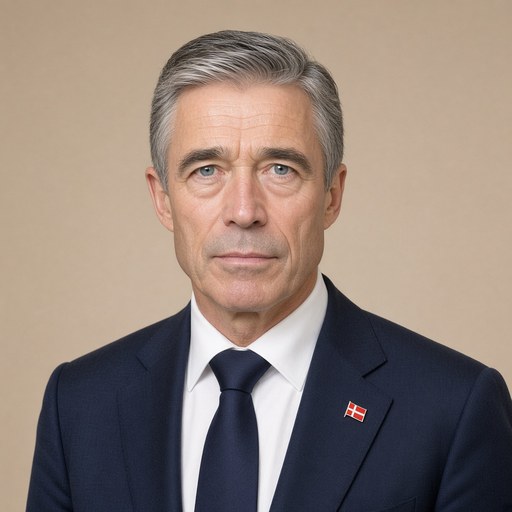
Prime Minister Anders Fogh Rasmussen's speech on the occasion of the 60th anniversary of Denmark's liberation Copenhagen City Hall May 5, 2005
 Anders Fogh Rasmussen · Prime Minister of Denmark
- Context
- Rasmussen addressed veterans and guests at Copenhagen City Hall on May 5, 2005, marking the 60th anniversary of Denmark's liberation from Nazi occupation.
- Main themes
- 60th anniversary of Denmark's liberation, resistance movement, Danish freedom fighters, collaboration policy critique, moral courage under occupation, World War II memory, Allied sacrifice, Danish war sailors, Nazi occupation, national honor, individual choice in wartime, gratitude to veterans
- Duration
- ~10 min
- Words
- 1,245
- Sentences
- 92
- Readability
- 66
- Grade
- 6.8
- Syntax
- 2.54
- Vocabulary
- 2.04
Translated from Danish
The broad sphere of national life a sentence belongs to. Every sentence has an Arena, so it is the denominator the other indices are read against.
Other92 sentences in 47 paragraphs
Dear Lord Mayor, ladies and gentlemen,
First, I would like to thank you, Lars Engberg, and the City Council for the invitation to be here this evening. We cannot imagine a better setting to celebrate the 60th anniversary of liberation.
I would also like to thank all of you veterans and victims of the crimes of Nazism for being here. I am glad that so many, despite advanced age, have found the strength to participate.
And I would also like to thank you, Jørgen Barfod, and the other members of the May 5 Committee for once again taking the initiative to commemorate Denmark's liberation and for your great work in the May 5 Committee.
* * *
This year's festivities are focused on you who are present here this evening. Most of you have risked your lives for Denmark. We are glad that we can mark this day together with you who experienced the Occupation.
You made a choice. You did not follow what was convenient, but what you found to be right.
You made a personal choice. But it was also a choice that saved the self-respect of the Danish people.
Thanks to the resistance movement, the policy of collaboration was brought to an end. There were clear lines. Denmark emerged from the Occupation on the right side and could immediately after the war take its place among the world's free nations.
The Danish people owe much gratitude to the freedom fighters, the resistance movement, the war sailors, and others who chose active resistance.
You made a brave choice. And you saved Denmark's honor.
On behalf of the nation: Thank you!
* * *
I have been criticized for taking sides with the freedom fighters and against the policy of collaboration.
I have been criticized for it being too easy to take sides here 60 years after the end of the war. That I am merely rationalizing from a comfortable distance from the unpleasant events.
I reject that criticism.
There were many who, even during the Occupation, made a difficult and dangerous choice and stood up against the authorities. There were the freedom fighters, many of whom paid with their lives. There were Danish sailors who chose to serve the Allies. Many of them perished. There were representatives of the popular, cultural, and church life who wrote and spoke against the policy of collaboration.
Most of you who are present this evening made a choice based on the premises of the time and without knowledge of what this choice could entail. You simply did what you found to be right in the situation.
So, of course, I can also allow myself today to support your choice and your stance based on today's premises. And say thank you for the clear choice you made under the uncertain conditions of the time, for which future generations must be deeply grateful.
* * *
It has been said that the collaborators had the best intentions.
I do not doubt that. But what matters is not the good intentions, but the actual actions.
If the rest of the world had thought like the collaborators in Denmark, then Hitler would have won the war, and Europe would have been Nazi.
The problem was that we left it to others to fight Nazism. At one point, Britain stood completely alone in the struggle. It is frightening to think about how the world could have looked if British politicians and the population in Britain had thought about protecting themselves instead of going to battle.
In 1940, after the defeat at Dunkirk, the prospects for a British victory were extremely bleak. Great destruction in London and Coventry could have been avoided if Britain had made a deal with Hitler in 1940. Countless young British men could have saved their lives.
The United States could have taken care of itself. Have focused on its difficult struggle against the Japanese military forces. A visit to the war cemeteries in Normandy reveals a small part of the price of American engagement in the war.
There is always a choice.
On ships around the world, Danish sailors were faced with the choice of sailing for the Allies or lurking in foreign ports. The vast majority chose to serve the Allies. Many lost their lives. But today we can be proud of the efforts of the war sailors.
In recent weeks, we have heard about Danish companies that worked for the Germans. It has turned out that the extent was greater than previously believed. Contractors built bunkers for the occupying power. They excused themselves with concern for employees. They could become unemployed if they did not work for the Germans.
Many other good and less good reasons were given for collaboration.
But there is always a choice. Other companies refused to supply the enemy. It cost revenue, and sometimes also jobs. In return, these companies contributed to the fact that today there is something to celebrate – that there was a sunny side to the shadows of the occupation period.
* * *
I acknowledge that the leaders of the time in politics and business faced many dilemmas. It was difficult choices and a great responsibility.
One might argue that the policy of collaboration paid off because agriculture and industry made good money from the war and provided bread on the table for many.
One might argue that the policy of collaboration paid off because we got through the war cheaply.
Yes, but we let others suffer and bleed for our sake and our freedom.
In matters of right and wrong, one should never ask whether it pays off, for that is in the interest of tyrants and oppressors.
It will never be humane or decent to make oneself available for injustice, whether it happens out of cowardice, compliance, or greed.
In a fateful struggle between freedom and unfreedom, between democracy and dictatorship, one cannot remain neutral. One must take a stand. One must fight for freedom and democracy and combat tyranny and oppression.
Among the many and abhorrent crimes of Nazism, the systematic extermination of Jews is among the most outrageous. The evil that lay behind the murder of millions of people simply because they were Jews is so indescribable and so horrifying that humanity must never forget the Holocaust and its victims.
When faced with boundless evil, there is only one decent choice: To fight it to the bitter end.
Dear freedom fighters, war sailors, veterans, and victims of the crimes of Nazism,
You fought against the Nazis or became victims of their crimes. The struggle was not in vain. Today we can live in freedom and peace because of your efforts.
Many of you had to make difficult choices. No one can know how they will react until they are in the situation. Faced with having to choose. Neither can I. We can only hope that we can show a similar courage as you, who are sitting here, displayed during the Occupation.
You are getting on in years. The five terrible years of war may seem a distant memory. But you will carry the grim memories with you to the end.
And you should know that your pain is also our pain. What you have been subjected to will forever stand as a reminder that we must fight tyranny to the utmost and strive for a better, freer, and more peaceful world.
The choice you made also obliges us to do what we can.
The original Danish. The tags above are read on the English translation's sentences.
Kære Overborgmester, mine damer og herrer,
Først vil jeg gerne takke dig, Lars Engberg, - og Borgerrepræsentationen - for indbydelsen til at komme her i aften. Vi kan ikke forestille os en bedre ramme til at festligholde 60-året for befrielsen.
Jeg vil også gerne takke alle jer veteraner og ofre for nazismens forbrydelser for at være kommet. Jeg er glad for at så mange på trods af fremskreden alder har fundet kræfter til at deltage.
Og så vil jeg også gerne takke dig, Jørgen Barfod, og de andre medlemmer af 5. maj Komitéen for igen i år at have taget initiativ til markere Danmarks befrielse og for jeres store arbejde i 5. maj Komitéen.
* * *
Festlighederne i år er fokuseret på jer, der er tilstede her i aften. De fleste af jer har sat livet på spil for Danmark. Vi er glade for, at vi kan markere denne dag sammen med jer, der selv oplevede Besættelsen.
I traf et valg. I fulgte ikke, hvad der kunne betale sig, men hvad I fandt rigtigt.
I traf et personligt valg. Men det var samtidig et valg, som reddede det danske folks selvrespekt.
Takket være modstandsbevægelsen blev samarbejdspolitikken bragt til ophør. Der blev rene linjer. Danmark kom ud af Besættelsen på den rigtige side og kunne umiddelbart efter krigen indtage sin plads blandt verdens frie nationer.
Det danske folk er frihedskæmperne, modstandsbevægelsen, krigssejlerne og andre, der valgte den aktive modstand, megen tak skyldig.
I traf et modigt valg. Og I reddede Danmarks ære.
På nationens vegne: Tak!
* * *
Jeg er blevet kritiseret for at tage parti for frihedskæmperne og mod samarbejdspolitikken.
Jeg er blevet kritiseret for, at det er for let at tage parti her 60 år efter krigens afslutning. At jeg blot efterrationaliserer på bekvem afstand af de ubehagelige begivenheder.
Jeg afviser den kritik.
Der var mange, som allerede under Besættelsen traf et svært og farligt valg og satte sig op mod myndighederne. Der var frihedskæmperne, hvoraf mange betalte med deres liv. Der var danske søfolk, som valgte at gå i allieret tjeneste. Mange af dem omkom. Der var repræsentanter for det folkelige, kulturelle og kirkelige liv, som skrev og talte mod samarbejdspolitikken.
De fleste af jer, der er til stede i aften, traf et valg på datidens præmisser og uden viden om, hvad dette valg kunne indebære. I gjorde bare, hvad I fandt rigtigt i situationen.
Så kan jeg naturligvis også tillade mig i dag at støtte jeres valg og jeres holdning på nutidens præmisser. Og sige tak for, at I på samtidens usikre betingelser traf et klart valg, som eftertidens generationer må være jer dybt taknemmelige for.
* * *
Det er sagt, at samarbejdspolitikerne havde de bedste hensigter.
Det betvivler jeg ikke. Men det, der tæller, er ikke de gode viljer, men de faktiske handlinger.
Hvis resten af verden havde tænkt som samarbejdspolitikerne i Danmark, så ville Hitler have vundet krigen, og Europa været nazistisk.
Problemet var, at vi overlod det til andre at bekæmpe nazismen. På et tidspunkt stod Storbritannien fuldstændig alene i kampen. Det er uhyggeligt at tænke på, hvordan verden kunne have set ud, hvis britiske politikere og befolkningen i Storbritannien havde tænkt på at hytte sig i stedet for at gå til kamp.
I 1940 efter nederlaget ved Dunkirk var udsigterne til en britisk sejr yderst mørke. Store ødelæggelser i London og Coventry kunne være undgået, hvis Storbritannien i 1940 havde indgået en aftale med Hitler. Talløse britiske unge mænd kunne have reddet livet.
USA kunne have passet sig selv. Have koncentreret sig om sin svære kamp mod de japanske militære styrker. Et besøg på krigskirkegårdene i Normandiet afslører en lille del af prisen for det amerikanske engagement i krigen.
Der er altid et valg.
På skibe rundt omkring i verden blev danske søfolk stillet overfor valget mellem at sejle for de allierede eller lurepasse i fremmed havn. Langt de fleste valgte at gå i allieret tjeneste. Mange mistede livet. Men vi kan i dag være stolte over krigssejlernes indsats.
Vi har i de seneste uger hørt om danske virksomheder, der arbejdede for tyskerne. Det har vist sig, at omfanget var større, end man hidtil havde troet. Entreprenører byggede bunkere for besættelsesmagten. Man undskyldte sig med hensynet til medarbejdere. De kunne blive arbejdsløse, hvis ikke man arbejdede for tyskerne.
Der blev anført mange andre gode og mindre gode begrundelser for at samarbejde.
Men der er altid et valg. Andre virksomheder nægtede at levere til fjenden. Det kostede omsætning, og nogle gange også arbejdspladser. Til gengæld var disse virksomheder med til, at der i dag er noget at fejre – at der var en solside til skyggesiderne fra besættelsestiden.
* * *
Jeg erkender, at datidens ledere i politik og erhvervsliv stod med mange dilemmaer. Det var svære valg og et stort ansvar.
Muligvis kan man argumentere for, at samarbejdspolitikken betalte sig, fordi landbrug og industri tjente gode penge på krigen og skaffede brød på bordet til mange.
Muligvis kan man argumentere for, at samarbejdspolitikken betalte sig, fordi vi slap billigt gennem krigen.
Ja, men vi lod andre bløde og lide for vor skyld og vor frihed.
I sagen ret og uret skal man aldrig spørge, om det betaler sig, for det er i tyrannernes og undertrykkernes interesse.
Det bliver aldrig medmenneskeligt eller humant at stille sig til rådighed for uretten, hvad enten det sker af fejhed, føjelighed eller griskhed.
I en skæbnekamp mellem frihed og ufrihed, mellem demokrati og diktatur kan man ikke forholde sig neutralt. Da må man tage stilling. Da må man slås for frihed og demokrati og bekæmpe tyranni og undertrykkelse.
Blandt nazismens mange og afskyvækkende forbrydelser hører den systematiske udryddelse af jøder til de mest uhyrlige. Den ondskab, som lå bag drabet på millioner af mennesker, blot fordi de var jøder, er så ubeskrivelig og så forfærdende, at menneskeheden aldrig må glemme holocaust og dens ofre.
Når man møder den grænseløse ondskab, er der kun ét anstændigt valg: At bekæmpe den til den bitre ende.
Kære frihedskæmpere, krigssejlere, veteraner og ofre for nazismens forbrydelser,
I kæmpede mod nazisterne eller blev ofre for deres forbrydelser. Kampen var ikke forgæves. Vi kan i dag leve i frihed og fred på grund af jeres indsats.
Mange af jer måtte træffe besværlige valg. Ingen kan vide, hvordan man reagerer, før man står i situationen. Står overfor at skulle vælge. Heller ikke jeg. Vi kan bare håbe, at vi kan vise et tilsvarende mod, som I, der sidder her, udviste under Besættelsen.
I er ved at være oppe i årene. De fem grusomme krigsår kan synes på en fjern afstand. Men I vil bære de dystre erindringer med jer til det sidste.
Og I skal vide, at jeres smerte også er vores smerte. Det, I har været udsat for, vil for eftertiden stå som en påmindelse om, at vi til det yderste skal bekæmpe tyranniet og kæmpe for en bedre, friere og fredeligere verden.
Det valg, I traf, forpligter også os til at gøre, hvad vi kan.