




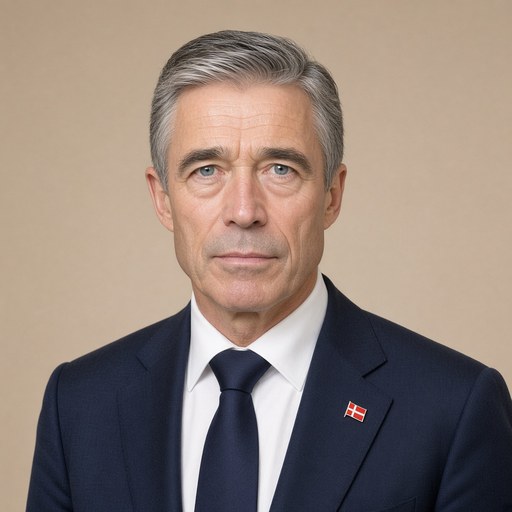
Prime Minister Anders Fogh Rasmussen's speech at the South Schleswig Annual Meetings in Flensburg on May 29, 2005.
 Anders Fogh Rasmussen · Prime Minister of Denmark
- Context
- Rasmussen addressed the South Schleswig Annual Meetings in Flensburg on May 29, 2005, marking the 50th anniversary of the Copenhagen-Bonn declarations on minority rights.
- Main themes
- Danish-German minority rights, Copenhagen-Bonn declarations, H.C. Andersen anniversary, reconciliation and peaceful coexistence, European integration, EU constitutional treaty, borderland identity, ultranationalism, World War II remembrance, South Schleswig Danish minority, EU expansion
- Duration
- ~12 min
- Words
- 1,422
- Sentences
- 114
- Readability
- 54
- Grade
- 8.5
- Syntax
- 2.55
- Vocabulary
- 2.25
Translated from Danish
The broad sphere of national life a sentence belongs to. Every sentence has an Arena, so it is the denominator the other indices are read against.
Other114 sentences in 38 paragraphs
Dear annual meeting participants,
It is a great pleasure for me to be here in Flensburg again. It is wonderful to be Danish in South Schleswig. To come and see the large turnout at the annual meetings. You are certainly ... worth the journey.
This year we celebrate the 200th anniversary of H.C. Andersen's birth. We also celebrate the 50th anniversary of the Copenhagen-Bonn declarations. The Danish-German declarations that secured the rights of minorities.
In fairy tales, the hero usually has to go through a lot before he gets the princess. And the development in the Danish-German borderland actually has the character of a fairy tale and with the same elements: Heroes, villains, princes, and princesses.
H.C. Andersen would have been pleased to stand here today. He was nationally minded – but he was also a well-traveled cosmopolitan. With great respect for his German friends. He was – like Denmark – divided by the conflicts in the borderland. In the north, one moved towards Scandinavia and in the south towards Germany. And to that, he says incredibly presciently, "Let each follow its own."
That was done in the referendums in 1920. And it was done again in 1955. In the Copenhagen-Bonn declarations, Germany and Denmark recognize the rights of the Danish and German minorities. The confession to one's own nationality and culture was made free. It could not be disputed or verified by the authorities. Each was allowed to follow its own.
And it has worked. It has worked so well that the Danish minority feels equal to the majority. That there is cooperation and not just coexistence. That the declarations are used to show how minority issues can be resolved to the satisfaction of both the majority and the minority. Among other places, in Kosovo.
Ultranationalism can lead to war and unrest. We have seen that in Schleswig in the past. And we have seen it again in the Balkans in the present. Also, in other places, ultranationalists and religious fanatics incite violence and unrest. The borderland between Denmark and Germany is an example that one can move forward – and that minorities can contribute to reconciliation. Can build bridges instead of trenches.
That we can again this year celebrate Danishness in Germany is not a given. Changing governments on both sides of the border have shown the will and ability to implement the Copenhagen-Bonn declarations over the last 50 years.
However, the very special thing about this borderland is the popular engagement. The active involvement and support of the Danish-minded for organizations such as the South Schleswig Association gives life to the borderland. Not in a closed club. But in an open interaction with the surrounding community. This is particularly evident on a day like this.
You are Danish in spirit, speak Danish, but also speak German. You are members of Danish associations, but you also engage in the German. And you work diligently side by side with your German friends. This does not make you any less Danish.
We can rightly be proud to live in peace and harmony with each other. And it is gratifying that we can use our experiences to help others move towards reconciliation. Towards peaceful coexistence. Towards cooperation.
* * *
At the beginning of May, we marked in Denmark and across Europe the end of World War II 60 years ago. Old friends and enemies stood together to mark the end of the most cruel and destructive war in European history.
Try to think of the historical perspective. Sixty years ago, large parts of Europe lay in a bombed-out heap of ruins. Today, old enemies peacefully cooperate within the EU. It was visionary European politicians who nurtured the idea of binding the countries of Europe so closely together economically and politically that they would never again think of going to war against each other. In this way, the Coal and Steel Community was started, which became the Common Market, the EEC, and now the EU.
And it has been a resounding success. No one today can imagine the countries of Europe at war with each other.
Moreover, a year ago, we reunited Eastern and Western Europe with the expansion of the EU. We have now created a whole and united Europe after the unfortunate division following World War II.
We must never forget that perspective when we talk about the everyday grievances in EU cooperation. We can sometimes get very worked up over directives and agricultural policies and fishing quotas and many other things in daily life. But it is still better to argue with officials over directives in Brussels than to fight with soldiers over terrain in the Ardennes.
With the EU's binding regulations and common institutions, smaller countries like Denmark have today gained a security that we have never experienced before.
Now we are in the process of creating a better framework for cooperation in the EU. With the new constitutional treaty. It will provide a simpler, more transparent, and more effective EU.
That is why we need the new EU treaty.
The populations of Eastern and Central Europe threw off the communist yoke themselves. Now they are part of our cooperation. We owe them solidarity. We owe them an EU cooperation that can be a success.
That is also why we need the new treaty.
* * *
With EU cooperation, border barriers have disappeared in many places in Europe. To the delight of most. But there are still invisible barriers. Differences in tax laws, labor market regulations, and social systems can make it difficult to live on one side and work on the other side of the border.
Chancellor Schröder and I talked about this at our meeting at Sønderborg Castle on March 29 this year. We decided to do something about these problems across the Danish-German border.
In the Nordic countries, we have had good experiences with removing border obstacles. With former Prime Minister Poul Schlüter as a special representative, we have ensured political focus on removing border obstacles in the Nordic countries.
I am pleased that we have been able to agree with our German friends to do something similar in the Danish-German borderland. Chancellor Schröder and I have appointed two personal representatives who will push to identify the problems and outline some solutions.
From the German side, Chancellor Schröder has appointed State Secretary Franz Thönnes. From the Danish side, I have appointed Member of Parliament Kim Andersen. Kim Andersen is already strongly engaged in borderland issues. These two personal representatives will ensure that we maintain political focus on removing the invisible border barriers.
* * *
I am pleased that we can now take another step to strengthen Danish education in South Schleswig. It has now been decided to build a new Danish high school in Schleswig.
There is a need for that. Duborg School here in Flensburg has had very high demand. That is certainly positive, but it has also put a lot of pressure on the facilities.
Therefore, it is gratifying that the opportunity has now been created to expand capacity. The decision to build the new high school shows how pragmatic cooperation between governments, local authorities, and the minority can result in practical outcomes. But it also helps to have a benevolent and nationally minded donor. And I would like to thank the A.P. Møller Foundation on behalf of the government for the magnificent gift to South Schleswig.
You Danish-minded people in South Schleswig can count on support and backing from Denmark. From me personally, from the government, from the Parliament, from the business community, and from the Danish people. You will not be forgotten. The high school in Schleswig is a concrete expression of that.
Let each follow its own. That is how it should be in the borderland. And for the young people who wish to follow the Danish path, there will now be an even better offer for education in Danish.
H.C. Andersen wrote in an optimistic moment: "How blessed it is that nations understand each other. I do not mean in language, but in spirit."
Sometimes in the course of history, we have doubted that nations understood each other in spirit. But fortunately, we have come closer to each other here in Europe. We have created a unique cooperation where we are united in diversity. A cooperation where we respect national individuality. A community where there is freedom for each to follow its own. Just like here in the Danish-German borderland.
Yes, South Schleswig is indeed worth the journey.
The original Danish. The tags above are read on the English translation's sentences.
Kære årsmødedeltagere,
Det er mig en stor glæde at være tilstede her i Flensborg igen. Det er dejligt at være dansker i Sydslesvig. At komme på besøg og se det store fremmøde til årsmøderne. I er bestemt ... en rejse værd.
Vi fejrer i år 200-året for H.C. Andersens fødsel. Vi fejrer også 50-året for København-Bonn erklæringerne. De dansk-tyske erklæringer, der sikrede mindretallenes rettigheder.
I eventyrene skal helten som regel gruelig meget igennem, inden han får prinsessen. Og udviklingen i det dansk-tyske grænseland har i virkeligheden karakter af et eventyr og med de samme elementer: Helte, skurke, prinser og prinsesser.
Det ville have glædet H.C. Andersen at stå her i dag. Han var nationalt sindet – men var også en velberejst verdensmand. Med stor respekt for sine tyske venner. Han blev – som Danmark – splittet af konflikterne i grænselandet. I nord drev man mod Skandinavien og i syd mod Tyskland. Og til det siger han utroligt fremsynet ”Lad hver følge sit”.
Det gjorde man ved afstemningerne i 1920. Og det gjorde man igen i 1955. I København-Bonn erklæringerne anerkender Tyskland og Danmark det danske og tyske mindretals rettigheder. Bekendelsen til egen nationalitet og kultur blev gjort fri. Den måtte ikke bestrides eller efterprøves af myndighederne. Man lod hver følge sit.
Og det har virket. Det har virket så godt, at det danske mindretal føler sig ligeværdigt med flertallet. At der er tale om samarbejde og ikke blot sam-eksistens. At erklæringerne bliver brugt til at vise, hvordan mindretalsspørgsmål kan løses til både flertallets og mindretallets tilfredshed. Bl.a. i Kosovo.
Ultranationalisme kan medføre krig og ufred. Det har vi set i Slesvig i fortiden. Og vi har set det igen på Balkan i nutiden. Også andre steder hidser ultranationalister og religiøse fanatikere op til vold og ufred. Grænselandet mellem Danmark og Tyskland er et eksempel på, at man kan komme videre – og at mindretal kan bidrage til forsoning. Kan bygge broer frem for skyttegrave.
At vi igen i år kan fejre danskheden i det tyske er ikke nogen selvfølge. Skiftende regeringer på begge sider af grænsen har i de sidste 50 år vist vilje og evne til at føre København-Bonn erklæringerne ud i livet.
Det helt specielle ved netop dette grænseland er imidlertid det folkelige engagement. De dansksindedes aktive involvering og opbakning til organisationer, som f.eks. Sydslesvigsk Forening, giver grænselandet liv. Ikke i en lukket klub. Men i et åbent samspil med det omgivende samfund. Det er særligt tydeligt på en dag som denne.
I er danske af sind, taler dansk, men taler også tysk. I er medlemmer af danske foreninger, men engagerer jer også i det tyske. Og I arbejder flittigt side om side med jeres tyske venner. Det gør jer ikke mindre danske.
Vi kan med rette være stolte over at kunne leve i fred og fordragelighed med hinanden. Og det er glædeligt, at vi kan bruge vores erfaringer til at hjælpe andre videre til forsoning. Til fredelig sameksistens. Til samarbejde.
* * *
I begyndelsen af maj markerede vi i Danmark og over hele Europa afslutningen på Anden Verdenskrig for 60 år siden. Gamle venner og fjender stod sammen om at markere enden på den mest grusomme og ødelæggende krig i Europas historie.
Prøv at tænke på det historiske perspektiv. For 60 år siden lå store dele af Europa som en sønderbombet ruinhob. I dag samarbejder gamle fjender fredeligt inden for EU. Det var fremsynede europæiske politikere, som fostrede tanken om at binde Europas lande så tæt sammen økonomisk og politisk, at de aldrig igen ville finde på at gå i krig mod hinanden. På den måde startede Kul- og Stålfællesskabet, som blev til Fællesmarkedet, EF og nu EU.
Og det har været en fuldtonende succes. Ingen kan i dag forestille sig Europas lande i krig mod hinanden.
Tilmed har vi for et år siden genforenet Øst- og Vesteuropa med udvidelsen af EU. Vi har nu skabt et helt og forenet Europa efter den ulykkelige deling oven på Anden Verdenskrig.
Det perspektiv må vi aldrig glemme, når vi taler om hverdagens trakasserier i EU-samarbejdet. Vi kan nogle gange hidse os vældigt op over direktiver og landbrugsordninger og fiskekvoter og mange andre ting i det daglige. Men det er dog bedre at slås med embedsmænd om direktiver i Bruxelles end at slås med soldater om terræn i Ardennerne.
Med EU’s bindende regelsæt og fælles institutioner har mindre lande som Danmark i dag fået en tryghed, som vi aldrig før har oplevet.
Nu er vi i gang med at skabe en bedre ramme for samarbejdet i EU. Med den nye forfatningstraktat. Den vil give et enklere, mere gennemskueligt og mere effektivt EU.
Derfor har vi brug for den nye EU-traktat.
Befolkningerne i Øst- og Centraleuropa kastede selv det kommunistiske åg af sig. Nu er de med i vort samarbejde. Vi skylder dem solidaritet. Vi skylder dem et EU-samarbejde, der kan blive en succes.
Også derfor har vi brug for den nye traktat.
* * *
Med EU-samarbejdet er grænsebommene forsvundet mange steder i Europa. Til glæde for de fleste. Men der er stadig usynlige barrierer. Forskelle i skattelove, arbejdsmarkedsregler og sociale systemer kan gøre det vanskeligt at bo på én side og arbejde på den anden side af grænsen.
Det talte kansler Schröder og jeg om ved vores møde på Sønderborg Slot den 29. marts i år. Vi besluttede at gøre noget ved disse problemer over den dansk-tyske grænse.
Vi har i Norden haft gode erfaringer med fjernelse af grænsehindringer. Med tidligere statsminister Poul Schlüter som særlig repræsentant har vi sikret politisk fokus på at fjerne grænsehindringer i Norden.
Jeg er glad for, at vi med vore tyske venner har kunnet blive enige om at gøre noget lignende i det dansk-tyske grænseland. Kansler Schröder og jeg har udpeget to personlige repræsentanter, som skal drive på for at få kortlagt problemerne og for at få skitseret nogle løsninger.
Fra tysk side har kansler Schröder udpeget statssekretær Franz Thönnes. Fra dansk side har jeg udpeget folketingsmedlem Kim Andersen. Kim Andersen er i forvejen stærkt engageret i grænselandets spørgsmål. Disse to personlige repræsentanter skal sikre, at vi fastholder politisk fokus på at fjerne de usynlige grænsebomme.
* * *
Jeg er glad for, at vi nu kan tage yderligere et skridt for at styrke den danske uddannelse i Sydslesvig. Det er nu besluttet at bygge et nyt, dansk gymnasium i Slesvig.
Det er der brug for. Duborg-skolen her i Flensborg har haft meget stor søgning. Det er bestemt positivt, men det har også medført et stort pres på lokalerne.
Derfor er det glædeligt, at der nu er skabt mulighed for at udvide kapaciteten. Beslutningen om at bygge det nye gymnasium viser, hvordan pragmatisk samarbejde mellem regeringer, lokale myndigheder og mindretallet kan udmønte sig i praktiske resultater. Men det hjælper selvsagt også at have en velvillig og nationalt sindet donor. Og jeg vil gerne på regeringens vegne takke A.P. Møller fonden for den storslåede gave til Sydslesvig.
I dansksindede i Sydslesvig kan regne med støtte og opbakning fra Danmark. Fra mig personligt, fra regeringen, fra Folketinget, fra erhvervslivet og fra den danske befolkning. I bliver ikke glemt. Det er gymnasiet i Slesvig et konkret udtryk for.
Lad hver følge sit. Sådan skal det være i grænselandet. Og for de unge, der vil følge det danske, bliver der nu et endnu bedre tilbud om undervisning på dansk.
H.C. Andersen skrev i et optimistisk øjeblik: ”Hvor det dog er velsignende, at nationerne forstår hinanden. Jeg mener ikke i sproget, men i sindelaget.”
Nogle gange i historiens løb har vi tvivlet på, at nationerne forstod hinanden i sindelaget. Men lykkeligvis er vi kommet tættere på hinanden her i Europa. Vi har skabt et enestående samarbejde, hvor vi er forenet i mangfoldighed. Et samarbejde, hvor vi respekterer den nationale egenart. Et fællesskab, hvor der er frihed til, at hver følger sit. Akkurat som her i det dansk-tyske grænseland.
Jo, Sydslesvig er så sandelig en rejse værd.