




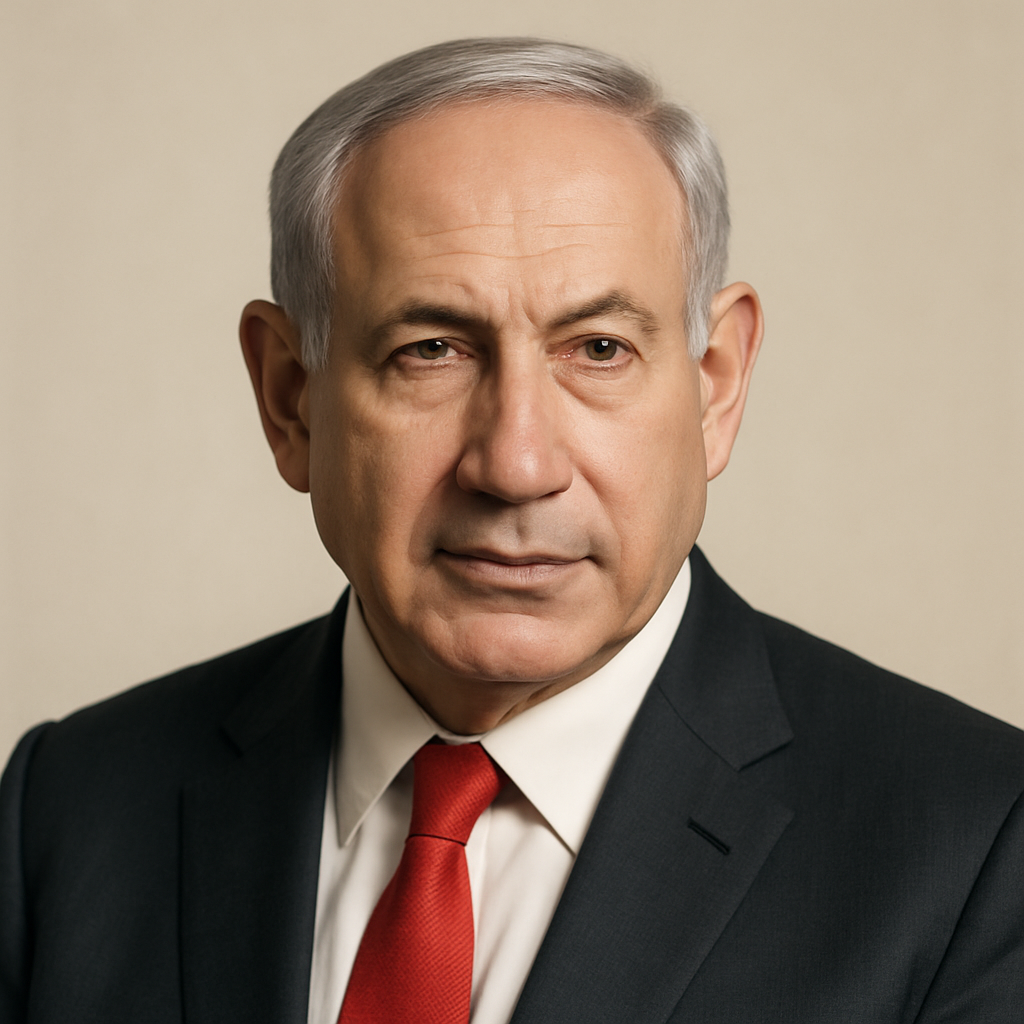
Remarks by Prime Minister Netanyahu this evening at the memorial ceremony for the fallen fighters of the Irgun in the battle for Jaffa.
 Benjamin Netanyahu · Prime Minister of Israel
- Context
- Netanyahu spoke at a memorial ceremony honoring Irgun fighters who fell in the 1948 Battle of Jaffa, marking their role in Israel's War of Independence.
- Main themes
- Israeli War of Independence, Battle of Jaffa, Irgun fighters, fallen soldiers commemoration, Tel Aviv liberation, British opposition, Haganah, Zionist military history, national memory and honor
- Duration
- ~2 min
- Words
- 255
- Sentences
- 13
- Readability
- 64
- Grade
- 9.2
- Syntax
- 2.83
- Vocabulary
- 2.31
Translated from Hebrew
The broad sphere of national life a sentence belongs to. Every sentence has an Arena, so it is the denominator the other indices are read against.
Other13 sentences in 1 paragraph
They opened holes in the walls of the houses. They advanced from house to house, from yard to yard, from alley to alley, and then, after they passed, they fortified the positions they had captured and advanced under the cover of mortar fire. What remained for the Arab gangs to do was to flee for their lives, and that is exactly what they did. It did not help them, the support of the British army, and it was very strong support, massive. The army officers had to watch the blue-and-white flag being raised on rooftops and towers. Jaffa was conquered, and Tel Aviv was liberated from the nightmare of blood that had weighed upon it. I want to clarify once again: this is Jaffa, this is Tel Aviv, and here was a massive city with a great enemy force, under the cover of the British army. And I tell you that one cannot predict the outcomes of the campaign. It was the War of Independence, not the liberation of Jaffa. This does not receive its proper expression in our history. Therefore, this ceremony is of special importance, both to give the due honor to the heroes and heroines who fell here, but also to give the due honor to the significance of their fall here. The significance was fateful for the campaign for the revival of Israel. At the time, the residents of Tel Aviv knew exactly to whom they should express their gratitude; they received the forces of the Haganah with sympathy and applause.
The original Hebrew. The tags above are read on the English translation's sentences.
ל פערו חורים בקירות הבתים. הם התקדמו מבית לבית, מחצר לחצר, מסמטה לסמטה, ואחר כך, אחרי שעברו הם ביטנו את העמדות שהם כבשו והתקדמו בחיפוי של אש מרגמות. מה שנותר לכנופיות הערביות לעשות זה לנוס על נפשן, וזה בדיוק מה שהם עשו. זה לא עזר להם, התמיכה של הצבא הבריטי, וזו הייתה תמיכה חזקה מאוד, מסיבית. קציני הצבא נאלצו לצפות בהנפת הדגל הכחול-לבן על גגות וצריחים. יפו נכבשה, ותל-אביב שוחררה מסיוט הדמים שרבץ עליה. אני רוצה עוד פעם להבהיר: זאת יפו, זאת תל אביב, ופה הייתה עיר מסיבית עם עוצמת אויב גדולה, בחיפוי הצבא הבריטי. ואני אומר לכם שאי אפשר לצפות את תוצאות המערכה. מלחמת השחרור ולא שחרור יפו. הדבר הזה לא מקבל את ביטויו הראוי בהיסטוריה שלנו. לכן יש חשיבות מיוחדת לטקס הזה, גם כדי לתת את הכבוד הראוי לגיבורים ולגיבורות שנפלו כאן, אבל גם כדי לתת את הכבוד הראוי למשמעות נפילתם כאן. המשמעות הייתה הרת גורל למערכה על תקומת ישראל. בזמן אמת תושבי תל אביב ידעו בדיוק למי עליהם להודות, הם קיבלו באהדה ובתשואות את כוחות האצ