




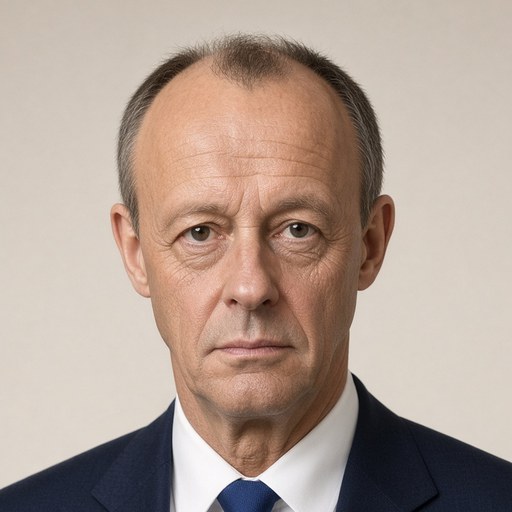
Speech by Chancellor Merz at the 15th German Mechanical Engineering Summit Germany should remain a country of manufacturing industry
 Friedrich Merz · Chancellor of Germany
- Context
- Merz addressed the 15th German Mechanical Engineering Summit in Berlin in September 2025, urging Germany to remain a manufacturing nation amid global geopolitical and economic challenges.
- Main themes
- German manufacturing industry competitiveness, machinery and plant engineering sector, EU economic cooperation, energy cost reduction for industry, bureaucracy reduction, foreign and security policy, European geopolitical stability, Germany's industrial future, defense and freedom, EU leadership role
- Duration
- ~33 min
- Words
- 3,989
- Sentences
- 197
- Readability
- 52
- Grade
- 11.0
- Syntax
- 2.93
- Vocabulary
- 2.00
Translated from German
The broad sphere of national life a sentence belongs to. Every sentence has an Arena, so it is the denominator the other indices are read against.
Other197 sentences in 53 paragraphs
The machinery and plant engineering sector is the "backbone of our economy," emphasized Chancellor Friedrich Merz in his speech at the 15th Machinery Summit. Both the large companies in industrial areas and the "Hidden Champions" in rural areas are jointly responsible for Germany's success story.
Since the beginning of its term in May, the federal government has significantly relieved the industry: bureaucracy costs for companies have been noticeably reduced, and depreciation for investments has been considerably eased for tax purposes. In addition, the abolition of the gas levy, the reduction of network charges, and the electricity tax for 600,000 manufacturing companies in Germany have significantly lowered energy costs.
Thinking about economic and European policy together
For Germany to remain competitive, close cooperation among the EU member states is necessary. Chancellor Merz wants to contribute to "ensuring that this great country has weight and a voice in the European Union again."
Foreign policy and security policy are just as interrelated as European policy and economic policy, because "when Europe is doing well, Germany is doing well," said Merz.
The German Machinery Summit is taking place for the 15th time this year and is the most important industry meeting for machinery and plant engineering. This sector is one of Germany's largest industrial employers, with around 1 million employees.
Read here the transcript of the Chancellor's speech:
Dear Mr. President, dear Mr. Kawlath,
my esteemed ladies and gentlemen,
thank you very much for the warm welcome at your annual meeting of the 15th Machinery Summit in Berlin, felt to be 30 meters below the earth's surface. I am pleased that you have come to Berlin in good spirits and that we have the opportunity today to exchange a few thoughts about our country and our economy. Where do we stand, what are the challenges, and where do we want to go?
I am very pleased that you have invited the Danish Minister of Industry, Morten Bødskov.
A warm welcome to Berlin! You are doing a great job with your Danish presidency. Give my best regards to your Prime Minister. She is really great, and I am very close to her.
Thank you for being here!
Ladies and gentlemen, we meet at a time that could hardly be more challenging. You have kindly addressed the international tensions, as well as our country and the challenges we face in Europe and around the world. Since you have mentioned it, allow me to try to contextualize this right at the beginning of my speech. If we were to meet here in ten years for the 25th Machinery Summit, we would probably only then have a true judgment about the full dimension of the changes we are currently witnessing in the world. I will not tire of describing it with these words today: We are witnesses to a fundamental change in the political and economic power centers in the world. Beyond the war in Ukraine, which contributes to it, we are experiencing the most profound change since the end of World War II in Europe, and none of us can say with certainty today where we will stand in this power dynamic in ten years. Because none of us can say that, there has been a priority for me from the first day of my term: I want to lead this country in such a way that we primarily preserve peace and freedom on the European continent.
We will only succeed in this, whether everyone likes it or not, if we become defensible again in the broadest sense of the word, if we are able to confront the threats to our freedom both internally and externally. This defense of our freedom costs money, and we must earn this money together. That is why foreign policy and security policy are just as interrelated as European policy and economic policy. They can no longer be separated. That is why I am firmly determined to contribute to ensuring that this great country has weight and a voice in the European Union again, perhaps even better meeting the expectations of our neighbors – these are not our expectations, but those of our neighbors, our friends, our partners in the European Union – to take on a bit of leadership on this European continent; not alone, but together with others, especially with our most important neighbors, both small and large, with France as well as with Poland. This is simply the geostrategic position of our country. We did not choose it.
Something follows from this position. It follows that the future of our country is as dependent on the future of Europe as perhaps no other country on this European continent. When Europe is doing well, Germany is doing well, and when Europe is not doing well, Germany is doing disproportionately poorly. Against this backdrop, ladies and gentlemen, I am trying to achieve something that has actually been the history of this European continent since the 1950s, namely to grow together in foreign and security policy just as in domestic and legal policy and especially in economic policy and location policy.
With 450 million inhabitants – consumers – we could be a much greater force, even in this reordering of global power centers, than we currently are. We are 450 million consumers. If you add 50 million Britons, whom I always like to include in my thoughts – I still regret that they are no longer members of the European Union today – then we are 500 million in Europe, larger than America and Canada and Mexico combined. Then we would be, if we wanted, one of the largest, most stable, and most successful trading areas in the world. Against this backdrop, Germany is not alone. But Germany is being watched. Many European countries look to us, ask what we are doing, and expect us not only to say in Europe how it could work but to show in Germany how it must work.
This is where we stand today, and this is how we took on the tasks of a new federal government on May 6. From May 6 to July 11, it was just two and a half months, even less, and in these two and a half months, we decided everything – without exception – in the German Bundestag and passed it with approval in the Bundesrat that we had planned for the first two and a half months of this term.
This includes, Mr. President, a significant change in tax policy. For the first time in the history of the Federal Republic of Germany, we have enabled three times 30 percent declining balance depreciation for investments in companies. This means for those who can calculate that in the first two and a half years of an investment, about two-thirds are depreciated. Yes, it is true, and not everyone in politics knows this: Depreciation must be earned. This means we also have to look at the revenue side of companies. That is why we have simultaneously initiated the first steps, some of which have already been approved in the cabinet, regarding a comprehensive reduction of our excessive bureaucracy.
The first decisions are currently being discussed in the German Bundestag. Our goal is to reduce the compliance costs for companies by about 25 percent in the next one and a half years. That amounts to about ten billion euros in costs for companies that we want to relieve through bureaucracy. We have made initial decisions, even if a small detail has received an excessively large amount of attention, in energy policy, regarding energy prices and electricity prices. We will abolish the gas storage levy by the end of the year. That alone is six billion in relief for companies. We are lowering network charges. We are lowering the electricity tax to the European minimum for companies in Germany. 600,000 companies are affected, with an additional four billion in relief. All of this is on the legislative path and will come into effect on January 1, 2026.
We know that this is not everything, and we know that we need to improve particularly on the innovation side in Germany. That is why this is a welcome opportunity to address exactly what you just said this morning, and you have written it so beautifully on the wall: Production, production, production! – That is exactly the mandate we have in Germany.
We need industrial production in Germany, and in this regard, machinery and plant engineering is the backbone, the foundation of our economy. There is no other sector that is as deeply and broadly rooted in our country, with the "Hidden Champions" in the provinces just as much as with the large global market leaders in industrial metropolitan areas.
I was at the opening of the IAA in Munich last Monday and saw innovations, especially regarding drive technologies. That is why I want to say once again from this point: I want us in politics to get out of the mode of thinking we know better what certain technologies can and must achieve. We are not the better engineers in politics – you are, not us. That is why this word about technological openness is not a political catchphrase, but it is based on the firm conviction that politics must neither dictate products nor prohibit certain technologies at any time.
You know what I am alluding to in this context: It is about the question: How do we achieve climate neutrality with manufacturing industry? We want – and we are completely united in the coalition on this – for this country to remain a country of manufacturing industry – an industry that does not migrate but stays in Germany and finds the best conditions for production here, and that applies to the entire depth and breadth of industry, ladies and gentlemen. For this, we must create the right framework conditions.
This week, we are – please forgive me if I have to leave promptly; I need to be in the Bundestag at a quarter past ten – in the final discussions about the budget for 2025. Yes, you heard correctly: 2025. We do not yet have a budget for the year 2025. We have never been this far behind in Germany. The budget for 2025 will be passed this week. Next week, we will discuss the budget for 2026, and with this budget, we will also take new paths regarding investments. I know that it was and is not uncontroversial that we are establishing a so-called special fund of 500 billion euros for investments in our infrastructure. But we must do it, and we must do it quickly, because the decay of our infrastructure does not allow for delay.
However, this also includes – I want to make this clear and explicit – that we cannot continue with the current expenditures as we have in the past. One-third of our gross domestic product goes into social security systems. More than half of the federal budget consists of costs for social policy. Ladies and gentlemen, we are a successful, good social state. But we must now be careful that it does not become too much of a good thing. We must ensure that those who work and pay taxes and social security contributions have more in their pockets at the end of the month than those who do not work and rely on social transfer benefits.
This means in plain terms: We must – and we are on a good path – reform the so-called citizen's income with our coalition partner so that the right incentives to work are set again, that not only abuse and, as the Federal Minister of Labor rightly says, organized crime in this area are combated, but that the normal mechanisms function again and that people feel a personal incentive to enter the labor market economically and not remain in the transfer system.
This also applies to the social security systems – health insurance, long-term care insurance, pension insurance –: We must build better incentives into these systems to use the resources we have more sparingly. One billion doctor visits in Germany per year, ladies and gentlemen, is a dubious European record. Ten doctor visits per capita on average per year is a lonely European record. Therefore, we will build incentives into the systems to use these resources sparingly.
A few hours ago, we agreed to introduce the so-called active pension from January 1, 2026, thus creating an incentive for people who can and want to work longer. It is about providing an exemption amount of 2,000 euros per month to give the incentive to stay in the companies even beyond the age of 67. I am quite sure that with this method of setting the right incentives, we will make more progress than with orders and obedience, with repression and legal regulations.
I am firmly convinced, ladies and gentlemen, that we have this opportunity and that we can do something ‑ as you mentioned, Mr. President ‑ that brings us from distrust of one another to trust in one another. The entire mass of regulation and bureaucracy fundamentally embodies the spirit of deep distrust of the state towards the actors in the economy and society. We want a paradigm shift in this interaction. We want to enable more trust and not regulate more and more on the basis of mutual distrust.
This means we will take very concrete steps. I hope we succeed. We are truly working on this every day. Yesterday was the deadline for all ministries to submit proposals – I will see them shortly. We do not only want to slow down new regulations, but also dismantle existing regulations. I envision that in October we will hold a cabinet meeting in which we do not pass a single new law, but abolish a whole series of existing laws and regulations – a cabinet meeting in which we only abolish regulations.
Ladies and gentlemen, we have created the conditions for this in this coalition. We have a Ministry of Digitalization and State Modernization, which for the first time in the history of the Federal Republic of Germany has all the competencies it needs for this purpose. There are many federal states that have ministries of digitalization, but they have no responsibilities. We once had a state minister for digitalization in Germany without any responsibilities. Now we have a ministry to which six ministries have transferred responsibilities, which are now bundled in one hand. Digitalization and state modernization are combined in this ministry. Karsten Wildberger, who has entered this federal government with much experience from the economy, will now make very concrete proposals this autumn on what we need to do to move forward on this path.
You mentioned the High-Tech Agenda. We have already decided on this in the cabinet – there is this High-Tech Agenda for artificial intelligence, robotics, quantum technology, microelectronics, biotechnology, climate-neutral energy, and even nuclear fusion. We are on the right track here, ladies and gentlemen, but this will not happen overnight. Germany does not have a cyclical problem, but rather a structural growth problem. Overcoming these structural distortions cannot be done with a snap of the fingers, but requires fundamental corrections in the existing regulatory framework and in the existing interactions in our economy. We are on this path, under – admittedly – the most difficult conditions regarding foreign policy and security policy, but also with people in companies, both in management and in the workforce, who now want exactly this breakthrough.
I travel a lot in the country, not only in the world but also within the country. When you visit a Helmholtz Institute CISPA in Saarbrücken, when you look at the fast computer JUPITER in Jülich, when you are at the Hannover Messe, when you see other opportunities in your industry, what is possible today in mechanical and plant engineering, where Germany remains the world market leader: I want us to bring these success stories of our country back into the spotlight and that we accompany you on the way to becoming a competitive industry again, one that is looked upon with great admiration all over the world. I want to achieve this together with you, ladies and gentlemen.
We know that we have a lot to do in the area of infrastructure. We know that we have a lot to do in the area of energy supply. Let me also say a word about this:
The Federal Minister of Economics presented initial proposals yesterday based on a so-called monitoring report on how we can correct energy policy in Germany. Yes, we will correct it, we will not reverse it, we will correct it with regard to the goals of energy supply security, affordable energy supply, and environmentally friendly energy supply. We will slightly reduce the expansion targets, and on this basis, we will expand the infrastructure and also the increase in renewable energies much more cost-effectively. But we need base-load capable power plants, and we will now bring them quickly to approval and construction. The procedures in Brussels are underway. We have the first indications that we will get it approved as we propose. This means we will now quickly move into the expansion of new gas power plants – at existing sites, not just new ones, with the existing networks, and not hydrogen-capable from day one. So now it is about building power plants.
I want to emphasize once again: We in Germany are very accustomed to shutting down and turning off. I want us to first turn on again before we shut down any more power plants. We cannot afford to continue as we have been, shutting everything down on a whim in the hope that we will eventually obtain the necessary energy from wind and sun. We will first build up, we will first turn on, before we continue to shut down, ladies and gentlemen.
The same applies to the great global competition in which we find ourselves. Let me say a word about trade policy, as you have also mentioned it:
Yes, the tariff conflict with the
USA
burdens us. No one chose it. I would have liked to avoid it. It contradicts my fundamental belief, and also my personal conviction, that it is not tariffs, but open markets, free markets, and free world trade that increase prosperity for all involved. But the current American administration has a different view. Since we are very closely intertwined, we had to come to a solution. This solution is the least bad of all conceivable solutions we could achieve with this American administration. More could not be achieved. We still need to find solutions for aluminum and steel; we are on a good path there. We, meaning in this case the European Union, the Commission. We are very much supporting the Commission in now taking this path with the Americans and also showing the Americans that dependencies are not one-sided. America is also dependent on us, in many ways – many companies know this within their ranks – also on software and many other things that we provide from Germany to the American economy.
If this conflict ends up as it is now, then we as Europeans must look around the world and see where there are further trading partners for us. That is why I am strongly advocating that we finalize the MERCOSUR agreement with the South American countries as quickly as possible.
I advocate that we diversify our trade relations as much as possible, that we find trading partners around the world who share our conviction that open markets, free trade, is the best for all involved. But you are right: It must not take as long as it has in the past.
The agreement with Canada alone, the most European country outside of Europe, has been sitting here in the German Bundestag for seven years. The MERCOSUR agreement has been negotiated for 20 years. That is why we have agreed in the European Council that we will no longer make mixed agreements in the future, but that we will only make pure European trade agreements that only – and that is difficult enough – have to go through the European Parliament and no longer through the parliaments of 27 member states. Because that was one of the major bottlenecks, that all member states, all parliaments, had to agree. We will not do that anymore. We will now, as it is so nicely called in European jargon, go “EU only.” We will only pursue pure trade agreements with the countries that want to trade with us.
Ladies and gentlemen, you see, this is a long and demanding path. But we have made the first good and, as I believe, right decisions. It will not be easy in this coalition – not for the Social Democrats with us, nor for us with the Social Democrats – but we have felt the mandate exactly as you described it at the beginning of your speech, Mr. President. We know that we must solve problems from the political center of our country. If we cannot solve these problems, then other paths will seek solutions, and that is exactly what we want to avoid, at least in our firm conviction, for our country. That would lead to massive destabilization of our country, to social conflicts in Germany and beyond, which we all do not want. That is why I know what it is about. Rest assured that we are working with great seriousness and diligence, that we have a federal cabinet – yes, I confidently claim this for us – that has never been so diverse in terms of various professional experiences. We have never had a federal cabinet in which so many members could draw on extensive private sector experience ‑ and these are not just the members from
CDU
and
CSU
sitting at this cabinet table. We have never had a federal cabinet that has so seriously discussed the foreign policy, security policy, European policy, and economic policy challenges in this internal context, that is so earnestly wrestling for the right solutions.
This wrestling, ladies and gentlemen, is not an unnecessary dispute, but a necessary prerequisite for good solutions. You in your boards and managements are also wrestling for the right path, asking for better possibilities. We are doing exactly the same. We are wrestling for the best path for our country. But we are united in this goal to make Germany a competitive location again, one that enjoys respect in the world not only internally but also externally. We want a country where young people as well as older people enjoy working, leading companies, and even starting new businesses. We simply want to change our mindset. We want to look forward with the confidence that this country deserves. We are not doing this work to have a nice title for ourselves, but because we know that the challenging times we live in require different answers than we may have given in the last years and decades.
If you accompany us, if you accompany me on this path, ladies and gentlemen, then we will enter into an intensive dialogue with one another; I expressly offer this to you, Mr. Kawlath. We will discuss the right answers, we will wrestle for the right answers, and we will also provide them. We have the parliamentary majorities for this. We are not a minority government like in many other countries in Europe. We have a stable government that has accepted the mandate to lead this country successfully. Accompany us on this path – critically yes, but please also with the necessary confidence that politically and economically, our country has the strength to lead this country to a better future.
I wish your day of mechanical engineering every deserved success!
Thank you very much for listening to me for so long.
The original German. The tags above are read on the English translation's sentences.
Der Maschinen- und Anlagenbau sei das „Rückgrat unserer Volkswirtschaft”, betonte Bundeskanzler Friedrich Merz in seiner Rede beim 15. Maschinenbau-Gipfel. Sowohl die großen Unternehmen in Industriegebieten als auch die „
Hidden Champions
” im ländlichen Raum seien mitverantwortlich für Deutschlands Erfolgsgeschichte.
Die Bundesregierung habe seit Beginn ihrer Amtszeit im Mai die Industrie enorm entlastet: So seien die Bürokratiekosten für Unternehmen deutlich gesenkt und Abschreibungen für Investitionen steuerlich erheblich erleichtert worden. Zudem habe das Abschaffen der Gasumlage, die Senkung der Netzentgelte sowie der Stromsteuer für 600.000 produzierende Unternehmen in Deutschland die Energiekosten deutlich reduziert.
Wirtschafts- und Europapolitik zusammen denken
Damit Deutschland weiterhin wettbewerbsfähig bleibt, brauche es enge Kooperation unter den
EU
-Mitgliedsstaaten. Bundeskanzler Merz wolle einen Beitrag dazu leisten, „dass dieses großartige Land in der Europäischen Union wieder Gewicht und Stimme hat“.
Außenpolitik und Sicherheitspolitik stünden genauso in einem inneren Verhältnis zueinander wie Europapolitik und Wirtschaftspolitik
, denn „wenn es Europa gut geht, geht es Deutschland gut“, so Merz.
Der
Deutsche Maschinenbau-Gipfe
l findet dieses Jahr zum 15. Mal statt und ist das wichtigste Branchentreffen für den Maschinen- und Anlagenbau. Dieser zählt zu Deutschlands größtem industriellem Arbeitgeber mit rund 1 Million Beschäftigten.
Lesen Sie hier die Mitschrift der Rede des Bundeskanzlers:
Sehr geehrter Herr Präsident, lieber Herr Kawlath,
meine sehr geehrten Damen und Herren,
herzlichen Dank für die freundliche Begrüßung bei Ihrer diesjährigen Jahrestagung des 15. Maschinenbau-Gipfels in Berlin, gefühlt 30 Meter unter der Erdoberfläche. Ich freue mich, dass Sie gut gestimmt nach Berlin gekommen sind und dass wir heute Gelegenheit haben, einmal ein paar Gedanken über unser Land und unsere Volkswirtschaft auszutauschen. Wo stehen wir, was sind die Herausforderungen, und wo wollen wir hin?
Ich freue mich sehr, dass Sie den dänischen Industrieminister Morten
Bødskov
eingeladen haben.
A warm welcome to Berlin! You are doing a great job with your Danish presidency. Give my best regards to your Prime Minister. She is really great and I am very close to her.
Thank you for being here!
Meine Damen und Herren, wir treffen uns zu einem Zeitpunkt, der herausfordernder kaum sein könnte. Sie haben dankenswerterweise die internationalen Spannungen angesprochen, auch unser Land und die Herausforderungen, vor denen wir in Europa und auf der Welt stehen. Weil Sie es angesprochen haben, erlauben Sie mir, dass ich das gleich zu Beginn meiner Rede einmal etwas einzuordnen versuche. Wenn wir uns, sagen wir einmal, in zehn Jahren zum 25. Maschinenbau-Gipfel hier treffen werden, dann werden wir wahrscheinlich erst dann ein wirkliches Urteil über die ganze Dimension der Veränderungen haben, die wir im Augenblick auf der Welt sehen. Ich werde nicht müde, es mit diesen Worten heute schon zu beschreiben: Wir sind Zeitzeugen einer geradezu fundamentalen Veränderung der politischen und ökonomischen Machtzentren auf der Welt. Es ist jenseits des Krieges in der Ukraine, der seinen Teil dazu beiträgt, die tiefgreifendste Veränderung, die wir seit dem Ende des Zweiten Weltkrieges in Europa erleben, und es kann keiner von uns heute mit Gewissheit sagen, wo wir in diesem Kräfteverhältnis in zehn Jahren stehen werden. Weil das keiner von uns sagen kann, gibt es für mich eine Priorität vom ersten Tag meiner Amtszeit an: Ich möchte dieses Land so führen, dass wir vor allem den Frieden und die Freiheit auf dem europäischen Kontinent bewahren.
Das wird uns nur gelingen, ob es nun allen gefällt oder nicht, wenn wir im umfassendsten Sinne des Wortes wieder verteidigungsfähig werden, wenn wir in der Lage sind, den Bedrohungen unserer Freiheit im Inneren wie im Äußeren gleichermaßen zu begegnen. Diese Verteidigung unserer Freiheit kostet Geld, und dieses Geld müssen wir gemeinsam verdienen. Deswegen stehen Außenpolitik und Sicherheitspolitik genauso in einem inneren Verhältnis zueinander wie Europapolitik und Wirtschaftspolitik. Das lässt sich nicht mehr voneinander trennen. Deswegen bin ich fest entschlossen, einen Beitrag dazu zu leisten, dass dieses großartige Land in der Europäischen Union wieder Gewicht und Stimme hat, vielleicht sogar den Ansprüchen unserer Nachbarn wieder mehr genügt – das sind nicht unsere, sondern das sind die Ansprüche unserer Nachbarn, unserer Freunde, unserer Partner in der Europäischen Union –, ein bisschen Führung dieses europäischen Kontinents zu übernehmen; nicht allein, zusammen mit anderen, vor allem mit unseren wichtigsten Nachbarn, den kleinen wie den großen, mit Frankreich genauso wie mit Polen. Das ist nun einmal die geostrategische Lage unseres Landes. Die haben wir uns nicht ausgesucht.
Aus dieser Lage folgt etwas. Daraus folgt, dass die Zukunft unseres Landes von der Zukunft Europas so abhängig ist wie vielleicht keines zweiten Landes auf diesem europäischen Kontinent. Wenn es Europa gut geht, geht es Deutschland gut, und wenn es Europa nicht gut geht, dann geht es Deutschland überdurchschnittlich schlecht. Vor diesem Hintergrund, meine Damen und Herren, versuche ich etwas hinzubekommen, was eigentlich die Geschichte dieses europäischen Kontinents seit den Fünfzigerjahren des letzten Jahrhunderts war, nämlich zusammenzuwachsen in der Außen- und Sicherheitspolitik genauso wie in der Innen- und Rechtspolitik und vor allem in der Wirtschaftspolitik und in der Standortpolitik.
Mit 450 Millionen Einwohnern – Konsumenten – könnten wir eine viel größere Kraft sein, auch in dieser Neuordnung der globalen Machtzentren auf der Welt, als wir es gegenwärtig sind. Wir sind 450 Millionen Konsumenten. Nehmen Sie 50 Millionen Briten noch hinzu, die ich gerne gedanklich immer hinzunehme – ich bedauere unverändert, dass sie heute nicht mehr Mitglied der Europäischen Union sind –, dann sind wir 500 Millionen in Europa, größer als Amerika und Kanada und Mexiko zusammen. Dann sind wir, wenn wir es wollten, eine der größten, stabilsten und erfolgreichsten Handelsräume der Welt. Vor diesem Hintergrund steht Deutschland nicht allein. Aber auf Deutschland wird geschaut. Viele europäische Länder orientieren sich an uns, fragen, was wir machen, und erwarten von uns, dass wir nicht nur in Europa sagen, wie es gehen könnte, sondern in Deutschland zeigen, wie es gehen muss.
An dieser Stelle stehen wir heute, und so haben wir am 6. Mai die Aufgaben einer neuen Bundesregierung angenommen. Vom 6. Mai bis zum 11. Juli waren es gerade einmal zweieinhalb Monate, sogar weniger, und wir haben in diesen zweieinhalb Monaten alles – ausnahmslos alles – im Deutschen Bundestag entschieden und im Bundesrat mit Zustimmung verabschiedet, was wir uns für die ersten zweieinhalb Monate dieser Amtszeit vorgenommen haben.
Dazu zählt, Herr Präsident, eine signifikante Änderung in der Steuerpolitik. Wir haben erstmalig in der Geschichte der Bundesrepublik Deutschland dreimal 30 Prozent degressive Abschreibung für Investitionen in den Unternehmen ermöglicht. Das heißt für denjenigen, der rechnen kann, in den ersten zweieinhalb Jahren einer Investition werden rund zwei Drittel abgeschrieben. Ja, es stimmt, und das wissen nicht alle in der Politik: Abschreibungen muss man verdienen. Das heißt, wir müssen auch auf die Ertragsseite der Unternehmen schauen. Deswegen haben wir parallel dazu die ersten Schritte auf den Weg gebracht und teilweise schon im Kabinett verabschiedet, was einen durchgreifenden Rückbau unserer überbordenden Bürokratie angeht.
Die ersten Entscheidungen werden gerade jetzt in diesen Tagen im Deutschen Bundestag beraten. Unser Ziel ist, den Erfüllungsaufwand in den Unternehmen in den nächsten eineinhalb Jahren um rund 25 Prozent zu senken. Das sind Kosten von etwa zehn Milliarden Euro in den Unternehmen, die wir bei der Bürokratie entlasten wollen. Wir haben erste Entscheidungen getroffen, auch wenn ein kleines Detail eine übermäßig große Aufmerksamkeit gefunden hat, in der Energiepolitik, bei den Energiepreisen und den Strompreisen. Wir schaffen die Gasspeicherumlage zum Ende des Jahres ab. Alleine das sind sechs Milliarden an Entlastung für die Unternehmen. Wir senken die Netzentgelte. Wir senken die Stromsteuer auf das europäische Minimum für die Unternehmen in Deutschland. 600.000 Unternehmen sind davon betroffen, weitere vier Milliarden an Entlastung. Das alles ist auf dem gesetzgeberischen Weg und wird zum 1. Januar 2026 in Kraft treten.
Wir wissen, dass das noch nicht alles ist und wir wissen, dass wir insbesondere auf der Innovationsseite in Deutschland besser werden müssen. Deswegen ist das eine willkommene Gelegenheit, heute Morgen bei Ihnen genau darauf einzugehen, was Sie gerade gesagt haben, und Sie haben es hier so schön auf die Wand geschrieben: Produktion, Produktion, Produktion! – Das ist genau der Auftrag, den wir in Deutschland haben.
Wir brauchen Industrieproduktion in Deutschland, und da ist der Maschinen- und Anlagenbau das Rückgrat, das Fundament unserer Volkswirtschaft. Es gibt keine zweite Branche, die so tief und so breit in unserem Land verwurzelt ist, mit den „
Hidden Champions
“ in der Provinz genauso wie mit den großen Weltmarktführern in den industriellen Ballungsräumen.
Ich war am letzten Montag zur Eröffnung der
IAA
in München und habe dort Innovationen gesehen, gerade was Antriebstechnologien betrifft. Deswegen will ich es von dieser Stelle aus noch einmal sagen: Ich möchte, dass wir in der Politik herauskommen aus dem Modus, besser zu wissen, was bestimmte Technologien können und erreichen müssen. Wir sind nicht die besseren Ingenieure in der Politik – das sind Sie, nicht wir. Deswegen ist dieses Wort von der Technologieoffenheit kein politisches Schlagwort, sondern dahinter steckt die feste Überzeugung, dass die Politik weder Produkte anordnen noch bestimmte Technologien wann auch immer verbieten darf.
Sie wissen, worauf ich in diesem Zusammenhang anspiele: Es geht um die Frage: Wie schaffen wir Klimaneutralität mit produzierender Industrie? Wir wollen – darüber sind wir uns in der Koalition vollkommen einig –, dass dieses Land ein Land produzierender Industrie bleibt – einer Industrie, die nicht abwandert, sondern die in Deutschland bleibt und hier beste Standortbedingungen vorfindet, um zu produzieren, und zwar in der ganzen Tiefe und Breite der Industrie, meine Damen und Herren. Dafür müssen wir die richtigen Rahmenbedingungen schaffen.
Wir sind in dieser Woche – sehen Sie es mir deswegen nach, wenn ich gleich pünktlich losmuss; ich muss um Viertel nach zehn im Bundestag sein – in den abschließenden Beratungen über den Haushalt 2025. Ja, Sie haben richtig gehört: 2025. Wir haben noch keinen Haushalt für das Jahr 2025. So weit im Verzug waren wir in Deutschland noch nie. Der Haushalt 2025 wird in dieser Woche verabschiedet. In der nächsten Woche beraten wir den Haushalt 2026, und wir gehen mit diesem Haushalt auch neue Wege im Hinblick auf Investitionen. Ich weiß, dass es nicht unumstritten war und ist, dass wir ein sogenanntes Sondervermögen von 500 Milliarden Euro für Investitionen in unsere Infrastruktur auflegen. Aber wir müssen es machen und wir müssen es schnell machen, weil der Verfall unserer Infrastruktur keinen Aufschub duldet.
Dazu gehört allerdings auch – dies will ich im gleichen Atemzug klar und deutlich sagen –: Wir können mit den gegenwärtigen Ausgaben nicht so weitermachen wie in der Vergangenheit. Ein Drittel unseres Bruttoinlandsprodukts geht in die sozialen Sicherungssysteme. Mehr als die Hälfte des Bundeshaushaltes sind Kosten für die Sozialpolitik. Meine Damen und Herren, wir sind ein erfolgreicher, guter Sozialstaat. Aber wir müssen jetzt aufpassen, dass es nicht zu viel des Guten wird. Wir müssen dafür sorgen, dass diejenigen, die arbeiten und die Steuern und Sozialversicherungsbeiträge zahlen, am Ende des Monats immer mehr in der Tasche haben als diejenigen, die nicht arbeiten und die soziale Transferleistungen in Anspruch nehmen.
Das heißt im Klartext: Wir müssen – und da sind wir auf einem ganz guten Weg – mit dem Koalitionspartner das sogenannte Bürgergeld so reformieren, dass wieder die richtigen Anreize gesetzt werden zu arbeiten, dass nicht nur Missbrauch und, wie die Bundesarbeitsministerin es zu Recht sagt, Organisierte Kriminalität in diesem Bereich bekämpft werden, sondern dass auch die ganz normalen Mechanismen wieder funktionieren und dass die Menschen einen persönlichen Anreiz empfinden, auch ökonomisch in den Arbeitsmarkt zu gehen und nicht im Transfersystem zu bleiben.
Das gilt übrigens auch für die sozialen Sicherungssysteme – Krankenversicherung, Pflegeversicherung, Rentenversicherung –: Wir müssen in diese Systeme bessere Anreize einbauen, mit den Ressourcen, die wir haben, sparsamer umzugehen. Eine Milliarde Arztbesuche in Deutschland pro Jahr, meine Damen und Herren, sind ein zweifelhafter europäischer Rekord. Zehn Arztbesuche pro Kopf der Bevölkerung im Durchschnitt des Jahres sind ein einsamer europäischer Rekord. Wir werden deswegen Anreize in die Systeme einbauen, auch mit diesen Ressourcen sparsam umzugehen.
Wir haben uns vor wenigen Stunden darauf verständigt, die sogenannte Aktivrente zum 1. Januar 2026 einzuführen und so einen Anreiz zu schaffen, damit die Menschen, die es können und wollen, länger arbeiten. Es geht dabei darum, mit einem Freibetrag von 2.000 Euro im Monat genau den Anreiz zu geben, auch über das 67. Lebensjahr hinaus in den Betrieben zu bleiben. Ich bin mir ziemlich sicher, dass wir mit dieser Methode, die richtigen Anreize zu setzen, weiterkommen als mit Befehl und Gehorsam, mit Repression und mit gesetzlichen Regeln.
Ich jedenfalls bin fest davon überzeugt, meine Damen und Herren, dass wir diese Chance haben und dass wir vor allem etwas tun ‑ Sie haben es angesprochen, Herr Präsident ‑, das uns vom Misstrauen gegeneinander zum Vertrauen miteinander bringt. Der gesamte Wust an Regulierung und Bürokratie trägt ja im Grunde den Geist eines tiefen Misstrauens des Staates gegen die handelnden Akteure in Wirtschaft und Gesellschaft. Wir wollen einen Paradigmenwechsel in diesem Umgang miteinander. Wir wollen mehr Vertrauen ermöglichen und nicht auf der Basis des gegenseitigen Misstrauens immer mehr regulieren.
Das heißt, wir werden sehr konkrete Schritte unternehmen. Ich hoffe, dass uns das gelingt. Wir sind wirklich täglich an der Arbeit. Gestern ist für alle Ministerien die Frist abgelaufen, Vorschläge zu machen – ich bekomme sie gleich zu sehen. Wir wollen nicht nur neue Regulierung bremsen, sondern bestehende Regulierung abbauen. Ich stelle mir vor, dass wir im Oktober eine Kabinettssitzung machen, in der wir nicht ein einziges neues Gesetz beschließen, sondern eine ganze Reihe von bestehenden Gesetzen und Regulierungen abschaffen – eine Kabinettssitzung, in der wir nur Regulierung abschaffen.
Meine Damen und Herren, die Voraussetzungen dafür haben wir in dieser Koalition geschaffen. Wir haben ein Digitalisierungs- und Staatsmodernisierungsministerium, das erstmalig in der Geschichte der Bundesrepublik Deutschland sämtliche Kompetenzen hat, die es dafür braucht. Es gibt viele Bundesländer, die Digitalisierungsministerien haben, aber die haben keine Zuständigkeiten. Wir hatten in Deutschland einmal eine Staatsministerin für Digitalisierung ohne Zuständigkeiten. Jetzt haben wir ein Ministerium, an das sechs Ministerien Zuständigkeiten abgegeben haben, die jetzt in einer Hand gebündelt sind. Digitalisierung und Staatsmodernisierung in diesem Ministerium zusammengefasst. Karsten Wildberger, der mit viel Erfahrung aus der Wirtschaft in diese Bundesregierung eingetreten ist, wird jetzt im Herbst sehr konkrete Vorschläge machen, was wir tun müssen, um auf diesem Weg voranzukommen.
Sie haben die Hightech Agenda angesprochen. Genau das haben wir bereits im Kabinett beschlossen – es gibt diese Hightech Agenda für künstliche Intelligenz, Robotik, Quantentechnologie, Mikroelektronik, Biotechnologie, klimaneutrale Energie bis hin zur Kernfusion. Wir sind hier auf dem richtigen Weg, meine Damen und Herren, aber das geht nicht über Nacht. Deutschland hat kein Konjunkturproblem, sondern Deutschland hat ein strukturelles Wachstumsproblem. Aus diesen strukturellen Verwerfungen herauszukommen ist nicht mit einem Fingerschnippen getan, sondern erfordert grundlegende Korrekturen im bestehenden Regelwerk und im bestehenden Miteinander in unserer Volkswirtschaft. Auf diesem Weg sind wir, unter – zugegeben – schwierigsten Bedingungen, was die Außenpolitik, die Sicherheitspolitik betrifft, aber auch mit Menschen in den Unternehmen, sowohl in der Führung der Unternehmen als auch in den Belegschaften, die jetzt genau diesen Aufbruch wollen.
Ich bin ja viel im Land unterwegs, nicht nur in der Welt, sondern auch im Land. Wenn Sie einmal so ein Helmholtz-Institut CISPA in Saarbrücken besuchen, wenn Sie einmal den schnellen Rechner JUPITER in Jülich anschauen, wenn Sie einmal auf der Hannover Messe unterwegs sind, wenn Sie andere Gelegenheiten sehen, auch in Ihrer Branche, was im Maschinen- und Anlagenbau heute möglich ist, wo Deutschland unverändert Weltmarktführer ist: Ich möchte, dass wir diese Erfolgsgeschichten unseres Landes wieder stärker in den Vordergrund stellen und dass wir Sie auf dem Weg begleiten, wieder eine wettbewerbsfähige Industrie zu werden, auf die man in der ganzen Welt mit großer Bewunderung schaut. Das möchte ich mit Ihnen zusammen erreichen, meine Damen und Herren.
Wir wissen, dass wir viel tun müssen im Bereich der Infrastruktur. Wir wissen, dass wir viel tun müssen im Bereich der Energieversorgung. Lassen Sie mich auch dazu noch ein Wort sagen:
Die Bundeswirtschaftsministerin hat gestern auf der Basis eines sogenannten Monitoringberichts erste Vorschläge vorgelegt, wie wir die Energiepolitik in Deutschland korrigieren können. Ja, wir werden sie korrigieren, wir werden sie nicht umkehren, wir werden sie korrigieren im Hinblick auf die Ziele Energieversorgungssicherheit, preisgünstige Energieversorgung und umweltschonende Energieversorgung. Wir werden die Ausbauziele leicht zurücknehmen, und wir werden auf dieser Basis die Infrastruktur und auch den Zuwachs an regenerativen Energien sehr viel kosteneffizienter ausbauen. Aber wir brauchen grundlastfähige Kraftwerke, und die werden wir jetzt sehr schnell zur Genehmigung bringen und bauen. Die Verfahren in Brüssel laufen. Die ersten Hinweise, dass wir es so genehmigt bekommen, wie wir es vorschlagen, liegen uns vor. Das heißt, wir werden jetzt sehr zügig in den Ausbau von neuen Gaskraftwerken gehen – an den bestehenden Standorten, nicht nur an neuen, mit den bestehenden Netzen, und nicht vom ersten Tag an wasserstofffähig. Jetzt geht es also darum, Kraftwerke zu bauen.
Ich möchte hier noch einmal betonen: Wir sind in Deutschland sehr daran gewöhnt, auszusteigen und abzuschalten. Ich möchte, dass wir jetzt erst wieder einschalten, bevor wir weitere Kraftwerke abschalten. Wir können uns nicht leisten, so weiterzumachen wie bisher, auf gut Glück alles abzuschalten in der Hoffnung, dass wir irgendwann einmal die notwendige Energie aus Wind und Sonne beziehen. Wir bauen jetzt erst zu, wir schalten jetzt erst ein, bevor wir weiter abschalten, meine Damen und Herren.
Das Gleiche gilt für den ganz großen globalen Wettbewerb, in dem wir uns befinden. Lassen Sie mich ein Wort zur Handelspolitik sagen, weil Sie es auch angesprochen haben:
Ja, der Zollkonflikt mit den
USA
beschwert uns. Keiner hat sich ihn ausgesucht. Ich hätte ihn gern vermieden. Er widerspricht unserer, auch meiner persönlichen Grundüberzeugung, dass nicht Zölle, sondern offene Märkte, freie Märkte und freier Welthandel den Wohlstand für alle Beteiligten mehren. Aber die gegenwärtige amerikanische Administration hat eine andere Auffassung. Da wir sehr eng miteinander verflochten sind, mussten wir zu einer Lösung kommen. Diese Lösung ist von allen denkbaren Lösungen, die wir mit dieser amerikanischen Administration erzielen konnten, die am wenigsten schlechte. Mehr war nicht zu erreichen. Wir müssen noch bei Aluminium und Stahl Lösungen erzielen; da sind wir auf gutem Weg. Wir, das heißt in diesem Fall die Europäische Union, die Kommission. Wir unterstützen die Kommission sehr dabei, jetzt diesen Weg mit den Amerikanern zu gehen und den Amerikanern auch zu zeigen, dass die Abhängigkeiten nicht einseitig sind. Auch Amerika ist von uns abhängig, in vielerlei Hinsicht – viele Unternehmen wissen das in ihren Reihen –, auch von Software und vielem anderen, was wir aus Deutschland an die amerikanische Wirtschaft leisten.
Wenn dieser Konflikt schon so ausgeht, wie er jetzt ausgeht, dann müssen wir uns als Europäer auf der Welt umschauen und schauen, wo denn weitere Handelspartner für uns sind. Deswegen setze ich mich mit großem Nachdruck dafür ein, dass wir jetzt so schnell wie möglich das MERCOSUR-Abkommen mit den südamerikanischen Staaten zur Verabschiedung bringen, so schnell wie möglich.
Ich setze mich dafür ein, dass wir unsere Handelsbeziehungen so gut wie möglich diversifizieren, dass wir Handelspartner auf der Welt finden, die mit uns die Überzeugung teilen, dass offene Märkte, freier Handel, das Beste für alle Beteiligten ist. Aber Sie haben recht: Es darf nicht mehr so lange wie in der Vergangenheit dauern.
Allein das Abkommen mit Kanada, das europäischste Land außerhalb Europas, hat sieben Jahre allein hier im Deutschen Bundestag gelegen. Das MERCOSUR-Abkommen wird seit 20 Jahren verhandelt. Wir haben deswegen im Europäischen Rat vereinbart, dass wir in Zukunft keine gemischten Abkommen mehr machen, sondern dass wir nur noch reine europäische Handelsabkommen machen, die nur noch – das ist schwer genug – durch das Europäische Parlament und nicht mehr durch die Parlamente von 27 Mitgliedstaaten gehen müssen. Denn das war eine der großen Bremsklötze, dass alle Mitgliedstaaten, alle Parlamente, zustimmen mussten. Das machen wir nicht mehr. Wir machen jetzt, wie es so schön im europäischen Jargon heißt, „
EU
only“. Wir gehen nur noch auf die reinen Handelsabkommen mit den Staaten, die mit uns Handel treiben wollen.
Meine Damen und Herren, Sie sehen, das ist ein langer und anspruchsvoller Weg. Aber wir haben die ersten guten und, wie ich finde, richtigen Entscheidungen getroffen. Es wird in dieser Koalition nicht einfach – für die Sozialdemokraten mit uns nicht, für uns mit den Sozialdemokraten nicht –, aber wir haben den Auftrag genau so empfunden, wie Sie ihn zu Beginn Ihrer Rede beschrieben haben, Herr Präsident. Wir wissen, dass wir aus der politischen Mitte unseres Landes heraus Probleme lösen müssen. Wenn wir diese Probleme nicht lösen können, dann suchen sich die Lösungen andere Wege, und genau das wollen wir, jedenfalls nach unserer festen Überzeugung, für unser Land vermeiden. Das würde zu einer massiven Destabilisierung unseres Landes führen, zu gesellschaftlichen Konflikten in Deutschland und darüber hinaus, die wir alle nicht wollen. Deswegen weiß ich, um was es geht. Gehen Sie davon aus, dass wir mit großer Ernsthaftigkeit und großem Fleiß an der Arbeit sind, dass wir ein Bundeskabinett haben – ja, ich nehme das ganz selbstbewusst für uns in Anspruch –, das nie so divers war im Hinblick auf unterschiedlichste berufliche Erfahrungen. Wir haben noch nie ein Bundeskabinett gehabt, in dem so viele Mitglieder auf umfangreiche privatwirtschaftliche Erfahrungen zurückgreifen konnten ‑ und das sind nicht nur die Mitglieder aus
CDU
und
CSU
, die an diesem Kabinettstisch sitzen. Wir haben noch nie ein Bundeskabinett gehabt, das mit einer solchen Ernsthaftigkeit die außenpolitischen, die sicherheitspolitischen, die europapolitischen und die wirtschaftspolitischen Herausforderungen in diesem inneren Kontext miteinander diskutiert, das so ernsthaft um die richtigen Lösungen ringt.
Dieses Ringen, meine Damen und Herren, ist kein überflüssiger Streit, sondern es ist notwendige Voraussetzung für gute Lösungen. Auch Sie in Ihren Vorständen und Geschäftsführungen ringen um den richtigen Weg, fragen nach besseren Möglichkeiten. Genau dasselbe tun wir. Wir ringen um den besten Weg für unser Land. Aber wir sind uns in diesem Ziel genau einig, aus Deutschland wieder einen wettbewerbsfähigen Standort zu machen, der nicht nur nach innen, sondern nach außen hin Respekt auf der Welt genießt. Wir wollen ein Land, in dem junge Menschen genauso wie ältere Freude daran haben, zu arbeiten, Unternehmen zu führen und sogar neue Unternehmen zu gründen. Wir wollen ganz einfach unseren Mindset ändern. Wir wollen mit der Zuversicht nach vorn schauen, die dieses Land verdient hat. Wir tun diese Arbeit nicht, um selbst noch einmal einen schönen Titel zu haben, sondern weil wir wissen, dass die herausfordernde Zeit, in der wir leben, andere Antworten braucht, als wir sie vielleicht in den letzten Jahren und Jahrzehnten gegeben haben.
Wenn Sie uns, wenn Sie auch mich auf diesem Weg begleiten, meine Damen und Herren, dann treten wir in einen intensiven Dialog miteinander ein; ich biete Ihnen das ausdrücklich an, Herr Kawlath. Wir diskutieren um die richtigen Antworten, wir ringen um die richtigen Antworten, wir geben sie dann aber auch. Wir haben die parlamentarischen Mehrheiten dafür. Wir sind keine Minderheitsregierung wie in vielen anderen Ländern Europas. Wir haben eine stabile Regierung, die den Auftrag angenommen hat, dieses Land erfolgreich zu führen. Begleiten Sie uns auf diesem Weg – kritisch ja, aber bitte auch mit der notwendigen Zuversicht, dass in unserem Land politisch und ökonomisch die Kraft steckt, dieses Land zum Besseren hin in eine gute Zukunft zu führen.
Ich wünsche Ihrem Maschinenbautag jeden verdienten Erfolg!
Herzlichen Dank, dass Sie mir so lange zugehört haben.