




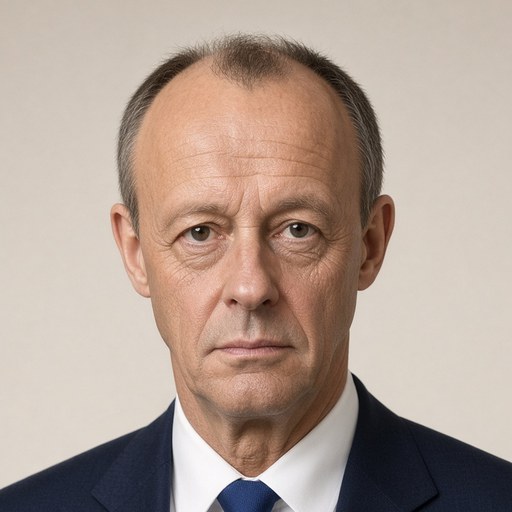
Speech by Chancellor Merz at the German Employers' Day 2025 of the Confederation of German Employers' Associations Providing the Right Answers in Difficult Times
 Friedrich Merz · Chancellor of Germany
- Context
- Merz addressed the German Employers' Day 2025 organized by the BDA in Berlin, outlining federal government priorities in difficult economic and geopolitical times.
- Main themes
- Economic policy priorities, defense spending and NATO commitments, social state reform, energy costs and industrial electricity price, refugee and asylum policy, investment conditions in Germany, geopolitical turning point, European Union partnerships, pension reform, labor market and basic security, tectonic shift in global power
- Duration
- ~48 min
- Words
- 5,799
- Sentences
- 287
- Readability
- 54
- Grade
- 10.7
- Syntax
- 2.85
- Vocabulary
- 1.96
Translated from German
The broad sphere of national life a sentence belongs to. Every sentence has an Arena, so it is the denominator the other indices are read against.
Other287 sentences in 60 paragraphs
Chancellor Merz outlined the economic and social policy priorities of the Federal Government at this year's Employers' Day of the Confederation of German Employers' Associations (BDA) in Berlin. It is about making the right decisions in difficult times, the Chancellor emphasized. This takes time. The Federal Government is firmly determined to make the right decisions here – for prosperity in Germany and in Europe.
Here are the key points in brief:
Backlog of repairs resolved:
The Federal Government made quick decisions in important areas in the first six months: The NATO commitments for increased defense spending will now be met, the refugee policy has been corrected, and the number of asylum applications has drastically decreased. In addition, the framework conditions for the German economy have been significantly improved. The investment conditions in Germany are now better than they have been in a long time.
Lower energy costs:
The Federal Government is doing everything to maintain and relieve the energy-intensive industry in Germany. The falling energy prices show that the decisions were correct: "We want to continue on this path," said the Chancellor. For this, the Federal Government is advocating for base-load capable gas power plants and an industrial electricity price.
Reform of the social state:
The Federal Government is determined to reform the social security systems. Basic security will be introduced. "Job placement is then more important than remaining in the transfer system," said Merz. They also want to implement the agreed reforms regarding pensions, strengthen private retirement provision, and introduce an active pension.
Correct answers to challenges:
The Chancellor emphasized that we are all witnesses to a turning point in history. It is now about finding the right answers to the challenges. For him, these are "solid partnerships in the European Union," the preservation of NATO and Europe's defense capability, as well as an open, liberal democratic society. He will not lose sight of these goals.
The German Employers' Day is organized annually by the Confederation of German Employers' Associations (BDA). This organization represents the common economic and social policy positions of German employers. In addition to Chancellor Friedrich Merz, participants included Federal Minister of Finance Lars Klingbeil, Federal Minister of Labor and Social Affairs Bärbel Bas, Federal Minister for Economic Affairs and Energy Katherina Reiche, and Federal Minister for Digital and Transport Karsten Wildberger.
Here is the Chancellor's speech:
Dear Mr. President, dear Rainer Dulger,
dear Chief Executive Officer, dear Steffen Kampeter,
ladies and gentlemen,
thank you very much for the very kind invitation and the very warm welcome to the German Employers' Day 2025. I am happy to be here with you. Of course, I keep such commitments even if the circumstances before and after change a bit. But it was important to me that I could come to you today, that I could speak to you, and that we could also discuss the topics that currently concern us in Germany and in the world.
We started work within the new Federal Government in May, at a time when the world around us is changing at a breathtaking pace: at the beginning of 2025, Donald Trump, for the second time, in the fourth year of the Russian war, and confronted with an increasingly brazen left and especially right populism in the world.
Ladies and gentlemen, the circumstances under which we began our work are challenging, they remain challenging, and we will probably only fully understand what is really happening in the world today in a few years. It is a deep cut. It is a turning point in time, at least that is the term since 2022. From my perspective, it is more. It is a profound epochal shift. It is the end of an era. We are witnesses to what I repeatedly call a tectonic shift in the political and economic centers of power in the world.
Under these circumstances, my first major meeting, as a newcomer to the office, was the NATO meeting in The Hague immediately after the European Council. Ladies and gentlemen, if we, the Federal Republic of Germany, had not been able to commit at that time to finally fulfilling a promise that had not been kept for years, if we had not been able to provide not only 3.5 percent for NATO but also an additional 1.5 percent for our military infrastructure, and if other European member states in NATO had not followed us, then this meeting in The Hague would almost certainly have been the last of its kind for NATO. The Americans, at least, would not have been willing to continue to belong to this old NATO and to maintain their security guarantees for Europe unconditionally.
This brings me to what has occupied us in the first weeks of 2025, after we began our work. We had ten weeks left in the first half of 2025, and in these first ten weeks, we had three priorities. The first priority was to contribute to NATO so that this NATO remains united, and we succeeded in that.
The second priority was, as we promised during the election campaign, to make an immediate course correction in refugee policy on the very first day. You will remember that I made that promise, and I kept it. The Federal Minister of the Interior implemented comprehensive border controls at the German borders within the European Union, that is, the European internal borders, on the second day in office, resulting in a drastic decrease in the number of asylum applications in Germany within a few weeks. In the month-to-month comparison between September 2025 and 2024, there were more than 60 percent fewer; a first truly significant success in a new immigration and refugee policy. I will return to this topic later in a different context.
The third: Of course, we were aware of the situation of the German economy from day one. This analysis, dear Rainer Dulger, that you just projected here, I not only showed to my own parliamentary group but also to the coalition partner. This analysis shows that we have not only had a structural problem in our economy for a short time but that structures have solidified over at least the last ten years that have brought us to the situation we are in today.
Ladies and gentlemen, let me say an open word: The Federal Republic of Germany is not a speedboat. The Federal Republic of Germany is a large ship, at least a pretty big tanker with pretty big engines. But even such a large tanker cannot be turned around in a few days like a speedboat. It takes time, especially when it comes to structures that have solidified over years, if not decades, as we see very clearly today and all – hopefully at least – understand.
So, before the parliamentary summer break – so that it could pass through the Federal Council on July 11 – we made the decision to quickly launch an investment promotion program consisting of two elements: first, to quickly improve the depreciation conditions for investments, and second, immediately thereafter, in five steps, to lower the corporate tax rate in Germany, then down to ten percent, all overshadowed by a failed judicial election, but ultimately the largest reform we have made in corporate taxation in the last 15 years, resulting in the fact that you can now depreciate 30 percent degressively for three years – 2025, 2026, 2027. Those who can do the math know: In the end, that is two-thirds, 65 percent, of your investments in the companies, investment conditions that have rarely been better under these circumstances.
Now I also know: Depreciation must be earned. Everyone here knows that; not everyone in Berlin does. But, ladies and gentlemen, that is why we do not stop there, but for the second half of 2025, we have set ourselves the goal of making some structural changes that will also extend into 2026 and that are particularly related to our energy policy. Why are we doing this? Well, it is quite simple. The experience of our economy is this: Fifty years ago, sixty years ago, we lost the very labor-intensive textile industry, the shoe industry, and other industries that were very labor-intensive but had relatively low productivity. We could not hold onto them. Today we are faced with the question of whether we can maintain the energy-intensive industry in Germany, an industry with very high value creation, with highly qualified jobs, an industry that is in many ways the backbone of our economy, the steel industry, the chemical industry, mechanical engineering, the paper industry, and some other industrial sectors. Many of you represent these industries. Ladies and gentlemen, now it gets serious: We cannot afford to lose a second time an energy-intensive industry with very high value creation after the very labor-intensive industry with low value creation! That is why we are currently doing everything – not only, but especially focused on energy policy – to ensure that energy prices in Germany go down again, which is very much related to our own energy policy, but of course also with the circumstances we found in the spring of 2025, mind you in the fourth year of the war in Ukraine.
That is why we abolished the gas levy. We lowered the network fees. We reduced the electricity tax, unfortunately not for private households – we would have liked to do that too – but primarily for the commercial economy. Ladies and gentlemen, I say this here just as I do on every other occasion: If, due to budgetary constraints, the alternative is either to improve the conditions for maintaining jobs or to provide relief to private households, then I choose, in the current situation, to relieve jobs and to relieve the economy because we must maintain and restore the competitiveness of our economy, as we hopefully all want together.
The result is: As of January 2026, electricity costs will decrease on average by nine percent. The successes are there. We see it. Energy costs are also falling due to market prices, but they are also falling for political reasons, namely because of politically made decisions, and we want to continue on this path.
I know: Lowered network fees and reduced taxes are not yet affordable market prices. I want us to return in energy policy to a situation where affordable market prices for companies as well as for private households in energy supply are possible again. That is why we are currently, and Katherina Reiche will have reported to you this morning, intensively negotiating a power plant strategy and an industrial electricity price with the EU Commission. Both require approval. Both are competitive issues that require approval from the EU Commission. But we want to do it. Above all, we want to make a power plant strategy that is approval-ready, which allows us to enable tenders for gas power plants next year, namely tenders for gas power plants that are not allowed to be operated exclusively with hydrogen from day one. We need gas power plants to enable base-load energy supply in Germany with marketable energy prices. We have made this decision, we have corrected what the previous government wanted differently, and we are very confident that we will succeed in obtaining approval from Brussels in the few days remaining this year and then do both next year, namely to enable an industrial electricity price and to implement a power plant strategy that allows us to have base-load energy supply in Germany.
Ladies and gentlemen, these are all decisions that require effort, that require discussions, that require corrections from our coalition partner from the previous government participation, and that of course also need to be brought through the parliaments.
The same applies to social security systems. We know that we need to change something here, and we are also determined to make a fundamental change. Well, ladies and gentlemen, we have already begun with this as well. We, my party and I personally, promised during the election campaign that we would abolish the so-called citizen's income and instead introduce a basic security that would once again increase work incentives, especially for those who are less well qualified, with the aim that earned income after taxes and social security contributions is higher than transfer income from the citizen's income. The law is ready. We have agreed on it with the SPD. It took a few loops. It did not happen overnight. But we will pass the draft law in the cabinet in the coming days, and if all goes well, we will even have the first reading in the German Bundestag this year. Then the citizen's income will be history, and we will have reasonable rules in the labor market again. Above all, we will give priority back to job placement. Placement in work will then be more important than remaining in the transfer system.
Ladies and gentlemen, we have already made another decision, passed in the cabinet, largely unnoticed by the interested public: We are implementing the change of legal status for refugees from Ukraine. This means in plain language: We will no longer keep these refugees in the citizen's income, nor in the future SGB II, but we will place them under the asylum seeker benefits law, resulting in significantly reduced benefits and thus significantly higher work incentives for Ukrainian refugees to return to the labor market or to enter the labor market in Germany at all. Because we have one of the lowest employment rates for Ukrainian refugees in all of the European Union. Some countries are at 70 percent, 80 percent. We are still below 30 percent. That is unacceptable. Yes, we really want to help these refugees. But if they can work, then they must work. And then they will no longer rely on the transfer system in the future, because they will receive less income than they currently do from the so-called citizen's income. The decision has been made. We will do this.
Now I come to the social security systems as a whole. We know this, and we really want to tackle these reforms seriously now. Ladies and gentlemen, the package we have presented, which we have decided in the cabinet, consists not only of pension insurance and not only of this so-called stop line in pension insurance. We have agreed in the coalition agreement that we will have a discussion about a new overall provision system this year and next year, which will replace the previous one and which may even be associated with a new key figure, thus moving away from this stop line of 48 percent.
Now I want to make one thing very clear, so that no legends arise: We have not passed and brought to the parliamentary path in the cabinet anything more and nothing less than what was agreed in the coalition agreement. We had a long discussion with the SPD about this so-called stop line. The SPD wanted to enshrine this stop line until the year 2039, thus over the next three electoral periods. We wanted to go as far as 2029 at most. Why until 2029? Because in that year the effects of demographic change will first become really visible in pension insurance. Then the so-called baby boomer effect will unfold its impact, with the large birth cohorts retiring and the smaller birth cohorts still in the labor market. We reached a compromise with the SPD between 2029 and 2039, which is: 2031, thus two years more than we actually wanted, and seven years less than the SPD actually wanted.
Ladies and gentlemen, if you extend a stop line, it is clear that what then occurs is not what would have happened if you had stopped earlier, but that what applies then applies. I repeat my example with the car: If you stop somewhere along your way and then continue later, you continue from the point where you are, not from the point where you would have been if you had not stopped. That is clear. I notice that it is now clicking. Ladies and gentlemen, and that is exactly the agreement of the coalition agreement.
Now one can discuss for a long time whether to do this now or later. I just want to point out that we have made a whole series of other agreements in this context, up to a very concrete legislative process that we would like to see in the Federal Law Gazette by the end of the year, namely the so-called active pension. This active pension, which you all know, is not a tax gift for those who want to work a little longer, but it is, in my understanding, the entry into a longer working life. We are trying to enable something with this active pension on a voluntary basis, which we could only very difficultly implement through a uniform legal regulation applicable to all. It anticipates something for those in social insurance employment, which we may later need to discuss again in connection with an overall provision level, namely: How do we actually measure provision in old age? Is it only the statutory pension insurance? – Yes, for many it is today. But – allow me to say this; it is somewhat easier said from the perspective of the West – for many people in the East, statutory pension insurance at a lower level is still the only old-age provision. I am not willing to simply play around with this old-age provision, with the motto: Who actually offers less? – We need a certain reliability and stability for the population and above all trust that we, the state, create a system in which we can permanently ensure a secure old-age income.
With that, I come to the second, third, and fourth elements. The active pension is the second. The third element is the improvement of company pension schemes. We have already changed the Company Pension Act once again. The next element is the improvement of private old-age provision. Overall – as stated in the coalition agreement – there is an overall provision level, with which the three pillars, private old-age provision, company pension schemes, and statutory pension insurance, are placed in a new relationship to each other, with a significant strengthening of the private and company pillars, and indeed on a capital-funded basis.
Ladies and gentlemen, five or ten years ago, you would not have been able to seriously discuss this topic with the SPD here at the German Employers' Day. This capital market would have still been a "gambling den." Now we have agreed on it with the SPD. Please allow us the time and the opportunity to set up the system properly, so that we can really make a decision about an overall provision level in this legislative period, consisting of statutory pension insurance as an unchanged basic security, but also from significantly stronger capital-funded elements such as company and private old-age provision.
In this context, I have a request for you. We regulate statutory pension insurance. We also need to regulate private old-age provision reasonably by law. This is a question of how attractive it is for citizens. We want to further improve the conditions; we want it to be possible without capital guarantees. But with company pension schemes, you are also in the boat. I have a very heartfelt request: Whether they are large companies or smaller or medium-sized ones, you too must please offer your employees attractive options for building up an additional capital-funded company pension. I know that many do this, but not all do it yet. If we want to solve this problem together, then I would simply like to express the wish that you participate, ladies and gentlemen.
Because I am here with you, I want to mention the flip side of this topic. We are determined to enable a better capital market in Germany and more access for companies to a capital market that is truly a European capital market. Lars Klingbeil and I agree that we will now conceptually develop this further, and the first papers on this have been written.
Ladies and gentlemen, we are not doing this just to enable the financing of your companies not only through banks but also more through the capital market. We still have a bias in Germany. We are still too dependent on banks and still have too few opportunities to finance companies in the capital market. This is precisely the opportunity for you, for the companies, but it is also the opportunity for millions of employees in Germany to gain better participation in the productive assets of our economy. I said it from this podium last year and want to repeat it – in my assessment, nothing has changed since the change of government –: The last unfulfilled promise of the market economy is the better participation of employees in the Federal Republic of Germany in the productive assets of our economy. Other countries have long since achieved this. You do not even have to look to America. Look at many other European countries that have done this much better than we have! We want to do it better. The Social Democrats are ready to do this. That is why I am determined to push this through in this legislative period so that we can ultimately say: This promise of the market economy has also been kept, and employees in Germany can enable better asset accumulation through participation in the capital market in Germany.
Ladies and gentlemen, the competitiveness of your companies does not depend solely on energy prices and social security contributions of your employees, but it also depends on the excessive bureaucracy costs. We have also made initial decisions in the cabinet on this and have already passed them in the Bundestag. One of the essential prerequisites for this to be possible was the establishment of a Ministry of Digitalization and State Modernization. If I have understood the invitation correctly, then Karsten Wildberger was with you. Ladies and gentlemen, I deliberately brought in someone from the private sector, who has transformation experience and digitalization experience, and who is now doing exactly what we have neglected for years, namely enabling a comprehensive digitalization of our economy, but also pushing through a digitalization of the administration.
I want to give you a very concrete example of what this means. I said at the beginning something about the refugees. Among these refugees, there are always many whom we would of course like to have in Germany for our labor market, for our society, and for integration in the Federal Republic of Germany. But we are now completely separating the procedures. It is no longer necessary to initiate asylum procedures if one wants to work and live in Germany. This will probably become the most demanding IT project of this legislative period. We are establishing a so-called work-and-stay agency, a purely digital process on a platform, behind which all approvals for work permits, residence permits, and recognition of professional qualifications lie. I want to briefly describe how complex this is in one sentence. This is not solely a matter for the federal government. The states must participate in this. The municipalities must participate in this. The employment administration must participate in this. The self-administration must participate in this. All those who today carry out the recognition of professional qualifications must participate in this. All those who want to issue residence and work permits must participate in this. We want to enable this on a platform. It is a huge effort to digitalize this – something that other countries have long since achieved. I am very grateful that two federal states, a large state and a city-state, have agreed to participate in this as a first trial arrangement, to see if it works, to correct it if it does not work, and to expand it to other federal states in Germany if it works well. This will be a demanding project.
But I want to use this example to say: We are not just skimming the surface with the whole topic of digitalization. It is not about you having a better mobile phone.
We are not just wearing a jacket, but we are on our way to do it fundamentally, well, and correctly. Karsten Wildberger will have supplemented what is necessary for you.
That this can work and that it is being embraced by many companies can be seen from the large number of data centers that have been initiated, built, and in part already opened in Germany in recent weeks and months.
A few weeks ago, I was in Jülich at the supercomputer JUPITER, which has been established there at the old nuclear research facility. It is the fastest computer in the world. We do not know exactly whether comparable computers are already in place in China. We do not know that for sure. But it is certainly one of the fastest and largest computers built and put into operation in the Western Hemisphere in recent years. Microsoft is investing billions in Germany. The Schwarz Group is investing billions in Germany, in Heilbronn and in Lübbenau, to establish such data centers. You can see that this topic has gained momentum. We are creating all the possibilities for it to succeed.
We have developed a strategy that we call the Hightech Agenda. You may have already heard of this. It encompasses AI, quantum technology, microelectronics, biotechnology, fusion technology – ladies and gentlemen, we have the ambition to put the first fusion reactor in the world into operation in the Federal Republic of Germany – and last but not least, technologies for climate-neutral mobility. This Hightech Agenda is probably the most far-reaching technology agenda we have seen in recent years, also because we once again have a ministry that is exclusively responsible for research and technology and is not also responsible for education policy on the side. This is a concentration on the topics that are currently important in this area. The incumbent, my colleague Doro Bär, has started this with incredible commitment and will continue it, so that this can truly become a success story.
Now back to the topic of bureaucracy: Ladies and gentlemen, bureaucracy is not solely an invention of the German administration, but unfortunately it has become a major issue throughout the European Union. Many of you know that I began my political career as a young member of the European Parliament. During that time, I had the great fortune to be in a legislative period in the European Parliament when two things happened: first, German reunification, and second, the entire internal market program. On January 1, 1993, the European internal market came into force, a space of freedom and law with the freedom of movement for goods, services, people, and capital. That was probably the biggest leap forward in the European Union that has ever occurred in the history of Europe.
But I must tell you from today’s perspective, 30 years later: The way it has been further regulated is not what we intended back then. – That is why it is good that the EU Commission now has two reports, namely the report by Enrico Letta, the former Prime Minister of Italy, on the completion of the European internal market, and the report by Mario Draghi, the former Prime Minister and former President of the ECB, on the competitiveness of the European Union. These two reports are available. They are similar blueprints to the Delors Report in 1985, which led to the European internal market.
I have told the EU Commission and the European Council: I am not willing to accept that these two reports disappear into the drawers of the EU Commission and that we do not really discuss them in detail. – That is exactly what we are doing now. You may have noticed. I wrote a letter to the Commission and the Council President before the last Council four weeks ago, in which I pointed out exactly these issues and insisted that we deal with these two reports and discuss the conclusions from them in the European Council. The result is that without any change to the content of my letter, 21 heads of state and government of the European Union have also signed this letter, and we will spend a whole day on February 12 near Brussels with Mario Draghi addressing how we can move the European Union forward again so that it becomes, as we once intended, an open space for the movement of goods and services, capital, and people, and how we can ensure that the European Union becomes competitive again in the world we live in.
Ladies and gentlemen, with that I come to my concluding remarks. All of this is not an end in itself, but it serves the prosperity of Europeans. It serves the prosperity of our country. What would our country be without Europe? What would our country be without the European Union? What would our country be without the European internal market? But also: What would our country be without a competitive economy of its own? If we want to achieve what we want to do together in Europe, then we must also do it in Germany and not wait for others to do it for us. We are now entering a role politically, economically, and militarily in many respects, from which we have relatively comfortably distanced ourselves in recent years. That time is now over. Once again: Not just a turning point, not just a little change, and then everything continues as before, but a deep break! As Robert Menasse beautifully wrote a few days ago: Every generation experiences its epochal break, every generation.
Ladies and gentlemen, the East Germans here in the room can remember the last epochal break. It was in 1989/1990. Hardly anyone from West Germany can remember it. We have become accustomed to 80 years of freedom, peace, growth, employment, and a welfare state. The time in between, which Francis Fukuyama once called the end of history, is not the end of history, but was an episode in history. This episode is now also over. We are now confronted with a brutal reality that large parts of our society have repressed and ignored and never wanted to see again: war in Europe, authoritarian systems in the world, a People's Republic of China, increasingly repressive internally and increasingly aggressive externally, and an American president who is trying to enforce America first with tariffs.
Ladies and gentlemen, if we want to assert ourselves in this world, then in these days, weeks, and months, it is about more than just a 48 percent threshold. We can discuss that too. But if we lose sight of what is at stake now, then our children and grandchildren will make the bitterest accusations against us. They will no longer remember a 48 percent threshold. This discussion will no longer be present to them. They will ask us whether we provided the right answers in this challenging time in which we now find ourselves.
For me, the right answers are these:
First: We need solid partnerships in the European Union. This is not said by a foreign chancellor who is wandering around and likes to travel. This is said by the Chancellor of the Federal Republic of Germany, who will defend the foundation of this country and the legacy of Konrad Adenauer and Helmut Kohl against everything that is presented from the left and especially from the right against this political order in Germany, ladies and gentlemen.
The second is that we must do our utmost to maintain the North Atlantic alliance, ensure Europe’s defense capability, and prepare ourselves for the fact that we will again be confronted with military force for extended periods. Please do not say that this is limited to the territory of Ukraine, that they should do what they wanted, that it will pass eventually, and then it will be over! No, it is not over. It is happening every day, by the way, also in your companies. Most cannot even talk about it. Just look at the cyberattacks that occur every day in your companies, every day! Ladies and gentlemen, this is an attempt to divide our society, to diminish this country, to split Europe, and to ensure that we have no chance to have a say in the big issues in this world. I will resist this with everything I have at my disposal, and I hope to have you by my side.
The third is, ladies and gentlemen, to ensure that despite all these challenges we face, we remain an open, free, liberal, tolerant, and democratic society. Do not say that this is all so self-evident and so entrenched. No, it is not at all. We are now seeing a deep division of the West, not only across the Atlantic but also within Europe. We no longer have a common understanding of what open, democratic, multicultural systems are. I want us to preserve that as we are. This requires that we are economically strong.
But above all, it requires that we set the right priorities together on these issues. Ladies and gentlemen, populism from the right is not an answer to this. Look in the history books at what has become of that. Today, too many patterns are repeating that we have all seen in our history before. I do not want to leave this office one day with the accusation that I set the wrong priorities, that I did not lead the country to where it could have been if we lose sight of these goals. I will not do it.
So let us please go this way together – employers, employees, their representatives, the large social groups, the political parties of the political center. This path is sometimes arduous and perhaps even more arduous than in an authoritarian system where everything can simply be ordered from above with executive orders. That is not who we are. But ladies and gentlemen, we have a core in our society that is worth fighting for and worth preserving. That is the most important task I have taken on in this office. Nothing and no one will deter me from achieving this goal. I would like you to be by my side in defending what we have, not politically, but socially. When we meet here again in a few years – I am also happy to come in between, ladies and gentlemen – I want us to look back and say: Okay, those were difficult times, but during these difficult times in the Federal Republic of Germany, we made the right decisions together.
Thank you very much.
The original German. The tags above are read on the English translation's sentences.
Bundeskanzler Merz hat beim diesjährigen Arbeitgebertag der Bundesvereinigung der Deutschen Arbeitgeberverbände (BDA) in Berlin die wirtschafts- und sozialpolitischen Prioritäten der Bundesregierung dargelegt. Es gehe darum, in schwierigen Zeiten die richtigen Entscheidungen zu treffen, betonte der Kanzler. Das brauche seine Zeit. Die Bundesregierung sei fest entschlossen, hier die richtigen Entscheidungen zu treffen – für den Wohlstand in Deutschland und in Europa.
Lesen Sie hier das Wichtigste in Kürze:
Sanierungsstau aufgelöst:
Die Bundesregierung habe in den ersten sechs Monaten in wichtigen Bereichen schnelle Entscheidungen getroffen: Die
NATO
-Zusagen für mehr
Verteidigungsausgaben
würden nun eingehalten, die
Flüchtlingspolitik
sei korrigiert worden und die Asylanträge drastisch zurückgegangen. Zudem seien die
Rahmenbedingungen
für die deutsche Wirtschaft deutlich verbessert. So seien die
Investitionsbedingungen
in Deutschland jetzt besser als selten zuvor.
Niedrigere Energiekosten:
Die Bundesregierung mache alles, um insbesondere die energieintensive Industrie in Deutschland zu erhalten und zu
entlasten
. Die sinkenden Energiepreise zeigten, dass die Entscheidungen richtig waren: „Wir wollen auf diesem Weg weiter voranschreiten“, so der Kanzler. Dafür setze sich die Bundesregierung für grundlastfähige Gaskraftwerke und einen Industriestrompreis ein.
Reform des Sozialstaats:
Die Bundesregierung sei entschlossen, die sozialen Sicherungssysteme zu reformieren. So werde man die Grundsicherung einführen. „Vermittlung in Arbeit ist dann wieder wichtiger als der Verbleib im Transfersystem“, sagte Merz. Auch bei der Rente wolle man die
vereinbarten Reformen
umsetzen, die private Altersversorgung stärken und etwa eine Aktivrente einführen.
Richtige Antworten auf Herausforderungen:
Der Bundeskanzler betonte, dass wir alle Zeugen eines Epochenbruchs seien. Es gehe nun darum, die richtigen Antworten auf die Herausforderungen zu finden. Für ihn seien das „feste Partnerschaften in der Europäischen Union“, der Erhalt der
NATO
und die Verteidigungsfähigkeit Europas sowie eine offene, freiheitlich-liberale demokratische Gesellschaft. Diese Ziele werde er nicht aus dem Blick verlieren.
Der
Deutsche Arbeitgebertag
wird jährlich organisiert von der
Bundesvereinigung der Deutschen Arbeitgeberverbände (BDA). Diese vertritt die gemeinsamen wirtschafts- und sozialpolitischen Positionen der deutschen Arbeitgeber. Teilgenommen haben neben Bundeskanzler Friedrich Merz unter anderem auch Bundesfinanzminister Lars Klingbeil, Bundesarbeits- und Sozialministerin Bärbel Bas, Bundeswirtschafts- und Energieministerin Katherina Reiche und Bundesdigitalminister Karsten Wildberger.
Lesen Sie hier die Rede des Bundeskanzlers:
Sehr geehrter Herr Präsident, lieber Rainer Dulger,
sehr geehrter Hauptgeschäftsführer, lieber Steffen Kampeter,
meine sehr geehrten Damen und Herren,
herzlichen Dank für die sehr freundliche Einladung und die sehr freundliche Begrüßung zum Deutschen Arbeitgebertag 2025. Ich bin gerne zu Ihnen gekommen. Selbstverständlich halte ich solche Zusagen auch ein, selbst wenn sich die Umstände vorher und nachher ein bisschen ändern. Aber mir war es wichtig, dass ich heute zu Ihnen kommen kann, zu Ihnen sprechen kann und dass wir auch über die Themen miteinander sprechen, die uns im Augenblick in Deutschland und in der Welt beschäftigen.
Wir haben im Mai die Arbeit innerhalb der neuen Bundesregierung aufgenommen, zu einem Zeitpunkt, zu dem sich die Welt um uns herum in einem geradezu atemberaubenden Tempo ändert: zu Beginn des Jahres 2025 Donald
Trump
, zum zweiten Mal, im vierten Jahr des russischen Krieges und mit einem immer dreister werdenden linken und vor allem rechten Populismus auf der Welt konfrontiert.
Meine Damen und Herren, die Umstände, unter denen wir unsere Arbeit aufgenommen haben, sind herausfordernd, sie bleiben herausfordernd, und wir werden wahrscheinlich erst in einigen Jahren ganz verstehen, was zurzeit auf der Welt wirklich passiert. Es ist ein tiefer Einschnitt. Es ist eine Zeitenwende, so jedenfalls das Wort seit 2022. Aus meiner Sicht ist es mehr. Es ist ein tiefer Epochenbruch. Es ist das Ende einer Zeit. Wir sind Zeitzeugen einer geradezu – ja, ich nenne es immer wieder so – tektonischen Verschiebung der politischen und ökonomischen Machtzentren auf der Welt.
Unter diesen Umständen war mein erstes großes Treffen, an dem ich, neu im Amt, teilgenommen habe, unmittelbar nach dem Europäischen Rat das
NATO
-Treffen in Den Haag. Meine Damen und Herren, wenn wir, die Bundesrepublik Deutschland, nicht in der Lage gewesen wären, zu diesem Zeitpunkt zuzusagen, dass wir ein über Jahre nicht eingehaltenes Versprechen jetzt endlich einlösen, wenn wir nicht in der Lage gewesen wären, nicht nur 3,5 Prozent für die
NATO
zur Verfügung zu stellen, sondern weitere 1,5 Prozent für unsere Infrastruktur, die militärisch notwendig ist, und wenn uns dem nicht andere europäische Mitgliedstaaten in der
NATO
gefolgt wären, dann wäre dieses Treffen in Den Haag ziemlich sicher das letzte Treffen der
NATO
dieser Art gewesen. Die Amerikaner jedenfalls wären nicht bereit gewesen, dieser alten
NATO
weiter anzugehören und ihre Sicherheitsgarantien für Europa uneingeschränkt fortgelten zu lassen.
Damit bin ich bei dem, was uns in den ersten Wochen des Jahres 2025, nachdem wir die Arbeit aufgenommen haben, beschäftigt hat. Wir hatten im ersten Halbjahr 2025 noch zehn Wochen, und in diesen ersten zehn Wochen gab es für uns drei Prioritäten. Die erste Priorität war, unseren Beitrag zur
NATO
zu leisten, sodass diese
NATO
zusammenbleibt, und das ist uns gelungen.
Die zweite Priorität war, so, wie wir es im Wahlkampf versprochen haben, sofort am ersten Tag eine Kurskorrektur in der Flüchtlingspolitik vorzunehmen. Sie erinnern sich, dass ich das zugesagt habe, und ich habe das eingehalten. Der Bundesinnenminister hat am zweiten Tag im Amt umfassende Grenzkontrollen an den deutschen Grenzen innerhalb der Europäischen Union, also den europäischen Binnengrenzen, durchgeführt, mit der Folge, dass die Zahl der Asylanträge in Deutschland innerhalb weniger Wochen drastisch zurückgegangen ist. Im Monatsvergleich zwischen September 2025 und 2024 waren es mehr als 60 Prozent weniger; ein erster wirklich größerer Erfolg in einer neuen Einwanderungs- und Flüchtlingspolitik. Ich komme in ganz anderem Zusammenhang später noch einmal darauf zu sprechen.
Das Dritte: Selbstverständlich war uns vom ersten Tag an die Lage der deutschen Wirtschaft klar. Diese Analyse, lieber Rainer Dulger, die du eben hier an die Wand geworfen hast, habe ich nicht nur meiner eigenen Bundestagsfraktion gezeigt, sondern ich habe sie auch dem Koalitionspartner gezeigt. Aus dieser Analyse ergibt sich, dass wir nicht erst seit Kurzem ein strukturelles Problem unserer Volkswirtschaft haben, sondern dass sich seit mindestens zehn Jahren Strukturen verfestigt haben, die uns in die Lage gebracht haben, in der wir heute sind.
Meine Damen und Herren, jetzt lassen Sie mich einmal ein offenes Wort sagen: Die Bundesrepublik Deutschland ist kein Schnellboot. Die Bundesrepublik Deutschland ist ein Dickschiff, jedenfalls ein ziemlich großer Tanker mit ziemlich großen Motoren. Aber auch einen solchen großen Tanker fährt man nicht innerhalb von wenigen Tagen wie ein Schnellboot einmal eben im 180-Grad-Winkel in die andere Richtung. Das braucht seine Zeit, vor allen Dingen, wenn es Strukturen sind, die sich über Jahre, wenn nicht Jahrzehnte so verfestigt haben, wie wir das heute überaus klar sehen und alle – hoffentlich jedenfalls – verstehen.
Also haben wir vor der parlamentarischen Sommerpause – so, dass es am 11. Juli noch durch den Bundesrat ging – die Entscheidung getroffen, jetzt schnell ein Investitionsförderprogramm auf den Weg zu bringen, bestehend aus zwei Elementen, nämlich erstens schnell die Abschreibungsbedingungen für Investitionen zu verbessern und zweitens unmittelbar danach in fünf Schritten den Körperschaftsteuersatz in Deutschland abzusenken, dann runter auf zehn Prozent, alles überschattet durch eine misslungene Richterwahl, aber im Ergebnis die größte Reform, die wir im Bereich der Unternehmensbesteuerung in den letzten 15 Jahren gemacht haben, mit der Folge, dass Sie heute für drei Jahre – 2025, 2026, 2027 – dreimal 30 Prozent degressiv abschreiben können. Wer mitrechnen kann, der weiß: Das sind dann am Ende zwei Drittel, 65 Prozent, Ihrer Investitionen in den Unternehmen, Investitionsbedingungen, die unter diesen Vorzeichen selten besser waren als so.
Nun weiß ich auch: Abschreibungen muss man verdienen. Das weiß jeder von Ihnen hier; in Berlin nicht jeder. Aber, meine Damen und Herren, deswegen hören wir ja damit nicht auf, sondern für das zweite Halbjahr 2025 haben wir uns vorgenommen, einige strukturelle Veränderungen vorzunehmen, die auch in das Jahr 2026 hineinreichen und die insbesondere mit unserer Energiepolitik zu tun haben. Warum machen wir das? Nun, es ist ganz einfach. Die Erfahrung unserer Volkswirtschaft ist die: Vor 50 Jahren, vor 60 Jahren, haben wir die sehr arbeitsintensive Textilindustrie, die Schuhindustrie und andere Industrien verloren, die sehr arbeitsintensiv waren, aber eine relativ geringe Produktivität ausgewiesen haben. Die konnten wir nicht halten. Heute stehen wir vor der Frage, ob wir die energieintensive Industrie in Deutschland halten, eine Industrie mit sehr hoher Wertschöpfung, mit hochqualifizierten Arbeitsplätzen, eine Industrie, die in vielerlei Hinsicht Rückgrat unserer Volkswirtschaft ist, die Stahlindustrie, die chemische Industrie, der Maschinenbau, die Papierindustrie und einige andere Industriebereiche. Viele von Ihnen vertreten diese Industrien. Meine Damen und Herren, jetzt wird es ernst: Ein zweites Mal nach der sehr arbeitsintensiven Industrie mit geringer Wertschöpfung eine energieintensive Industrie mit sehr hoher Wertschöpfung zu verlieren, können wir uns in Deutschland nicht leisten! Deswegen tun wir gegenwärtig alles – nicht nur, aber vor allem fokussiert auf die Energiepolitik –, um dafür zu sorgen, dass in Deutschland die Energiepreise wieder heruntergehen, die ja viel mit unserer eigenen Energiepolitik zu tun haben, aber natürlich auch mit den Umständen, die wir im Frühjahr 2025 vorgefunden haben, wohlgemerkt im vierten Jahr des Krieges in der Ukraine.
Wir haben deswegen die Gasumlage abgeschafft. Wir haben deswegen die Netzentgelte gesenkt. Wir haben deshalb die Stromsteuer gesenkt, leider nicht für die privaten Haushalte – das hätten wir gerne auch getan –, aber vor allem für die gewerbliche Wirtschaft. Meine Damen und Herren, ich sage es hier genauso wie bei jeder anderen Gelegenheit: Wenn aufgrund haushalterischer Grenzen die Alternative besteht, entweder die Bedingungen für den Erhalt von Arbeitsplätzen zu verbessern oder den privaten Haushalten eine Entlastung zu geben, dann entscheide ich mich in der gegenwärtigen Situation für die Entlastung der Arbeitsplätze und für die Entlastung der Wirtschaft, weil wir die Wettbewerbsfähigkeit unserer Volkswirtschaft erhalten müssen und wiederherstellen müssen, so, wie wir es hoffentlich gemeinsam auch wollen.
Das Ergebnis ist: Zum Januar 2026 sinken die Stromkosten im Durchschnitt um neun Prozent. Die Erfolge sind da. Wir sehen es. Die Energiekosten gehen auch aufgrund der Marktpreise zurück, aber sie gehen eben auch aus politischen Gründen, nämlich wegen politisch getroffener Entscheidungen, zurück, und wir wollen auf diesem Weg weiter voranschreiten.
Ich weiß: Gesenkte Netzentgelte, abgesenkte Steuern sind noch keine verträglichen Marktpreise. Ich möchte, dass wir in der Energiepolitik dahin zurückkehren, dass verträgliche Marktpreise für die Unternehmen wie für die privaten Haushalte in der Energieversorgung wieder möglich sind. Deshalb sind wir gerade in diesen Tagen, und Katherina Reiche wird es Ihnen heute Morgen berichtet haben, intensiv dabei, eine Kraftwerksstrategie und einen Industriestrompreis mit der
EU-Kommission
zu verhandeln. Beides ist zustimmungspflichtig. Beides sind wettbewerbliche Tatbestände, die genehmigungspflichtig durch die
EU-Kommission
sind. Aber wir wollen es machen. Wir wollen vor allem eine Kraftwerksstrategie zustimmungsfähig machen, die es uns ermöglicht, bereits im nächsten Jahr Ausschreibungen von Gaskraftwerken zu ermöglichen, und zwar Ausschreibungen für Gaskraftwerke, die nicht vom ersten Tag an ausschließlich nur mit Wasserstoff betrieben werden dürfen. Wir brauchen Gaskraftwerke, um die Grundlast in Deutschland mit marktfähigen Energiepreisen zu ermöglichen. Wir haben diese Entscheidung getroffen, wir haben das korrigiert, was die Vorgängerregierung anders wollte, und wir sind sehr zuversichtlich, dass es uns gelingt, noch in den wenigen Tagen des verbleibenden Jahres die Zustimmung aus Brüssel zu bekommen und dann im nächsten Jahr beides zu tun, nämlich einen Industriestrompreis zu ermöglichen und eine Kraftwerksstrategie umzusetzen, die uns in Deutschland grundlastfähige Energieversorgung ermöglicht.
Meine Damen und Herren, das sind alles Entscheidungen, die Kraft kosten, die Diskussionen erfordern, die von unserem Koalitionspartner Korrekturen aus der vergangenen Regierungsbeteiligung erfordern und die natürlich auch durch die Parlamente gebracht werden müssen.
Das Gleiche gilt für die sozialen Sicherungssysteme. Wir wissen, dass wir hier etwas ändern müssen, und wir sind auch entschlossen, hier etwas Grundlegendes zu ändern. Nun, meine Damen und Herren, auch damit haben wir bereits begonnen. Wir, meine Partei und ich persönlich, haben im Wahlkampf zugesagt, dass wir das sogenannte Bürgergeld abschaffen und stattdessen eine Grundsicherung einführen, die es wieder ermöglicht, die Arbeitsanreize vor allem für diejenigen, die weniger gut qualifiziert sind, zu erhöhen, mit dem Ziel, dass Erwerbseinkommen nach Abzug von Steuern und Sozialversicherungsbeiträgen höher sind als Transfereinkommen aus dem Bürgergeld. Das Gesetz ist fertig. Wir haben es mit der
SPD
verabredet. Es hat ein paar Schleifen gebraucht. Es ging nicht über Nacht. Aber wir werden noch in diesem Jahr, in den nächsten Tagen, den Gesetzentwurf im Kabinett verabschieden und, wenn alles gut geht, sogar die erste Lesung noch in diesem Jahr im Deutschen Bundestag haben. Dann ist das Bürgergeld Geschichte, und dann werden wir im Arbeitsmarkt wieder vernünftige Regeln haben. Vor allen Dingen werden wir dem Vermittlungsvorrang wieder Vorrang geben. Vermittlung in Arbeit ist dann wieder wichtiger als der Verbleib im Transfersystem.
Meine Damen und Herren, wir haben eine weitere Entscheidung bereits getroffen, im Kabinett verabschiedet, weitgehend unbeachtet von der interessierten Öffentlichkeit: Wir vollziehen den Rechtskreiswechsel für die Flüchtlinge aus der Ukraine. Das heißt im Klartext: Wir lassen diese Flüchtlinge nicht mehr im Bürgergeld, auch nicht im zukünftigen SGB II, sondern wir nehmen sie ins Asylbewerberleistungsrecht, mit der Folge, dass es deutlich abgesenkte Leistungen gibt und damit deutlich höhere Arbeitsanreize auch für die ukrainischen Flüchtlinge, in den Arbeitsmarkt zurückzukehren oder überhaupt in den Arbeitsmarkt in Deutschland zu gehen. Denn wir haben in Deutschland eine der niedrigsten Beschäftigungsquoten der ukrainischen Flüchtlinge in der gesamten Europäischen Union. Einige liegen bei 70 Prozent, bei 80 Prozent. Wir liegen immer noch bei unter 30 Prozent. Das ist nicht akzeptabel. Ja, wir wollen diesen Flüchtlingen wirklich helfen. Aber wenn sie arbeiten können, dann müssen sie auch arbeiten. Und dann werden sie sich künftig nicht mehr auf das Transfersystem verlassen, weil es ihnen künftig weniger Einkommen geben wird als bislang Transferleistungen durch das sogenannte Bürgergeld. Die Entscheidung ist getroffen. Wir werden das machen.
Nun komme ich zu den sozialen Sicherungssystemen insgesamt. Wir wissen das, und wir wollen diese Reformen jetzt wirklich ernsthaft angehen. Meine Damen und Herren, das Paket, das wir vorgelegt haben, das wir im Kabinett beschlossen haben, besteht nicht nur aus der Rentenversicherung und in der Rentenversicherung nicht nur aus dieser sogenannten Haltelinie. Wir haben im Koalitionsvertrag verabredet, dass wir in diesem Jahr und im nächsten Jahr eine Diskussion über ein neues Gesamtversorgungssystem führen, das an die Stelle des bisherigen tritt und das möglicherweise sogar mit einer neuen Kennziffer verbunden werden kann, also weg von dieser Haltelinie von 48 Prozent.
Nun will ich, damit hier keine Legenden entstehen, eines sehr deutlich sagen: Wir haben im Kabinett nicht mehr und nicht weniger verabschiedet und auf den parlamentarischen Weg gebracht, als im Koalitionsvertrag vereinbart wurde. Wir haben eine lange Diskussion mit der
SPD
über diese sogenannte Haltelinie gehabt. Die
SPD
wollte diese Haltelinie bis zum Jahr 2039 festschreiben, also über die nächsten drei Wahlperioden hinweg. Wir wollten maximal bis zum Jahr 2029 gehen. Warum bis zum Jahr 2029? Weil in diesem Jahr die Auswirkungen des demografischen Wandels erstmals wirklich deutlich auch in der Rentenversicherung sichtbar werden. Dann wird sozusagen der Pillenknick seine Wirkung entfalten, mit den geburtenstarken Jahrgängen, die in den Ruhestand gehen, und mit den geburtenschwachen Jahrgängen, die noch im Arbeitsmarkt sind. Wir haben uns mit der
SPD
auf einen Kompromiss zwischen 2029 und 2039 geeinigt, der da lautet: 2031, also zwei Jahre mehr, als wir eigentlich wollten, und sieben Jahre weniger, als die
SPD
eigentlich wollte.
Meine Damen und Herren, wenn man eine Haltelinie verlängert, dann ist doch völlig klar, dass das, was dann einsetzt, nicht das ist, was wäre, wenn man früher aufgehört hätte, sondern dass das gilt, was dann gilt. Ich wiederhole mein Beispiel mit dem Auto: Wenn Sie irgendwann zwischendurch auf Ihrem Weg anhalten und später weiterfahren, dann fahren Sie an der Stelle weiter, an der Sie sind, und nicht an der Stelle, an der Sie wären, wenn Sie nicht angehalten hätten. Das ist doch klar. Ich merke, es rattert jetzt gerade. Meine Damen und Herren, und genau das ist die Verabredung des Koalitionsvertrages.
Nun kann man lange darüber diskutieren, ob man das jetzt macht oder später macht. Ich will nur darauf hinweisen, dass wir in diesem Zusammenhang eine ganze Reihe von weiteren Verabredungen getroffen haben, bis hin zu einem sehr konkreten Gesetzgebungsverfahren, das wir gerne zum Jahresende im Bundesgesetzblatt stehen hätten, nämlich die sogenannte Aktivrente. Diese Aktivrente, die Sie alle kennen, ist nicht ein Steuergeschenk für diejenigen, die etwas länger arbeiten wollen, sondern sie ist nach meinem Verständnis der Einstieg in eine längere Lebensarbeitszeit. Wir versuchen, mit dieser Aktivrente etwas auf dem Wege der Freiwilligkeit zu ermöglichen, das wir nur sehr schwer auf dem Weg einer für alle geltenden einheitlichen gesetzlichen Regelung umsetzen könnten. Sie nimmt etwas vorweg für die sozialversicherungspflichtig Beschäftigten, was wir später möglicherweise auch im Zusammenhang mit einem Gesamtversorgungsniveau noch einmal insgesamt neu diskutieren müssen, nämlich: Wonach bemessen wir eigentlich die Versorgung im Alter? Ist das nur die gesetzliche Rentenversicherung? – Ja, das ist sie heute für viele. Aber – erlauben Sie mir, dass ich das sage; das ist aus der Sicht der Brille des Westens etwas einfacher gesagt – für sehr viele Menschen im Osten ist die gesetzliche Rentenversicherung auf niedrigerem Niveau immer noch die einzige Altersversorgung. Ich bin nicht bereit, mit dieser Altersversorgung einfach so herumzuspielen, nach dem Motto: Wer bietet eigentlich weniger? – Wir brauchen eine gewisse Verlässlichkeit und Stabilität für die Bevölkerung und vor allem Vertrauen darin, dass wir, der Staat, ein System schaffen, in dem wir auf Dauer ein gesichertes Alterseinkommen ermöglichen.
Damit bin ich beim zweiten, dritten und vierten Element. Aktivrente ist das zweite. Das dritte Element ist die Verbesserung der betrieblichen Altersversorgung. Wir haben das Betriebsrentengesetz bereits wieder einmal geändert. Das nächste Element ist die Verbesserung der privaten Altersvorsorge. Insgesamt – so steht es im Koalitionsvertrag – gibt es ein Gesamtversorgungsniveau, mit dem die drei Säulen, die private Altersversorgung, die betriebliche Altersversorgung und die gesetzliche Rentenversicherung, in ein neues Verhältnis zueinander gesetzt werden, mit einer deutlichen Stärkung der privaten und der betrieblichen Säule, und zwar auf kapitalgedeckter Basis.
Meine Damen und Herren, vor fünf oder vor zehn Jahren hätten Sie hier auf dem Deutschen Arbeitgebertag mit der
SPD
über dieses Thema noch gar nicht ernsthaft diskutieren können. Dieser Kapitalmarkt, das wäre noch „Zockerbude“ gewesen. Jetzt haben wir es mit der
SPD
verabredet. Lassen Sie uns bitte auch die Zeit und die Möglichkeit, das System vernünftig aufzustellen, sodass wir in dieser Wahlperiode wirklich eine Entscheidung über ein Gesamtversorgungsniveau treffen, bestehend aus gesetzlicher Rentenversicherung als unverändert vorhandener Basisabsicherung, aber auch aus deutlich stärkeren kapitalgedeckten Elementen wie der betrieblichen und der privaten Altersversorgung.
In diesem Zusammenhang habe ich eine Bitte an Sie. Die gesetzliche Rentenversicherung regeln wir. Die private Altersversorgung müssen wir auch gesetzlich vernünftig regeln. Das ist eine Frage, wie attraktiv das für die Bürgerinnen und Bürger ist. Wir wollen die Bedingungen weiter verbessern; wir wollen, dass es möglichst ohne Kapitalgarantie geht. Aber bei der betrieblichen Altersversorgung sitzen Sie mit im Boot. Da habe ich die sehr herzliche Bitte: Egal ob es große Betriebe sind oder kleinere oder mittlere oder andere, auch Sie müssen bitte Ihren Arbeitnehmerinnen und Arbeitnehmern attraktive Angebote für den Aufbau einer zusätzlichen kapitalgedeckten betrieblichen Altersversorgung machen. Ich weiß, dass viele das tun, aber es machen längst noch nicht alle. Wenn wir dieses Problem gemeinsam lösen wollen, dann möchte ich einfach gern den Wunsch äußern, dass Sie sich daran beteiligen, meine Damen und Herren.
Weil ich hier bei Ihnen bin, will ich sozusagen die Kehrseite dieses Themas nennen. Wir sind entschlossen, in Deutschland einen besseren Kapitalmarkt zu ermöglichen und mehr Zugang der Unternehmen zu einem Kapitalmarkt, der ein wirklich europäischer Kapitalmarkt ist. Lars Klingbeil und ich sind uns einig darüber, dass wir das jetzt konzeptionell weiterentwickeln, und die ersten Papiere dazu sind geschrieben.
Meine Damen und Herren, wir machen das nicht nur, um die Finanzierung Ihrer Unternehmen statt über die Banken mehr auch über den Kapitalmarkt zu ermöglichen. Da haben wir in Deutschland immer noch eine Schlagseite. Wir sind immer noch zu stark abhängig von den Banken und haben immer noch zu wenig Möglichkeiten, im Kapitalmarkt die Unternehmen zu finanzieren. Genau das ist die Chance für Sie, für die Unternehmen, aber es ist auch die Chance für Millionen Arbeitnehmerinnen und Arbeitnehmer in Deutschland, eine bessere Beteiligung am Produktivvermögen unserer Volkswirtschaft zu bekommen. Ich habe es letztes Jahr hier von dieser Stelle aus gesagt und will es wiederholen – durch den Regierungswechsel hat sich in meiner Einschätzung dessen nichts geändert –: Die letzte nicht eingelöste Zusage der marktwirtschaftlichen Ordnung ist die bessere Beteiligung der Arbeitnehmerinnen und Arbeitnehmer in der Bundesrepublik Deutschland am Produktivvermögen unserer Volkswirtschaft. Das haben andere Länder längst erreicht. Dafür müssen Sie gar nicht nach Amerika schauen. Schauen Sie in viele andere europäische Länder, die das viel besser gemacht haben als wir! Wir wollen das besser machen. Die Sozialdemokraten sind bereit, das zu tun. Deswegen bin ich entschlossen, das in dieser Legislaturperiode so durchzusetzen, dass wir am Ende sagen können: Auch diese Zusage der marktwirtschaftlichen Ordnung ist eingehalten, und die Arbeitnehmerinnen und Arbeitnehmer in Deutschland können einen besseren Vermögensaufbau auch über Beteiligung am Kapitalmarkt in Deutschland ermöglichen.
Meine Damen und Herren, die Wettbewerbsfähigkeit Ihrer Unternehmen hängt nicht allein an Energiepreisen und Sozialversicherungsbeiträgen Ihrer Beschäftigten, sondern sie hängt natürlich auch an den überbordenden Bürokratiekosten. Auch dazu haben wir im Kabinett erste Entscheidungen getroffen und im Bundestag bereits verabschiedet. Eine der wesentlichen Voraussetzungen dafür, dass das möglich wurde, war die Einrichtung eines Ministeriums für Digitalisierung und Staatsmodernisierung. Wenn ich es der Einladung richtig entnommen habe, dann war Karsten Wildberger bei Ihnen. Meine Damen und Herren, ich habe mit Karsten Wildberger ganz bewusst jemanden geholt, der aus der Privatwirtschaft kommt, Transformationserfahrung und Digitalisierungserfahrung hat und der jetzt genau das macht, was wir seit Jahren versäumt haben, nämlich eine umfassende Digitalisierung unserer Wirtschaft zu ermöglichen, aber eben auch eine Digitalisierung der Verwaltung durchzuziehen.
Ich will Ihnen an einem sehr konkreten Beispiel sagen, was das bedeutet. Ich habe zu Beginn etwas über die Flüchtlinge gesagt. Unter diesen Flüchtlingen sind immer wieder viele, die wir in Deutschland natürlich gern auch für unseren Arbeitsmarkt, für unsere Gesellschaft und für die Integration in der Bundesrepublik Deutschland haben wollen. Aber wir trennen jetzt die Verfahren komplett. Es ist nicht mehr notwendig, Asylverfahren zu beginnen, wenn man in Deutschland arbeiten und leben will. Das wird wahrscheinlich das anspruchsvollste
IT
-Projekt dieser Wahlperiode werden. Wir errichten eine sogenannte
Work-and-stay
-Agentur, ein rein digitales Verfahren auf einer Plattform, hinter der sämtliche Genehmigungen für Arbeitserlaubnis, Aufenthaltserlaubnis und Anerkennung der Berufsabschlüsse liegen. Wie komplex das ist, will ich nur kurz mit einem Satz beschreiben. Das ist keine alleinige Angelegenheit des Bundes. Daran müssen die Länder mitwirken. Daran müssen die Kommunen mitwirken. Daran muss die Arbeitsverwaltung mitwirken. Daran muss die Selbstverwaltung mitwirken. Daran müssen all diejenigen mitwirken, die heute die Anerkennung von Berufsabschlüssen machen. Daran müssen all diejenigen mitwirken, die Aufenthalts- und Arbeitsgenehmigungen erteilen wollen. Wir wollen das auf einer Plattform ermöglichen. Es ist eine Riesenkraftanstrengung, das zu digitalisieren – was andere Länder längst geschafft haben. Ich bin sehr dankbar, dass sich zwei Bundesländer, ein großes Flächenland und ein Stadtstaat, dazu bereiterklärt haben, dies im Wege einer ersten Versuchsanordnung einmal mitzumachen, zu versuchen, ob das funktioniert, zu korrigieren, wenn es nicht funktioniert, und es, wenn es gut funktioniert, auch auf andere Bundesländer in Deutschland auszuweiten. Das wird ein anspruchsvolles Projekt.
Aber ich will Ihnen an diesem Beispiel sagen: Wir sind mit dem ganzen Thema der Digitalisierung nicht irgendwo an der Oberfläche unterwegs. Es geht nicht darum, dass Sie ein besseres
Handy
im Jackett haben, sondern wir sind unterwegs, um es wirklich grundlegend und gut und richtig zu machen. Karsten Wildberger wird Ihnen das Notwendige hierzu ergänzend gesagt haben.
Dass das funktionieren kann und dass das von vielen Unternehmen angenommen wird, das können Sie allein an der großen Zahl der Rechenzentren sehen, die in den letzten Wochen und Monaten in Deutschland auf den Weg gebracht worden sind, gebaut werden und zum Teil bereits eröffnet worden sind.
Ich war vor einigen Wochen in Jülich bei dem Großrechner JUPITER, der dort auf der alten Kernforschungsanlage errichtet worden ist. Er ist der schnellste Rechner auf der ganzen Welt. Wir wissen nicht ganz genau, ob in China schon vergleichbare Rechner stehen. Das wissen wir nicht genau. Aber er ist jedenfalls in der westlichen Hemisphäre einer der schnellsten und größten Rechner, die in den letzten Jahren überhaupt gebaut und in Betrieb genommen worden sind. Microsoft investiert Milliarden in Deutschland. Die Schwarz-Gruppe investiert Milliarden in Deutschland, in Heilbronn und in Lübbenau, um solche Rechenzentren zu errichten. Sie sehen also, dass dieses Thema in Gang gekommen ist. Wir schaffen alle Möglichkeiten dafür, dass es gelingt.
Wir haben eine Strategie entwickelt, die wir
Hightech
Agenda nennen. Auch das werden Sie vielleicht schon gehört haben. Sie umfasst
KI
, Quantentechnologie, Mikroelektronik, Biotechnologie, Fusionstechnologie – meine Damen und Herren, wir haben den Ehrgeiz, den ersten Fusionsreaktor auf der Welt in der Bundesrepublik Deutschland in Betrieb zu nehmen – und nicht zuletzt Technologien für klimaneutrale Mobilität. Diese
Hightech
Agenda ist wahrscheinlich die weitestreichende Technologieagenda, die wir in den letzten Jahren gesehen haben, auch deshalb, weil wir wieder ein Ministerium haben, das ausschließlich für Forschung und Technologie zuständig ist und nicht nebenbei auch noch irgendwo für die Bildungspolitik. Das ist Konzentration auf die Themen, die jetzt gerade in diesem Bereich wichtig sind. Die Amtsinhaberin, Kollegin Doro Bär, hat das mit unglaublich großem Engagement begonnen und wird das fortsetzen, sodass das Ganze wirklich eine Erfolgsgeschichte werden kann.
Nun noch einmal zurück zum Thema der Bürokratie: Meine Damen und Herren, die Bürokratie ist nicht allein eine Erfindung der deutschen Verwaltung, sondern sie ist mittlerweile bedauerlicherweise ein großes Thema in der gesamten Europäischen Union. Viele von Ihnen wissen, dass ich meine politische Karriere als junger Abgeordneter im Europäischen Parlament begonnen habe. Ich hatte in dieser Zeit das große Glück, in einer Wahlperiode im Europäischen Parlament zu sein, in der zwei Dinge geschehen sind, erstens die deutsche Einheit und zweitens das gesamte Binnenmarktprogramm. Am 1. Januar 1993 trat der europäische Binnenmarkt in Kraft, ein Raum der Freiheit und des Rechts mit der Freiheit für Warenverkehr, Dienstleistungsverkehr, Personenverkehr und Kapitalverkehr. Das war wahrscheinlich der größte Sprung nach vorn in der Europäischen Union, den es in der Geschichte Europas gegeben hat.
Aber ich muss Ihnen aus der heutigen Sicht, 30 Jahre später, sagen: So wie das dann weiter reguliert worden ist, so haben wir es damals nicht gemeint. – Deswegen ist es gut, dass der
EU-Kommission
jetzt zwei Berichte vorliegen, nämlich der Bericht von Enrico Letta, dem früheren Ministerpräsident Italiens, über die Vollendung des europäischen Binnenmarktes und der Bericht von Mario Draghi, dem früheren Ministerpräsidenten und früheren
EZB
-Präsidenten, über die Wettbewerbsfähigkeit der Europäischen Union. Diese beiden Berichte liegen vor. Es sind ähnliche Blaupausen wie der Delors-Bericht im Jahr 1985, der zum europäischen Binnenmarkt geführt hat.
Ich habe gegenüber der
EU-Kommission
und dem Europäischen Rat gesagt: Ich bin nicht bereit, zu akzeptieren, dass diese beiden Berichte in den Schubladen der
EU-Kommission
verschwinden und wir darüber nicht wirklich im Detail reden. – Genau das tun wir jetzt. Sie werden es möglicherweise mitbekommen haben. Ich habe vor dem letzten Rat vor vier Wochen der Kommission und dem Ratspräsidenten einen Brief geschrieben, in dem ich auf genau diese Sachverhalte hingewiesen und darauf bestanden habe, dass wir uns mit diesen beiden Berichten beschäftigen und die Schlussfolgerungen daraus im Europäischen Rat miteinander diskutieren. Das Ergebnis ist, dass ohne jede Änderung am Inhalt meines Briefes 21 Staats- und Regierungschefs der Europäischen Union diesen Brief ebenfalls unterschrieben haben und wir uns am 12. Februar in der Nähe von Brüssel einen ganzen Tag lang mit Mario Draghi um das Thema kümmern werden, wie wir es schaffen, die Europäische Union wieder so nach vorn zu bringen, dass daraus, so wie wir es einmal gedacht haben, ein offener Raum für Waren- und Dienstleistungs-, Kapital- und Personenverkehr wird, und wie wir es schaffen, dass die Europäische Union in der Welt, in der wir leben, gemeinsam wieder wettbewerbsfähig wird.
Meine Damen und Herren, damit bin ich bei meiner Schlussbetrachtung. Das alles ist kein Selbstzweck, sondern es dient dem Wohlstand der Europäer. Es dient dem Wohlstand unseres Landes. Was wäre unser Land ohne Europa? Was wäre unser Land ohne die Europäische Union? Was wäre unser Land ohne den europäischen Binnenmarkt? Aber auch: Was wäre unser Land ohne eine eigene wettbewerbsfähige Volkswirtschaft? Wenn wir das, was wir in Europa gemeinsam tun wollen, hinbekommen, dann müssen wir es auch in Deutschland tun und dürfen nicht darauf warten, dass es andere für uns tun. Wir kommen politisch, ökonomisch, militärisch in vielerlei Hinsicht jetzt in eine Rolle hinein, aus der wir uns in den letzten Jahren relativ bequem mehr oder weniger verabschiedet haben. Diese Zeit ist jetzt vorbei. Noch einmal: Nicht nur Zeitenwende, nicht nur ein bisschen Änderung, und dann geht alles so weiter wie vorher, sondern ein tiefer Bruch! Wie hat Robert Menasse es vor einigen Tagen so schön geschrieben: Jede Generation erlebt ihren Epochenbruch, jede Generation.
Meine Damen und Herren, die Ostdeutschen hier im Raum können sich an den letzten Epochenbruch erinnern. Er war 1989/1990. Von den Westdeutschen kann sich kaum jemand daran erinnern. Wir haben uns an 80 Jahre Freiheit, Frieden, Wachstum, Beschäftigung, Sozialstaat gewöhnt. Die Zeit dazwischen, die
Francis
Fukuyama einmal als das Ende der Geschichte bezeichnet hat, ist kein Ende der Geschichte, sondern war eine Episode der Geschichte. Diese Episode ist jetzt auch vorbei. Wir werden jetzt mit einer brutalen Wirklichkeit konfrontiert, wie sie große Teile unserer Gesellschaft verdrängt und ignoriert haben und nie wieder sehen wollten: Krieg in Europa, autoritäre Systeme auf der Welt, eine Volksrepublik China, nach innen immer repressiver und nach außen immer aggressiver, und ein amerikanischer Präsident, der mit Zolltarifen versucht,
America first
durchzusetzen.
Meine Damen und Herren, wenn wir uns in dieser Welt behaupten wollen, dann geht es in diesen Tagen, Wochen und Monaten um mehr als nur um eine 48-Prozent-Haltelinie. Darüber können wir auch diskutieren. Aber wenn wir aus dem Blick verlieren, was jetzt auf dem Spiel steht, dann werden uns unsere Kinder und unsere Enkelkinder bitterste Vorwürfe machen. Sie werden sich nicht mehr an eine 48-Prozent-Haltelinie erinnern. Diese Diskussion wird ihnen allen nicht mehr gegenwärtig sein. Sie werden uns die Frage stellen, ob wir in der so herausfordernden Zeit, in der wir uns jetzt befinden, die richtigen Antworten gegeben haben.
Für mich sind die richtigen Antworten diese:
Erstens: Wir brauchen feste Partnerschaften in der Europäischen Union. Das sagt nicht ein Außenkanzler, der irgendwo herumturnt und gern Reisen macht. Das sagt der Bundeskanzler der Bundesrepublik Deutschland, der das Fundament dieses Landes und das Erbe von Konrad Adenauer und Helmut Kohl gegen alles verteidigen wird, was von links und vor allem von rechts gegen diese politische Ordnung in Deutschland vorgetragen wird, meine Damen und Herren.
Das Zweite ist, dass wir uns nach Kräften darum bemühen, das nordatlantische Bündnis zu erhalten, die Verteidigungsfähigkeit Europas sicherzustellen und uns darauf einzustellen, dass wir über längere Zeiten wieder mit militärischer Gewalt konfrontiert werden. Sage bitte niemand, das sei auf das Territorium der Ukraine begrenzt, sie sollten machen, was sie wollten, das gehe irgendwann vorbei, und dann sei es vorbei! Nein, es ist nicht vorbei. Es findet jeden Tag statt, übrigens auch in Ihren Unternehmen. Die meisten können darüber gar nicht reden. Schauen Sie nur, was an
Cyber
angriffen jeden Tag in Ihren Unternehmen stattfindet, jeden Tag! Meine Damen und Herren, das ist der Versuch, unsere Gesellschaft zu spalten, dieses Land klein zu machen, Europa zu spalten und dafür zu sorgen, dass wir keine Chance mehr haben, bei den großen Themen auf dieser Welt mitzusprechen. Ich werde mich mit allem, was mir zur Verfügung steht, genau dagegen wehren, und ich hoffe, Sie dabei an meiner Seite zu haben.
Das Dritte ist, meine Damen und Herren, dafür zu sorgen, dass wir trotz aller dieser Herausforderungen, vor denen wir stehen, eine offene, freiheitliche, liberale, tolerante und demokratische Gesellschaft bleiben. Sagen Sie nicht, das sei alles so selbstverständlich und so verfestigt. Nein, das ist es ganz und gar nicht. Wir sehen mittlerweile eine tiefe Spaltung auch des Westens, und zwar nicht nur über den Atlantik, sondern auch innerhalb Europas. Wir haben nicht mehr die gemeinsame Vorstellung dessen, was offene, demokratische, multikulturelle Systeme sind. Ich möchte, dass wir uns das erhalten, so wie wir sind. Das setzt voraus, dass wir wirtschaftlich stark sind.
Aber das setzt vor allen Dingen voraus, dass wir in diesen Fragen miteinander die richtigen Prioritäten setzen. Meine Damen und Herren, Populismus von rechts ist keine Antwort darauf. Schauen Sie in die Geschichtsbücher, was daraus geworden ist. Heute wiederholen sich zu viele Muster, die wir in unserer Geschichte alle schon einmal gesehen haben. Ich möchte eines Tages nicht aus diesem Amt ausscheiden mit dem Vorwurf, ich hätte die falschen Prioritäten gesetzt, ich hätte das Land nicht dahin geführt, wo es eigentlich hätte sein können, wenn wir gerade diese Ziele aus dem Blick verlieren. Ich werde es nicht tun.
Deswegen lassen Sie uns bitte gemeinsam – die Arbeitgeber, die Arbeitnehmer, deren Vertretungen, die großen gesellschaftlichen Gruppen, die politischen Parteien der politischen Mitte – diesen Weg gehen. Er ist manchmal mühsam und vielleicht auch mühsamer als in einem autoritären System, in dem man alles von oben mit
Executive Orders
einfach anordnen kann. Das sind wir nicht. Aber meine Damen und Herren, wir haben einen Kern in unserer Gesellschaft, um den zu kämpfen und den zu erhalten sich lohnt. Das ist für mich die wichtigste Aufgabe, die ich in dieses Amt mitgenommen habe. Davon, dieses Ziel zu erreichen, wird mich nichts und niemand abbringen. Ich möchte gern, dass Sie dabei, das zu verteidigen, was wir haben, an unserer Seite sind, nicht parteipolitisch, sondern gesellschaftspolitisch. Wenn wir uns in einigen Jahren hier wiedersehen – ich komme auch gern zwischendurch, meine Damen und Herren –, dann möchte ich, dass wir dann zurückblicken und sagen: Okay, das waren schwierige Zeiten, aber wir haben in der Bundesrepublik Deutschland zu diesen schwierigen Zeiten gemeinsam die richtigen Entscheidungen getroffen.
Herzlichen Dank.