




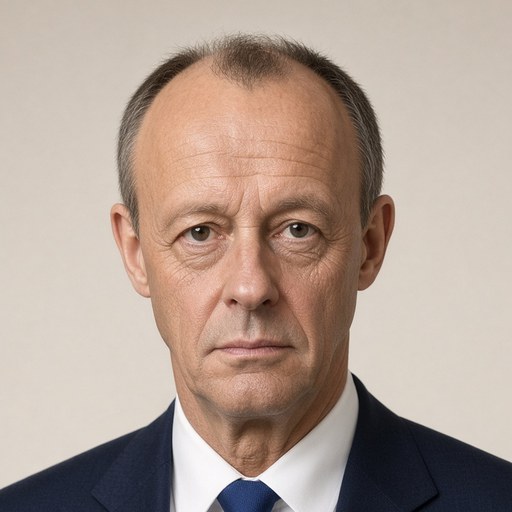
Speech by Federal Chancellor Friedrich Merz on the Budget Act 2026 before the German Bundestag on November 26, 2025, in Berlin:
 Friedrich Merz · Chancellor of Germany
- Context
- Merz addressed the German Bundestag on November 26, 2025, presenting the federal Budget Act 2026 and outlining the government's economic, security, and social priorities.
- Main themes
- Federal budget 2026, economic competitiveness, energy policy reform, corporate tax reduction, security policy, European peace and freedom, social cohesion, investment conditions, bureaucracy reduction, labor costs, Ukraine war, authoritarian threats
- Duration
- ~31 min
- Words
- 3,740
- Sentences
- 197
- Readability
- 48
- Grade
- 11.2
- Syntax
- 2.83
- Vocabulary
- 2.04
Translated from German
The broad sphere of national life a sentence belongs to. Every sentence has an Arena, so it is the denominator the other indices are read against.
Other197 sentences in 56 paragraphs
Madam President!
Dear colleagues!
This German Bundestag consists of 630 members, elected by the citizens of the Federal Republic of Germany to represent their interests here in Parliament. We have all committed ourselves – at least as far as we have sworn an oath of office – to dedicate our strength to the welfare of the German people, to increase their benefit, and to avert harm from them.
This Parliament is the right place, and the discussion about the federal budget 2026 is the right time to also highlight differences, to make it clear to the citizens of our country where these differences between the factions and the parties lie.
When we hear this morning about a twelve-point plan for Germany, in which not a single word is said about the crises of the world, about the war in Ukraine, about the great challenges of our time, about the shift towards authoritarian systems in many countries around the world, and about the major challenges facing the European Union (EU), then it is clear: This is not a policy that this federal government supports. This is not a policy that is even remotely acceptable to this Bundestag faction. I believe I can say this on behalf of the coalition partner as well.
We are confronted with great challenges. This is not an abstract description of a state, but something we deal with every day. This is what constitutes the major questions that this federal government has faced since the very first day it took office. I will briefly describe them.
First:
We must make our economy competitive again so that our companies can grow, be innovative, and create jobs even under new and most difficult geo-economic conditions. The key term in this context is: price competitiveness of our economy. These are the labor costs, the bureaucracy costs, the energy costs, and the tax burdens. I will say something about that shortly.
Second:
We must face a new security policy challenge. In other words: We must create new security policy foundations for the preservation of European freedom and peace on our continent – not a word in the so-called twelve-point plan for Germany that we just heard.
And finally
third:
We must find a new consensus on justice so that we do not just live alongside each other as individuals, but so that we live together as a society. We want to establish our coexistence on a new foundation in the best sense of the word.
These are the challenges we face. And the decisions of the federal government I lead are oriented towards these challenges, focused on the competitiveness of our economy, the security of our country, and solidarity in a democratic order.
These guiding objectives have determined the budget 2025, and they are also reflected in the budget 2026. I want to take this opportunity – just as the finance minister did yesterday – to sincerely thank those who have worked on this in the budget committee, and the staff of the budget committee for the extraordinary work they have done in preparing two federal budgets, 2025 and 2026, within a few weeks.
I want to take this opportunity today to draw an initial interim balance and to give an outlook on what we plan to do in the coming weeks and months.
Where did we stand when we started in May? The starting position was a shrinking economy, a sluggish and, in many respects, blocked country. We responded with an initial growth impulse, with a program that has particularly improved the situation of corporate taxes in Germany. We have taken the first and right step towards a new competitive level of our taxes for companies.
We have created attractive depreciation options. We have established attractive conditions for investments in Germany and subsequently lowered the corporate tax to a level that we have never had in Germany before. I say to the companies in Germany: Take this opportunity you now have for investments in the Federal Republic of Germany, in our economy!
We see the problem with energy prices. We have already addressed these energy prices before the parliamentary summer break. We have made decisions that have already been confirmed by the German Bundestag. We have abolished the gas levy, we have reduced network charges, and we have lowered energy taxes for the commercial sector.
We want to catch up on this as quickly as possible for private households as soon as it is fiscally possible. But the result is already clear: We see an average decrease of nine percent in the advance payment notices for electricity and energy costs for private households and for companies. The first decisions we have made in energy policy are having an effect. And they are also strengthening the competitiveness of our economy.
We still have very concrete decisions to make this year. Two of them depend on the approval of the EU Commission, which has been promised to us. We will enable an industrial electricity price for the years 2026, 2027, and 2028. And we will adopt a power plant strategy that will allow us to start tendering for new gas power plants next year, which are not intended to be hydrogen-ready from day one, but must be hydrogen-ready as soon as the technologies allow it. This will create new offers for the demand for affordable energy in Germany. We are taking this path so that we can also make the right decisions in energy policy, so that Germany's economy becomes competitive again.
Finally, we are tackling the mammoth task of a real reduction of bureaucracy in our country. We have an independent ministry for this purpose. I want to take this opportunity to once again express my heartfelt thanks for the work that Karsten Wildberger is doing there, a man from the private sector who knows what he is talking about, who is already implementing decisions that we have made in the cabinet.
This is attracting significant international attention. What we are doing in Germany to reduce bureaucracy and to digitize has, among other things, led to a joint summit with the French government, with the French president, last week. The keyword is: "digital sovereignty for Europe." We are leading the way: Germany and France. On that one day alone, investment agreements worth around 13 billion euros were made.
We are showing that digitization is possible. Germany and France are leading the way. I would like to thank President Emmanuel Macron once again from this platform, who has launched this initiative for all of Europe with me here in Berlin. Digitization is now becoming concrete. It will be a major project – not only of this federal government but of the entire European Union. We are catching up. And we want to achieve digital sovereignty for ourselves in Europe together.
This is accompanied by a high-tech agenda, where we are committing to major key industries, six in total: artificial intelligence, quantum technology, microelectronics, biotechnology, as well as fusion for climate-neutral energy supply and technologies for climate-neutral mobility. This high-tech agenda of the Federal Republic of Germany is being noticed worldwide and is seen as pioneering for how to bring a modern economy into the path of the latest technologies.
I would like to expressly thank my colleague Doro Bär, who has initiated this and is accompanying it with appropriate legislation together with both Bundestag factions, CDU/CSU and SPD. We are on the way to the latest technologies in Germany. And we will not be deterred from this path by petty bickering on the sidelines.
Now, all of this will only succeed with the competitiveness of our economy if we continue to live in a free and peaceful country. I may be touching on the most important guiding principle of our policy, namely the preservation of peace in freedom in Europe. I say quite deliberately: peace in freedom. Because we do not want a peace of the graveyard. We do not want peace through capitulation, but we want a peaceful coexistence of peoples in Europe based on our democratic, free values. That is what we want to achieve. And that is what we are fighting for.
This is particularly the guiding principle of our Ukraine policy. Yes, we want this war to end as quickly as possible. But an agreement negotiated between great powers without the consent of Ukraine and without the consent of Europeans will not be a basis for a genuine sustainable peace in Ukraine. Therefore, it is now crucial to maintain unity in Europe, unity with Ukraine, and unity in the transatlantic alliance. You all know this, but I want to emphasize it very clearly here: The federal government, and I personally, work day by day and sometimes late into the night for the preservation of this unity. As Chancellor, I work tirelessly on this – in many discussions at the G20 summit in South Africa, at the EU-Africa meeting in Luanda, in many phone calls, and with active diplomacy.
I therefore welcome the continued American engagement in resolving this conflict. I told President Trump exactly that in a phone call last Friday. But in this fateful moment for Ukraine, for Europe, and for our alliance with America, I want to make it clear: European affairs can only be decided in agreement with Europe. Europe is not a pawn, but a sovereign actor for its own interests and values.
In all these developments, we must not lose sight of the fact: The war could end tomorrow if Russia stops its unlawful attack and withdraws its troops from foreign territory. It could end tomorrow. There is only one aggressor in this conflict. Naming that is a prerequisite for the inner compass needed to resolve this conflict. We need this inner compass to make these decisions politically.
For genuine negotiations to even be possible, Putin must be made to see the hopelessness of his warmongering. That is why I say: We will not relent in our support for Ukraine. We will support the Ukrainian people for as long as necessary. And we want to make the frozen Russian assets available precisely for that purpose. Putin must realize that he has no chance of winning this war at the expense of the European order of freedom and peace.
Therefore, Germany will continue to support Ukraine at a very high level in the federal budget 2026. In light of recent events, we have increased the amount by another three billion euros to a total of 11.5 billion euros. For infrastructure, we are immediately providing an additional 170 million euros to mitigate the effects of Russian terror against Ukraine's winter supply – not a word of that in the first contribution we heard this morning. This is also a sign of how you think humanely about the fate of a people in our immediate neighborhood and about what it is experiencing in these days, weeks, and months.
This is, conversely, Germany's leadership responsibility for peace in freedom in Europe. The preservation of this freedom is a multifaceted task. It encompasses not only our foreign policy. We are working comprehensively on a concept to strengthen our security, including strengthening our economic security.
This particularly includes the elimination of unilateral dependencies, of unilateral supply chain dependencies. We are experiencing in these weeks and months how vulnerable we have become in recent years and what we have to catch up on. This is a wake-up call that, in my perception, is now being heard loud and clear by many companies in Germany and Europe.
We will coordinate and promote the efforts that are being undertaken in the private sector in this regard as a federal government, wherever possible. We will take the lead in trade policy and are already doing so in a comprehensive sense.
Once again: My discussions at the G20 in Johannesburg and at the EU-Africa Summit in Luanda have served exactly this purpose, namely the diversification of supply chains and the development of new raw material partnerships around the world. The African continent is looking to Europe. Many countries on the African continent are looking to Germany. We will take on this responsibility. And we will seize the opportunities that arise from it for our country, especially because we are now in a geopolitical and geo-economic situation that requires new answers and cannot be dismissed with old responses that may have been appropriate here in the 1990s.
In this sense, we have fundamentally realigned our security policy, based on our interests, the interests of the Federal Republic of Germany, and the interests of Europe. With the National Security Council, we have created the institutional prerequisites to pursue a strategically forward-looking foreign and security policy, as has become essential in these times of unrest.
In the first meeting of the National Security Council at the beginning of November, the issue of Germany's dependencies, such as on critical raw materials, was also high on the agenda. Our commitment to a new German security architecture follows the logic of a 360-degree perspective. We do not want any blind spots when it comes to the security of our citizens and the security of our country.
That is why we are investing in our cybersecurity and in the protection of critical infrastructure. That is why we are introducing a new military service law, which we have agreed upon in the coalition, with which we want to ensure the personnel capacity of the Bundeswehr.
Simply put, we must get used to the idea again: Peace and freedom do not come for free. Defense is the responsibility of us all. It is a responsibility of the state and a responsibility of society as a whole. I do not say this lightly. And I say this knowing that we, as the federal government, are also asking something of the young people in this country with this military service law. Therefore, I would like to say to the young people: You are indeed in a special and very demanding situation because two things are true at the same time: Those who were born in this country in the last 10, 20, 30 years have been born into an unprecedented prosperity, into an unprecedented world of opportunities that we have never had in the history of our country. This generation has more doors open to it than any generation before.
But at the same time, the geopolitical horizon has darkened. I have spoken of the magnitude of the tasks we face. We want to continue to be able to make the promise that has long been valid in the Federal Republic of Germany: Our country should be handed down from generation to generation in a better state; our country should also be able to promise a good future in the future.
What the young people in this country rightly expect from us as the federal government, and what other generations may and should expect from us: We will tackle the overdue tasks. We will negotiate a new consensus among the generations.
This brings me to the topic that has occupied us intensively in recent days and weeks, namely pension security. With the introduction of the Active Pension, we are embarking on a new regulatory path. Why are we doing this? We want to give people who can and want to work an additional incentive to stay in social insurance employment longer.
The message is: We want and we must work longer in this country. We are initially taking the path of voluntariness and good tax incentives. I am firmly convinced: The message will be received. We want those who wish to work longer to be able to do so and to be rewarded for it. For this, we are setting the right incentives.
This is one building block, but only one building block of the reforms we are preparing in the coming weeks and months. These reforms will include not only the statutory pension but also the other two pillars of retirement provision, namely private and occupational pensions, each funded by capital. I want to state explicitly: We are taking on the responsibility to create a new level of provision, as we agreed in the coalition agreement, perhaps even with a new indicator, so that people in Germany have a long-term perspective and can rely on the composition of retirement provision from statutory pension insurance as basic security, private retirement provision as additional capital-funded retirement provision, and an occupational pension to ensure that they can lead a good life in old age and do not slide into poverty and neediness. This is the goal of this coalition. And we will achieve this goal together.
Yes, we have set up a number of commissions. The Social State Commission has successfully begun its work. The Pension Commission will follow later this year and will receive a very concrete mandate. To be clear: The establishment of commissions – I want to make this very clear for myself personally – is not a strategy of avoiding politics or even delaying. The opposite is true: We want to work comprehensively on a new model of the welfare state. We want to make comprehensive decisions. We want to make decisions that, ideally, unlike previous decisions, can be valid for years and decades, so that the welfare state in the Federal Republic of Germany is future-proof under the difficult geo-economic and geostrategic conditions. Achieving this and making the best possible decision in this matter is the firm will of this coalition. And that is also my firm will. We will not rush this. But we will make it possible, in a fair balance between the generations, for as many people in our society as possible to agree across generations on what our coalition, this government, decides together.
We will follow this principle in the decisions that have already been made. You know that we are transitioning the citizen's income into a new basic security. The draft law is ready. And the decision of the Federal Cabinet to no longer include Ukrainian refugees in the citizen's income in the future, but to transfer them to the Asylum Seekers Benefits Act, has already been decided in the Cabinet and will be discussed in the German Bundestag in the first reading later this year.
We are also on the way to eliminating perceived and actual injustices in our labor market, so that those who work in Germany can regain the legitimate feeling that their taxes and social security contributions are being handled carefully, while at the same time those who need the welfare state of the Federal Republic are not left behind. This is the policy of this federal government.
And just as fundamentally and with the same high speed, we have addressed the issues of justice and security that have arisen from uncontrolled migration in recent years. We are deciding again who comes to us and under what conditions they come to us and whether they stay with us. As I promised, we tightened border controls on the first day of taking office. We accelerated asylum procedures. We suspended family reunification for those with subsidiary protection. And we are continuing to work towards a comprehensive European solution, with which we will clarify at the European external border who has a right to enter and seek protection in Europe. These are concrete decisions we are making as part of a comprehensive reform program. And we are only at the beginning of these reforms that our country so urgently needs.
We are working at a high pace. But we also know: The expectations for reform are sometimes greater than we can currently meet. Yes, that is true. And I keep hearing that it is said that this government just needs to get a move on and implement two or three major projects, and the problems in our country would disappear. No, our country, the Federal Republic of Germany – and that is an honest answer – is a highly complex country. And highly complex issues require complex answers and not under-complex rhetoric, as we have heard here this morning.
In a democracy, these steps must also be supported by large parts of the population. We must take the people in our country along on the path to solving these great challenges we face: step by step, reform by reform. We will take these steps, even though our measures – and it cannot be otherwise – will only have an effect with a time delay.
Although we are in the midst of our agenda and not at the end, and although the geo-economic and geopolitical winds have recently become even rougher, a trend reversal is nonetheless emerging, for example, in the growth figures in the construction sector. Demand there is rising significantly. In residential construction, the numbers are rising significantly. The trend reversal is noticeable in investments promised to the country, in private sector efforts for greater strategic sovereignty, and in the world's view of our country.
With the 2026 budget, we have the means to leverage this momentum and seamlessly continue where we left off with the 2025 budget. We will maintain the pace of reform and, where necessary, demand even more. I would like to reiterate what I have already said in my first government statement in this house: Historical times are times of testing, not only for an elected government but for society as a whole, especially for a democratic society.
The essential task of the federal government I lead, and thus of the federal government as a whole, is to reconcile and balance the diverse interests that exist in our country, so that everyone can gladly contribute to the future of our country in their own place. That is political leadership. That is forward-looking policy. And that is the key to a new confidence that many rightly still miss in the country, which we as politicians cannot prescribe. We can only lead the way and invite as many people in our country as possible to continue on this path with us.
In this sense, I say to you: If we are open, if we are receptive to arguments, if we also make necessary corrections, if we walk this path of renewing our country together in the face of the greatest geostrategic and geo-economic challenges, then we will also succeed together for our country. That is what we work on every day.
Thank you.
The original German. The tags above are read on the English translation's sentences.
Frau Präsidentin!
Liebe Kolleginnen und Kollegen!
Diesem Deutschen Bundestag gehören 630 Abgeordnete an, gewählt von den Bürgerinnen und Bürgern der Bundesrepublik Deutschland, um deren Interessen hier im Parlament zu vertreten. Wir alle haben uns dazu verpflichtet – jedenfalls soweit wir einen Amtseid geschworen haben –, unsere Kraft dem Wohle des deutschen Volkes zu widmen, seinen Nutzen zu mehren und Schaden von ihm zu wenden.
Dieses Parlament ist der richtige Ort und die Aussprache über den Bundeshaushalt 2026 der richtige Zeitpunkt, um auch Unterschiede herauszuarbeiten, um den Bürgerinnen und Bürgern unseres Landes deutlich zu machen, wo denn diese Unterschiede zwischen den Fraktionen und den Parteien liegen.
Wenn wir hier heute Morgen von einem Zwölf-Punkte-Plan für Deutschland hören, in dem zu den Krisen der Welt, zum Krieg in der Ukraine, zu den großen Herausforderungen unserer Zeit, zu den Veränderungen hin zu autoritären Systemen in vielen Ländern dieser Welt bis hin zu den großen Herausforderungen, vor denen die Europäische Union (EU) steht, kein einziges Wort gesagt wird, dann ist klar: Das ist keine Politik, die diese Bundesregierung mitgeht. Das ist keine Politik, die für diese Bundestagsfraktion auch nur im Ansatz zustimmungsfähig ist. Ich denke, ich darf das auch im Namen des Koalitionspartners sagen.
Wir sind mit großen Herausforderungen konfrontiert. Das ist keine abstrakte Beschreibung eines Zustandes, sondern das ist etwas, mit dem wir jeden Tag zu tun haben. Das ist etwas, das die großen Fragen ausmacht, vor denen diese Bundesregierung seit dem ersten Tag steht, an dem sie ins Amt gekommen ist. Ich will sie kurz beschreiben.
Erstens:
Wir müssen unsere Wirtschaft wieder wettbewerbsfähig machen, damit unsere Unternehmen auch unter neuen und schwierigsten geoökonomischen Bedingungen wachsen können, innovativ sein können, Arbeitsplätze schaffen können. Das Schlüsselwort heißt in diesem Zusammenhang: preisliche Wettbewerbsfähigkeit unserer Volkswirtschaft. Das sind die Arbeitskosten, das sind die Bürokratiekosten, das sind die Energiekosten, und das sind die Steuerlasten. Dazu werde ich gleich etwas sagen.
Zweitens:
Wir müssen uns einer neuen sicherheitspolitischen Herausforderung stellen. Andersherum gesagt: Wir müssen neue sicherheitspolitische Grundlagen für die Bewahrung der europäischen Freiheit und des Friedens auf unserem Kontinent schaffen – kein Wort in dem sogenannten Zwölf-Punkte-Plan für Deutschland, von dem wir hier eben gehört haben.
Und schließlich
drittens:
Wir müssen zu einem neuen Konsens der Gerechtigkeit finden, damit wir nicht nur als Einzelne nebeneinander leben, sondern damit wir als Gesellschaft miteinander leben. Wir wollen unser Zusammenleben im besten Sinne des Wortes auf eine neue Grundlage stellen.
Das sind die Herausforderungen, vor denen wir stehen. Und daran orientieren sich die Entscheidungen der von mir geführten Bundesregierung, ausgerichtet auf die Wettbewerbsfähigkeit unserer Wirtschaft, die Sicherheit unseres Landes und das solidarische Miteinander in einer demokratischen Ordnung.
Genau diese Leitziele haben den Haushalt 2025 bestimmt, und sie bilden sich im Haushalt 2026 ebenfalls ab. Ich will die Gelegenheit nutzen – so wie der Finanzminister gestern –, denjenigen, die diese Arbeit im Haushaltsausschuss geleistet haben, und den Mitarbeiterinnen und Mitarbeitern des Haushaltsausschusses für die außergewöhnliche Arbeit ganz herzlich zu danken, die sie mit zwei Bundeshaushalten 2025 und 2026 innerhalb von wenigen Wochen geleistet haben.
Ich will die Gelegenheit heute nutzen, eine erste Zwischenbilanz zu ziehen und einen Ausblick auf das zu geben, was wir in den nächsten Wochen und Monaten weiter vorhaben.
Wo standen wir, als wir im Mai angefangen haben? Die Ausgangslage war eine schrumpfende Wirtschaft, ein schwerfälliges und in vielerlei Hinsicht blockiertes Land. Wir haben darauf mit einem ersten Wachstumsimpuls reagiert, mit einem Programm, das insbesondere die Lage der Unternehmenssteuern in Deutschland verbessert hat. Wir haben den ersten und richtigen Schritt hin zu einem neuen wettbewerbsfähigen Niveau unserer Steuern für die Unternehmen getan.
Wir haben Abschreibungsmöglichkeiten geschaffen, die attraktiv sind. Wir haben attraktive Bedingungen für Investitionen in Deutschland geschaffen und danach die Körperschaftsteuer auf ein Niveau abgesenkt, das wir in Deutschland noch nie gehabt haben. Ich sage den Unternehmen in Deutschland: Nutzen Sie diese Chance, die Sie jetzt haben, für Investitionen in die Bundesrepublik Deutschland, in unsere Volkswirtschaft!
Wir sehen das Problem bei den Energiepreisen. Wir haben diese Energiepreise schon vor der parlamentarischen Sommerpause in den Blick genommen. Wir haben Entscheidungen getroffen, die bereits durch den Deutschen Bundestag bestätigt worden sind. Wir haben die Gasumlage abgeschafft, wir haben die Netzentgelte gesenkt, wir haben die Energiesteuern für die gewerbliche Wirtschaft gesenkt.
Wir wollen das so schnell wie möglich für die privaten Haushalte nachholen, sobald das haushälterisch möglich ist. Aber das Ergebnis ist bereits jetzt deutlich: Wir sehen in den Vorauszahlungsbescheiden im Durchschnitt ein Minus von neun Prozent bei den Strom- und Energiekosten für die privaten Haushalte und für die Unternehmen. Die ersten Entscheidungen, die wir in der Energiepolitik getroffen haben, wirken. Und sie stärken damit auch die Wettbewerbsfähigkeit unserer Volkswirtschaft.
Wir haben noch in diesem Jahr sehr konkrete Entscheidungen zu treffen. Zwei davon sind abhängig von der Zustimmung der EU-Kommission, die uns aber in Aussicht gestellt worden ist. Wir werden einen Industriestrompreis für die Jahre 2026, 2027 und 2028 ermöglichen. Und wir werden eine Kraftwerkstrategie verabschieden, die es uns ermöglicht, schon im nächsten Jahr mit Ausschreibungen für neue Gaskraftwerke zu beginnen, die nicht vom ersten Tag an wasserstofffähig sein sollen, die aber wasserstofffähig sein müssen, sobald die Technologien es hergeben. Damit schaffen wir neue Angebote für die Nachfrage nach preisgünstiger Energie in Deutschland. Wir gehen diesen Weg, damit wir auch in der Energiepolitik die richtigen Entscheidungen treffen, damit Deutschlands Wirtschaft wieder wettbewerbsfähig wird.
Schließlich machen wir uns an die Mammutaufgabe eines wirklichen Rückbaus der Bürokratie in unserem Land heran. Wir haben dazu ein eigenständiges Ministerium. Ich will an dieser Stelle noch einmal herzlichen Dank für die Arbeit sagen, die Karsten Wildberger dort macht, ein Mann aus der Privatwirtschaft, der weiß, wovon er spricht, der auch Entscheidungen, die wir im Kabinett beschlossen haben, bereits umsetzt.
Das Ganze findet große internationale Aufmerksamkeit. Das, was wir in Deutschland zum Bürokratierückbau und zur Digitalisierung machen, hat unter anderem dazu geführt, dass wir in der letzten Woche hier einen gemeinsamen Gipfel mit der französischen Regierung, mit dem französischen Staatspräsidenten durchführen konnten. Das Stichwort heißt: „digitale Souveränität für Europa“. Wir gehen voran: Deutschland und Frankreich. Es sind allein an diesem einen Tag Investitionsverabredungen in Höhe von rund 13 Milliarden Euro getroffen worden.
Wir zeigen, dass Digitalisierung möglich ist. Deutschland und Frankreich gehen voran. Herzlichen Dank von dieser Stelle noch einmal an den Präsidenten, an Emmanuel Macron, der mit mir zusammen diese Initiative für ganz Europa hier in Berlin auf den Weg gebracht hat. Die Digitalisierung wird jetzt konkret. Sie wird ein großes Projekt – nicht nur dieser Bundesregierung, sondern der gesamten Europäischen Union. Wir holen auf. Und wir wollen gemeinsam digitale Souveränität für uns in Europa erreichen.
Das Ganze wird begleitet durch eine Hightech-Agenda, wo wir uns zu großen Schlüsselindustrien bekennen, sechs an der Zahl: künstliche Intelligenz, Quantentechnologie, Mikroelektronik, Biotechnologie, außerdem Fusion für klimaneutrale Energieversorgung und Technologien für klimaneutrale Mobilität. Diese Hightech-Agenda der Bundesrepublik Deutschland wird weltweit beachtet und als wegweisend dafür empfunden, wie man eine moderne Volkswirtschaft auf den Weg modernster Technologien bringen kann.
Ich möchte ausdrücklich der Kollegin Doro Bär Dank sagen, die das hier auf den Weg gebracht hat und zusammen mit beiden Bundestagsfraktionen, CDU/CSU und SPD, durch entsprechende Gesetzgebung begleitet. Wir sind auf dem Weg zu modernsten Technologien in Deutschland. Und wir lassen uns von diesem Weg auch nicht abbringen durch kleinteiliges Gemäkel am Straßenrand.
Nun wird das Ganze mit der Wettbewerbsfähigkeit unserer Volkswirtschaft nur gelingen, wenn wir weiter in einem freiheitlichen und in einem friedlichen Land leben. Ich bin damit vielleicht bei der wichtigsten Leitlinie unserer Politik, nämlich der Bewahrung von Frieden in Freiheit in Europa. Ich sage ganz bewusst: Frieden in Freiheit. Denn wir wollen keine Friedhofsruhe. Wir wollen keinen Frieden durch Kapitulation, sondern wir wollen ein friedliches Zusammenleben der Völker in Europa auf der Grundlage unserer demokratischen, freiheitlichen Werte. Das wollen wir erreichen. Und dafür kämpfen wir.
Das ist insbesondere die Richtschnur unserer Ukrainepolitik. Ja, wir wollen, dass dieser Krieg so schnell wie möglich endet. Doch ein zwischen Großmächten verhandeltes Abkommen ohne die Zustimmung der Ukraine und ohne die Zustimmung der Europäer wird keine Grundlage sein für einen echten tragfähigen Frieden in der Ukraine. Deshalb kommt es jetzt ganz entscheidend auf Einheit in Europa an, auf Einheit mit der Ukraine und auf Einheit im Transatlantischen Bündnis. Sie alle wissen dies, aber ich will es hier an dieser Stelle noch einmal sehr deutlich hervorheben: Für die Wahrung dieser Einheit arbeitet die Bundesregierung, arbeite ich persönlich Tag für Tag und zum Teil bis spät in die Nacht. Als Bundeskanzler arbeite ich unermüdlich daran – in vielen Gesprächen beim G20-Gipfel in Südafrika, beim EU-Afrika-Treffen in Luanda, in vielen Telefonaten und mit aktiver Diplomatie.
Ich begrüße deswegen das fortgesetzte amerikanische Engagement bei der Lösung dieses Konfliktes. Das habe ich Präsident Trump am vergangenen Freitag in einem Telefonat auch genau so gesagt. Aber in diesem schicksalhaften Moment für die Ukraine, auch für Europa und für unsere Allianz mit Amerika will ich klar sagen: Über europäische Angelegenheiten kann nur im Einvernehmen mit Europa entschieden werden. Europa ist kein Spielball, sondern souveräner Akteur für seine eigenen Interessen und Werte.
Bei all diesen Entwicklungen dürfen wir nicht aus dem Blick verlieren: Der Krieg könnte morgen enden, wenn Russland seinen völkerrechtswidrigen Angriff einstellt und seine Truppen von fremdem Staatsgebiet zurückzieht. Er könnte morgen enden. Es gibt in diesem Konflikt nur einen Aggressor. Das zu benennen, ist Voraussetzung für den inneren Kompass, den es zur Lösung dieses Konfliktes braucht. Wir brauchen diesen inneren Kompass, um diese Entscheidungen auch politisch zu treffen.
Damit echte Verhandlungen überhaupt erst möglich werden, muss Putin die Aussichtslosigkeit seines Kriegstreibens vor Augen geführt werden. Deshalb sage ich: Wir werden in unserer Unterstützung der Ukraine nicht nachlassen. Wir werden das ukrainische Volk so lange unterstützen, wie dies notwendig ist. Und wir wollen die eingefrorenen russischen Vermögenswerte genau dafür verfügbar machen. Putin muss erkennen, dass er keine Chance bekommt, diesen Krieg erfolgreich zulasten der europäischen Freiheits- und Friedensordnung zu gewinnen.
Deshalb wird Deutschland die Ukraine auch im Bundeshaushalt 2026 weiterhin auf einem sehr hohen Niveau unterstützen. Im Lichte der Ereignisse haben wir die Summe noch einmal um weitere drei Milliarden Euro aufgestockt auf jetzt insgesamt 11,5 Milliarden Euro. Für die Infrastruktur stellen wir weitere 170 Millionen Euro sofort zur Verfügung, um die Auswirkungen des russischen Terrors gegen die Winterversorgung der Ukraine zu lindern – kein Wort davon bei dem ersten Beitrag, den wir heute Morgen gehört haben. Auch das ist ein Zeichen, wie Sie menschlich über das Schicksal eines Volkes in unserer unmittelbaren Nachbarschaft denken und darüber, was es in diesen Tagen, Wochen und Monaten erlebt.
Das ist umgekehrt deutsche Führungsverantwortung für einen Frieden in Freiheit in Europa. Die Bewahrung dieser Freiheit ist eine facettenreiche Aufgabe. Sie umfasst nicht nur unsere Außenpolitik. Wir arbeiten insgesamt und umfassend an einem Konzept zur Stärkung unserer Sicherheit, auch zur Stärkung unserer Wirtschaftssicherheit.
Dazu zählt ganz besonders die Beseitigung von einseitigen Abhängigkeiten, von einseitigen Lieferkettenabhängigkeiten. Wir erleben in diesen Wochen und Monaten, wie verletzlich wir in den letzten Jahren geworden sind und was wir aufzuholen haben. Das ist ein Weckruf, der nach meiner Wahrnehmung auch von vielen Unternehmen in Deutschland und in Europa inzwischen laut und deutlich vernommen wird.
Wir werden die Anstrengungen, die in der Privatwirtschaft in dieser Hinsicht übernommen werden, als Bundesregierung koordinieren und fördern, wo das nur möglich ist. Wir werden handelspolitisch vorangehen und tun dies bereits im umfassenden Sinne.
Noch einmal: Meine Gespräche bei der G20 in Johannesburg, beim EU-Afrika-Gipfel in Luanda haben genau diesem Ziel gedient, nämlich der Diversifizierung der Lieferketten und dem Erschließen neuer Rohstoffpartnerschaften auf der Welt. Der afrikanische Kontinent schaut auf Europa. Viele Länder auf dem afrikanischen Kontinent schauen auf Deutschland. Wir werden diese Verantwortung annehmen. Und wir werden die Chancen, die sich daraus ergeben, für unser Land nutzen, gerade weil wir jetzt in einer solchen geopolitischen und geoökonomischen Lage sind, die neue Antworten erfordert und nicht mit alten Antworten abgetan werden kann, die vielleicht in den 90er Jahren hier noch am Platz gewesen wären.
Wir haben in diesem Sinne unsere Sicherheitspolitik grundlegend neu ausgerichtet, und zwar an unseren Interessen, an den Interessen der Bundesrepublik Deutschland und an den Interessen Europas. Wir haben mit dem Nationalen Sicherheitsrat die institutionellen Voraussetzungen geschaffen, um eine strategisch vorausschauende Außen- und Sicherheitspolitik zu machen, wie es in diesen Zeiten der Friedlosigkeit unerlässlich geworden ist.
In der ersten Sitzung des Nationalen Sicherheitsrates Anfang November stand auch die Frage der deutschen Abhängigkeiten etwa von kritischen Rohstoffen weit oben auf der Agenda. Unser Engagement für eine neue deutsche Sicherheitsarchitektur folgt der Logik eines 360-Grad-Blicks. Wir wollen keine weißen Flecken, wenn es um die Sicherheit unserer Bürgerinnen und Bürger, wenn es um die Sicherheit unseres Landes geht.
Deshalb investieren wir in unsere Cybersicherheit und in den Schutz kritischer Infrastruktur. Deshalb bringen wir ein neues Wehrdienstgesetz auf den Weg, auf das wir uns in der Koalition geeinigt haben und mit dem wir die personelle Ausstattung der Bundeswehr sicherstellen wollen.
Ganz einfach, wir müssen uns wieder an den Gedanken gewöhnen: Frieden und Freiheit gibt es nicht umsonst. Verteidigung liegt in unser aller Verantwortung. Sie ist eine gesamtstaatliche und eine gesamtgesellschaftliche Verantwortung. Ich sage das nicht leichtfertig. Und ich sage das in dem Wissen, dass wir als Bundesregierung auch und gerade den jungen Menschen in diesem Land mit diesem Wehrdienstgesetz etwas abverlangen. Ich möchte daher in Richtung der jungen Menschen sagen: Sie sind tatsächlich in einer besonderen und in einer sehr fordernden Situation, weil zwei Dinge gleichzeitig wahr sind: Wer in den letzten 10, 20, 30 Jahren in diesem unserem Land geboren wurde, wurde in einen historisch beispiellosen Wohlstand hineingeboren, in eine historisch beispiellose Welt der Möglichkeiten, wie wir sie in der Geschichte unseres Landes noch nie hatten. Dieser Generation stehen so viele Türen offen wie keiner Generation zuvor.
Aber gleichzeitig hat sich der geopolitische Horizont verdunkelt. Ich habe von der Größe der Aufgaben gesprochen, vor denen wir stehen. Wir wollen weiter das Versprechen abgeben können, das in der Bundesrepublik Deutschland sehr lange gegolten hat: Unser Land soll von Generation zu Generation in einem besseren Zustand übergeben werden; unser Land soll auch in Zukunft eine gute Zukunft versprechen können.
Das, was die jungen Menschen in diesem Land darum zu Recht von uns als Bundesregierung erwarten, was aber auch andere Generationen von uns erwarten dürfen und sollen: Wir werden die überfälligen Aufgaben angehen. Wir werden einen neuen Konsens der Generationen aushandeln.
Damit komme ich zu dem Thema, das uns in den letzten Tagen und Wochen intensiv beschäftigt hat, nämlich die Alterssicherung. Wir schlagen mit der Einführung der Aktivrente einen neuen ordnungspolitischen Weg ein. Warum tun wir das? Wir wollen Menschen, die noch arbeiten können und wollen, einen zusätzlichen Anreiz geben, länger in der sozialversicherungspflichtigen Beschäftigung zu bleiben.
Die Botschaft ist: Wir wollen und wir müssen in diesem Land länger arbeiten. Wir gehen damit zunächst den Weg der Freiwilligkeit und guter steuerlicher Anreize. Ich bin fest davon überzeugt: Die Botschaft wird ankommen. Wir wollen, dass diejenigen, die länger arbeiten möchten, auch länger arbeiten können und dafür auch belohnt werden. Hierfür setzen wir die richtigen Anreize.
Das ist ein Baustein, aber eben nur ein Baustein von Reformen, die wir in den nächsten Wochen und Monaten vorbereiten. Diese Reformen werden neben der gesetzlichen Rente auch die zwei anderen Säulen der Altersversorgung umfassen, nämlich die private und die betriebliche Altersversorgung, jeweils kapitalgedeckt. Ich will ausdrücklich sagen: Wir stellen uns der Verantwortung, ein neues Versorgungsniveau zu schaffen, so wie wir es im Koalitionsvertrag verabredet hatten, vielleicht sogar mit einer neuen Kennziffer versehen, sodass die Menschen in Deutschland langfristig eine Perspektive haben und sich aufgrund der Zusammensetzung der Altersversorgung aus gesetzlicher Rentenversicherung als Basisabsicherung, privater Altersversorgung als zusätzliche kapitalgedeckte Altersversorgung und einer Betriebsrente darauf verlassen können, dass sie auch im Alter ein gutes Leben führen können und nicht in Armut und Bedürftigkeit abgleiten. Das ist das Ziel dieser Koalition. Und dieses Ziel werden wir auch gemeinsam erreichen.
Ja, wir haben eine Reihe von Kommissionen eingesetzt. Die Sozialstaatskommission hat ihre Arbeit erfolgreich aufgenommen. Die Rentenkommission wird noch in diesem Jahr folgen und einen sehr konkreten Arbeitsauftrag bekommen. Um auch dies hier klar zu sagen: Das Einsetzen von Kommissionen – ich will das auch für mich persönlich hier sehr deutlich festhalten – ist für uns keine Strategie der Politikvermeidung oder gar der Verzögerung. Das Gegenteil ist richtig: Wir wollen im umfassenden Sinne an einem neuen Sozialstaatsmodell arbeiten. Wir wollen umfassende Entscheidungen treffen. Wir wollen im besten Falle Entscheidungen treffen, die – anders als frühere Entscheidungen – für Jahre und Jahrzehnte bestandskräftig sein können, damit der Sozialstaat unter den schwierigen geoökonomischen und geostrategischen Voraussetzungen in der Bundesrepublik Deutschland zukunftsfest ist. Dies zu erreichen und die bestmögliche Entscheidung zu treffen in dieser Sache, ist der feste Wille dieser Koalition. Und das ist auch mein fester Wille. Das werden wir nicht übers Knie brechen. Aber wir werden in einem fairen Ausgleich zwischen den Generationen möglich machen, dass ein möglichst großer Teil unserer Gesellschaft dem generationenübergreifend zustimmen kann, was unsere Koalition, diese Regierung, miteinander beschließt.
Genau diesem Prinzip werden wir folgen bei den Entscheidungen, die bereits getroffen sind. Sie wissen, dass wir das Bürgergeld in eine neue Grundsicherung überführen. Der Gesetzentwurf ist fertig. Und die Entscheidung des Bundeskabinetts, die ukrainischen Flüchtlinge in Zukunft nicht mehr im Bürgergeld zu lassen, sondern sie in das Asylbewerberleistungsrecht zu überführen, ist bereits im Kabinett beschlossen und wird noch in diesem Jahr im Deutschen Bundestag in erster Lesung beraten.
Wir sind auch hier auf dem Weg, gefühlte und tatsächliche Ungerechtigkeiten in unserem Arbeitsmarkt zu beseitigen, sodass diejenigen, die in Deutschland arbeiten, das berechtigte Gefühl zurückgewinnen können, dass mit ihren Steuern und Sozialversicherungsbeiträgen sorgfältig umgegangen wird, und gleichzeitig diejenigen, die den Sozialstaat der Bundesrepublik brauchen, nicht im Stich gelassen werden. Das ist die Politik dieser Bundesregierung.
Und ebenso grundsätzlich und mit ebenso hohem Tempo haben wir uns der Gerechtigkeitsprobleme und der Sicherheitsprobleme angenommen, die durch die ungesteuerte Migration in den letzten Jahren entstanden sind. Wir entscheiden wieder, wer zu uns kommt und unter welchen Bedingungen er zu uns kommt und ob er bei uns bleibt. Wir haben, so wie von mir zugesagt, am Tag eins des Regierungsantritts die Grenzkontrollen verschärft. Wir haben die Asylverfahren beschleunigt. Wir haben den Familiennachzug für subsidiär Schutzberechtigte ausgesetzt. Und wir arbeiten weiter für eine umfassende europäische Lösung, mit der wir künftig schon an der europäischen Außengrenze klären, wer einen Anspruch auf Einreise und Schutz in Europa hat. Das sind konkrete Entscheidungen, die wir treffen im Rahmen eines umfassenden Reformprogramms. Und wir stehen erst am Anfang dieser Reformen, die unser Land so dringend benötigt.
Wir gehen mit hohem Tempo an die Arbeit. Aber wir wissen auch: Die Reformerwartungen sind zum Teil größer, als wir sie im Augenblick erfüllen. Ja, das stimmt. Und ich höre immer wieder, dass gesagt wird, diese Regierung müsse sich doch nur mal einen Ruck geben und zwei, drei große Vorhaben umsetzen, schon wären die Probleme in unserem Land verflogen. Nein, unser Land, die Bundesrepublik Deutschland – und das ist eine ehrliche Antwort –, ist ein hochkomplexes Land. Und hochkomplexe Sachverhalte erfordern komplexe Antworten und nicht unterkomplexe Redensarten, wie wir sie hier heute Morgen gehört haben.
In einer Demokratie müssen diese Schritte auch von großen Teilen der Bevölkerung getragen werden. Wir müssen die Menschen in unserem Lande mitnehmen auf dem Weg zur Lösung dieser großen Herausforderungen, vor denen wir stehen: Schritt für Schritt, Reform für Reform. Wir werden diese Schritte gehen, obwohl unsere Maßnahmen – und anders kann es auch gar nicht sein – nur mit Zeitverzug wirken.
Obwohl wir mittendrin und nicht am Ende unserer Agenda sind, obwohl der geoökonomische und geopolitische Wind zuletzt eher noch rauer geworden ist, zeichnet sich trotzdem eine Trendwende ab, so zum Beispiel bei den Wachstumszahlen im Bauhauptgewerbe. Die Nachfrage steigt dort deutlich. Beim Wohnungsbau steigen die Zahlen deutlich. Die Trendwende ist spürbar bei Investitionen, die dem Land zugesagt werden, bei den privatwirtschaftlichen Anstrengungen für mehr strategische Souveränität und beim Blick der Welt auf unser Land.
Wir haben mit dem Haushalt 2026 die Mittel, dieses Momentum zu nutzen und nahtlos da weiterzumachen, wo wir mit dem Haushalt 2025 aufgehört haben. Wir werden das Reformtempo hochhalten und da, wo notwendig, noch einmal mehr fordern. Ich sage zugleich noch einmal das, was ich sinngemäß in meiner ersten Regierungserklärung in diesem Hause schon gesagt habe: Historische Zeiten sind Zeiten der Bewährung, nicht nur für eine gewählte Regierung, sondern für die Gesellschaft im Ganzen, zumal für eine demokratische Gesellschaft.
Die wesentliche Aufgabe der von mir geführten Bundesregierung und so auch der Bundesregierung insgesamt ist, die vielfältigen Interessen, die es in unserem Land gibt, in Einklang und in einen Ausgleich miteinander zu bringen, und zwar so, dass jede und jeder sich gern an ihrer und seiner Stelle für die Zukunft unseres Landes einbringt. Das ist politische Führung. Das ist vorausschauende Politik. Und das ist der Schlüssel für eine neue Zuversicht, die viele zu Recht immer noch im Lande vermissen, die wir als Politik aber auch nicht verordnen können. Wir können nur vorangehen und möglichst viele in unserem Land bitten, auffordern und dazu einladen, diesen Weg mit uns weiterzugehen.
In diesem Sinne sage ich Ihnen: Wenn wir offen sind, wenn wir für Argumente zugänglich sind, wenn wir auch notwendige Korrekturen vornehmen, wenn wir diesen Weg der Erneuerung unseres Landes angesichts größter geostrategischer und geoökonomischer Herausforderungen gemeinsam gehen, dann haben wir auch gemeinsam Erfolg für unser Land. Daran arbeiten wir jeden Tag.
Ich danke Ihnen.